Top 60 Croatian Wines

Last updated on July 15, 2026

Best Croatian Wine Types
01

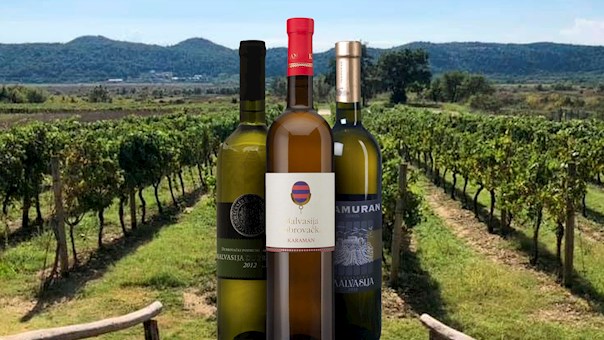
Istarska malvazija

4.0 ·

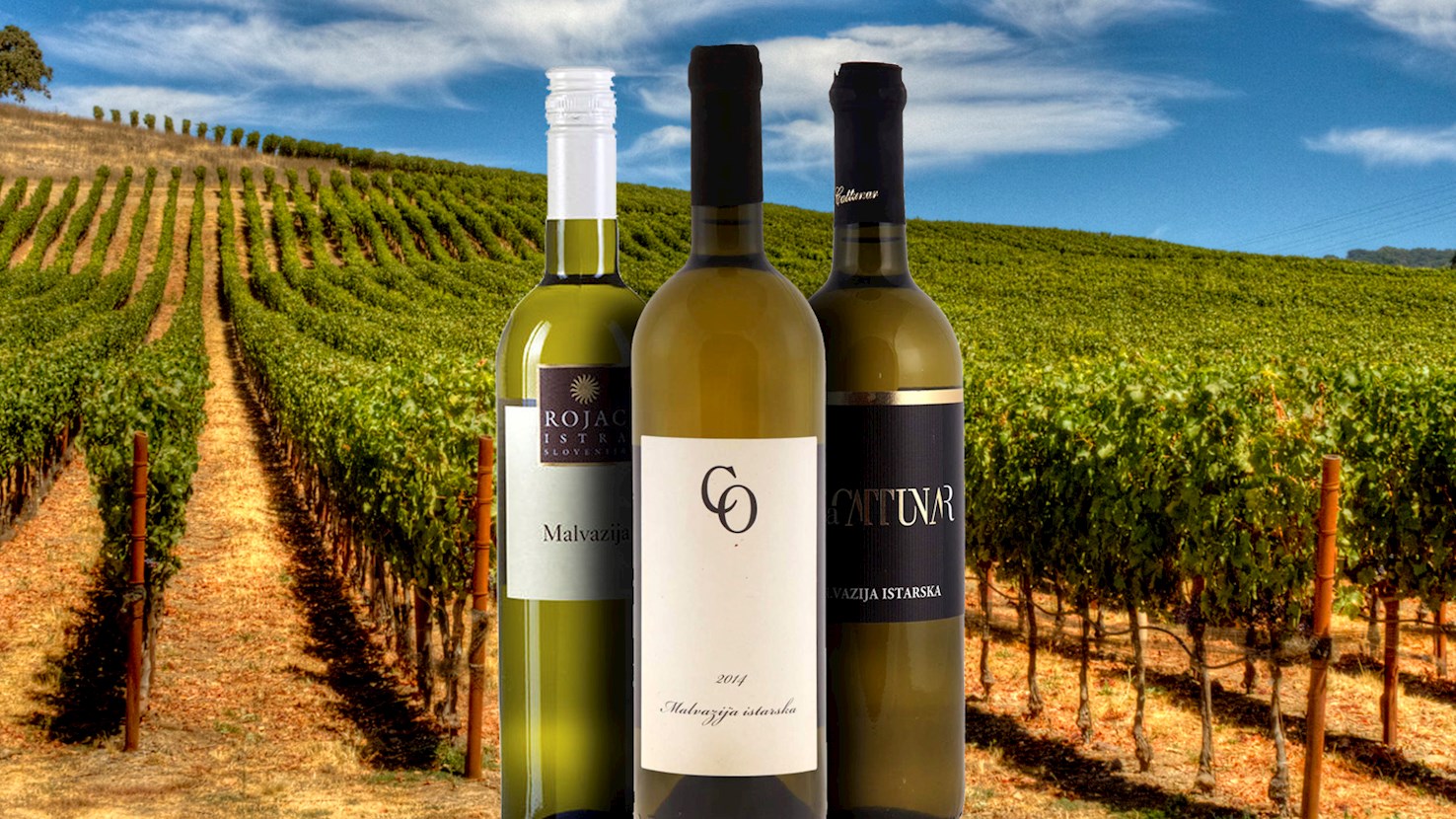
Istarska malvazija is a native Croatian white grape variety that is predominantly grown in Istria, where it is mostly used in the production of varietals. These food-friendly wines are typically fresh and fruity, with mineral notes and aromas of green apple, acacia, and apricots. Although most varieties are enjoyed young, some producers mature it for extended periods in oak, acacia barrels, or amphorae to produce slightly different expressions. Malvazija wines pair well with white fish, other types of seafood, as well as with various dishes prepared with the white Istrian truffle. Apart from Istria, the grape is also grown in some parts of Slovenia and the Italian region Friuli-Venezia Giulia.

02

Babić

3.8 ·

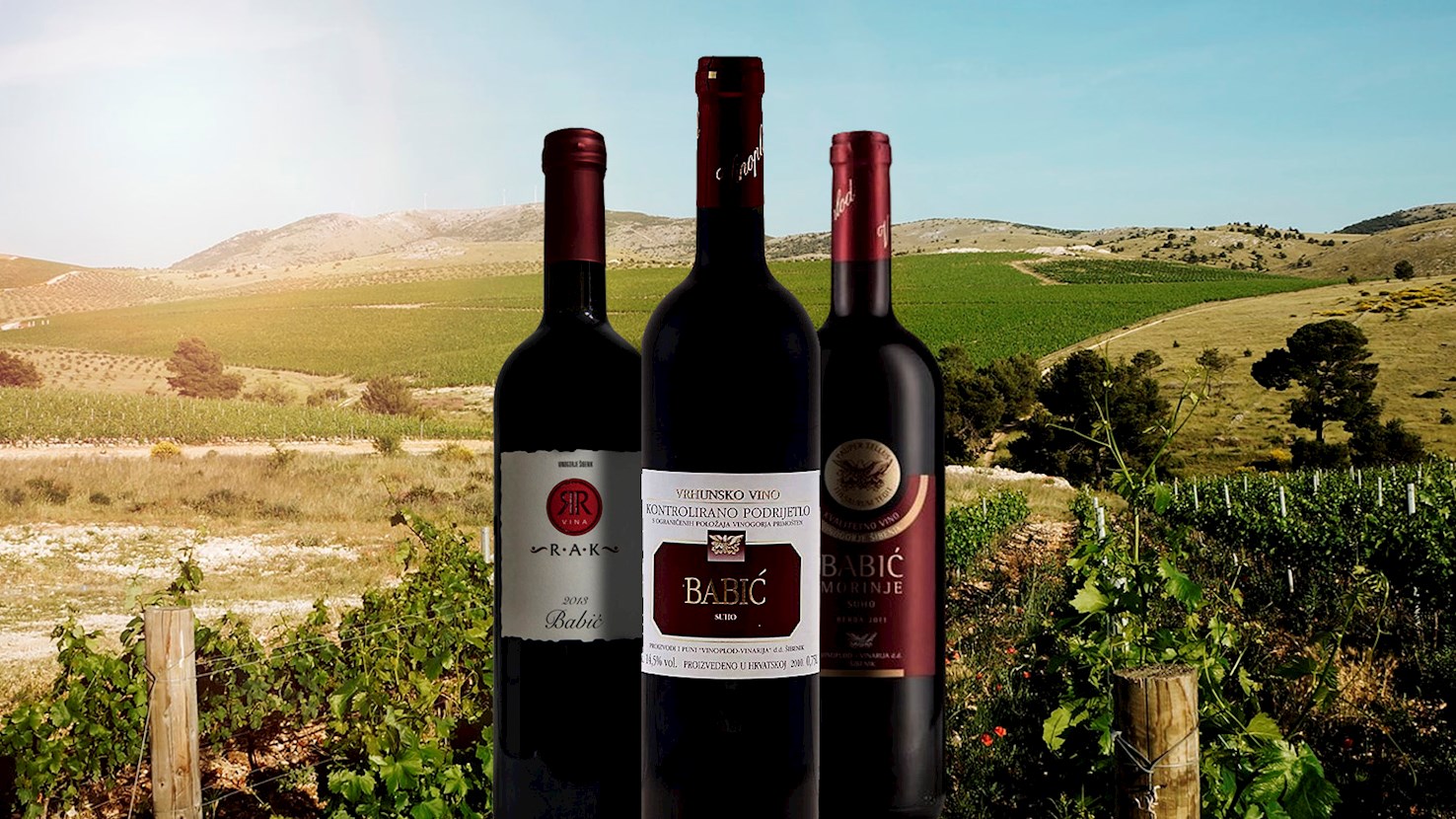
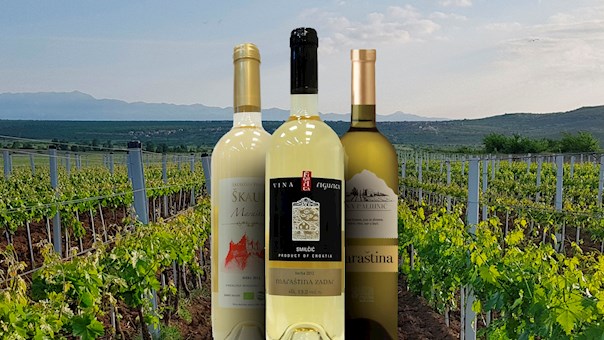
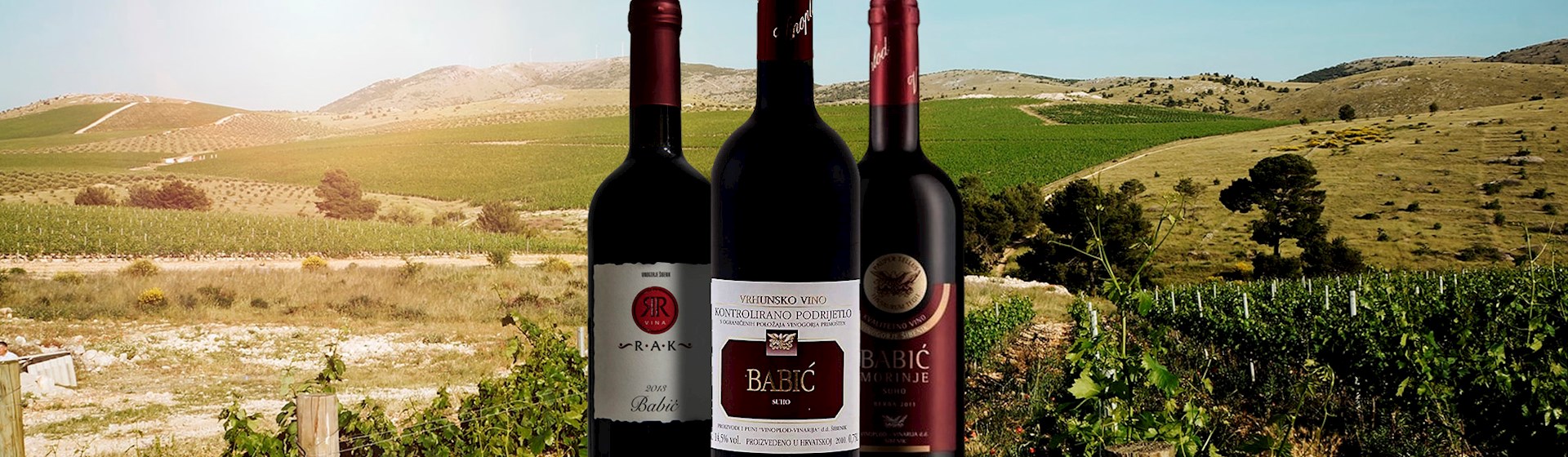
Babić is a native red Croatian grape that is mainly cultivated in central and northern Dalmatia and some Dalmatian islands, but the best expressions come from Šibenik-Knin County. The variety was traditionally used as a blending grape, but it has shown excellent potential as an age-worthy varietal wine. The terroir dramatically influences the quality of Babić wines. Fertile soils around Šibenik tend to produce light, medium-bodied wines with flavor and aroma reminiscent of red berries. The best expressions of Babić come from Primošten and Rogoznica, situated in the southernmost part of Šibenik-Knin County, where the grapes are mostly cultivated on poor, karst limestone soils surrounded by stone walls. The wines coming from this region are full-bodied and powerful, with good acidity and some mineral backbone. The aroma is reminiscent of dark fruit and sour cherries, sometimes accompanied by herbaceous or spice notes. These rich and well-balanced wines pair well with game or other dark meat, stews, braised or grilled dishes, and cheese.

03

Plavac mali

3.8 ·

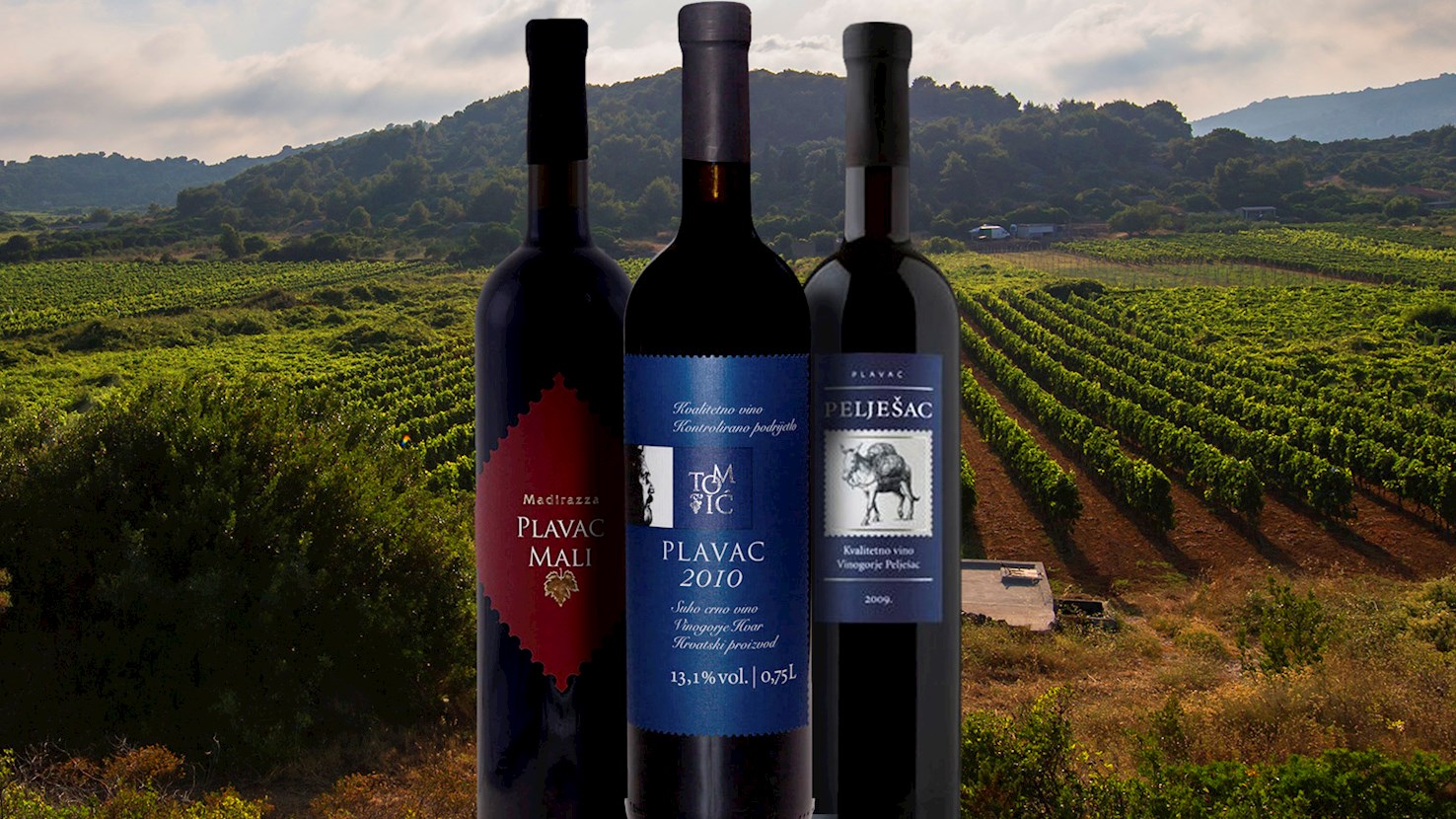
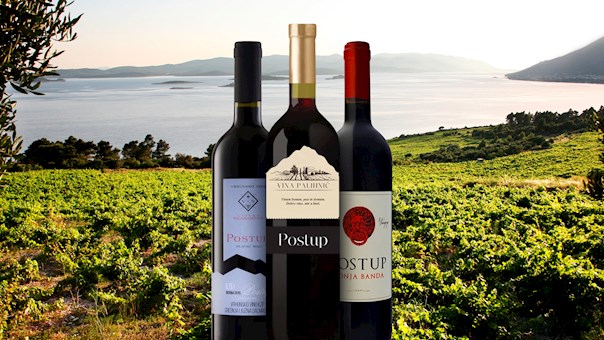
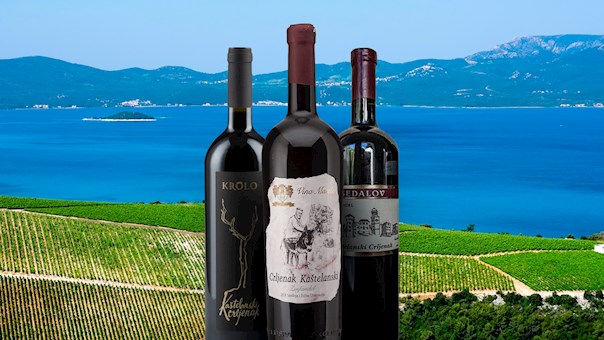
Plavac mali is a red grape variety that is indigenous to southern Croatian region of Dalmatia. A sibling to Primitivo and Zinfandel, and a descendant of Crljenak kaštelanski and Dobričić varieties, the grape makes bold, powerful wines that are overwhelmed with ripe fruit and high in tannins. Plavac mali is usually made as a varietal wine, and it is popular as a flagship Croatian red wine. The best expressions are thought to come from the peninsula of Pelješac, from Dingač and Postup appellations. It is traditionally paired with oily and barbecued fish, but it can hold up quite well with red meat, aged cheese, game, or hearty stews.

04

Teran

3.7 ·

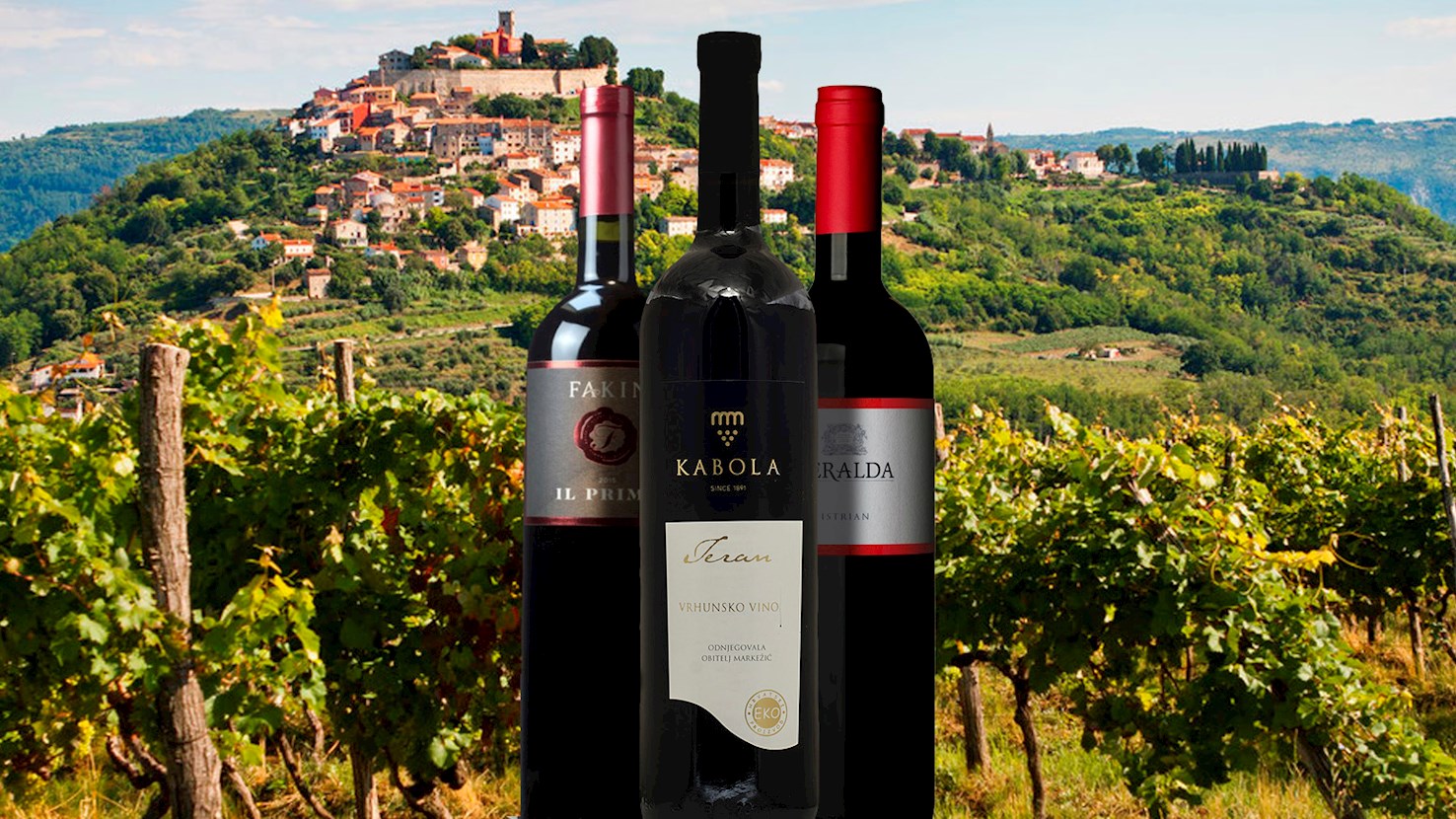
Teran is a red grape variety that has been cultivated for centuries in Istria (Croatia), Friuli (Italy), and the Kras Plateau in Slovenia. The history and the usage of the name Teran have long been disputed between Croatia and Slovenia, and even though Slovenia registered the name as a Protected Designation of Origin, their Teran wines are mainly produced from a separate variety named Refošk. The dispute was partially settled by the European Union when Croatia was allowed to use the name, but the wine has to be labeled as Teran – Croatian Istria (Hrvatska Istra). Slovenia later filed a lawsuit against the European Commission and this decision, but in 2020, The General Court of the EU supported the previous ruling and rejected Slovenian claims. To add to the confusion, Refošk and Teran grapes have long been mistakenly regarded as the same variety, but recent findings show that they merely belong to the same family (Refosco).Varietal Istrian Teran is typically fresh and fruity with well-balanced acidity, firm tannins, and typical notes of berries and spices. It is usually enjoyed young and pairs well with charcuterie, cheese, and game.

05

Pošip

3.7 ·

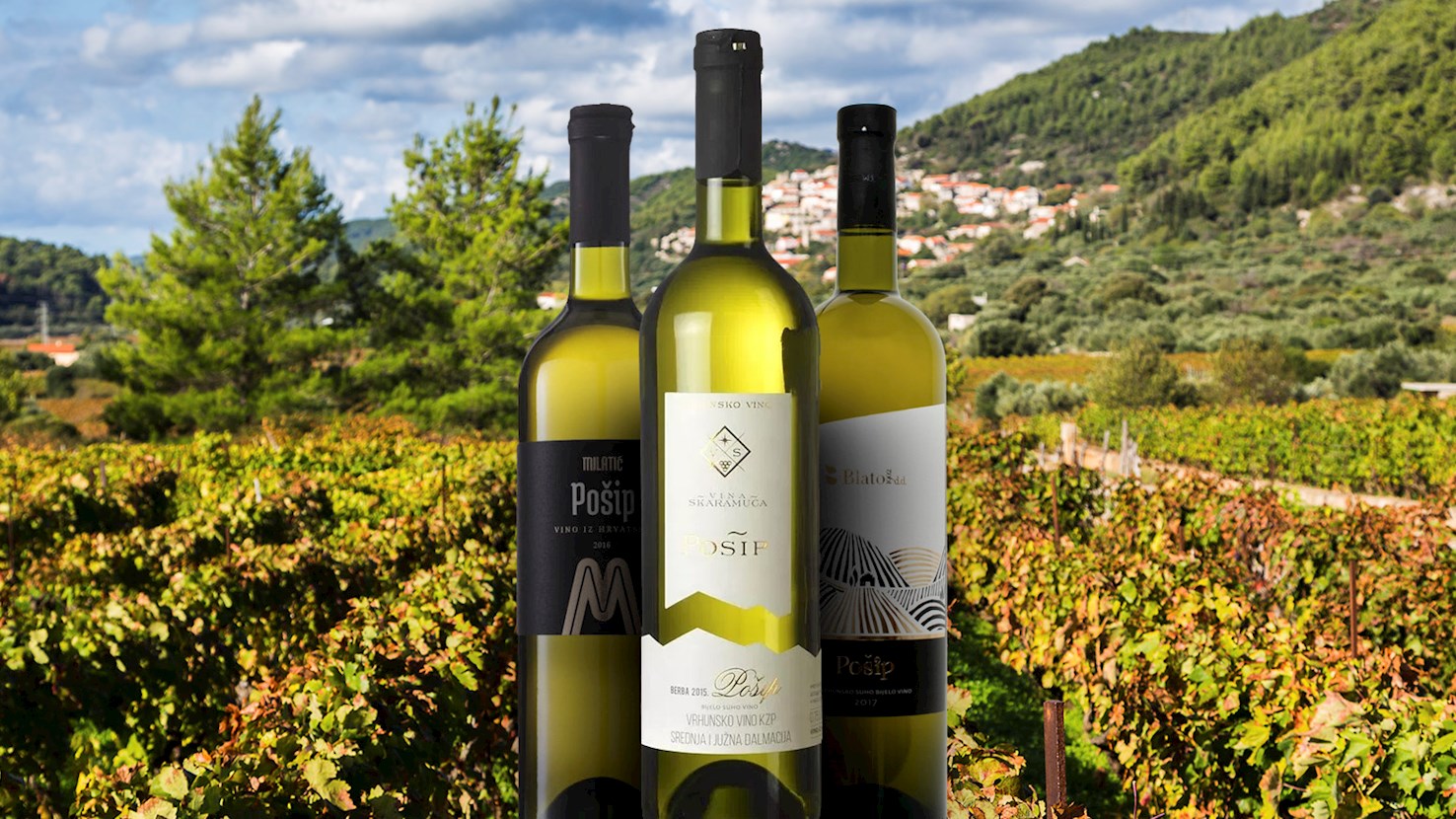
Pošip is a native Croatian grape which was discovered by chance on the island of Korčula. Although it is cultivated in other Dalmatian regions, the grape is still extensively grown on Korčula, and it achieves the best results in the vineyards located around the villages Smokvica and Čara. The best versions of varietal Pošip will be full-bodied and harmonious with a perfect balance of alcohol and acidity. They are usually golden yellow with fruity aromas of apricots, almonds, Mediterranean herbs, figs, and citrus fruit. Pošip wines are a perfect match to most Dalmatian dishes, especially fish and shellfish, while oak-aged version can pair well with octopus or veal. It can also go well with cheese and cured meat. Pošip was the first white grape from Croatia with a protected geographical origin.

06

Dingač

3.6 ·

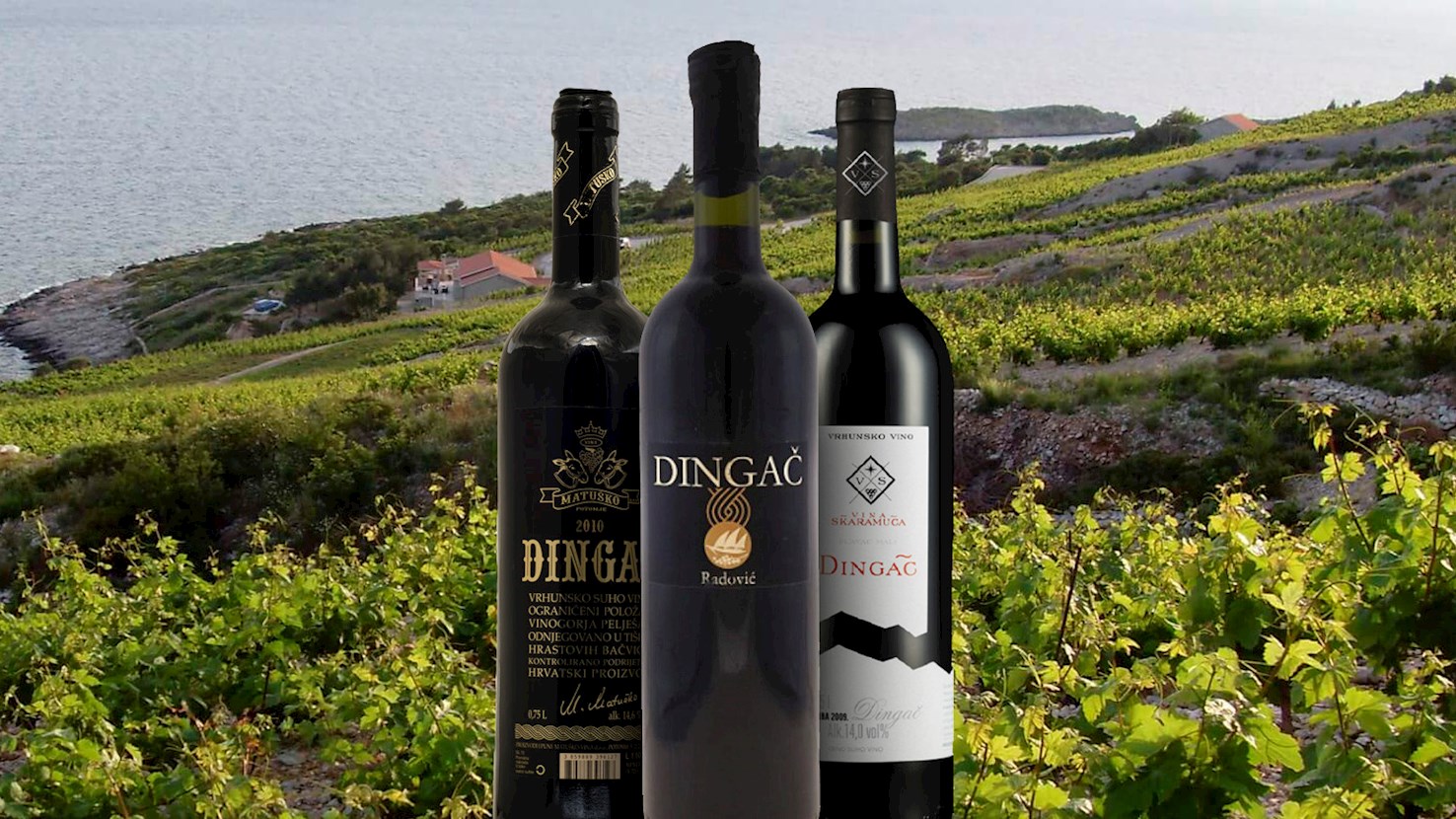
Dingač is a Croatian wine-growing region located on the Pelješac Peninsula. The region is a protected and the most famous site for Plavac mali—native Croatian grape that produces highly-prized red wines. Due to its small size, the area is often called a microregion. It is located on the steep southern slopes of the peninsula, between the villages Trstenik and Podobuče. The combination of specific climate and terrain provides low yields, but the result is an incredibly concentrated wine and what is considered as the supreme expression of Plavac mali. Dingač wines have a perfect balance of alcohol and acidity. They are rich in soft tannins and intensely flavored, while the aromas are reminiscent of ripe, stewed berries, and dry fruit. The uneven ripening of the grape often affects the alcohol content in these wines—which can sometimes reach the highest possible limits. Dingač pairs well with hearty and spicy dishes. It works exceptionally well with roasted or braised red meat, lamb, or game.

07

Prošek

3.6 ·

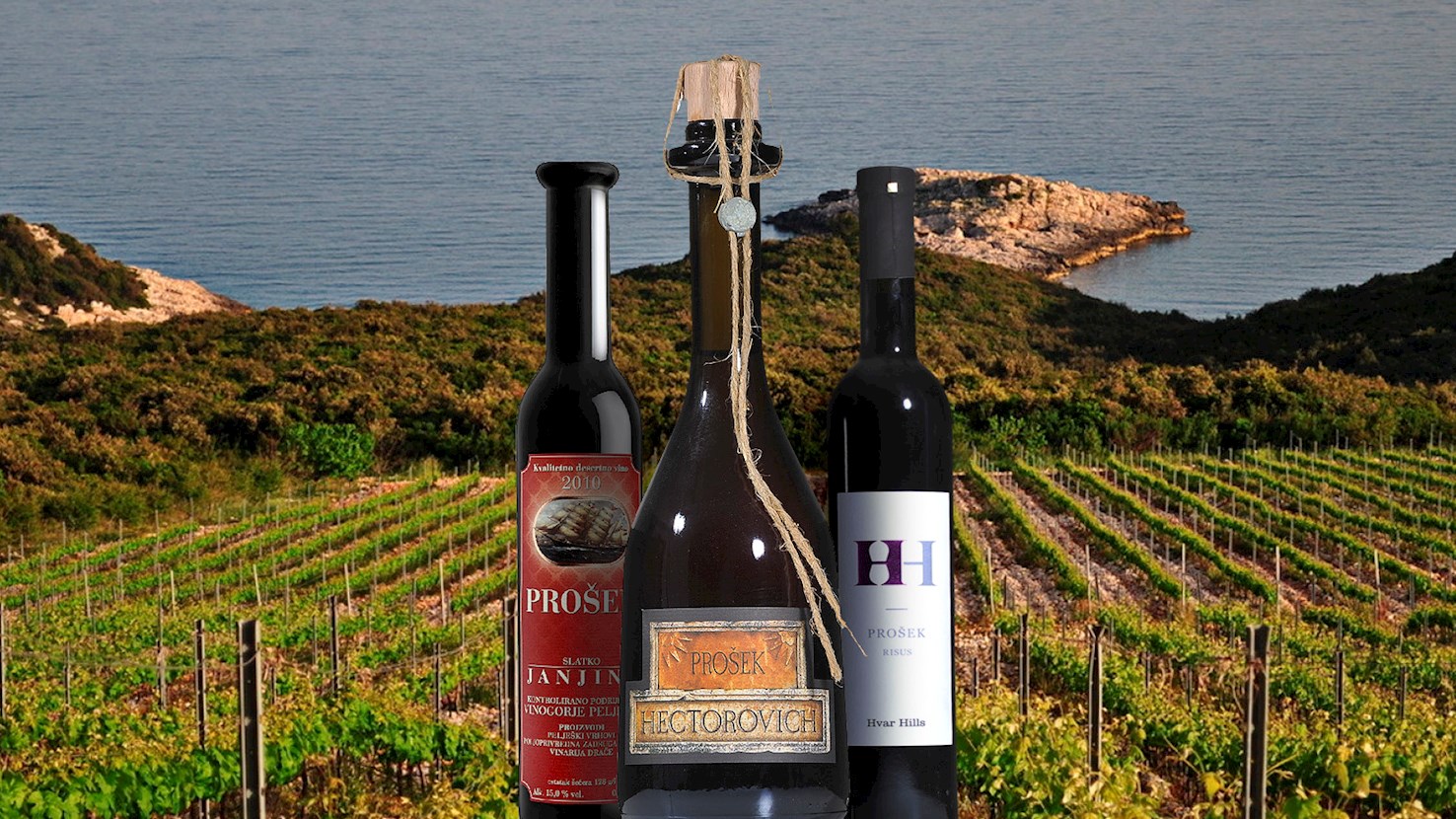
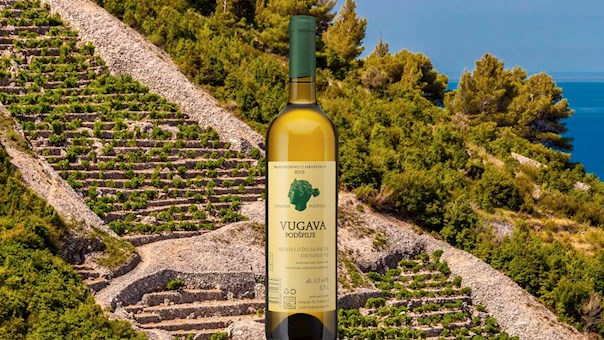
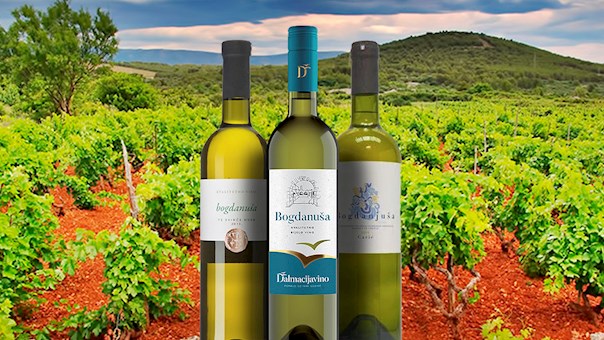
Prošek is a subtly sweet Croatian dessert wine which is traditionally produced in the south of the country, predominantly Dalmatia. The wine is made with a passito method—in which the grapes are first dried before they are pressed. The most common grape varieties used in its production are native Croatian grapes Bogdanuša, Vugava, and Maraština, while the prime examples usually also blend the flagship Croatian grape—Plavac Mali. These dessert wines are typically well-balanced with aromas of ripe apricots, raisins, figs, and orange zest. With age, they tend to develop notes of honey, caramel, and dry fruit. Prošek naturally pairs with desserts, and it can also be a good match to dry fruit, nuts, and cheese. This dessert wine should not be confused with Prosecco—sparkling Italian wine.

08

Muškat momjanski

3.4 ·

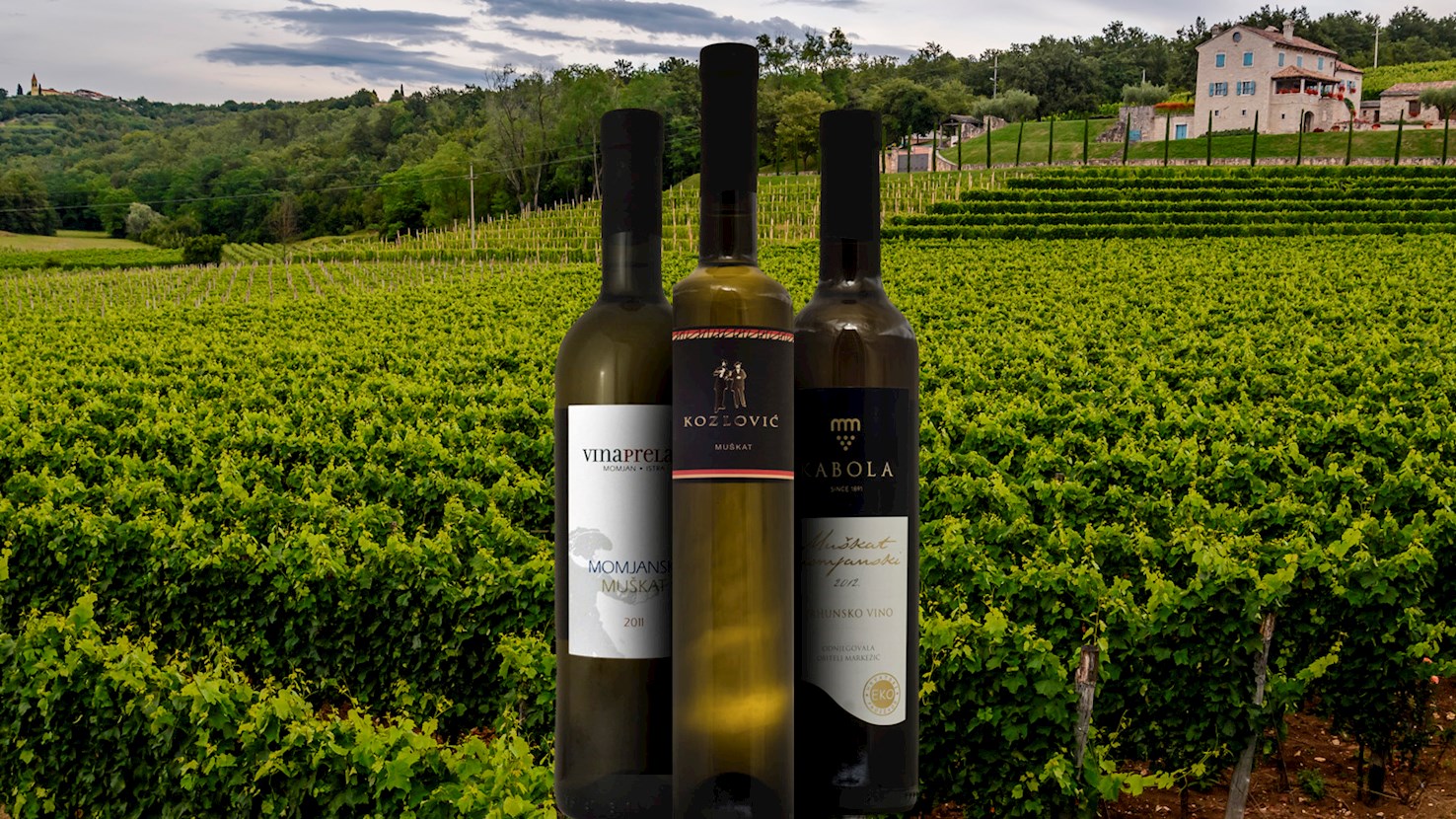
Muškat momjanski is a wine of protected origin that is produced in the vicinity of Momjan in Istria. The wines are made from a Muscat variety, precisely a variety of Muscat Blanc à Petits Grains. The unique combination of microclimate and soil around Momjan proved to be especially suitable for the cultivation of Muscat. It is believed that the grape was brought from Italy in the 1200s, and throughout history, it adapted and attained its distinctive character. The wines made in the region are rich an aromatic and may range from pale yellow to golden. The grape is used in the production of floral and fruity dry wines and more intense dessert wines, which usually display aromas of raisins, dry figs, and honey. These wines can also be labeled as archive wines (arhivsko vino) if they were aged for a minimum of five years. Muškat momjanski wines are best served well-chilled. They can be enjoyed as an aperitif, and they pair well with fruit desserts, especially tarts, puddings, and strudels.

Best producers
09

Grk

3.4 ·

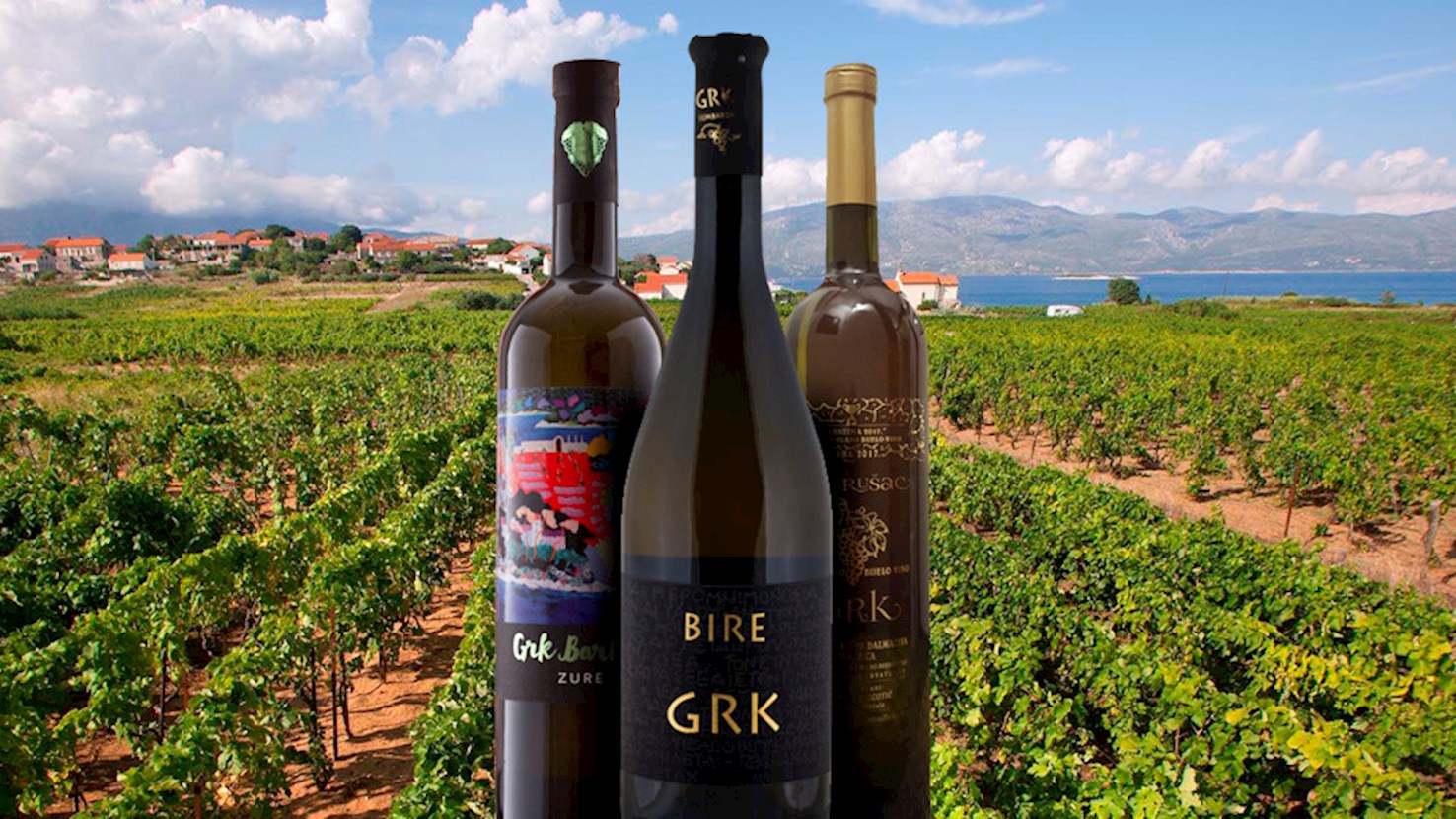
Grk or Grk bijeli is a native Croatian grape from the island of Korčula that is mostly used in the production of dry white wines. The grape rarely gives high yield, and it is mainly grown on sandy soils that surround the city of Lumbarda. Since the name Grk translates as Greek, it was long assumed that the grape had origins in Greece, but recent studies contradict this idea and state Crljenak kaštelanski as the only close relative to this rare and unique Croatian grape. Also, the word grk can be roughly translated as bitter—subtle tartness is a common characteristic found in Grk wines. Most Grk wines are mineral and aromatic, with herbal nuances and a good balance of acidity and sugars. Interestingly, Grk grape has only female functioning parts—meaning that it needs to be planted along with other grape varieties. In Lumbarda, it is mostly grown together with Plavac mali. Grk wines pair naturally with white fish and shellfish, but they can also be an excellent match to risottos, pasta dishes, and aged cheese.

10

Žlahtina

3.2 ·

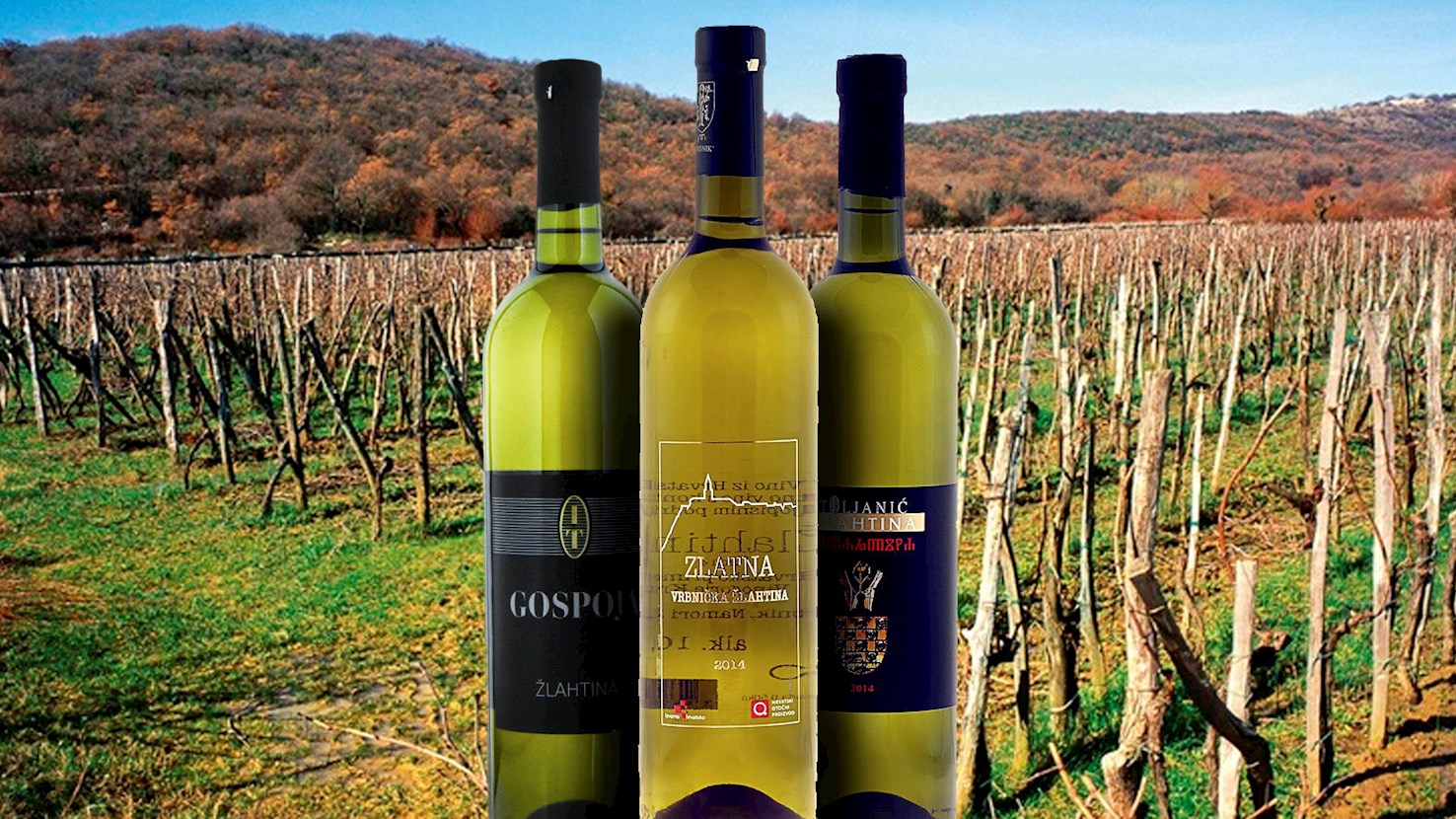
Žlahtina is a native Croatian grape variety that is almost exclusively grown on the island of Krk, predominantly around Vrbnik. The grape is used in the production of light and refreshing white wines that are meant to be enjoyed young. They usually display floral and citrus aromas that are complemented by mineral notes and well-balanced acidity. Žlahtina goes exceptionally well with sheep milk cheese, fish and seafood dishes, as well as white meat and lamb. The name žlahtina stems from the Slavic word žlahten which translates as precious or noble, possibly suggesting the importance of the grape in the ancient times.

Best Croatian Wines
01

Bire

5.0 ·

Bire is a family-owned winery located in the village of Lumbarda on the island of Korčula in southern Dalmatia, an area well known for the cultivation of the indigenous Grk grape variety. The winery is run by the Milina-Bire family, who continue a long tradition of viticulture in this part of the island and focus on preserving local grape varieties.

The vineyards are situated on the distinctive sandy soils of Lumbarda, close to the sea, which create unique conditions for growing Grk, one of the rarest Croatian grape varieties. This variety forms the core of the winery’s production and represents an important part of the region’s wine identity.

In addition to Grk, the winery also produces wines from varieties such as Plavac Mali as well as rosé wines. The grapes come from the family’s own vineyards, allowing careful control of quality and expression of the local terroir.

Today, Bire is considered one of the recognizable wine producers from Lumbarda and an important representative of the wine tradition of the island of Korčula.

Awards
Decanter World Wine Awards - Platinum (2021)
Vivino - 4.6
02

Meneghetti

5.0 ·

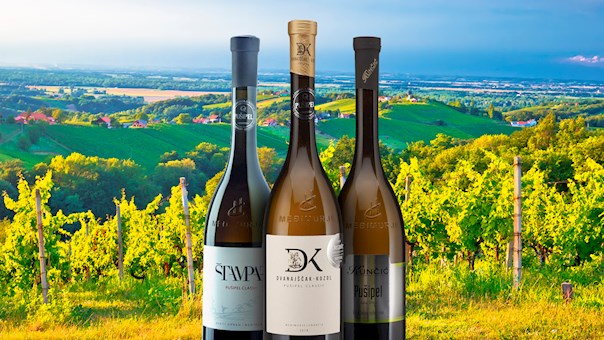
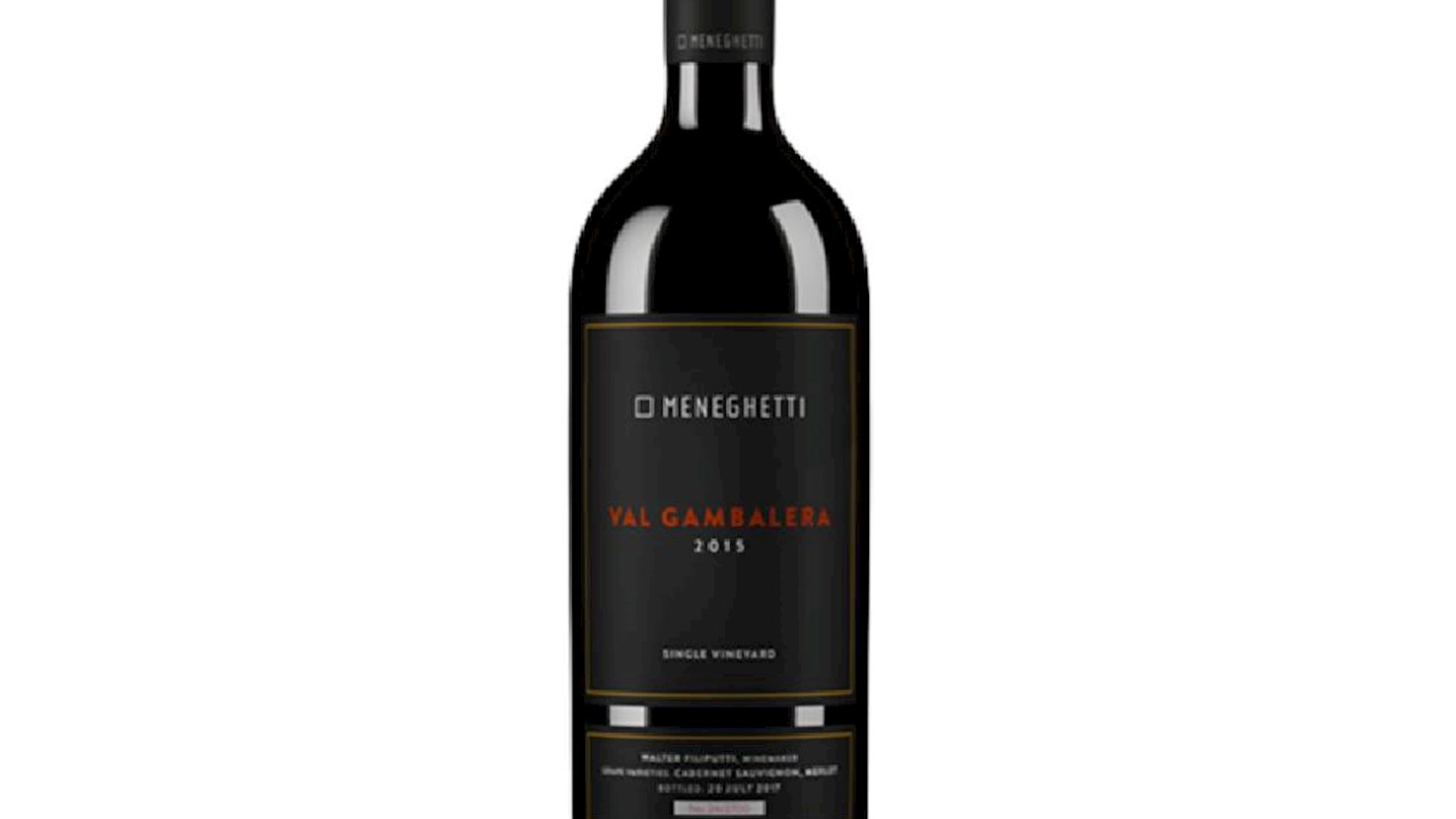
Meneghetti is a unique estate in the heart of Istria, where tradition and contemporary luxury come together in perfect harmony. Surrounded by vineyards and olive groves, Meneghetti produces award-winning wines and olive oils, while also offering an unforgettable experience through its renowned Wine Hotel & Winery.

From the authentic Istrian Malvasia to elegant blends, every bottle reflects the character of the terroir and a deep passion for excellence. Today, Meneghetti is not just a producer, but a symbol of Istrian hospitality and the art of refined living – a true fusion of nature, craftsmanship, and taste.

Awards
Vivino - 4.6
Concours Mondial de Bruxelles - Grande Médaille d'or (2023)
03

Benvenuti

4.9 ·

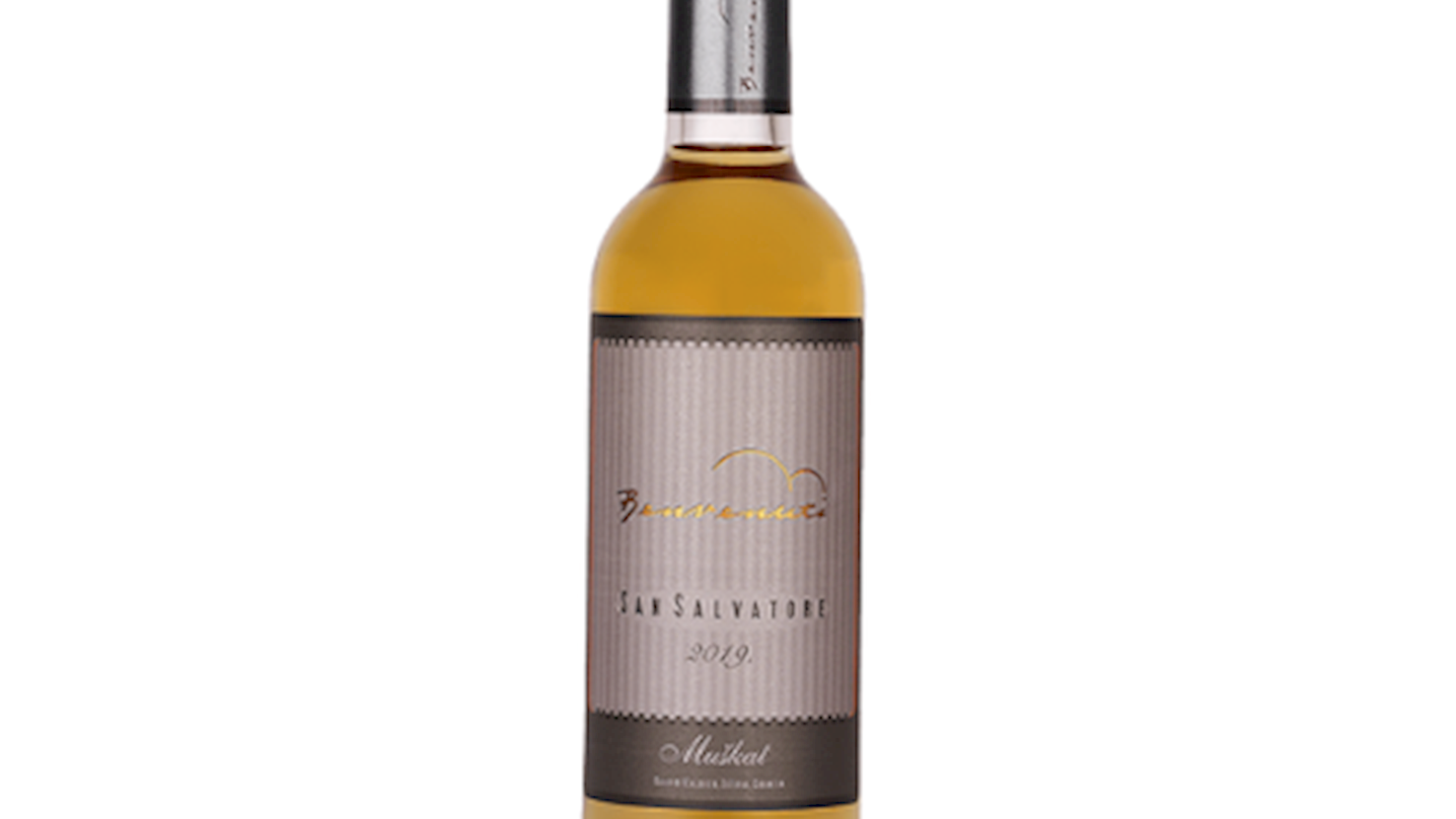
Benvenuti Winery is nestled in the Istrian village of Kaldir, near Motovun, where winemaking is not just a craft but a way of life. For generations, the Benvenuti family has cultivated vines on steep hillsides between 250 and 400 meters above sea level, preserving the authenticity of native varieties such as Istrian Malvazija, Teran, and Muscat. Their philosophy is rooted in respect for the terroir and natural conditions, especially the renowned San Salvatore site, where the unique combination of soil and microclimate creates wines of remarkable freshness, minerality, and character.

By blending tradition with modern methods, they craft wines that faithfully reflect the essence of Motovun’s hillsides. The story began in 1946, when Petar Benvenuti planted the first family vineyards. Today, under the guidance of Livio, Albert, and Nikola Benvenuti, the winery continues to nurture this legacy, producing wines recognized and awarded across the globe. From the refreshing Malvazija and powerful Teran to prestigious labels such as Anno Domini and Santa Elisabetta, every Benvenuti wine carries the hallmark of passion, dedication, and Istrian authenticity.

Awards
Decanter World Wine Awards - Platinum (2022, 2021, 2017)
Vivino - 4.5
04

Zure

4.9 ·

Zure is a family-owned winery located in the village of Lumbarda on the island of Korčula in southern Dalmatia, one of the most recognized wine-growing areas of this part of Croatia. The winery is run by the Batistić-Zure family, who began professional wine production in 1996 while continuing a long-standing family tradition of viticulture.

The vineyards are situated close to the sea on the characteristic sandy soils of Lumbarda, which are particularly suitable for cultivating the indigenous Grk grape variety, one of the rarest and most distinctive Croatian wine grapes. This variety forms the core of the winery’s production and represents an important part of the local wine identity.

In addition to Grk, the winery also produces wines from varieties such as Pošip and Plavac Mali. The grapes are sourced exclusively from the family’s own vineyards, allowing full control over quality and the expression of the local terroir.

Today, Zure is considered one of the recognizable producers from the Lumbarda area, known for wines that reflect the Mediterranean character of the island of Korčula.

Awards
Decanter World Wine Awards - Platinum (2021)
Vivino - 4.5
05

Kozlović

4.9 ·

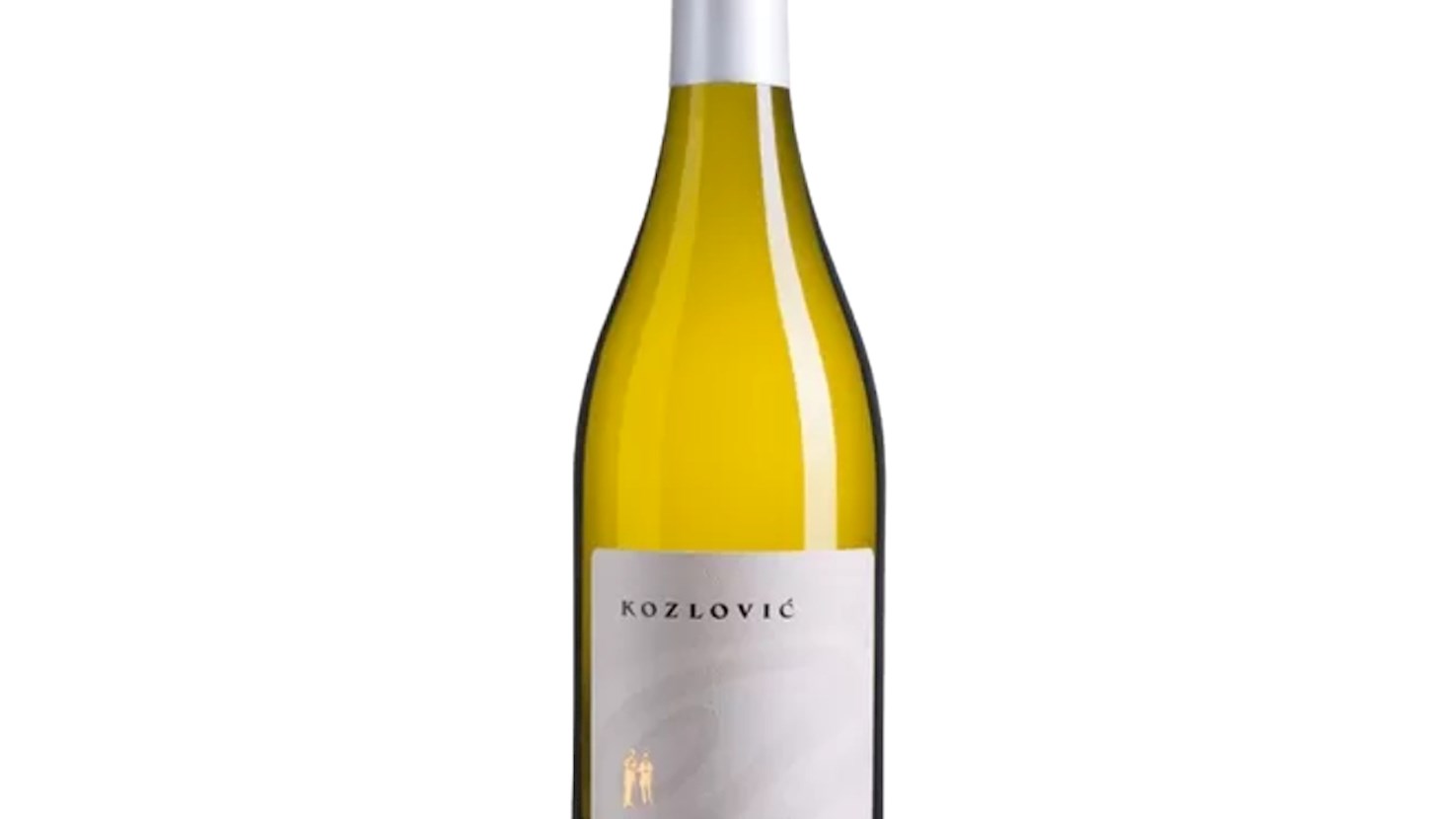
Kozlović is a family-owned winery located in the village of Momjan in north-western Istria, near the town of Buje, one of the most renowned wine-growing areas in Croatia. The winemaking tradition of the Kozlović family dates back to 1904, when Antonio Kozlović planted the first vineyards on sites that still form the core of the estate today.

The winery is currently run by the fourth generation of the family, which has significantly modernized production while maintaining a strong focus on quality and the expression of local grape varieties. The vineyards are situated on the hills above the Vale valley, where soils composed of marl, clay and limestone contribute to the wines’ distinctive mineral character and clear sense of terroir.

Kozlović is particularly known for wines made from indigenous varieties such as Malvazija Istarska and Muscat Momjanski, while also producing red wines from Teran and several international grape varieties. In 2012 the family built a modern winery designed to follow the natural slope of the terrain, enabling gravity-flow vinification and a minimal-intervention approach to winemaking.

Over the past decades, Kozlović has become one of the leading representatives of contemporary Istrian winemaking, with wines that regularly receive recognition at international competitions and reflect the distinctive identity of the Istrian terroir.

Awards
Decanter World Wine Awards - Platinum (2022, 2020)
Vivino - 4.4
06

Madirazza

4.9 ·

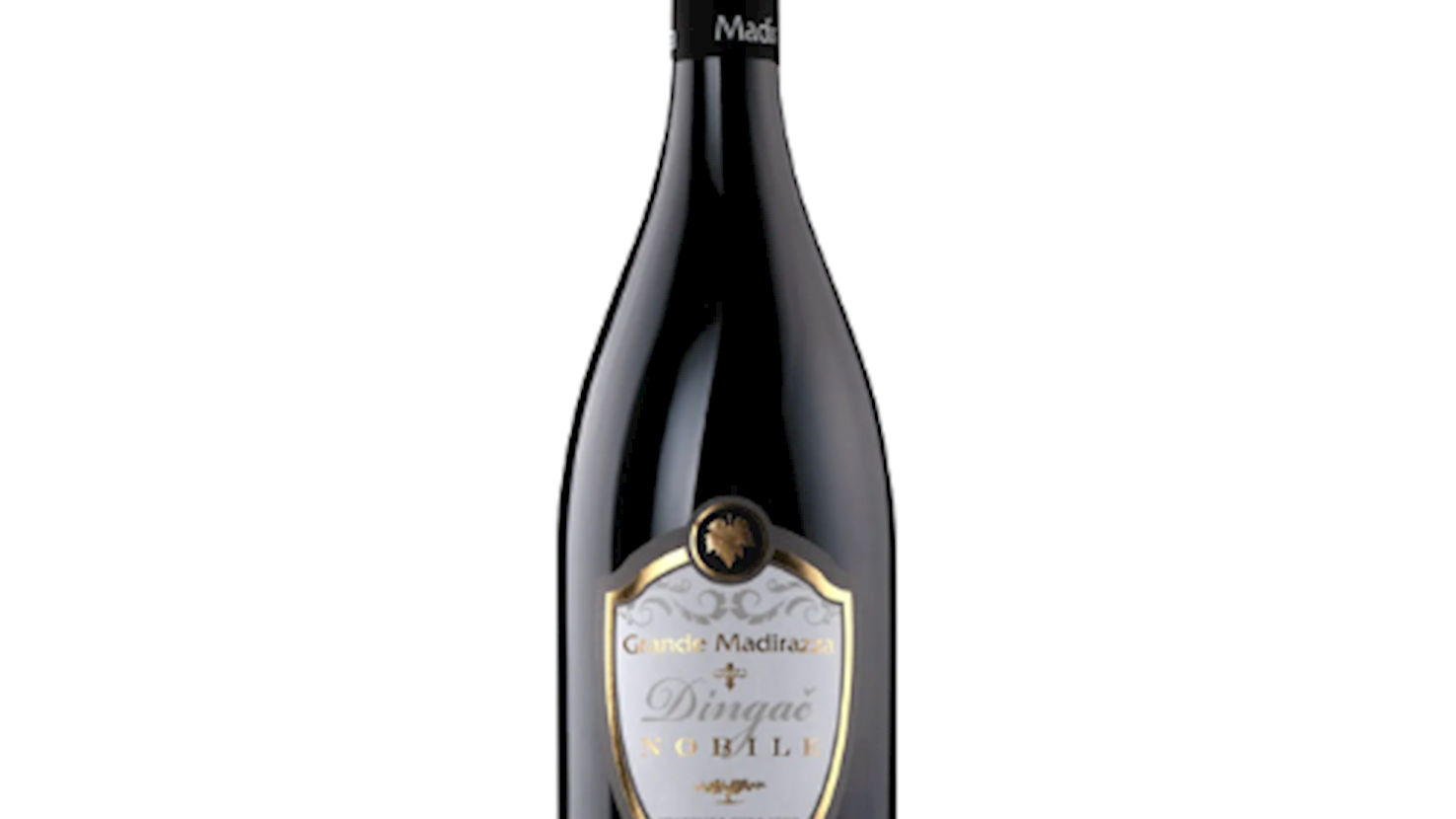
Madirazza is a family-owned winery located in the village of Potomje on the Pelješac Peninsula, renowned for producing red, white, and rosé wines made from indigenous Dalmatian grape varieties such as Plavac Mali, Pošip, Rukatac, and Grk. The winery cultivates over 20 hectares of vineyards, including prestigious plots in the Dingač and Postup appellations, which supply grapes for their most esteemed labels.

Founded more than 25 years ago by Ante Madirazza - who began his career in cooperative viticulture - the winery was built on a foundation of deep knowledge and a passion for precise, small-scale production. Today, Madirazza produces approximately 160,000 bottles annually, combining traditional techniques with modern enological practices, including fermentation in stainless steel tanks and aging in oak barrels of various origins.

The result is a refined expression of Pelješac’s terroir - where authenticity and craftsmanship meet in every bottle.

Awards
Vivino - 4.5
Vivino - 4.4
07

Boškinac

4.8 ·

Boškinac is a boutique winery, restaurant, and hotel located in Novalja on the island of Pag, representing one of the most distinctive wine and гастрономic concepts in Croatia. Founded by the Boškinac family, the estate brings together local terroir, refined cuisine, and small-batch wine production into a unified experience.

The winery focuses on limited-production wines, with particular attention to indigenous varieties such as Gegić, alongside international grapes adapted to the island’s conditions. The vineyards are set on rocky, wind-exposed terrain, where the influence of the sea, salt, and strong bora winds shapes the character of the grapes, contributing to freshness and mineral expression.

Boškinac is equally renowned for its restaurant, which has been awarded a Michelin star and emphasizes a contemporary interpretation of local cuisine, based on seasonal and regional ingredients. The culinary philosophy aligns closely with the winery’s approach, focusing on precision, balance, and authenticity.

The wines are typically elegant and terroir-driven, with white wines showing freshness and restraint, and reds offering structure and complexity without heaviness. Boškinac is widely regarded as an iconic producer in Croatia, successfully integrating winemaking, gastronomy, and destination hospitality into a cohesive and highly recognizable identity.

Awards
Vivino - 4.4
Vivino - 4.3
08

Casa Boschi

4.8 ·

Casa Boschi is a small family-run winery located in the village of Lumbarda on the island of Korčula in southern Dalmatia, an area known for its long tradition of viticulture and distinctive Mediterranean terroir. The winery focuses on producing wines from indigenous Dalmatian grape varieties typical of the island, with particular emphasis on Grk and Pošip, as well as other local varieties such as Rukatac (Maraština) and Plavac Mali.

The vineyards are situated close to the sea on sandy and rocky soils, conditions that contribute to the freshness and mineral character of the wines. Production is relatively small and aimed at preserving the authentic expression of the grape varieties and the local wine style.

Traditional winemaking practices are combined with modern enological techniques to highlight the natural qualities of the fruit. The white wines are generally characterized by aromas of citrus, stone fruit, and Mediterranean herbs, often accompanied by a subtle saline note typical of coastal vineyards.

Red wines, usually made from Plavac Mali, tend to show a fuller structure with notes of ripe fruit and spice. Casa Boschi is part of the contemporary wine scene of Korčula, where small wineries play an important role in maintaining local grape varieties and regional wine heritage.

In addition to wine production, the winery also participates in the island’s wine tourism offer, welcoming visitors for tastings and presenting the wines of this Dalmatian region.

Awards
Vivino - 4.3
Vivino - 4.2
09

Marijan

4.8 ·

Marijan Winery is a family-owned winery located in the village of Pitve on the island of Hvar, one of Croatia’s most important wine-growing regions. It was founded by winemaker Tonči Marijan, who began his independent winemaking journey in 2008 with the goal of showcasing the unique character of Hvar’s terroir through indigenous Dalmatian grape varieties.

The vineyards are situated on rocky sites strongly influenced by the Mediterranean climate, with abundant sunshine and the moderating effects of the Adriatic Sea, allowing the grapes to achieve full ripeness while retaining freshness. The winery is best known for its wines made from the Plavac Mali variety, particularly the Vron Bod label, which has gained international recognition.

In addition to Plavac Mali, Marijan produces wines from native varieties such as Bogdanuša, Pošip, and Grk, contributing to the preservation of Dalmatia’s rich winemaking heritage. The winery’s philosophy is based on small-batch production, meticulous vineyard work, and minimal intervention in the cellar, allowing each wine to express its origin as authentically as possible.

Today, Marijan is regarded as one of Hvar’s leading boutique wineries and an important representative of modern Dalmatian winemaking.

Awards
Decanter World Wine Awards - Best in Show (2026)
Vivino - 4.3
10

Matuško

4.8 ·

Matuško is a family-owned winery from the village of Potomje on the Pelješac Peninsula, founded in 1997 by Mato Violić - Matuško, one of the key figures in the modern promotion of the Plavac Mali grape and the Dingač appellation. Today, the winery is one of the largest and most visited on Pelješac, featuring an impressive 2,000 m² wine cellar that welcomes over 50,000 visitors annually.

The stone-carved tasting room symbolically connects tradition with the raw power of Pelješac’s soil, which lies at the heart of all Matuško wines. The winery’s core focus is on red wines made from the Plavac Mali grape, particularly those from the Dingač protected designation of origin - Croatia’s first officially recognized vineyard micro-location. The Dingač terrain is extremely rocky, rich in minerals, and situated on steep southern slopes that receive more than 2,800 hours of sunshine per year.

Under these extreme conditions, Plavac Mali produces wines of high extract, deep color, full body, and pronounced structure. In addition to Dingač, Matuško also produces wines from other Dalmatian appellations, which further enrich its regional identity. Matuško has become synonymous with Plavac Mali in its most powerful form, characterized by bold tannins, ripe fruit aromas, Mediterranean herbs, and deep minerality.

Through a modern oenological approach and consistent quality, the winery successfully balances authenticity with broad accessibility, creating wines that are well recognized both in Croatia and internationally.

Awards
Vivino - 4.6
Vivino - 4.4
Read more
View all
View map
About this ranking

TasteAtlas food rankings are based on the ratings of the TasteAtlas audience, with a series of mechanisms that recognize real users and that ignore bot, nationalist or local patriotic ratings, and give additional value to the ratings of users that the system recognizes as knowledgeable. For the “Top 60 Croatian Wines” list until July 15, 2026, 338 ratings were recorded, of which 208 were recognized by the system as legitimate. TasteAtlas Rankings should not be seen as the final global conclusion about food. Their purpose is to promote excellent local foods, instill pride in traditional dishes, and arouse curiosity about dishes you haven’t tried.

The initial list of top producers was compiled based on available reviews, awards, local recommendations, media and blog coverage, and consumer reviews. The list will be updated with ratings from TasteAtlas local ambassadors and TasteAtlas users.

Similar lists