shutterstock

Top 75 Rice
in the World

Last updated on August 19, 2026

Best Rice Types in the World
01

Khao Hom Mali

4.3 ·

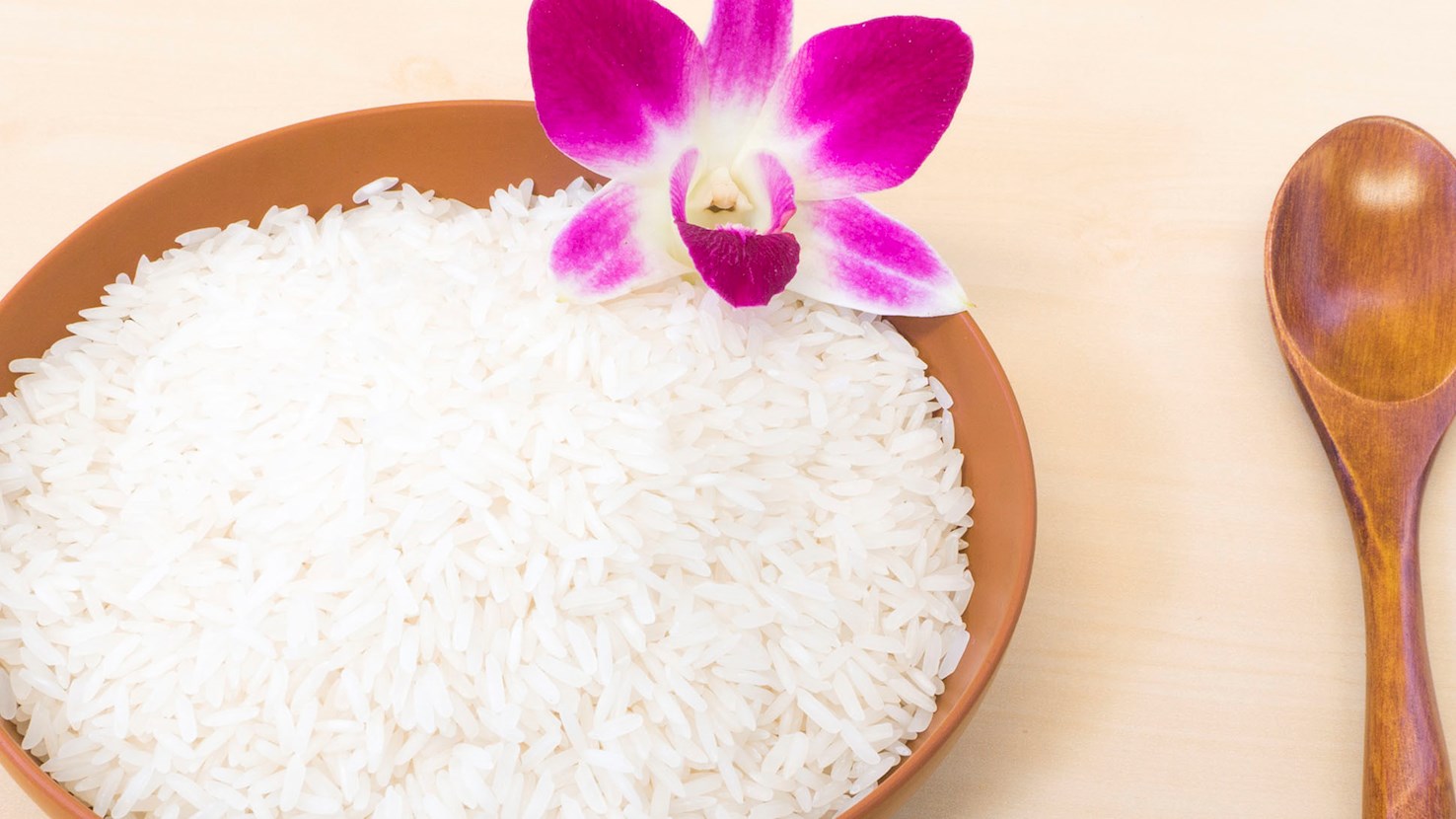
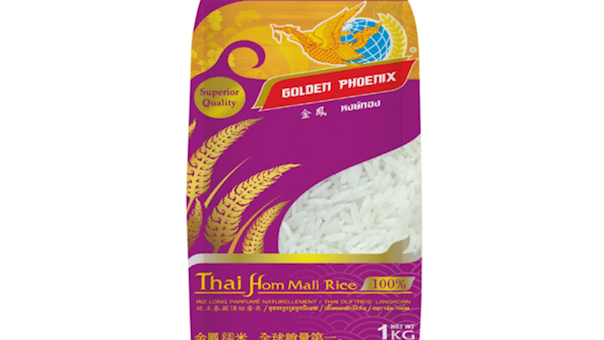
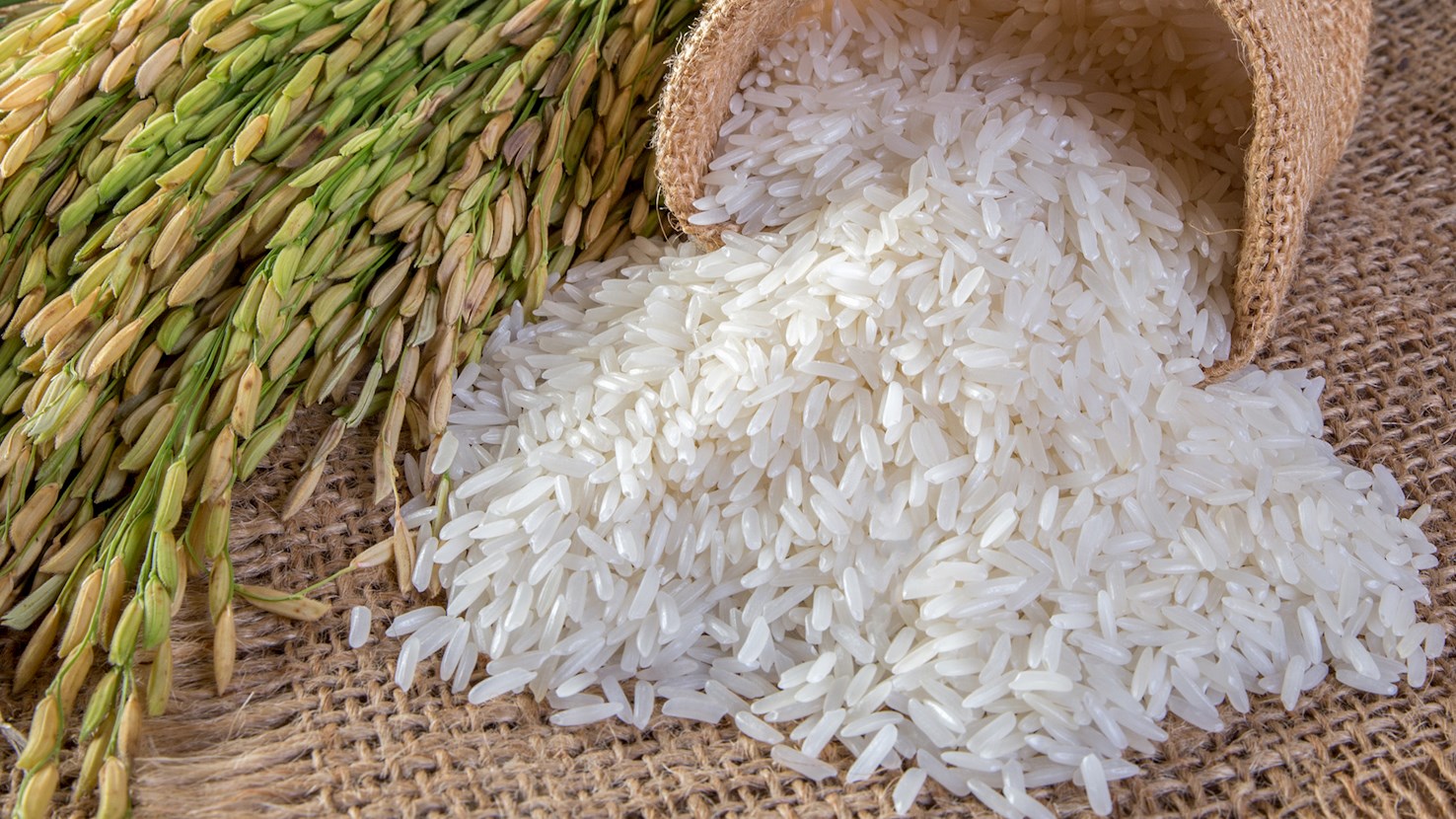
Khao Hom Mali is Thai jasmine rice, a premium variety of long-grain aromatic rice that is famous for its fragrant aroma, soft texture, and slightly sweet flavor. The name itself reflects its characteristics: "khao" means rice, "hom" means fragrant, and "mali" means jasmine, referring to its delicate floral scent, reminiscent of jasmine flowers. Primarily grown in Thailand's northeastern and central regions, Khao Hom Mali rice is cultivated under specific climatic conditions that enhance its natural fragrance and cooking qualities. The best-known regions for jasmine rice production include Ubon Ratchathani, Surin, Roi Et, and Yasothon, where the soil and weather contribute to superior rice quality. Among these, Khao Hom Mali Thung Kula Rong-Hai is considered the highest grade, recognized for its Geographical Indication (GI) certification, ensuring authenticity and origin. Unlike regular long-grain rice, Khao Hom Mali remains soft, slightly sticky, and fluffy when cooked, making it ideal for Thai cuisine, particularly dishes like green curry, Thai stir-fries, and grilled meats. It is often prepared without rinsing before cooking to preserve its natural fragrance. Internationally, Thai Hom Mali rice is regarded as one of the best rice varieties in the world, and it is a staple in Thai households, restaurants, and premium exports. It is celebrated not only for its exceptional texture and aroma but also as a symbol of Thailand's rich agricultural heritage.

02

Basmati

4.2 ·

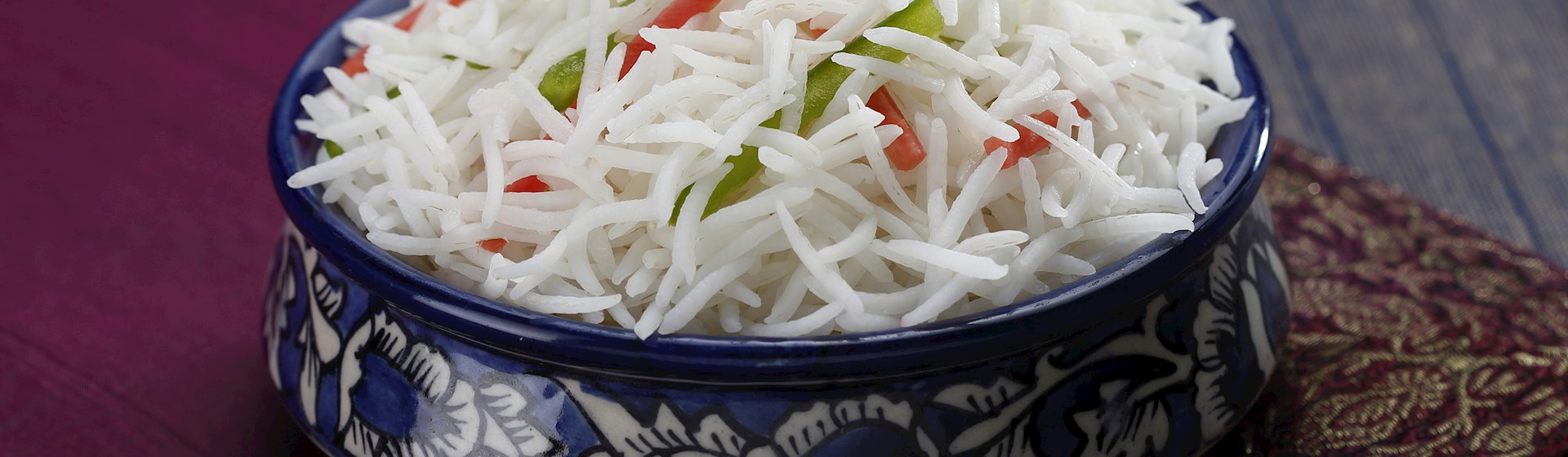
Basmati is a long-grain rice variety that was originally grown and cultivated in India and Pakistan. The rice is characterized by its flavor and aroma, which is very nutty, floral, and slightly spicy. Once cooked, the grains remain individual and don't stick to each other, which allows curry and similar stew and sauces to coat every grain. The longer the grain, the better the rice, and the best basmati grains have a slightly golden hue. The name basmati means fragrant in Hindi, referring to its aromas and flavors. In India, the state of Haryana is the largest cultivation area, while in Pakistan, it's the Punjab province. Basmati contains a small amount of fat and high amounts of good carbohydrates, along with magnesium, selenium, vitamin B, and antioxidant elements, making it very healthy as well as being flavorful and aromatic.

03

Arborio

4.2 ·

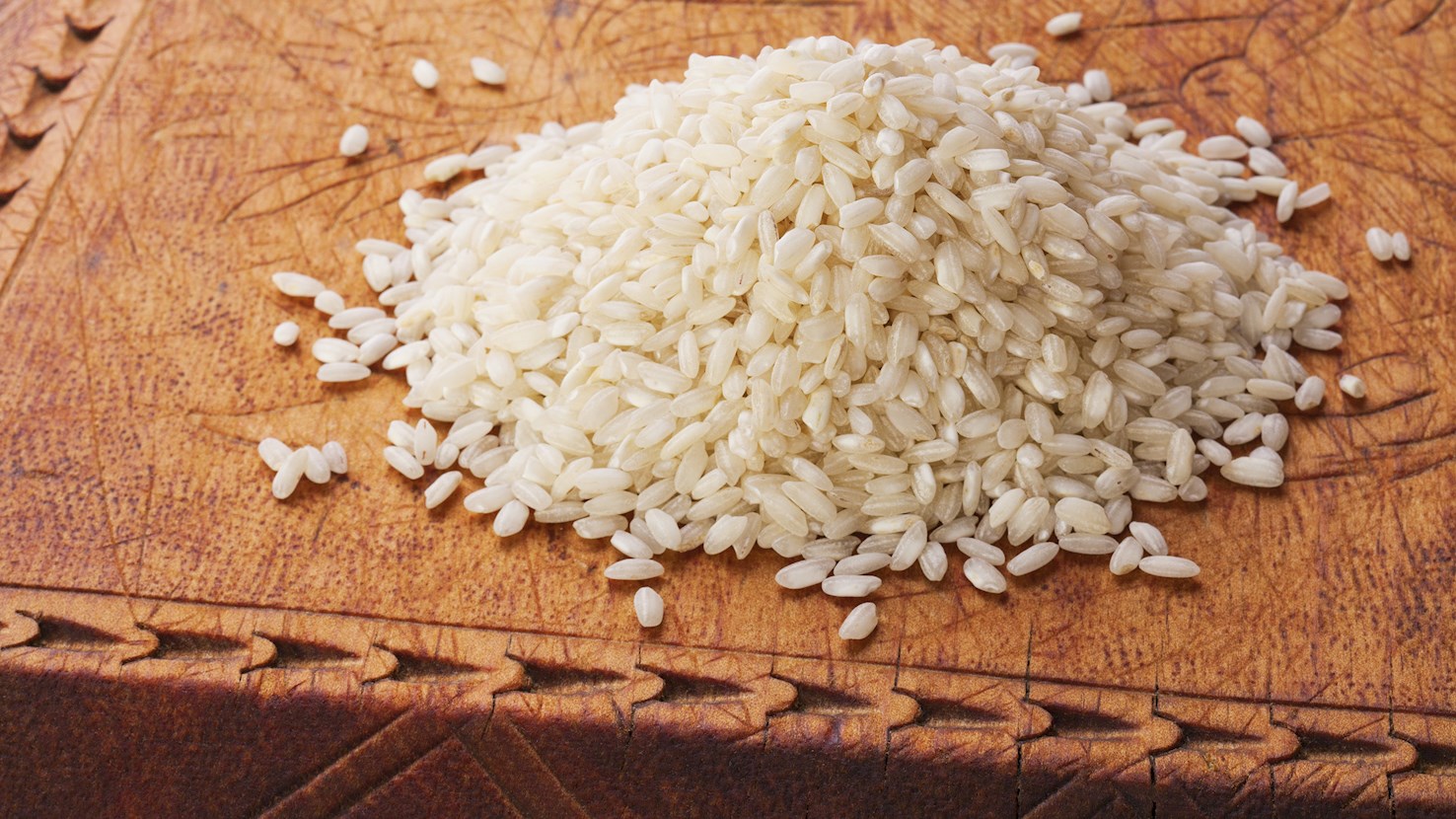
Arborio is an Italian rice variety that's mostly used for risottos and rice puddings. The short, rounded grains are firm and have a high content of starch, resulting in creamy textures of dishes that the rice is used in. Because of its characteristics, Arborio is almost double the price of regular long-grain rice. This rice variety was named after the eponymous town in the Po Valley. It should be cooked al dente, while still slightly firm to the bite, and never washed or rinsed as it will lose the starchy coating that creates the creamy and slightly chewy texture once cooked. Apart from risottos and rice puddings, Arborio is sometimes used as an ingredient in arancini or minestrone soup.

04

Arroz Carolino das Lezírias Ribatejanas

4.1 ·

This Portuguese varietal of rice is fine and tender with a velvety soft texture, and it is especially good at absorbing the flavors and aromas of ingredients it is cooked with. This rice is grown in Salvaterra de Magos outside Lisbon, an area known for its mild, Mediterranean climate. The weather and soil conditions contribute to a rice with a firmer structure that is less likely to break or disintegrate while cooking. This glutenous rice also gives dishes it is cooked with a smooth and creamy texture.

05

Uruchimai

4.1 ·

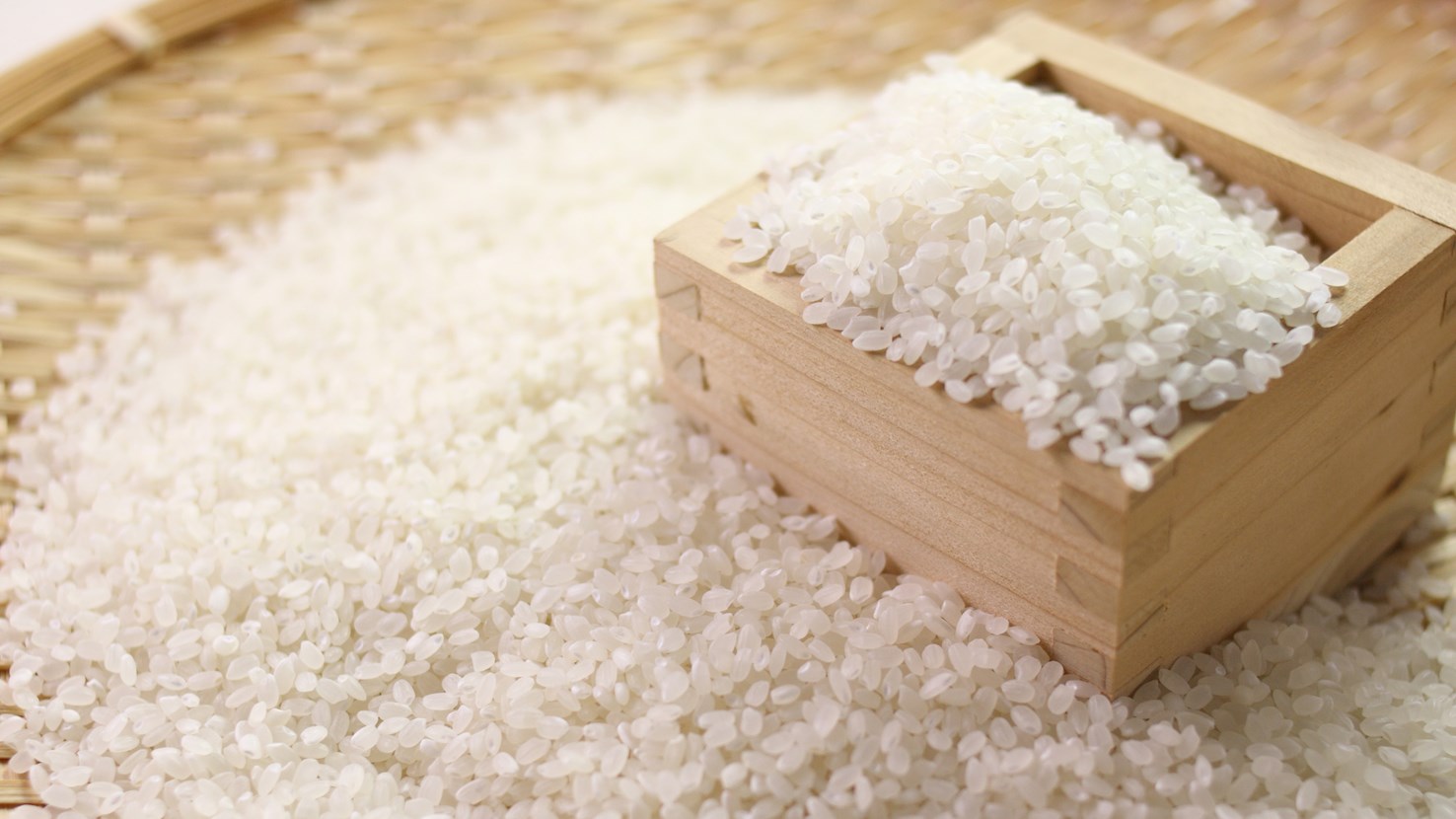
Uruchimai or Japanese short-grain rice is a short-grain cultivar of Japonica rice and is the staple ingredient of Japanese cuisine. The grains of this type of rice are short and plump and contain more starch than regular rice. They're also known for their sticky and moist texture. Uruchimai is incredibly versatile and can be used in various types of dishes. It’s mostly eaten plain, but the rice can be served with vegetables, seafood, dashi, or soy sauce. This rice variety is also used to make sake, shochu, and rice vinegar.

06

Koshihikari

4.1 ·

A Japanese short-grain cultivar, koshihikari was created in 1956 by crossing two different strains of Nourin No.1 and Nourin No.22. Despite its recent creation, today, it is the most grown rice in Japan and the most consumed as well. It was named after the historic Koshi province and translates as light of Koshi. The fact that it is extremely sticky and chewy, as well as soft, made it a favorite of the Japanese, who use it to make sushi, onigiri, and other rice-based dishes. Besides Japan, koshihikari is also grown in Australia and the U.S.

07

Arroz Bomba

4.0 ·

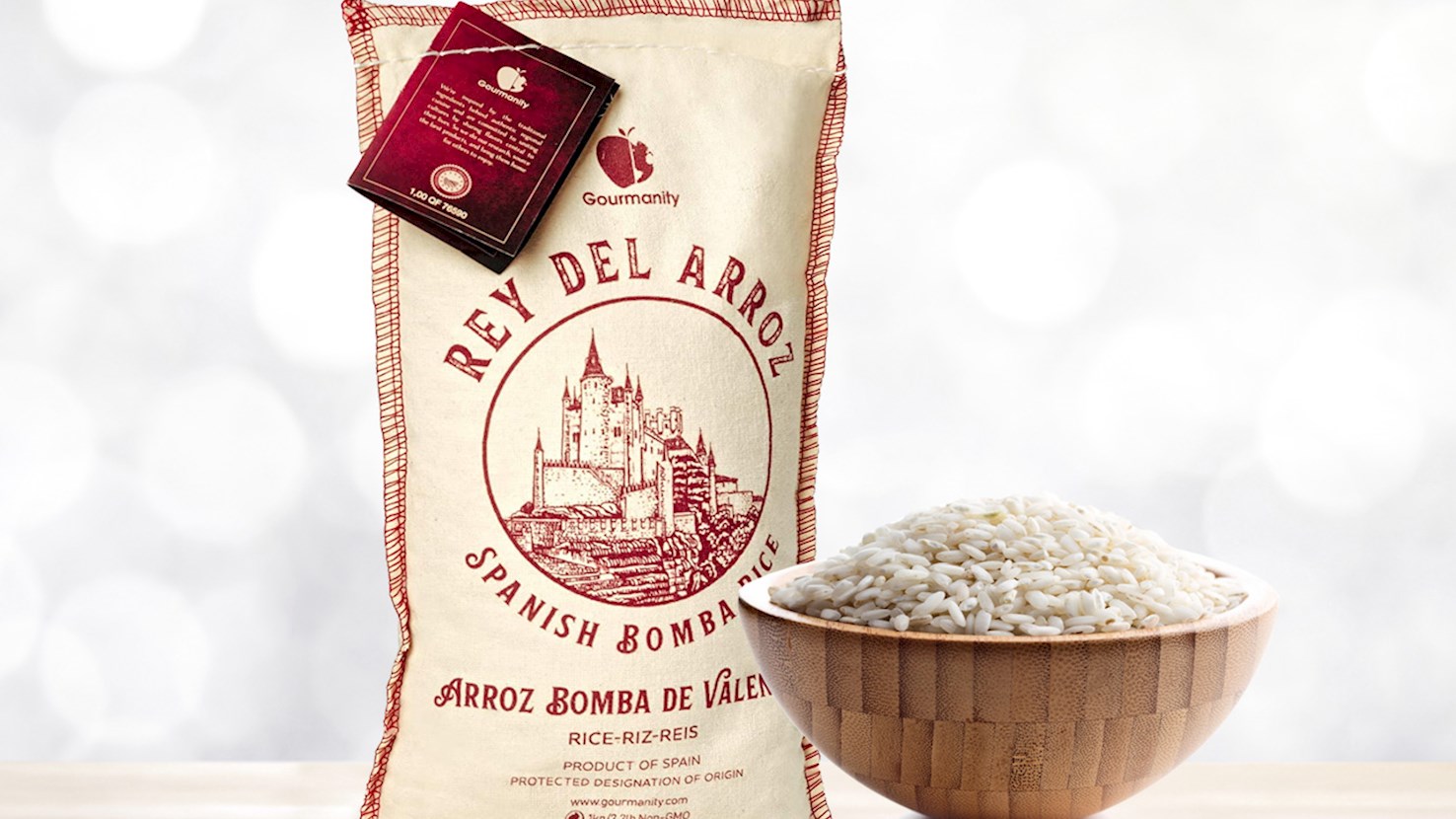
Bomba is a Spanish variety of rice characterized by a short grain. The rice has a high content of amylose and a pearly white color of the grain. What distinguishes Bomba from most of the other varieties is that it can absorb two or three times its volume in water. It will not burst, but hold its structure when cooked, expanding in width rather than in length, forming round bombs in the process. Bomba takes a long time to mature, and it has been harvested since the 14th century. Nowadays, it's mostly grown in wetlands south of Valencia. This rice variety is traditionally used for paella and similar Spanish rice dishes. When cooked, the grains separate and never become mushy or sticky.

08

Khao Hom Mali Thung Kula Rong-Hai

4.0 ·

Khao Hom Mali Thung Kula Rong-Hai is jasmine rice also known worldwide as Thai Fragrant Rice or Thai Jasmin Rice, produced in a vast open area in the center of Northeast Thailand, in the provinces of Roi-et, Mahasarakam, Surin, Yasothon and Srisaket. It comes in two varieties - brown or white rice. The rice is elongated, slim, glossy and transparent, with a floral scent of pandanus leaves. Its texture is smooth, and the rice hull is of a straw-like yellow color. After being cooked for 15 to 20 minutes, it tastes slightly sweet, delicate, velvety and spongy and the texture becomes smooth, sticky and creamy. It is mostly used in Southeast Asian cuisine, and it is important to wash it before cooking to remove any excess starch or dust.

09

Carnaroli

4.0 ·

Carnaroli is an Italian rice variety that's mostly used for the preparation of risotto. It's characterized by a short grain, smaller than the one of Arborio rice, and a high starch content. As a result, Carnaroli rice can absorb liquids without becoming overcooked, creating the creamy texture that's a characteristic of great risottos. It's grown in the Novara, Vercelli, and Pavia provinces. The rice variety was discovered by Emiliano Carnaroli as a cross between Lencino and Vialone Nano varieties, hence the name. Interestingly, Carnaroli rice is often hailed as the 'caviar' or 'king' of Italian rice.

10

Riso

4.0 ·

Oryza sativa, the plant species most commonly referred to as rice, is one of the most widely consumed cereal grains. Italy is the largest producer of rice in Europe, and Lombardy is Italy's rice bowl, especially the provinces of Lodi, Mantua, Milano, and Pavia. Rice is grown from April to October, and among many varieties that can be found on the irrigated Lombardian paddies, the most common ones are Carnaroli, Arborio, Vialone Nano, Baldo, Balilla, Lotus, Gladius, Rome, Selenium, Volano, and Nembo. Gastronomic offer in the area includes numerous rice-based dishes such as risotto alla Milanese or panissa, and all these different sorts can be bought directly from the farmers. Depending on the type, rice grains can be white or light yellow, shorter or longer, and each type has its own flavor, texture, and method of cooking, so substituting one type for another can completely alter the result of a recipe. Carnaroli and Arborio are generally considered to be the best sorts for making the creamiest risottos, while Vialone Nano is delicious in rice puddings. There is a saying in Italy that rice is born in water, but dies in wine, and Lombardy offers a wide choice of both excellent rice and wines to pair it with.

Best Rice in the World
01

Malis Angkor
5.0 ·

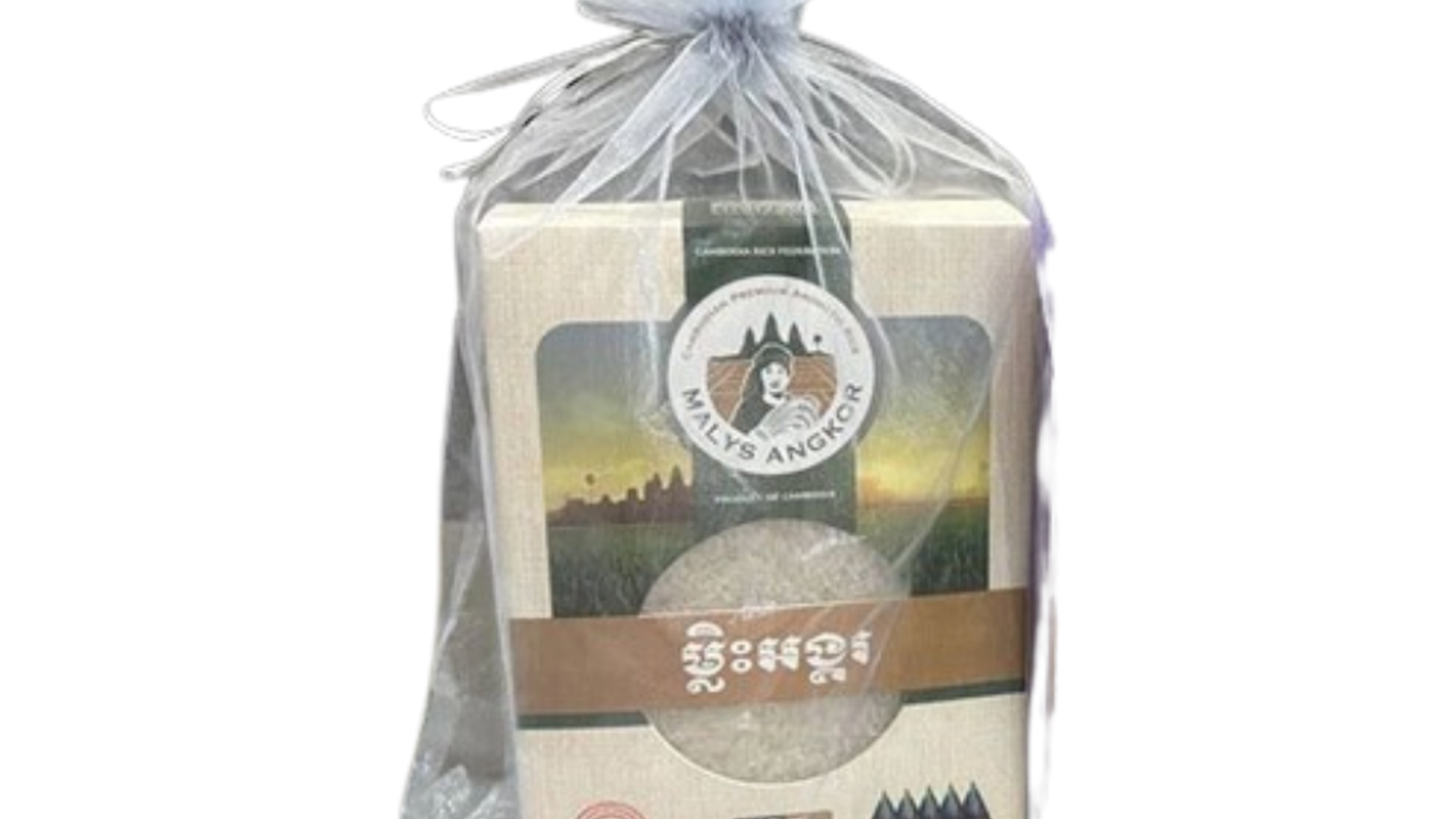
Malys Angkor is a certification brand that represents the highest quality of Cambodian aromatic rice and is owned by the Cambodia Rice Federation. This mark guarantees that the rice originates from verified sources in Cambodia and meets the highest standards in terms of quality, flavor, and origin.

The Malys Angkor brand includes highly prized varieties such as Phka Rumduol and other traditional types, known for their delicate texture, jasmine fragrance, and slightly sweet taste. The brand was created to unify and promote the identity of Cambodian rice on the global market, and its authenticity has been recognized through multiple wins of the prestigious "World’s Best Rice" award.

Malys Angkor is not just a brand - it is a symbol of national pride, sustainable agriculture, and the exceptional culinary value of Cambodia.

Awards
International World Rice Conference - World’s Best Rice (2024, 2022, 2018)
02

Gạo Ông Cua

5.0 ·

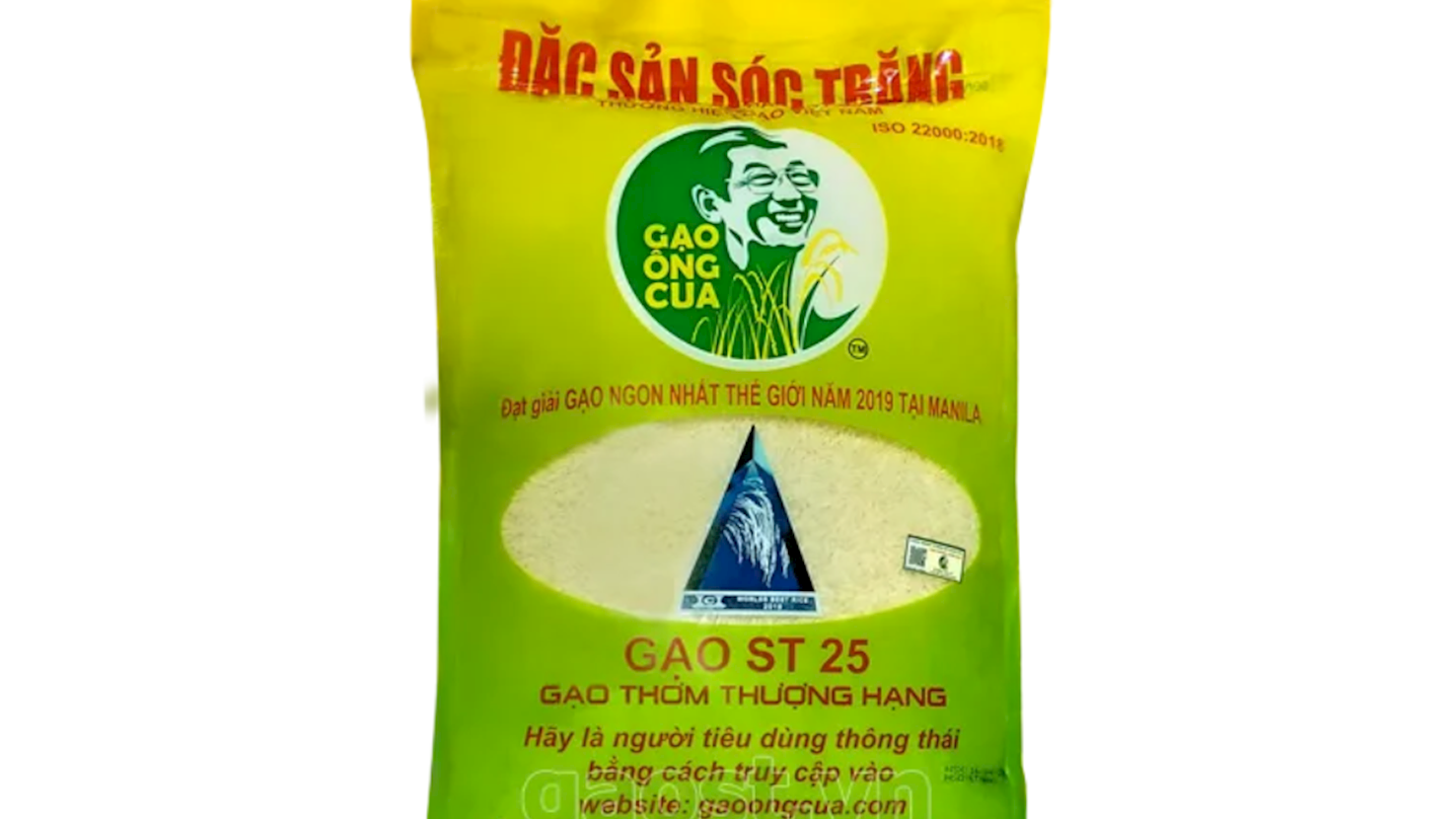
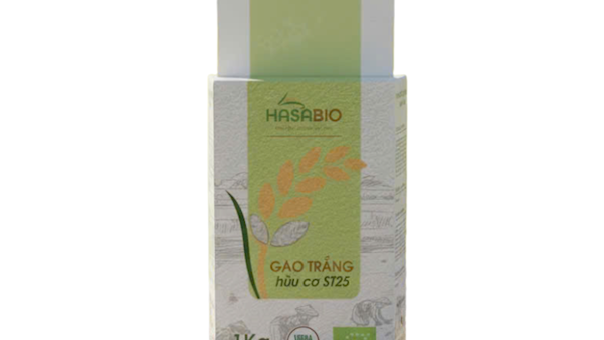
Gạo Ông Cua is a prestigious Vietnamese rice brand originating from the Mekong Delta, renowned for its superior quality and authenticity. The brand is named after engineer Hồ Quang Cua, the principal developer of the famous ST24 and ST25 rice varieties, which have won multiple awards at international rice competitions, including the title of “World’s Best Rice” in 2019 and 2023.

These varieties are the result of years of scientific research and carefully selected agricultural practices, aimed at producing rice with exceptional taste, aroma, and nutritional value. Gạo Ông Cua is especially distinguished by its ST25 variety – a long, glossy grain that remains fluffy and fragrant after cooking. The brand represents a modern Vietnamese approach to agriculture, combining tradition, science, and sustainability, and is increasingly recognized both domestically and on the international market.

Awards
International World Rice Conference - World’s Best Rice (2023, 2019)
03

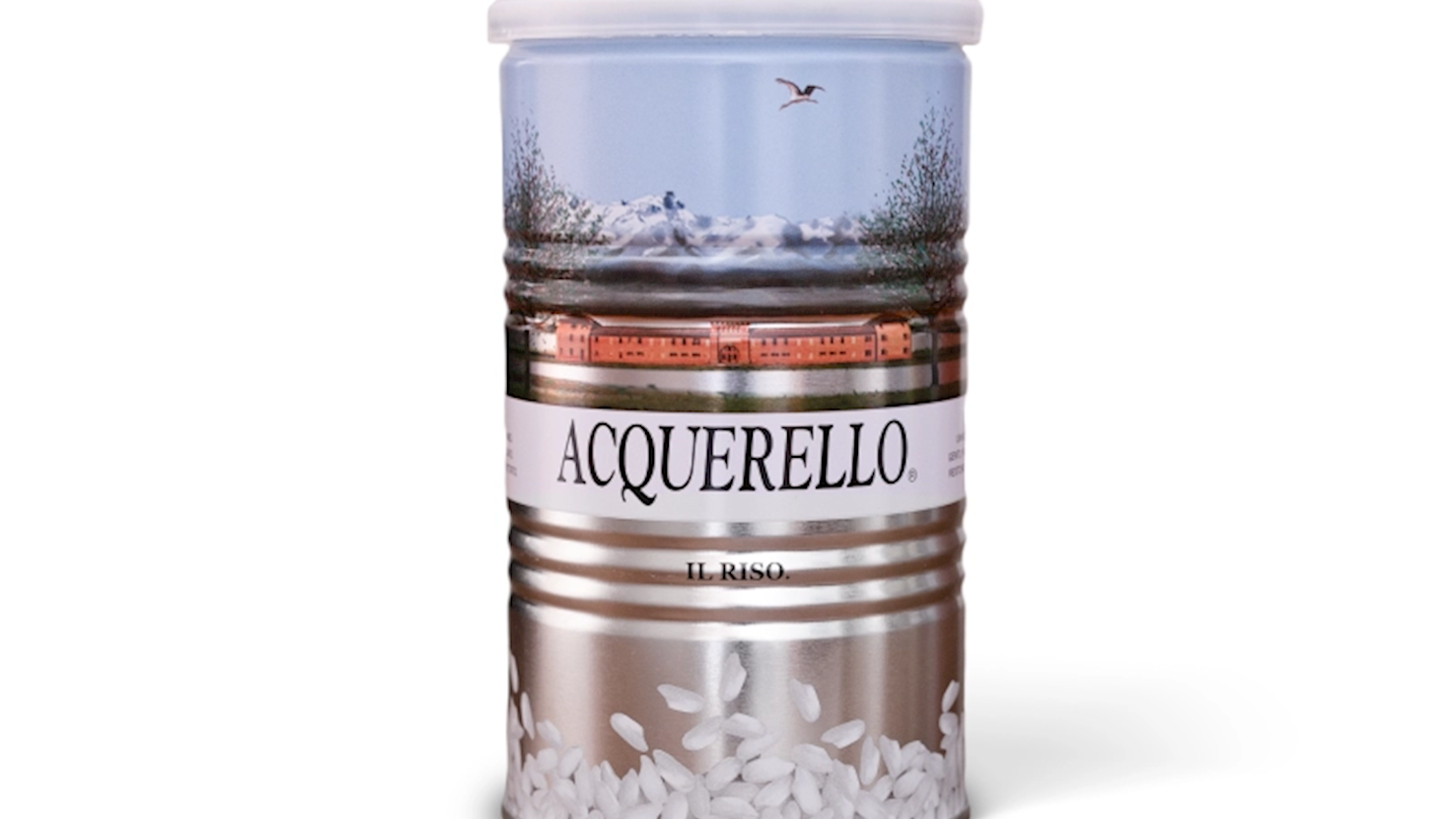
Acquerello

5.0 ·

Acquerello is a renowned Italian rice producer based in Livorno Ferraris, Piedmont, known for its commitment to quality and tradition. Established in 1991 by Piero Rondolino, Acquerello operates from Tenuta Colombara, a historic estate in Italy's prime rice-growing region.

The company specializes in Carnaroli rice, often called the king of rices, valued for its superior texture and versatility in cooking. What sets Acquerello apart is its unique aging process - rice is stored in refrigerated silos for at least one year, enhancing starch stability and enriching its flavor.

Their innovative processing method preserves more nutrients than conventional rice while maintaining grain integrity. Favored by top chefs worldwide, Acquerello rice is packaged in vacuum-sealed tins to ensure freshness and extend shelf life.

The company is also dedicated to sustainability, implementing environmentally responsible farming practices. Beyond production, the Tenuta Colombara estate holds historical significance in Italian rice cultivation, serving as both a functional farm and a cultural heritage site.

04

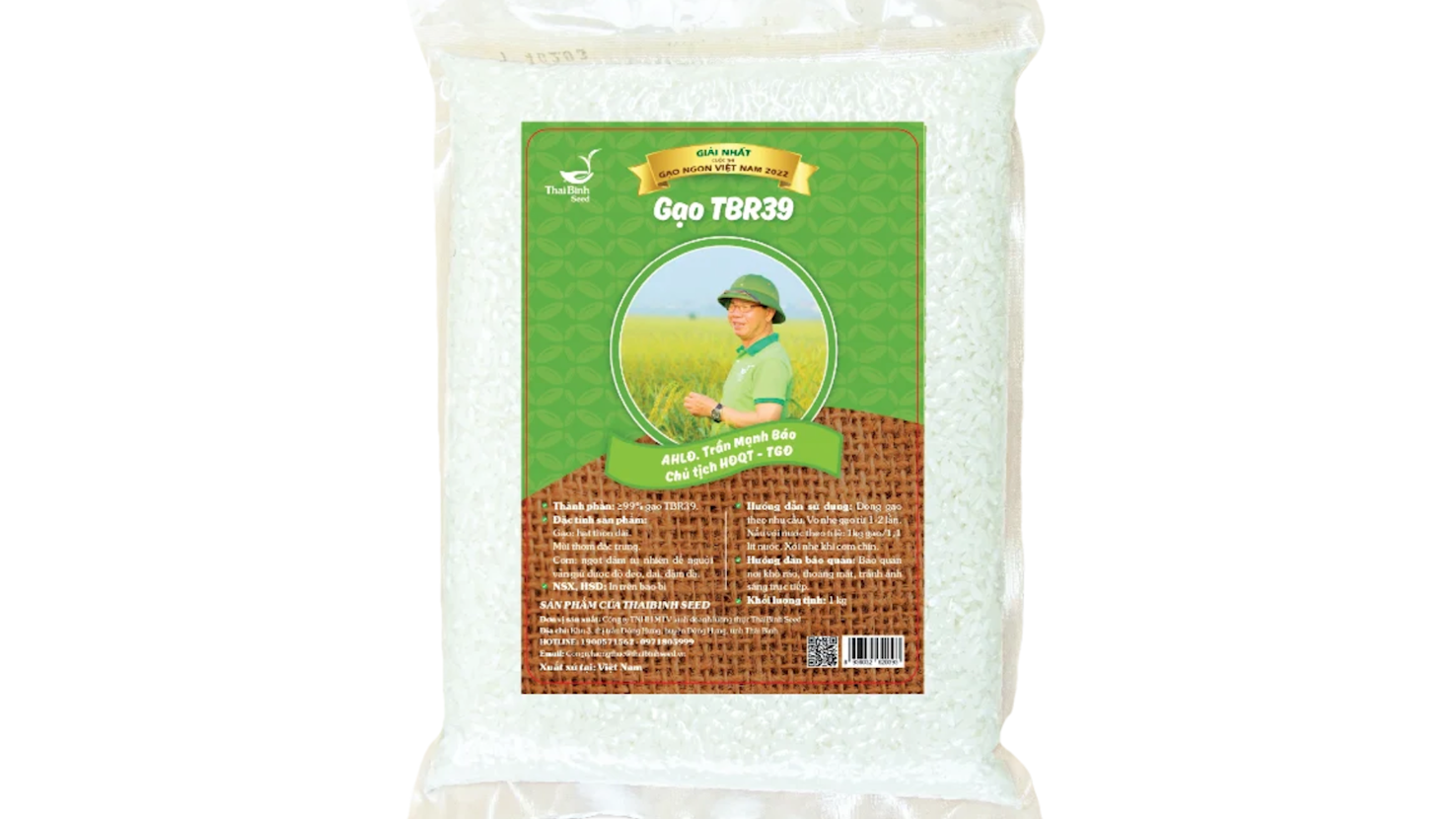
ThaiBinh Seed

4.9 ·

ThaiBinh Seed is a Vietnamese agricultural company specializing in the research, development, and production of seeds and rice. It was established on January 10, 1972, under the name Thai Binh Rice Seed Company. Over the course of its development, it grew into one of Vietnam’s leading companies in the breeding and production of field-crop seeds. Its principal activities include variety selection, certified seed production, and the development of rice adapted to different growing conditions. The company holds the rights to several dozen nationally recognized plant varieties. Rice varieties such as TBR225, BC15, TBR97, TBR39, and the A Sào glutinous rice represent the most important part of its portfolio. In addition to rice, the company develops seeds for maize and other field crops. ThaiBinh Seed controls the entire production chain from variety development and contract farming to processing, packaging, and the sale of finished rice. It entered the food-rice business in 2014 with the opening of a processing plant with an annual capacity of approximately 40,000 tonnes. Its finished product range includes aromatic rice, glutinous rice, purple brown rice, and other regional varieties. ThaiBinh Seed is a large research and production group with nationwide distribution.

05

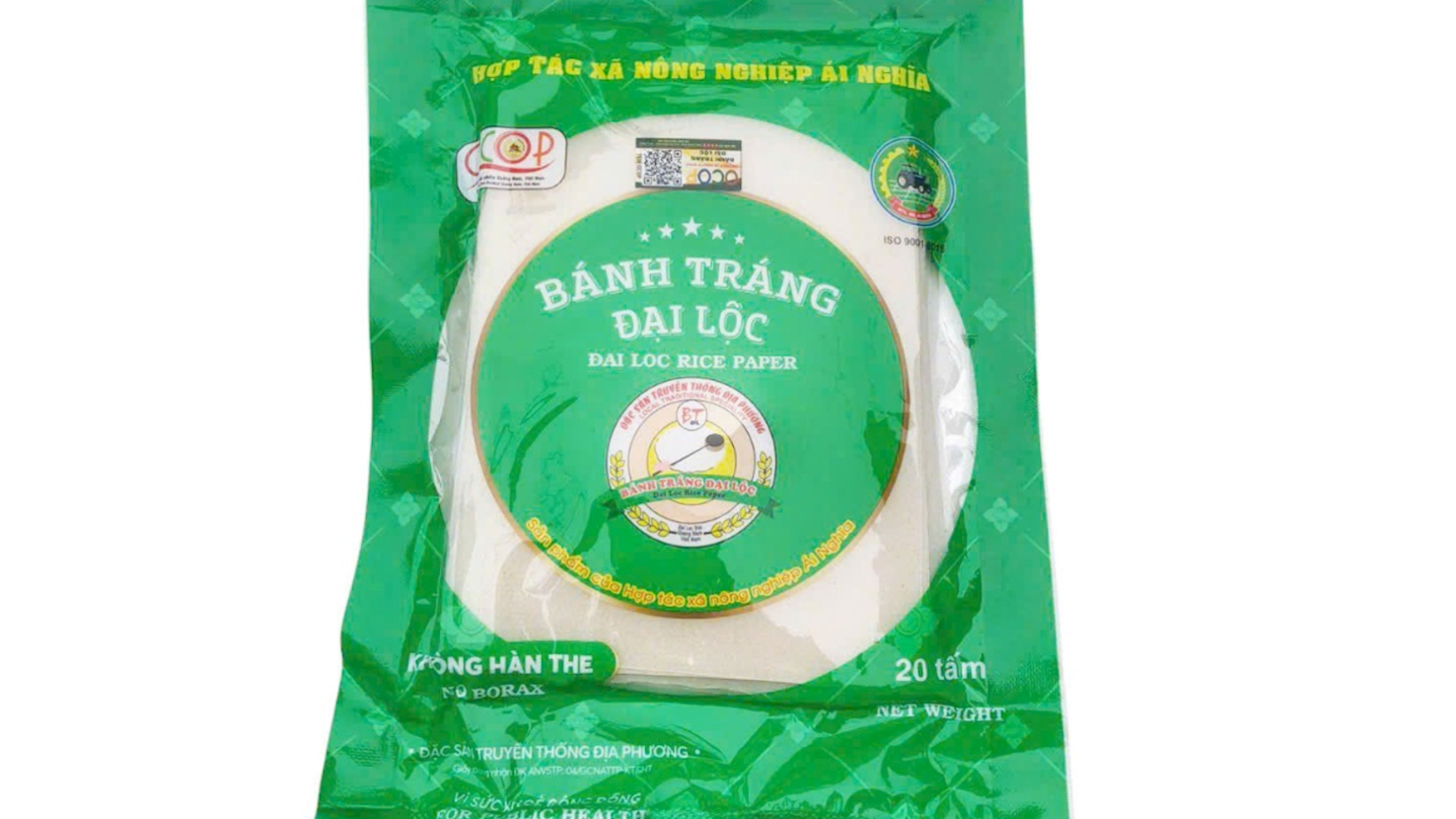
Ái Nghĩa

4.9 ·

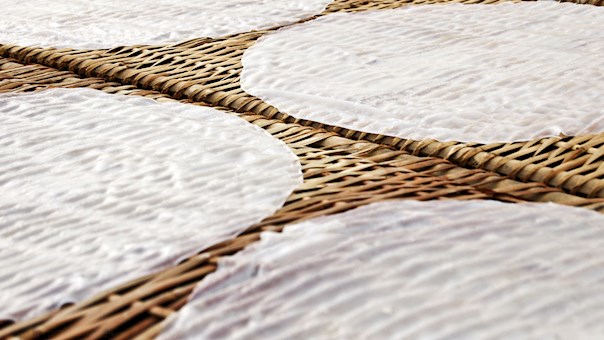
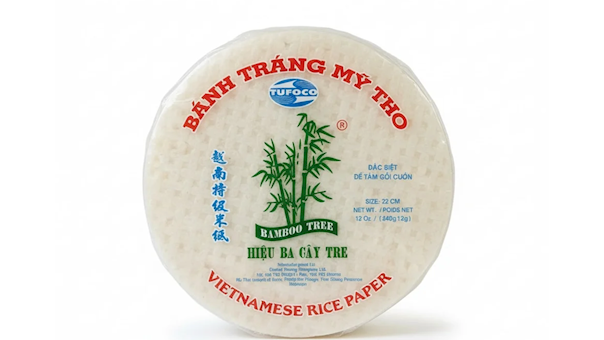
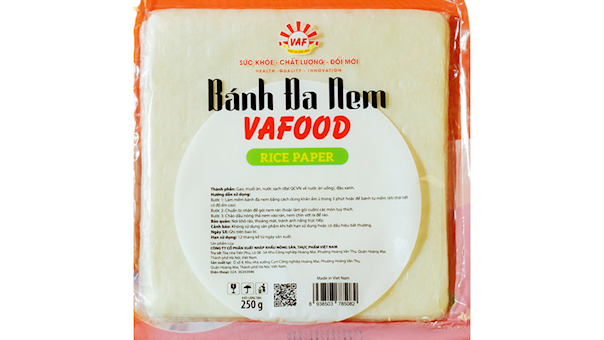
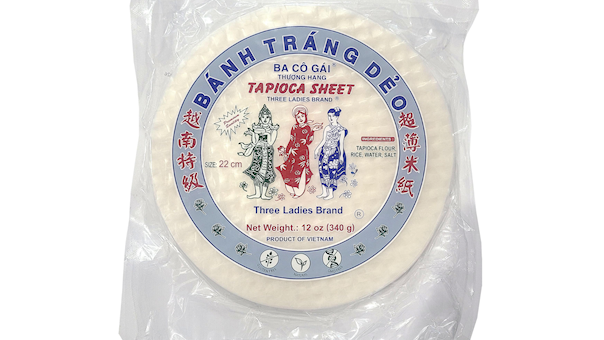
Ái Nghĩa is a Vietnamese agricultural cooperative based in the Đại Lộc area in the central part of the country. It was established in 1978 to connect local farmers and organize joint production. Over time, it expanded its activities from basic agricultural services to seed rice production, grain processing, and the manufacture of traditional food products. The cooperative works with its members and other local producers to purchase and process agricultural raw materials. It focuses particularly on connecting rice cultivation with the production of higher-value finished foods. Its two most recognizable products are Ái Nghĩa safe rice and Đại Lộc rice paper. The rice grown and controlled by the cooperative is used as the main raw material for its rice paper. This allows Ái Nghĩa to oversee the production chain from sourcing the grain to processing and packaging the finished product. The cooperative distributes its products through local stores, distributors, supermarkets, and online sales channels. At the same time, it preserves the culinary traditions of the Đại Lộc area and provides a market for rice grown by local farmers.

06

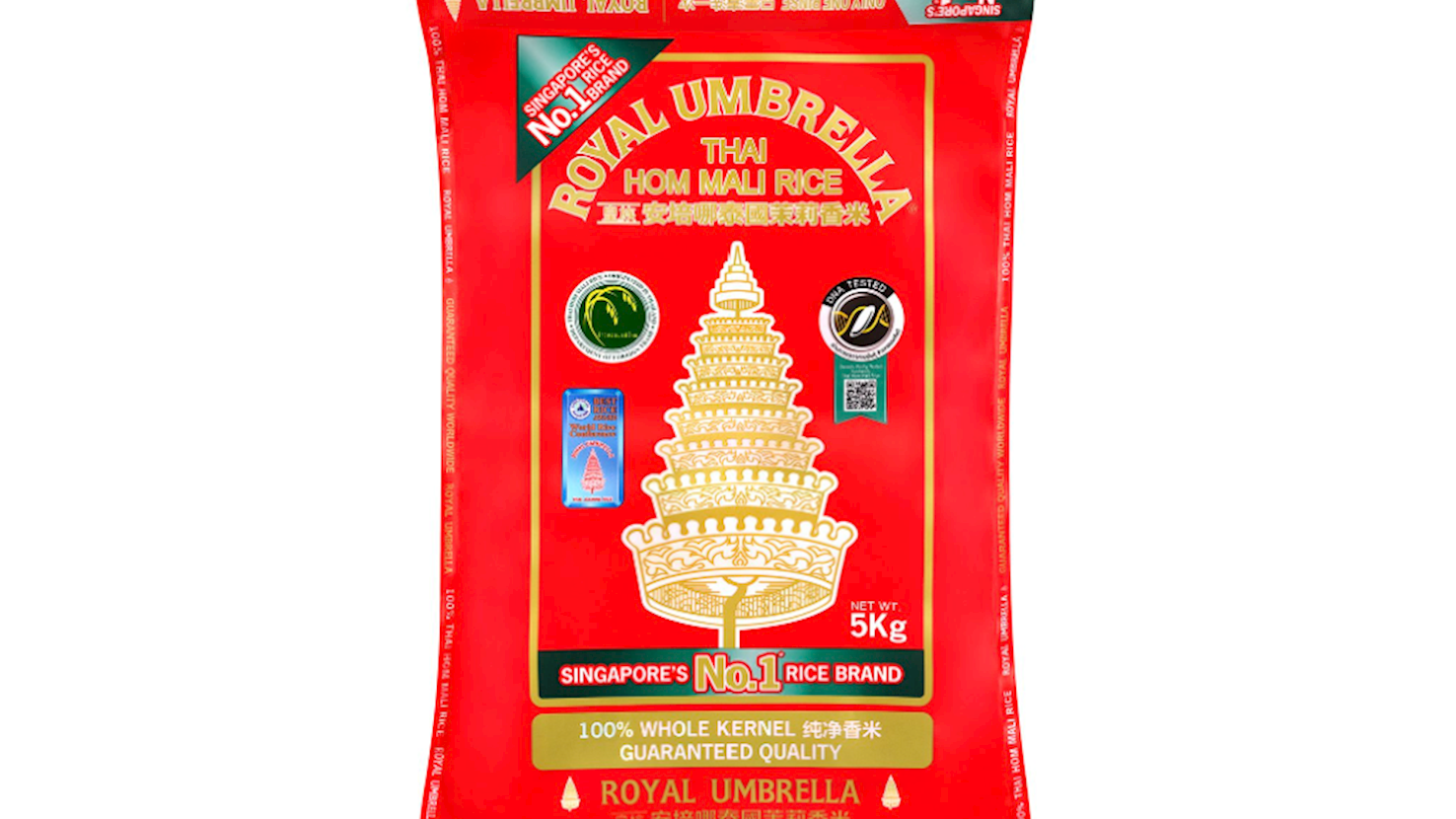
Royal Umbrella

4.9 ·

Royal Umbrella is a prestigious Thai rice brand known for its superior quality, authentic flavor, and consistent production. The brand is owned by C.P.

Intertrade, a subsidiary of the powerful Charoen Pokphand Group, which is the largest agro-industrial conglomerate in Asia. Its most renowned product is Thai Hom Mali Jasmine Rice, a premium Thai jasmine rice grown in the northeastern regions of Thailand, known for their fertile soil, pure water, and favorable tropical climate—conditions that contribute to the rice’s distinctive jasmine aroma, delicate flavor, and light, fluffy texture after cooking. Royal Umbrella combines traditional expertise with modern technology in its operations.

The production process involves state-of-the-art milling and processing equipment, and every batch undergoes rigorous quality control - from harvesting to packaging. Royal Umbrella rice is used in households, restaurants, and hotels around the world and is highly valued for its versatility in cooking - perfect for traditional Thai dishes as well as international recipes such as risottos, sushi, and other rice-based specialties. Recognizable by its red packaging and iconic golden umbrella emblem, this brand holds a leading position in the global export of Thai rice.

07

Riserva San Massimo

4.9 ·

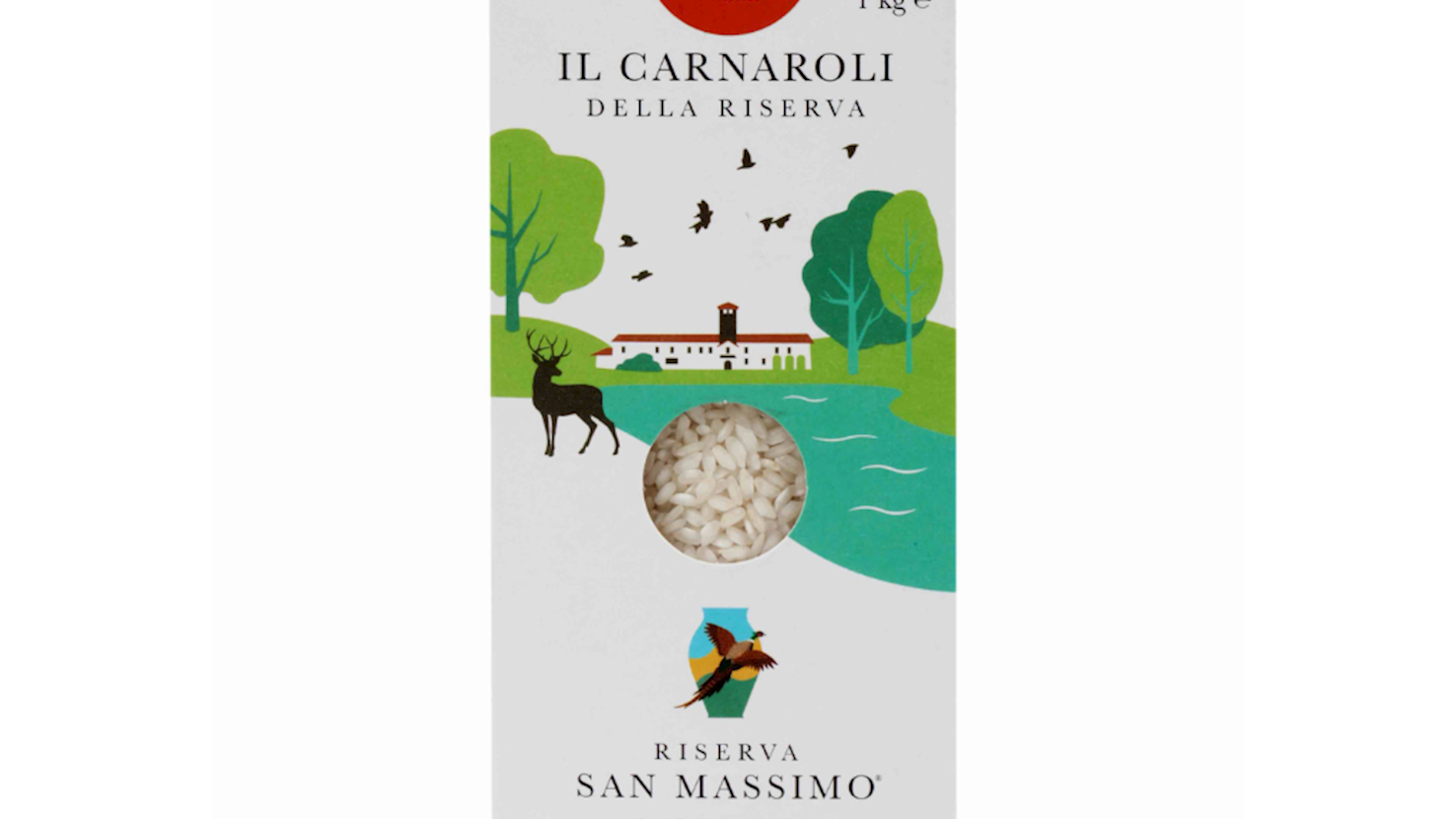
Riserva San Massimo is a nature reserve and agricultural estate spanning over 600 hectares in the municipality of Gropello Cairoli, in the province of Pavia, Lombardy, Italy. Within the reserve, 200 hectares are dedicated to the cultivation of high-quality rice, particularly the Carnaroli variety, which is grown exclusively from 100% certified pure seeds. At Riserva San Massimo, rice cultivation is not treated as an industrial process but rather as a form of artisan, sustainable agriculture that respects the natural cycles and biodiversity of the region.

The entire production process is carried out by hand: from manual harvesting, to low-temperature drying, to careful packaging, all with the goal of preserving the rice's organoleptic properties. The objective of this meticulous approach is to produce rice with the perfect balance of firmness and creaminess - qualities that are essential for making a perfect risotto. The grains are harvested by hand to ensure they remain in optimal condition, followed by gentle drying at low temperatures to maintain the rice's natural structure and starch content. Thanks to this dedication to quality and tradition, Carnaroli rice from Riserva San Massimo is used in numerous fine-dining restaurants across Italy and around the world.

It is especially appreciated by top chefs for its reliability, consistency, and exceptional culinary performance.

08

Yuki Tsubaki

4.9 ·

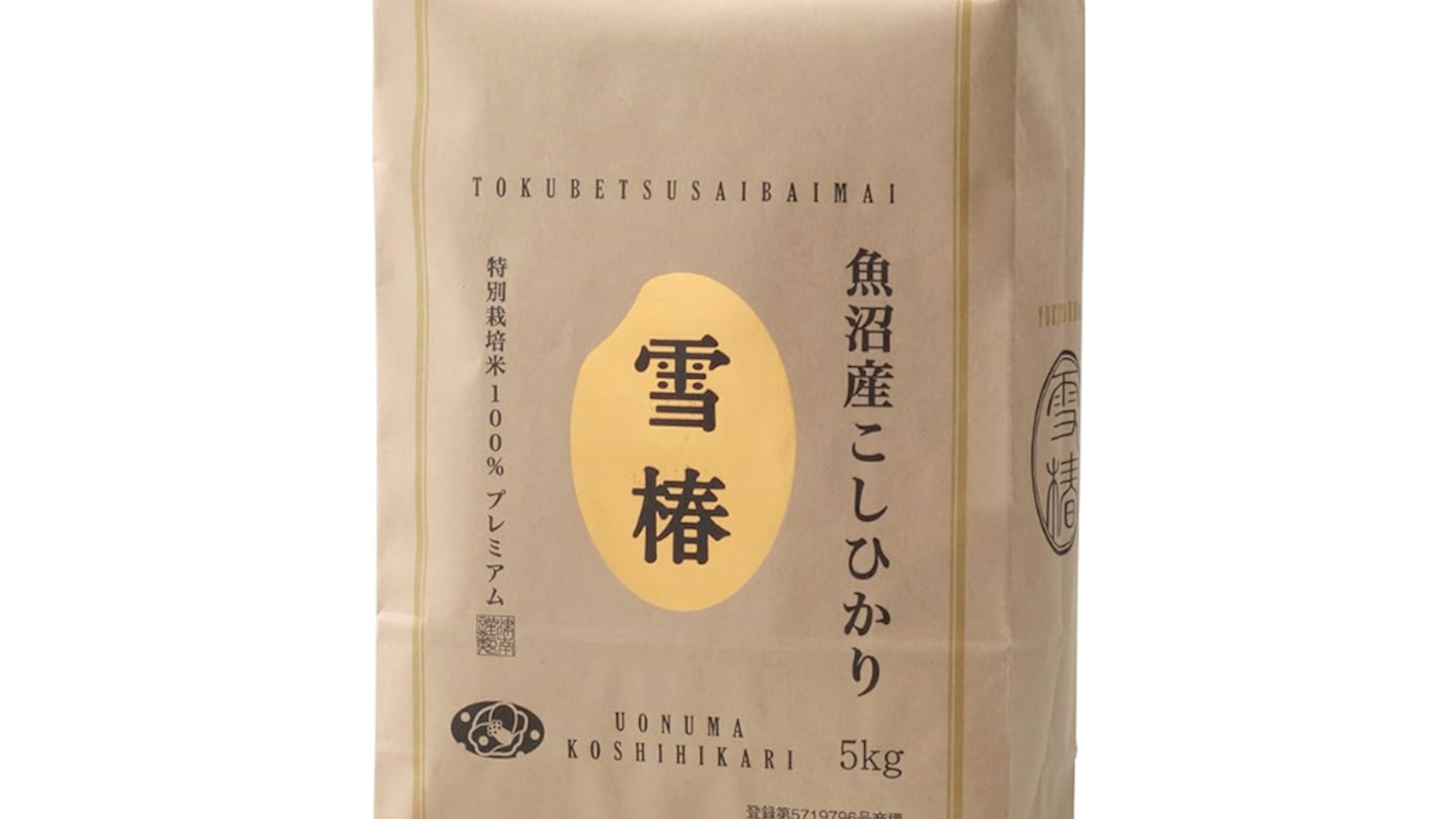
Yuki Tsubaki is a luxury Japanese rice brand that represents the pinnacle of quality in the Koshihikari variety, Japan’s most renowned rice. The brand was born out of a desire to produce the finest rice in Japan, cultivated in the mountainous region of Uonuma, located in Niigata Prefecture, an area known for its superior agroecological conditions.

Its production requires significantly more labor, time, and cost compared to standard rice, in order to achieve impeccable texture, luster, and flavor. The grains are glossy, tender, delicately sweet, and ideal for sushi, onigiri, and refined Japanese cuisine. Behind the brand stands a company that employs advanced processing methods and strict quality control to ensure a unique culinary experience.

The polishing process takes three times longer than usual, resulting in an exceptionally smooth and shiny finish. Every stage - from grain selection to packaging - is carried out under rigorously controlled conditions. Due to its exceptional rarity, Yuki Tsubaki rice accounts for less than 0.003% of the total Koshihikari rice production in Japan.

Its exclusivity has made it a favorite among top chefs and luxury restaurants around the world.

09

Toản Xuân

4.9 ·

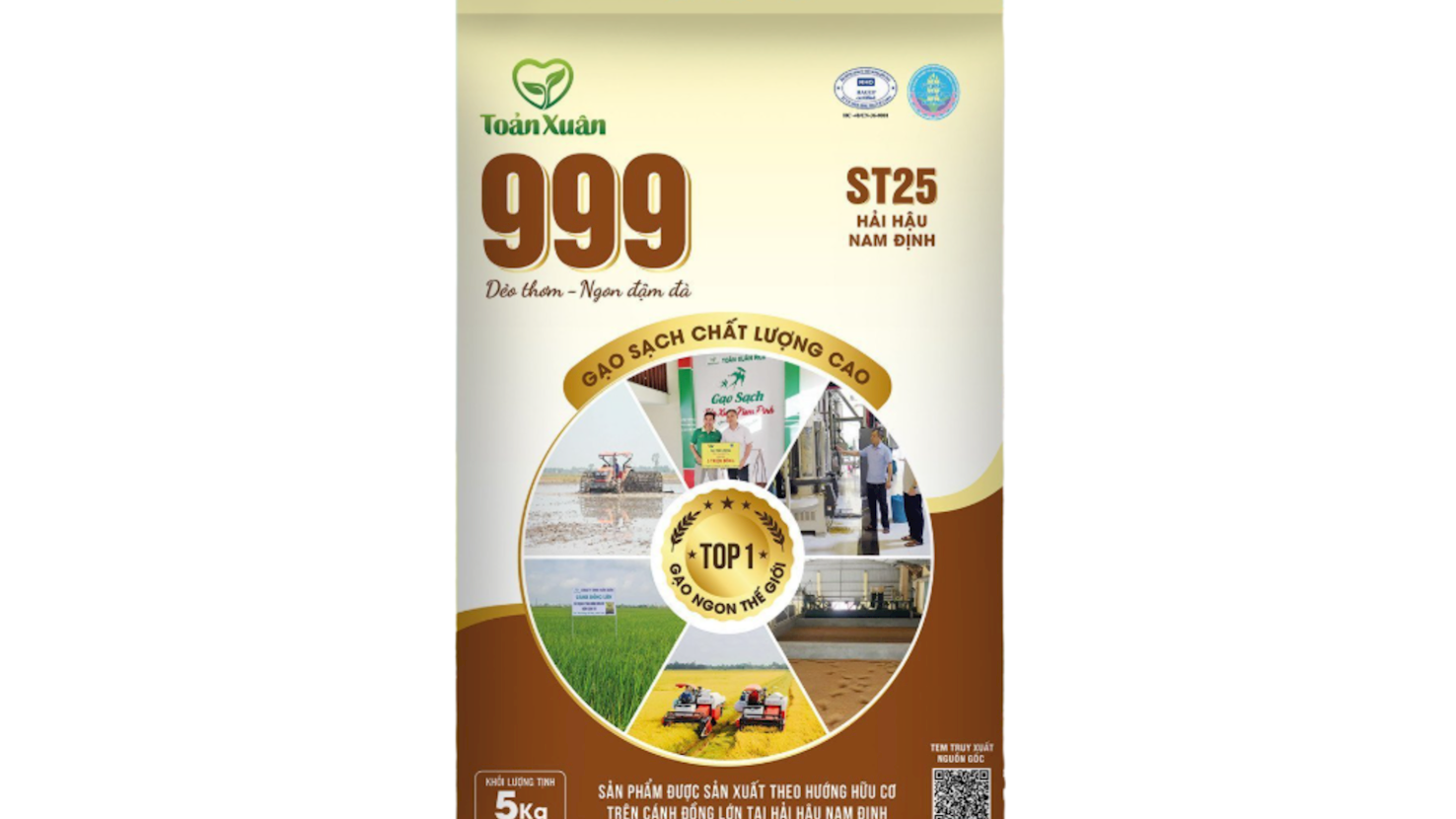
Toản Xuân is a Vietnamese company engaged in the production, processing, and distribution of rice. Its headquarters and main processing facility are located in Yên Lương Commune in the former Nam Định Province. The company is managed by Trần Quốc Toản who worked in the plant nutrition sector for several decades before developing his own rice production chain. In 2014, approximately VND 80 billion was invested in the construction of a grain drying, storage, and processing facility. The organized production chain was launched in 2015 while the first season of rice marketed under the Toản Xuân brand was completed in early 2016. The company works with agricultural cooperatives and larger family farms by providing seeds, fertilizers, and cultivation guidelines. The process is monitored from soil preparation and sowing to harvesting, purchasing, and grain processing. After arriving at the facility, the rice is dried at a controlled temperature and stored separately according to its variety and cultivation area. During processing, the husks, impurities, and damaged grains are removed while electronic cameras are used for final sorting. The range includes several types of aromatic rice, the ST25 variety, the Toản Xuân 999 line, naturally colored rice, and ecological rice grown in fields inhabited by aquatic rươi worms. The latter product comes from floodplain areas where rice cultivation is adapted to a sensitive aquatic ecosystem. The presence of these organisms requires restrictions on chemicals that could affect the water quality and soil conditions. Through this system, the company combines organized large-scale production with the processing of rice originating from different areas and cultivation models.

10

Lộc Trời

4.9 ·

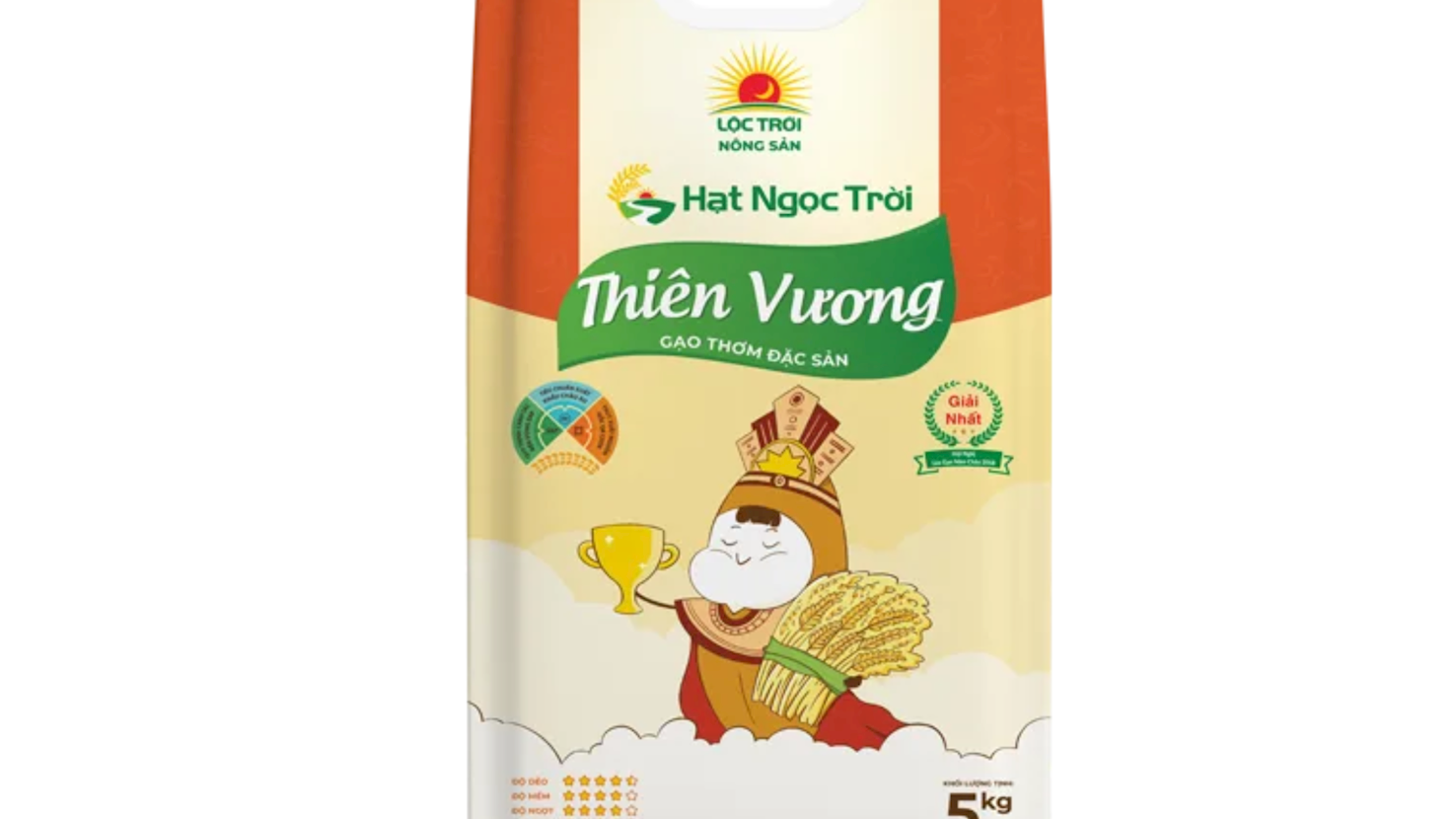
Lộc Trời is one of Vietnam’s leading agricultural companies and is headquartered in Long Xuyên in An Giang Province. It was established in 1993 as a plant protection services company in An Giang. Its operations initially focused on crop protection products while seed research and production began in 1996. Over time, the company developed an integrated supply chain covering seed selection, cultivation management, farmer support, procurement, processing, and distribution of agricultural products. Rice grown in the Mekong Delta occupies a particularly important place in its business. Production quality is controlled from the selection of varieties and cultivation areas to harvesting, processing, and packaging. Lộc Trời works with agricultural cooperatives and growers by providing professional support throughout the cultivation process. In addition to rice, the company produces seeds, fertilizers, biological preparations, crop protection products, coffee, and other agricultural goods. Its products are sold throughout Vietnam and exported to markets in Europe, Asia, the Middle East, Africa, and Australi

About this Ranking

TasteAtlas food rankings are based on the ratings of the TasteAtlas audience, with a series of mechanisms that recognize real users and that ignore bot, nationalist or local patriotic ratings, and give additional value to the ratings of users that the system recognizes as knowledgeable. For the “Top 75 Rice in the World” list until August 19, 2026, 973 ratings were recorded, of which 767 were recognized by the system as legitimate.

TasteAtlas Rankings should not be seen as the final global conclusion about food. Their purpose is to promote excellent local foods, instill pride in traditional dishes, and arouse curiosity about dishes you haven’t tried.

The initial list of top producers was compiled based on available reviews, awards, local recommendations, media and blog coverage, and consumer reviews. The list will be updated with ratings from TasteAtlas local ambassadors and TasteAtlas users.

What People Say

Similar Lists