shutterstock

Top 100 Peruvian Foods

Last updated on June 02, 2026

Best Peruvian foods

01
Appetizer

Conchitas a la parmesana

4.6 ·

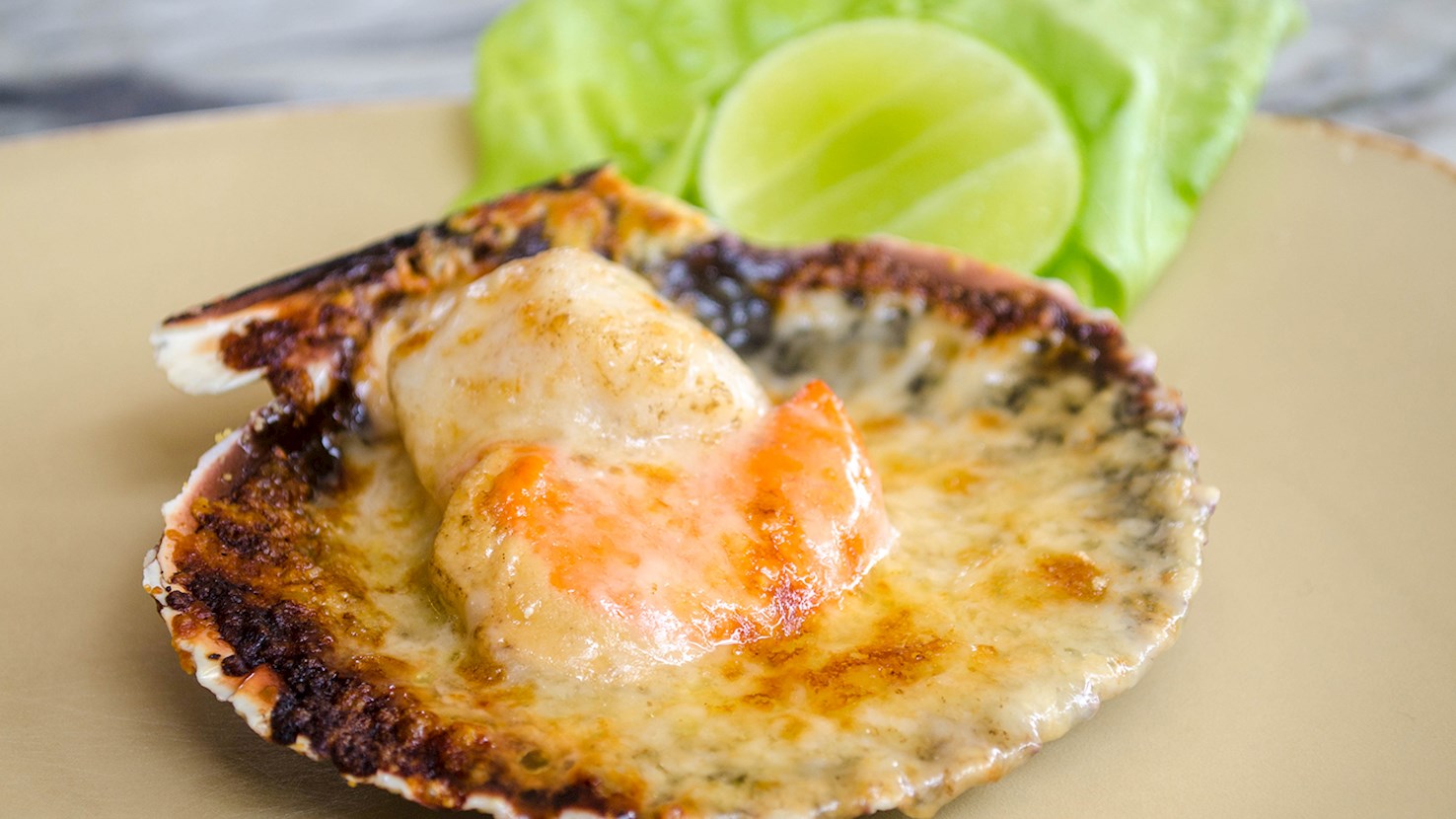
Conchitas a la parmesana is a traditional dish that's served as an appetizer. It consists of scallops that are topped with grated parmesan, then placed under the broiler for a few minutes. When served, the cheese should be bubbling, but the scallops will remain almost raw. The ingredients used for the dish include scallops, Worcestershire sauce, lime juice, butter, salt, pepper, and grated parmesan cheese. The dish is served immediately, while still piping hot, ideally with lime wedges on the side.

02
Salsa

Aji criollo

4.6 ·

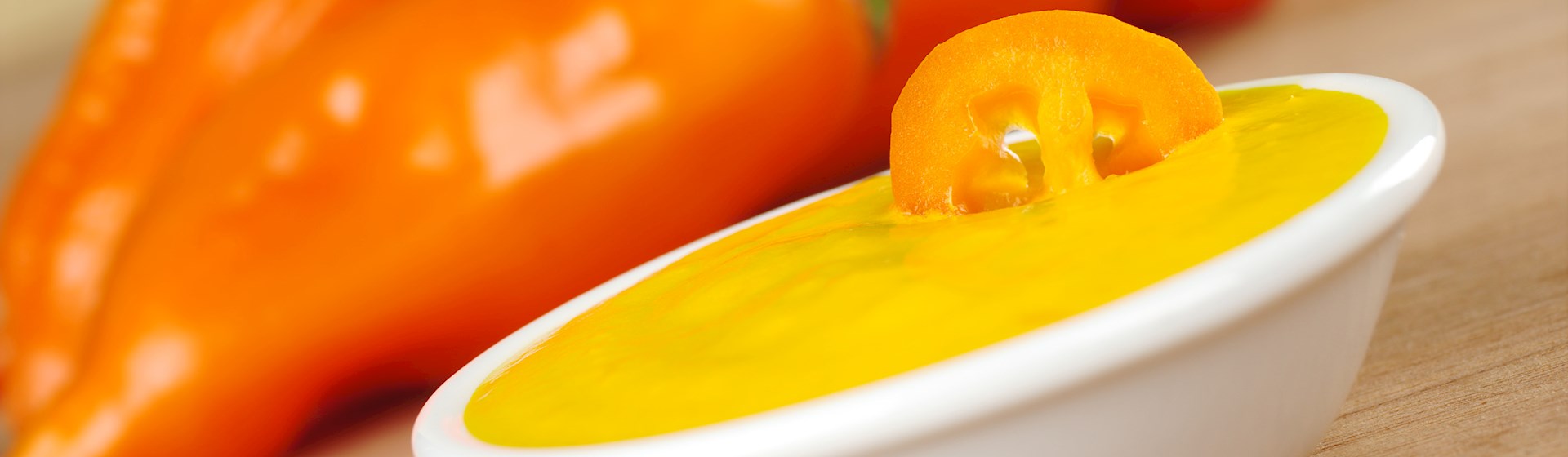
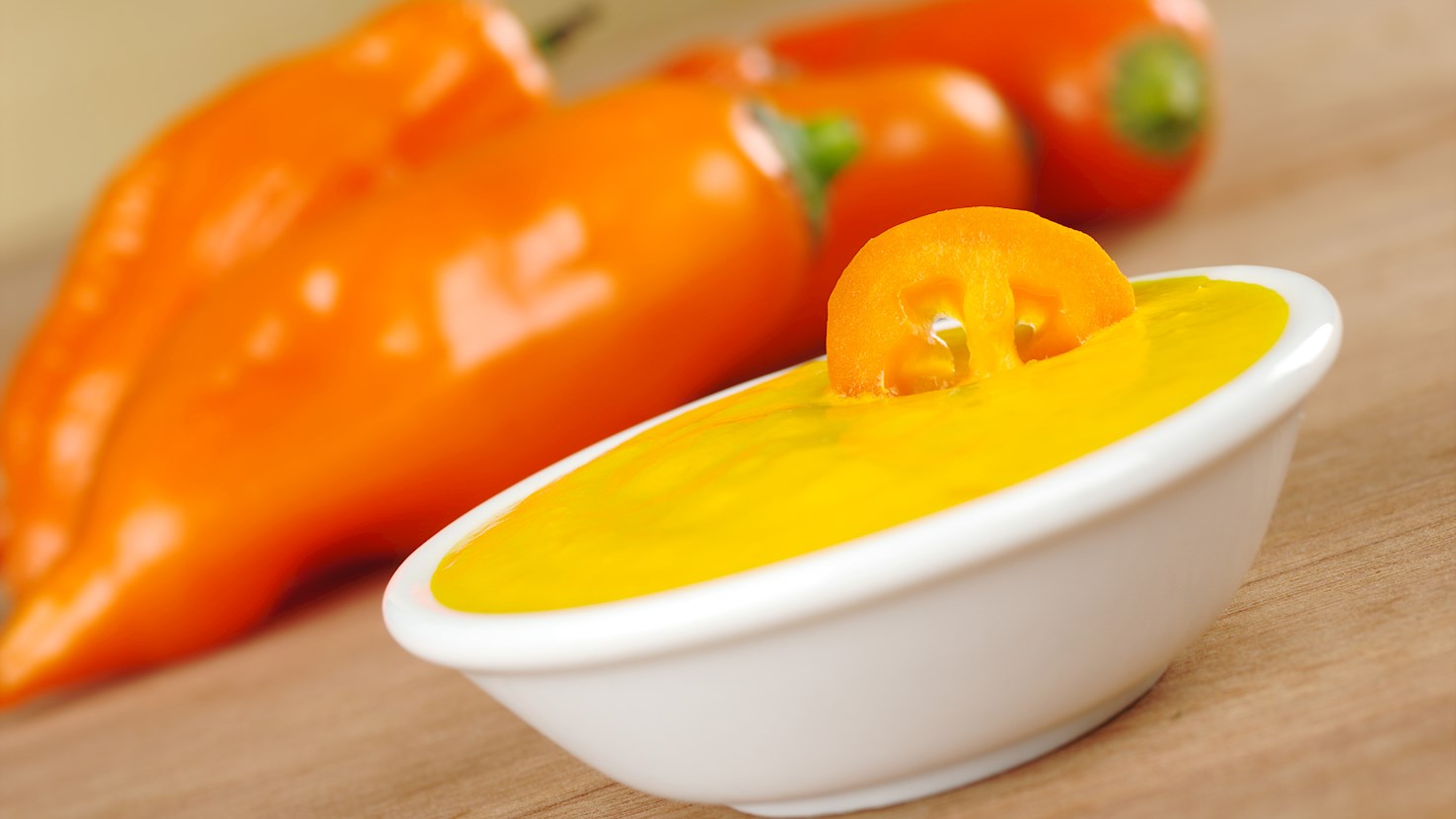
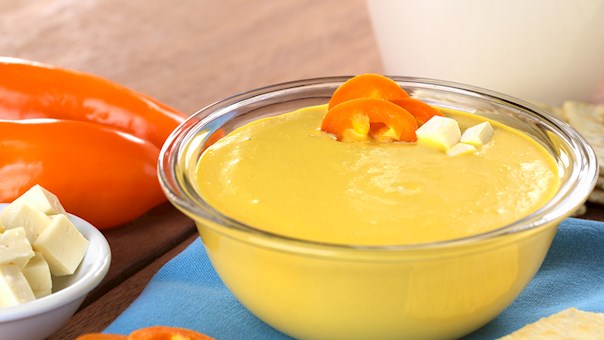
Aji criollo or salsa de aji is a spicy Peruvian salsa prepared with a combination of yellow aji chili peppers and oil. The sauce is usually pleasantly spicy, but it can also be extremely hot and spicy, so one should be careful when tasting it for the first time. The sauce is traditionally used as an accompaniment to various meat and fish dishes, but it's also often used as a dip for french fries and tequeños. Although it shares the name with an Ecuadorian sauce, those two differ significantly, both in appearance (Ecuadorian version is green), and in the method of preparation and ingredients used.

03
Salsa

Salsa de rocoto

4.5 ·

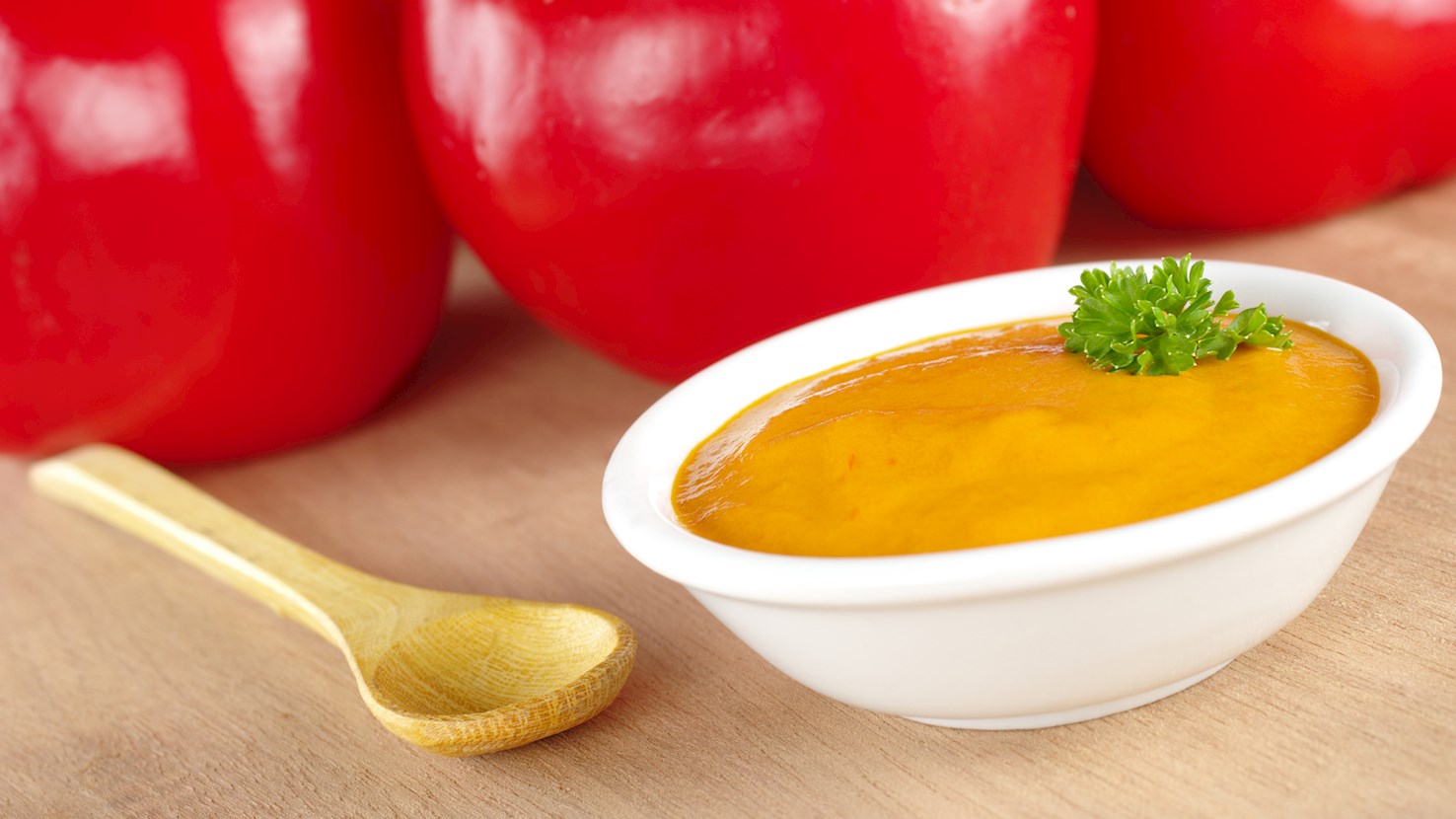
Salsa de rocoto is a hot Peruvian sauce or dip that's a staple at most tables in the country. It is prepared with fiery red rocoto peppers, oil, and lime juice, with the occasional addition of parsley, cilantro, or milk. Due to the fact that this salsa is so popular in the country, there are numerous variations, ranging from medium hot to insanely hot, so be careful when trying it for the first time. Use the salsa with a variety of fish and meat dishes, potatoes, or try it in sandwiches.

04
Offal Dish

Anticuchos de corazon

4.5 ·

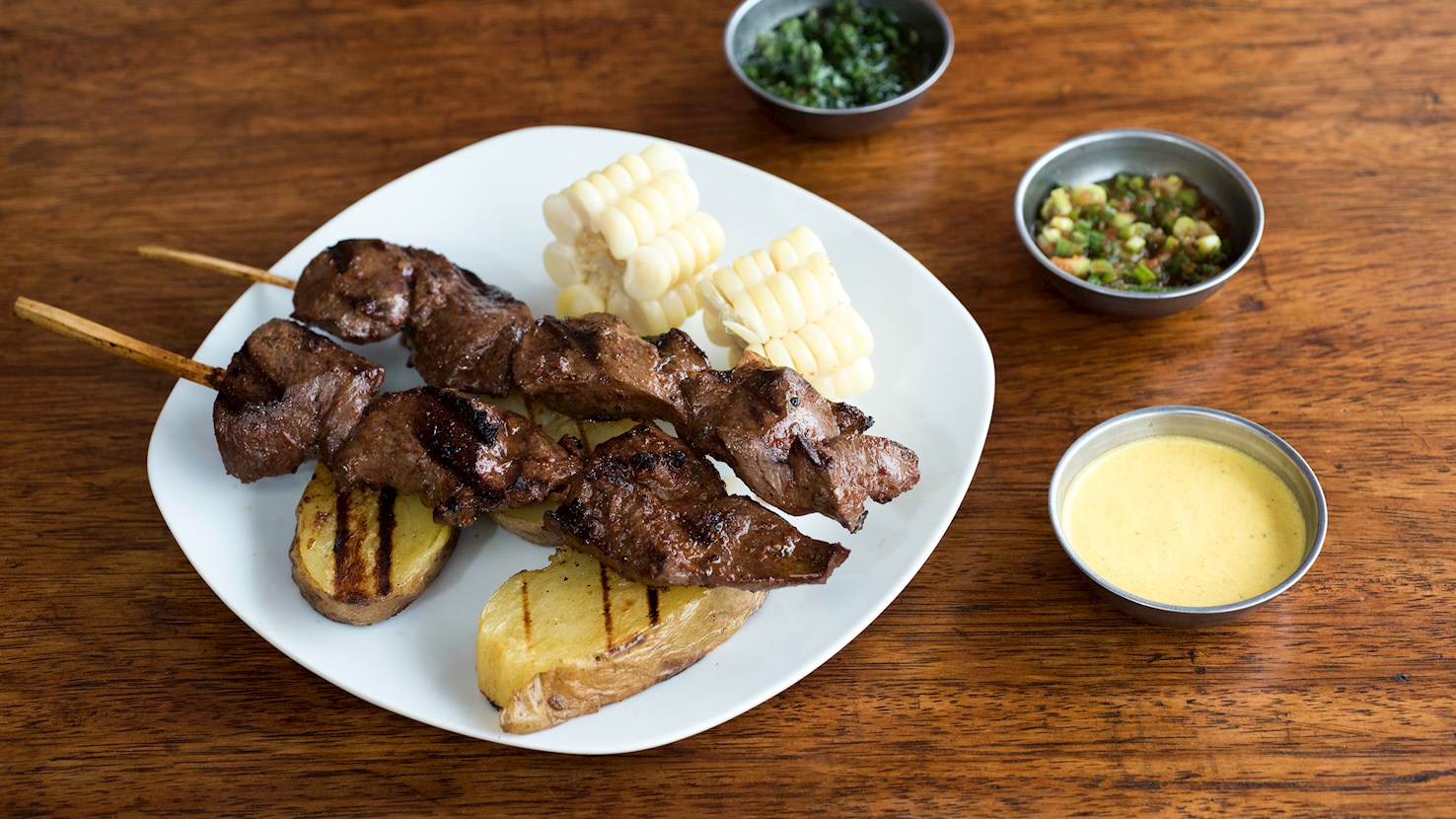
Anticucho de corazon is a traditional dish originating from Peru, consisting of beef heart skewers. The dish is made with a combination of beef heart, oil, red wine vinegar, garlic, oregano, cumin, salt, and aji panca hot pepper paste. The beef heart is cut into cubes and marinated in a combination of all other ingredients. The cubes are then skewered and grilled until fully cooked and slightly charred. These beef heart skewers are traditionally served with accompaniments such as thick slices of boiled potatoes, corn, and aji amarillo sauce on the side as a dip. It's recommended to enjoy anticucho de corazon with a bottle of ice-cold beer.

05
Rice Dish

Arroz tapado

4.5 ·

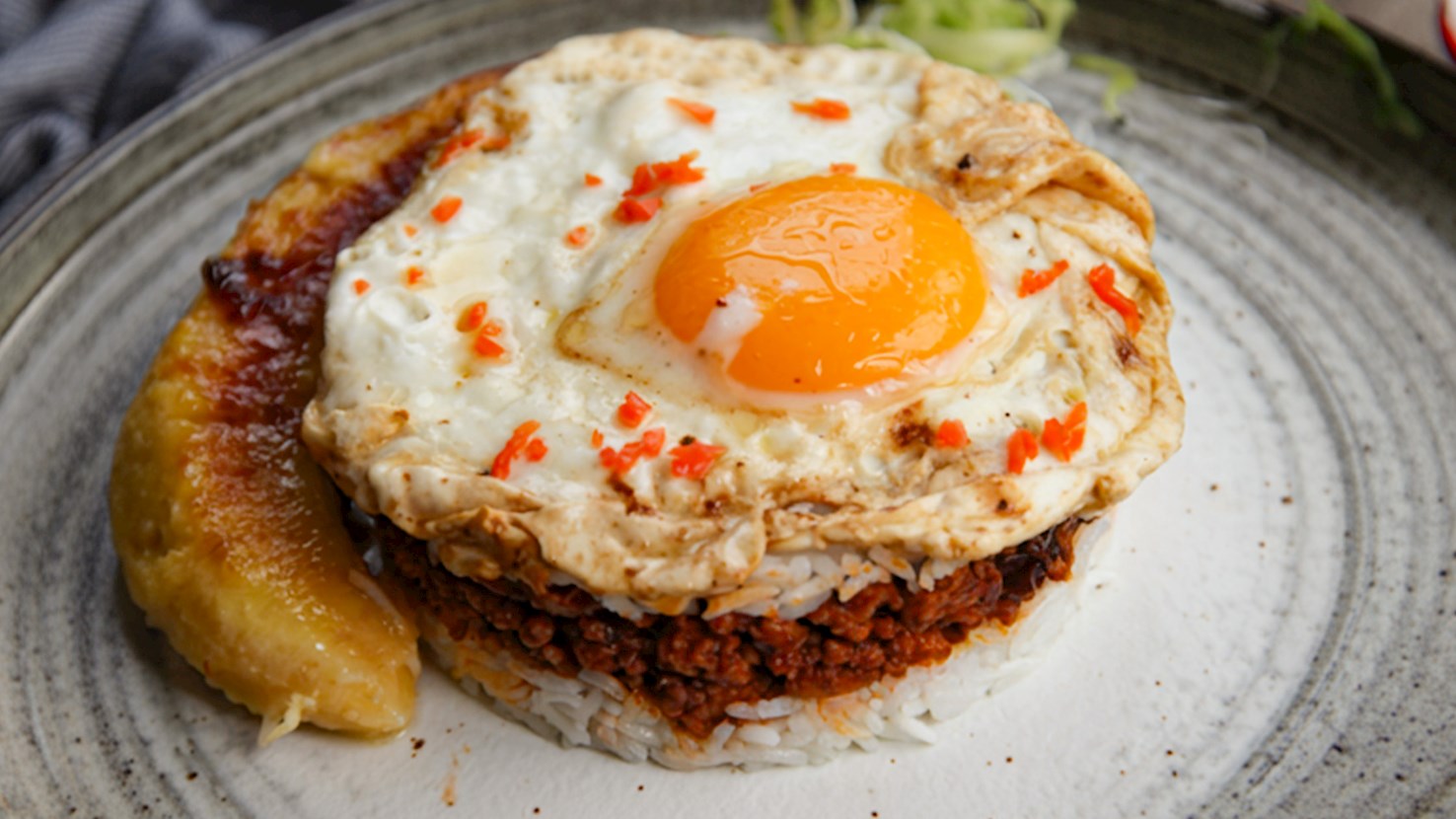
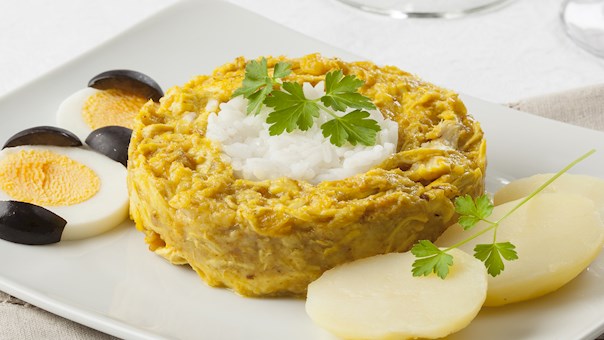
Arroz tapado is a Peruvian dish that is easy to prepare and inexpensive. It is made with rice, carrots, ground beef, tomato paste, onions, garlic, black olives, and chopped hard-boiled eggs. This dish is layered, usually in a way where rice is on the bottom and on the top, with the other ingredients sandwiched in the middle layer. Once assembled, arroz tapado is garnished with parsley and served with green salads, plantains, or avocado slices on the side, if desired.

06
Stew

Seco de cabrito

4.5 ·

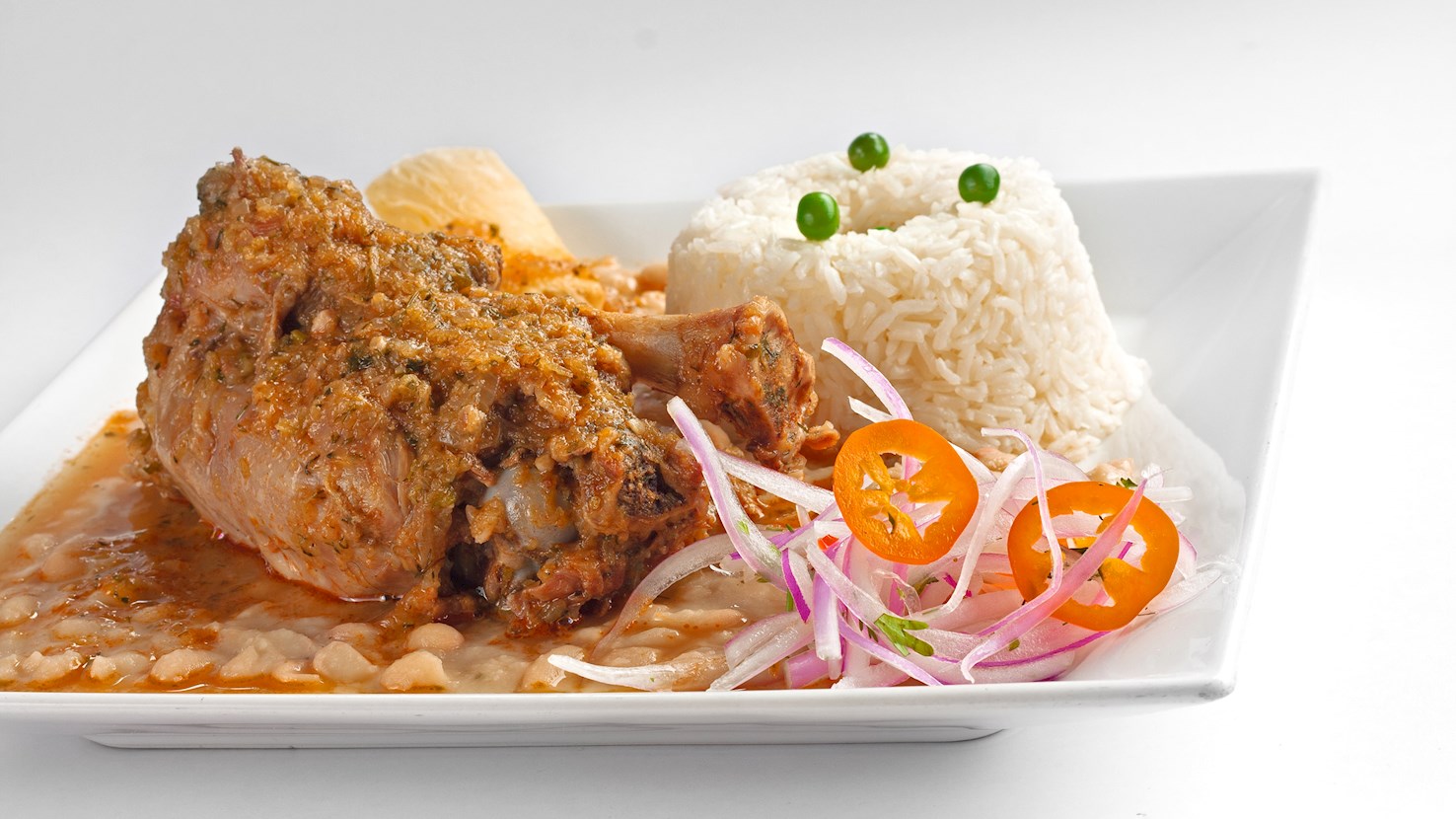
Seco de cabrito is a traditional dish that was originally prepared in the north of the country, but nowadays it's also popular in coastal areas. It consists of goat meat that's cooked with hot peppers, peas, carrots, and cilantro sauce. The list of ingredients also includes onions, cumin, garlic, oregano, oil, and seasonings. The meat is fried, then cooked with the other ingredients until the sauce becomes thick. Once done, seco de cabrito is traditionally served with rice, beans, and boiled cassava as a one-dish meal. This dish is often prepared for festive events such as family celebrations, and it can also be reheated and served the next day.

07
Chicken Dish

Pollo a la brasa (Peruvian roast chicken)

4.4 ·

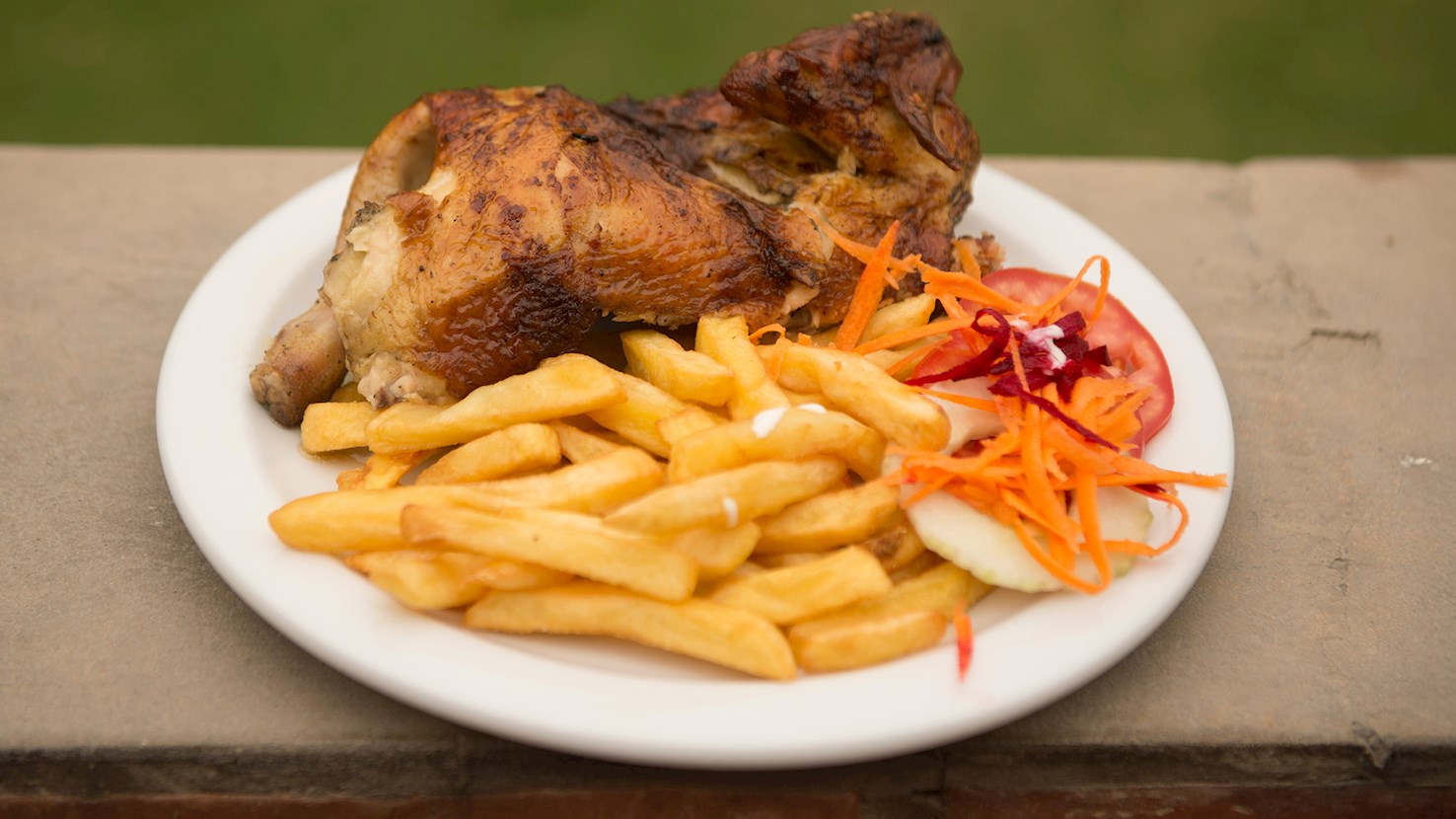
Pollo a la brasa is a popular Peruvian dish consisting of crunchy and juicy charcoal-grilled chicken that is traditionally served with French fries and salads. Today, it is one of the most consumed meals in Peru, so much that 27 million Peruvians eat it daily. The dish was first invented in Lima in the 1950s, when it was seasoned only with salt, but nowadays the chicken is often marinated in a special combination of ingredients, usually consisting of vinegar, salt, pepper, rosemary, chili, and dark beer.

08
Clam Dish

Ceviche de conchas negras (Black conch ceviche)

4.4 ·

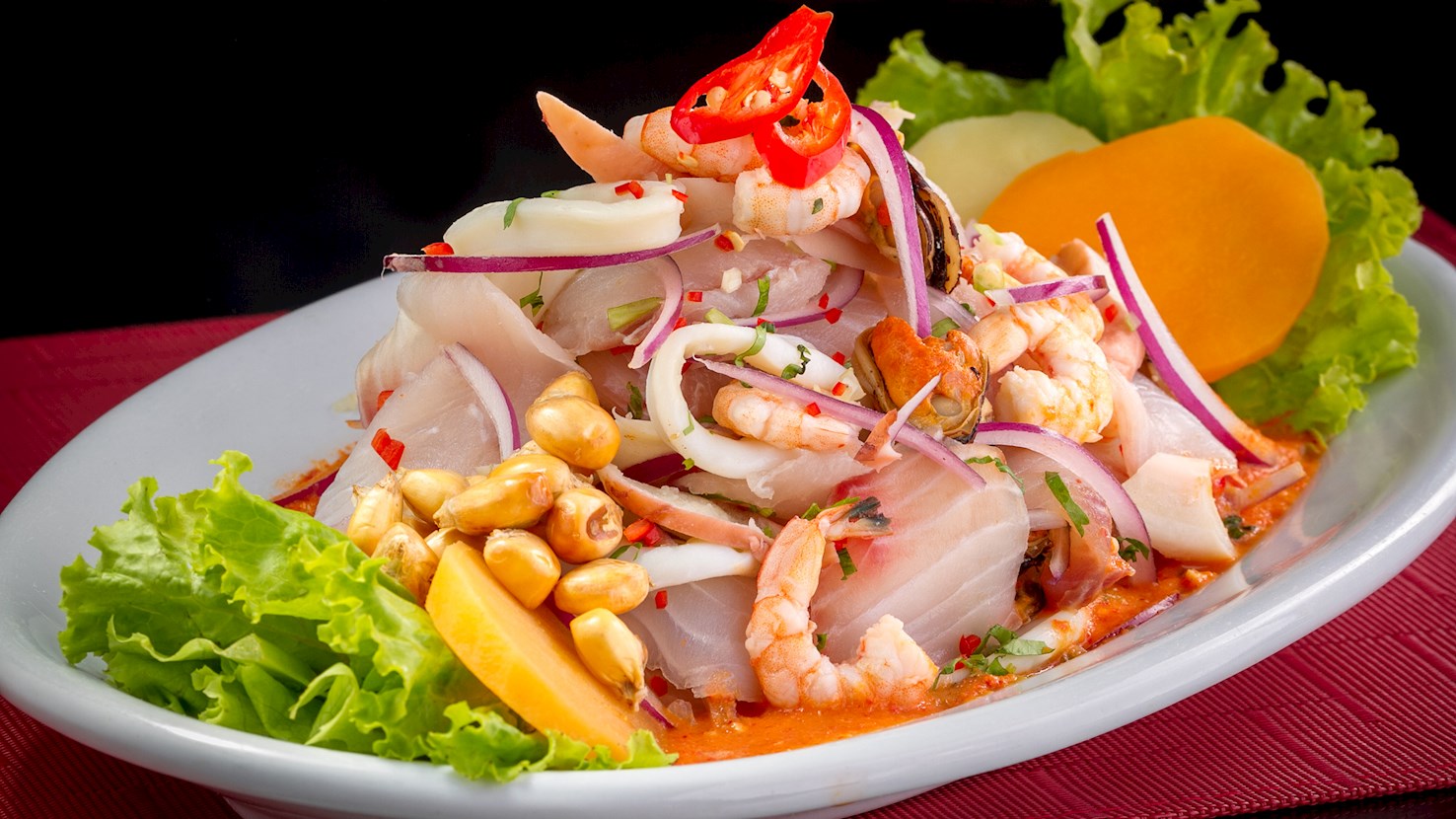
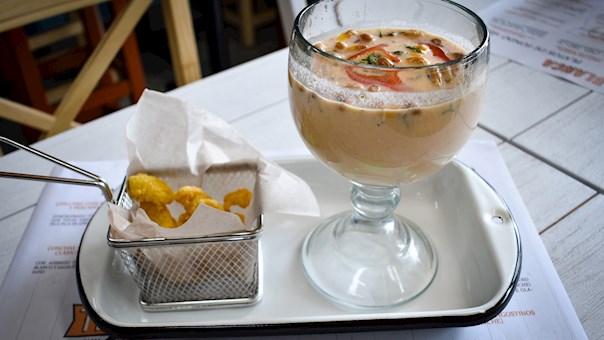
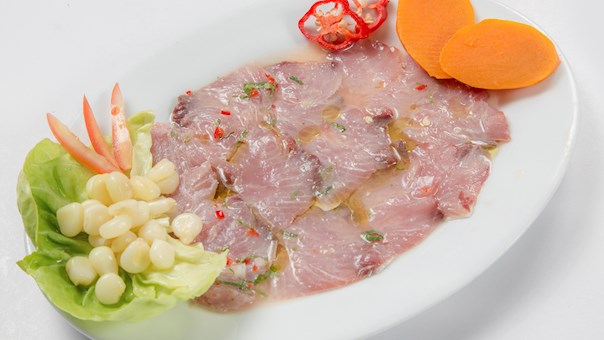
Peruvian ceviche de conchas negras is a type of ceviche made with black clams (concha negra) said to have aphrodisiac properties, traditionally sourced from the Tumbes region. The clam meat and its juices are meticulously cleaned, then seasoned with a vibrant mix of ají limo peppers, finely diced red onions, salt, pepper, and garlic paste. This concoction is allowed to marinate briefly in fresh lime juice, intensifying its flavors. It's traditionally served with choclo (Peruvian large-kernel corn) and a slice of sweet potato, adding a delightful contrast to the dish's spicy zest. Some other serving options include toasted corn nuts cancha and crispy chifle or fried plantain chips.

09
Seafood Dish

Jalea

4.4 ·

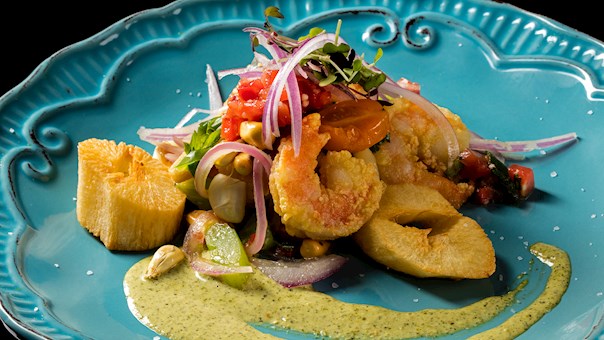
Peruvian jalea is a seafood dish of lightly breaded and deep-fried fish - most often tuna, halibut, cod, or striped bass - and other mixed seafood like octopus, squid, shrimps, and scallops. It is traditionally served with thinly sliced and fried plantains called chifles, and topped with a refreshingly tart salad of lime-marinated red onions, tomatoes, and cilantro. With an abundance of fresh local seafood during Lent weeks which coincide with the end of the summer in South America, jalea has become one of the Peruvian favorites of the fasting season, widely available in numerous cevicherias, restaurants specialized in ceviche and other seafood dishes. Jalea Peruana is typically enjoyed with salsa criolla, ají amarillo and rocoto sauces, and sided with some yucca chips or - for an extra crunch - sprinkled with toasted Andean chulpe corn nuts called canchas. The tasty palette of condiments also includes either mayonnaise or tartar sauce, and lime wedges.

10
Beef Dish

Bistec a lo pobre

4.4 ·

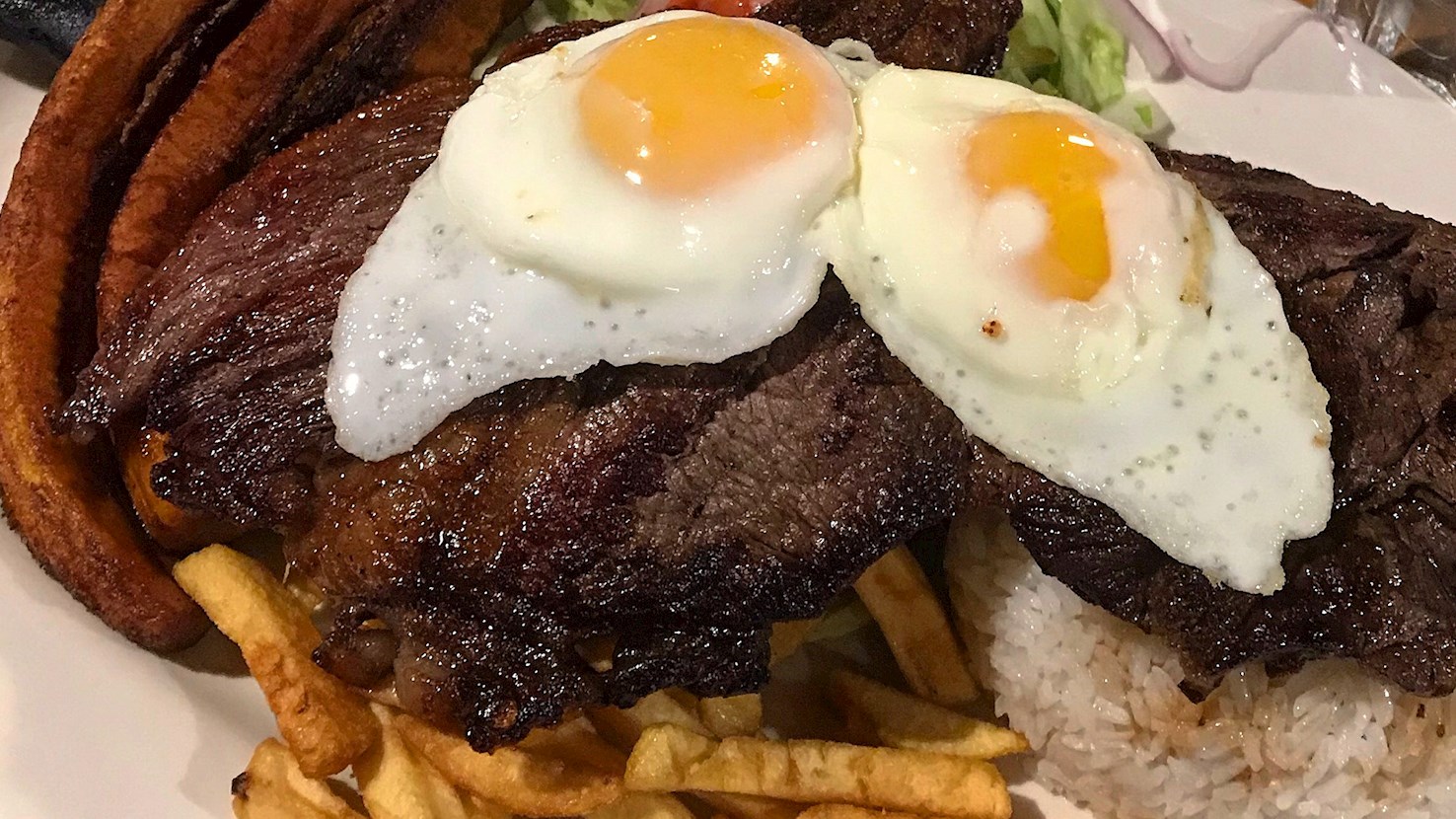
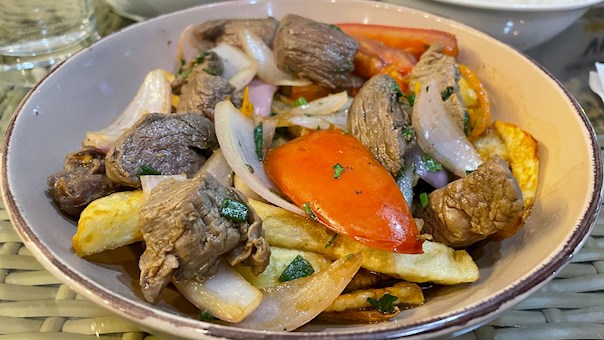
Lomo a la pobre or bistec a lo pobre is a large meal similar to Chorrillana that is popular in Chile and Peru. In its basic form, the meal consists of steak, fried onions, fried potatoes, fried eggs, and rice. A large beef steak (usually rubbed with garlic) is fried, then topped with fried eggs with runny yolks, while onions and potatoes are served on the side. The name of this meal translates to poor man's steak, despite the fact that this dish is hearty and very nutritious. In Chile and Peru, it is almost always served for lunch.

Best Peruvian food products

01
Spirit

Tacama

5 ·
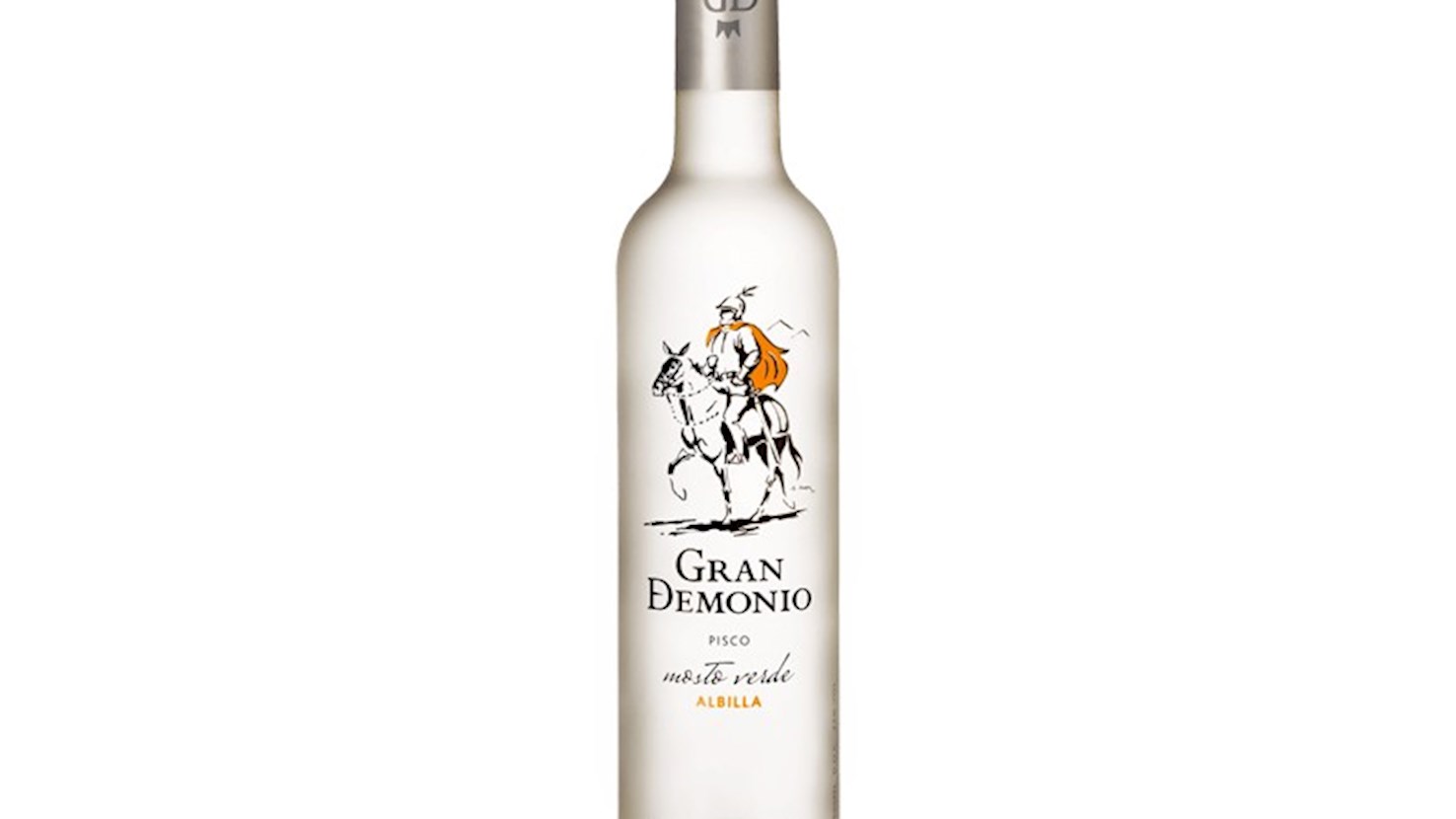
Tacama is one of the oldest and most prestigious wineries and distilleries in Peru, with a history dating back to the 16th century. Located in the Ica Valley, Tacama is renowned for its production of premium wines and piscos, using traditional methods combined with modern technology. The winery is known for cultivating a variety of grapes that thrive in the region’s unique climate, producing exceptional spirits like their iconic Pisco Gran Demonio. Tacama’s long-standing commitment to quality and innovation has made it a key player in the Peruvian wine and pisco industry.
Awards
Expo Vino Wong - Medalla de Oro (2024)
USC- Ultimate Spirits Challenge - Chairman's Trophy (2021, 2020)
02
Spirit

Pisco Huamaní

5 ·
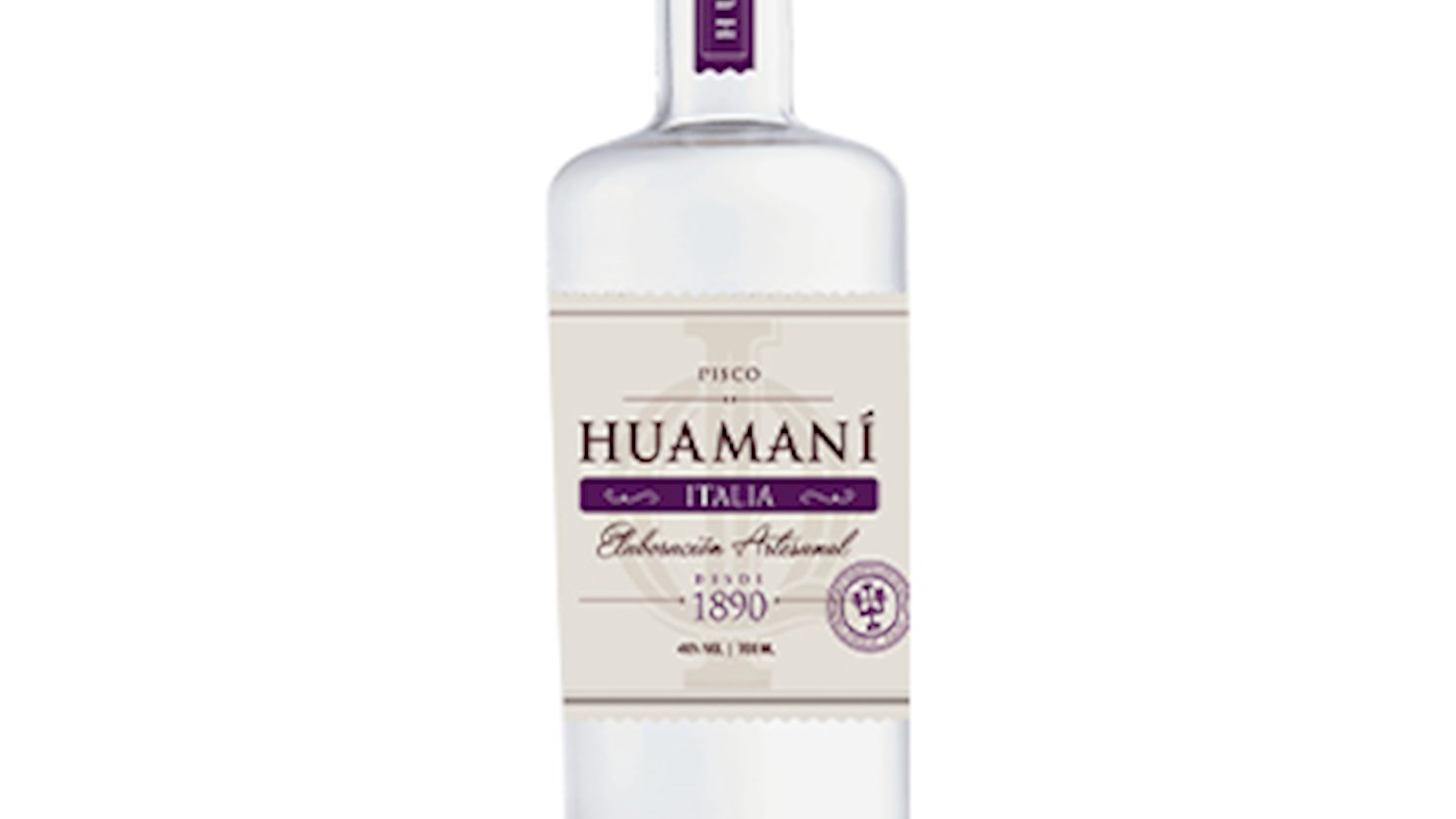
Pisco Huamaní is a heritage-driven brand rooted in the Ica Valley, where pisco has been produced since 1890 following a family tradition based on handcraft, precision, and deep respect for the terroir. Its name comes from the Quechua word huaman, meaning “eagle” symbolizing protection, vigilance, and the intimate bond between the land and those who cultivate it. The brand specializes in high-purity pisco distilled in small batches without the addition of water after distillation, ensuring that the natural character of the grapes remains fully expressed. Huamaní focuses on aromatic and varietal clarity, working with grapes such as Torontel, Italia, Quebranta, and Acholado, which contribute floral, citrus, or ripe fruit notes along with a clean, elegant structure. Production adheres to traditional methods - slow fermentation, careful grape selection, and precise distillation - resulting in a distinct identity shaped by the balance of history, craftsmanship, and modern quality standards. As a brand, Huamaní preserves the essence of Peruvian pisco culture while presenting it in a refined and contemporary expression.
Awards
SFWSC - San Francisco World Spirits Competition - Double Gold (2024)
03
Chocolate

Cacaosuyo

5 ·
Cacaosuyo is a distinguished chocolate maker celebrated for its dedication to preserving the purity and diversity of fine cacao. Embracing a meticulous "tree-to-bar" approach, the company oversees every stage of production—from selecting cacao trees to crafting the final chocolate bars—ensuring exceptional quality and traceability.​ The brand collaborates directly with small-scale farmers, fostering sustainable practices and supporting local communities. By focusing on unique cacao varieties, Cacaosuyo uncovers rare flavor profiles, offering consumers a rich and authentic chocolate experience.​ Cacaosuyo's commitment to excellence has earned it numerous accolades in international competitions, reflecting its status as a leader in the world of fine chocolate. Each bar invites connoisseurs to explore the nuanced flavors that result from the brand's unwavering attention to detail and passion for cacao.
Awards
International Chocolate Awards - ‘Best in competition' overall winners (2022)
International Chocolate Awards - Best in competition' overall winners (2020, 2015)
04
Spirit

Barsol Pisco

5 ·
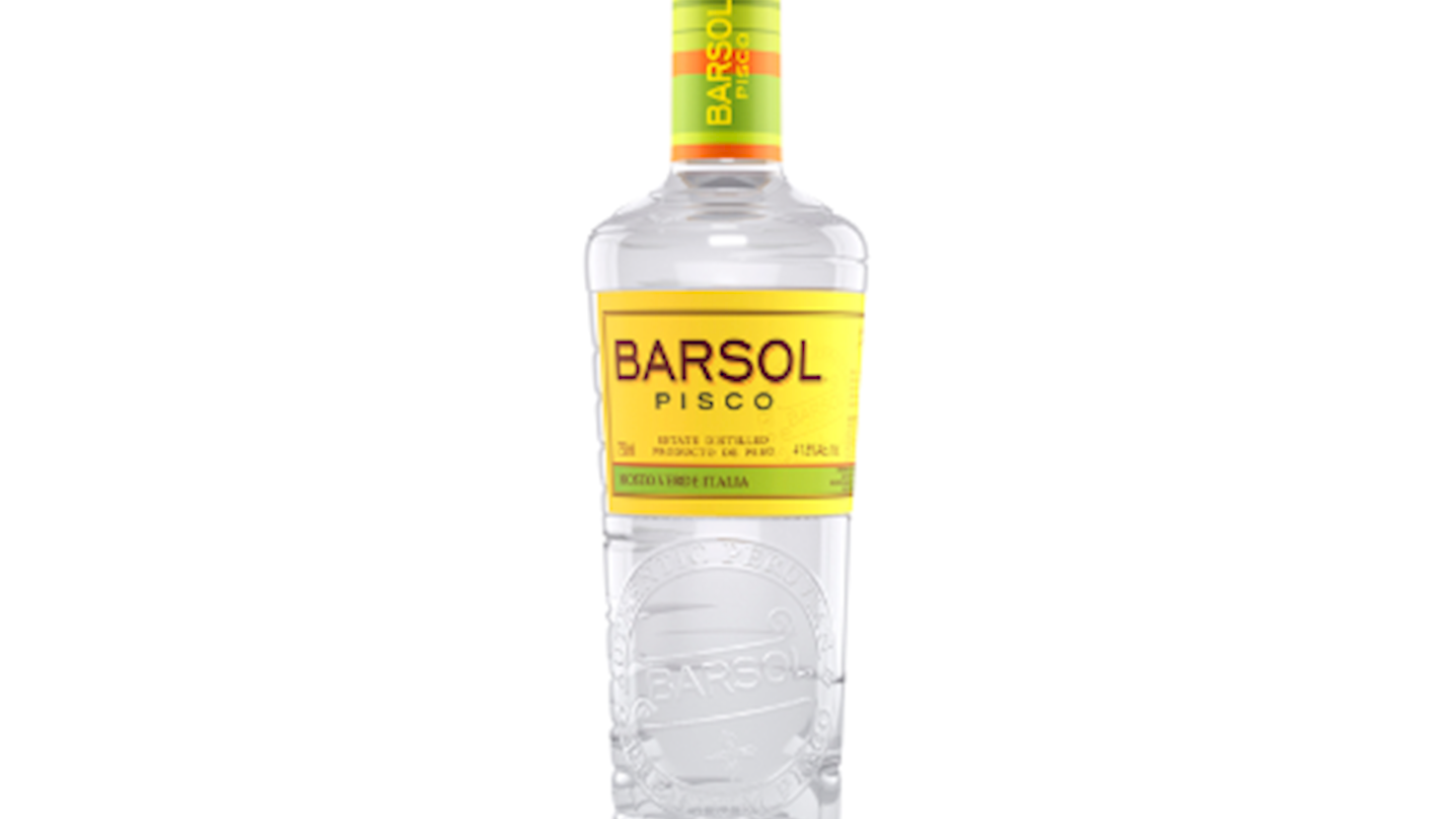
Barsol Pisco is a Peruvian pisco produced in the Ica Valley, at the historic Bodega San Isidro distillery, where production relies on grape varieties typical of the southern part of the region, such as Quebranta, Italia, and Torontel. Fermentation occurs naturally, without additives, and distillation is carried out in traditional copper pot stills, preserving a clean aromatic profile and the authentic character of pisco. The brand was revitalized in the early 2000s with the aim of restoring classic pisco traditions through small-batch production, manual craftsmanship, and consistent ingredient quality. Barsol Pisco includes single-varietal expressions, more aromatic styles like Italia and Torontel, as well as Mosto Verde, distilled from partially fermented must and known for its richer and rounder profile. Acholado, a blend of several varieties, highlights complexity and a balanced interplay of structure and aromatics. The alcohol level is never adjusted with water, meaning the final spirit directly reflects what leaves the still. Barsol is recognized for its clean, floral, and fruity aroma, smooth texture, and long finish, making it a frequent choice for cocktails such as the pisco sour, but also suitable for sipping on its own. The brand emphasizes a sustainable approach through recycling and mindful resource use, aligning with modern craft-distillery standards.
Awards
SFWSC - San Francisco World Spirits Competition - Double Gold (2011)
TAG Global Spirits Awards - Gold (2025)
05
Spirit

Caravedo Pisco

5 ·
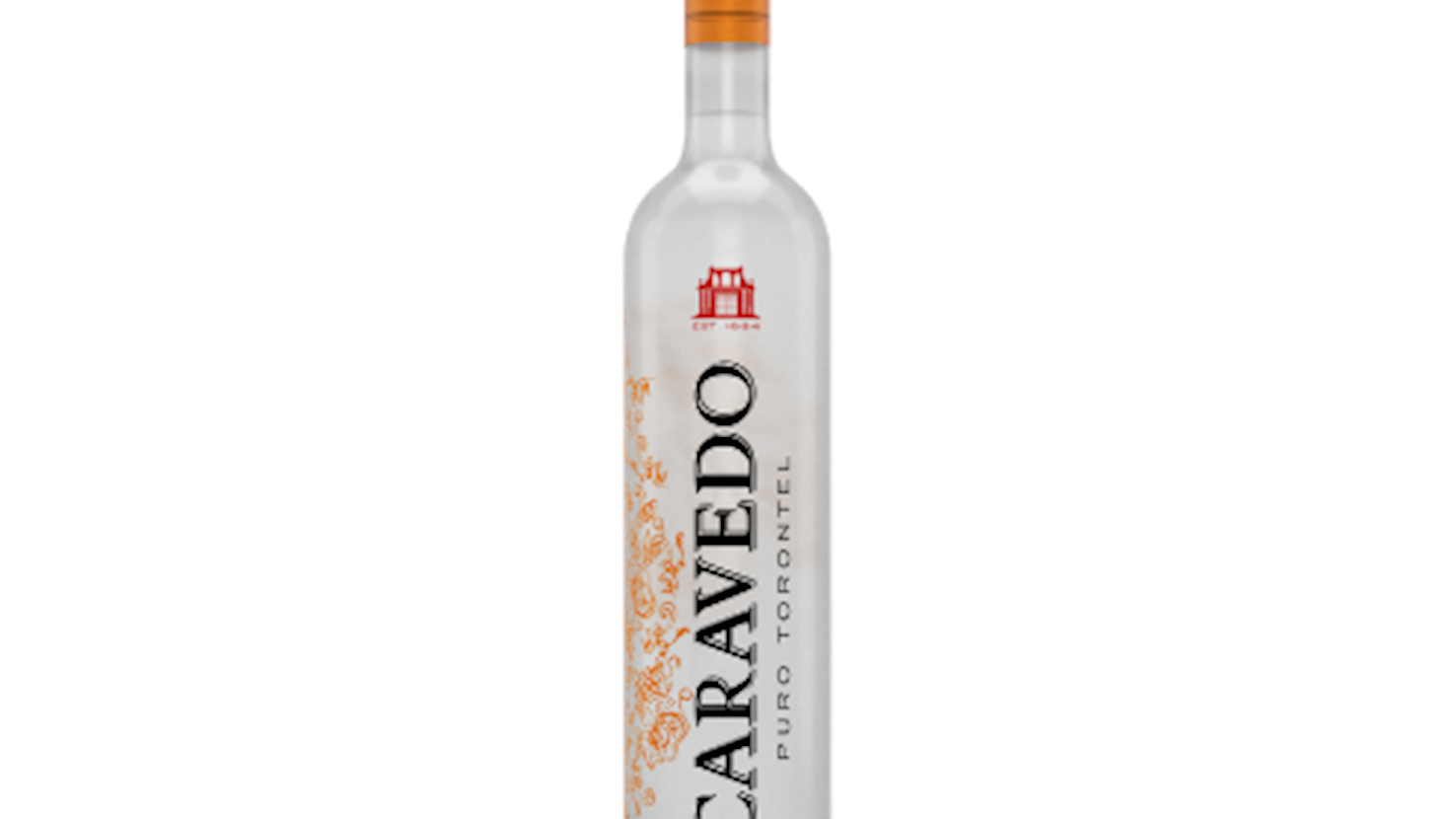
Caravedo Pisco originates from the historic Hacienda La Caravedo in the Ica Valley, founded in 1684 and known as the oldest continuously operating distillery in the Americas. Production is based on a fully manual approach, additive-free fermentation, and copper pot-still distillation, resulting in a clean and precise expression of the grape and its terroir. The pisco is made from permitted varieties such as Quebranta, Torontel, Italia, and others, and the final spirit is neither diluted with water nor aged, allowing its authentic strength and purity to remain intact in the glass. The aromatic profile varies by grape variety but commonly features clean fruit notes, floral accents, and soft herbal nuances, all carried by a smooth, rounded texture typical of high-quality Peruvian piscos. The distillery stands out for its focus on sustainable production, preservation of traditional methods, and the use of grapes grown on its own estate, ensuring consistency and a strong sense of identity. Caravedo is widely recognized by connoisseurs as one of the purest and most authentic expressions of pisco, clearly reflecting the long heritage of the Ica Valley.
Awards
USC- Ultimate Spirits Challenge - Top 100 (2022)
06
Chocolate

Shattell

5 ·
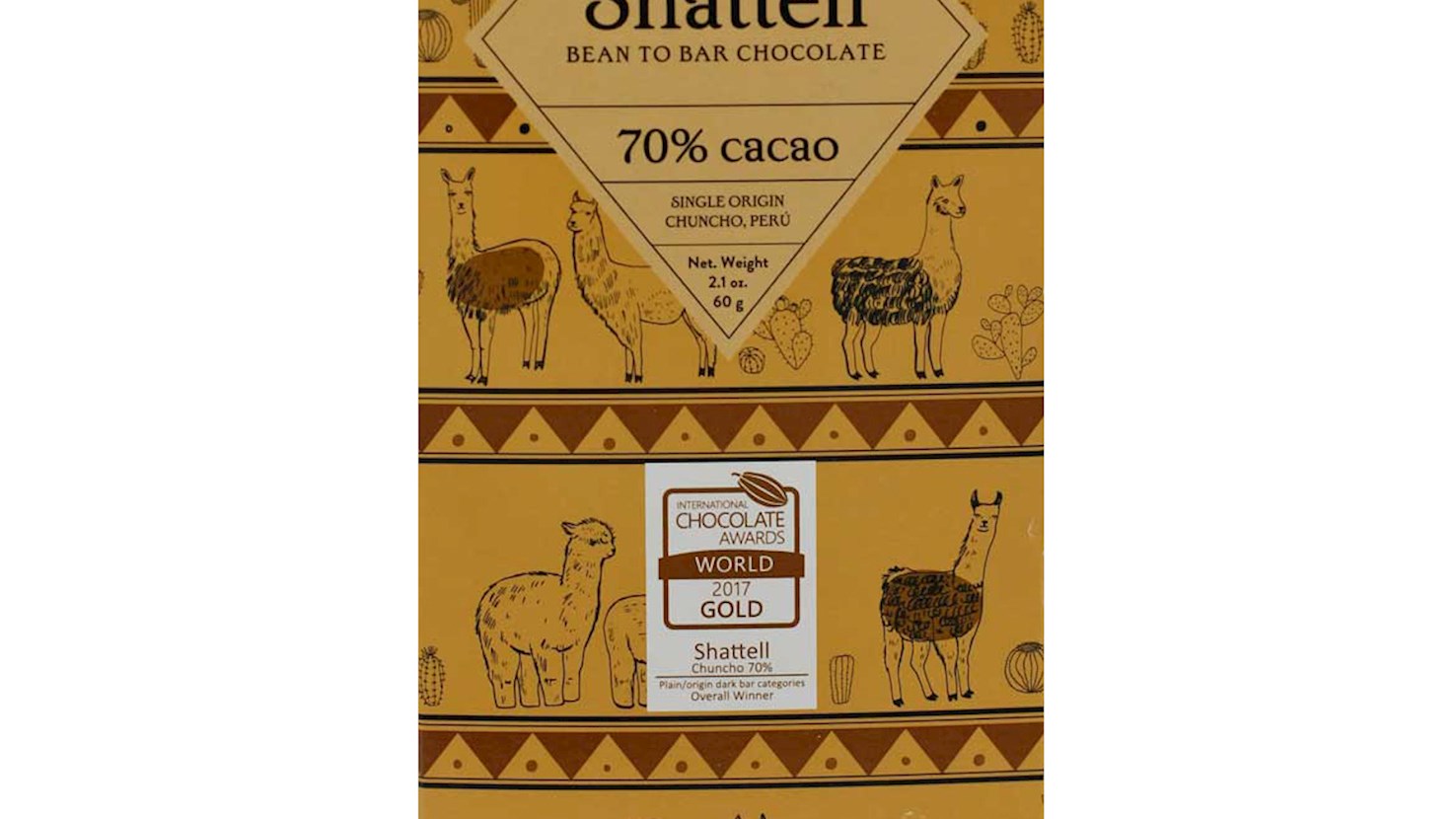
Shattell is a chocolate producer based in Santiago de Surco, Peru. The company is notable for using organic, native Peruvian cocoa beans sourced directly from small-scale farmers. Shattell emphasizes a bean-to-bar process, controlling every step from the selection of the beans to the final chocolate production to ensure high quality and purity in their products. They offer a variety of chocolate bars, each highlighting the distinct flavors of different Peruvian cocoa regions.
Awards
International Chocolate Awards - Best in competition' overall winners (2017)
International Chocolate Awards - Gold (2017)
07
Chocolate

Tesoro Amazónico

4.9 ·
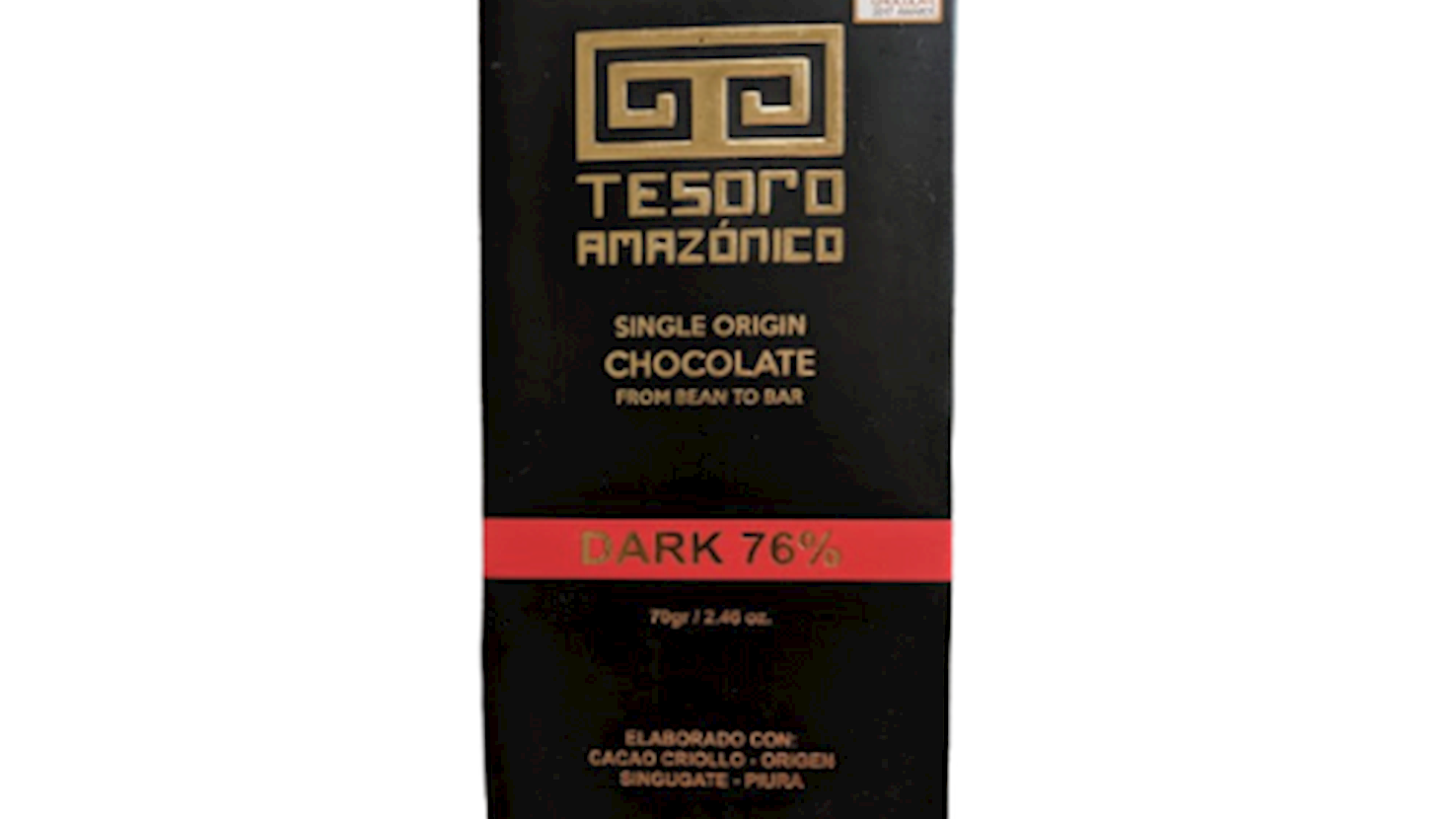
Tesoro Amazónico is a Peruvian chocolate maker based in Tarapoto, in the heart of the Amazon, that combines native cacao varieties with local ingredients and the traditions of the region. The brand is founded on the bean-to-bar philosophy, with a strong focus on preserving the terroir and authentic aromas of each region where the beans are grown. Their cacao comes from three main sources - Piura, San Martín, and Cuzco - each offering a distinct flavor profile. Piura is known for its rare white cacao, producing chocolates with fruity and citrus notes, complemented by subtle hints of honey and coffee. San Martín delivers a rich and complex profile with dried and tropical fruits, floral accents, and light spicy nuances. Cuzco contributes chocolates with pronounced floral notes and layers of grapefruit, peach, plum, and almond, rounded off with delicate herbal undertones. Tesoro Amazónico does not limit itself to classic bars but also experiments with local ingredients such as coffee, creating layered combinations that bring together two iconic Peruvian traditions - cacao and coffee. Their products are organic, free of artificial additives, and rooted in sustainable partnerships with local farmers. Special attention is given to the fermentation and drying processes, as these stages are essential for developing the depth and complexity of flavor. Their work embodies a bridge between the local and the global - chocolates born in the heart of the Amazon that are now recognized and celebrated worldwide.
Awards
International Chocolate Awards - Gold (2020)
International Chocolate Awards - Silver (2020)
08
Beer

Cerveza 7 Vidas

4.9 ·
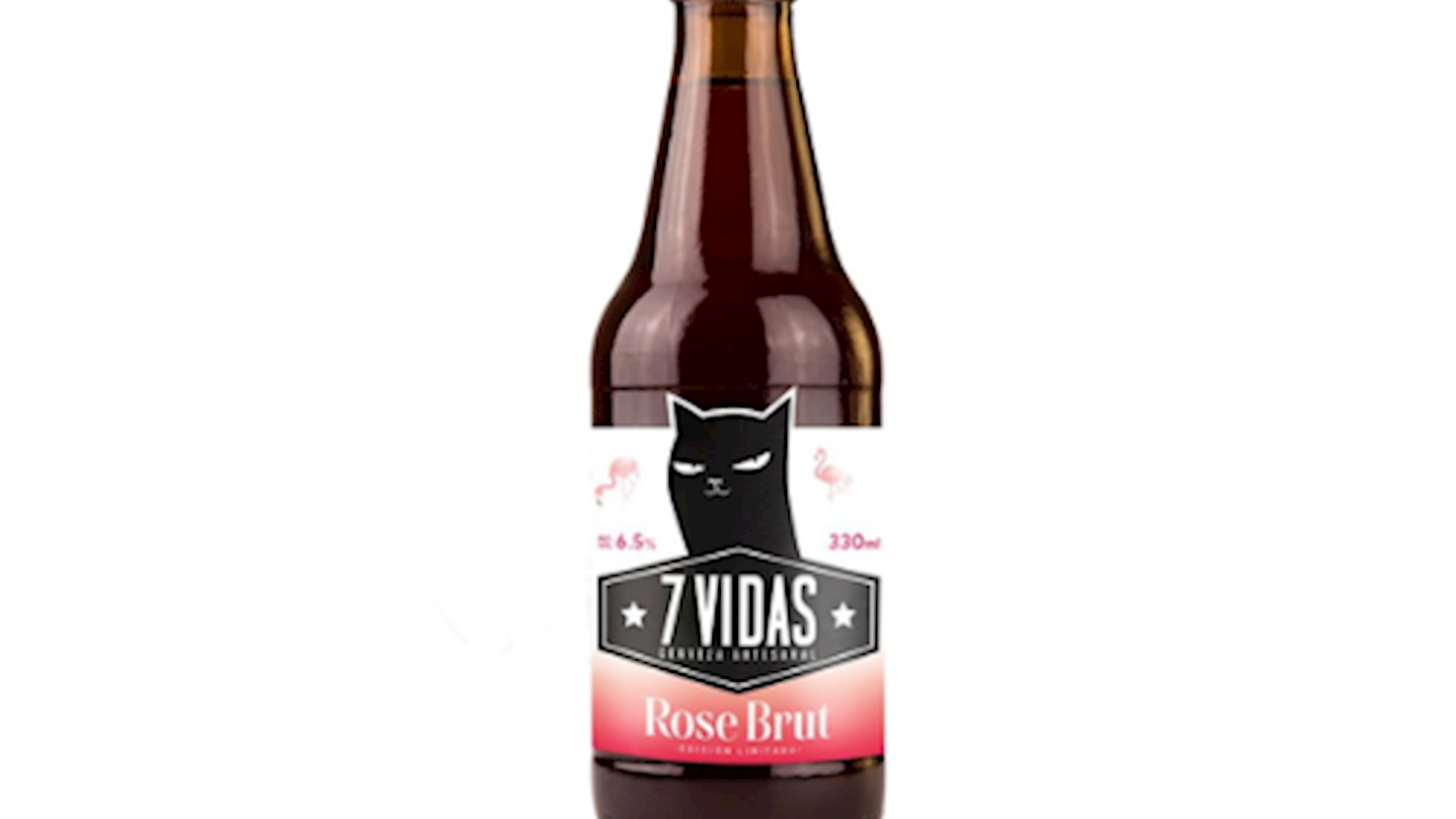
Cerveza 7 Vidas is an independent craft brewery from Tacna, Peru, distinguished by its bold identity, experimental approach, and wide range of styles that span light, dark, fruity, and strong beers. The brand is built around the idea of “seven lives” symbolizing resilience, creativity, and constant reinvention - a philosophy that is clearly reflected in their brewing ethos. The brewery works in small batches, using carefully selected ingredients and methods that highlight the authenticity of local raw materials. Their portfolio often blends classic beer styles with native Peruvian ingredients such as Andean grains, fruits, or herbs. Aromatically, their beers tend to combine tropical notes, spicy nuances, and a rich malt backbone, making them stand out compared to standard Latin American lagers. Cerveza 7 Vidas actively contributes to the local craft scene through its taproom and distribution across several cities, especially Tacna and Cusco. Through continuous experimentation, including occasional limited releases, they demonstrate an ability to merge local tradition with modern craft trends. Overall, Cerveza 7 Vidas represents a dynamic, bold, and character-driven interpretation of Peruvian craft brewing, offering a distinct identity that appeals to both local and international audiences.
Awards
World Beer Cup - Gold (2024)
Barcelona Beer Challenge - Gold (2023)
09
Coffee Beans

Finca Rosenheim

4.8 ·
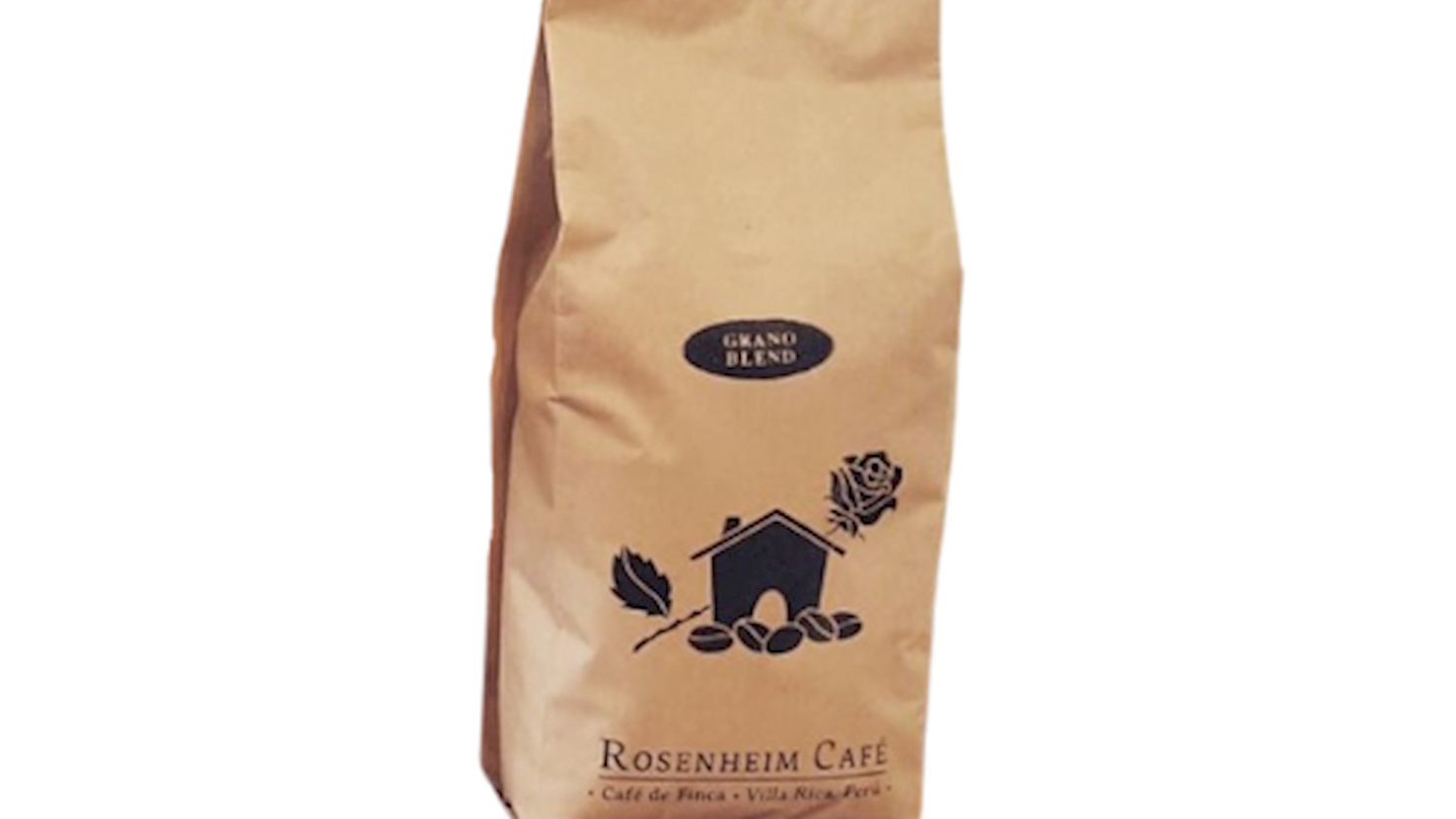
Finca Rosenheim is a family-run coffee farm located in the Villa Rica region of Peru’s central jungle, positioned at around 1,600 meters above sea level, where climate, altitude, and soil create a distinctive terroir. The plantation covers roughly 40 hectares, and the entire process - from hand-picking to processing - is carried out on the farm, allowing for consistent and meticulous quality control. The focus is on Arabica varieties that develop a flavor profile marked by fruity notes, chocolate undertones, and a naturally refreshing acidity typical of Villa Rica. The farm also produces natural honey derived from the interaction between bees and coffee blossoms, reflecting its commitment to ecological sustainability and biodiversity. The cultural landscape of Villa Rica brings together Yanesha communities, Austro-German settlers, and Andean traditions, all of which influence local coffee production. Finca Rosenheim is part of the “Coffee Route of Villa Rica”, a visitor experience that showcases the production process, offers tastings, and highlights regional heritage. Production is organized in small batches and relies on slow, carefully controlled fermentation methods. Coffee is processed using techniques such as washed and honey methods, allowing the preservation of aromatic complexity. Special attention is given to protecting the surrounding forest ecosystem and managing the land without heavy chemical intervention. Finca Rosenheim stands out as an example of a farm that blends tradition, local culture, and technical precision to achieve a stable and authentic coffee quality.
10
Spirit

Viñas de Oro

4.8 ·
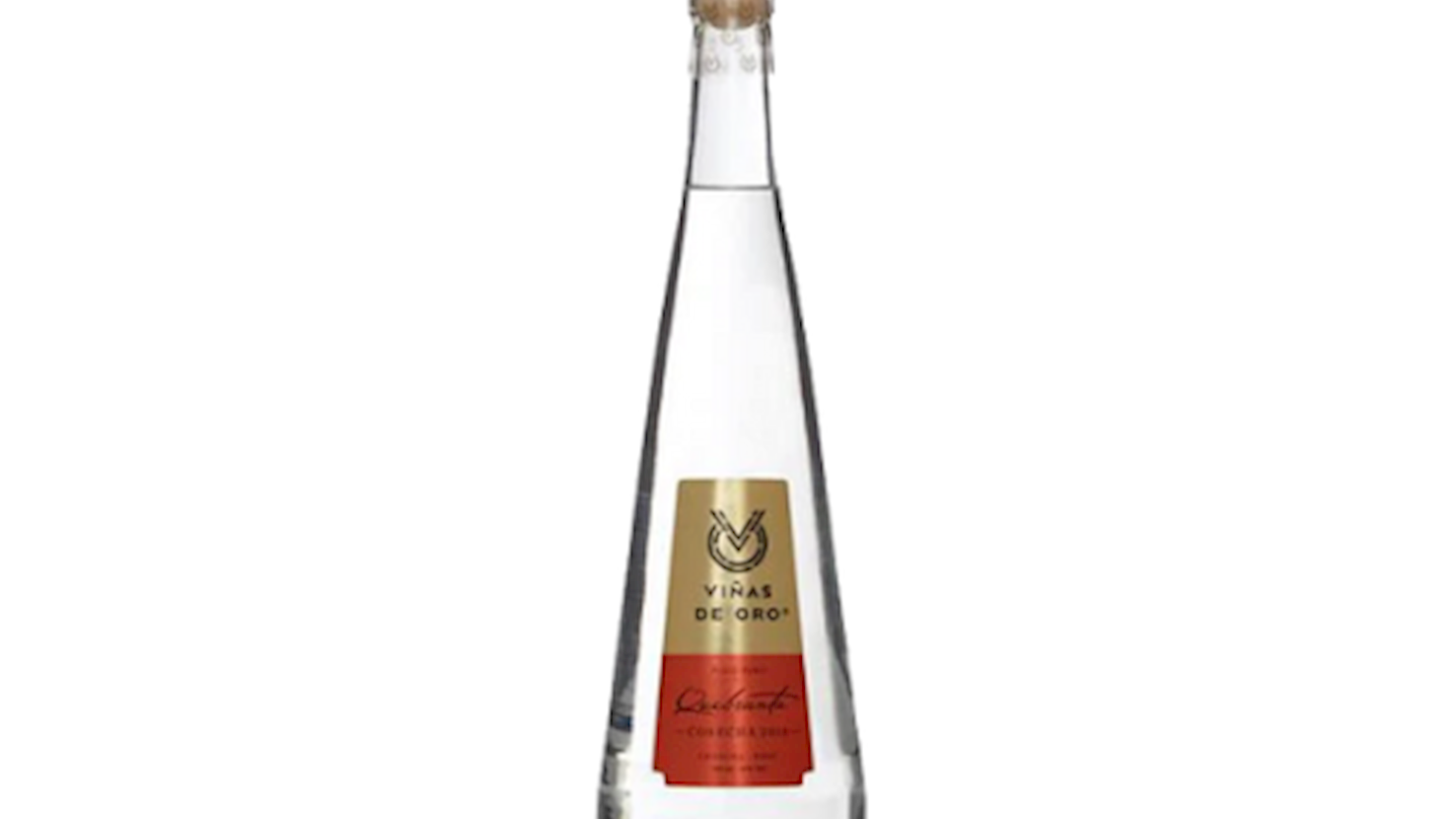
Viñas de Oro is a Peruvian pisco producer from the Chincha Valley in the Ica region, operating on a large agricultural estate where several permitted grape varieties for traditional pisco production are cultivated. The brand emerged in the early 1980s and combines hand-selected grapes, natural fermentation, and copper pot-still distillation with modern quality controls, resulting in a style that is both reliable and authentically rooted in local tradition. Their production places strong emphasis on sustainability, responsible vineyard management, and decades of experience working with grapes grown on their own land. As a result, Viñas de Oro positions itself as a brand that blends the terroir of the Chincha Valley with precise, consistent craftsmanship, making it a notable choice within the segment of high-quality Peruvian piscos.
Awards
Wine-Searcher - 91/100
ISW - International Spirits Award - Silver (2013)
Read more
View all
View map
About this ranking

TasteAtlas food rankings are based on the ratings of the TasteAtlas audience, with a series of mechanisms that recognize real users and that ignore bot, nationalist or local patriotic ratings, and give additional value to the ratings of users that the system recognizes as knowledgeable. For the “Top 100 Peruvian Foods” list until June 02, 2026, 27,431 ratings were recorded, of which 7,163 were recognized by the system as legitimate. TasteAtlas Rankings should not be seen as the final global conclusion about food. Their purpose is to promote excellent local foods, instill pride in traditional dishes, and arouse curiosity about dishes you haven’t tried.

The initial list of top producers was compiled based on available reviews, awards, local recommendations, media and blog coverage, and consumer reviews. The list will be updated with ratings from TasteAtlas local ambassadors and TasteAtlas users.

Similar lists