shutterstock

Top 100 Central European Beers

Last updated on September 15, 2026

Best Central European Beer Types
01

Trappist Beer

4.4 ·

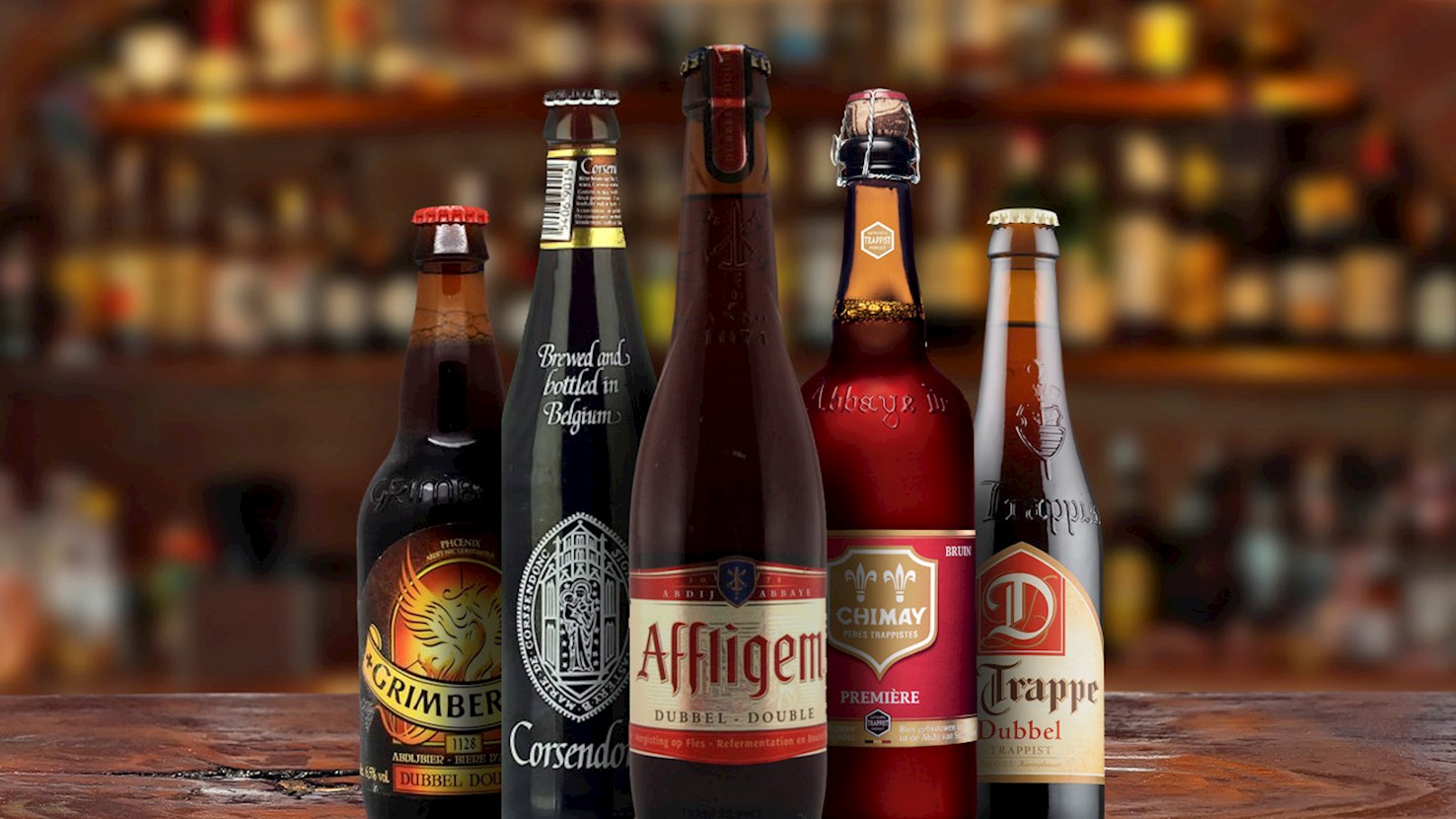
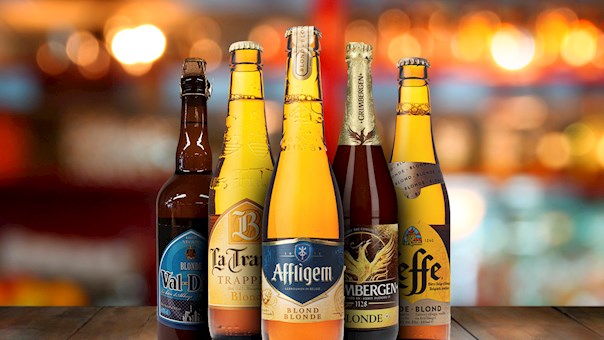
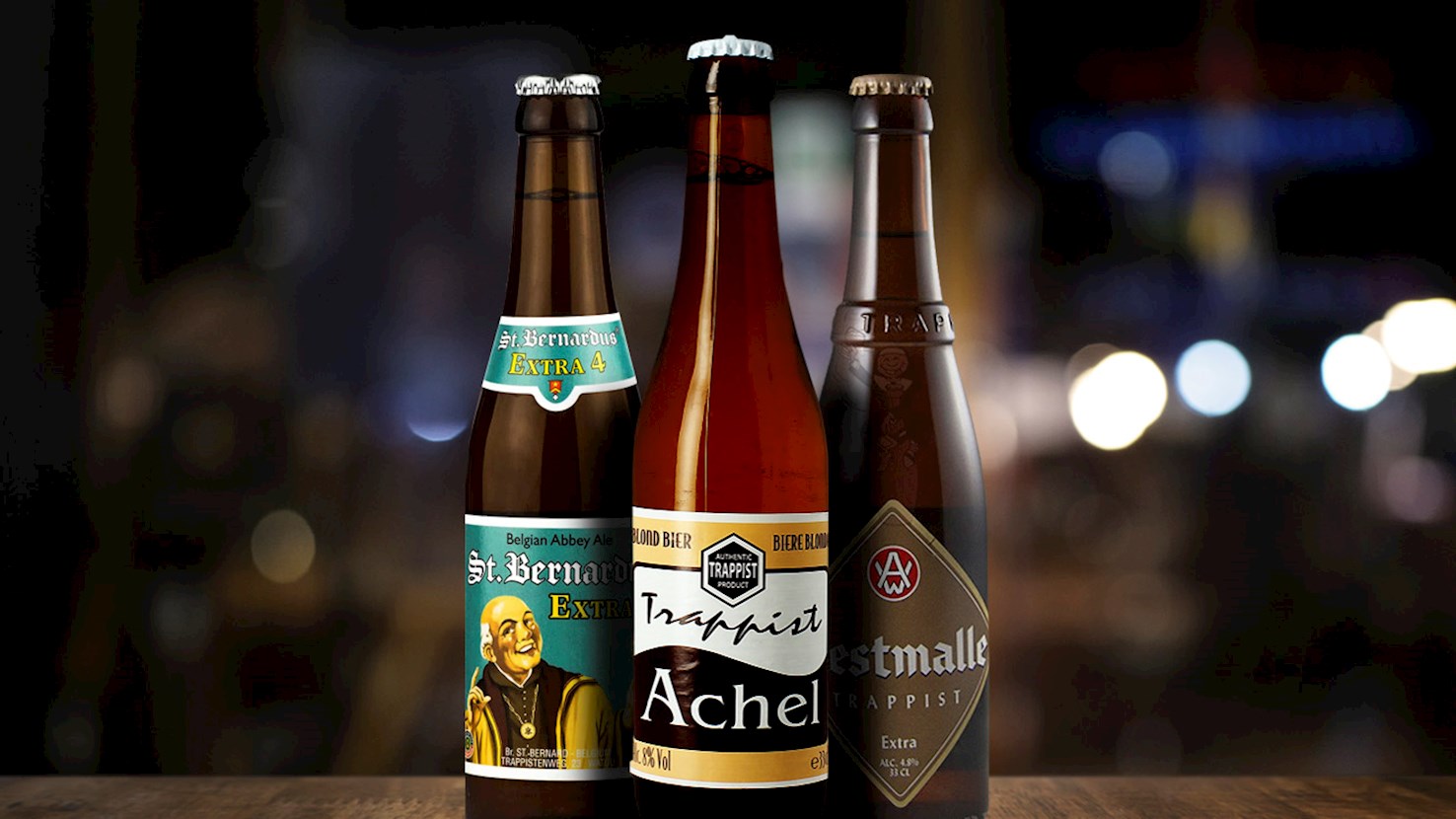
Trappist is a particular category of beers, or more precisely an indication of origin, which includes various styles that are brewed in Trappist monasteries. Trappist beers are internationally certified and can only be produced by Trappist abbeys—which include six located in Belgium and two in the Netherlands, while Italy, Austria, England, France, the United States, and Spain all have one certified Trappist brewery. All abbeys develop their yeast, and the regulations also stipulate that the beer must be brewed within the immediate surroundings of the abbey and that the entire production needs to be supervised by monks. Similar beer styles that are produced in non-Trappist monasteries are usually referred to as Abbey-style beers. Although they can significantly vary in style, Trappist beers are typically complex and rich in aromas, and they usually have high alcohol content. They are unpasteurized, have no chemical additives, and sugar is typically added to the wort (the liquid extracted from the mashing process). All Trappist beers are bottle-conditioned—meaning that the yeast is allowed to carbonate the beer after the fermentation is complete. Typical styles of Trappist beers include golden ale, dubbel (brown), tripel (strong pale ale), or amber. All certified Trappist beers must be labeled with the logo Authentic Trappist Product. Interestingly, all profits made from the sales of Trappist beers must be used for the needs of the monastic community or as a charitable donation.

02

České pivo

4.3 ·

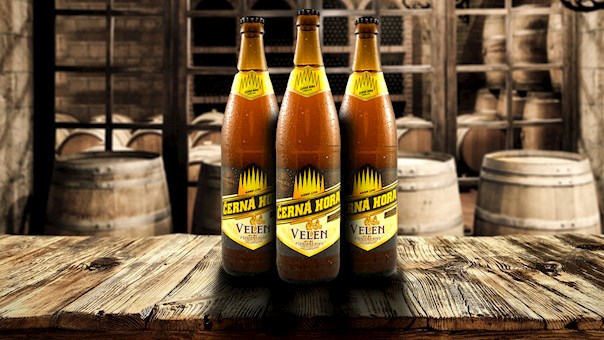
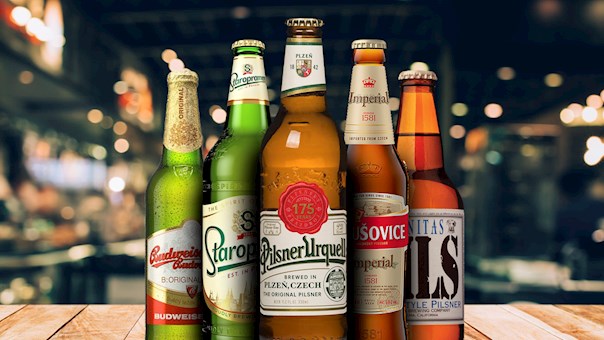
České pivo is a term that refers to a variety of beers produced throughout the whole Czech Republic that have a Protected Geographical Indication (PGI) mark. The mark is used by fourteen breweries in the country for more than 80 brands of beer, which is about 65% of the total domestic market. The first records of brewing beer of excellent quality in the country are connected to the Brevnov Monastery, where the monks produced beer all the way back in 993 AD. The beers are distinguished by the top-quality raw materials used in the process, the traditional methods of brewing, and the local know-how passed on from generation to generation. It is dominated by malt and hops, a bit of pasteurization and yeast and a medium to strong sharpness. The bitterness of the beer stays a bit longer on the palate, stimulating the taste buds for an extended period of time. The protected beers include pale and dark lagers, pale and dark draught beers, and light beers.

03

Münchner Bier

4.2 ·

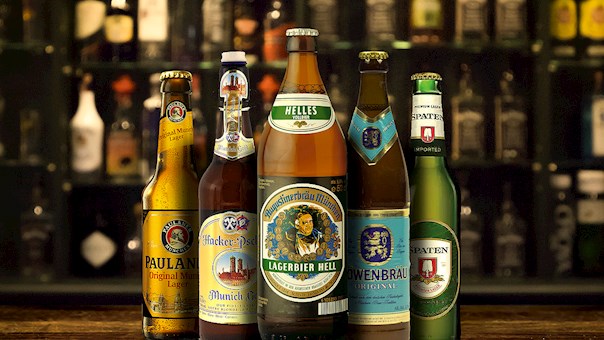
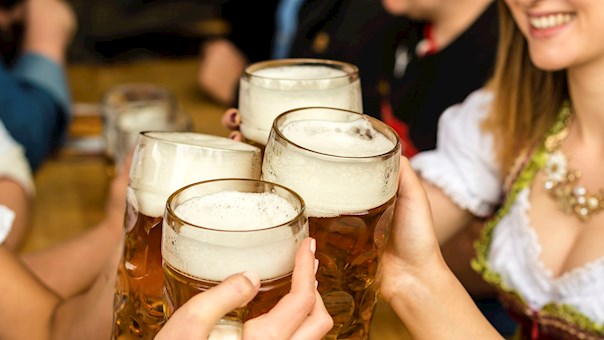
In the 19th century, artisanal breweries were increasingly being replaced by larger industrial breweries, and today there are seven famous large breweries in Munich: Augustiner, Hofbräu, Paulaner, Hacker-Pschorr, Löwenbräu, Spaten, and Franziskaner. Together, these seven breweries produce around 6 million hectoliters of beer per year. Even today, these breweries use no additives, as dictated by the Munich Beer Purity Law of 1487. This not only has to do with tradition, but with long-established high ethical values. Munich beer may only be produced by the breweries of Munich. The brewing oath stipulates that Munich beer is brewed according to an ancient recipe, with pure, natural ingredients like pure water from their own wells, and the best malt and hops. The most popular beer festival in the world, Oktoberfest, celebrates these very beers, and it draws around 7 million international visitors every year.

04

Bayerisches Bier

4.2 ·

Bavaria has been an important beer-producing region for centuries, and all Bavarian beers are produced under 1516 Bavarian Purity Law. The beers are made with high-quality ingredients, which are mostly locally-sourced, and the quality of the beer and the components is continuously checked by scientific institutes. Today, there are more than 600 breweries in Bavaria – nearly half of all the breweries in Germany, and every year, Bavarian brewers produce more than 20 million hectoliters of beer. The styles that appear in the region and that can be labeled as Bayerisches Bier include: Schankbier, Hell/Lager, Pils, Export, Dunkel, Schwarzbier, Märzen/Festbier, Bock, Doppelbock, Weizenschankbier, Weizenbier, Kristallweizen, Rauchbier, Kellerbier/Zwickelbier, and Eisbier/Icebier.

05

Tripel

4.2 ·

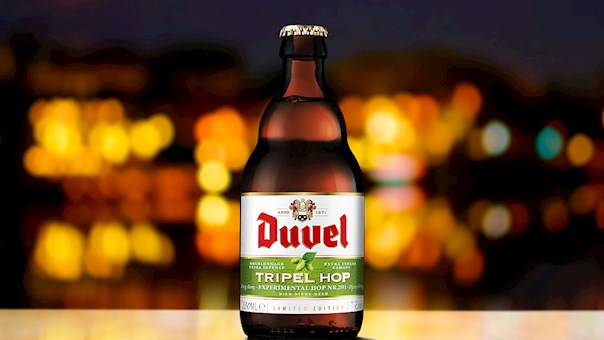
Belgian-style tripel is an approachable and easy-drinking beer style with high carbonation and complex flavors. They traditionally have high alcohol content, falling between a 7 to 10% ABV range, and are often classified as very strong ales. These yellow-golden beers typically have a distinctive spicy, fruity, and subtly sweet malt character. Their yeast character varies, but it often includes banana or clove-like aromas. First tripels were produced as abbey beers, while the Westmalle Tripel is widely considered as the prototype. It was first brewed in 1934, and in 1956 it gained its current form, which has not changed since. Though strong, tripels are light, approachable, and pair well with various dishes. They work well with rich seafood dishes, including shellfish and lobsters, but they can also match creamy sauces, desserts, and washed-rind cheese.

06

Lambic

4.1 ·

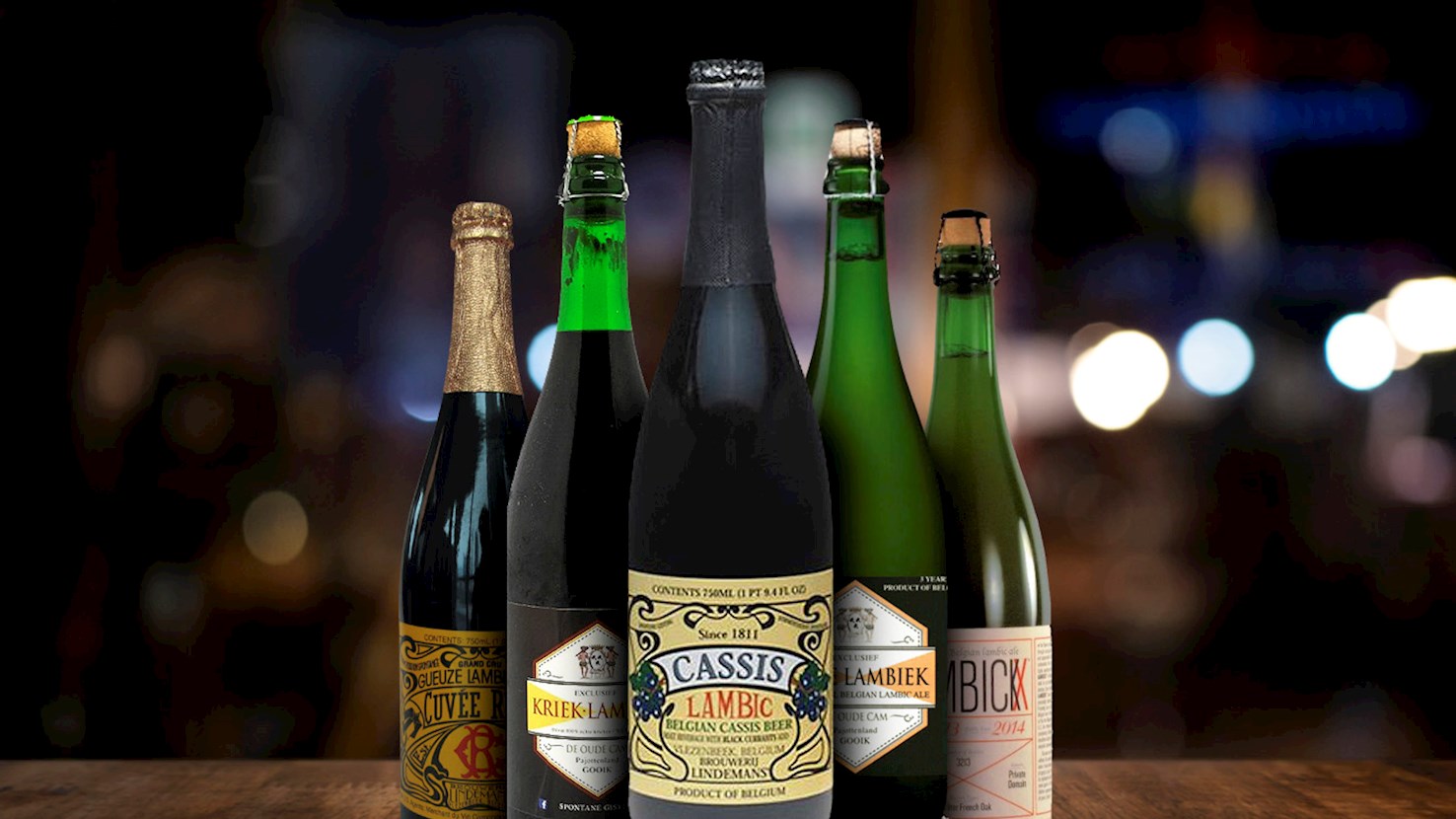
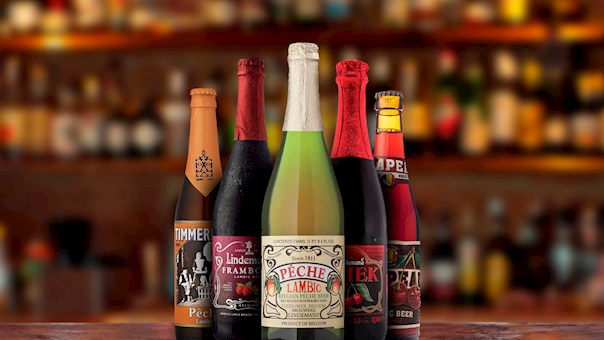
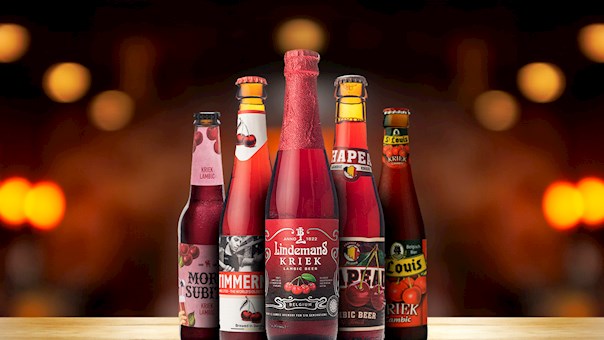
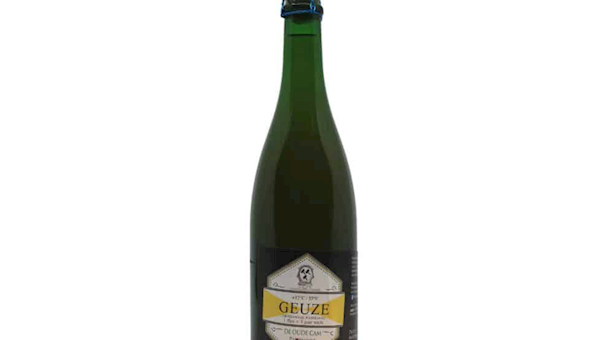
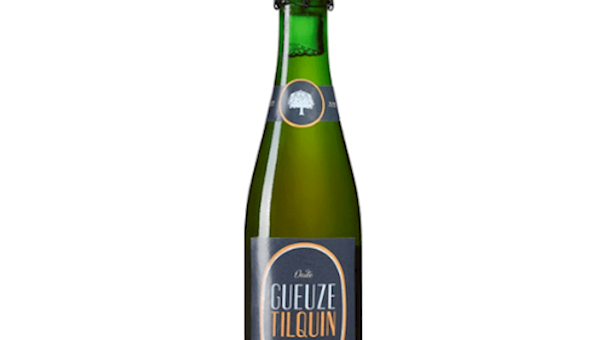
Lambic is a traditional beer style that has its roots in Brussels and the region of Pajottenland. This style must be made with a minimum of 30% wheat, and the wort is always spontaneously fermented with local and naturally occurring wild yeasts. Because of different local microorganisms, these beers always have a unique and frequently unpredictable character. Due to its wild nature, many batches of lambic are sometimes blended, a style known as gueuze or geuze, to produce a more palatable version. Although it is difficult to pinpoint the exact characteristics of lambic beers, the unblended young varieties are usually pale with a characteristic red sheen, while more mature versions will usually have red to light purple color. These beers are always complex, and they often have a distinctive sour backbone, which will mellow as the beer ages. Most styles will display fruity aromas and flavors, with subtle malt character, dry finish, and little hop bitterness. Lambic beers are mostly enjoyed young and uncarbonated, and they will usually be served on tap. They pair well with seafood, especially mussels or oysters, and poultry.

07

Dubbel

4.1 ·

Dubbel is a rich and well-balanced Trappist beer that originated in Belgium and whose modern version is often associated with Henrik Verlinden who created the prototype at Westmalle brewery in 1926. This version was named Dubbel Bruin, and soon after its invention, the style was copied in many Belgian breweries. Unlike other brown beers, typical Belgian dubbel will get its flavor from candi sugar—a thick and dark caramelized syrup that is added to the wort. These beers typically range from amber to copper, and they will usually have complex aromas and flavors reminiscent of toffee, raisins, malt, and dark fruit. Their finish is typically dry, while some may display subtle sweetness. Most are bottle conditioned—fermented in the bottle—and are usually not crystal clear. Although they are typically quite potent, with at least 6.5% alcohol by volume, the alcohol is not evident or discernible on the palate. Dubbel beers are an excellent accompaniment to wash-rind or Alpine cheese varieties, but they are also a good match to dark chocolate, barbecued or roasted meat, rich meat stews, and sausages.

08

Weissbier

4.1 ·

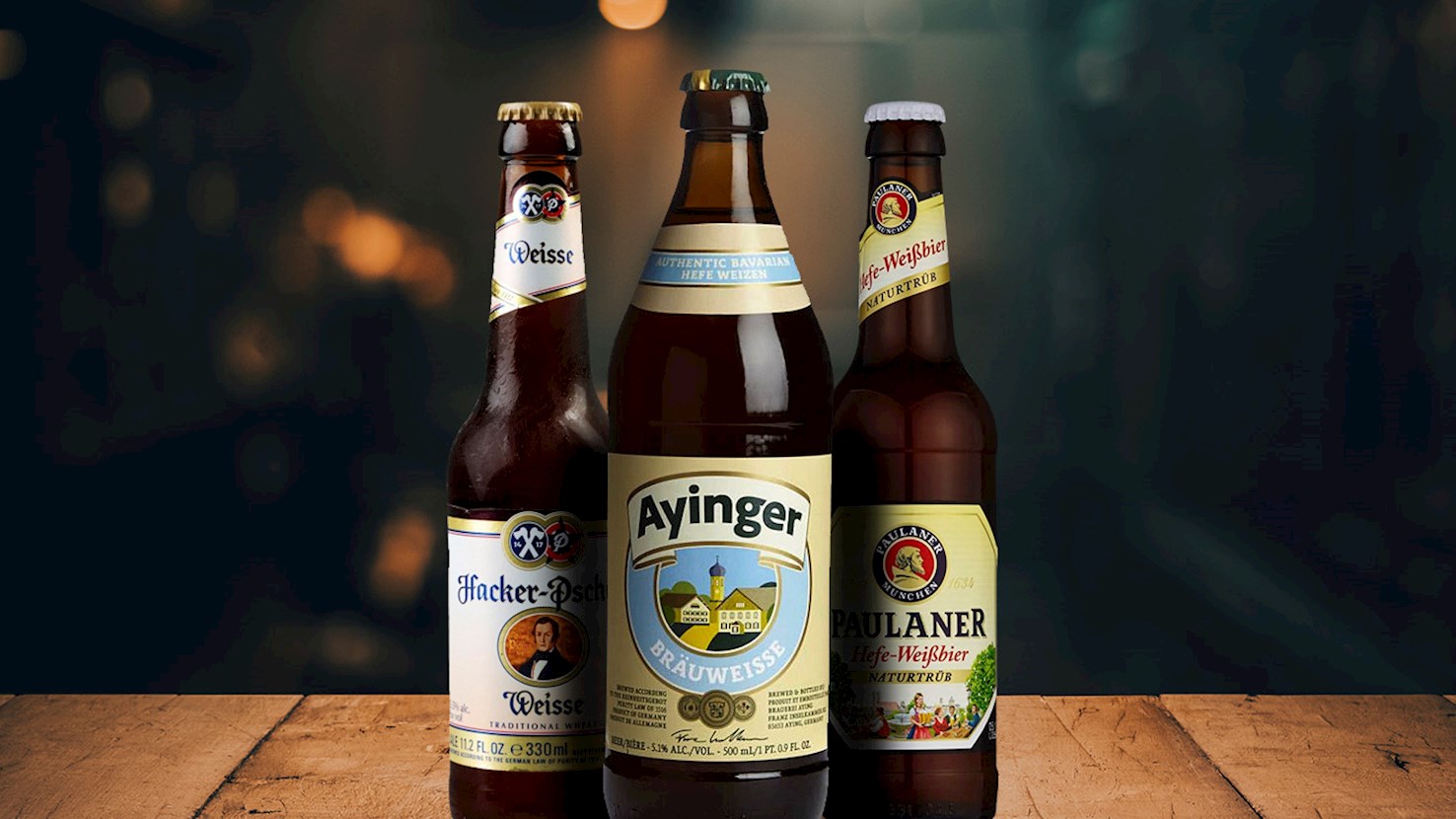
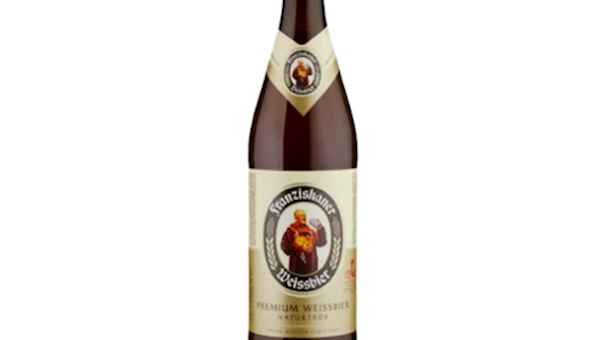
Weissbier is a classic Bavarian wheat ale that is top-fermented and characterized by its mousse-like foam and cloudy appearance—which is a result of a large proportion of wheat and a small amount of barley malt used in its production. German weissbier has to be made with at least 50% malted wheat, but most producers use more than the minimum. These beers are fermented with yeast strains that provide typical clove, banana, smoke, and occasionally even bubble gum aroma. Weissbiers are typically malty and subtly bitter, and though they are traditionally fermented in the bottle, this practice has become rare. Nevertheless, they retain their lightness, creamy texture, and effervescence. Although this beer style is nowadays mostly associated with Bavaria, wheat beers have been produced since antiquity. The European origin is believed to be in the Czech Bohemia, from where it spread to Bavaria. Throughout the centuries, it declined in popularity, but following the 1960s it gained back its former glory and became one of the most sought-after styles in Germany and in the world. These food-friendly beers pair with poultry, sausages, seafood, light dishes, and salads as well as fresh and creamy cheese varieties.

09

Märzen

4.1 ·

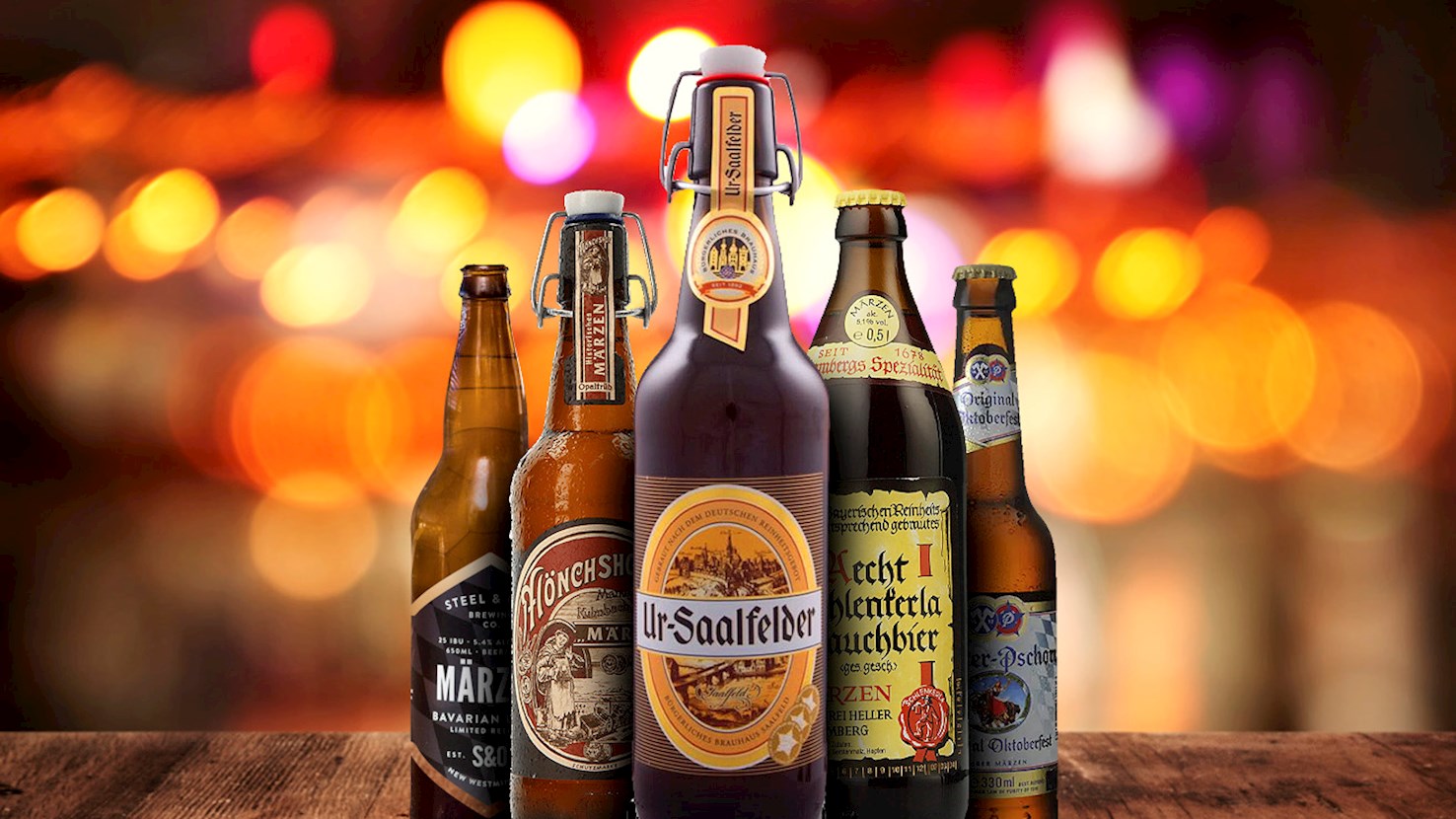
Märzen is a German beer style from Bavaria that is closely connected with Oktoberfestbier and shares some similarities with Vienna lager. This style officially appeared in 1841 when it was brewed by Spaten brewery, but a similar style existed well before that. Märzen is an amber-colored lager that has toasty malt aromas and flavors, dry finish, crisp hop bitterness, and a medium body. Original versions of these beers were somewhat darker, and as the name suggests—Märzen translates as March—they were brewed in March and then left to lager until early fall. These versions were stronger and had more body than modern styles. Since it was available in autumn, it was first served during Oktoberfest. Although Märzen and Oktoberfestbier share many similarities, nowadays only six breweries in Germany—Augustiner, Hacker-Pschorr, Hofbräuhaus, Löwenbräu, Paulaner, and Spaten—are allowed to use the designation Oktoberfestbier and serve their brews at Oktoberfest. Märzen is a food-friendly beer that works especially well with grilled, roasted, or smoked meat.

10

Chimay Red

4.1 ·

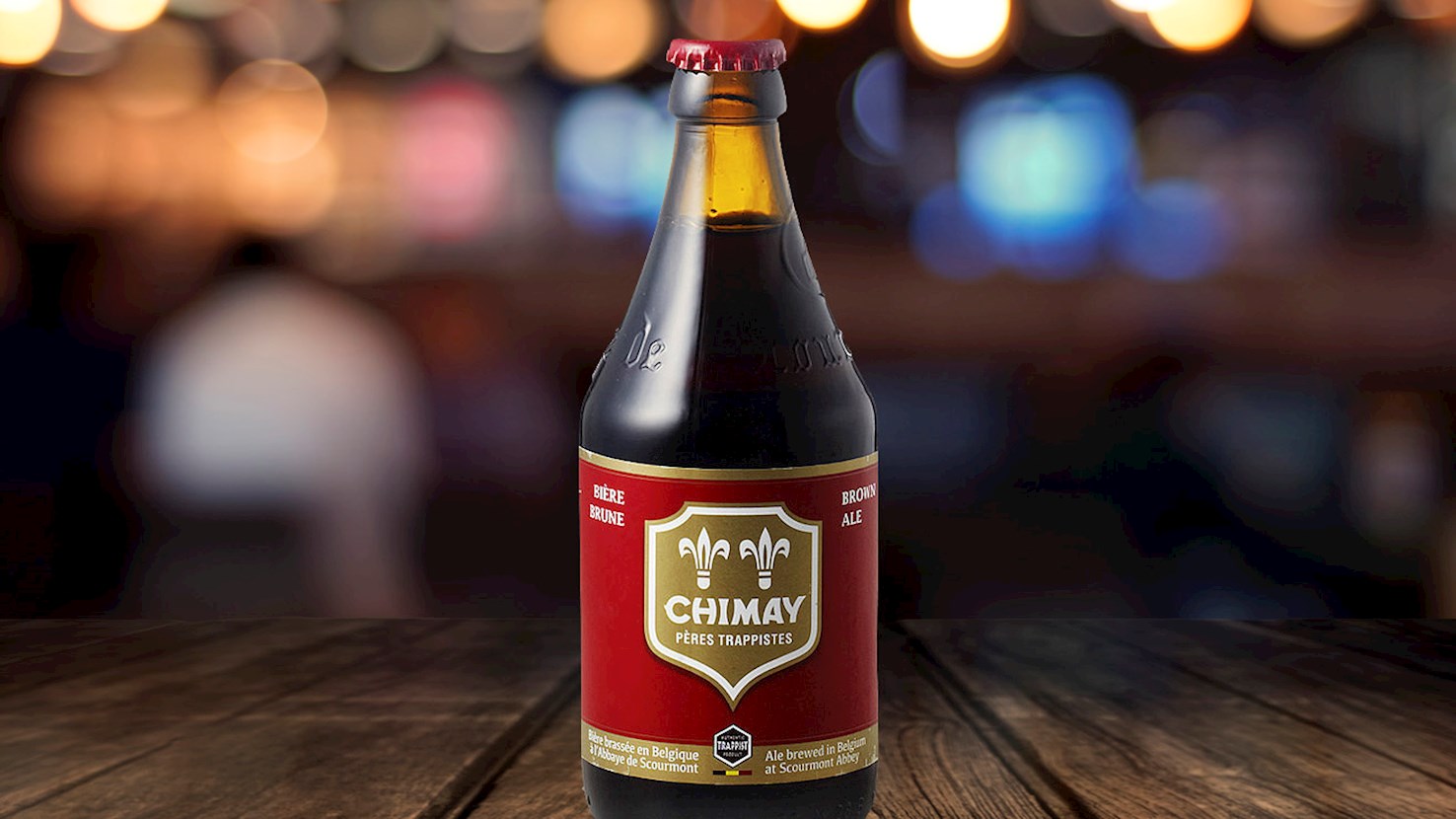
Chimay Red was the first Trappist beer that was brewed by monks at the Scourmont Abbey, a Trappist monastery in Chimay, Belgium. This amber-colored dubbel—a specific Trappist style—is made with ground malt (germinated and dried barley) and water that is exclusively drawn from the two wells located inside the monastery. The wort that is extruded is then boiled with hops before it is clarified, fermented, and stored. After the storage process, the beer is flat and clear, and active yeast is then added to create effervescence and to reach the desired alcohol content (7% ABV). When bottled, the beer undergoes the second fermentation in the bottle. Red Chimay has a light body, smooth texture, and aromas that are reminiscent of ripe fruit, leather, toffee, and licorice. It is available in bottles of 33cl and 75cl, and it is best served in traditional Chimay chalice. This Trappist beer is best paired with washed-rind and nutty cheeses, caramelized nuts, tomato-based sauces, and hearty stews.

Best Central European Beers
01

Brasserie Cantillon

5.0 ·

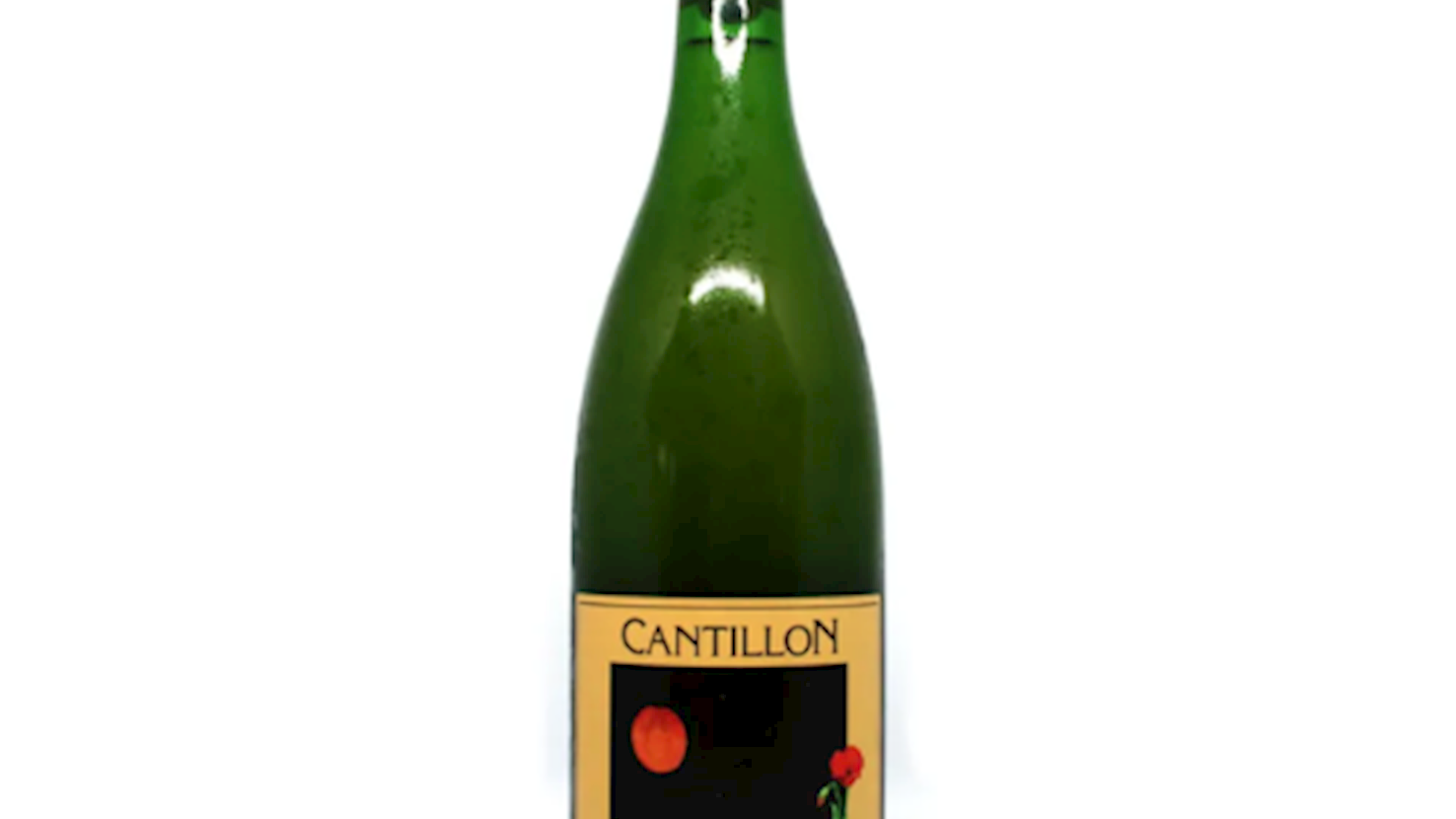
Brasserie Cantillon is a small, family-owned brewery founded in 1900 in Brussels, and today it stands as the only active brewery in the region that still produces lambic using traditional methods. This unique beer undergoes spontaneous fermentation, relying on wild yeasts and bacteria naturally present in the air.

The brewing base consists of two-thirds malted barley and one-third unmalted wheat, and after boiling, the wort is cooled in large, open vessels known as “coolships”. It then matures in oak or chestnut barrels of varying ages before being blended and refermented in the bottle.

Within the brewery is the Brussels Gueuze Museum, opened in 1978, offering visitors insight into the history and fermentation processes of this distinctive style. Cantillon is regarded as one of the most respected and authentic producers of Belgian sour beers, earning recognition among connoisseurs and as a cultural icon of brewing heritage.

Production continues using traditional equipment: centuries-old barrels, wooden kettles, and open fermenters - all preserved in their original, functional form. The brewery’s atmosphere, marked by age and history, evokes a near-museum-like setting that reflects continuity and deep respect for a craft passed down through generations.

Awards
Untappd - 4.7
Beer Advocate - 100 World-Class
02

Brouwerij 3 Fonteinen

5.0 ·

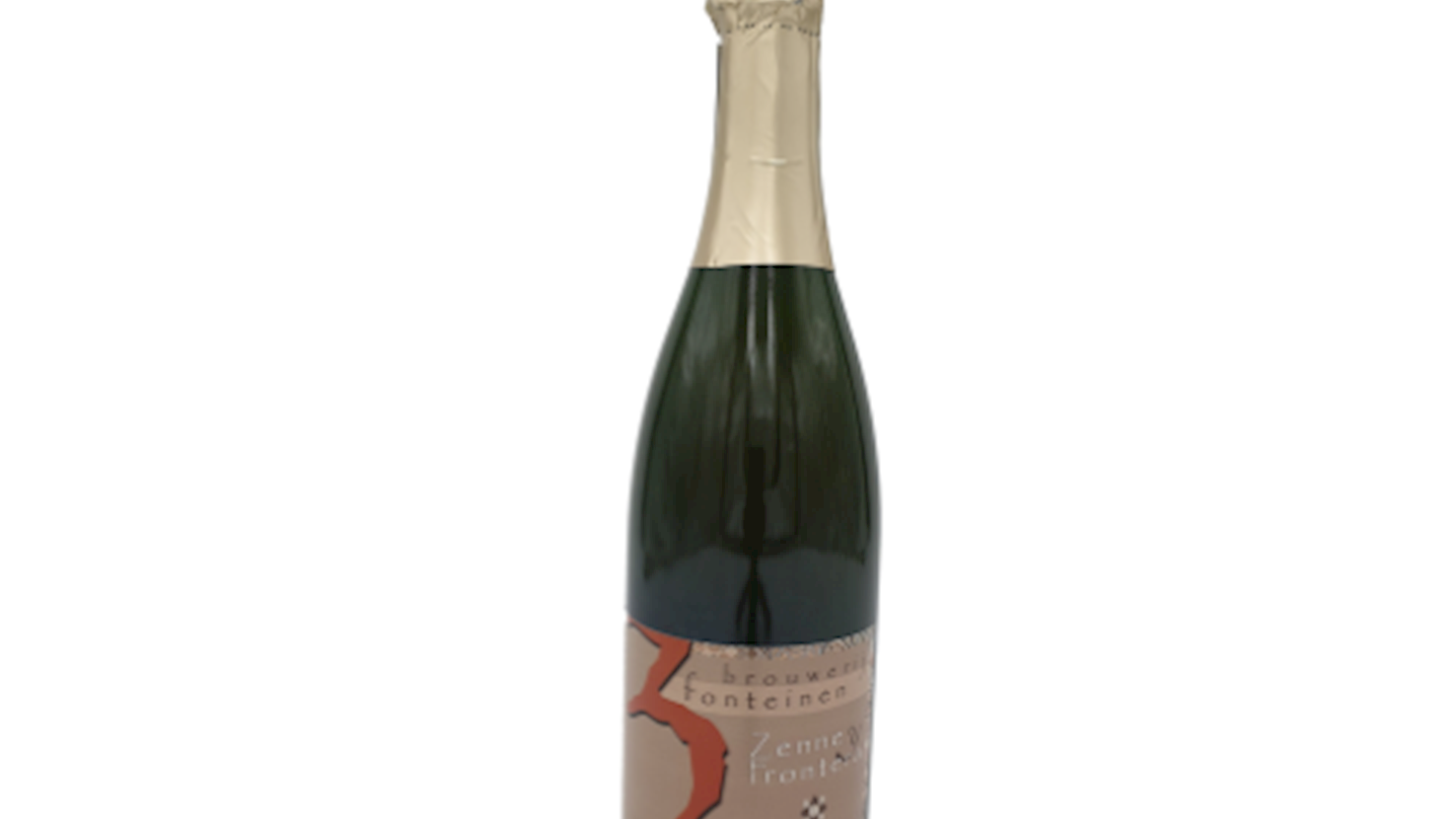
Brouwerij 3 Fonteinen is one of the most respected and authentic Belgian breweries specializing in the production of lambic and geuze beers, located in Beersel, just outside Brussels. It was founded in 1883, originally as a tavern named after the “three fountains”, which later became the name of the brewery itself.

Over the decades, it evolved from a simple pub into a guardian of traditional Belgian brewing craftsmanship rooted in spontaneous fermentation. The production process remains faithful to centuries-old methods: after boiling, the wort is cooled in a large open vessel called a "coolship", where it is exposed to the natural microflora of the environment, allowing for spontaneous fermentation without the use of cultured yeast.

The beer then matures in large oak barrels and is carefully blended - often from different vintages - based not on strict recipes but on the experience, knowledge, and intuition of the master blenders. Brouwerij 3 Fonteinen does not filter or pasteurize its beers, keeping them alive and allowing them to evolve in the bottle.

Today, Brouwerij 3 Fonteinen stands as one of the world’s most esteemed producers of geuze and lambic, preserving tradition while continuously exploring new frontiers of flavor through innovation in fermentation, blending, and aging.

Awards
Beer Advocate - 100 World-Class
Beer Advocate - 95 World-Class
03

Brouwerij Westvleteren

5.0 ·

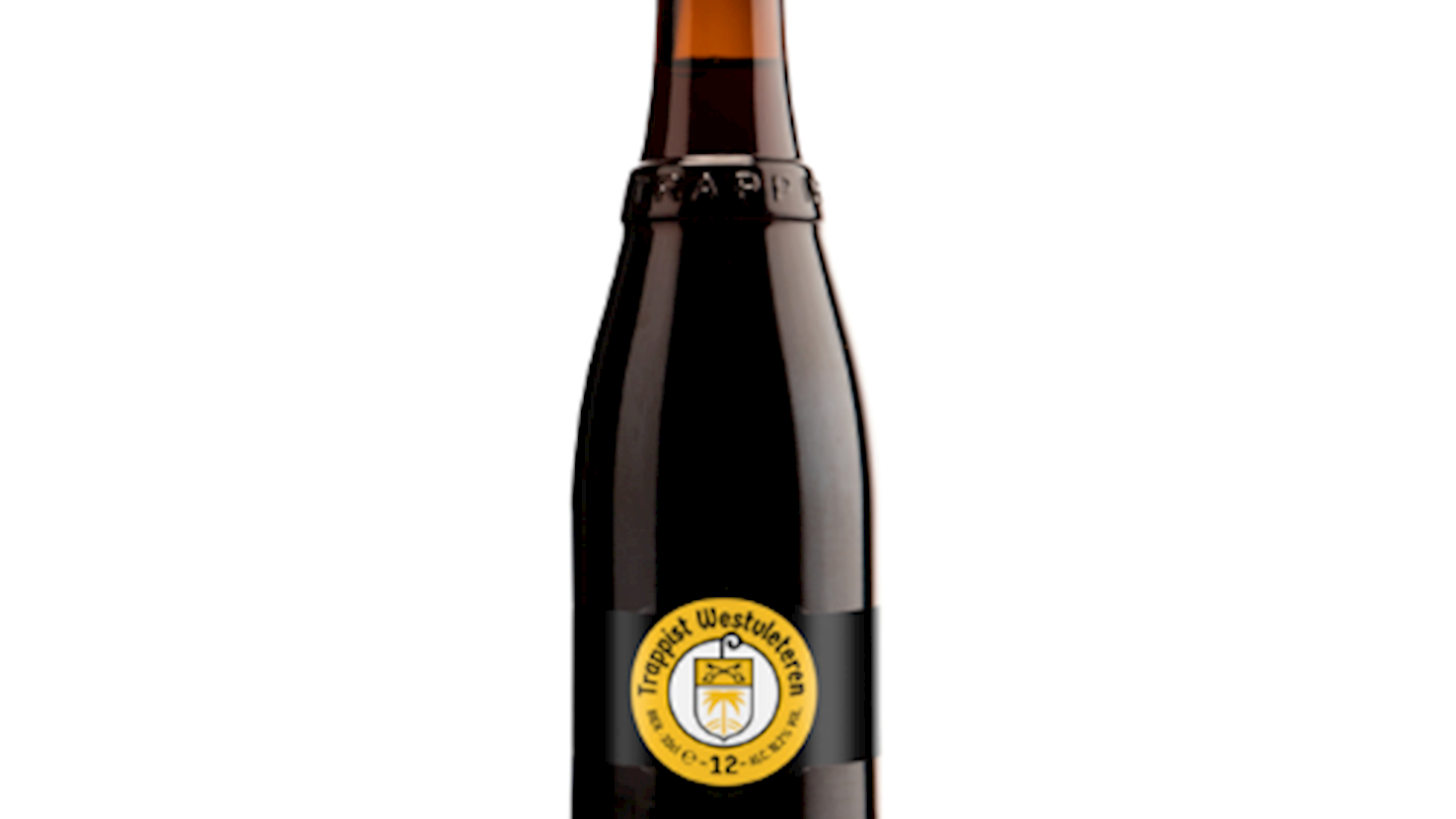
Brouwerij Westvleteren is one of the most renowned and highly regarded Trappist breweries in the world, located within the walls of the Sint-Sixtus Abbey in the village of Westvleteren, in the Belgian region of West Flanders. The brewery was founded by Cistercian monks in 1838 and has remained true to a tradition of modest, limited, and uncommercialized production.

Unlike commercial breweries, this Trappist community brews beer solely to support monastic life and charitable activities, in accordance with the principles of the International Trappist Association. The brewery is especially famous for its beers Westvleteren 12 and Westvleteren 8, both frequently ranked among the best beers in the world.

What further sets this brewery apart is its unique distribution system: the beer can only be purchased through advance reservation and directly from the abbey, with no commercial labels – the bottles are marked only by a cap indicating the beer type. Its limited availability, strict purchasing rules, and unwavering commitment to quality have contributed to the near-legendary status of this small monastic brewery.

Awards
Beer Advocate - 100 World-Class
Beer Advocate - 99 World-Class
04

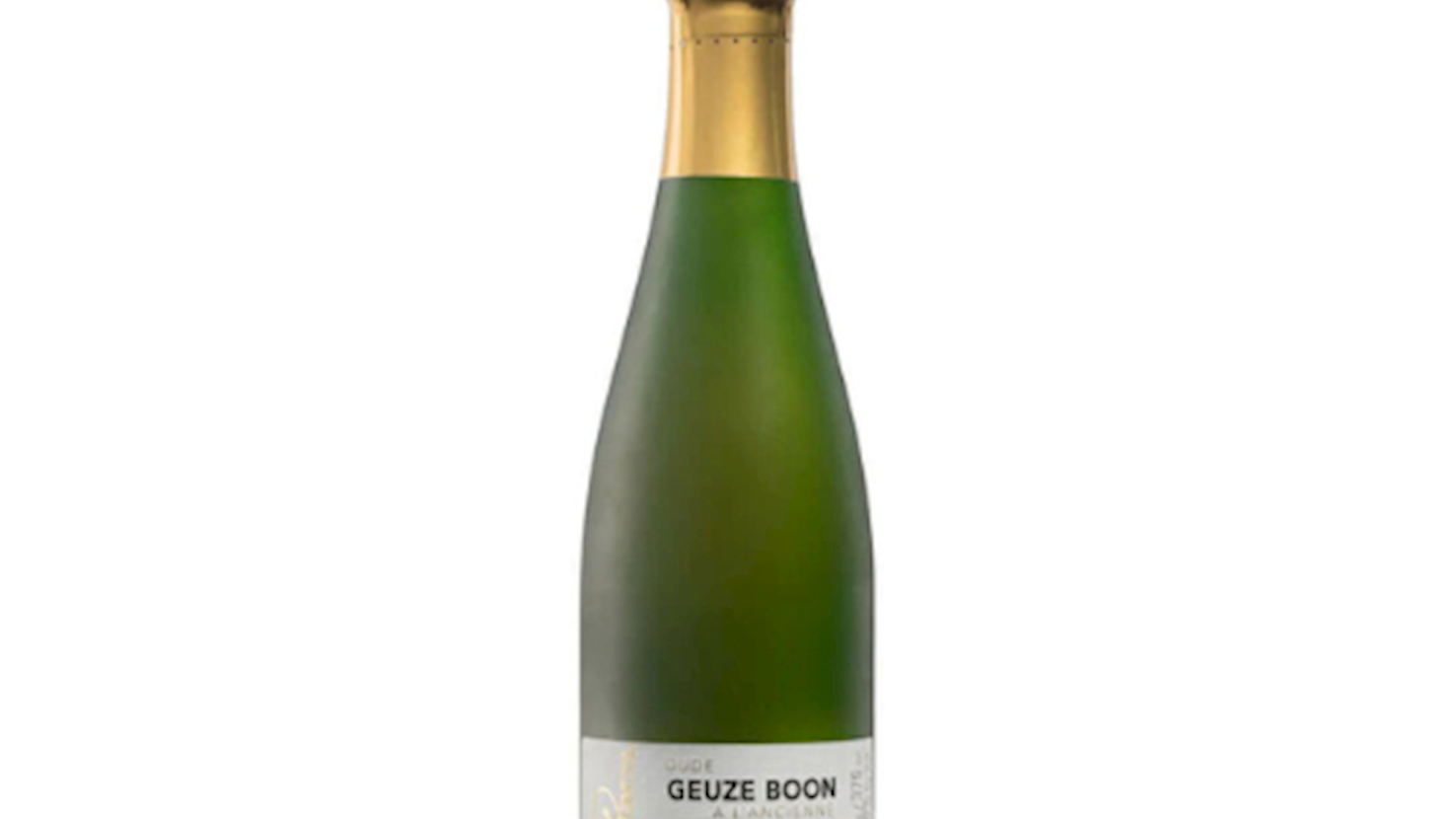
Brouwerij Boon

5.0 ·

Brouwerij Boon is a renowned Belgian brewery located in Lembeek, a town near Halle, in the Flanders region of Belgium. Established in 1978 by Frank Boon, the brewery specializes in traditional Belgian sour beers, particularly lambics.

Lambic beers are unique because they are spontaneously fermented, a process in which wild yeast and bacteria from the environment are used for fermentation instead of cultivated yeast.

Awards
European Beer Star - Gold (2021)
World Beer Cup - Gold (2018, 2016)
05

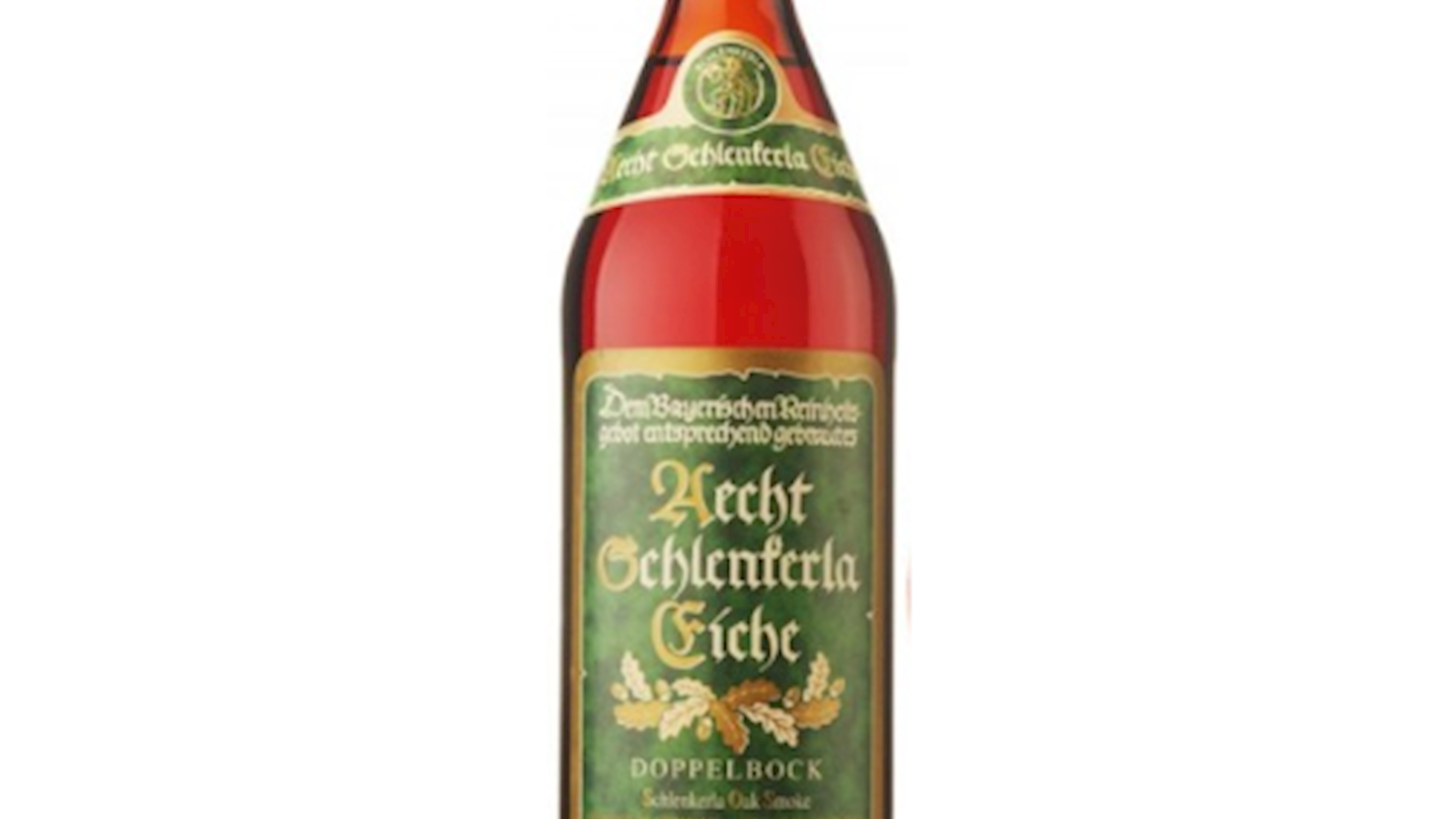
Schlenkerla

5.0 ·

Schlenkerla is a legendary Bavarian tavern and an iconic symbol of beer culture, located in the heart of Bamberg’s old town, with a documented brewing tradition dating back to the year 1405. Today, under the guidance of the sixth generation of the Trum family, Schlenkerla continues to preserve the spirit of centuries past - its authentic Gothic ambiance, beer poured from wooden barrels, and unwavering dedication to traditional recipes make it a truly unique place in the world of beer.

Its most famous brew, Aecht Schlenkerla Rauchbier Märzen, is a bottom-fermented dark lager with 13.5° Plato and about 5.1% alcohol, renowned for its pronounced smoky character, achieved by drying the malt over beechwood fires. In addition to the classic version, the brewery also offers a variety of other smoked beers: Rauchweizen, Urbock, Eiche and a lighter lager with subtle smoky notes.

Schlenkerla is an essential destination for all lovers of authentic beer styles and brewing heritage - many say that the true character of Rauchbier only reveals itself with the third sip.

Awards
European Beer Star - Gold (2023)
Untappd - 3.7
06

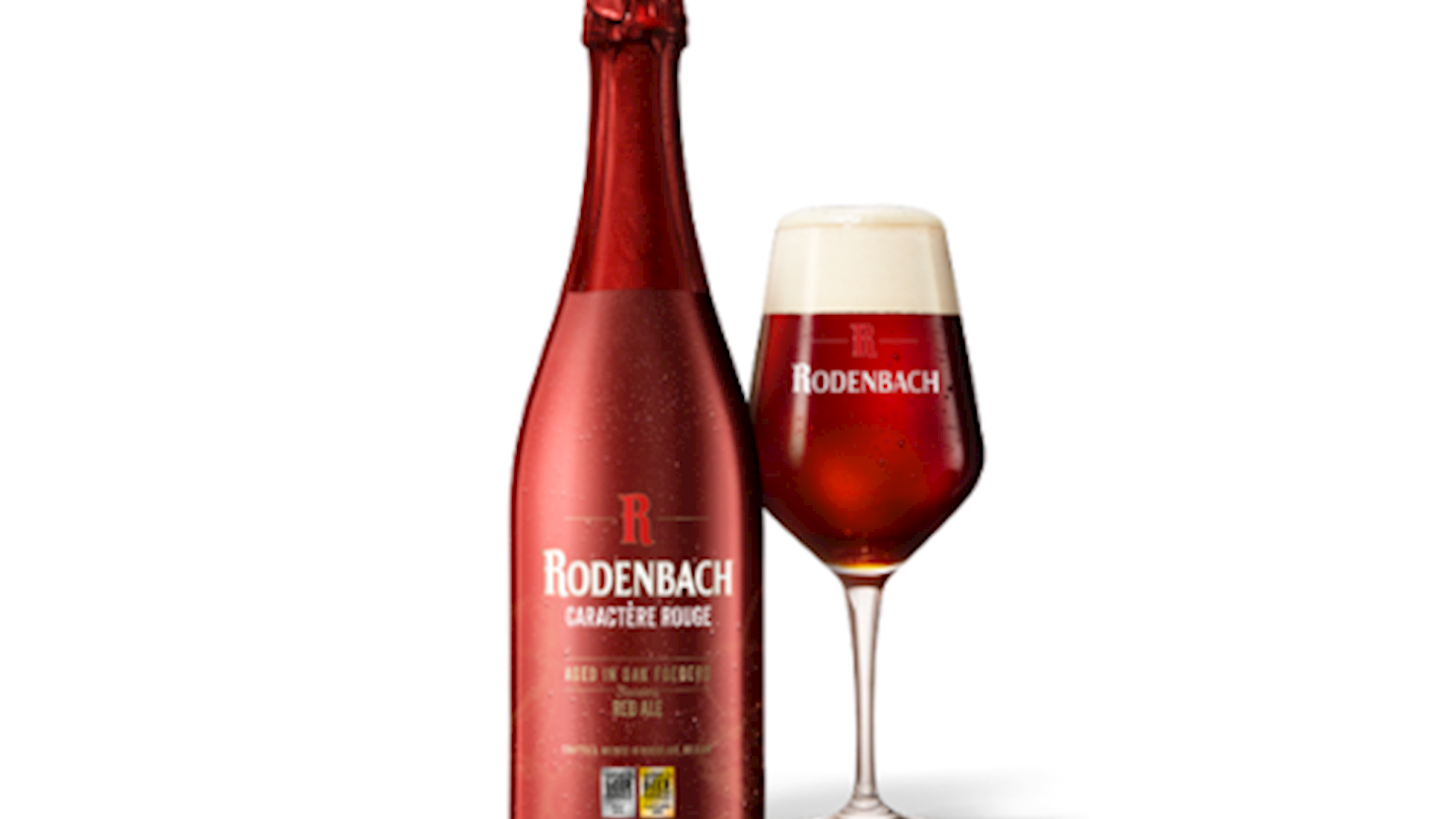
Brouwerij Rodenbach

5.0 ·

Brouwerij Rodenbach, was founded in 1821 in Roeselare, West Flanders, and is now part of Palm Belgian Craft Brewers. Rodenbach primarily produces Flemish red-brown sour ales through a process of mixed fermentation and aging in large oak barrels known as foeders.

The beer is first fermented and then aged for a minimum of 18 months in wood, which gives it a unique fruity-sour aroma and rich flavor. With an annual production of around 180,000 hectoliters, Rodenbach is a regional icon and a cornerstone of the oak-aged sour ale tradition in Belgium.

Visitors can tour the authentic foeder cellars and taste the beers directly at the brewery or at the adjoining brasserie restaurant "Het Foederhuis".

Awards
Beer Advocate - 99 World-Class
Beer Advocate - 95 World-Class
07

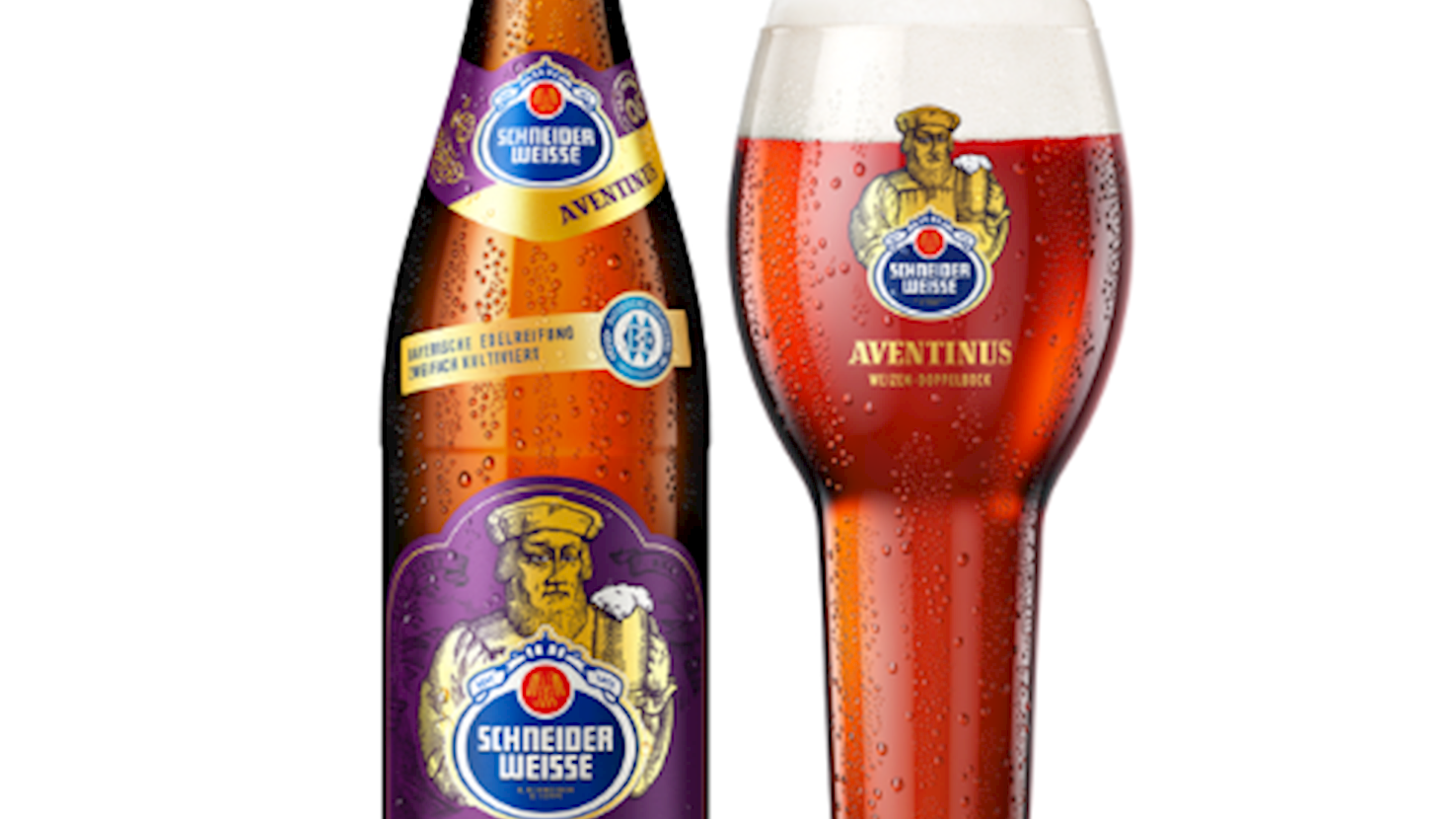
Schneider Weisse

4.9 ·

Schneider Weisse is a renowned Bavarian brewery dedicated exclusively to brewing wheat beers - Weissbier, with its headquarters in the historic town of Kelheim. It was founded in 1872, when Georg Schneider I became the first commoner granted royal permission by King Ludwig II to brew wheat beer - a privilege previously reserved only for nobility.

In 1927, the brewery relocated from Munich to the former royal “Weisses Bräuhaus” in Kelheim, where it still operates today, upholding the highest standards of Bavarian brewing tradition. Their beers are known for their rich and complex aromatic profiles, often featuring notes of banana, clove, caramel, and dark fruit.

Schneider Weisse produces between 250,000 and 300,000 hectoliters of beer annually, with about a quarter of its production exported to more than 25 countries worldwide. The brewery successfully blends generations of family tradition with a modern, innovative approach - especially through experimental styles.

Thanks to this commitment to authenticity and quality, Schneider Weisse enjoys a strong reputation among craft beer enthusiasts and stands as one of the pillars of German brewing culture.

Awards
Beer Advocate - 96 World-Class
European Beer Star - Gold (2023, 2022, 2021, 2020)
08

Moersleutel Craft Brewery

4.9 ·

Moersleutel Craft Brewery from Alkmaar, the Netherlands, represents a unique fusion of craft brewing and engineering philosophy. Founded in 2010 by four Zomerdijk brothers - all engineers by profession - the brewery channels their technical expertise into beer creation not as a fixed product, but as a constantly evolving process.

Their guiding principle is clear: if a piece of equipment doesn’t meet expectations, they don’t look for alternatives - they design, build, and refine it themselves. This hands-on approach is deeply embedded in the identity of the brand. Moersleutel is best known for its bold, rich imperial stouts, often reaching over 12% ABV, with deeply developed flavor profiles of chocolate, coffee, hazelnut, and vanilla.

In addition, they produce complex barrel-aged series, where beers rest in whiskey, rum, bourbon, or wine barrels, gaining additional layers of aroma and flavor. Moersleutel is a brewery for those who seek intensity, boldness, and technical excellence in every glass - whether it's a decadent stout, a complex barleywine, or an explosive NEIPA.

Awards
Untappd - 3.7
Untappd - 3.9
09

Bayerische Staatsbrauerei Weihenstephan
4.9 ·

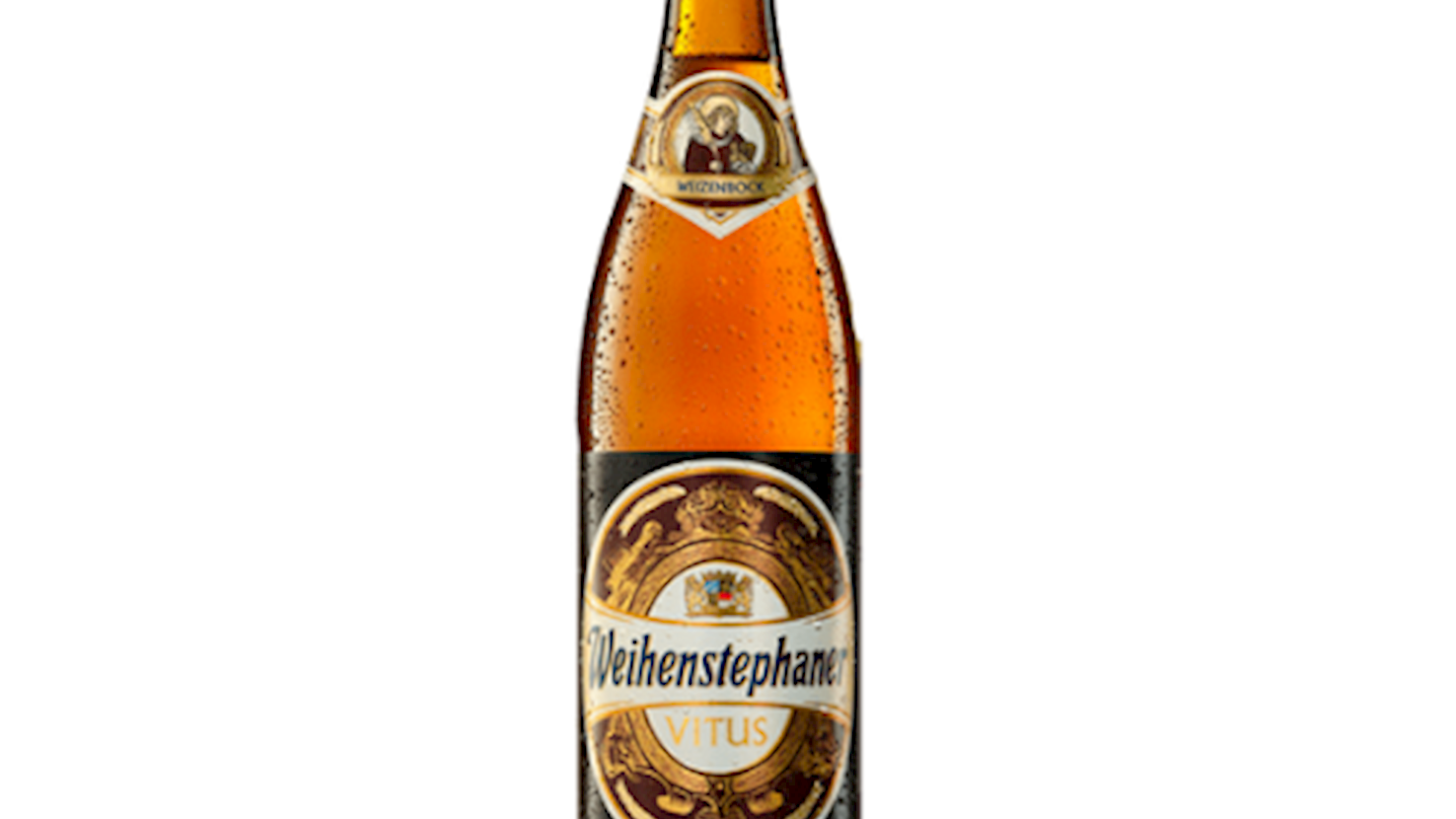
Bayerische Staatsbrauerei Weihenstephan is the oldest still-operating brewery in the world, located in the town of Freising, in the German federal state of Bavaria. Its origins date back to the year 1040, when the Benedictine monastery of Weihenstephan received official permission to brew and sell beer, although records suggest brewing activity on the site existed several centuries earlier.

Today, Weihenstephan operates as a state-owned brewery under the authority of Bavaria and is closely affiliated with the Technical University of Munich, which houses the renowned Faculty of Brewing and Fermentation Science. The brewery combines a thousand-year-old tradition with the latest brewing technology, producing high-quality beers in accordance with the German Beer Purity Law (Reinheitsgebot). Its most famous product is Weihenstephaner Hefeweissbier, an unfiltered wheat beer known for its rich aromas of banana, clove, and bread.

The brewery is situated on Weihenstephan Hill above Freising and is open to visitors, offering guided tours and tastings that showcase the intersection of science, craftsmanship, and history. As a symbol of German brewing heritage, Weihenstephan not only preserves its legacy but also sets global standards for beer quality and excellence.

Awards
Beer Advocate - 98 World-Class
Beer Advocate - 95 World-Class
10

Brasserie de Rochefort

4.9 ·

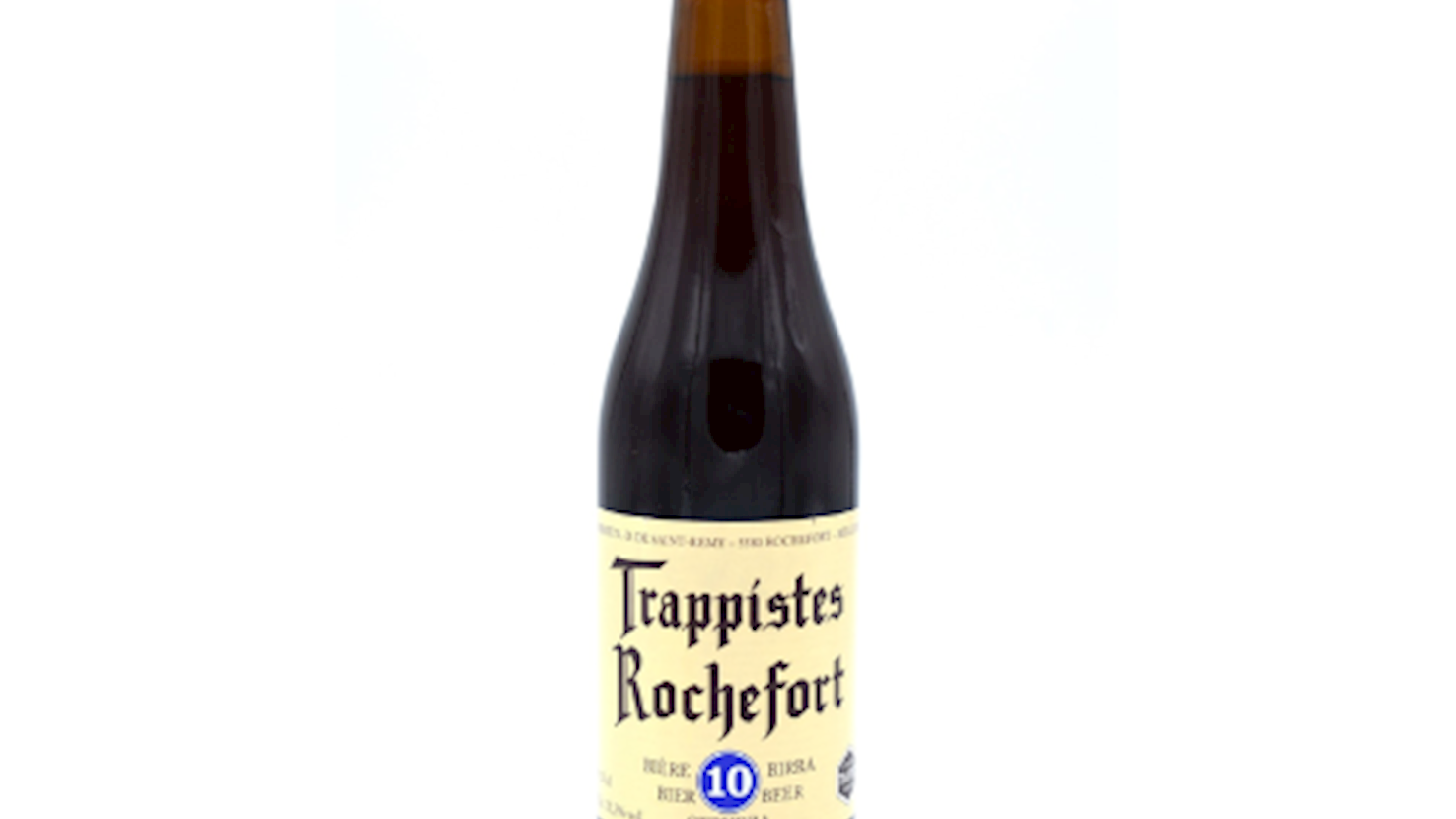
The monastic brewery Brasserie de Rochefort, also known as Trappistes Rochefort, is part of the Abbey of Notre-Dame de Saint-Rémy, located in Rochefort, in the Walloon region of Belgium. This brewery is deeply rooted in the Trappist tradition, as the monks themselves oversee production and use part of the profits for charitable purposes and maintaining their community - this is why the beer bears the Authentic Trappist Product label.

Beer has been brewed at the abbey since the 16th century, though the modern Trappist brewing style we know today was developed in the mid-20th century. Brasserie de Rochefort is renowned for its beers of deep complexity, rich aromas, and multi-layered flavor profiles. Their most famous brews are Rochefort 8 and Rochefort 10, with the numbers indicating the approximate specific gravity and alcohol strength of the beer.

These are strong, dark ales, full of dried fruit, caramel, and spicy notes, fermented with the brewery’s own yeast strain, which imparts a distinctive character. The brewery produces relatively small quantities, but it is precisely this dedication to quality and traditional, hands-on methods that makes Trappistes Rochefort one of the most respected beer producers in the world. The beers are unfiltered, unpasteurized, and undergo bottle conditioning, allowing them to mature and develop complexity over time.

Awards
Beer Advocate - 99 World-Class
Beer Advocate - 96 World-Class
About this Ranking

TasteAtlas food rankings are based on the ratings of the TasteAtlas audience, with a series of mechanisms that recognize real users and that ignore bot, nationalist or local patriotic ratings, and give additional value to the ratings of users that the system recognizes as knowledgeable. For the “Top 100 Central European Beers” list until September 15, 2026, 4,668 ratings were recorded, of which 4,212 were recognized by the system as legitimate.

TasteAtlas Rankings should not be seen as the final global conclusion about food. Their purpose is to promote excellent local foods, instill pride in traditional dishes, and arouse curiosity about dishes you haven’t tried.

The initial list of top producers was compiled based on available reviews, awards, local recommendations, media and blog coverage, and consumer reviews. The list will be updated with ratings from TasteAtlas local ambassadors and TasteAtlas users.

What People Say

Similar Lists