shutterstock

Top 100 Tuscan Foods

Last updated on June 07, 2026

Best Tuscan foods

01
Pasta

Pappardelle al cinghiale

4.5 ·

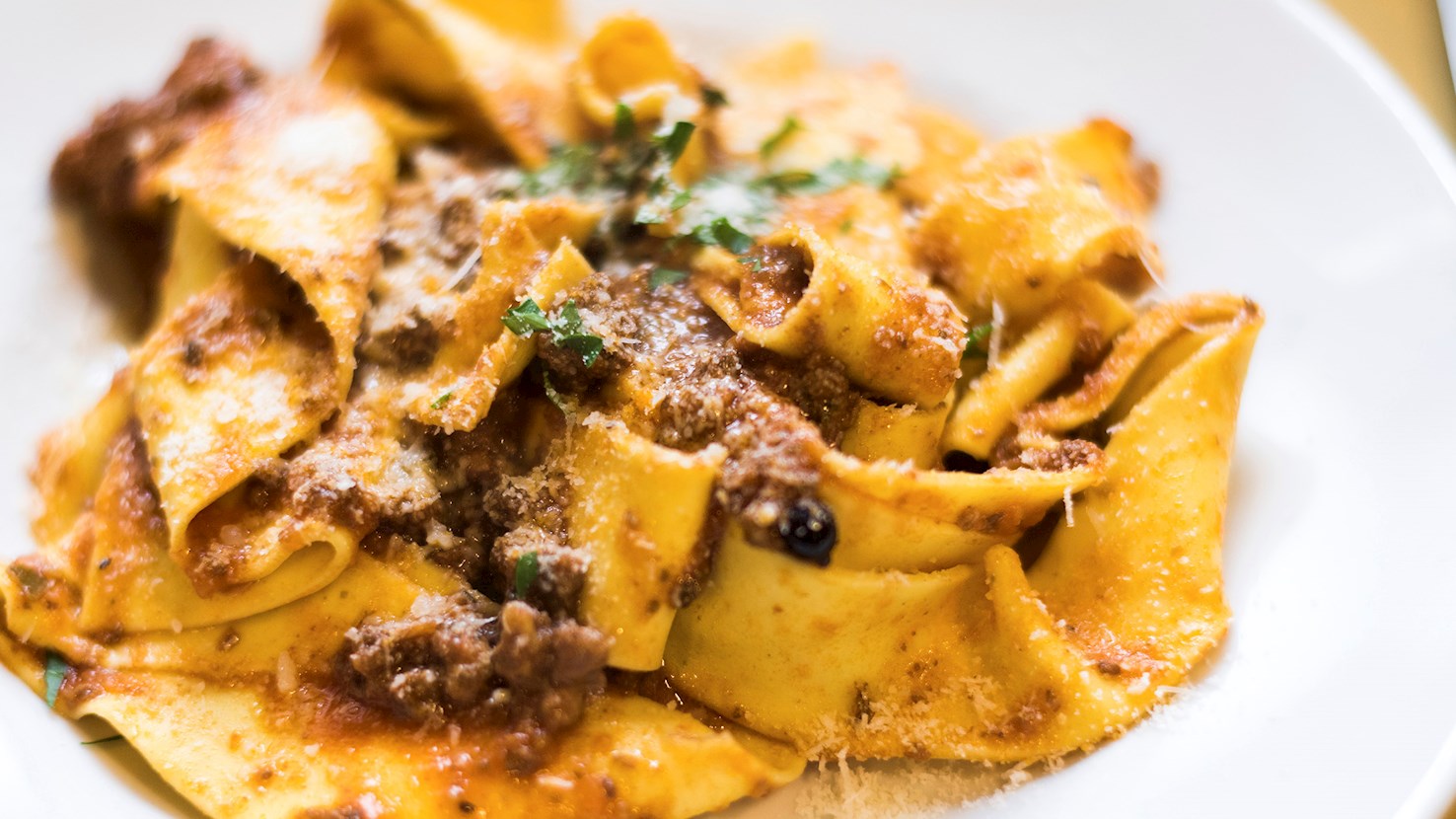
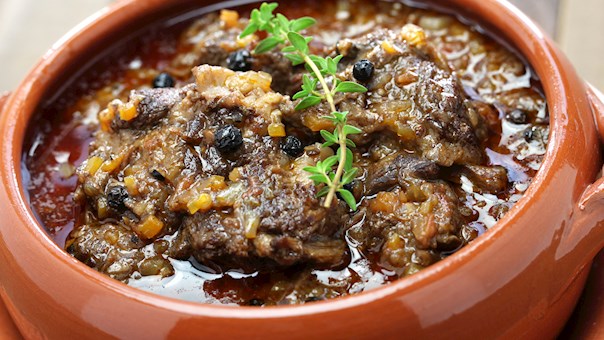
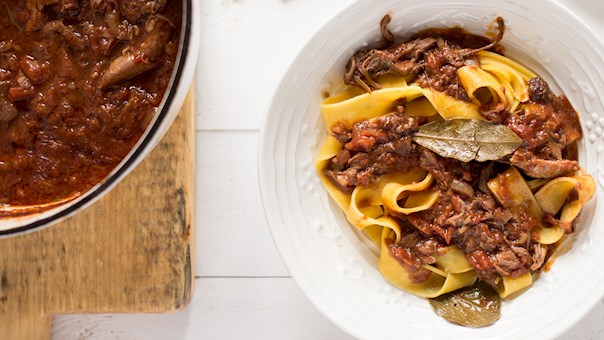
Pappardelle is a famous Tuscan pasta variety. When paired with ragù di cinghiale (made with wild boar), they become one of the region's best gastronomic experiences. Unlike classic ragù, the one prepared with wild boar has an intense, much stronger flavor achieved by long, slow simmering in a rich sauce of tomatoes and red wine. The tender meat paired with fresh egg pasta is a combination full of flavors and tradition in every single bite - rich and delicious, topped with a generous amount of chopped fresh parsley and a sprinkle of Parmigiano, pappardelle al ragù di cinghiale make a perfect, comforting winter dish, especially when paired with a glass of Tuscan red wine.

02
Beef Cut

Bistecca alla Fiorentina

4.4 ·

Known as the holiest of holies of Italian cuisine, the Florentine-style beef steak is prepared exclusively with dry-aged beef from the Chianina cattle, which is particularly prized for its tenderness. Even though bistecca alla Fiorentina is often described as a T-bone steak, it is much closer to a porterhouse - since it's cut closer to the center, the tenderloin is much larger than the one on a regular T-bone. Also, bistecca alla Fiorentina must be thick; the cut needs to be at least three fingers wide so that when the meat is grilled over a very hot flame, a nice, slightly charred crust forms on the outside of the steak while the inside remains succulent. In fact, bistecca alla Fiorentina is never, ever served medium or well-done, as any true Tuscan will insist that this dream of a steak should only be eaten sanguinoso, meaning rare. To enjoy your Florentine-style steak the Italian way, simplicity is the way to go - highlight the rich flavor of grilled beef with nothing more than a drizzle of extra virgin olive oil, rosemary, and salt.

03
Cheese

Pecorino Toscano

4.4 ·

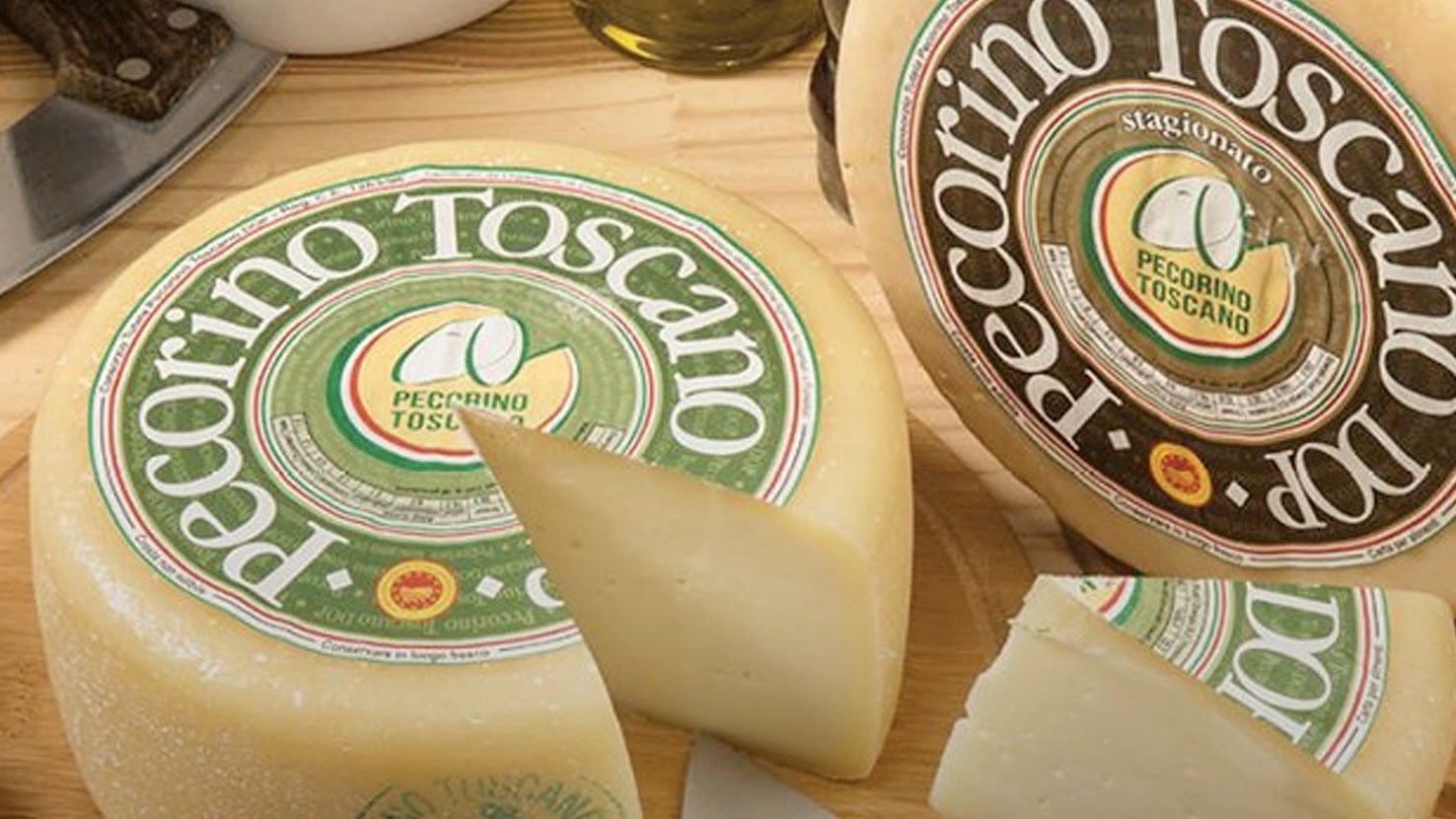
Back in the 15th century, when Pecorino production used to begin in spring, this Tuscan delicacy was called Cacio Marzolino, meaning March cheese. Nowadays, Pecorino Toscano is also produced in Lazio and Umbria, Tuscany's neighboring regions, and available year-round as either Fresco (fresh) or Stagionato (matured for at least 4 months). This soft to semi-hard cheese is made with whole milk from sheep feasting on pastures nestled between the Apennines and the Tyrrhenian Sea. Compared to other varieties of Pecorino cheese, Toscano is only briefly salted and thus retains its delicate, sweet flavor. Depending on how mature it is, Pecorino Toscano can be enjoyed as a table cheese or used for grating over various pasta dishes or hearty Tuscan potage soups such as Ribollita. Fresco or Stagionato, it also pairs well with fresh vegetables, fruits, jam, and honey.

04
Dry-cured Ham

Prosciutto Toscano

4.4 ·

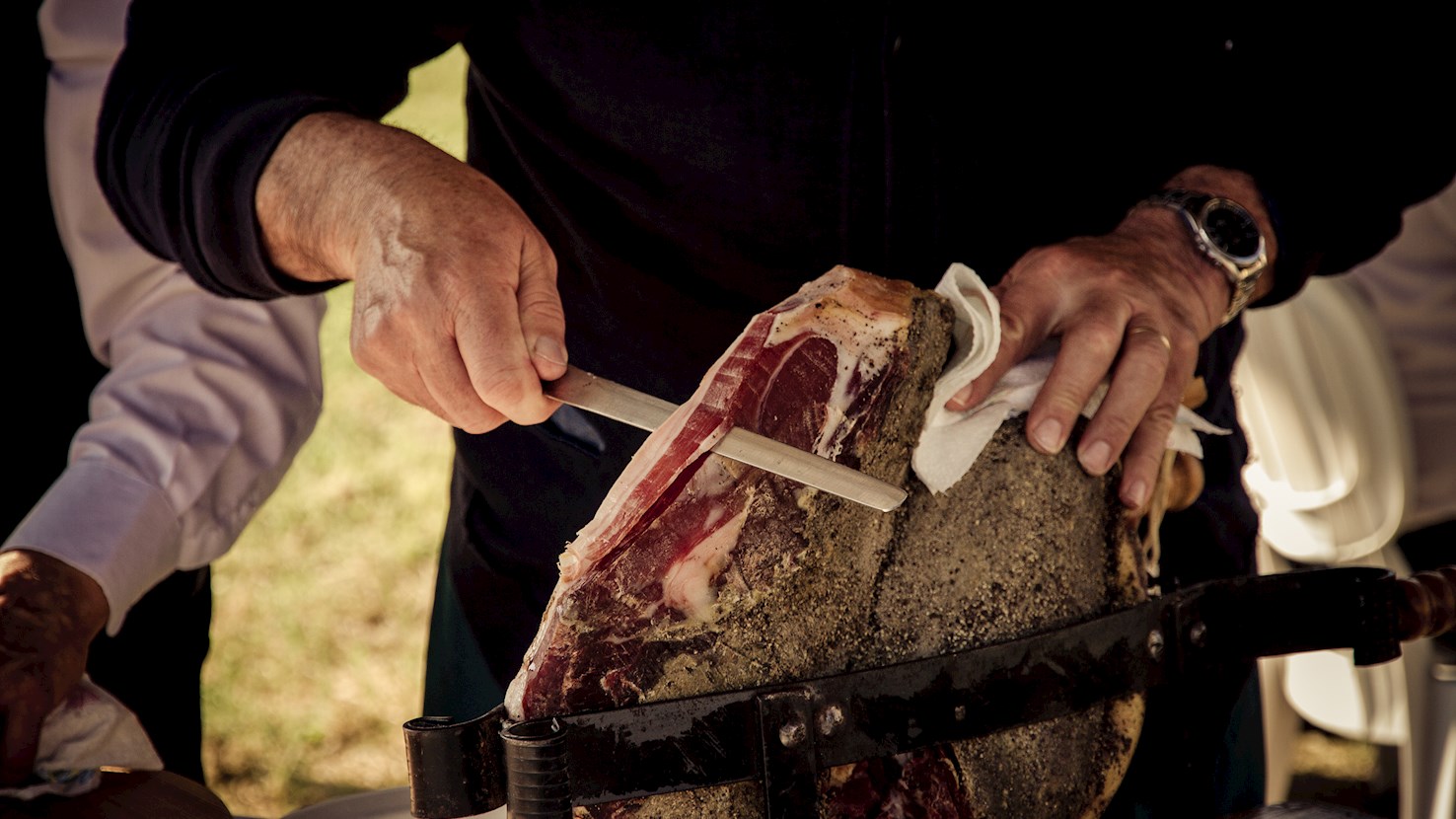
Produced under the same strict laws and traditions since the 15th century, Prosciutto Toscano is made exclusively with pigs born, bred, fattened and slaughtered in Tuscany. All pig legs must be provided with the breeder’s certificate to prove their provenance. The Tuscan hams are then salted and air cured for about 12 to 16 months whereas other Italian hams can only be salt-cured, Prosciutto Toscano can be cured and flavored with a blend of natural spices that are common in traditional Tuscan cuisine, including pepper, garlic, rosemary, and juniper. As a result, Prosciutto Toscano is distinctly different in both appearance and taste from other prosciutto varieties. It is much darker in color with a layer of almost pink fat, has an intensely spicier taste and it's quite famous for its herbal aroma - the fragrant signature of Tuscany. Enjoy it with some freshly baked Pane Toscano and a glass of white wine!

05
Pasta

Pappardelle alla lepre

4.2 ·

Pappardelle alla lepre is an ancient Tuscan dish – allegedly, Boccaccio himself was impressed with these pasta ribbons which are cooked in broth and flavored with hare meat. The preparation of this rich dish is time-consuming – the hare must be marinated in wine, vinegar, and aromatic herbs in order to develop the flavor and eliminate the strong gamey smell, and it is then slowly simmered with chopped onions, carrots, celery, wine, tomatoes, bay leaves, salt, pepper, and stock. Interestingly, the original name of this dish was pappardelle sulla lepre, meaning pappardelle on top of the hare, allegedly due to the fact that it was once much easier to find the hare than eggs or flour – so the typical plate used to contain lots of meat and only a few ribbons of pasta. Even though the times have changed, that just may be the reason why (in Tuscany) papardelle are traditionally placed on top of the sauce and not the other way around. Due to their complex flavor, pappardelle alla lepre pair especially well with full-bodied red wines.

06
Salami

Salame Toscano

4.2 ·

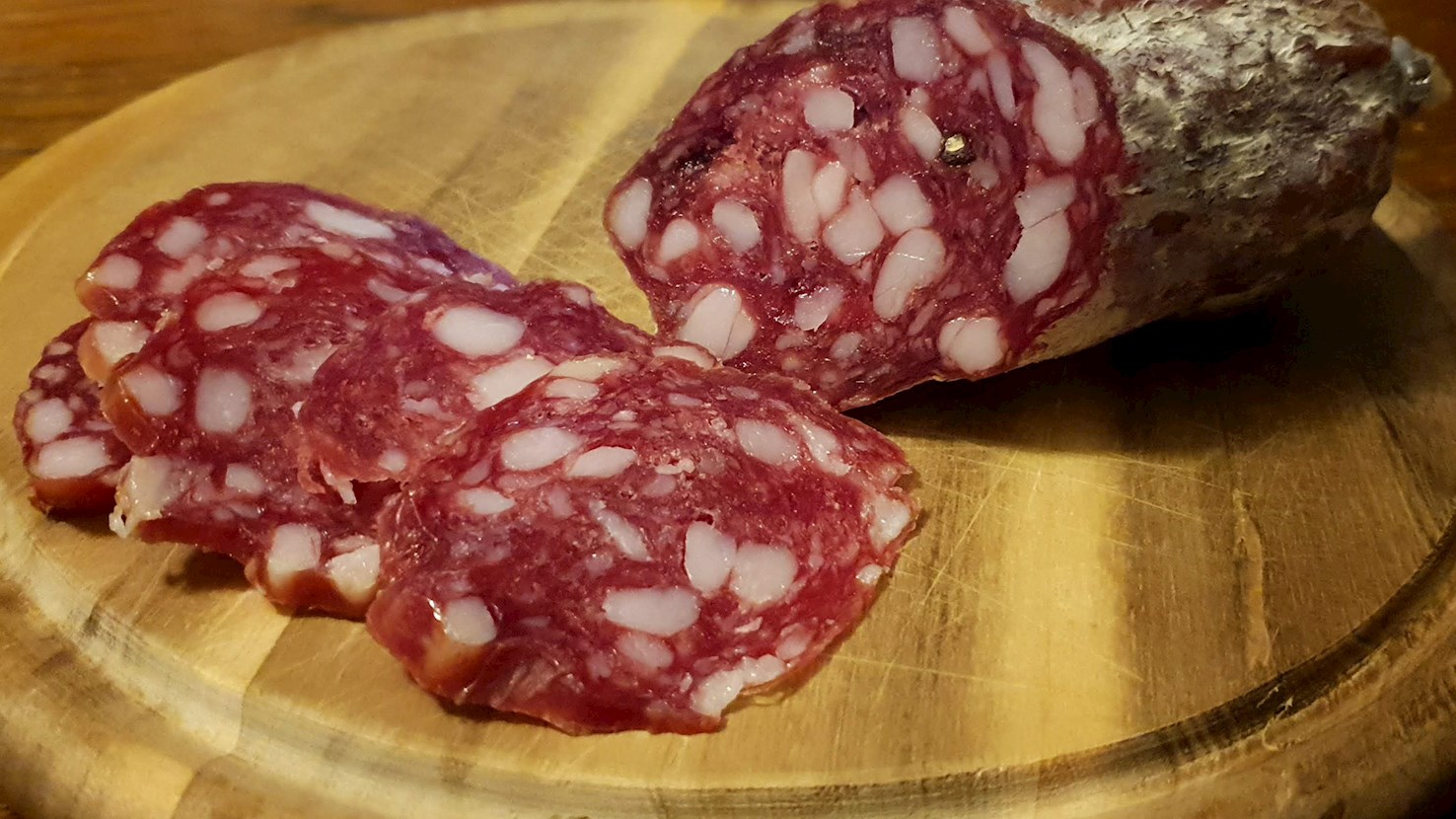
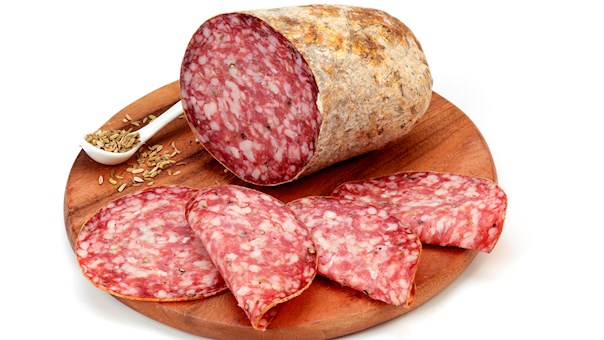
Salame Toscano is a traditional salami hailing from Tuscany. It's produced with pork's ham, shoulder, lean belly, lard, and spices. The meat is ground and the lard is mixed with salt. The two are combined with spices, then stuffed into natural or synthetic casings. The salami is dried and well seasoned for at least 4 months before it's sold or consumed. Salame Toscano has an intense flavor of spices and meat, and the cross-section reveals a nice distribution of lean meat and fat. It's recommended to serve it thinly sliced with cheese, wine, and bread.

Best producers
07
Sweet Pastry

Bomboloni

4.2 ·

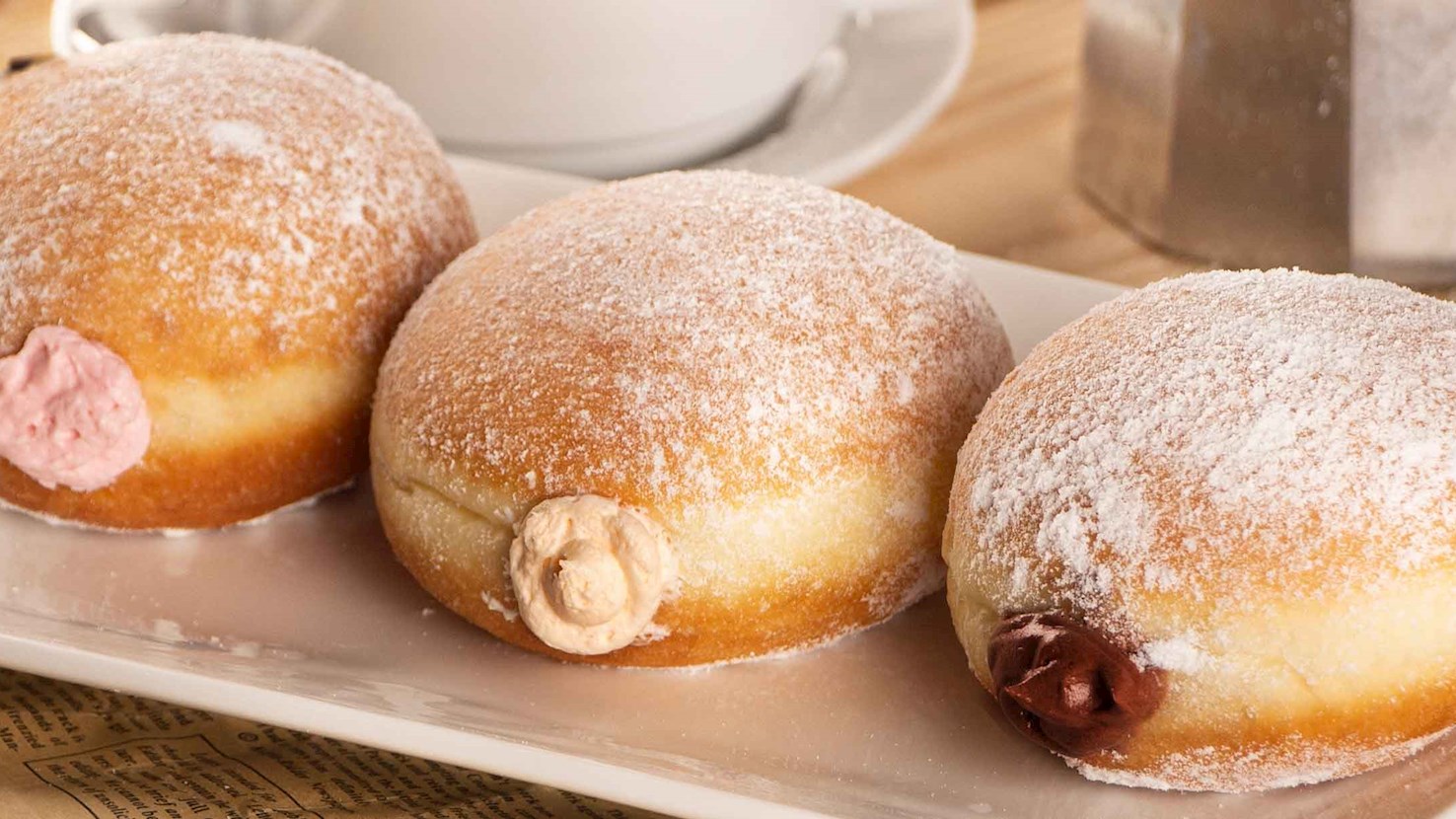
Italian deep-fried doughnuts known as bomboloni are one of the traditional sweets of the Carnival season, but nowadays they can be prepared throughout the year. Even though bomboloni are said to be of Tuscan origin, they are commonly sold as a snack in numerous pasticcerias, bakeries, and coffee shops throughout the country. However, in Tuscany and further to the north of Italy, bomboloni are simply sugar-coated, while in Lazio these delectable treats take on a more decadent appearance, as biting into their sugary crust reveals a silky cream on the inside. The so-called bombolone Laziale is typically filled with either classic custard cream called crema pasticcera, or sometimes even chocolate cream. Pillow-soft, airy, and amazingly light, the delicious bomboloni are best enjoyed while they're still warm, regardless of the preferred variety.

08
Cheese

Pecorino di Pienza

4.1 ·

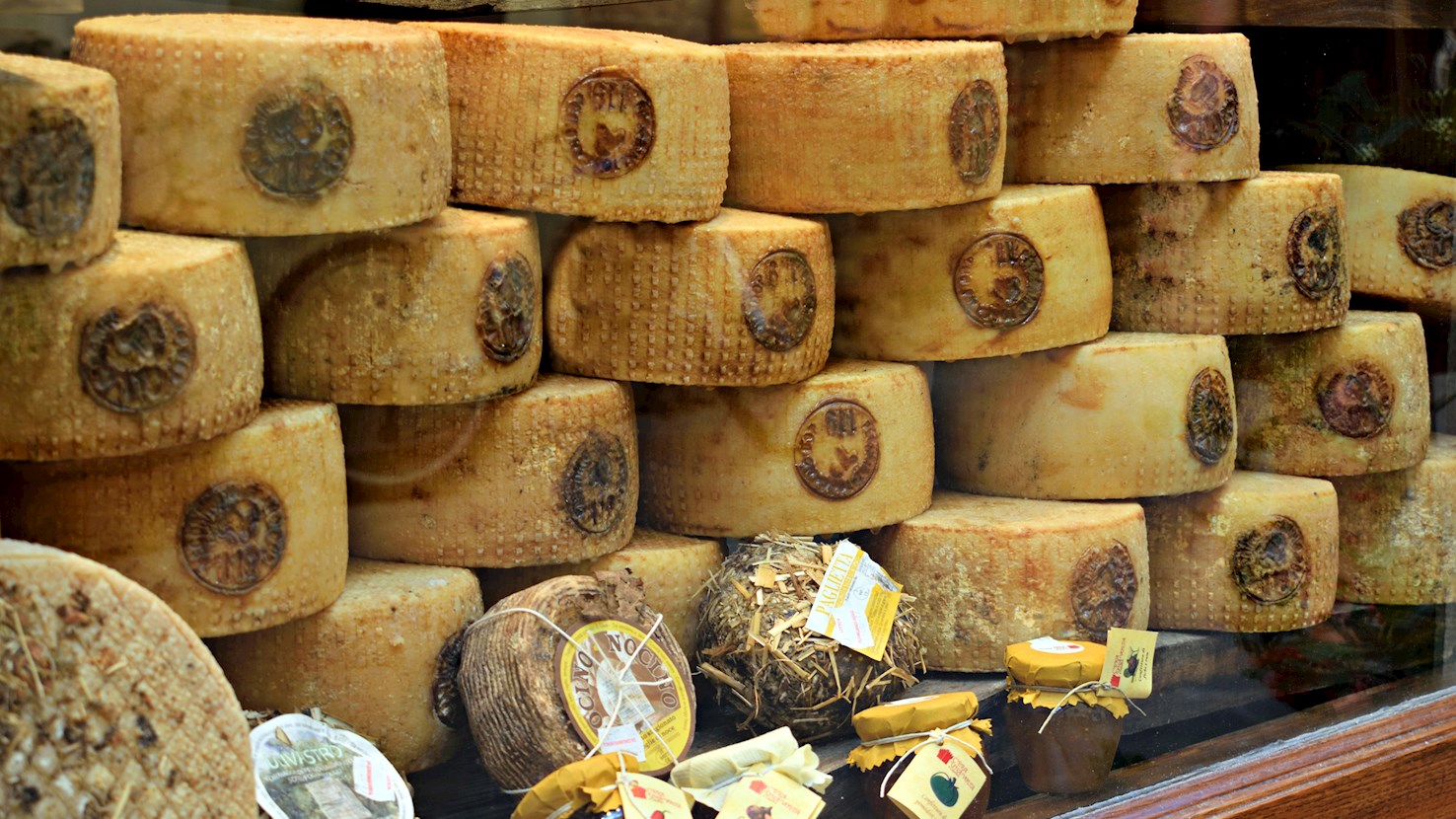
Pecorino di Pienza is a traditional variety of Pecorino produced in Pienza in the province of Siena. The cheese is made from sheep's milk and comes in a few versions – some are young, some covered in straw, some rubbed with ash, and some are pressed with tomatoes. The young version is semi-ripened and colored with tomato juice on the rind, while the aged version has a black rind. The cheese is not spicy as other Pecorino types because veal rennet is used instead of kid goat rennet. Pecorino di Pienta is aged for 30 days, when it's still fresh and soft, ideal for melting of grilling, while the other versions are aged from 2 to 5 months. The flavors are best described as sweet and complex.

09
Dumplings

Gnocchi di ricotta

4.1 ·

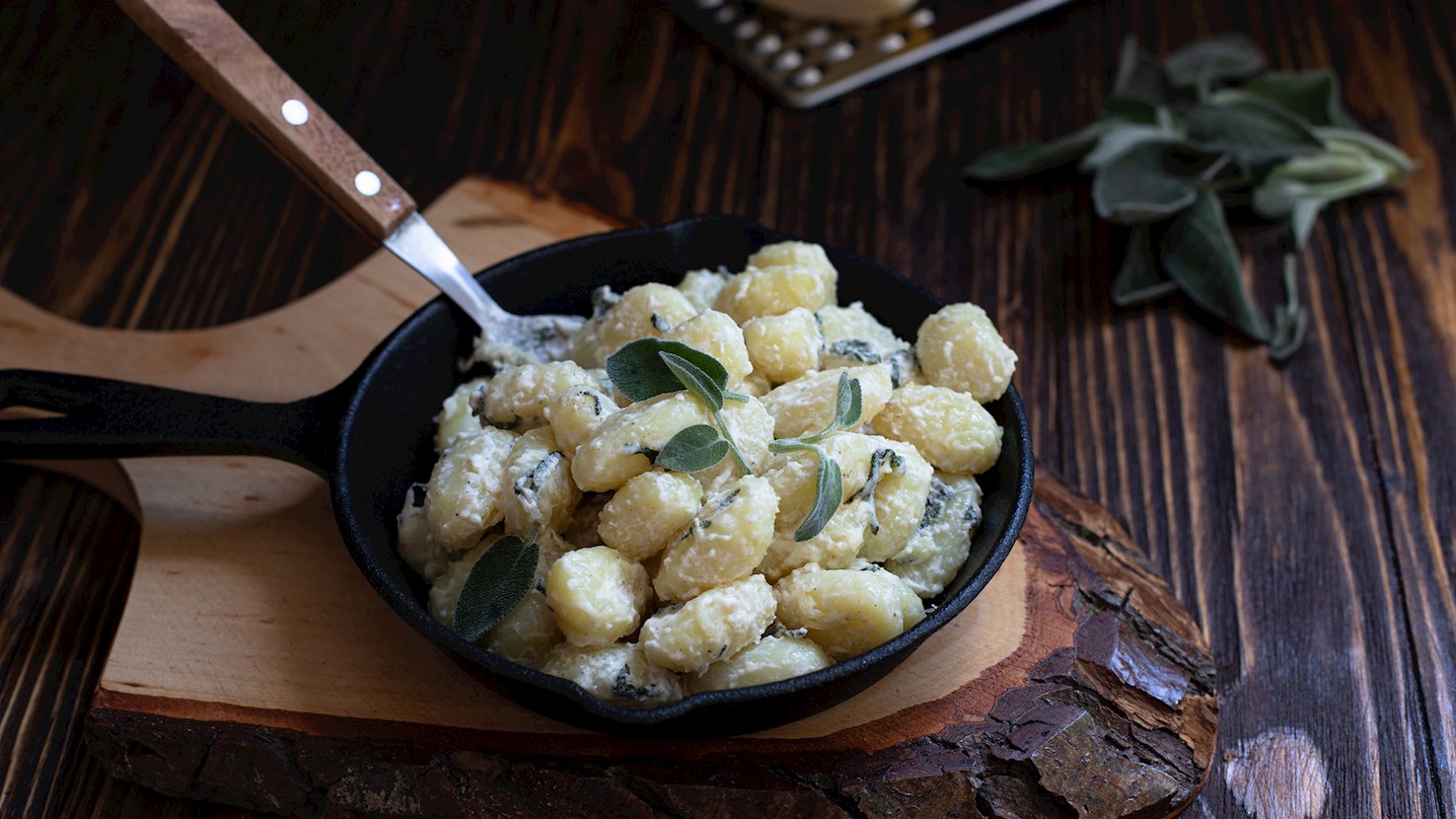
Gnocchi di ricotta is a traditional gnocchi variety that’s especially popular in Tuscany. The gnocchi are made with a combination of ricotta, butter, grated cheese, eggs, flour, nutmeg, salt, and pepper. The ingredients are mixed and formed into gnocchi, which are then rolled in flour and poached in boiling water. When they rise to the top, they’re taken out and served with butter and grated Parmigiano-Reggiano. If there’s enough time, it’s recommended to leave the mixture in the fridge overnight before shaping it into small gnocchi.

10
Pasta

Paglia e fieno

4.1 ·

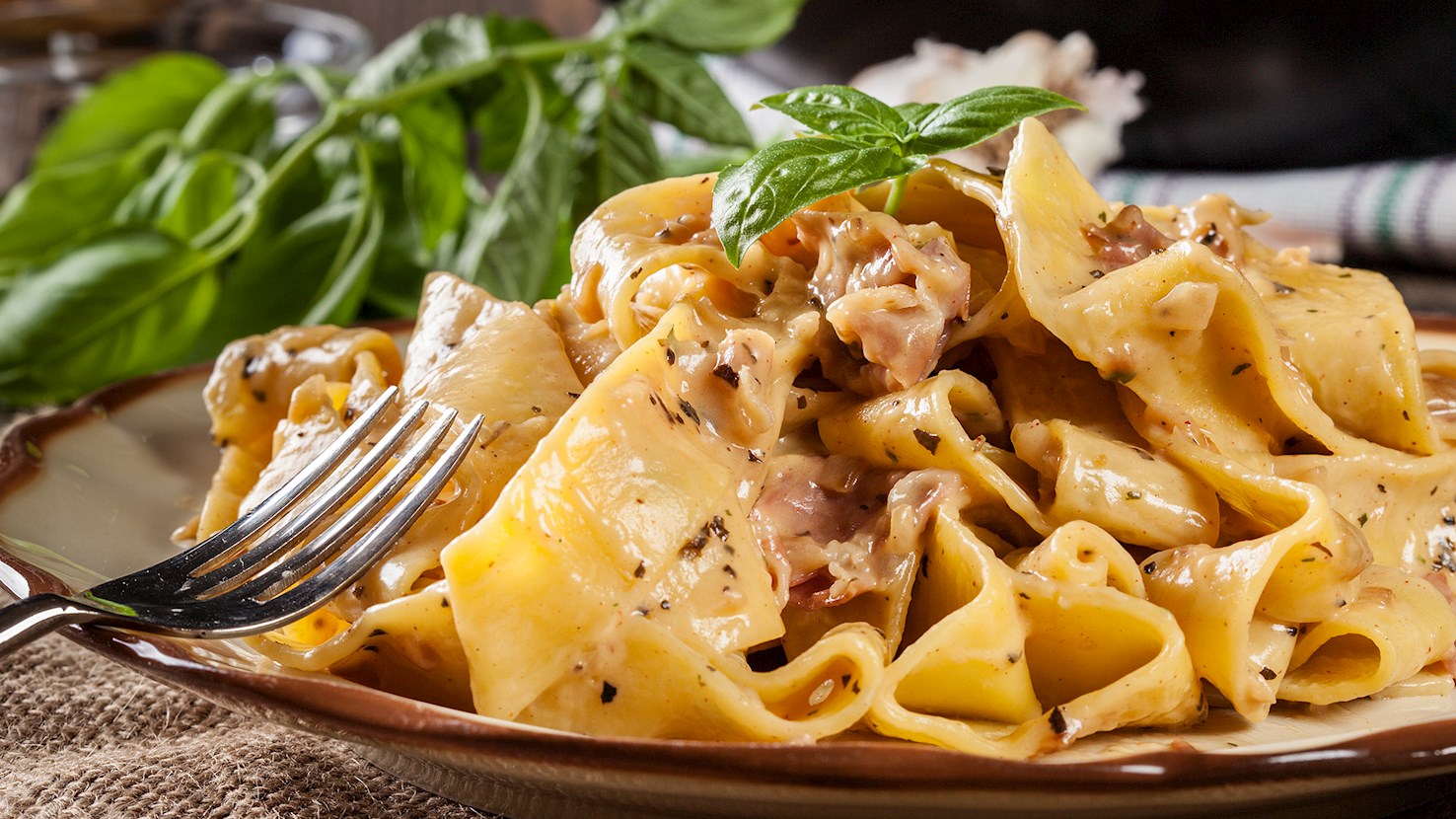
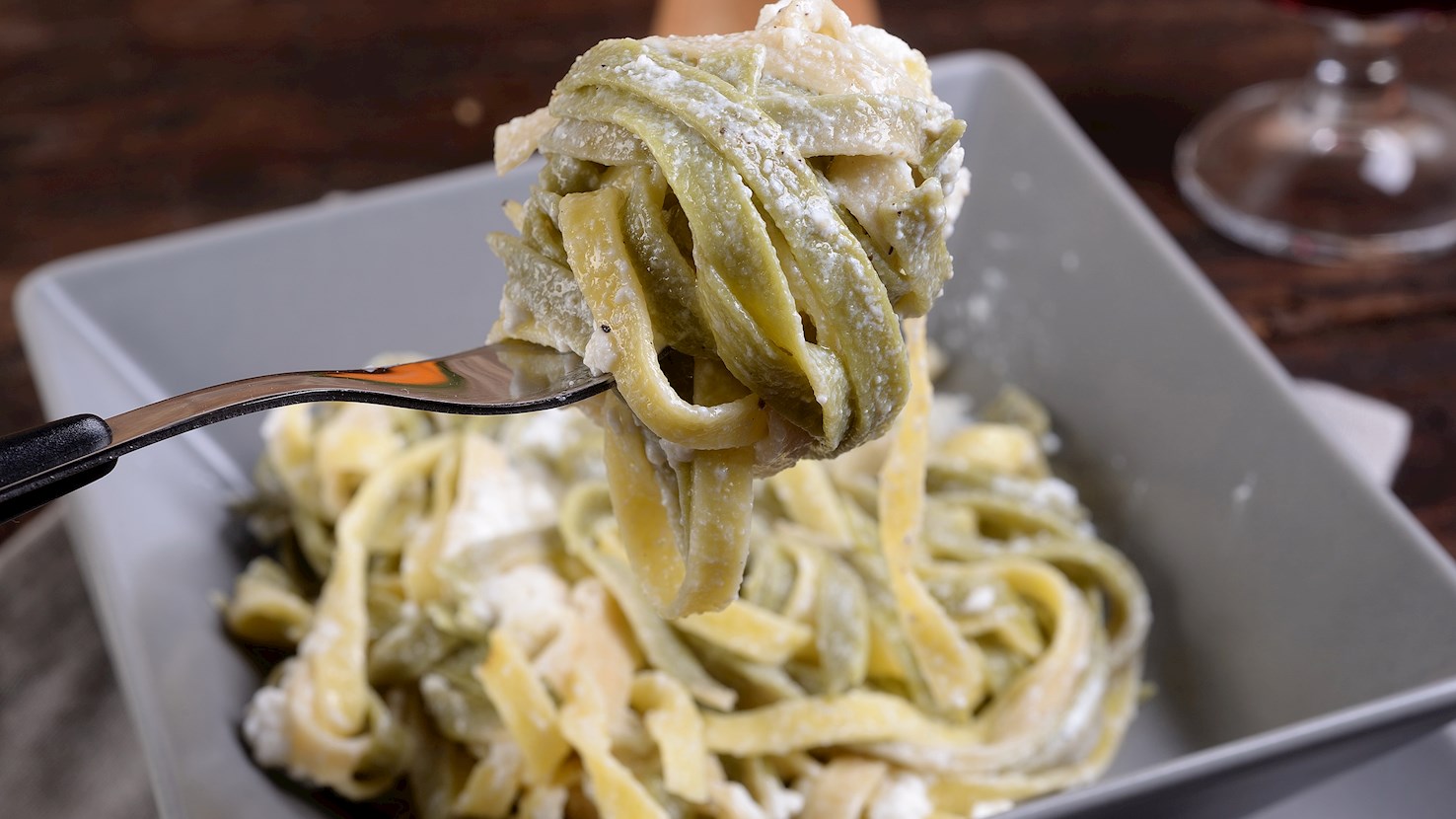
Paglia e fieno is a traditional dish originating from Siena. The name of the dish means straw and hay, referring to the green (spinach) pasta noodles as hay and the yellow (egg) pasta noodles as straw. It's best if the spinach and egg pasta is of the tagliatelle or taglierini (tajarin) varieties, combined with onions, prosciutto, peas, olive oil, and heavy cream. The pasta is tossed with the other ingredients, and the dish is usually finished with grated Parmigiano-Reggiano, ground pepper, and chopped parsley.

Best Tuscan food products
01
Chocolate Confectionery

Amedei

5 ·
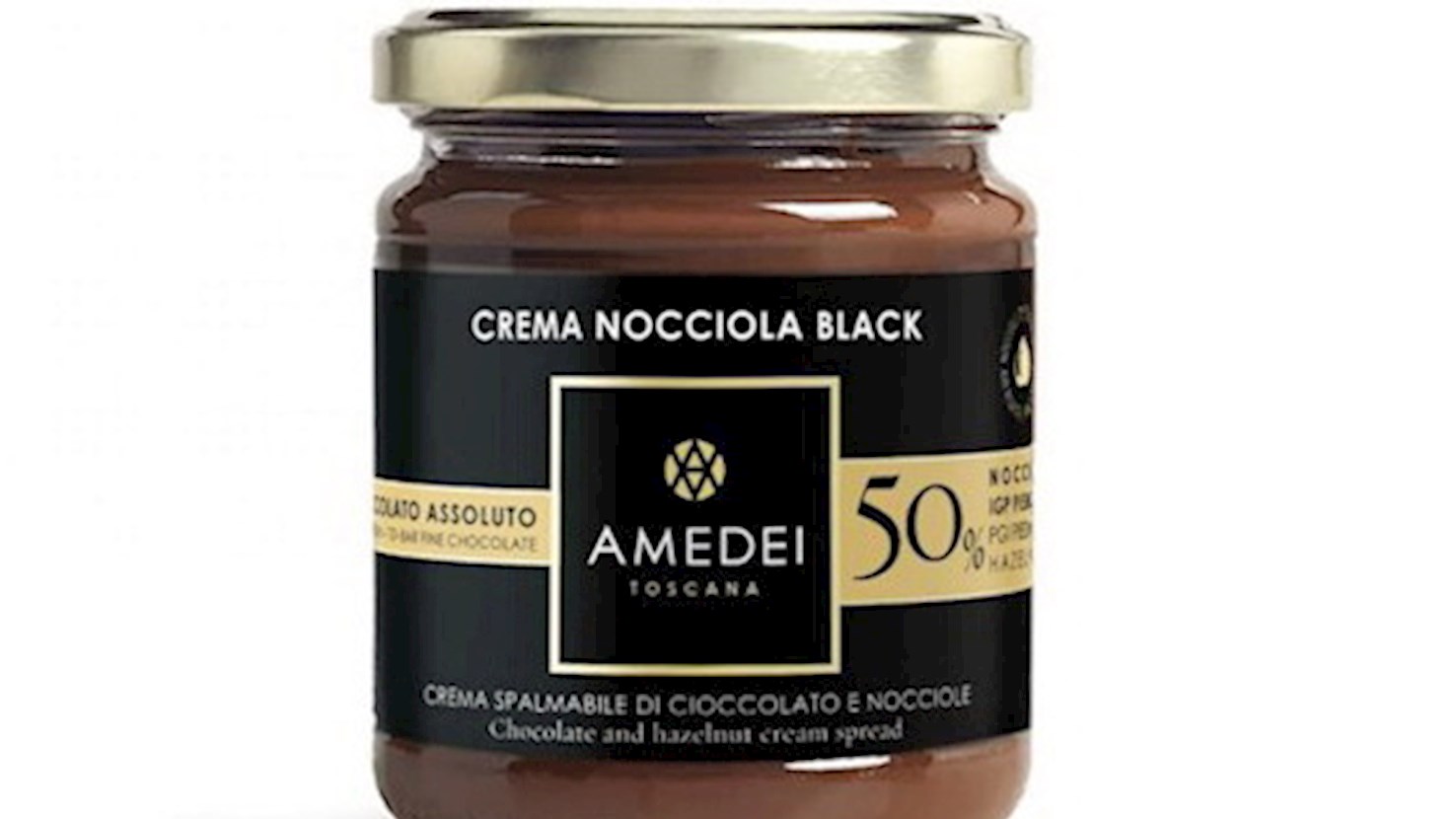
Amedei is a name synonymous with fine Italian chocolate, a celebration of craftsmanship, excellence, and passion. Founded in Tuscany, this prestigious chocolate house has earned global recognition for its unwavering commitment to quality, its meticulous bean-to-bar approach, and its dedication to sourcing the world’s rarest and most refined cacao varieties. Every step of production is carefully controlled—from selecting the cacao beans to crafting the final bar—ensuring full traceability and preserving the unique character of each origin. Amedei chocolates are renowned for their complex aromatic profiles, rich flavors, and perfectly balanced textures, offering a truly luxurious tasting experience. The brand has received numerous international awards and accolades, a testament to its artisanal philosophy and deep respect for tradition, nature, and innovation. Whether it’s their classic dark and milk chocolates or elegantly filled pralines, Amedei consistently delivers exceptional quality and refined elegance in every creation. More than just chocolate, Amedei represents a story of passion, expertise, and timeless sophistication captured in every bite.
Awards
Tavoletta D'Oro - The best in category (2024, 2023, 2021, 2020, 2019, 2018, 2017, 2016, 2015, 2014, 2013, 2012, 2011, 2010, 2009, 2007)
Tavoletta D'Oro - Premio del ventennale Award (2024, 2023)
02
Chocolate

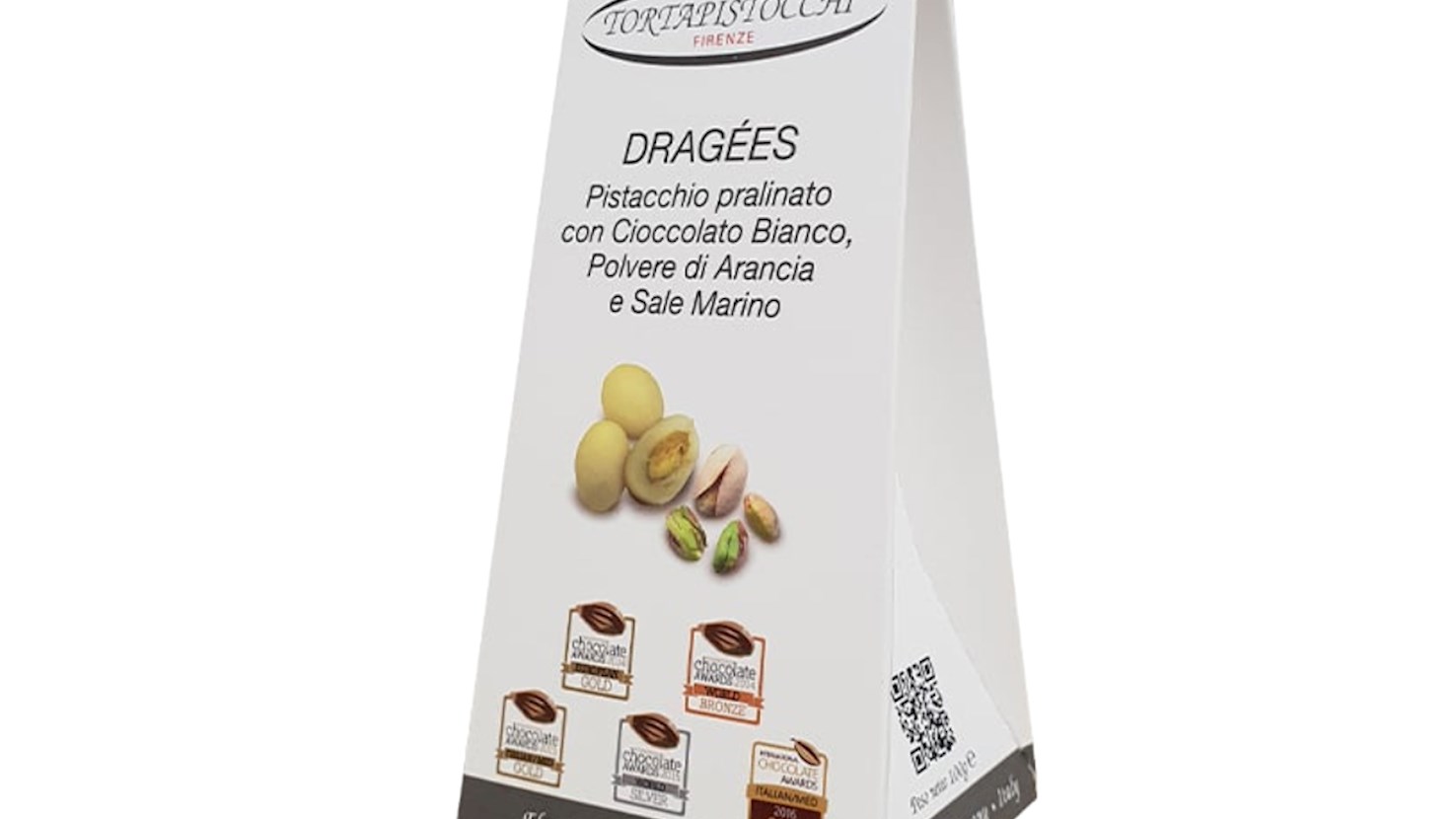
Torta Pistocchi Firenze

5 ·
Torta Pistocchi Firenze, based in Florence, Italy, started as a small cake shop in 1990. The company is known for its rich, artisan chocolate cakes, which are made using high-quality, simple ingredients without adding flour, butter, or eggs. One of their signature products is a dense, flourless chocolate cake made from a blend of dark chocolates. Torta Pistocchi has won several awards for its innovative approach to chocolate cake making.
Awards
International Chocolate Awards - Gold (2019, 2018, 2017, 2016)
International Chocolate Awards - Silver (2019, 2018, 2017, 2016, 2015)
03
Chocolate Confectionery

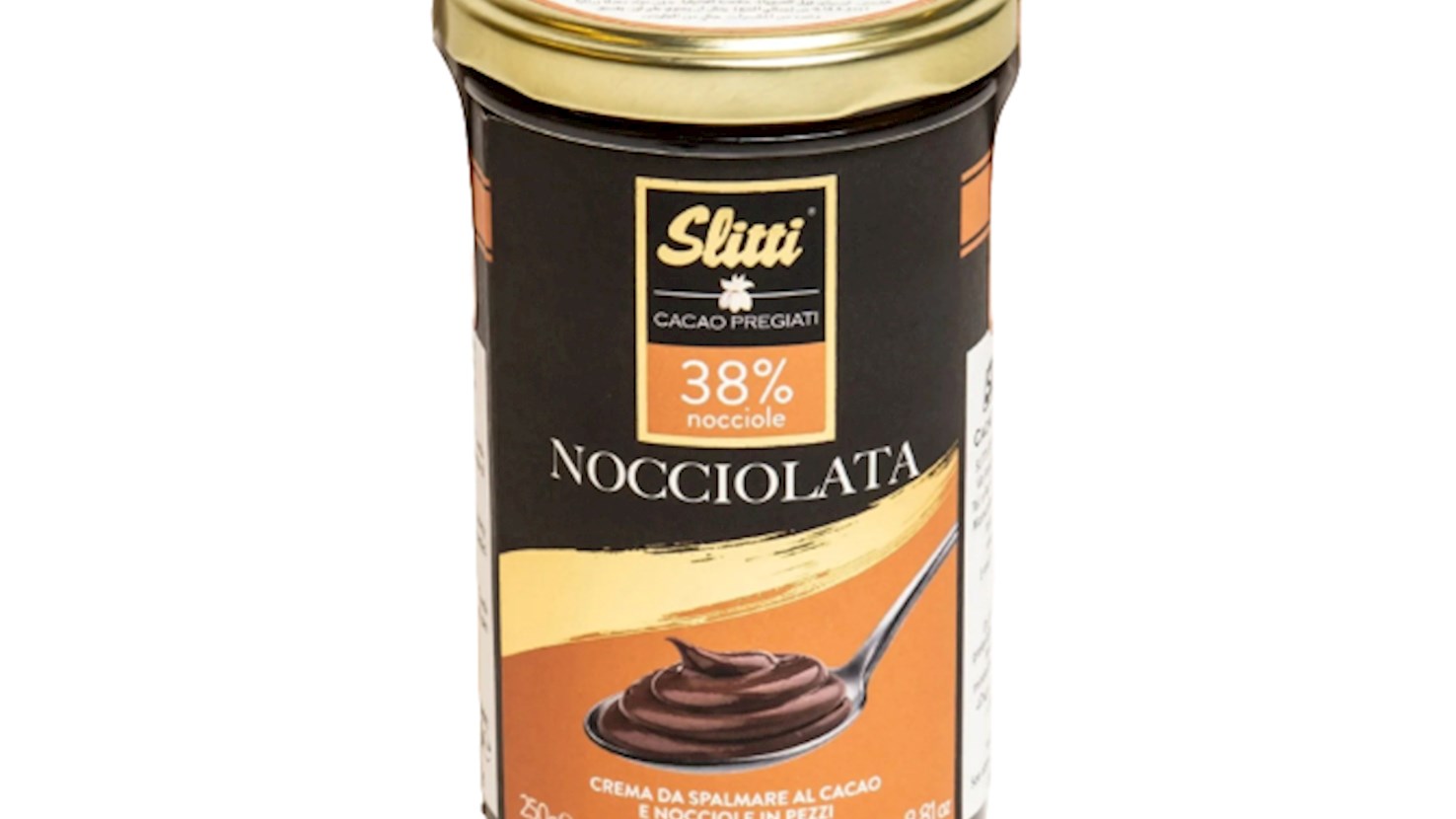
Slitti Chocolate

5 ·
Slitti Chocolate, based in Cintolese, Italy, has been a renowned name in artisanal chocolate making since its inception in 1969. Initially starting as a coffee roastery, the company expanded into chocolate production under the leadership of Andrea Slitti, who is known for his deep expertise and passion for both chocolate and coffee. Slitti Chocolate is celebrated globally for its high-quality products, having garnered over 180 international awards. The company prides itself on using fine cocoa beans sourced from the best growing regions around the world, which are then transformed into a wide range of chocolates including luxurious bars, creamy spreads, and artisan truffles.
Awards
Tavoletta D'Oro - The best in category (2024, 2023, 2022, 2021, 2020, 2019, 2018, 2017, 2016, 2015, 2014, 2013, 2012, 2011, 2010, 2009, 2006, 2005, 2004, 2002)
Tavoletta D'Oro - Premio del ventennale Award (2024, 2023)
04
Olive Oil

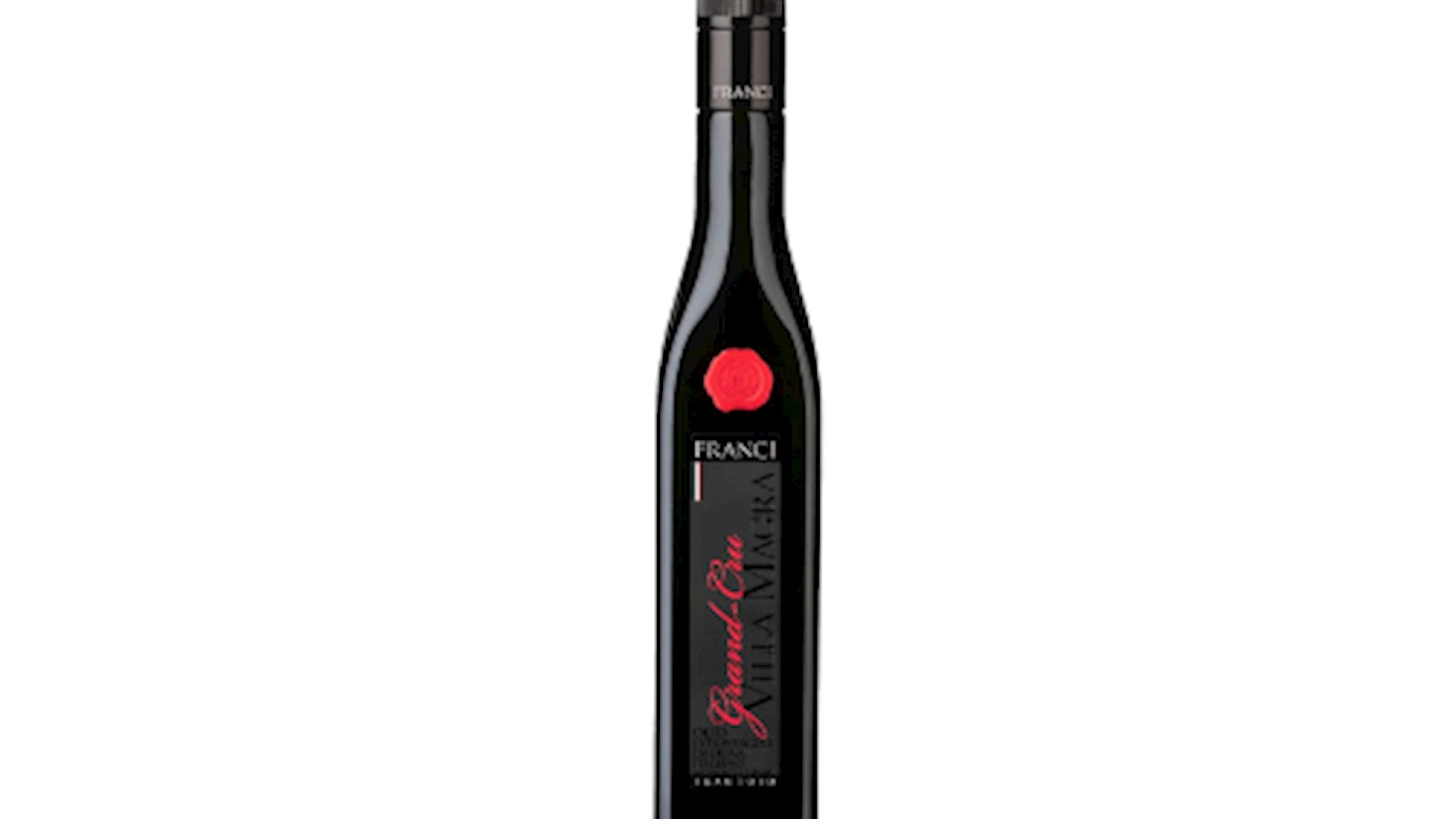
Frantoio Franci

5 ·
Frantoio Franci is a prestigious Italian producer of extra virgin olive oil, founded in Montenero d’Orcia, on the slopes of Mount Amiata in Tuscany. The Franci family purchased the Villa Magra olive grove and transformed an old barn into a mill, where they still produce some of the most highly regarded oils in Italy. They are known for their dedication to quality and traditional production, combining hand-picked olives with modern cold-pressing methods, preserving the aromas and nutritional values of the oil. Their production covers 65 hectares of olive groves, cultivating various varieties. Each variety contributes specific characteristics to the oil, ranging from fruity and grassy notes to mild bitterness and spiciness.
Awards
Flos Olei - Hall of Fame (2025)
Flos Olei - Hall of Fame (2024, 2023, 2022)
05
Wine

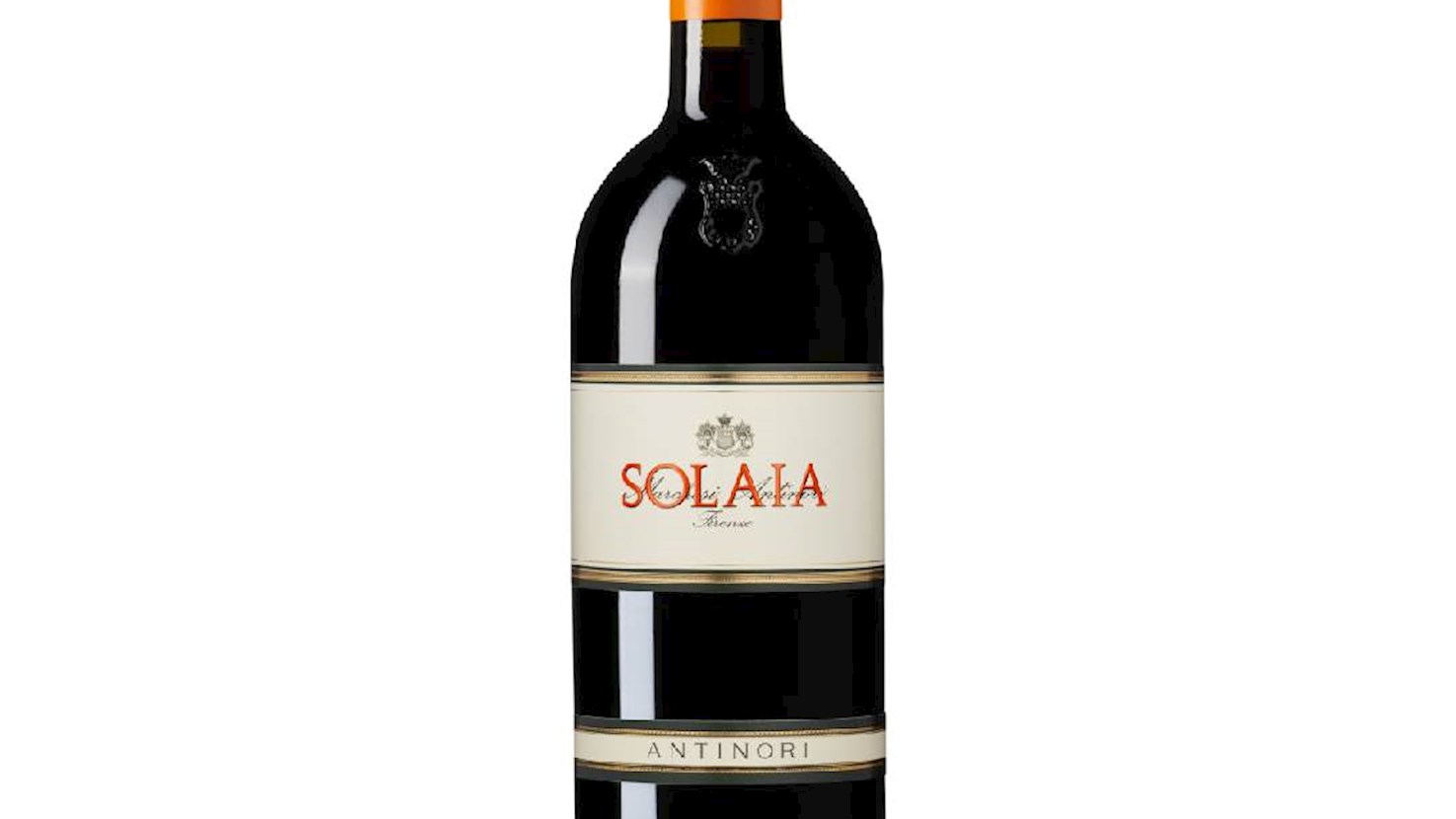
Marchesi Antinori

5 ·
Marchesi Antinori is an Italian winery headquartered in Florence, Tuscany, with a winemaking tradition dating back to 1385. Over 26 generations, the Antinori family has directly managed the winery, blending innovation with respect for tradition and environmental preservation. In 1928, Marchese Niccolò Antinori created Villa Antinori, which became the family's signature wine, representing the unique identity of Chianti Classico and Tuscany. In 2012, the family inaugurated the Antinori nel Chianti Classico winery in Bargino, symbolizing their bond to their ancestral land. This winery was constructed entirely with locally sourced materials, respecting the surrounding environment and the Tuscan landscape. Today, the Antinori family continues to explore new territories and grape varieties, maintaining their commitment to quality and tradition, making them one of the most esteemed wineries in Italy and the world.
Awards
James Suckling - 98 points (2024)
Wine Spectator - 95 (2023)
06
Wine

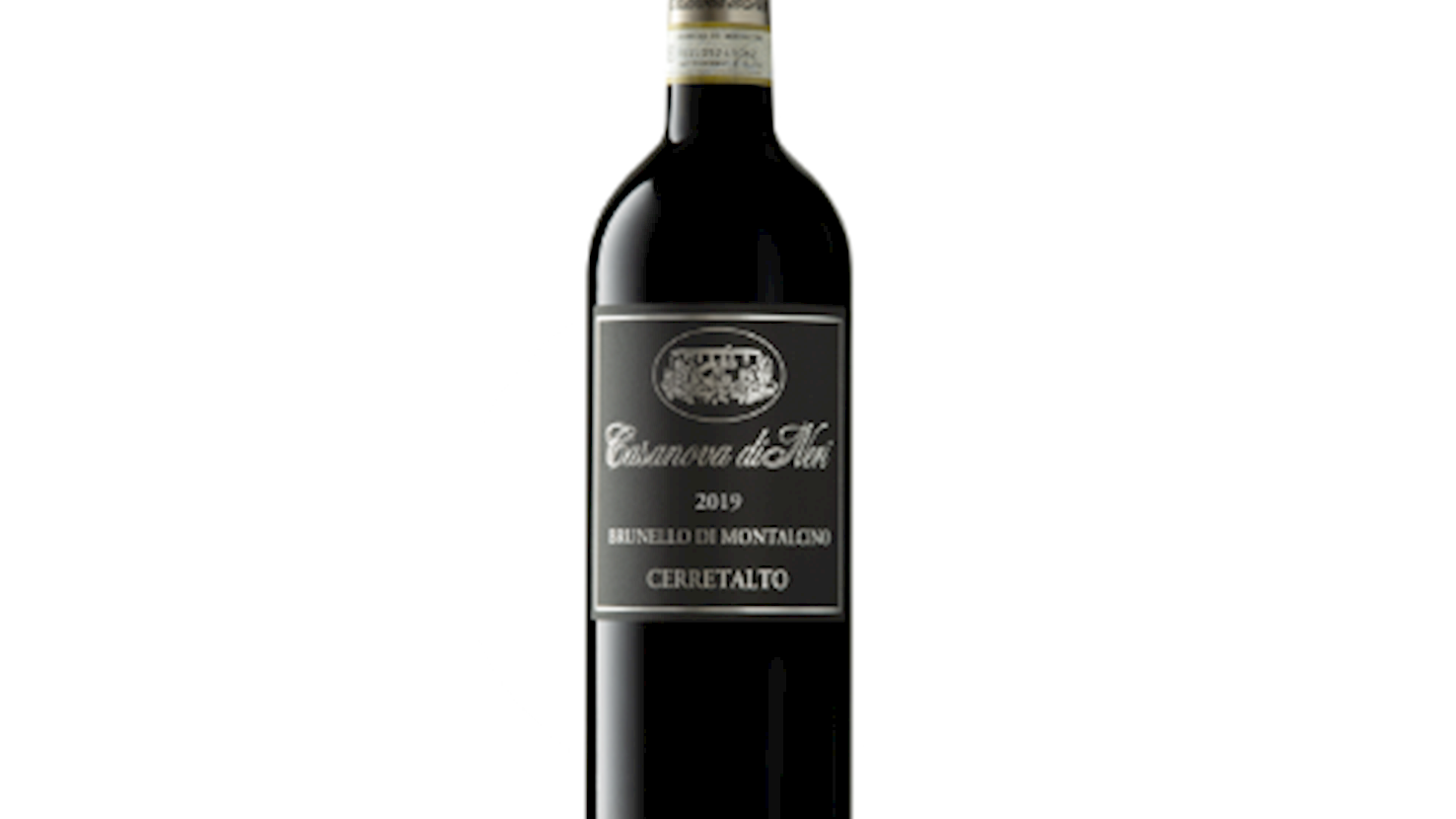
Casanova di Neri

5 ·
Casanova di Neri is a prestigious winery located in the Montalcino region of Tuscany, Italy, and is renowned for its outstanding Brunello di Montalcino wines. Founded in 1971 by Giovanni Neri, the estate has grown over the decades into one of the most acclaimed producers in the area, celebrated for its dedication to quality and terroir expression. Now under the guidance of Giacomo Neri, the winery combines traditional practices with innovative techniques to craft wines that reflect both the richness of the land and the unique character of each vintage.
Awards
Falstaff - 100
Falstaff - 99
07
Wine

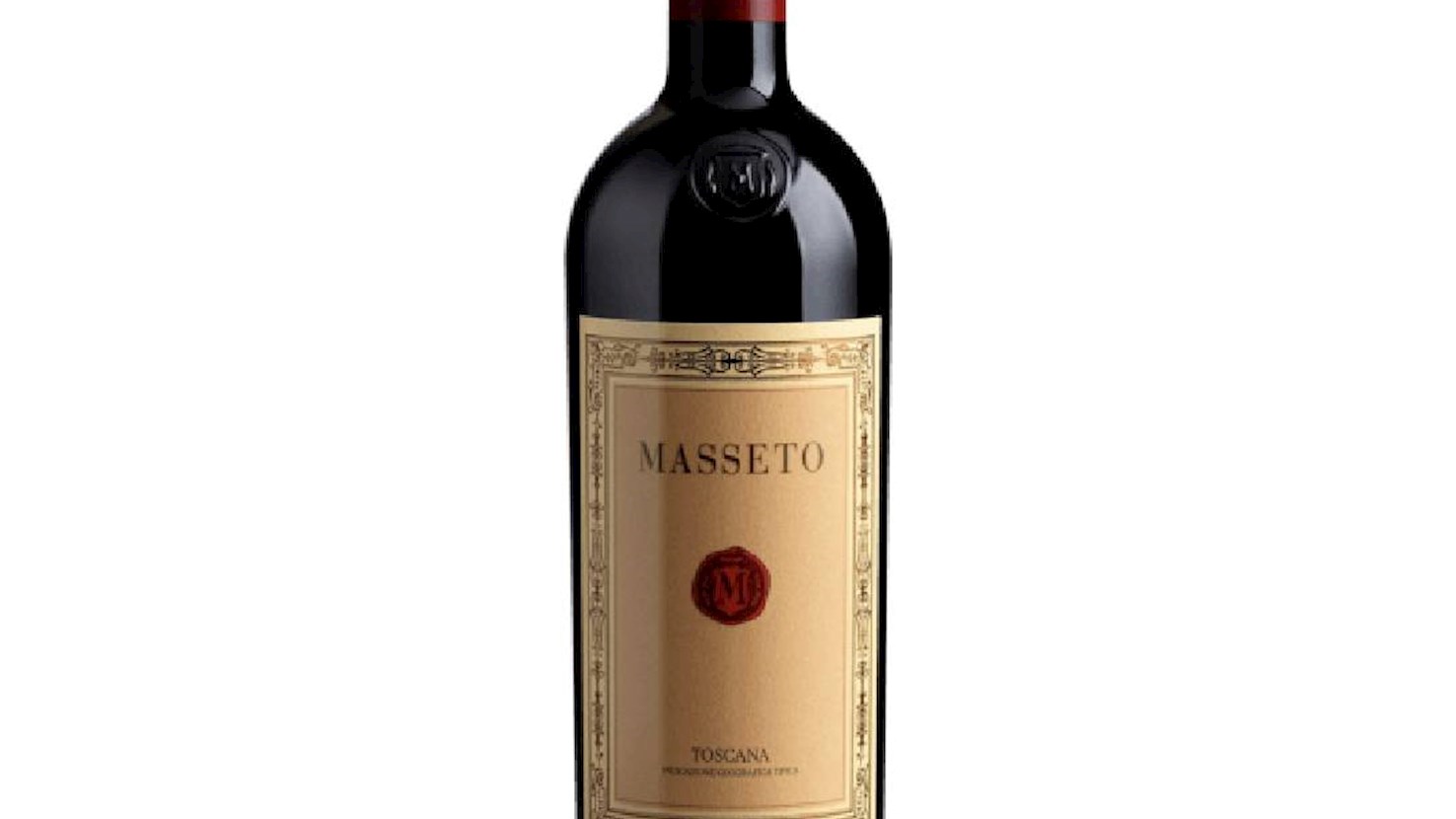
Masseto

5 ·
Masseto is a legendary Tuscan wine and one of the most esteemed Merlots in the world, celebrated for its exceptional elegance, depth, and refinement. It comes from a small vineyard in Bolgheri, where rare blue-gray clay soils give the wine its distinctive structure, minerality, and character. Each parcel is vinified separately before being carefully blended to achieve a perfect balance of power and finesse. In the glass, it reveals rich aromas of plum, blackberry, and blueberry, intertwined with notes of chocolate, coffee, and fine spices. On the palate, it is full and velvety, with silky tannins and a long, elegant finish that leaves a lasting impression. Produced in limited quantities, Masseto carries a sense of exclusivity, making it a true jewel for any collection.
Awards
Falstaff - 100
Falstaff - 99
08
Wine

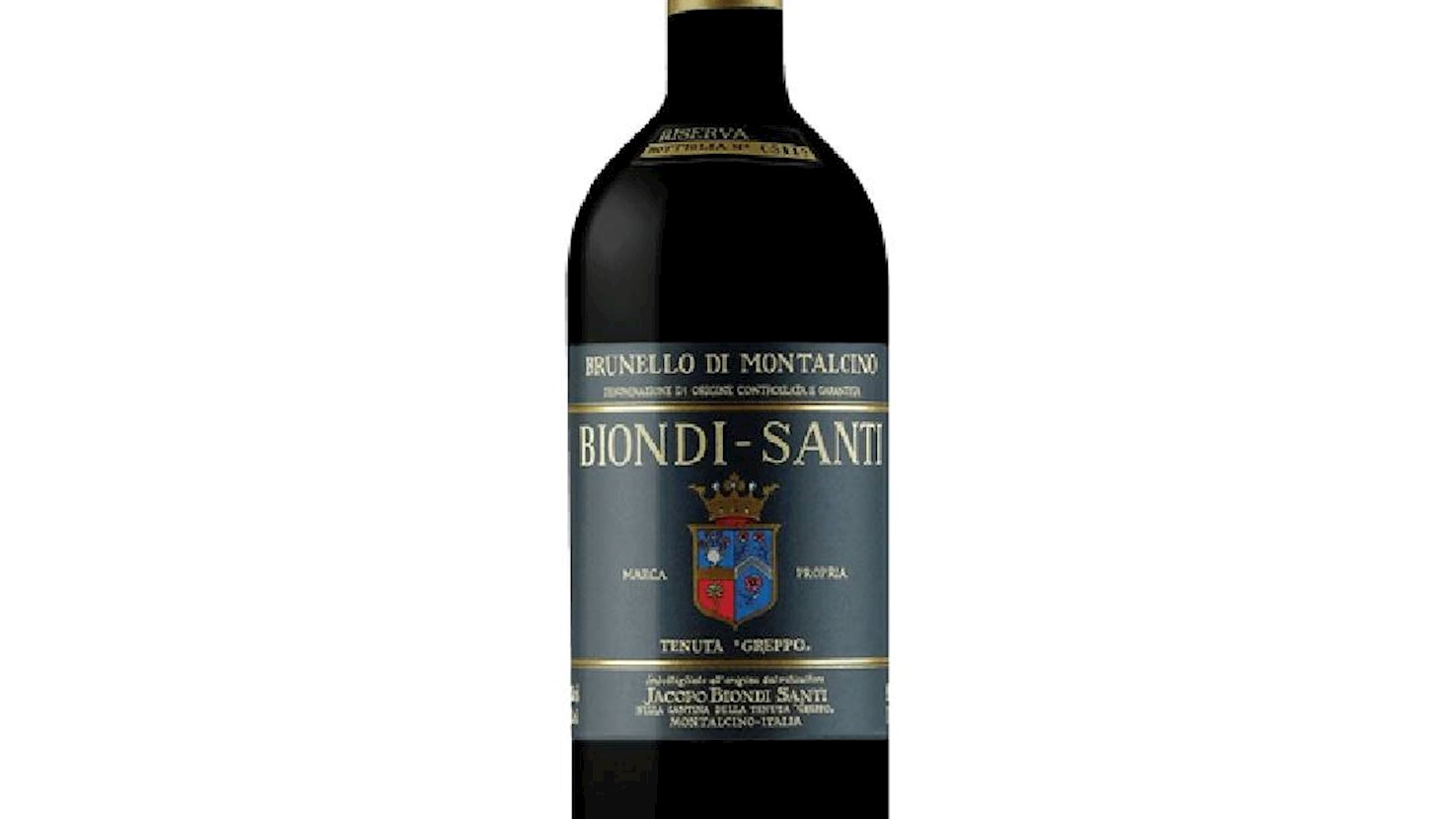
Biondi Santi Tenuta Greppo

5 ·
Biondi-Santi Winery, nestled in the heart of Tuscany, is rightfully known as the “creator of Brunello di Montalcino”. The family’s legendary journey began in the mid-19th century, when Clemente Santi isolated the local Sangiovese grape and pioneered extended aging. His grandson, Ferruccio Biondi-Santi, elevated the winery’s prestige and defined its style - powerful yet elegant, built for remarkable longevity. The estate is rooted in tradition, cultivating its own grape clone (BBS11) and favoring old Slavonian casks for a gentle, authentic fermentation. Their iconic Brunello Riserva, first produced in 1888, is regarded as one of the earliest modern Brunellos, with each new vintage regarded as a rare and celebrated event. Biondi-Santi remains a symbol of excellence and consistency, with each bottle embodying cultural heritage, minimalist craft, and the refined winemaking legacy of Tuscany.
Awards
Falstaff - 100
Falstaff - 99
09
Wine

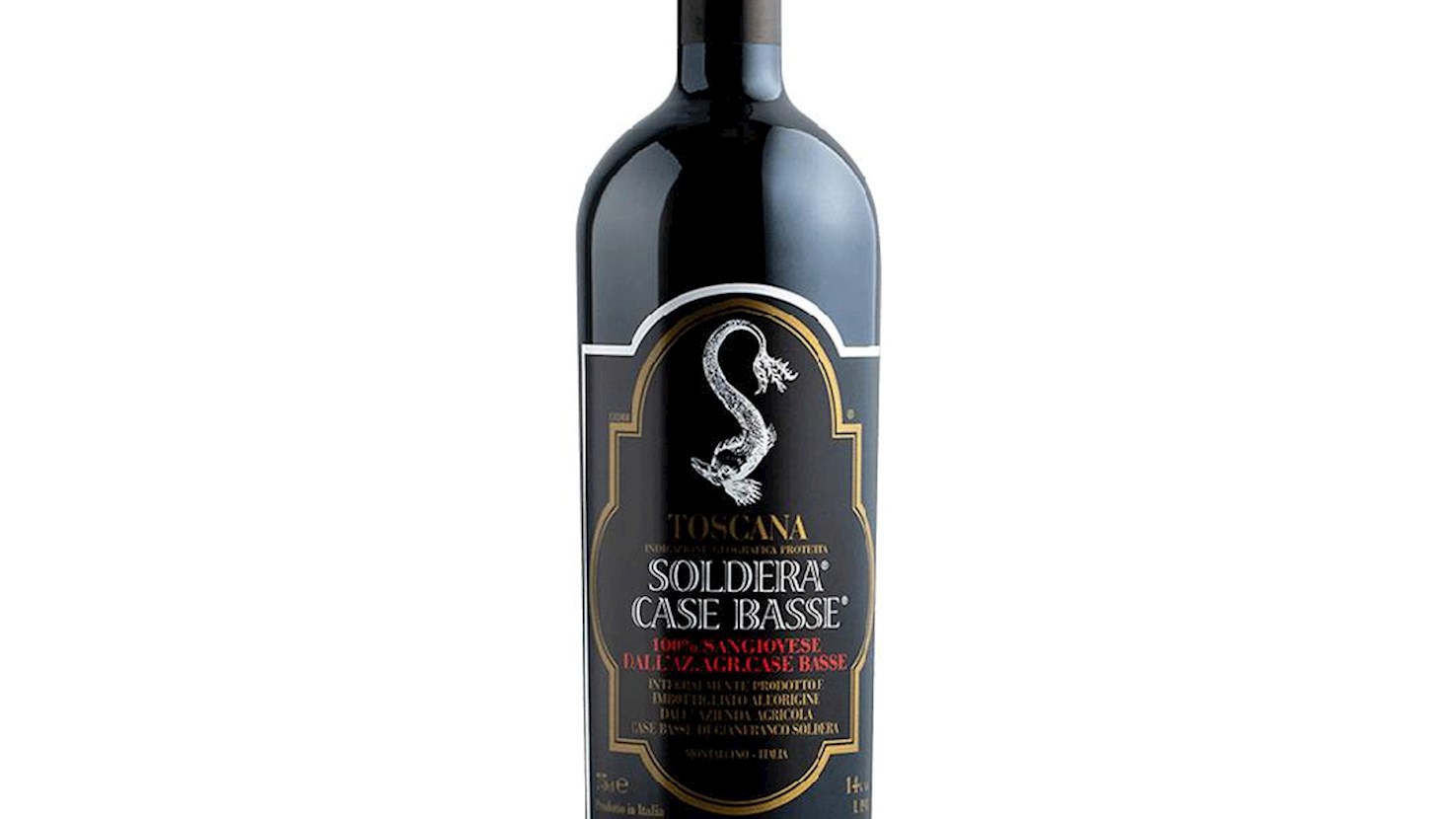
Soldera

5 ·
Case Basse di Gianfranco Soldera is one of Italy’s most esteemed wine estates, founded in 1972 in the heart of Montalcino by Gianfranco and Graziella Soldera. What began as an abandoned plot of land was transformed into a family-run estate dedicated to producing authentic, natural wines of exceptional quality. From the very beginning, Soldera embraced a philosophy of minimal intervention and deep respect for nature. No chemicals, selected yeasts, or artificial additives are used—only traditional methods that allow the Sangiovese grape and the terroir to fully express themselves. Fermentation takes place spontaneously in large oak vats, followed by long aging periods that bring depth, purity, and character to the wines.
Awards
Vivino - 4.7
Vivino - 4.8
10
Olive Oil

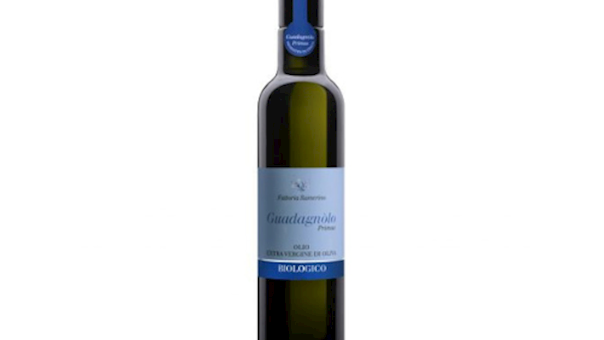
Fattoria di Fubbiano
5 ·
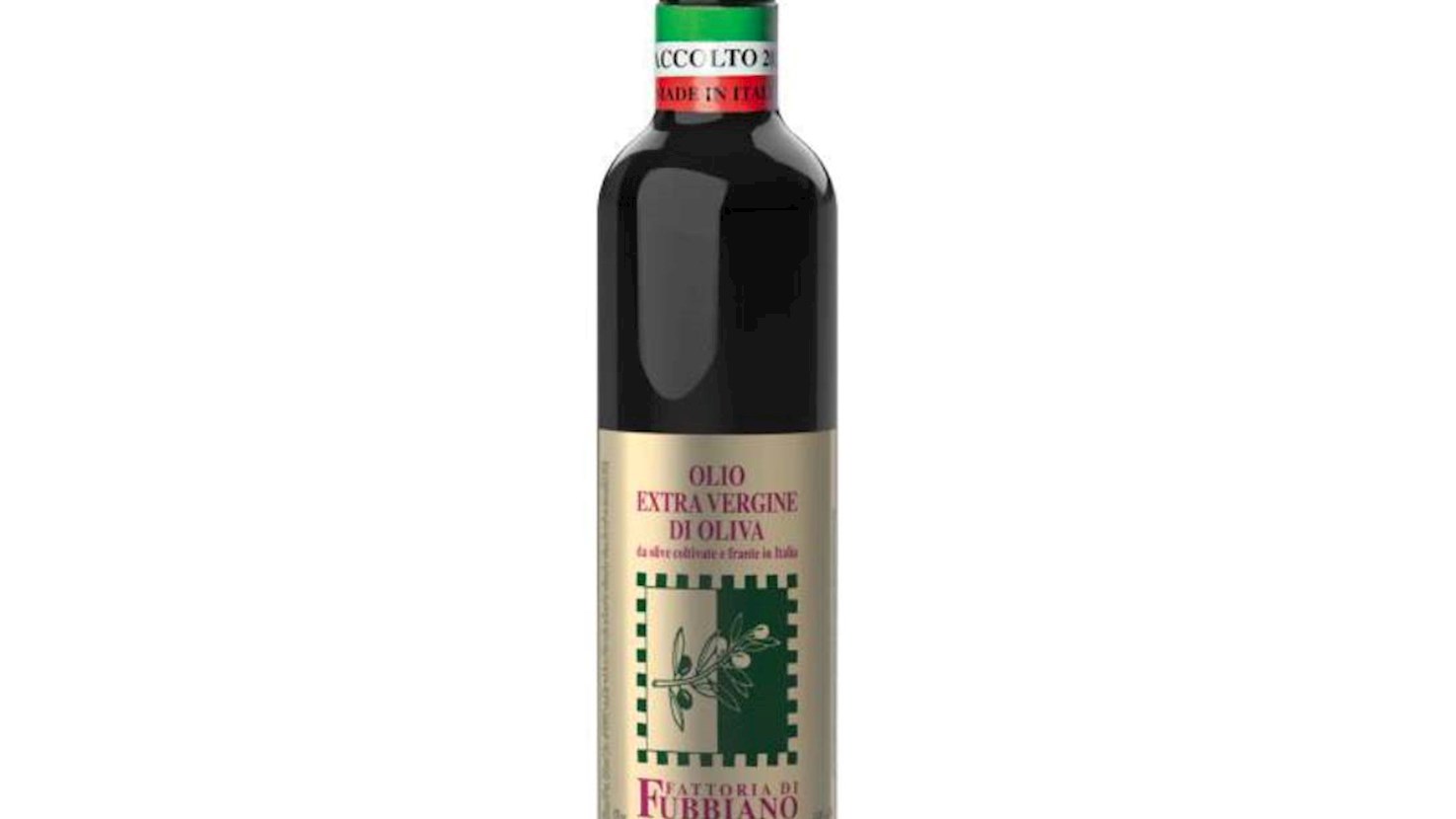
Fattoria di Fubbiano is a historic Tuscan estate located in the rolling hills of Capannori, near Lucca, where centuries of tradition meet a deep respect for nature. Surrounded by vineyards, olive groves, and woodlands, the estate has long been dedicated to producing fine wines and extra virgin olive oil, crafted with care and authenticity. The restored 17th-century villa and rural buildings preserve the timeless charm of Luccan architecture, while modern facilities blend seamlessly into the landscape. Guided by sustainable farming principles, Fubbiano relies on natural cultivation methods, avoiding chemicals and preserving the rich biodiversity of the land. Visitors are welcomed to discover the estate through guided tours, tastings, and warm hospitality, experiencing the flavors of Tuscany in an authentic setting. Beyond winemaking and olive oil production, Fattoria di Fubbiano also serves as a place for gatherings, weddings, and celebrations, offering panoramic views and a unique atmosphere that reflects the essence of the Tuscan countryside.
Awards
Flos Olei - Hall of Fame (2025)
Flos Olei - The Best (2025)
Read more
View all
View map
About this ranking

TasteAtlas food rankings are based on the ratings of the TasteAtlas audience, with a series of mechanisms that recognize real users and that ignore bot, nationalist or local patriotic ratings, and give additional value to the ratings of users that the system recognizes as knowledgeable. For the “Top 100 Tuscan Foods” list until June 07, 2026, 2,984 ratings were recorded, of which 2,283 were recognized by the system as legitimate. TasteAtlas Rankings should not be seen as the final global conclusion about food. Their purpose is to promote excellent local foods, instill pride in traditional dishes, and arouse curiosity about dishes you haven’t tried.

The initial list of top producers was compiled based on available reviews, awards, local recommendations, media and blog coverage, and consumer reviews. The list will be updated with ratings from TasteAtlas local ambassadors and TasteAtlas users.

Similar lists