Top 33 Belgian Beer Styles

Last updated on July 22, 2026

Best Belgian Beer Style Types

01

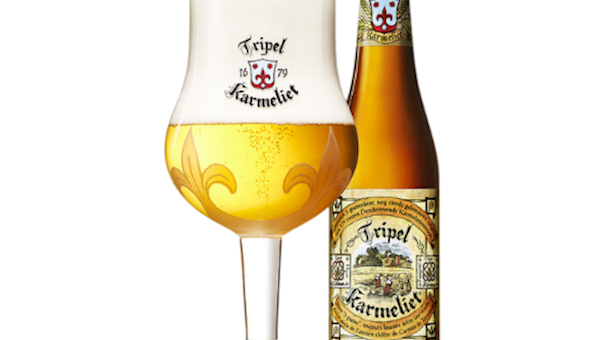
Tripel

4.2 ·

Belgian-style tripel is an approachable and easy-drinking beer style with high carbonation and complex flavors. They traditionally have high alcohol content, falling between a 7 to 10% ABV range, and are often classified as very strong ales. These yellow-golden beers typically have a distinctive spicy, fruity, and subtly sweet malt character. Their yeast character varies, but it often includes banana or clove-like aromas. First tripels were produced as abbey beers, while the Westmalle Tripel is widely considered as the prototype. It was first brewed in 1934, and in 1956 it gained its current form, which has not changed since. Though strong, tripels are light, approachable, and pair well with various dishes. They work well with rich seafood dishes, including shellfish and lobsters, but they can also match creamy sauces, desserts, and washed-rind cheese.

02

Lambic

4.1 ·

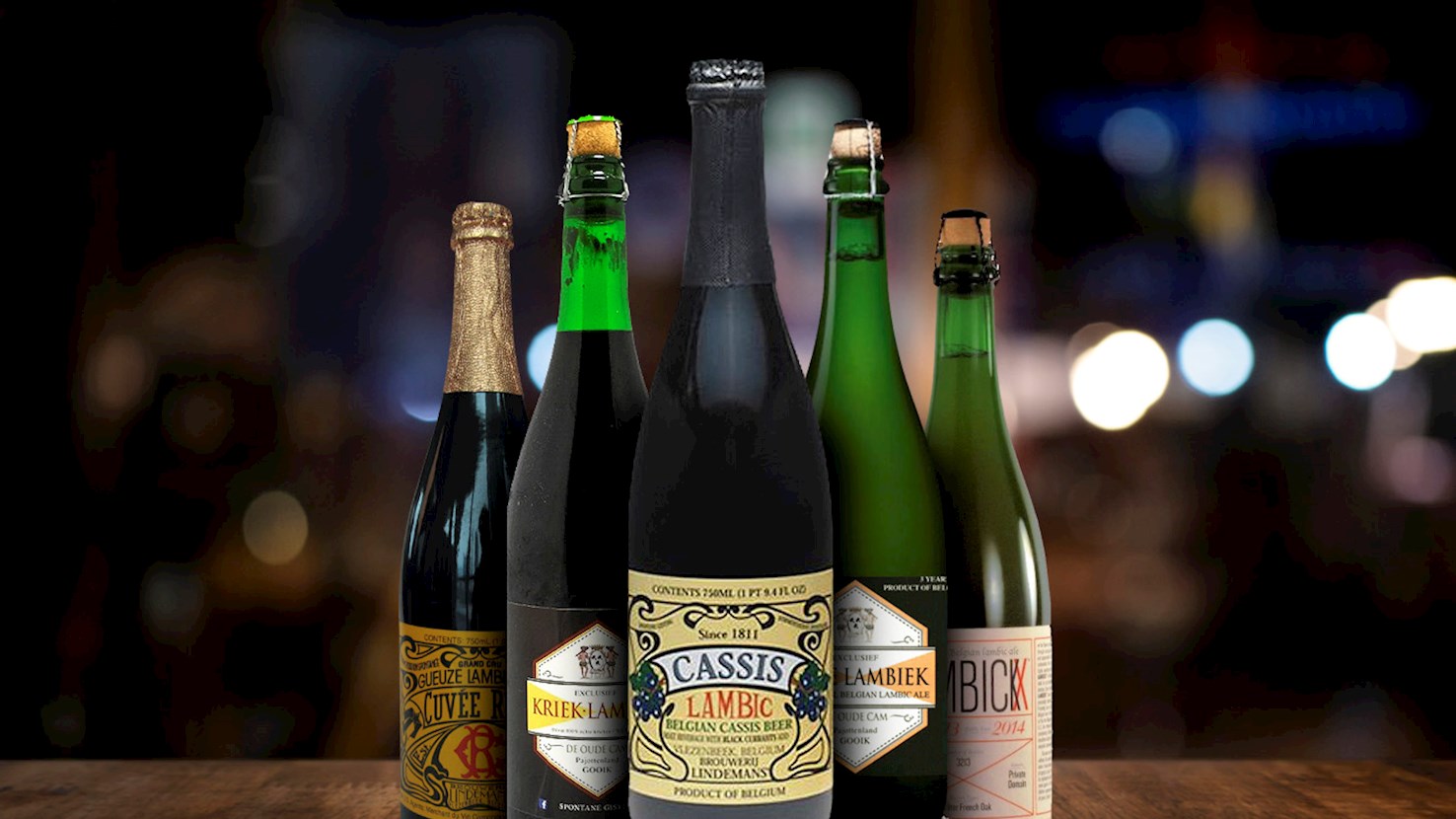
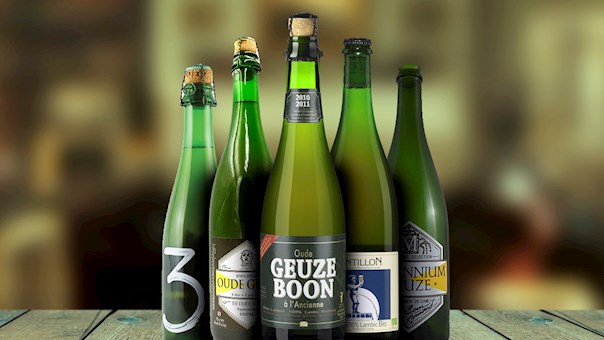
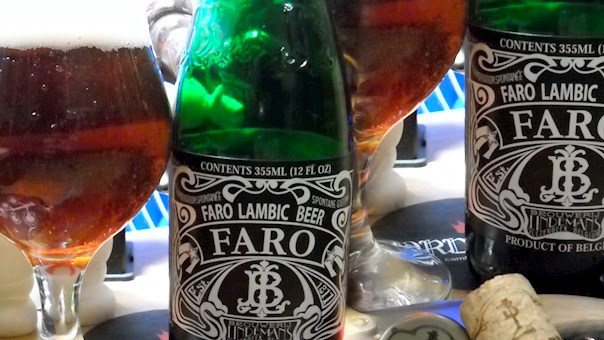
Lambic is a traditional beer style that has its roots in Brussels and the region of Pajottenland. This style must be made with a minimum of 30% wheat, and the wort is always spontaneously fermented with local and naturally occurring wild yeasts. Because of different local microorganisms, these beers always have a unique and frequently unpredictable character. Due to its wild nature, many batches of lambic are sometimes blended, a style known as gueuze or geuze, to produce a more palatable version. Although it is difficult to pinpoint the exact characteristics of lambic beers, the unblended young varieties are usually pale with a characteristic red sheen, while more mature versions will usually have red to light purple color. These beers are always complex, and they often have a distinctive sour backbone, which will mellow as the beer ages. Most styles will display fruity aromas and flavors, with subtle malt character, dry finish, and little hop bitterness. Lambic beers are mostly enjoyed young and uncarbonated, and they will usually be served on tap. They pair well with seafood, especially mussels or oysters, and poultry.

03

Dubbel

4.1 ·

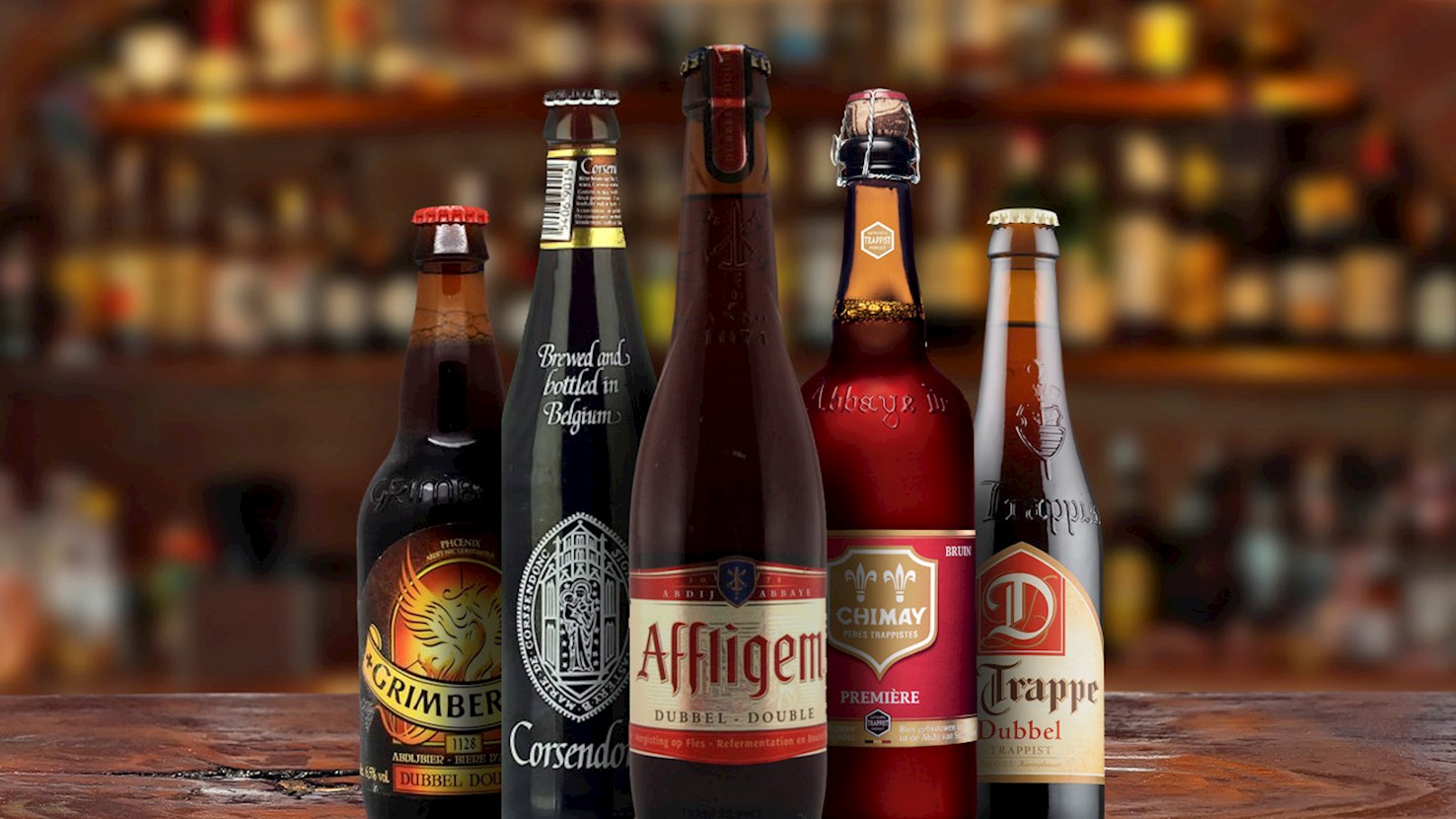
Dubbel is a rich and well-balanced Trappist beer that originated in Belgium and whose modern version is often associated with Henrik Verlinden who created the prototype at Westmalle brewery in 1926. This version was named Dubbel Bruin, and soon after its invention, the style was copied in many Belgian breweries. Unlike other brown beers, typical Belgian dubbel will get its flavor from candi sugar—a thick and dark caramelized syrup that is added to the wort. These beers typically range from amber to copper, and they will usually have complex aromas and flavors reminiscent of toffee, raisins, malt, and dark fruit. Their finish is typically dry, while some may display subtle sweetness. Most are bottle conditioned—fermented in the bottle—and are usually not crystal clear. Although they are typically quite potent, with at least 6.5% alcohol by volume, the alcohol is not evident or discernible on the palate. Dubbel beers are an excellent accompaniment to wash-rind or Alpine cheese varieties, but they are also a good match to dark chocolate, barbecued or roasted meat, rich meat stews, and sausages.

04

Belgian blond ale

4.0 ·

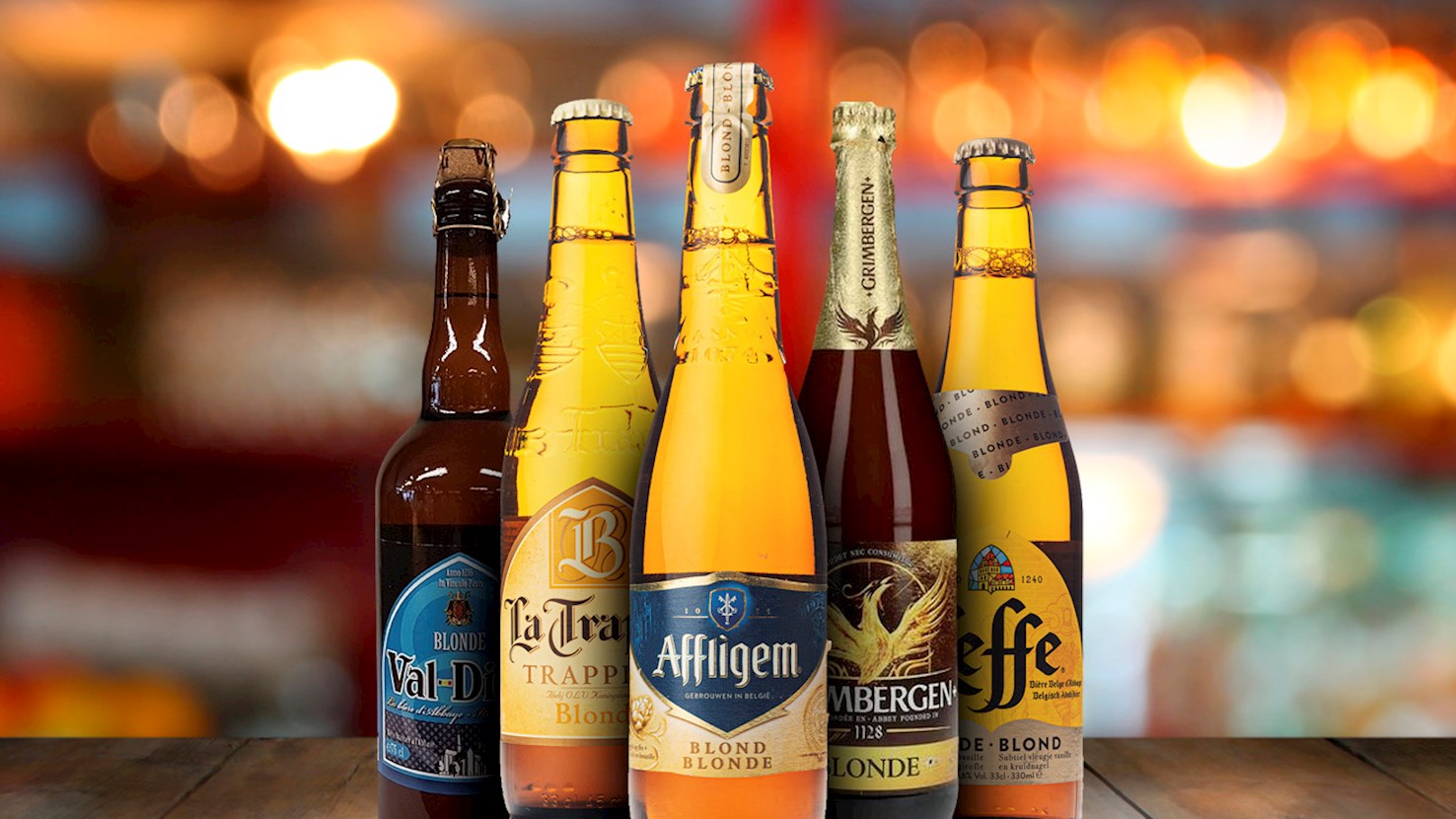
Belgian blond ale is a beer style with vague boundaries that probably emerged as a response to popular European pilsners. The examples of the style are typically golden-colored and medium-bodied with moderate strength that varies between 6 to 7.5% ABV. They usually have a subtly sweet malt character accompanied by hop aromas and flavors that are generally light, earthy, and spicy. Their yeast character is soft, often having fruity-ester qualities. With a dry finish and tendency for higher carbonation, they attain a somewhat creamy mouthfeel. These beers match bold and spicy dishes, including Mexican, Indian, and Thai cuisine. They can also work well with seafood, chicken, pasta dishes, and bloomy rind cheese. The most popular representative of the style is Leffe Blond. Blond ales share similar characteristics to golden strong ales and tripel styles.

05

Fruit lambic

4.0 ·

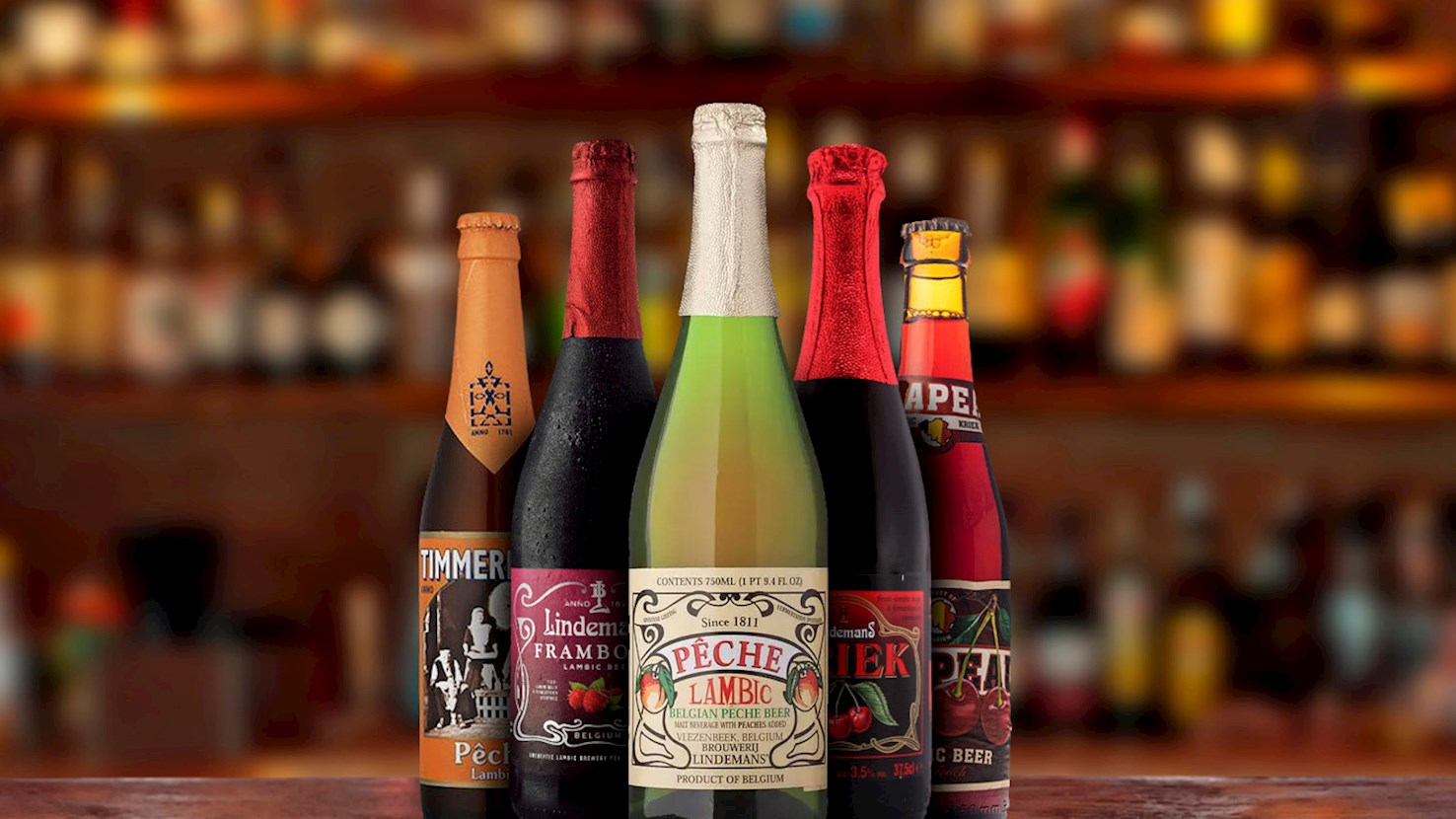
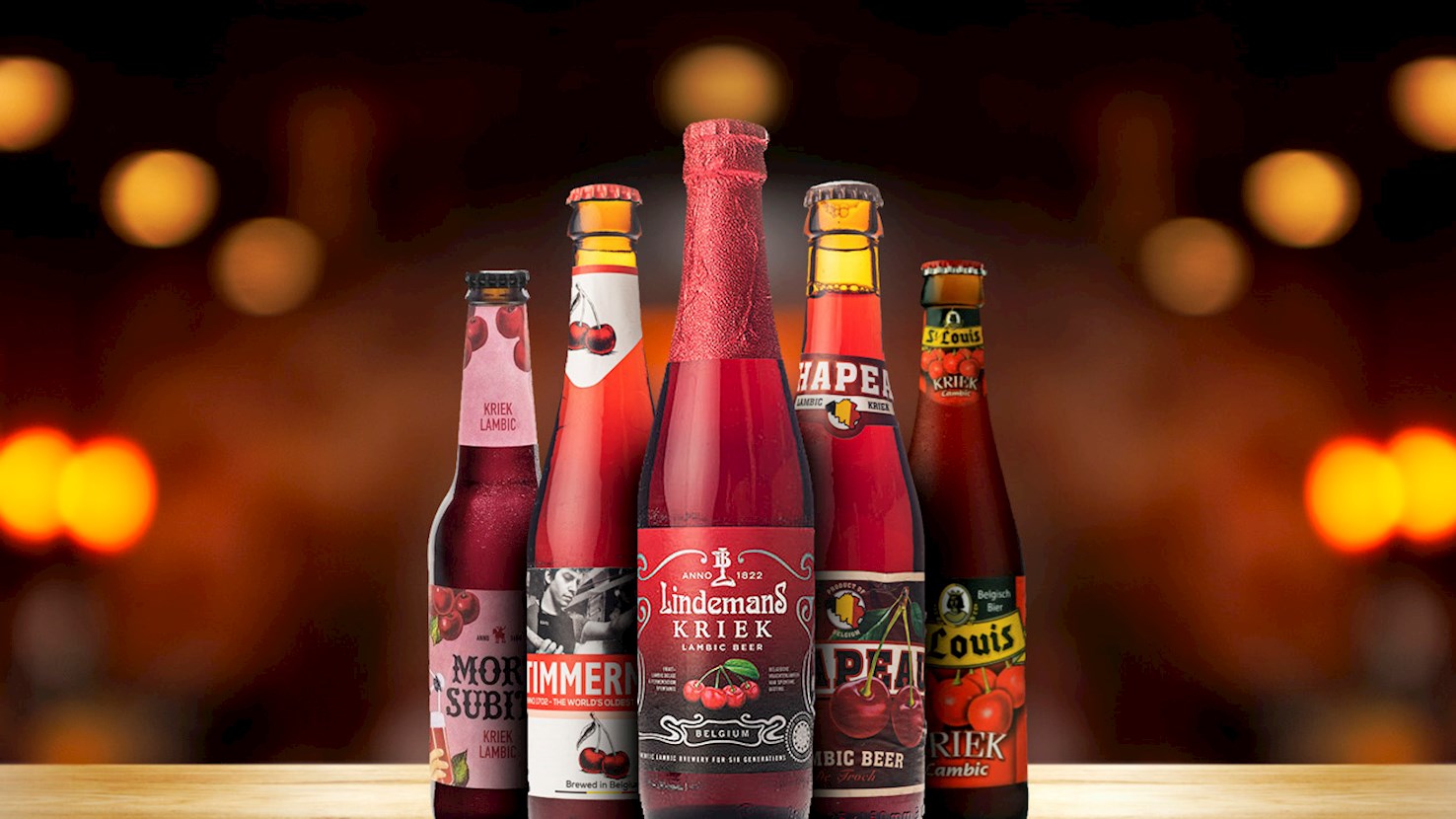
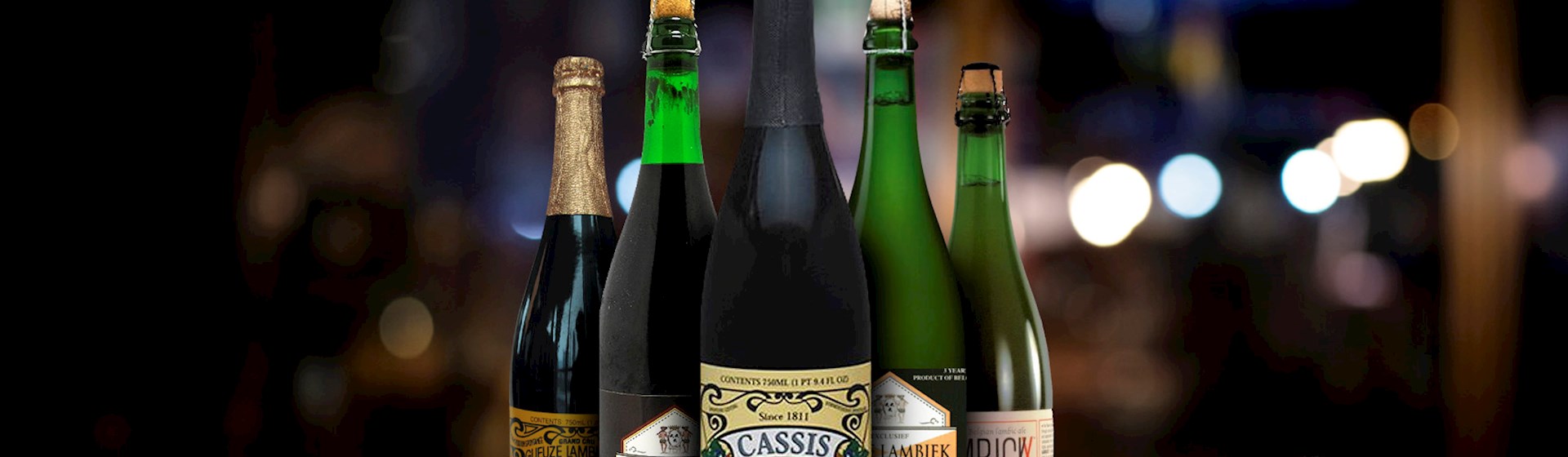
This Belgian beer style falls in the category of lambics—traditional beers made with spontaneous fermentation. As evident from the name, fruit lambics are made with the addition of fruit. Traditional and the most popular version is the cherry-flavored kriek. However, several other varieties are also produced, including peach-flavored pêche, raspberry framboise, black currant cassis, and several other variations. Fruit lambics are made with aged lambics in which the whole fruit is then added and macerated before the base is filtered and bottled. During maturation, lambics will usually become drier and sourer. These beers can significantly vary in appearance, flavor, and aromas—depending on the type of fruit that is used. However, they are usually crisp and refreshing, and they mostly have a distinctive sour character that is balanced with subtle sweetness from the fruits.

06

Kriek lambic

4.0 ·

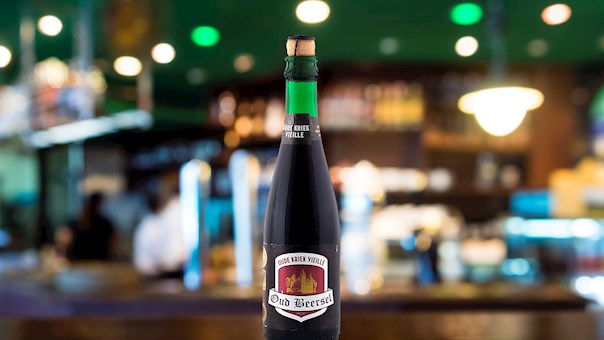
Traditionally produced in Brussels and Pajottenland, these fruit beers are made with the addition of cherries. Initially, they were made with Schaarbeekse cherries, but nowadays, other Morello cherries may be used as well. Whole, macerated, or crushed cherries (including the pits) are added to aged lambics, and the beer then continues maturation. It typically undergoes the second fermentation in the bottle. Like other types of lambic beers, kriek is also spontaneously fermented. Kriek Llambics may differ in character, but they are usually refreshing and crisp, with a typical dry and tart finish. They will generally have a sour profile that is balanced with the sweetness from the cherries. It should be noted that several less authentic varieties exist which add cherry juice, cherry essence, or cherry syrup to filtered lambics. Apart from lambics, kriek beers can also be made with oud bruin and Flemish red ales.

07

Witbier

3.9 ·

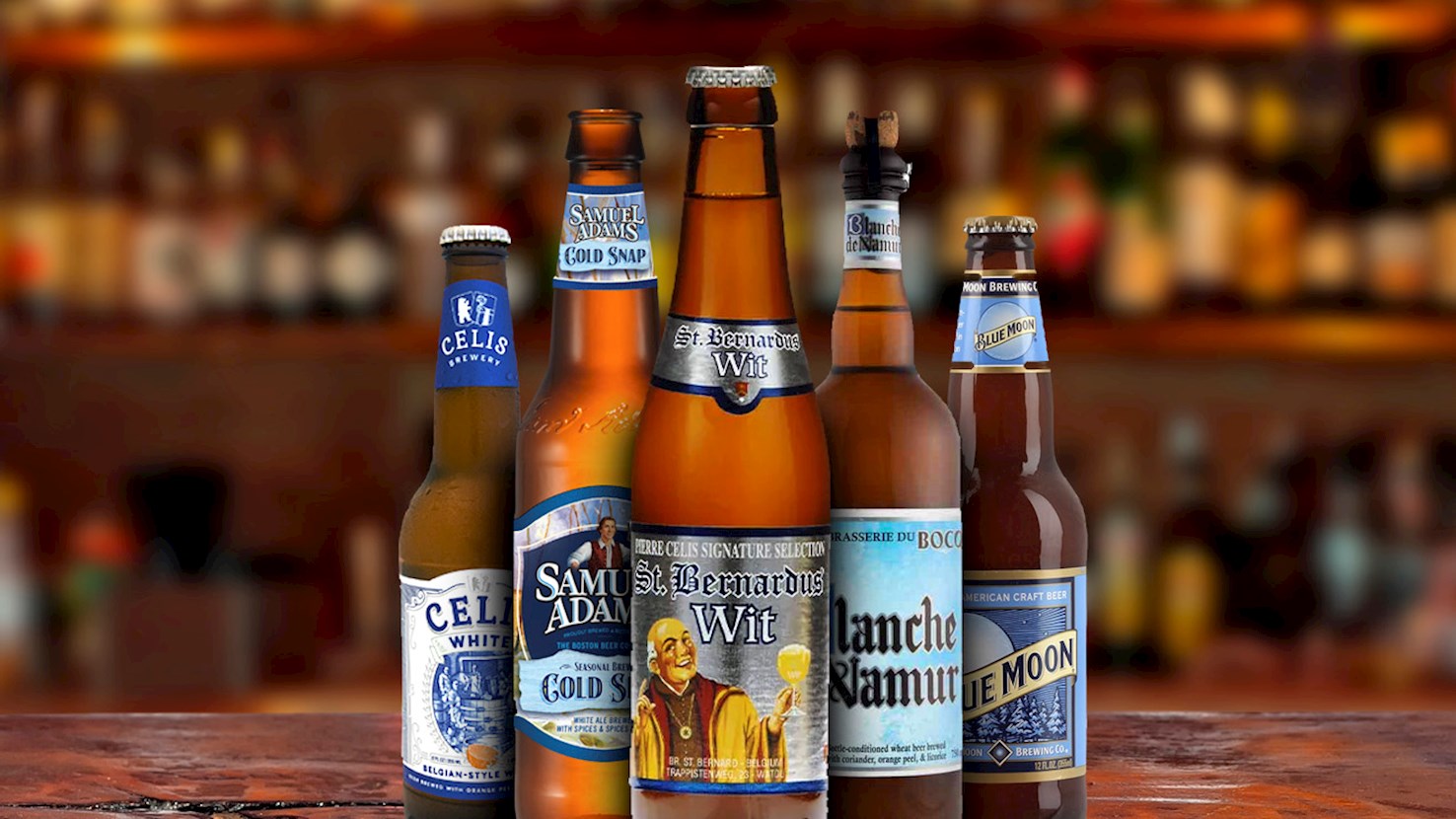
Witbier is a traditional wheat beer style that has ancient origins, but which was only revived in the 1960s by Pierre Celis from Hoegaarden. This beer is usually brewed with unmalted wheat, and it is traditionally unfiltered. Most varieties are spiced with coriander and citrus zest, typically orange peel, though the addition of other spice blends and aromatics is not uncommon. The beers are usually pale, cloudy, smooth, refreshing, clean, and crisp. They have typical malt sweetness and a little to none hop character. The aromas include a layered combination of herbs, spices, and subtle fruity nuances. Witbier pairs well with salads, seafood, egg-based dishes, dry pastries, citrus-based desserts, and sheep or goat cheese. Typical ABV range for witbier is from 4.5 to 5.5% ABV.

08

Flanders Red

3.9 ·

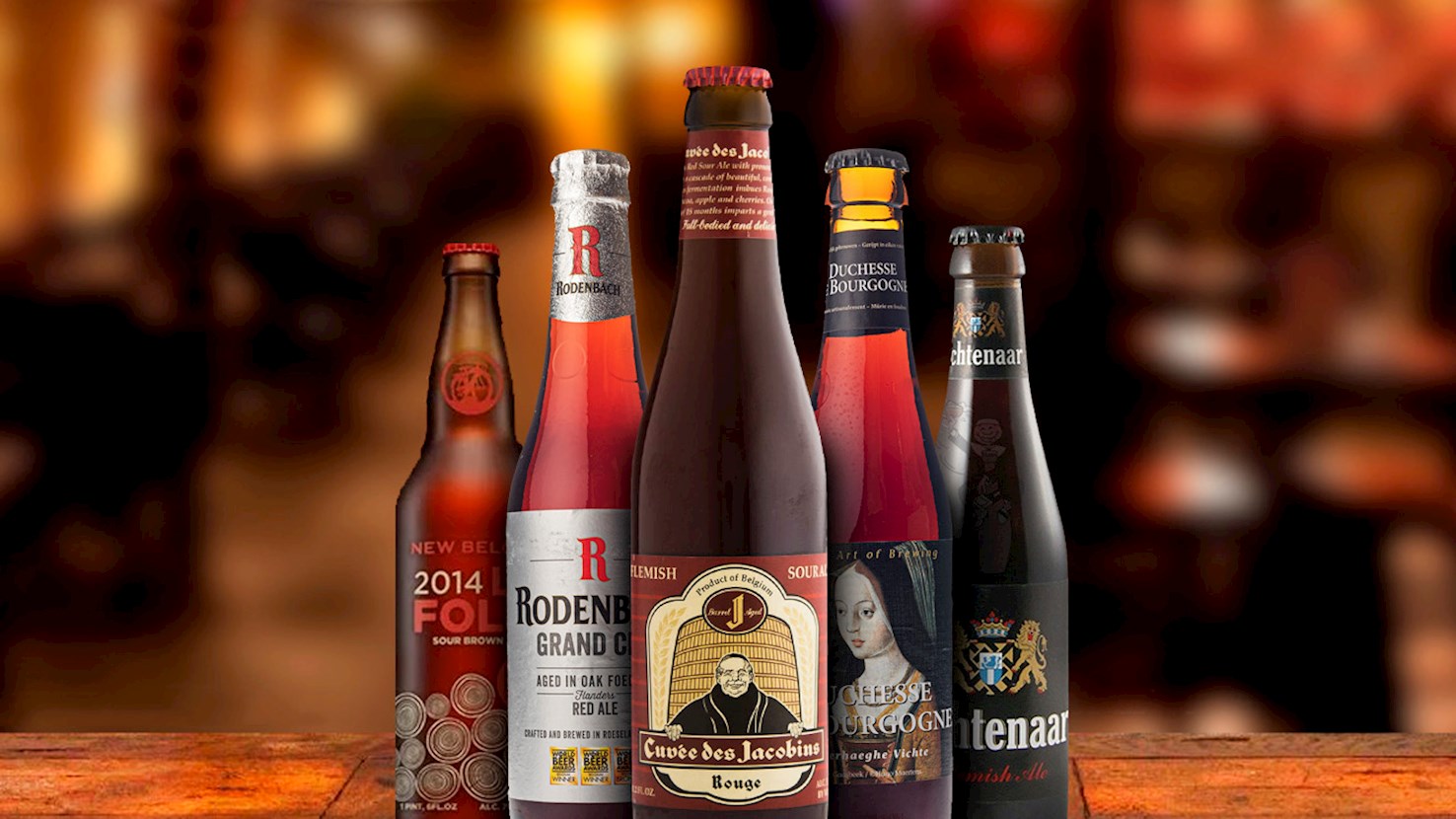
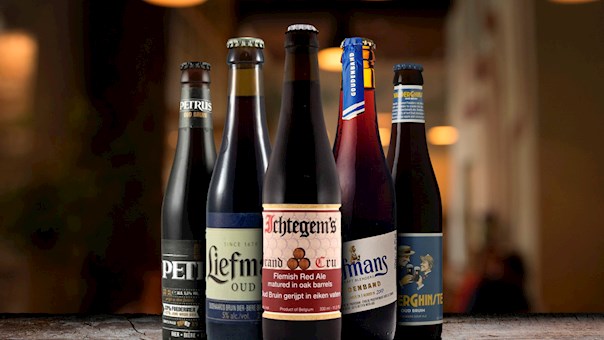
Flanders Red is a type of aged sour ale hailing from West Flanders that is often described as a wine-like beer style. The examples are typically medium-bodied and have a distinctive sour character that can vary from balanced to intense. Their color ranges from burgundy to reddish-brown, and their profile is dominated by complex fruity flavors and aromas reminiscent of cherries, currants, and plums. Hop aroma is absent, while the malt character is present but not overpowering. Flanders Reds are often blended, and most examples are aged in oak barrels, which may impart subtle chocolate, vanilla, and spice notes. These beers pair well with heavier, fatty dishes, such as stews, braised meat, or roasted duck, but they can also be a good match to lighter dishes that share similar tart flavors. They can also pair well with seafood, snacks, sandwiches, and egg dishes. The style is often compared to Oud Bruin (Flanders Brown), but it typically has a more fruit-forward profile and less malty character.

09

Belgian pale ale

3.9 ·

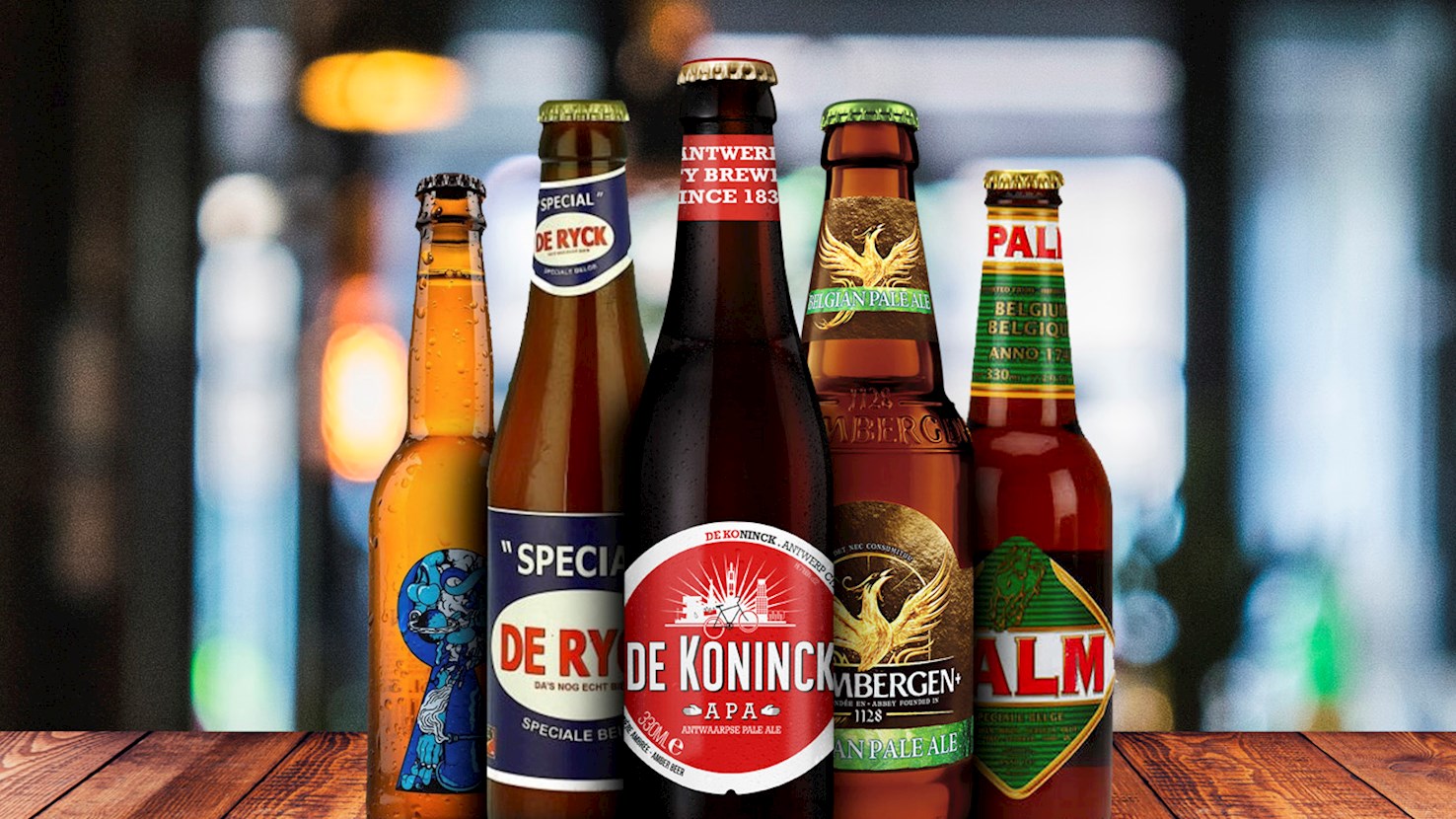
Belgian pale ale is an approachable and easy-drinking beer style with a medium body that shows a good balance of malt, hops, and alcohol. It is a malt-forward style with a toasty and biscuity aroma and flavor. The examples will often have fruity notes reminiscent of pear or orange. Their hop flavor is subtle but present, while the alcohol content is moderate, typically around 5%. The history of Belgian pale ale is not well recorded, but it is believed that a similar version was already brewed in the mid-1700s. The contemporary style was developed as an answer to lagers and light Czech pilsner. Belgians also used pale malts and noble hops but relied on the use of Belgian yeasts. The result was a pale-colored, easy-drinking ale. The style was perfected after WWII when it gained its current character. Belgian-style pale ale would pair nicely with seafood, sausages, and light fried dishes.

10

Saison

3.9 ·

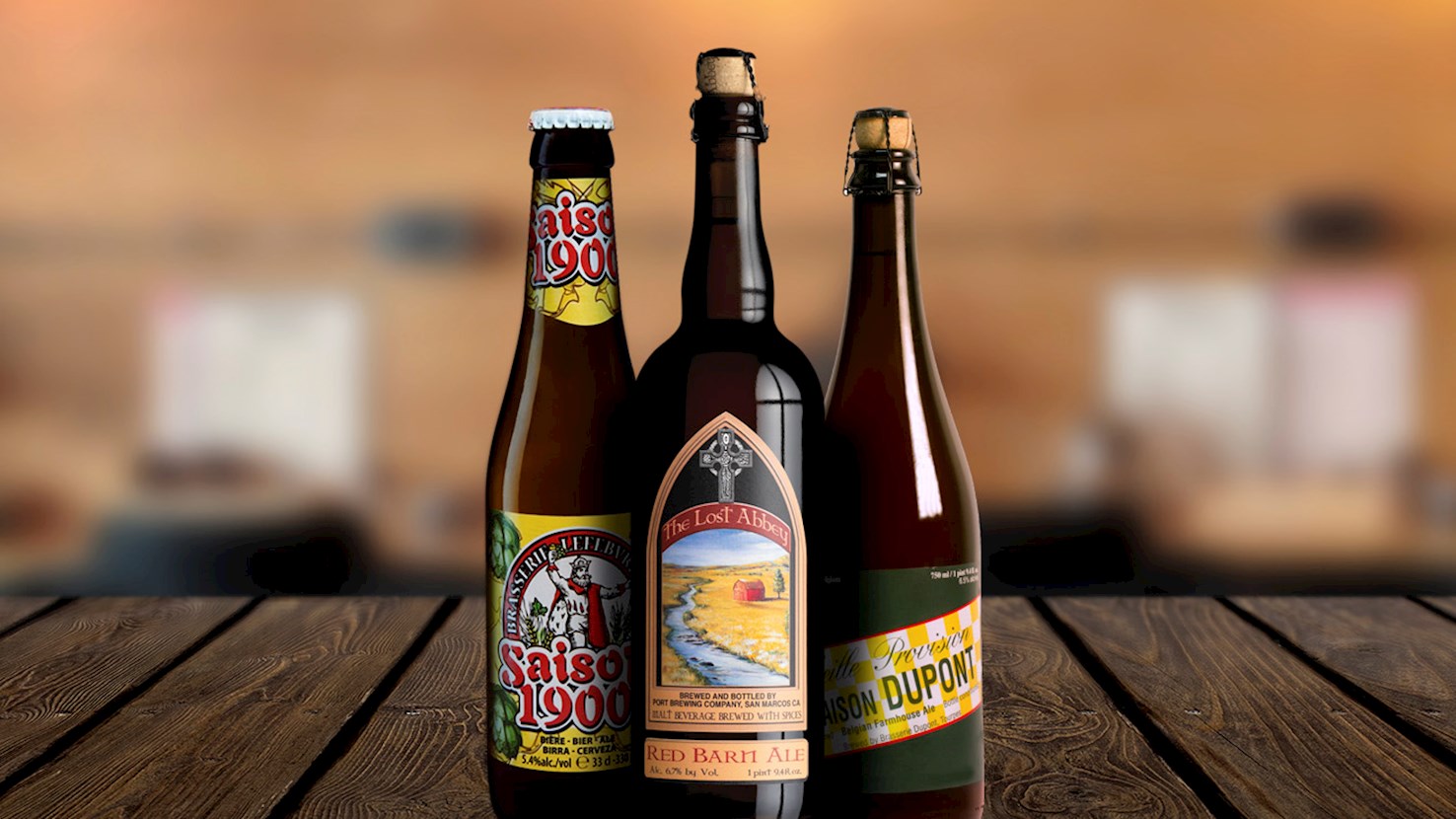
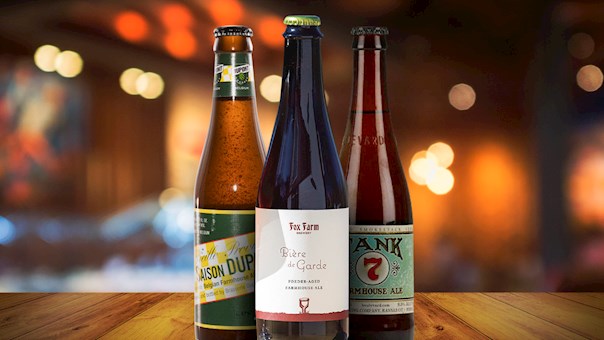
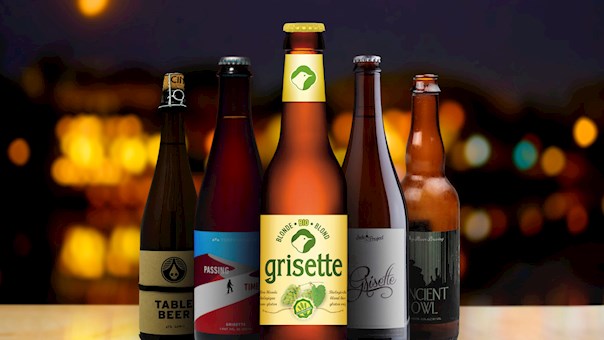
Saison, which translates as season, is a Belgian style ale that originated in the French-speaking region of Wallonia as a seasonal thirst-quenching beer that was mainly brewed during winter or fall, and it was then left to ferment until the summer. Also known as farmhouse ale, it was made by farmers, and though each brewer had a unique recipe, saisons were usually pale, low in alcohol, and had distinctive spicy notes. The style is believed to have originated sometime in the 18th century, but its popularity declined by the end of the 20th century. Only recently, it has been reintroduced by various craft breweries that brew versatile saisons which are typically higher in alcohol and which range from pale golden to light amber. Modern versions also often include spices and tend to be fruity and subtly malty, with light hop bitterness. They are often bottle-conditioned—they undergo a second fermentation in the bottle—and tend to be quite effervescent and refreshing. Although they are quite versatile in character, most varieties can match full-flavored and spicy dishes, seafood, creamy cheese, and even tangy desserts.

Best Belgian Beer Styles
01

Brasserie Cantillon

5.0 ·

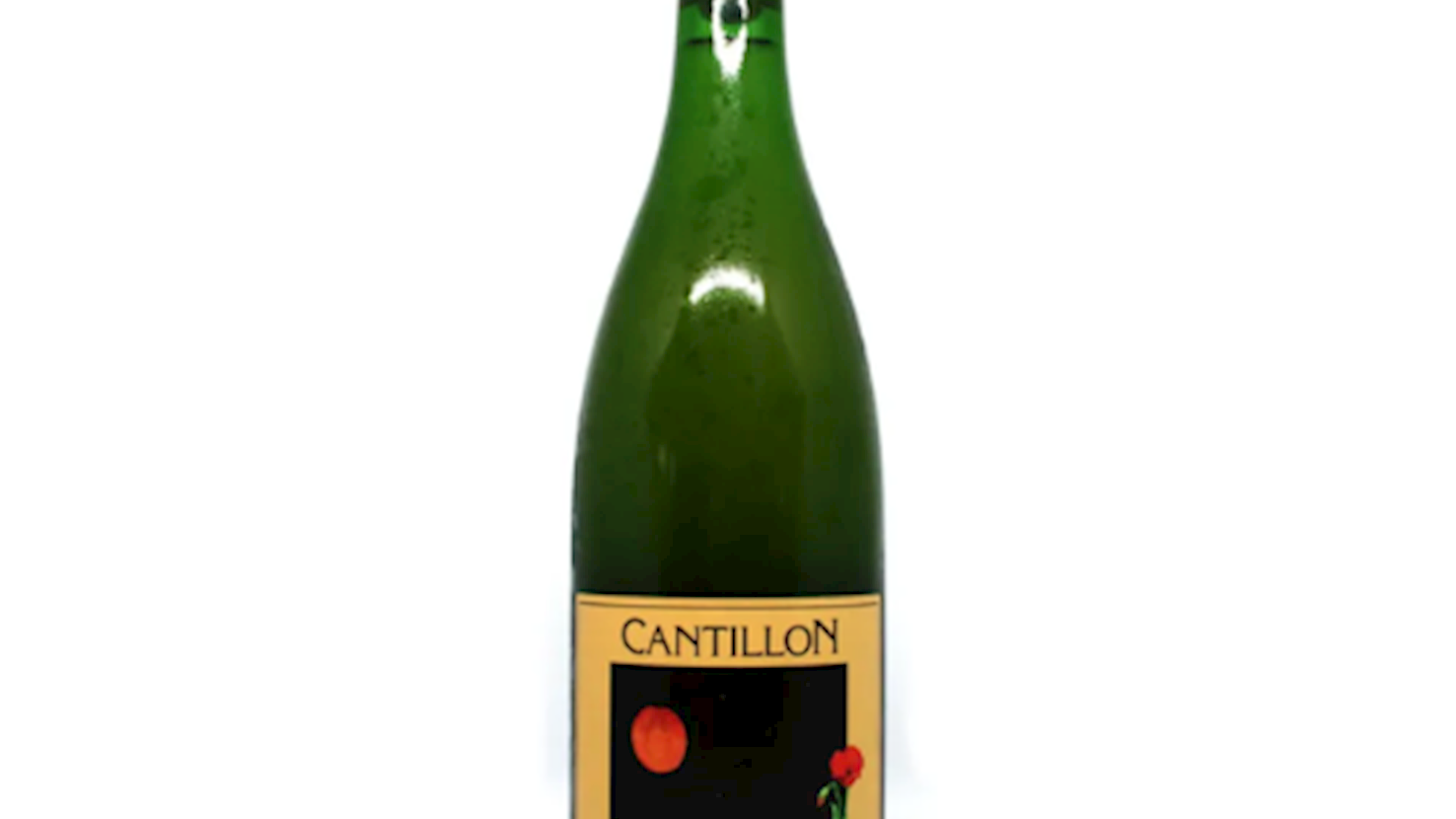
Brasserie Cantillon is a small, family-owned brewery founded in 1900 in Brussels, and today it stands as the only active brewery in the region that still produces lambic using traditional methods. This unique beer undergoes spontaneous fermentation, relying on wild yeasts and bacteria naturally present in the air.

The brewing base consists of two-thirds malted barley and one-third unmalted wheat, and after boiling, the wort is cooled in large, open vessels known as “coolships”. It then matures in oak or chestnut barrels of varying ages before being blended and refermented in the bottle.

Within the brewery is the Brussels Gueuze Museum, opened in 1978, offering visitors insight into the history and fermentation processes of this distinctive style. Cantillon is regarded as one of the most respected and authentic producers of Belgian sour beers, earning recognition among connoisseurs and as a cultural icon of brewing heritage.

Production continues using traditional equipment: centuries-old barrels, wooden kettles, and open fermenters - all preserved in their original, functional form. The brewery’s atmosphere, marked by age and history, evokes a near-museum-like setting that reflects continuity and deep respect for a craft passed down through generations.

Awards
Untappd - 4.7
Beer Advocate - 100 World-Class
02

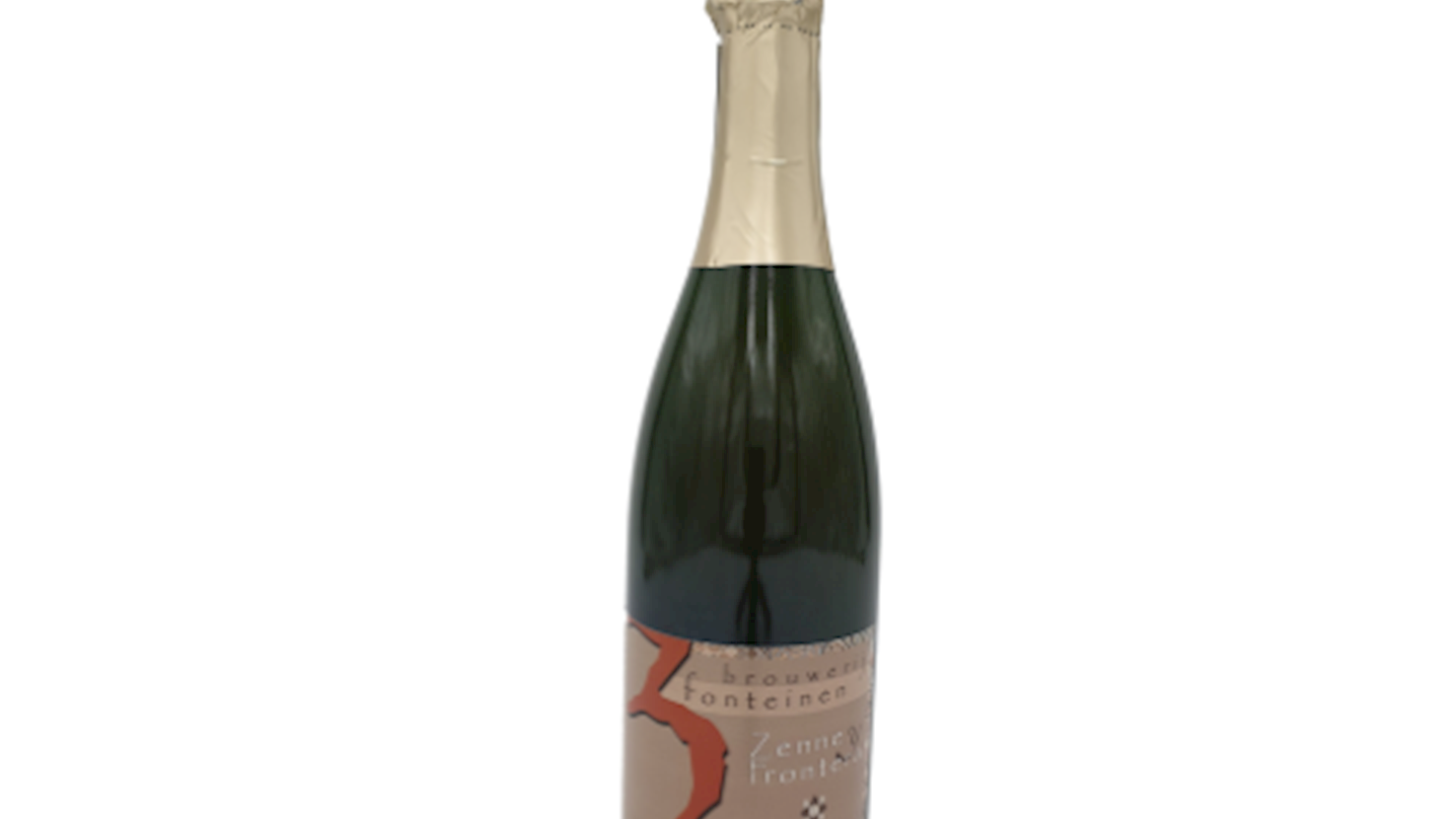
Brouwerij 3 Fonteinen

5.0 ·

Brouwerij 3 Fonteinen is one of the most respected and authentic Belgian breweries specializing in the production of lambic and geuze beers, located in Beersel, just outside Brussels. It was founded in 1883, originally as a tavern named after the “three fountains”, which later became the name of the brewery itself.

Over the decades, it evolved from a simple pub into a guardian of traditional Belgian brewing craftsmanship rooted in spontaneous fermentation. The production process remains faithful to centuries-old methods: after boiling, the wort is cooled in a large open vessel called a "coolship", where it is exposed to the natural microflora of the environment, allowing for spontaneous fermentation without the use of cultured yeast.

The beer then matures in large oak barrels and is carefully blended - often from different vintages - based not on strict recipes but on the experience, knowledge, and intuition of the master blenders. Brouwerij 3 Fonteinen does not filter or pasteurize its beers, keeping them alive and allowing them to evolve in the bottle.

Today, Brouwerij 3 Fonteinen stands as one of the world’s most esteemed producers of geuze and lambic, preserving tradition while continuously exploring new frontiers of flavor through innovation in fermentation, blending, and aging.

Awards
Beer Advocate - 100 World-Class
Beer Advocate - 95 World-Class
03

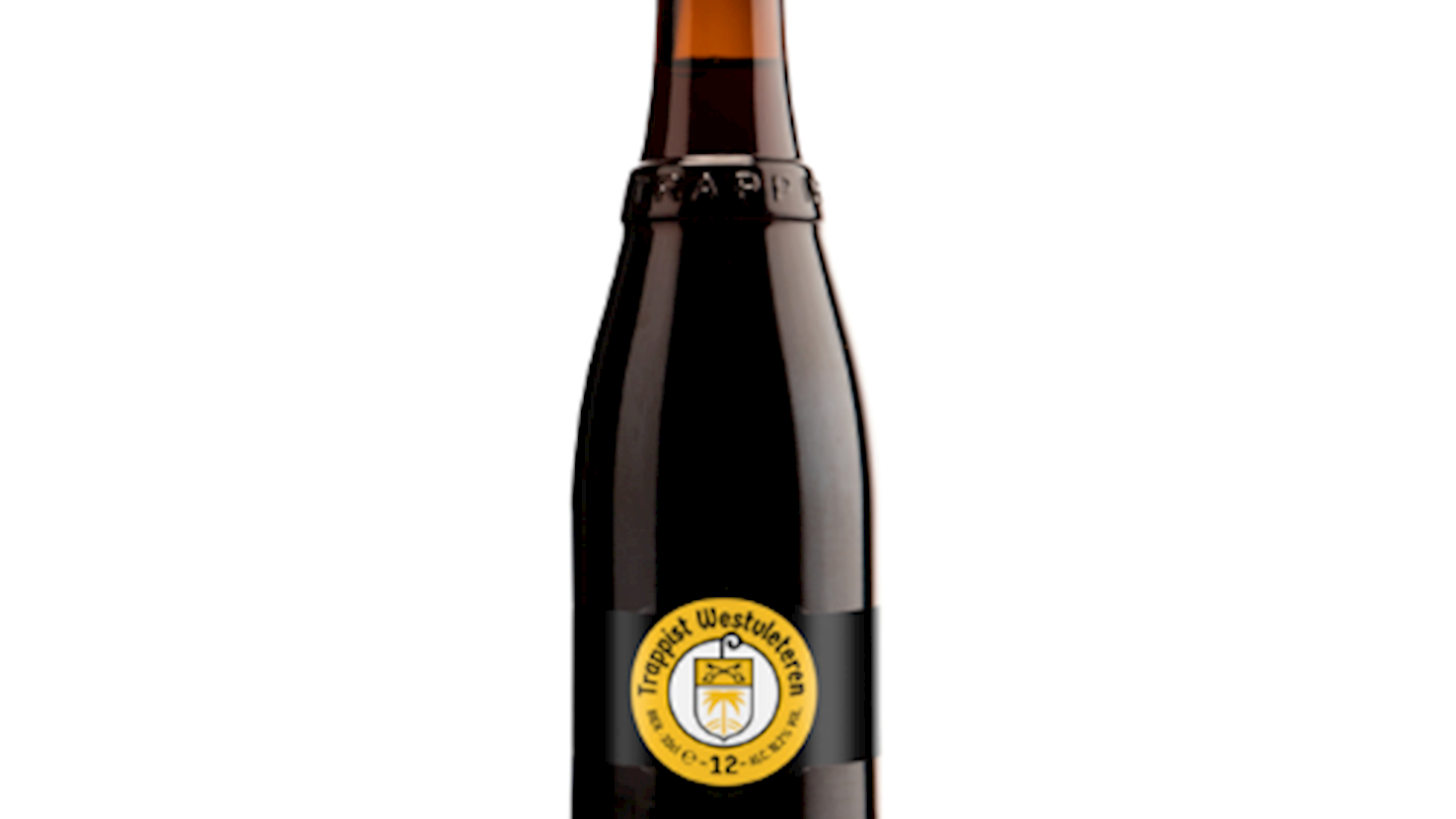
Brouwerij Westvleteren

5.0 ·

Brouwerij Westvleteren is one of the most renowned and highly regarded Trappist breweries in the world, located within the walls of the Sint-Sixtus Abbey in the village of Westvleteren, in the Belgian region of West Flanders. The brewery was founded by Cistercian monks in 1838 and has remained true to a tradition of modest, limited, and uncommercialized production.

Unlike commercial breweries, this Trappist community brews beer solely to support monastic life and charitable activities, in accordance with the principles of the International Trappist Association. The brewery is especially famous for its beers Westvleteren 12 and Westvleteren 8, both frequently ranked among the best beers in the world.

What further sets this brewery apart is its unique distribution system: the beer can only be purchased through advance reservation and directly from the abbey, with no commercial labels – the bottles are marked only by a cap indicating the beer type. Its limited availability, strict purchasing rules, and unwavering commitment to quality have contributed to the near-legendary status of this small monastic brewery.

Awards
Beer Advocate - 100 World-Class
Beer Advocate - 99 World-Class
04

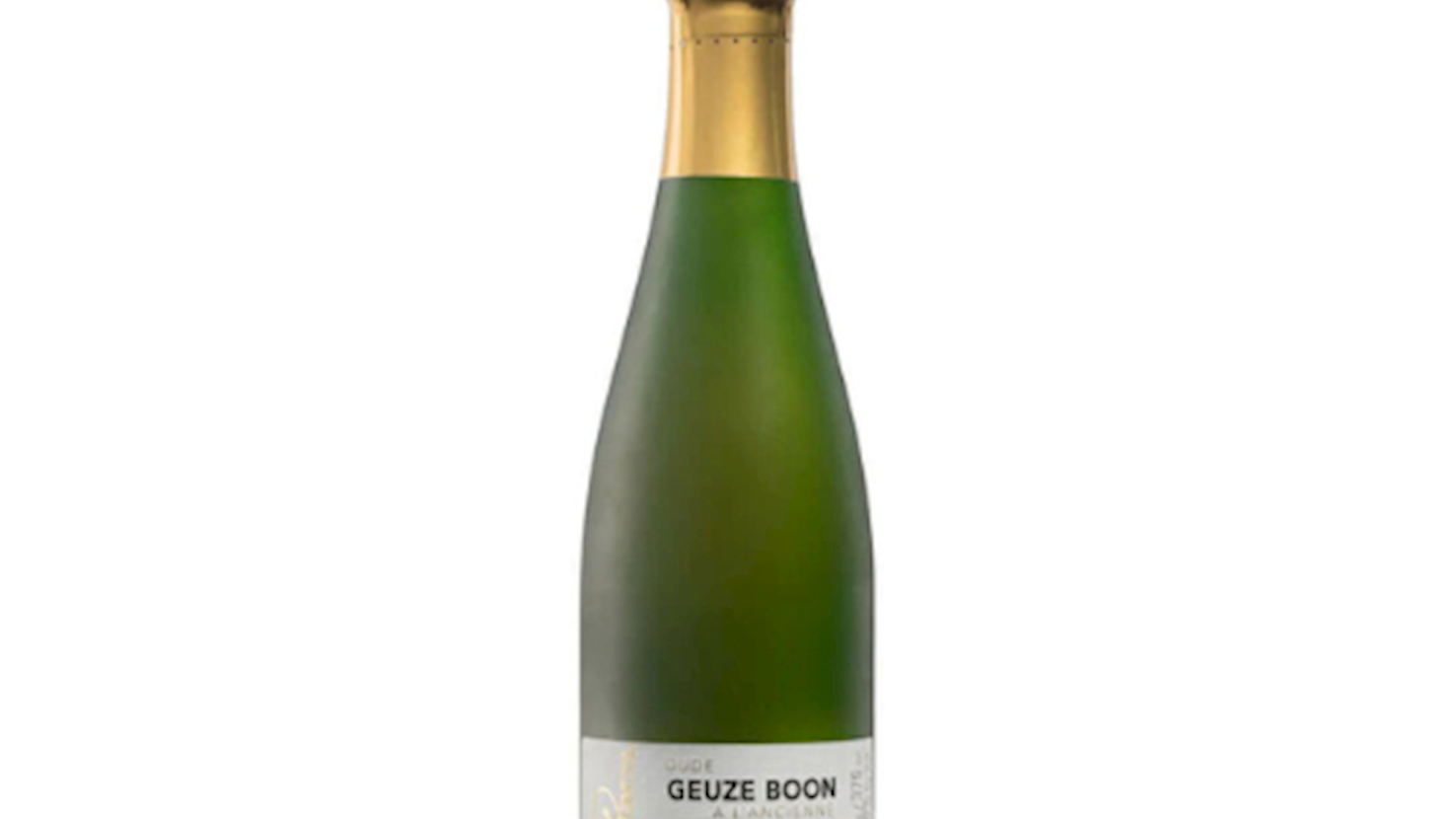
Brouwerij Boon

5.0 ·

Brouwerij Boon is a renowned Belgian brewery located in Lembeek, a town near Halle, in the Flanders region of Belgium. Established in 1978 by Frank Boon, the brewery specializes in traditional Belgian sour beers, particularly lambics.

Lambic beers are unique because they are spontaneously fermented, a process in which wild yeast and bacteria from the environment are used for fermentation instead of cultivated yeast.

Awards
European Beer Star - Gold (2021)
World Beer Cup - Gold (2018, 2016)
05

Brouwerij Rodenbach

5.0 ·

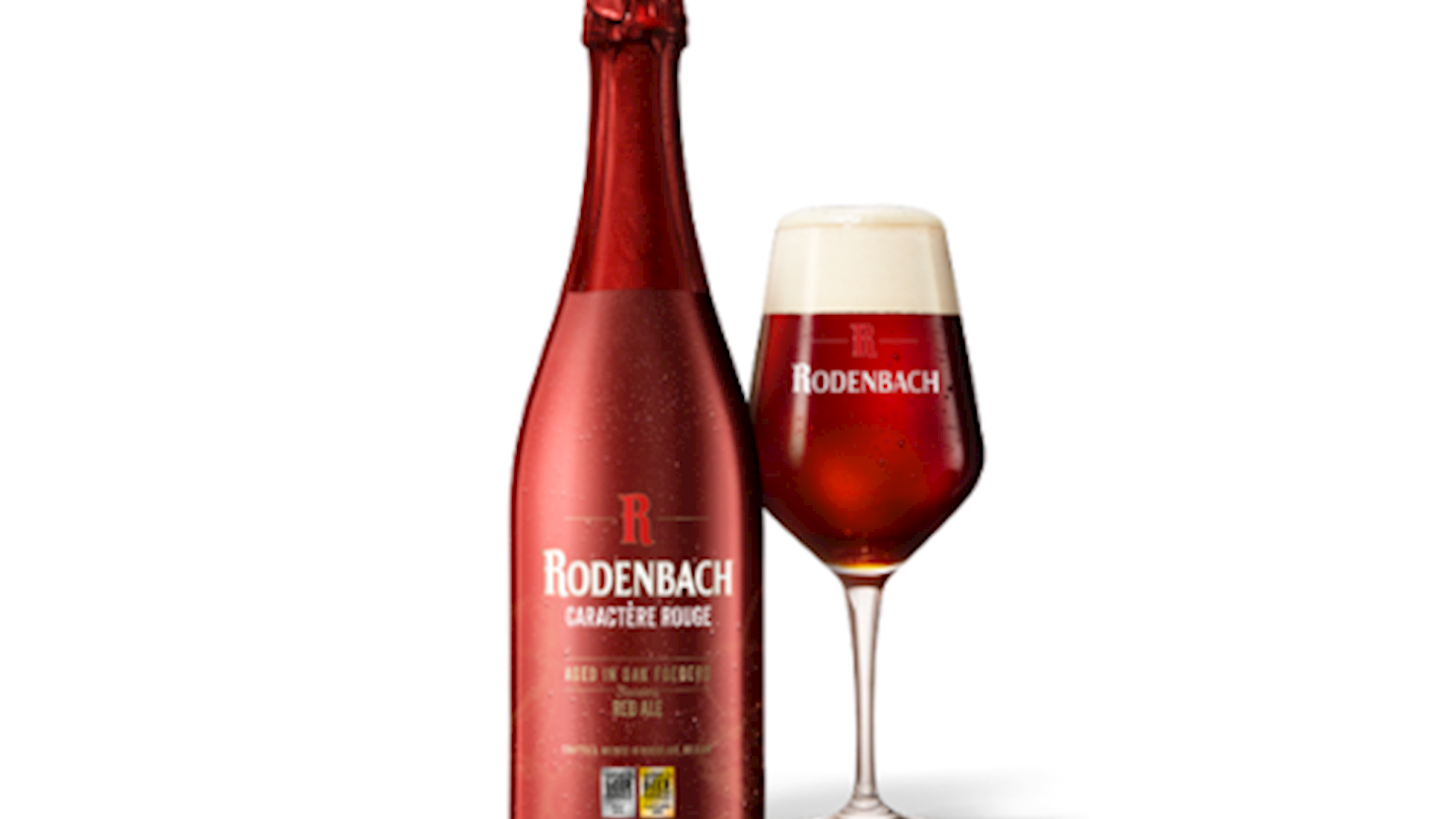
Brouwerij Rodenbach, was founded in 1821 in Roeselare, West Flanders, and is now part of Palm Belgian Craft Brewers. Rodenbach primarily produces Flemish red-brown sour ales through a process of mixed fermentation and aging in large oak barrels known as foeders.

The beer is first fermented and then aged for a minimum of 18 months in wood, which gives it a unique fruity-sour aroma and rich flavor. With an annual production of around 180,000 hectoliters, Rodenbach is a regional icon and a cornerstone of the oak-aged sour ale tradition in Belgium.

Visitors can tour the authentic foeder cellars and taste the beers directly at the brewery or at the adjoining brasserie restaurant "Het Foederhuis".

Awards
Beer Advocate - 99 World-Class
Beer Advocate - 95 World-Class
06

Brasserie Dupont

4.9 ·

Brasserie Dupont is a historic Belgian brewery located in the village of Tourpes, part of the municipality of Leuze-en-Hainaut in the province of Hainaut, within the Walloon Region. Its origins date back to 1759, when it operated as a farm, and in 1844 it was transformed into a brewery producing seasonal and honey beers for agricultural workers.

The modern history of the brewery began in 1920, when Alfred Dupont purchased the estate and launched the now-famous Saison Dupont. Today, the brewery is led by the fourth generation of the same family, successfully combining traditional methods with modern approaches.

Annual production reaches around 30,000 hectoliters, and the beers are still brewed using the brewery’s own yeast strain, through a multi-stage fermentation process in open fermenters. A distinctive feature of their production is the natural bottle conditioning applied to all beers, which results in characteristic carbonation and depth of flavor.

Brasserie Dupont remains faithful to its artisanal roots and local brewing heritage, while its products are recognized and appreciated around the world.

Awards
Untappd - 3.9
Untappd - 3.8
07

Chimay

4.8 ·

Chimay is one of the most renowned and respected Trappist breweries in the world, located within the Abbey of Notre-Dame de Scourmont, in the village of Scourmont near Chimay, in Wallonia, Belgium. Founded in 1862, the brewery operates according to strict Trappist principles: the beer is brewed within the monastery walls, under the supervision of the monks, and part of the revenue is used to support the community and charitable causes.

For this reason, all of their products bear the prestigious Authentic Trappist Product label. Their beers are lightly filtered and unpasteurized, naturally bottle-fermented, and characterized by complex aromas, full body, and a balanced interplay of sweetness, bitterness, and fruity notes. In addition to beer, Chimay also produces Trappist cheese made from cow’s milk, traditionally paired with their beers to create a perfect gastronomic harmony. The entire production process is aligned with sustainable principles, and both the brewery and the cheesery are part of a larger complex open to visitors, which includes a tasting center, a restaurant, and a shop at the nearby Chimay Experience center.

Awards
Beer Advocate - 95 World-Class
Untappd - 3.7
08

Brouwerij Alvinne

4.8 ·

Brouwerij Alvinne is an independent Belgian brewery founded in 2004 and located in Moen, West Flanders, known for its focus on sour and mixed-fermentation beers. Their key distinction is the use of a proprietary yeast culture called Morpheus yeast, isolated from the natural environment, which contributes a recognizable profile of gentle acidity, dryness, and subtle minerality.

Alvinne does not use commercial yeasts or additives; fermentation and maturation rely entirely on their Morpheus culture and on aging in wooden vessels. The beers spend time in foeders and used wine barrels, allowing slow micro-oxidation and the development of layered aromas.

Production is small and quality-driven, and many releases are limited editions available only in selected bars and specialty bottle shops. For their fruited ales they use real fruit, never concentrates or flavorings, ensuring authenticity in both aroma and taste.

Their portfolio includes sour ales, barrel-aged releases, and experimental batches featuring uncommon fruits such as quince or rhubarb. Their brewing approach blends scientific precision in fermentation control with creativity in ingredient and barrel selection.

Alvinne frequently collaborates with other craft breweries and wineries, producing unique one-off editions. Within the European craft scene, they are regarded as a reference point for modern sour beer innovation.

Awards
Untappd - 3.9
Beer Advocate - 90 Outstanding
09

De Dolle Brouwers

4.8 ·

De Dolle Brouwers is an independent Belgian brewery located in Esen, West Flanders, founded in 1980 by brothers Kris and Jo Herteleer. They revived an abandoned brewery originally established in 1835, thus initiating one of the first renaissance waves of craft brewing in Belgium.

Their first and most iconic beer is Oerbier, brewed with a variety of malts and known for its subtly sour finish thanks to wild yeasts, matured in wine barrels. Its cult status is earned through ever-evolving recipes, intense aroma, and a fine balance of strong and tart notes. The brewery produces only around 1,000 hectoliters per year, all crafted in a troubadour style - handmade, finely tuned, and with a uniquely artistic approach.

Their philosophy combines tradition, artistic spirit, and innovation, preserving the "wet & strong" ethos of Belgium’s first craft wave. Visiting the brewery is a truly authentic experience: tours of their handmade brewing setup, tastings in the taproom, and a deep dive into the rich local brewing history.

Awards
Untappd - 3.7
Untappd - 3.9
10

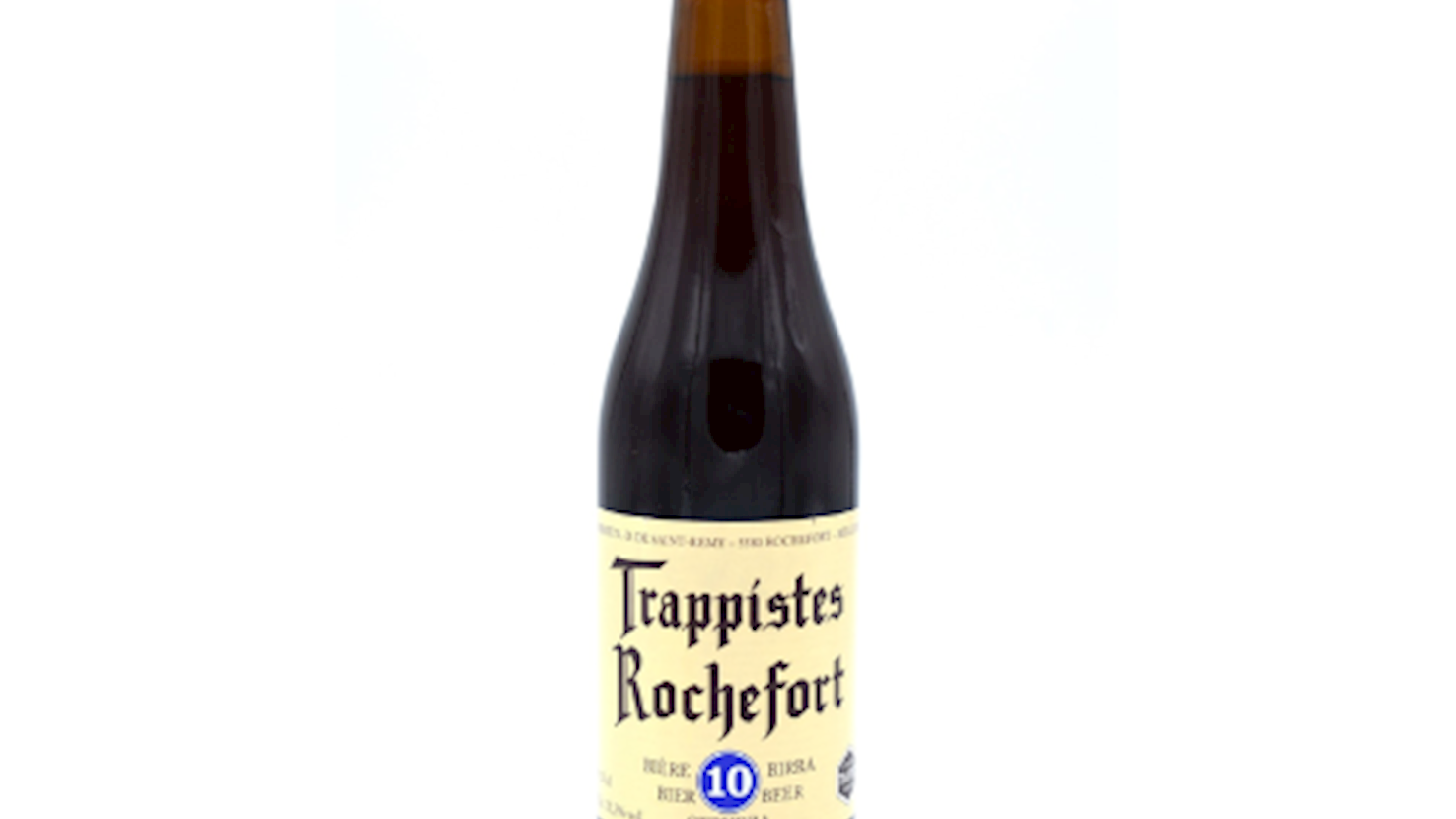
Brasserie de Rochefort

4.8 ·

The monastic brewery Brasserie de Rochefort, also known as Trappistes Rochefort, is part of the Abbey of Notre-Dame de Saint-Rémy, located in Rochefort, in the Walloon region of Belgium. This brewery is deeply rooted in the Trappist tradition, as the monks themselves oversee production and use part of the profits for charitable purposes and maintaining their community - this is why the beer bears the Authentic Trappist Product label.

Beer has been brewed at the abbey since the 16th century, though the modern Trappist brewing style we know today was developed in the mid-20th century. Brasserie de Rochefort is renowned for its beers of deep complexity, rich aromas, and multi-layered flavor profiles. Their most famous brews are Rochefort 8 and Rochefort 10, with the numbers indicating the approximate specific gravity and alcohol strength of the beer.

These are strong, dark ales, full of dried fruit, caramel, and spicy notes, fermented with the brewery’s own yeast strain, which imparts a distinctive character. The brewery produces relatively small quantities, but it is precisely this dedication to quality and traditional, hands-on methods that makes Trappistes Rochefort one of the most respected beer producers in the world. The beers are unfiltered, unpasteurized, and undergo bottle conditioning, allowing them to mature and develop complexity over time.

Awards
Beer Advocate - 99 World-Class
Beer Advocate - 96 World-Class
Read more
View all
View map
About this ranking

TasteAtlas food rankings are based on the ratings of the TasteAtlas audience, with a series of mechanisms that recognize real users and that ignore bot, nationalist or local patriotic ratings, and give additional value to the ratings of users that the system recognizes as knowledgeable. For the “Top 33 Belgian Beer Styles” list until July 22, 2026, 1,133 ratings were recorded, of which 1,073 were recognized by the system as legitimate. TasteAtlas Rankings should not be seen as the final global conclusion about food. Their purpose is to promote excellent local foods, instill pride in traditional dishes, and arouse curiosity about dishes you haven’t tried.

The initial list of top producers was compiled based on available reviews, awards, local recommendations, media and blog coverage, and consumer reviews. The list will be updated with ratings from TasteAtlas local ambassadors and TasteAtlas users.

Similar lists