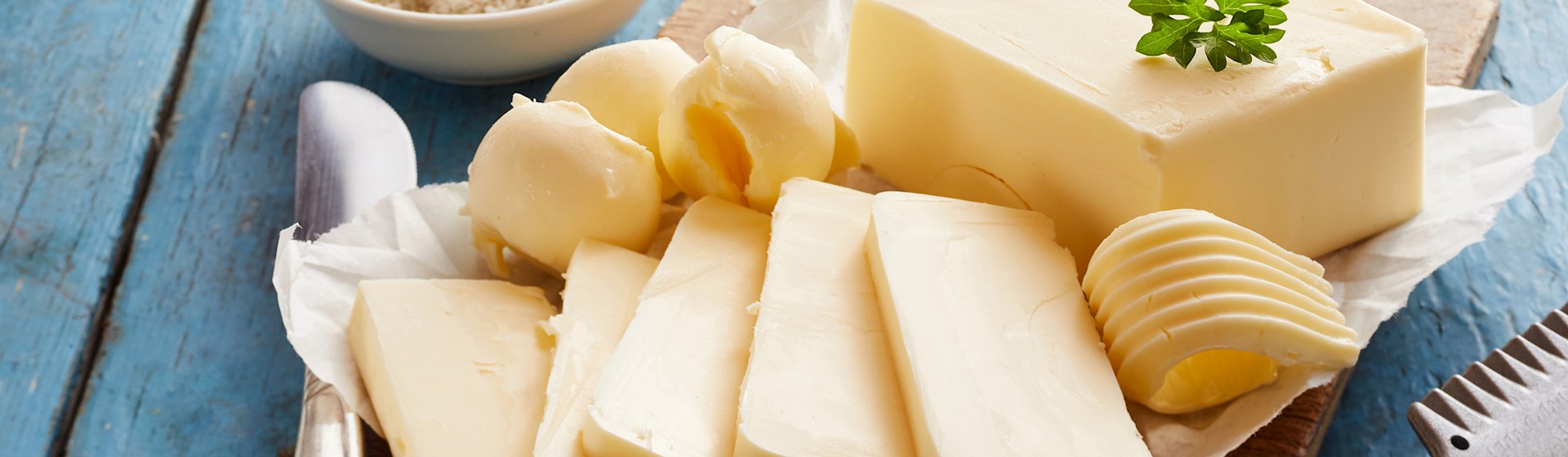
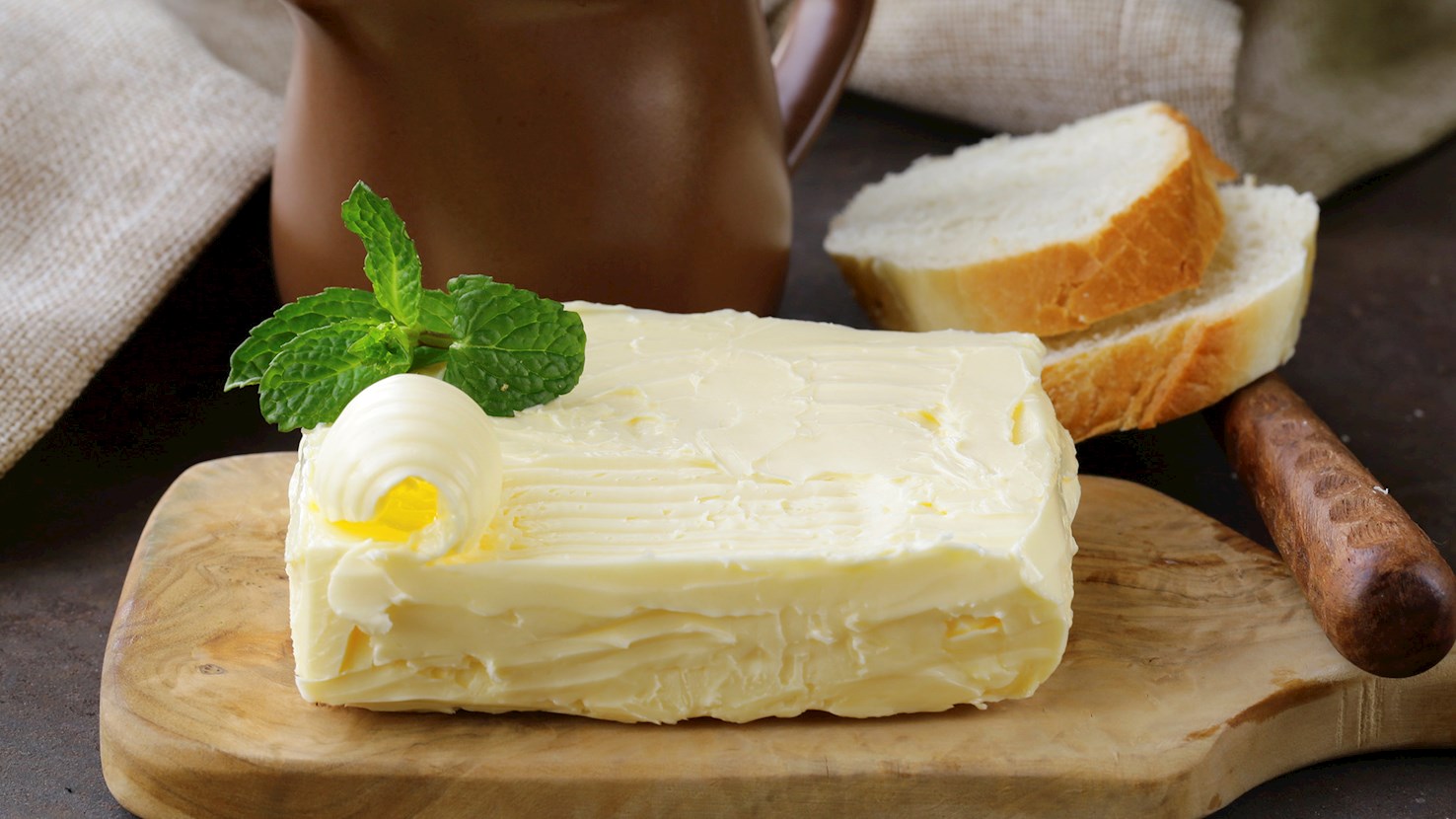
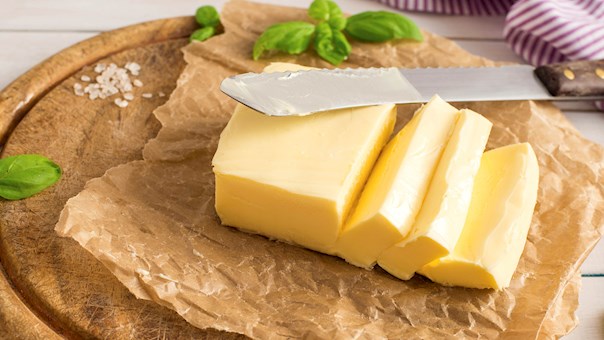
Irish butter is a rich, golden dairy product made from the milk of cows that graze on Ireland’s lush, grass-fed pastures, and it has become one of the country’s most recognized foods both locally and abroad. Its reputation is built not only on its flavor and texture but also on the environment from which it comes, where abundant rainfall and mild temperatures allow cattle to graze outdoors for much of the year. This creates a butter with higher levels of natural carotene, giving it a distinctive deep yellow color and a flavor often described as creamy and full. The making of butter in Ireland goes back thousands of years, with references found in archaeological discoveries where bogs preserved wooden churns containing remnants of early butter. In rural communities, butter production was once a household activity, with families churning cream to supply their own kitchens and local markets. By the nineteenth century, cooperatives and creameries began to shape the modern industry, and brands like Kerrygold later carried Irish butter onto the global stage, establishing it as a product associated with quality and authenticity. To prepare butter, fresh cream is churned until the fat solids separate from the buttermilk. The resulting mass is washed and worked to the desired consistency, with salt sometimes added for preservation and flavor. Irish butter is typically made with cream from grass-fed cows, which influences its nutrient profile and lends it a distinctive taste compared to butter from more industrialized dairy systems. It can be used in cooking, baking, or simply spread on bread, where its depth of flavor stands out without need for embellishment. One detail that sets Irish butter apart is its high butterfat content, often around 82 percent, which is slightly higher than many standard butters. This gives it a particularly smooth texture that melts evenly, making it favored by both home cooks and professional chefs. Today it is eaten daily in Irish households, appearing on tables at breakfast with soda bread, spread on scones, or melted over vegetables and potatoes. Internationally, it is prized in baking, as its fat content improves pastry texture and flavor. Pairings are diverse, but it is especially at home with freshly baked bread, seafood like grilled lobster or prawns, and in sauces where its richness enhances both flavor and mouthfeel.
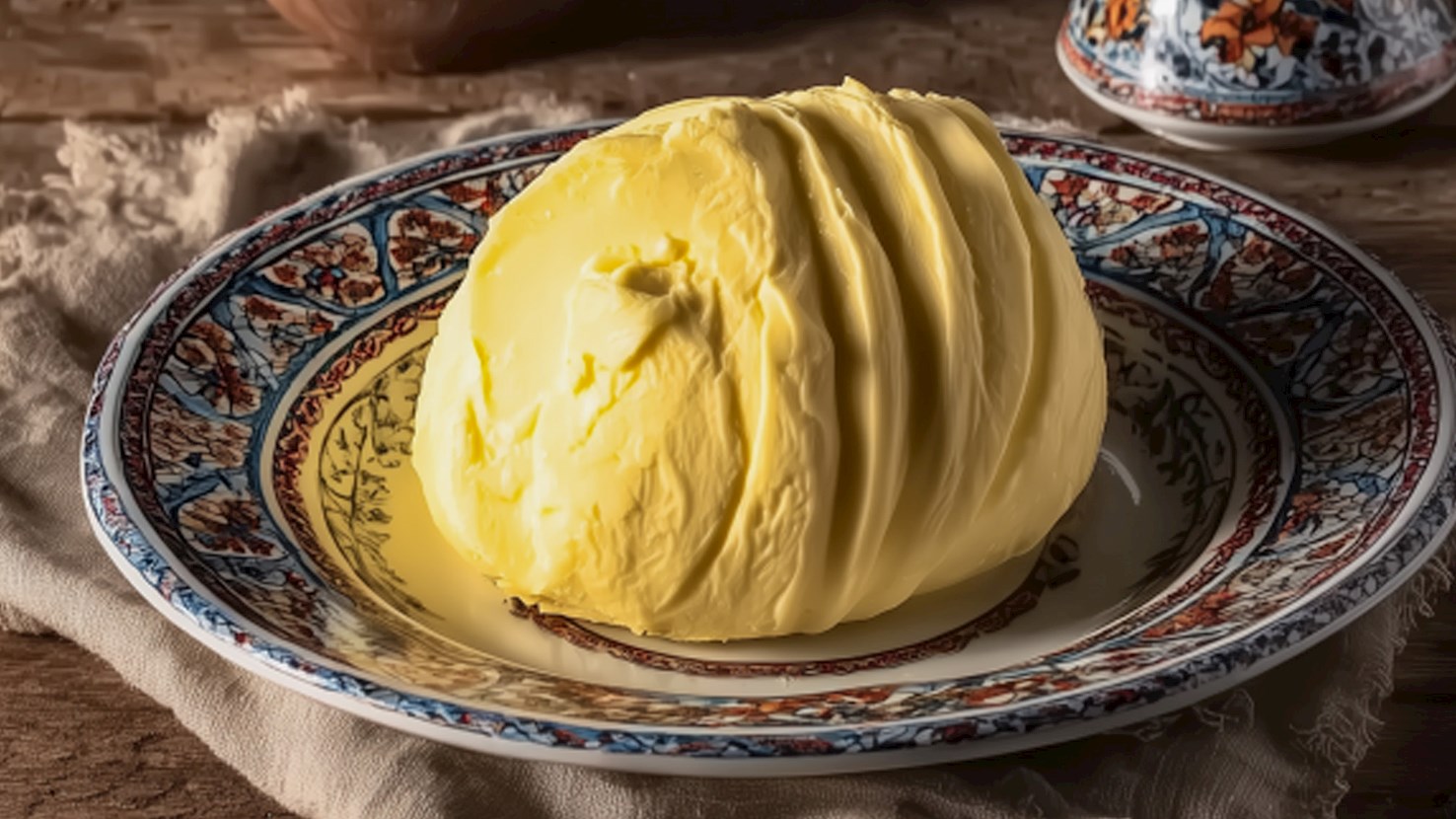
This butter originates from Turkey, specifically the Yakcukur area in the province of Trabzon. It's made with a combination of pasteurized cow's milk cream and butter cultures. Once prepared, the butter is washed with ice-cold water, then stirred with a large wooden spoon for a long time until the butter is shaped. It's traditionally decorated with a few incisions on top, usually made with a spoon. This butter with a unique flavor, color, and aroma is produced using only traditional methods. It's mostly consumed as a breakfast item.
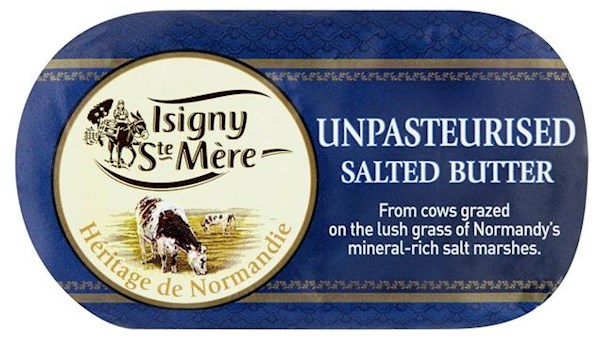
Beurre d'Isigny is a butter made from pasteurized milk and cream in the Veys Bay and surrounding valleys in France. No additional colorings, creams or substances can be added to the product. The butter is golden yellow in color due to the high amounts of carotenoids in it. The Veys Bay and the surrounding area are made of chalky, clay soil near the sea and have top quality pastures where the grass is very rich in iodine and beta-carotene. The soil and pastures give the milk a unique taste, color and high mineral salt content, all of which can be seen and tasted in the final product - d'Isigny Butter. It tastes sweet, creamy, slightly like hazelnuts and contains lots of vitamin A. When sold, it can be packaged in shapes of blocks and rolls or placed in baskets.
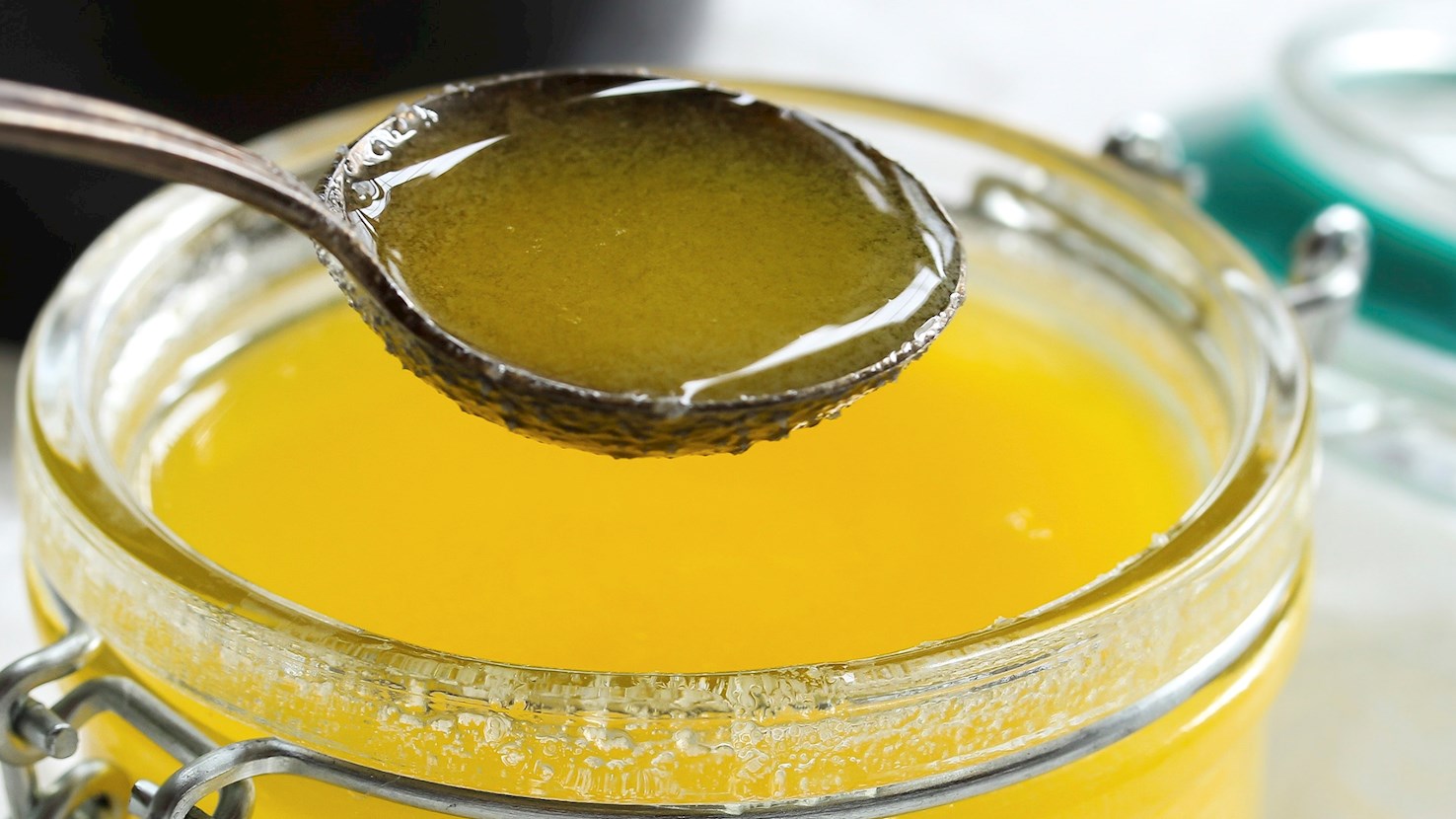
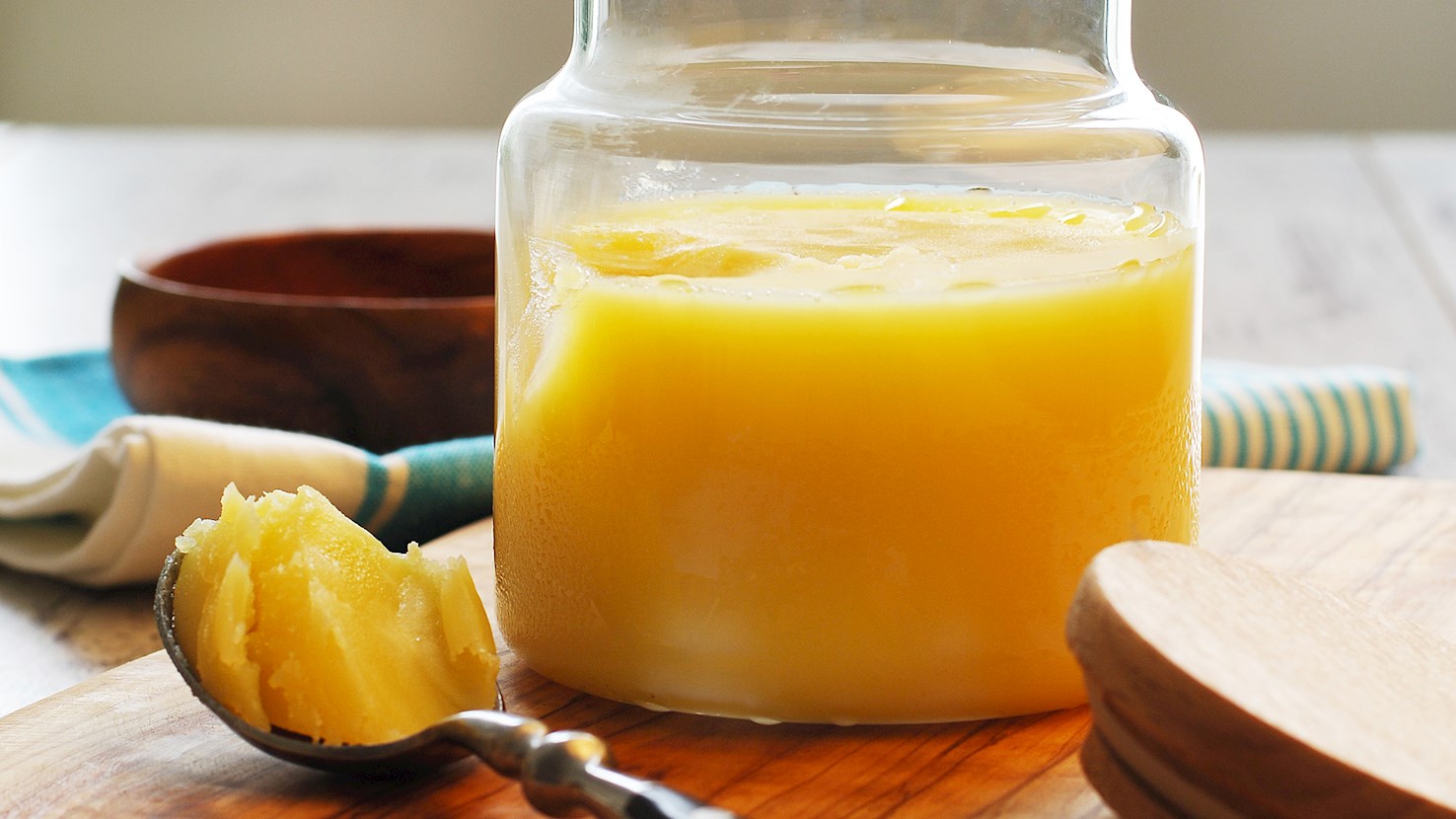
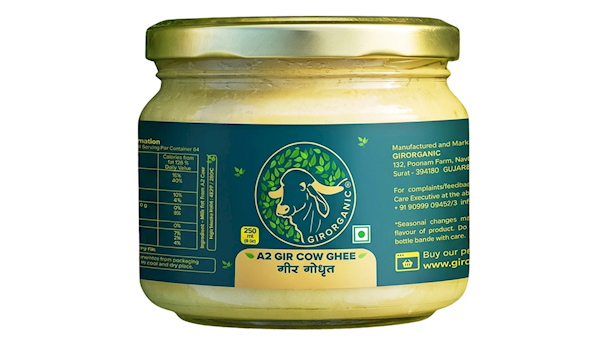
Ghee is a type of clarified butter that is considered a superfood by many people. It is cooked for a long time so that nearly all of the milk and moisture is removed. In India, due to the hot climate, butter has to be stabilized for storage and use, so people decided to clarify it. Although it was initially made in the northeast of India, ghee first started to gain popularity in southern India. Ghee is also extremely healthy, since it is full of vitamins A and E, fights inflammation, and is low in lactose and casein. It is also considered a sacred fat, and ritual candles are sometimes made of ghee. At some Hindu weddings, men have an eating contest where they eat as much of it as possible as part of a fertility ritual. With its nutty flavor and numerous health benefits, ghee is guaranteed to remain a staple of Indian culinary world.
Beurre Charentes-Poitou is a traditionally made, solid, pale butter that has a unique aroma. It is produced using pasteurized cream and easily spreads on toast or bread. Its unique taste and soft texture are due to the traditional process of barrel churning. After the cream is churned, the fat pieces are damaged and clump together in a mass that separates itself to butter and buttermilk. The butter is rinsed in cold water and shaped to preference. Before being sold, the butter is salted, packaged and chilled. Just twelve dairies are allowed to produce Charentes butter today, and no additives, preservatives or artificial colors can be added in the process.
Manteiga dos Açores refers to a type of butter that originates from the Azores, an archipelago in Portugal. This butter is renowned for its high quality and unique flavor, which is a result of the distinctive environment of the Azores. The Azores are known for their lush, green pastures and a climate that is ideal for dairy farming. The cows in the Azores graze on rich, diverse grasslands, which contributes to the unique taste and quality of the milk they produce. This milk, in turn, is used to make Manteiga dos Açores. The butter has a rich, creamy taste, with a slight hint of saltiness. The flavor is often described as more intense and fuller than regular butter, reflecting the quality of the milk from which it is made. The butter is smooth and spreads easily, making it a favorite for use on bread, in cooking, and baking.
Niter kibbeh is an Ethiopian and Eritrean (where it's called tesmi) spiced clarified butter used as both a cooking fat and a concentrated seasoning in stews, meat dishes, vegetables, and other savory foods. It is made from kibe, Ethiopian butter, which has often been produced from cultured or naturally soured milk, giving it a slightly different base character from butter made exclusively from sweet cream. Clarifying the butter removes water and milk solids, extending its keeping quality, while a mixture of herbs and spices gives the fat its distinctive aroma. The method developed as part of Ethiopian household dairy processing, where transforming fresh butter into a more stable cooking ingredient was especially useful before refrigeration became widely available. There is no single standardized formula for niter kibbeh, and ingredient combinations vary by region and household. Common additions include korarima, fenugreek, ginger, garlic, white or black cumin, turmeric, coriander, cloves, and aromatic herbs such as koseret and besobela. Some versions also contain rue, basil, cinnamon, or nutmeg. The spices are chosen not to make the butter overtly hot but to give it a warm, complex fragrance that can be carried evenly through a dish. To make niter kibbeh, butter is heated slowly with the selected aromatics until the moisture has evaporated and the milk solids separate. The fat is then strained, leaving a clear golden liquid that firms as it cools. Gentle heating is important because excessive browning can overwhelm the more delicate herbal and spice notes. The finished butter can be stored and used in small amounts when cooking, where it contributes richness along with flavors that would otherwise need to be added separately. Its role is particularly prominent in dishes such as doro wat, where it forms part of the seasoned onion base, and kitfo, where it is mixed directly with finely chopped beef and mitmita. It is also used with tibs, eggs, lentils, leafy greens, and vegetables, depending on the household and occasion. Ethiopian Orthodox fasting rules exclude dairy products, so niter kibbeh is reserved for non-fasting meals and replaced with vegetable oil when those restrictions apply. One of its most characteristic qualities is the way the infused fat distributes aromatic spices throughout food without leaving coarse pieces of herbs or seeds behind. Korarima can add a floral, slightly camphorous note, fenugreek a mild bitterness, and koseret or besobela a distinctly herbal character. Niter kibbeh is used throughout Ethiopia and Eritrea as a cooking ingredient rather than usually being served on its own. It works especially well with spicy meat stews, kitfo, sautéed beef, greens, and injera-based meals, where the acidity of injera offsets the richness of the butter. Mild sides such as ayib, cabbage, or pulses can accompany richer dishes made with it, while tej, tella, beer, or water are common beverage choices depending on the meal.
Traditionally made in the Belgian Ardennes since the 1800s, Beurre d'Ardenne is a type of butter made from cow's milk. It is crafted in a similar manner even today and produced within the provinces of Luxembourg, Namur and Liège, where the cows graze on lush Ardenne pastures. In order to preserve the quality and authenticity of the final product, the entire process, including the production of the milk and the maturing and churning of the butter must take place within the designated area. Beurre d'Ardenne is marketed in two varieties, Doux (sweet or unsalted) and Salé (salted).
Mantequilla de Soria is a high-quality butter made from the local Friesian or Pardo-Alpina cows' milk in the province of Soria. The color of Mantequilla de Soria ranges from ivory to straw yellow, and the taste is slightly acidic and reminiscent of fresh cream. The butter comes in three varieties, natural, salty and sweet, depending upon whether salt or caramelized sugar syrup is added to the butter. After skimming the milk and beating the cream, lactic ferments are added after 3 or 4 hours after the start of the ripening to achieve a smoother and silkier butter. During the time of maturation Mantequilla de Soria develops a complex aroma and taste resembling that of nuts and sweet fruits. After maturation, this artisan butter is kneaded and shaped into blocks that can be packaged and sold.
Manteiga de garrafa, also known as "butter in a bottle," is a traditional clarified butter. Originating from the Northeast region of Brazil, it is made by simmering butter slowly to remove the milk solids and water. The result is a clear, golden liquid that has a rich, nutty flavor and a higher smoke point than regular butter. Manteiga de garrafa is commonly used in Brazilian cuisine to cook and flavor a variety of dishes, adding a distinctive taste that is cherished in many traditional recipes.
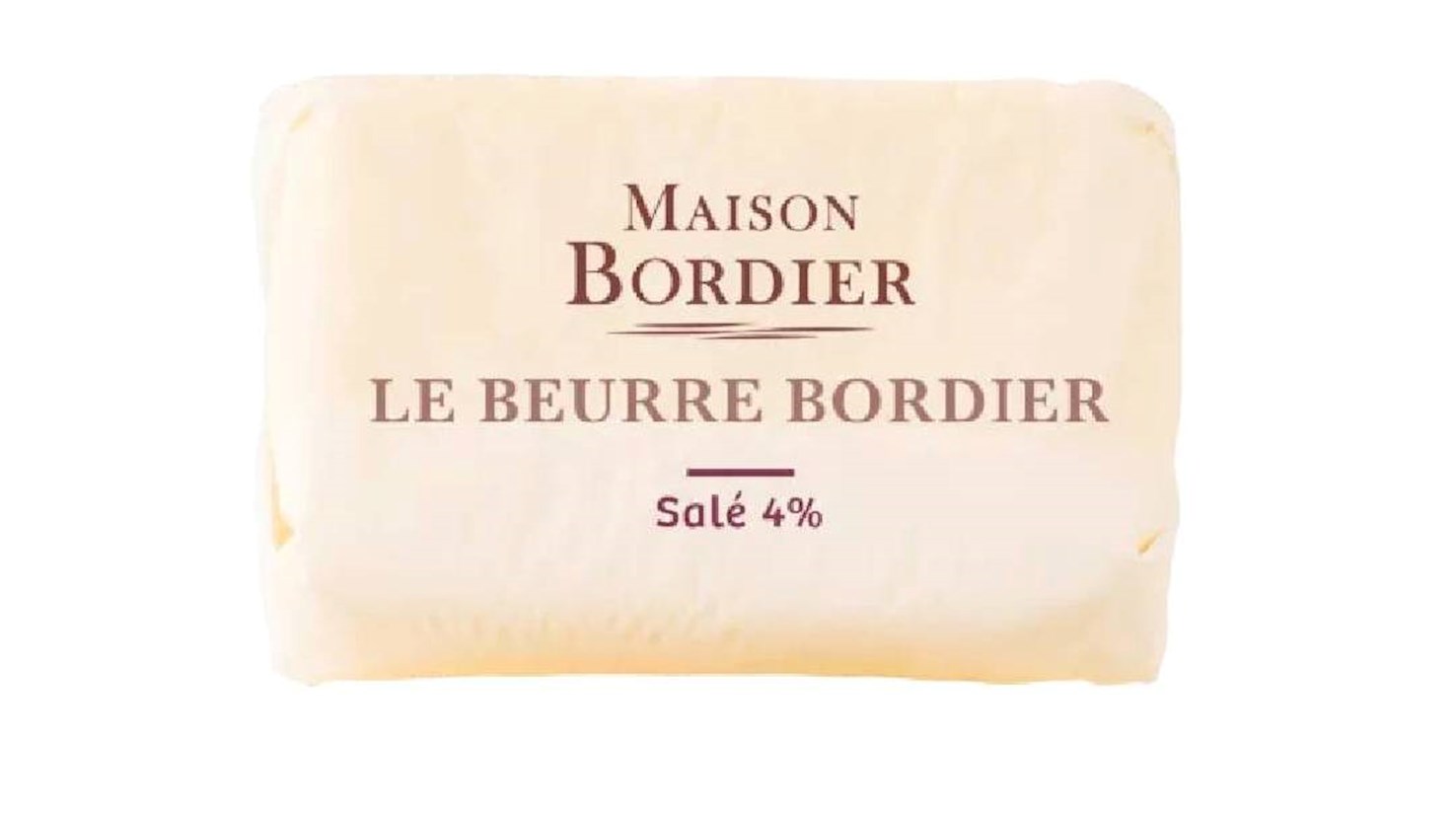
Maison Bordier is a French company specializing in artisanal butter production and cheese aging, founded in 1985 by Jean-Yves Bordier. Based in Saint-Malo, the company is known for its traditional butter-making methods, including hand-kneading on wooden boards, resulting in a smooth texture and rich flavor.
In addition to classic butter, Maison Bordier offers various flavored varieties, such as butter with seaweed, lemon and olive oil, and Roscoff onion. Their products are highly valued by top chefs and gourmet enthusiasts worldwide.
Beyond butter, the company is also involved in the aging of select cheeses, emphasizing high-quality raw ingredients and respect for traditional techniques. Maison Bordier also operates several stores and restaurants in France, where customers can enjoy their products and learn more about the production process.
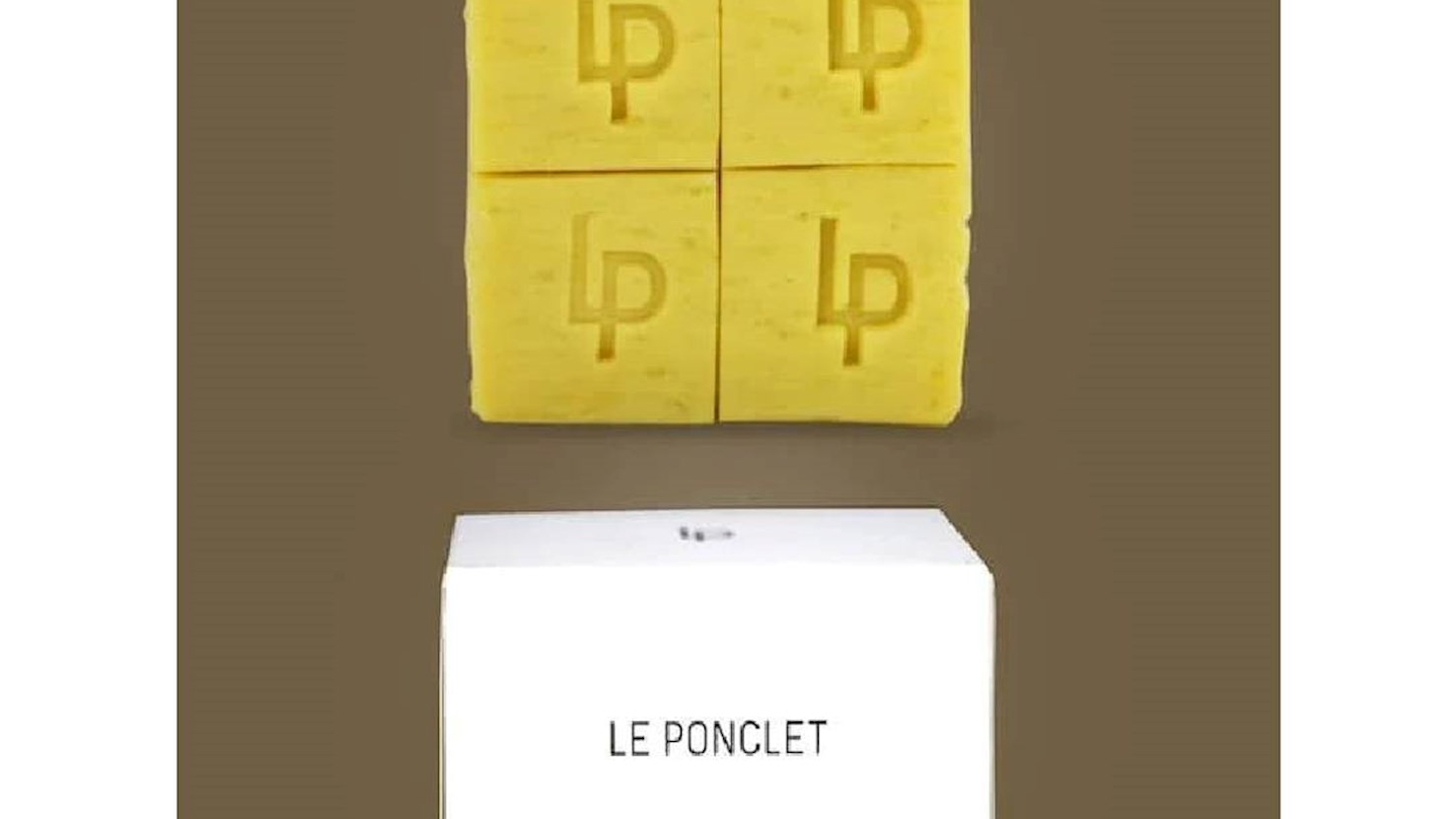
Le Ponclet is an esteemed artisanal dairy producer located in Locmélar, Brittany, France. Founded by David Akpamagbo, the farm is renowned for its exceptional raw milk butter, Beurre le Ponclet, which has garnered acclaim from top chefs and fine dining establishments worldwide.
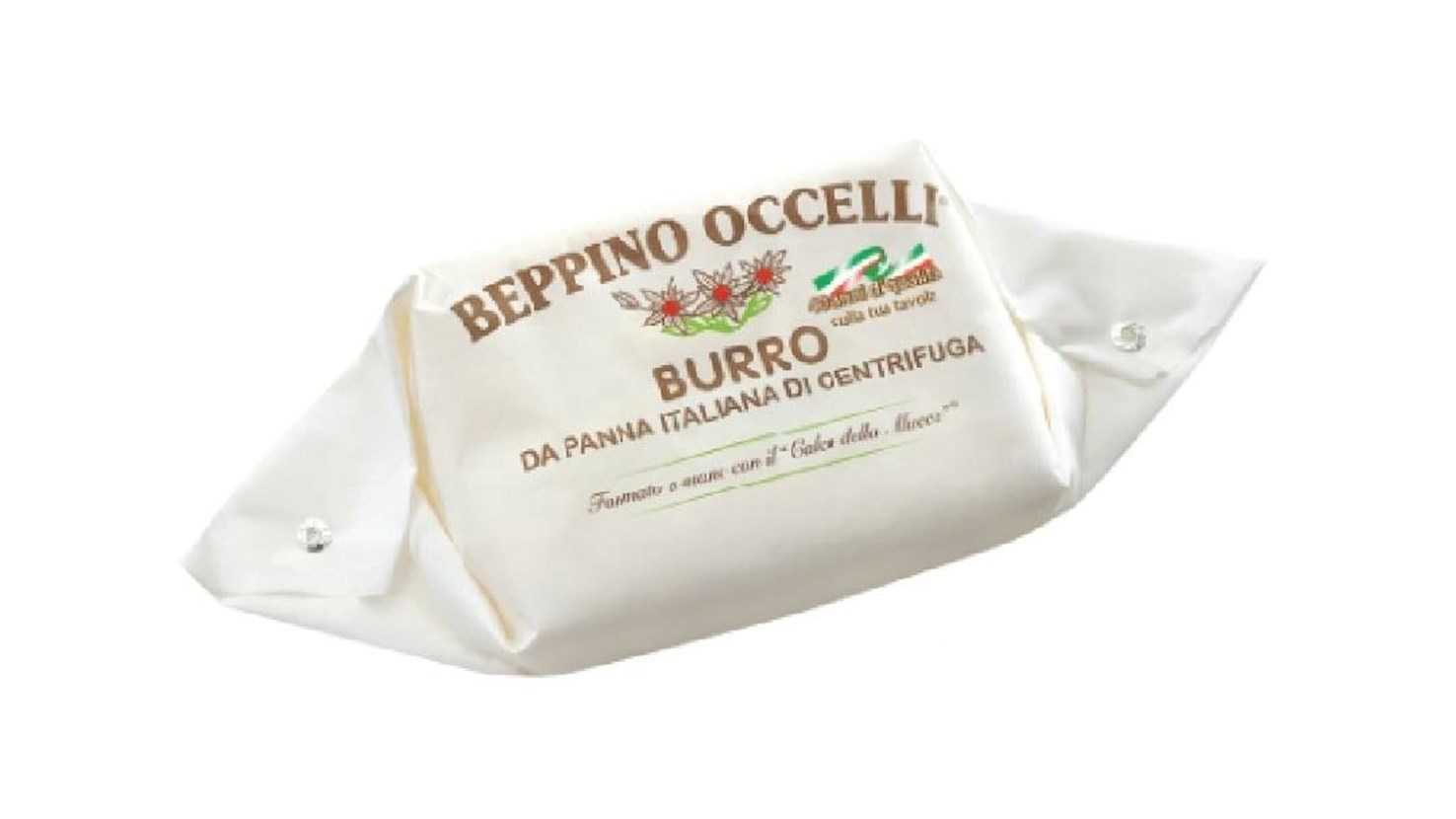
Beppino Occelli is a prestigious Italian producer of butter and cheeses, renowned for blending tradition with innovation. Since its founding in 1976, his products have been crafted with meticulous attention to quality, using the finest ingredients from the Langhe region and the Alps.
The uniqueness of Occelli’s cheeses lies in their long aging process, which takes place in the historic cellars of Valcasotto, where controlled humidity and temperature allow for the development of distinctive aromas and rich textures.
His butter, made from the highest quality milk, is highly valued for its full flavor and creamy texture, making it indispensable in gastronomy.
Dedicated to preserving local traditions, Beppino Occelli revitalized Valcasotto, transforming it into a unique "cheese village," where lovers of authentic dairy products can enjoy an unparalleled experience. His products embody the perfect balance of expert craftsmanship and natural ingredients, recognized and appreciated worldwide.
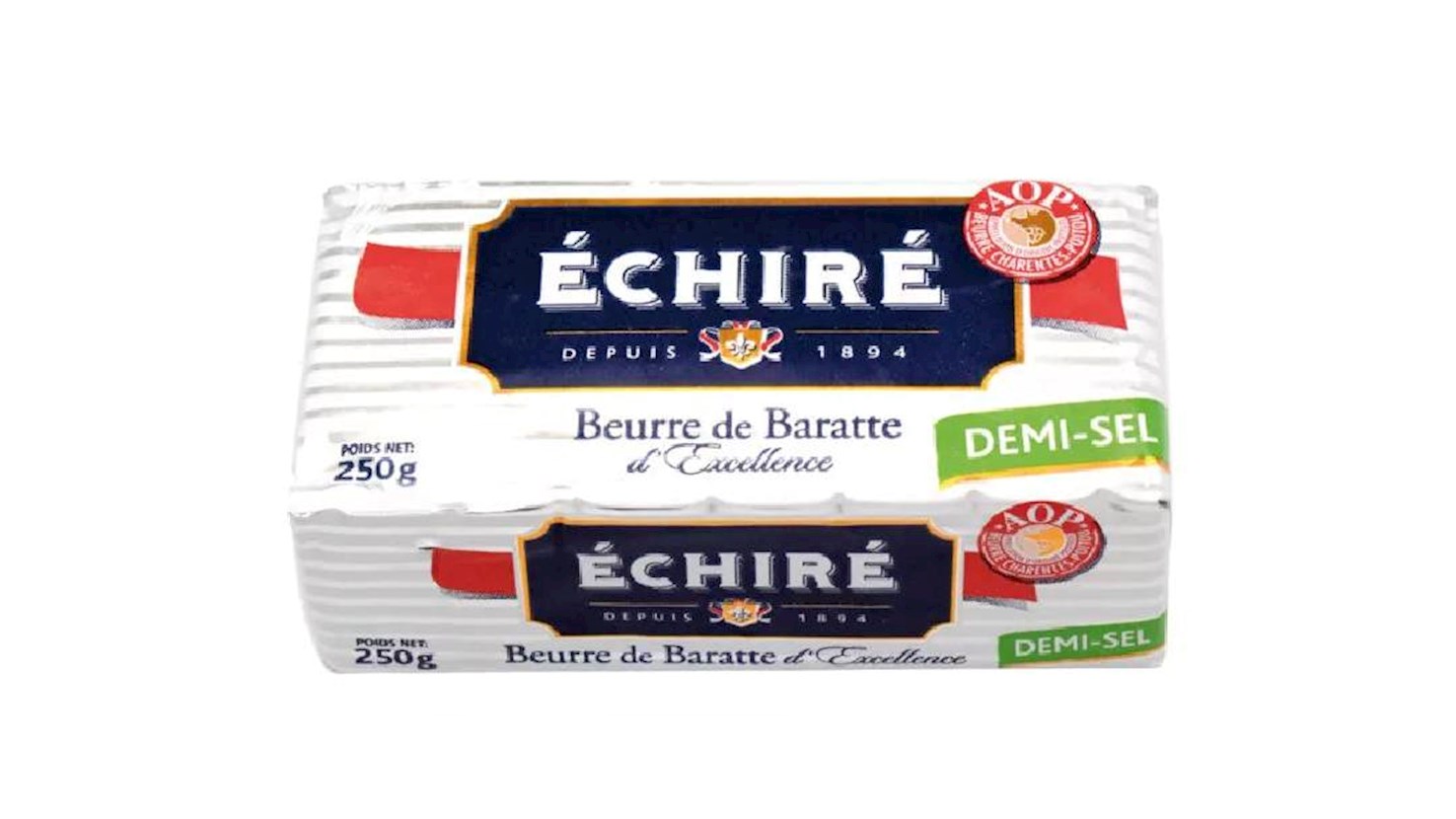
Échiré is a French dairy founded in 1894 in the village of Échiré, located in the Marais Poitevin region. It is renowned for producing high-quality butter and dairy products using traditional methods.
Their butter, protected by the AOP Charentes-Poitou designation, is highly valued for its exceptional quality, hazelnut notes, and smooth texture. Échiré products are available in over 40 countries and are frequently used in prestigious restaurants and luxury hotels worldwide.
In addition to butter, Échiré also produces premium milk sourced from its region. Their milk is rich and creamy, evoking nostalgic flavors from childhood, making it perfect for breakfast, snacks, or use in gourmet recipes.
A strong commitment to preserving traditional craftsmanship and maintaining high-quality standards has made Échiré a symbol of excellence in the world of dairy products.
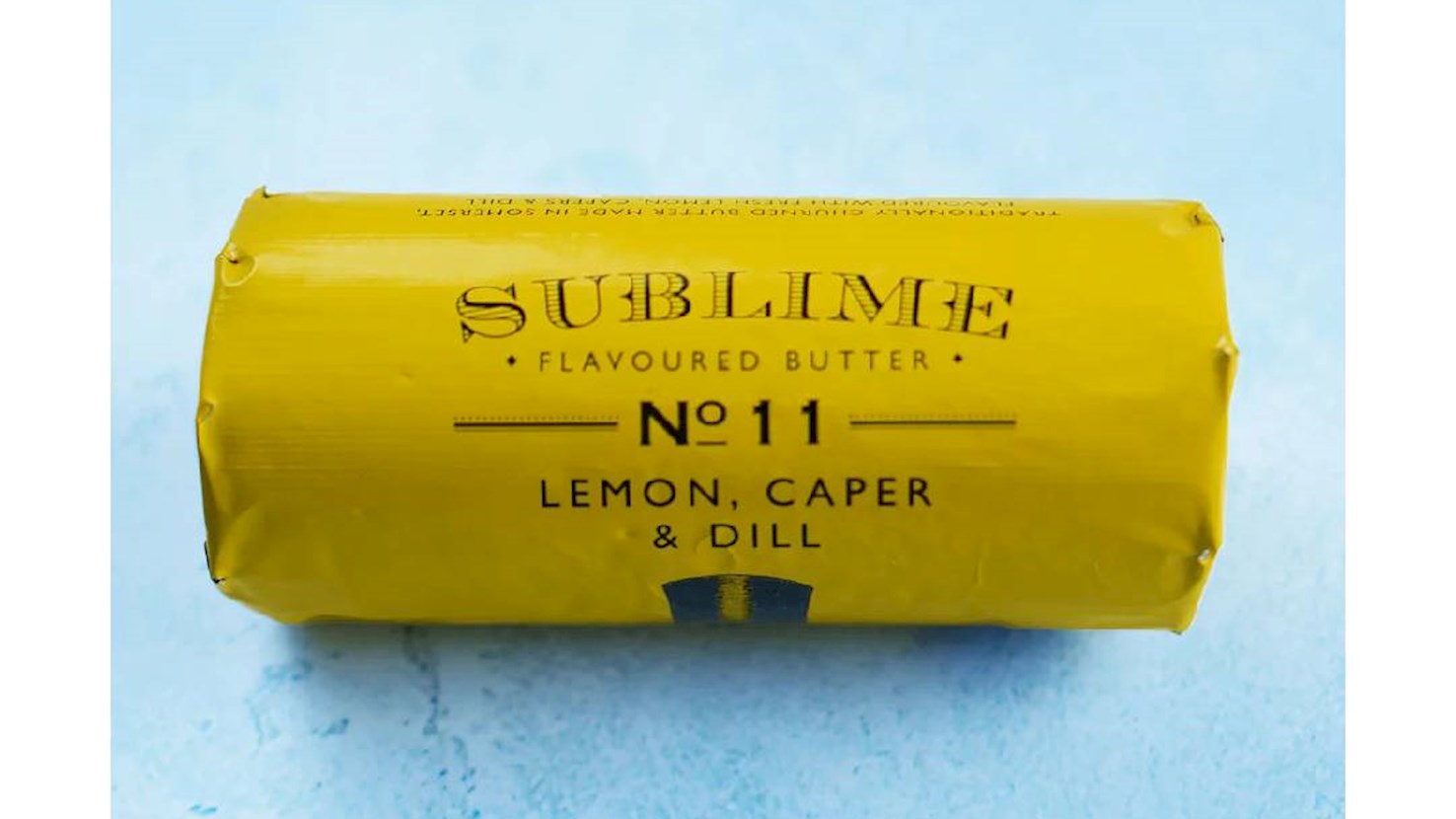
Sublime Butter Ltd. is a UK-based company specializing in the production of premium flavored butters. Established in 2017, the company operates from its registered office in Mayfair, London.
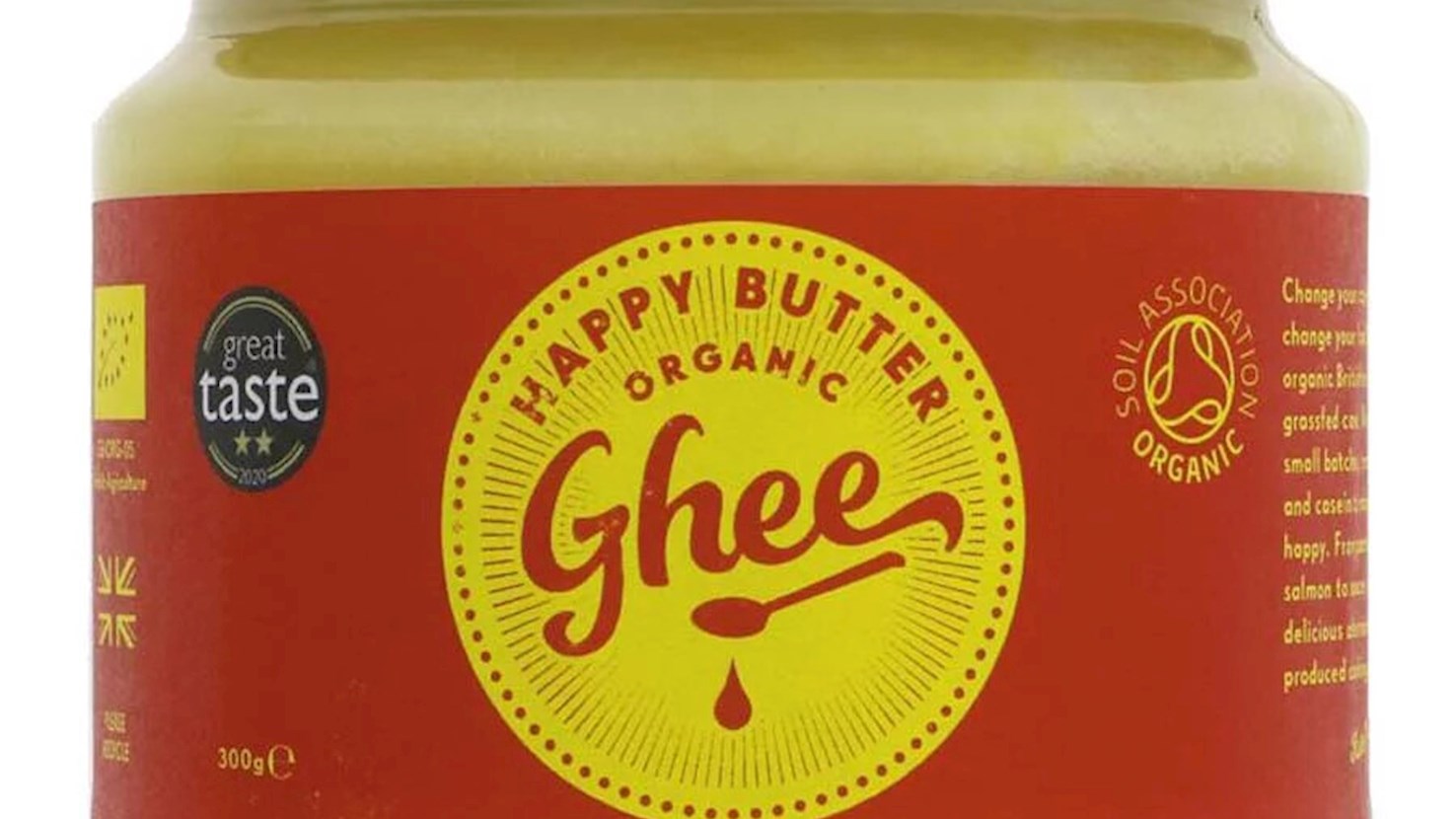
Happy Butter Ghee is a producer of organic, grass-fed ghee. They specialize in creating high-quality clarified butter products.
They offer a variety of ghee flavors, including original, turmeric-infused, and smoked. Happy Butter Ghee uses traditional methods to ensure purity and taste.
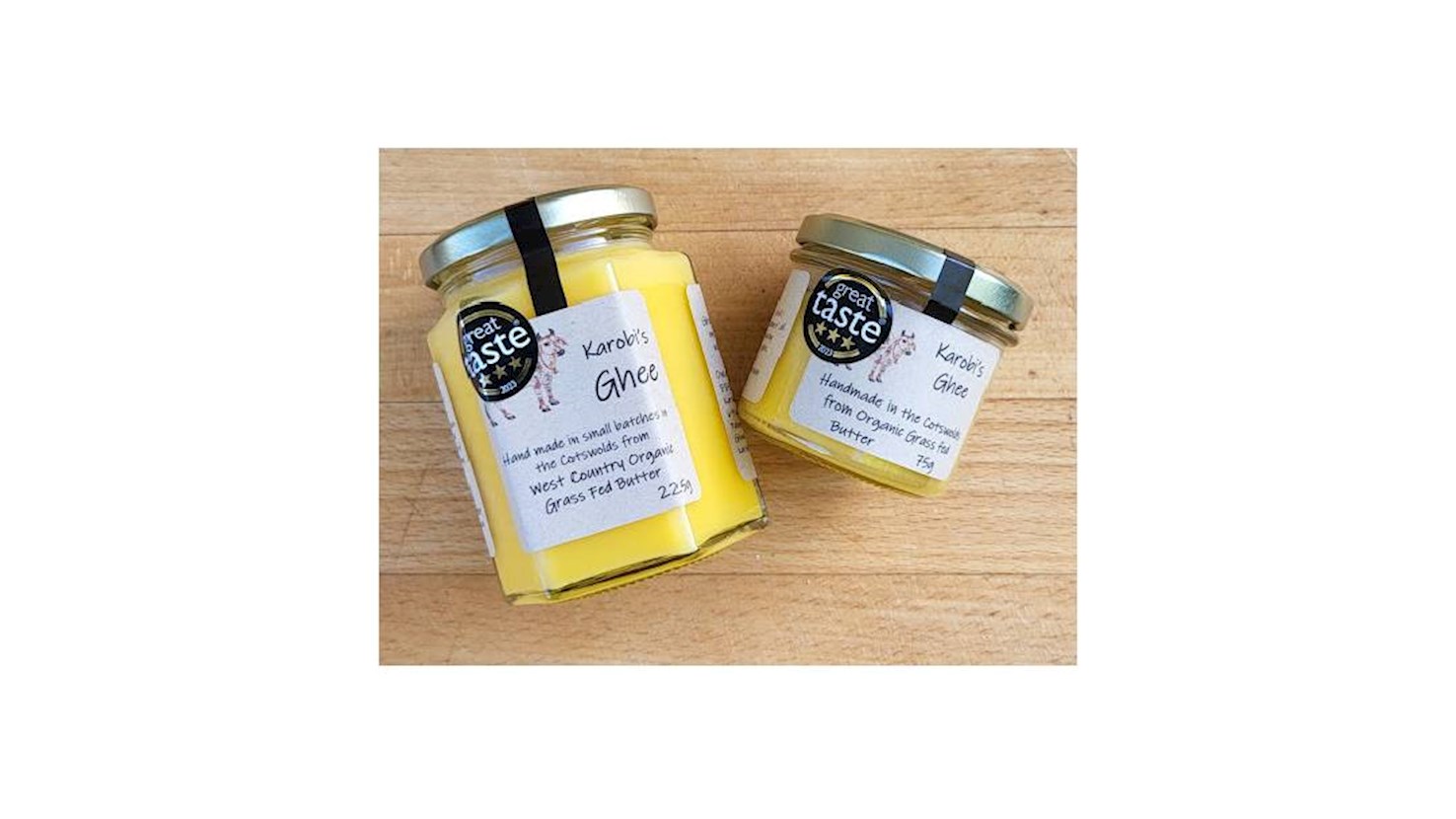
Karobi's Ghee is an artisanal producer of flavored ghee, handcrafted in small batches in the Cotswolds, United Kingdom. Their products are made from unsalted West Country organic grass-fed butter and organic spices.
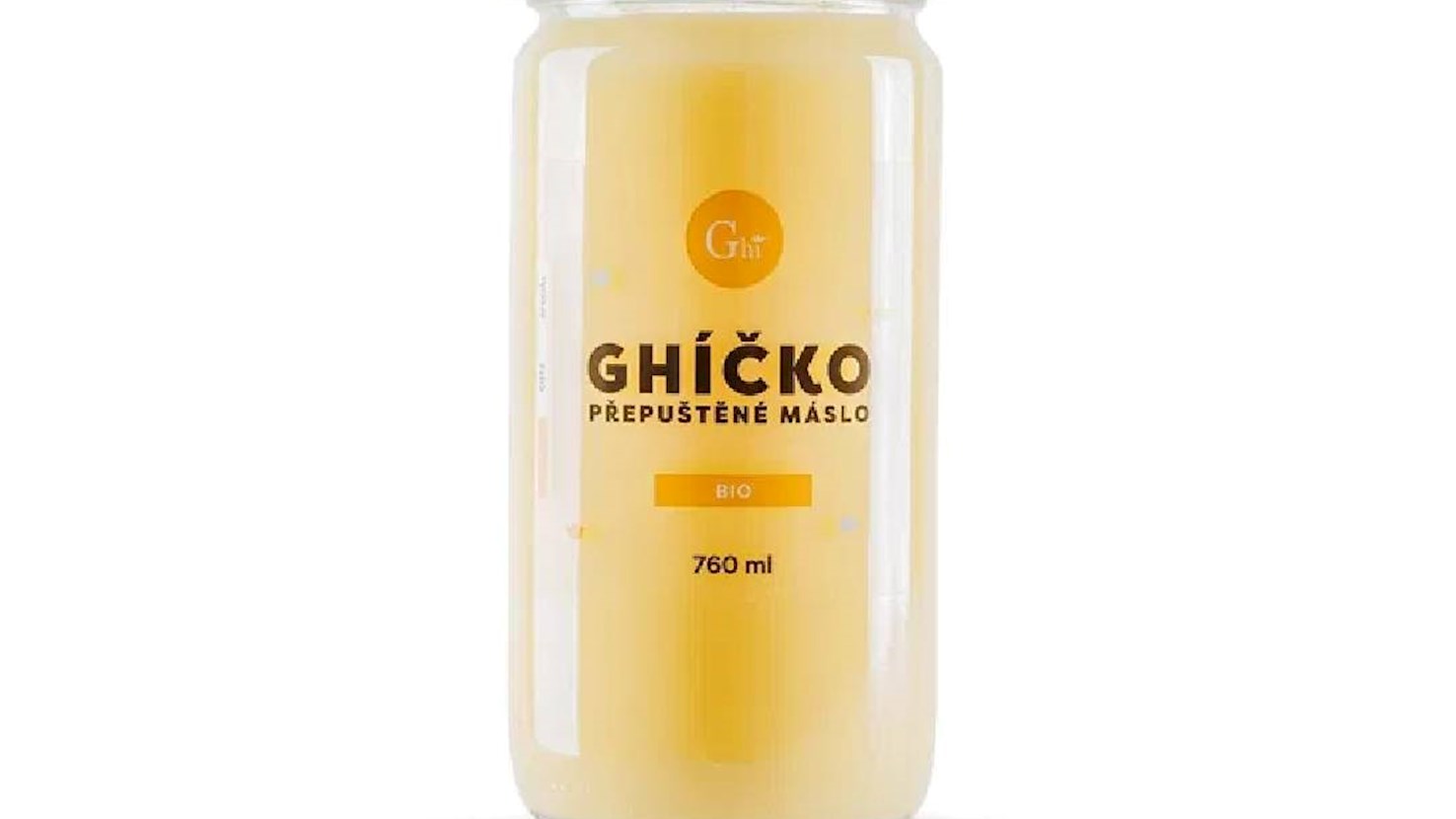
Czech Ghee (České Ghíčko) is a family-owned company founded in 2014, specializing exclusively in the production of high-quality ghee, also known as clarified butter. Their ghee is produced manually in small batches, adhering to traditional Ayurvedic methods, resulting in a product with a delightful taste and aroma.
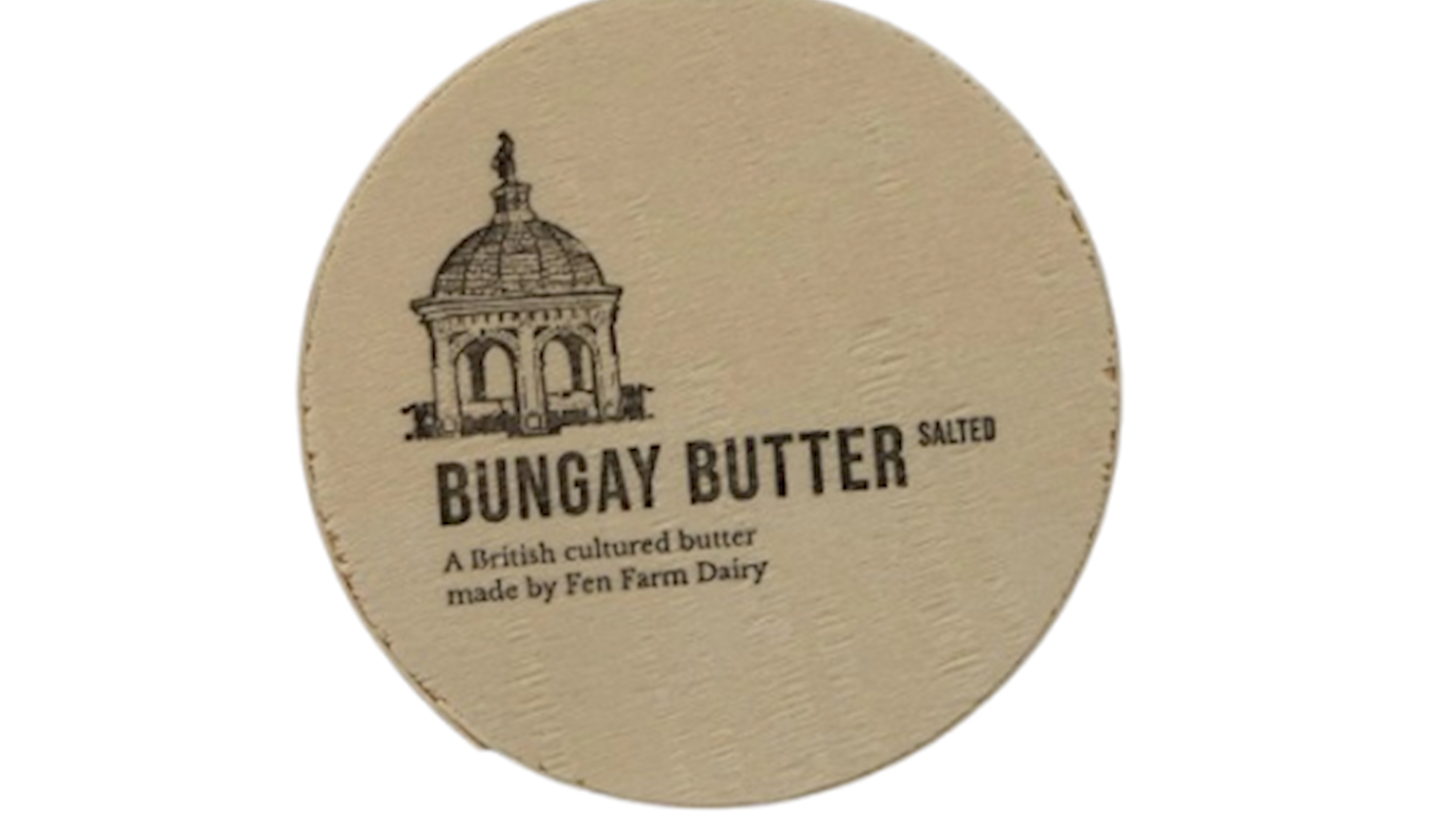
Fen Farm Dairy is a family-owned dairy farm located in Suffolk, England, renowned for its rich tradition of producing high-quality dairy products. It was founded by Jonny and Dulcie Crickmore, who are the third generation of farmers.
The farm focuses on sustainability and innovation in production, applying ecological and energy-efficient methods. Fen Farm Dairy is particularly known for its butter, especially its Bungay Butter.
This butter is the result of their dedicated approach to using raw milk from the farm located in Suffolk, England. The milk used in butter production comes from their cows that graze on natural pastures, ensuring high quality and the natural integrity of the product.
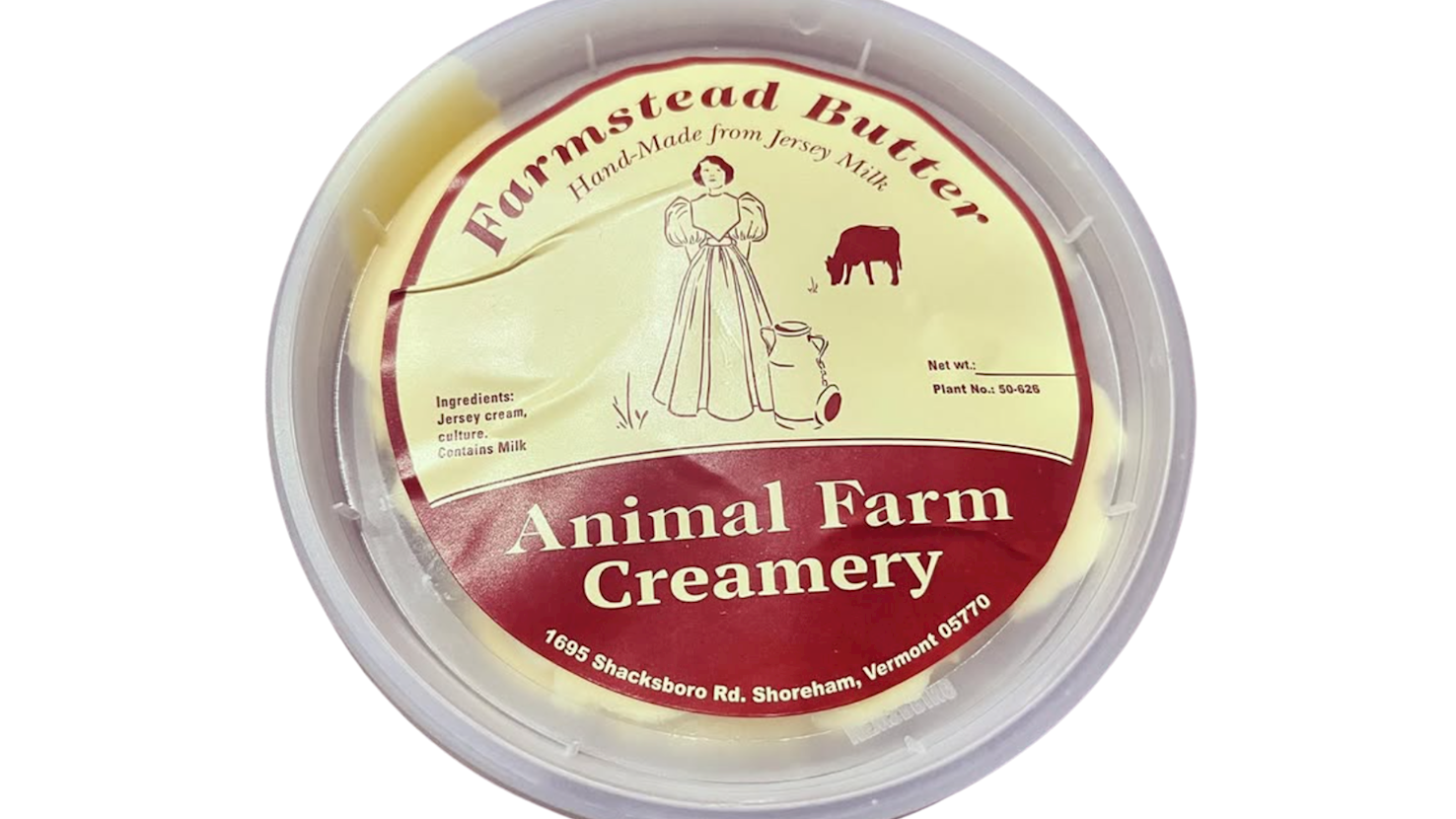
Founded in 2000 by Diane St. Clair in Orwell, Vermont, Animal Farm Creamery quickly gained cult status among top chefs, including those at The French Laundry and Per Se, where its butter became an essential ingredient in fine dining.
Animal Farm Creamery employs the best traditional dairy methods, producing handcrafted cultured butter made from fresh, raw milk, collected directly from the farm. The butter is churned and shaped by hand, giving it an exceptional texture, rich dairy flavor, and delicate aroma.
In addition to butter, the creamery also produces high-quality cream, which is regionally distributed through Provisions International.
Due to limited production, Animal Farm Creamery products are not commercially available in large markets – they are delivered directly to top restaurants, while a select quantity can be purchased through Saxelby Cheesemongers.
TasteAtlas food rankings are based on the ratings of the TasteAtlas audience, with a series of mechanisms that recognize real users and that ignore bot,
nationalist or local patriotic ratings, and give additional value to the ratings of users that the system recognizes as knowledgeable.
TasteAtlas Rankings should not be seen as the final global conclusion about food. Their purpose is to promote excellent local foods,
instill pride in traditional dishes, and arouse curiosity about dishes you haven’t tried.
The initial list of top producers was compiled based on available reviews, awards, local recommendations, media and blog coverage, and consumer reviews.
The list will be updated with ratings from TasteAtlas local ambassadors and TasteAtlas users.

























What People Say