M.B

Top 39 Northern Vietnamese Foods

Last updated on August 17, 2026

Best Northern Vietnamese Foods
01
Noodle Soup

Phở bò tái chín (Northern Vietnamese Beef Pho)

4.3 ·

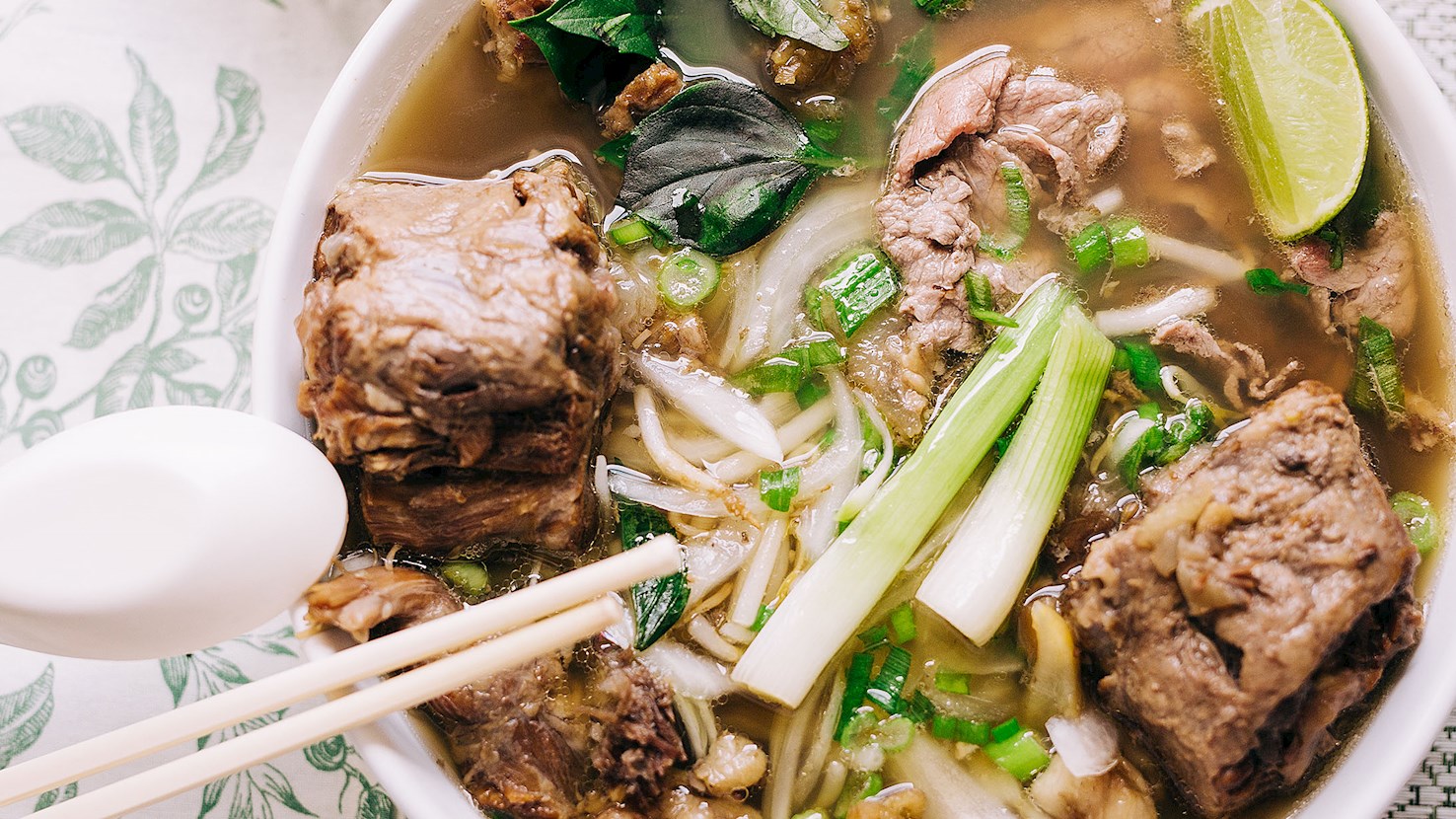
Phở bò tái chín is a Northern Vietnamese version of phở bò (beef pho). This soup is prepared with well-done (chín) and rare or half-done beef (tái) that's cooked by the broth when served. Other common components of the soup include beef broth, bones, ginger, onions, fish sauce, sugar, anise, cloves, cinnamon, and rice noodles. A few slices of roast beef and raw beef are served in each bowl before the broth is ladled into the bowls. Phở bò tái chín is usually garnished with Thai chili peppers, bean sprouts, cilantro, and Asian basil, while lime wedges are often served on the side.

02
Pork Dish

Bún chả (Grilled Pork Meatballs with Vermicelli Noodles)

4.3 ·

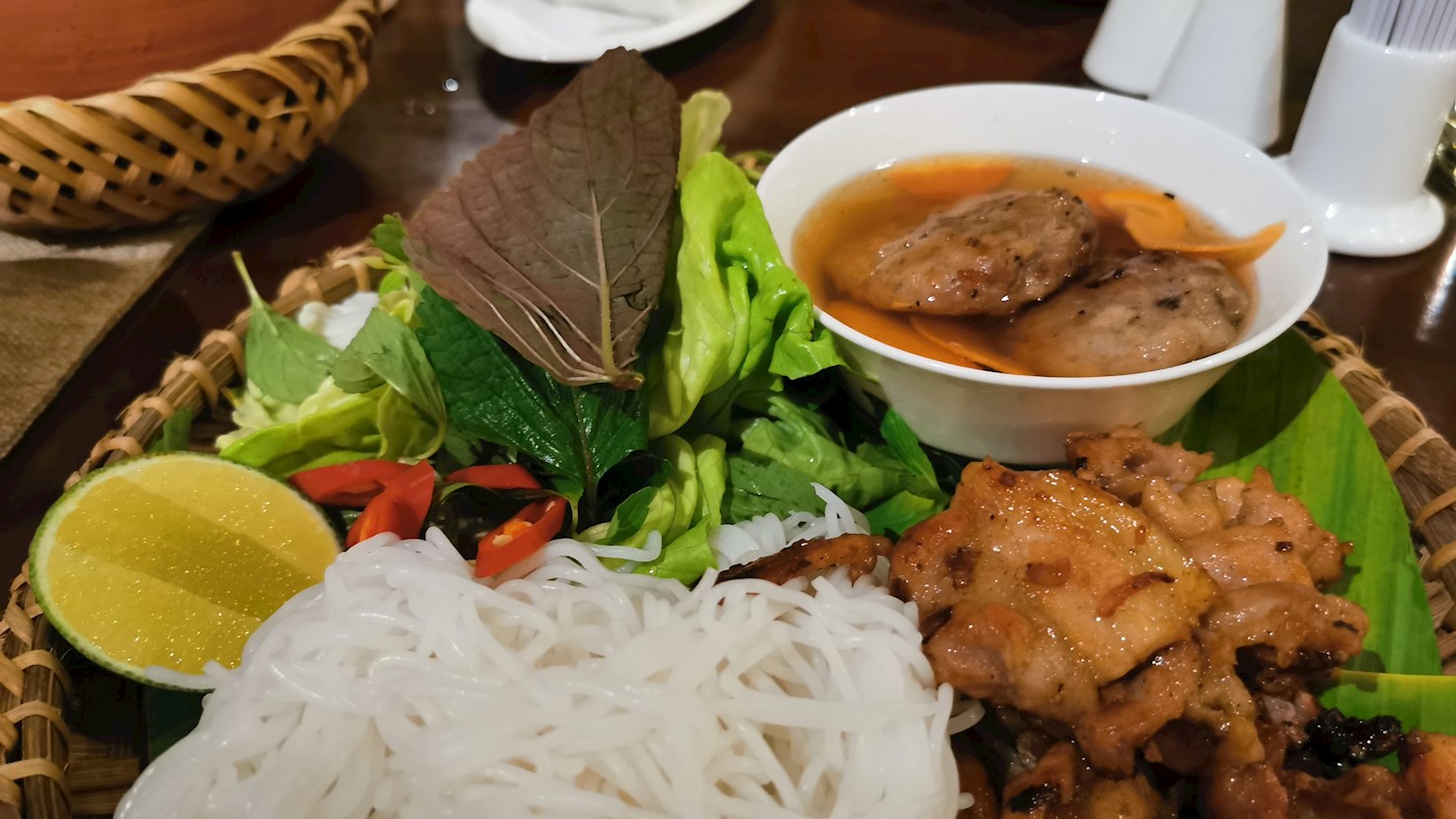
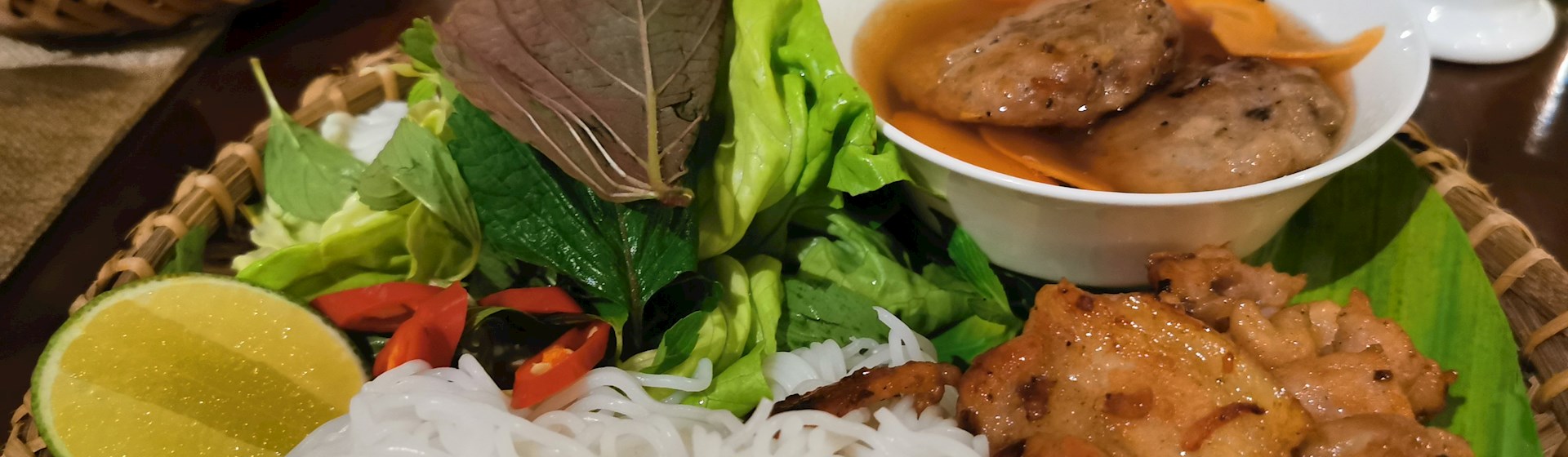
Bún chả is a pork and noodle dish that is intricately connected to Hanoi, where it is believed to have originated. The dish combines three elements: a bowl of grilled pork meatballs served in a cold broth, a plate of rice noodles, and a combination of various fresh greens such as perilla leaves, lettuce, coriander, and morning glory. Although bún chả or similar varieties can be found in other parts of Vietnam, the local Hanoi version is held in high regard. Not much is known about its history or origin, but the dish became internationally recognized in 2016 when it was featured on the show Parts Unknown – in which the host Anthony Bourdain enjoyed bún chả together with the former president Barack Obama.

03
Rice Dish

Cơm chiên (Vietnamese Fried Rice)

4.0 ·

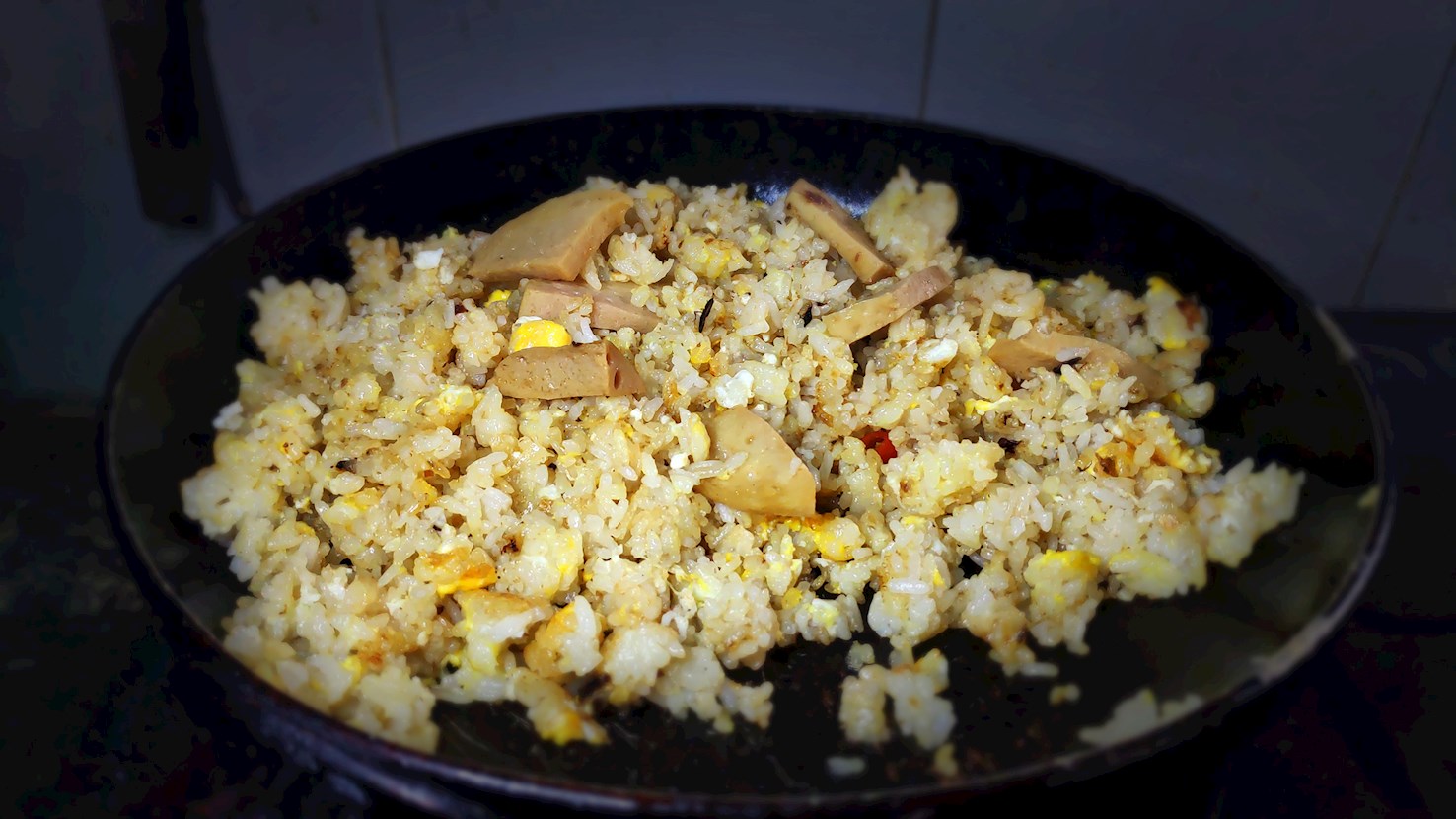
Cơm chiên is the Vietnamese take on fried rice. The dish is very versatile because almost anything can be added to the rice to enrich it, but it's usually prepared with white rice, garlic, salt, and pepper. The rice is cooked and it's then stir-fried in hot oil. Cơm chiên is served while still hot, and it can be enriched with various vegetables, eggs, or sausage meat. Soy sauce or fish sauce can be used as a seasoning, while chopped spring onions provide extra texture and a nice visual contrast to the rice.

04
Noodle Dish

Bún đậu mắm tôm (Rice Vermicelli Noodles with Fried Tofu and Shrimp Paste)

3.9 ·

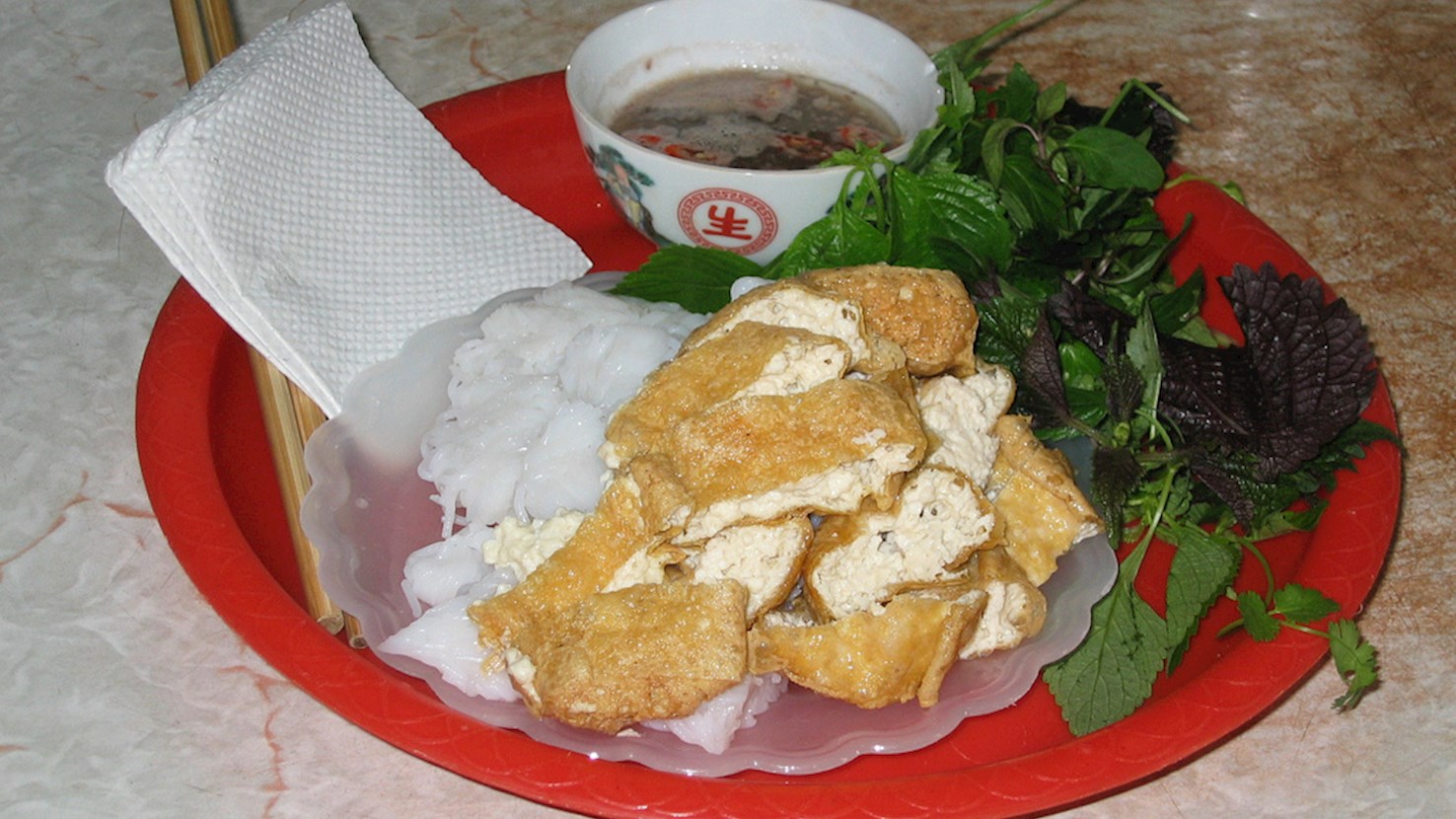
This traditional Vietnamese dish consists of rice vermicelli noodles, fried tofu, and fermented shrimp paste. All the elements are served separately, along with a heap of fresh green herbs. The dish is occasionally accompanied by slices of boiled pork, and before serving the shrimp paste is traditionally drizzled with few drops of lemon or kumquat juice. Bún đậu mắm tôm is mainly associated with Northern Vietnam, and it is especially popular in Hanoi. Although it is served in restaurants, this unique combination is best known as a street food item that is sold by numerous street vendors.

05
Street Food

Bánh cuốn (Steamed Rice Rolls Stuffed with Pork and Mushrooms)

3.8 ·

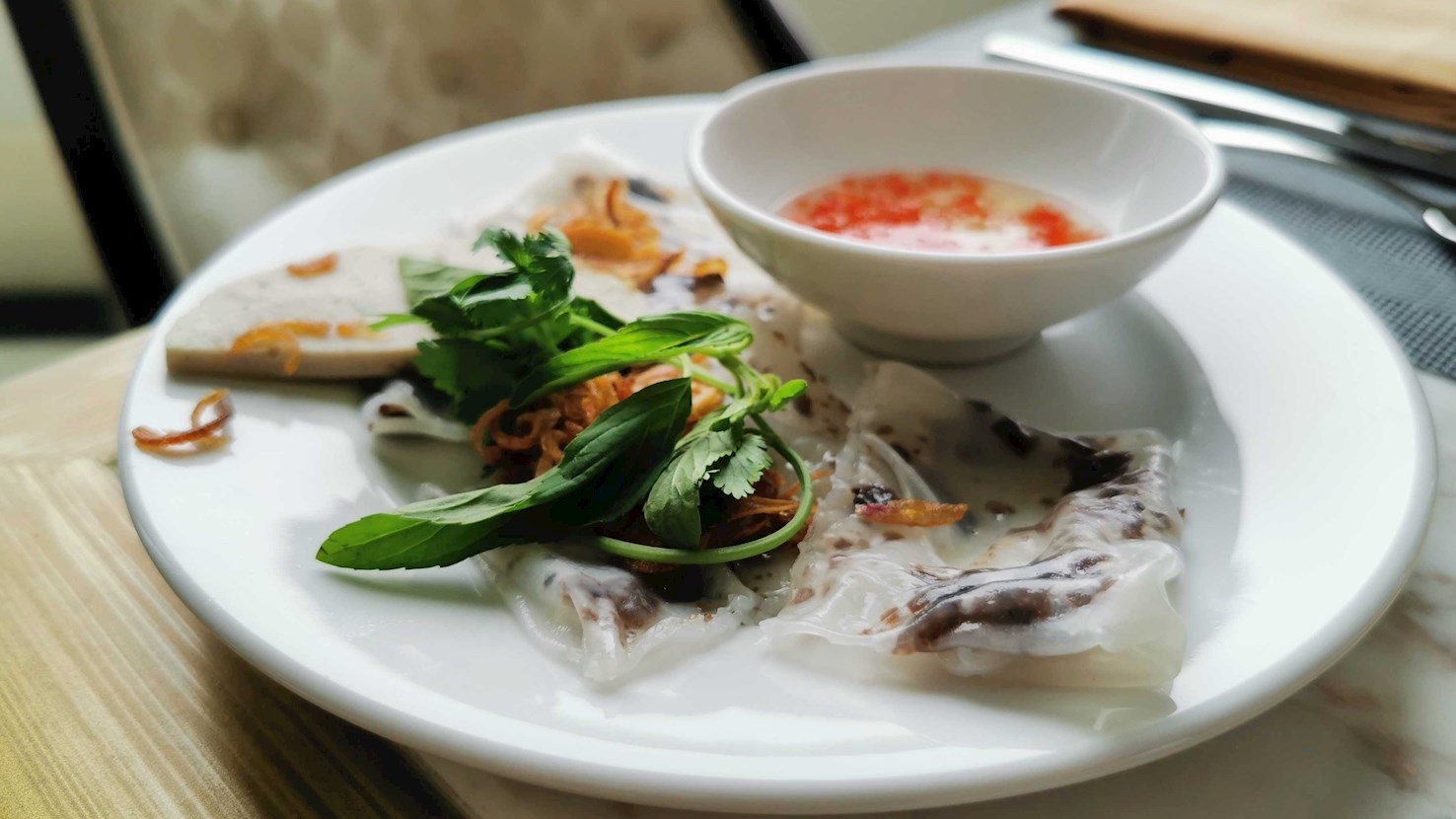
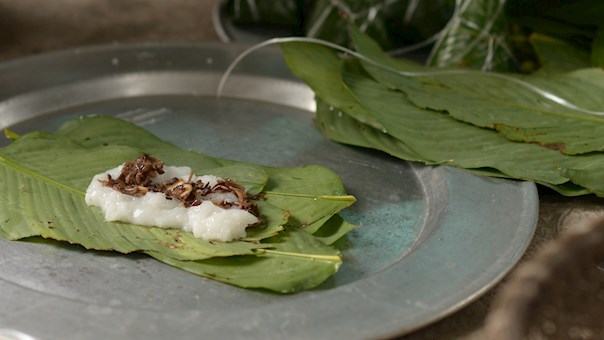
Bánh cuốn is a popular Vietnamese street food item consisting of steamed rice rolls stuffed with pork (banh cuon nhan thit), mushrooms (banh cuon than tri), or both (banh cuon Ha Noi). The dish is usually served with a fried shallot dip, sweet and sour fish sauce (nuoc mam chua ngot), a variety of fresh herbs, and lime-based sauce on the side. It takes a special kind of skill to prepare these steamed rolls which should always be extremely thin and translucent. Bánh cuốn is usually consumed for breakfast in Vietnam, while a similar version of the dish is also present in Thai cuisine, where it is known as khao phan.

06
Dessert

Bánh đậu xanh (Mung Bean Cake)

3.7 ·

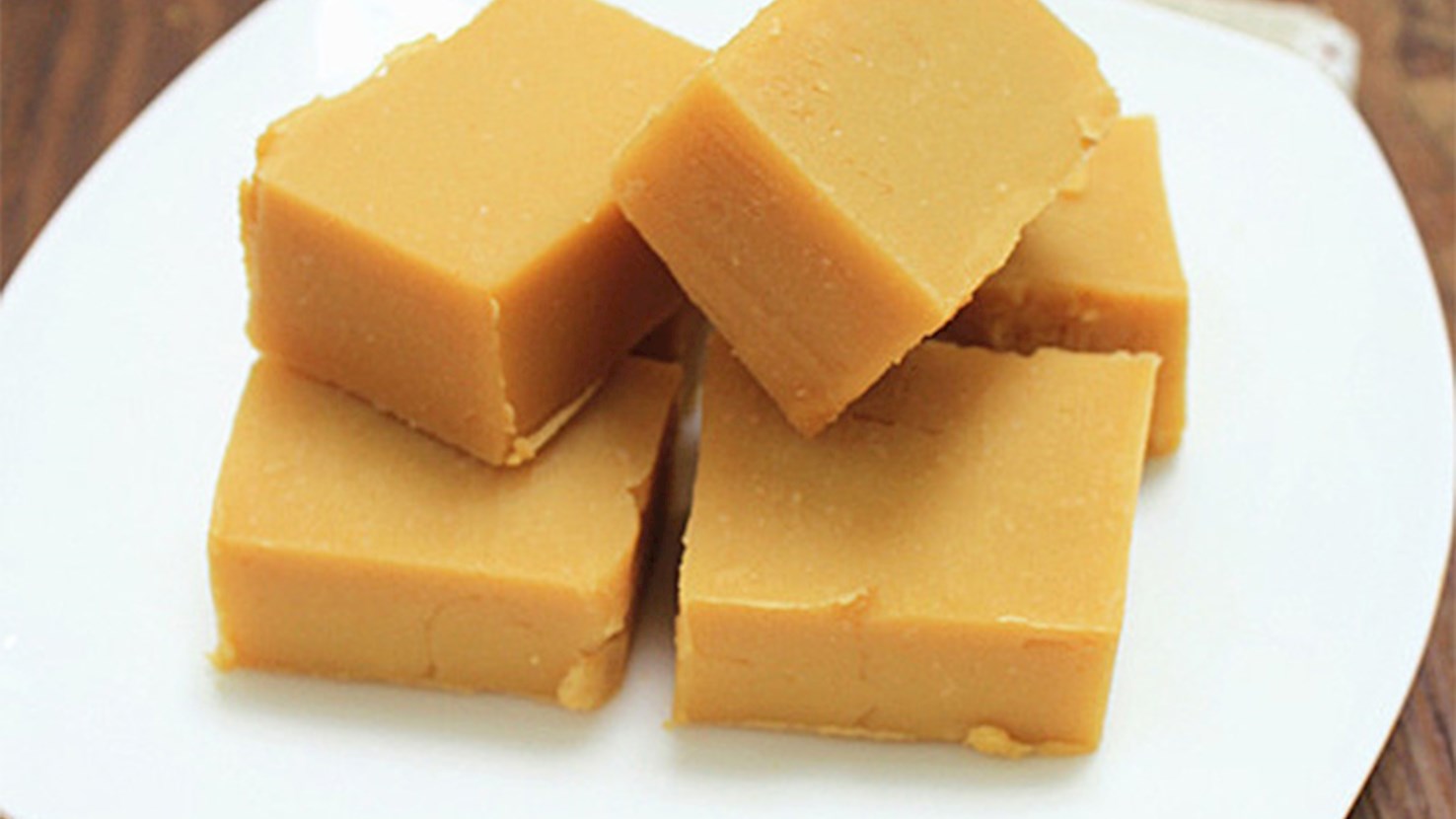
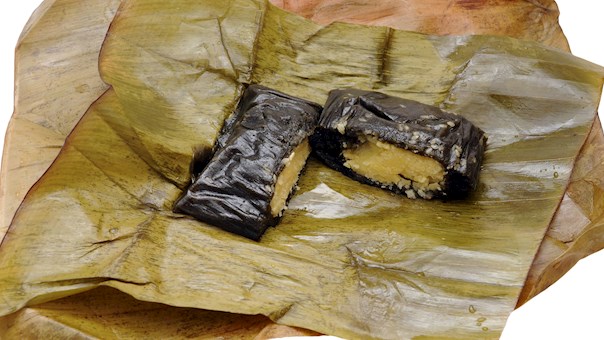
This traditional Vietnamese dessert originated in Hải Dương. It combines mung beans, vegetable oil or pork fat, sugar, and flavorings to create a cake with a fudge-like consistency and a smooth texture. It is believed that the cake first appeared in the 1920s, and since then, this simple combination has earned a status of a favorite local sweet and has become well-known in the entire country. Traditionally, pieces of bánh đậu xanh are accompanied by a cup of green or lotus tea.

07
Salad

Nộm

3.7 ·

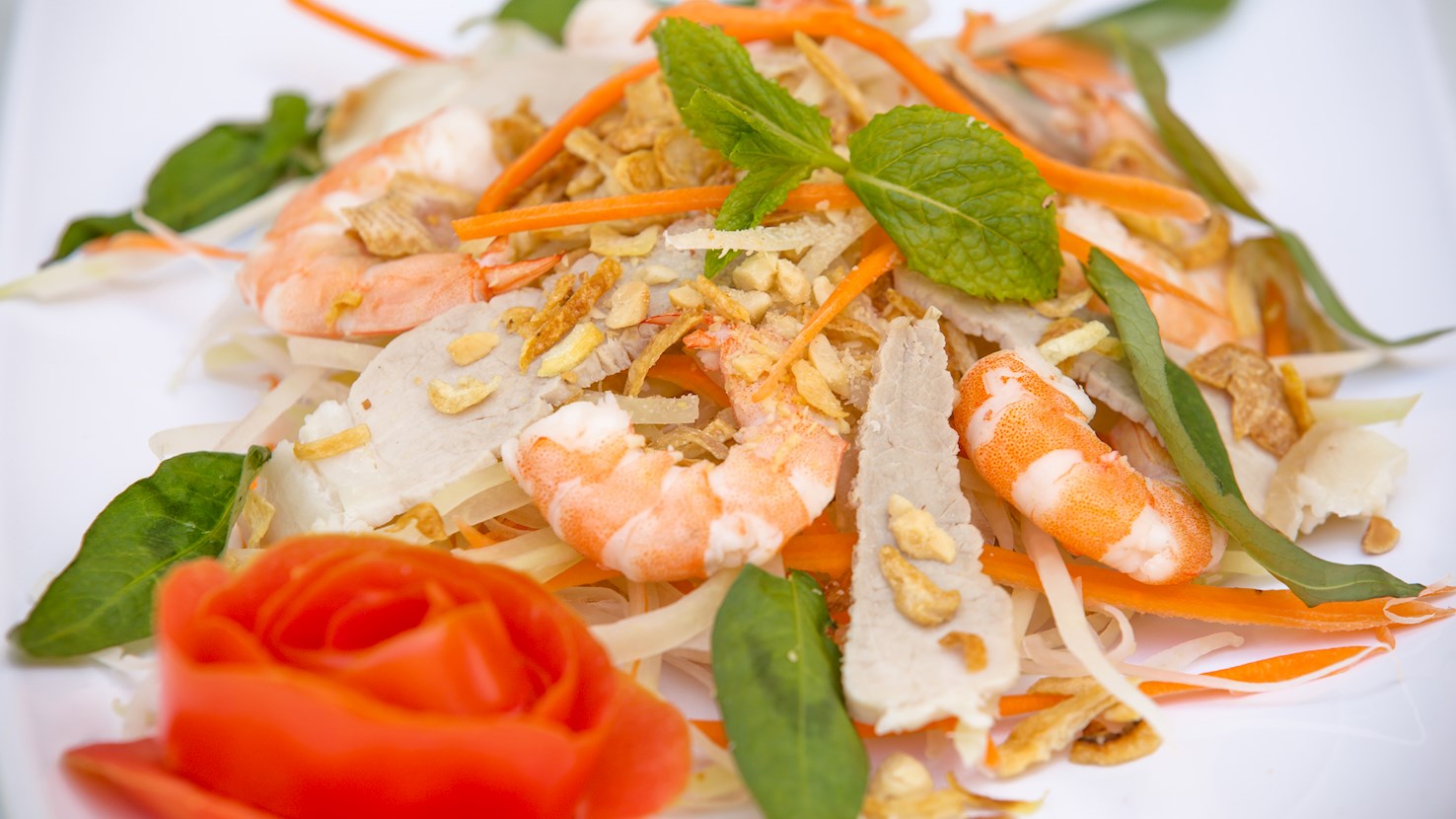
Nộm is a traditional salad. It's made with a combination of fresh, grated vegetables such as cabbage and turnip, along with papaya, green mango, banana flowers, cucumber slices, and sometimes even shredded boiled pork. Other common ingredients include hot chili peppers, roasted ground nuts, and grated carrots to make the salad more visually attractive and colorful. Nộm is the name in the North, while in Southern Vietnam, the salad is known as gỏi. The salads are usually dressed with nước chấm, and they're often served with prawn crackers on the side.

08
Noodle Soup

Bánh đa cua (Red Noodle Soup with Crab)

3.7 ·

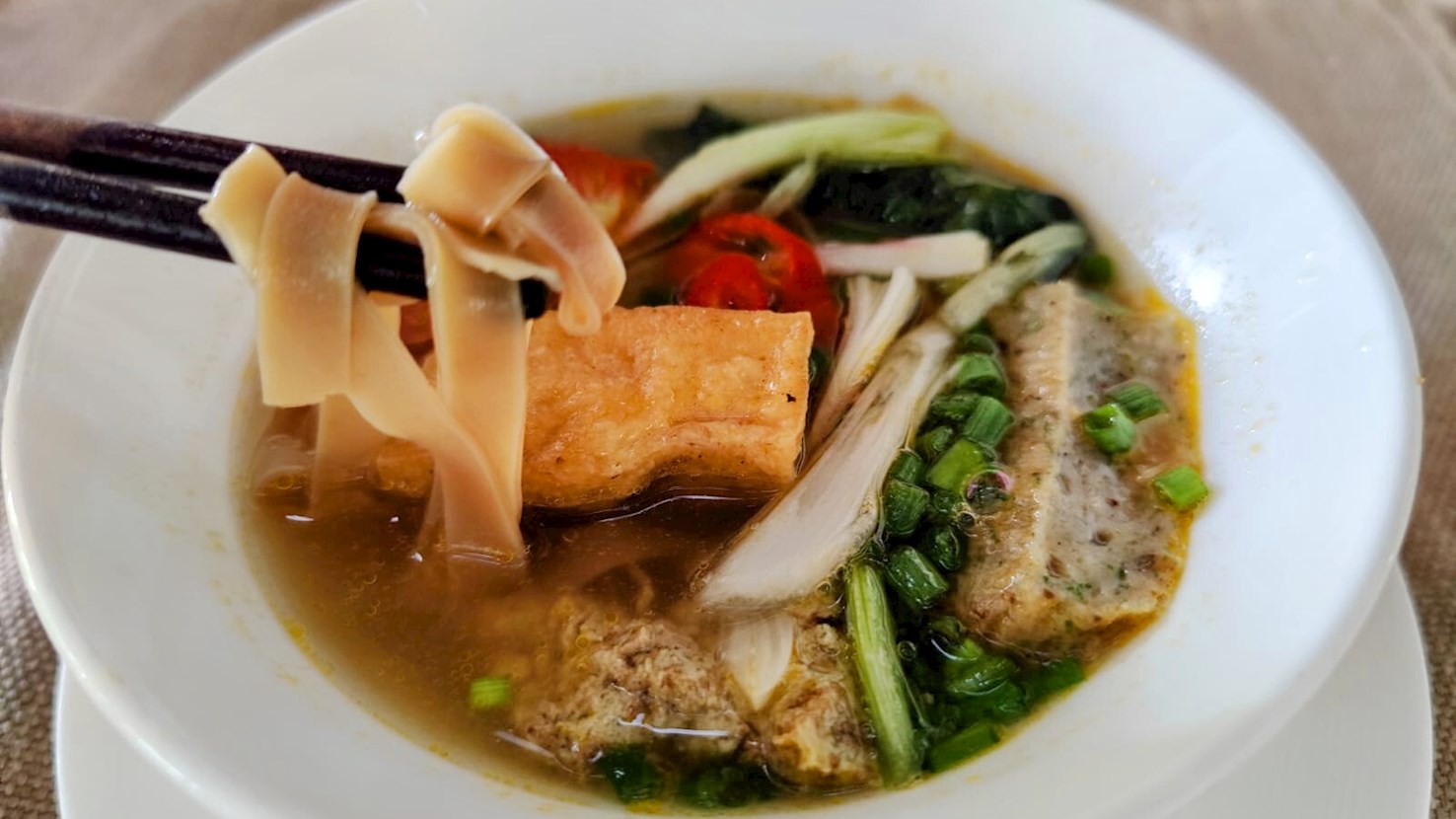
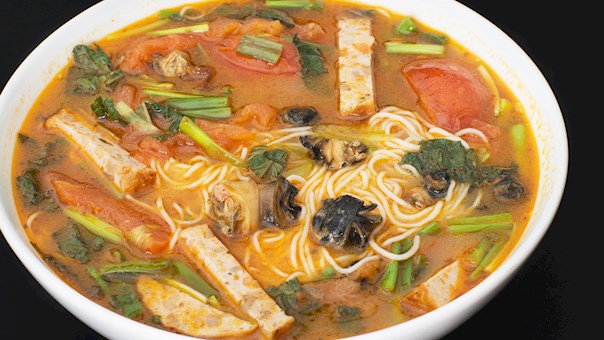
This colorful noodle soup is a local specialty hailing from Hai Phong. It consists of pork-based broth that is topped with a variety of ingredients such as crab meat, fresh herbs, pork balls, chả lụa sausage, or ground meat wrapped with betel leaves (bò lá lốt). The ingredients may vary, but each bowl needs to have a serving of locally made noodles (bánh đa) that are characterized by their light red hue. Lime wedges, lettuce, perilla leaves, or sliced chili peppers are usually served on the side.

09
Rice Dish

Cơm lam (Bamboo Cooked Sticky Rice)

3.7 ·

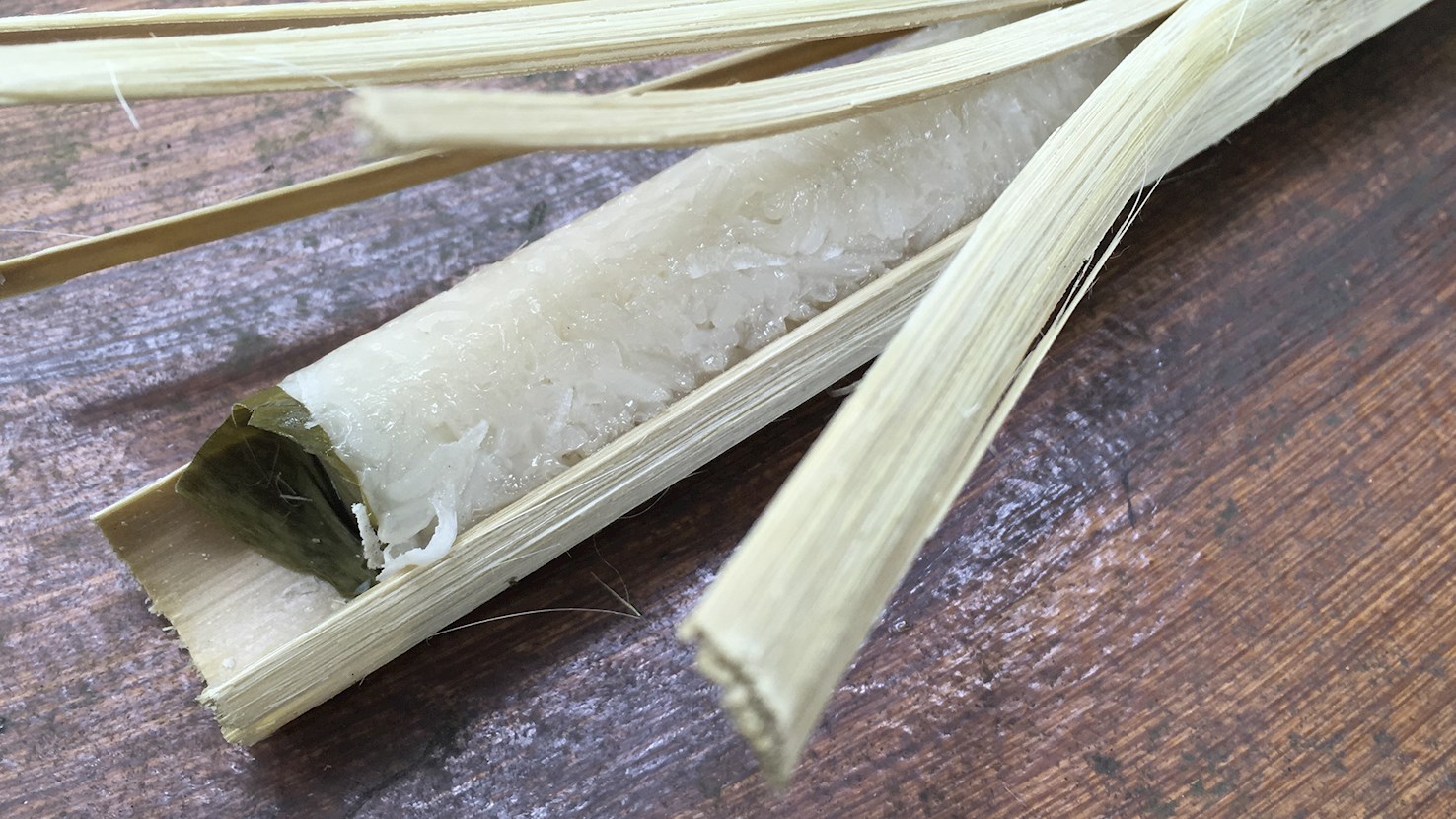
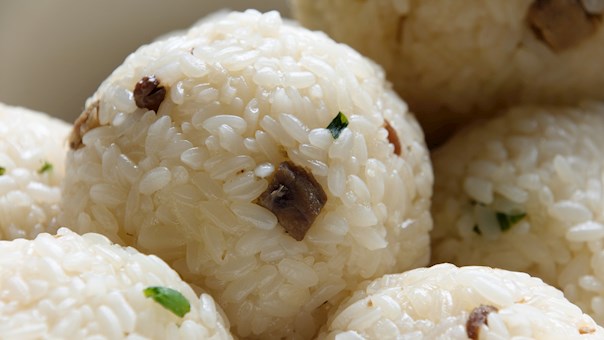
Cơm lam is prepared by stuffing sticky rice into bamboo tubes which are first wrapped in banana leaves and then roasted over hot coals. It was invented as a convenient and portable dish that was intended for long journeys, and its origin is usually associated with Northern and Northwest Vietnam, especially in Sapa, though similar techniques and dishes can be found in Laos, Cambodia, Myanmar, and Thailand. Cơm lam is typically served with grilled pork or chicken, and it is usually sprinkled with sesame seeds or roasted peanuts.

10
Rice Dish

Cơm cháy (Burnt Rice)

3.5 ·

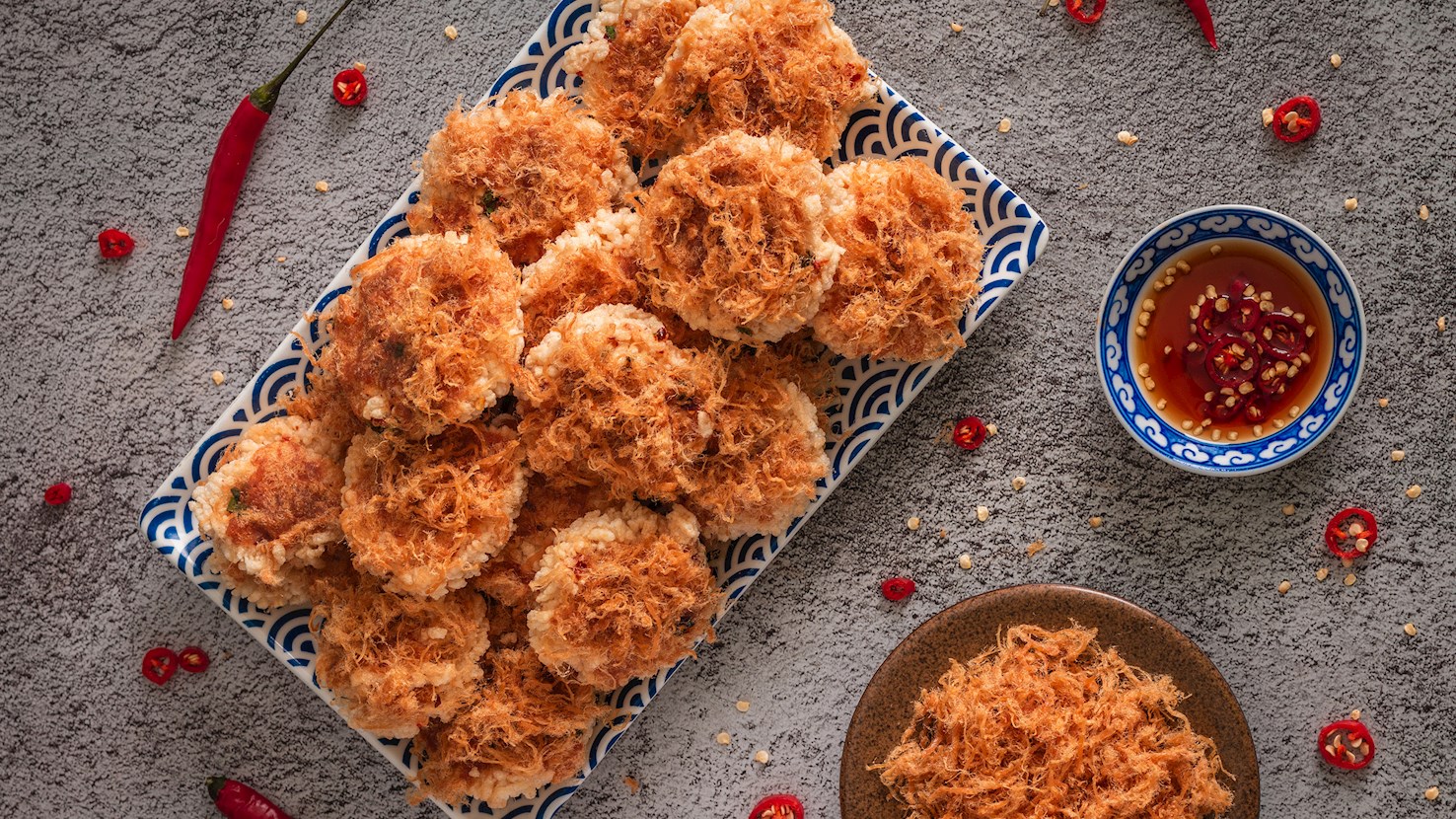
Cơm cháy is a traditional dish and a specialty of Ninh Binh. The dish is made from steamed rice that's sliced into flat and round shapes. The rice needs to be glutinous Huong rice, with round and pure grains. It is then dried in the sun for a few times and preserved in dark and cold space to keep the flavor and avoid the development of mold. After the drying, the slices of rice are fried in hot oil until the rice develops a crisp texture. Cơm cháy is typically served with goat meat, beef, pig's heart, carrots, and mushrooms.

Best Northern Vietnamese Food Products

01
Rice

ThaiBinh Seed

4.9 ·

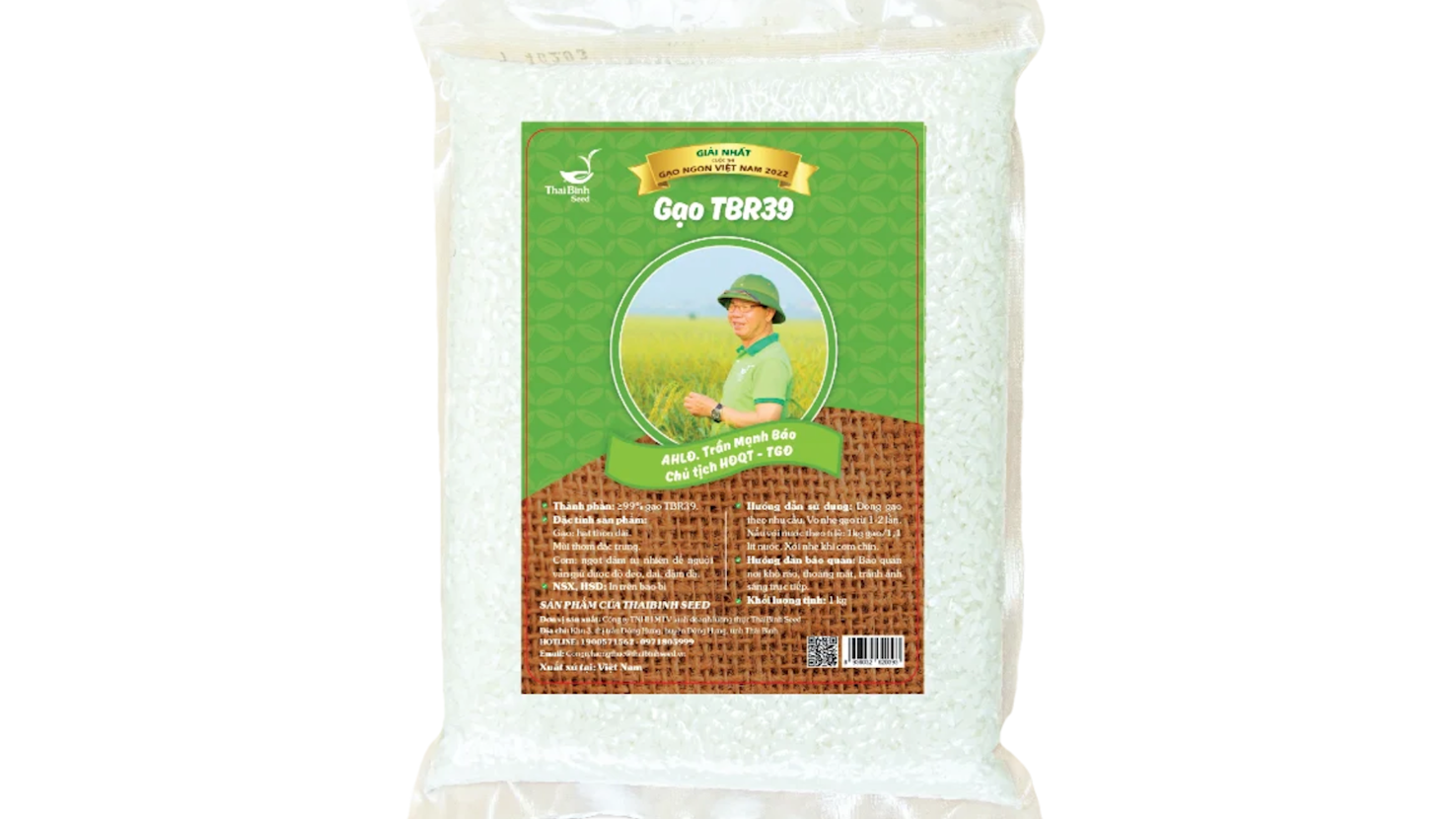
ThaiBinh Seed is a Vietnamese agricultural company specializing in the research, development, and production of seeds and rice. It was established on January 10, 1972, under the name Thai Binh Rice Seed Company. Over the course of its development, it grew into one of Vietnam’s leading companies in the breeding and production of field-crop seeds. Its principal activities include variety selection, certified seed production, and the development of rice adapted to different growing conditions. The company holds the rights to several dozen nationally recognized plant varieties. Rice varieties such as TBR225, BC15, TBR97, TBR39, and the A Sào glutinous rice represent the most important part of its portfolio. In addition to rice, the company develops seeds for maize and other field crops. ThaiBinh Seed controls the entire production chain from variety development and contract farming to processing, packaging, and the sale of finished rice. It entered the food-rice business in 2014 with the opening of a processing plant with an annual capacity of approximately 40,000 tonnes. Its finished product range includes aromatic rice, glutinous rice, purple brown rice, and other regional varieties. ThaiBinh Seed is a large research and production group with nationwide distribution.

02
Condiment

Quang Hải

4.9 ·

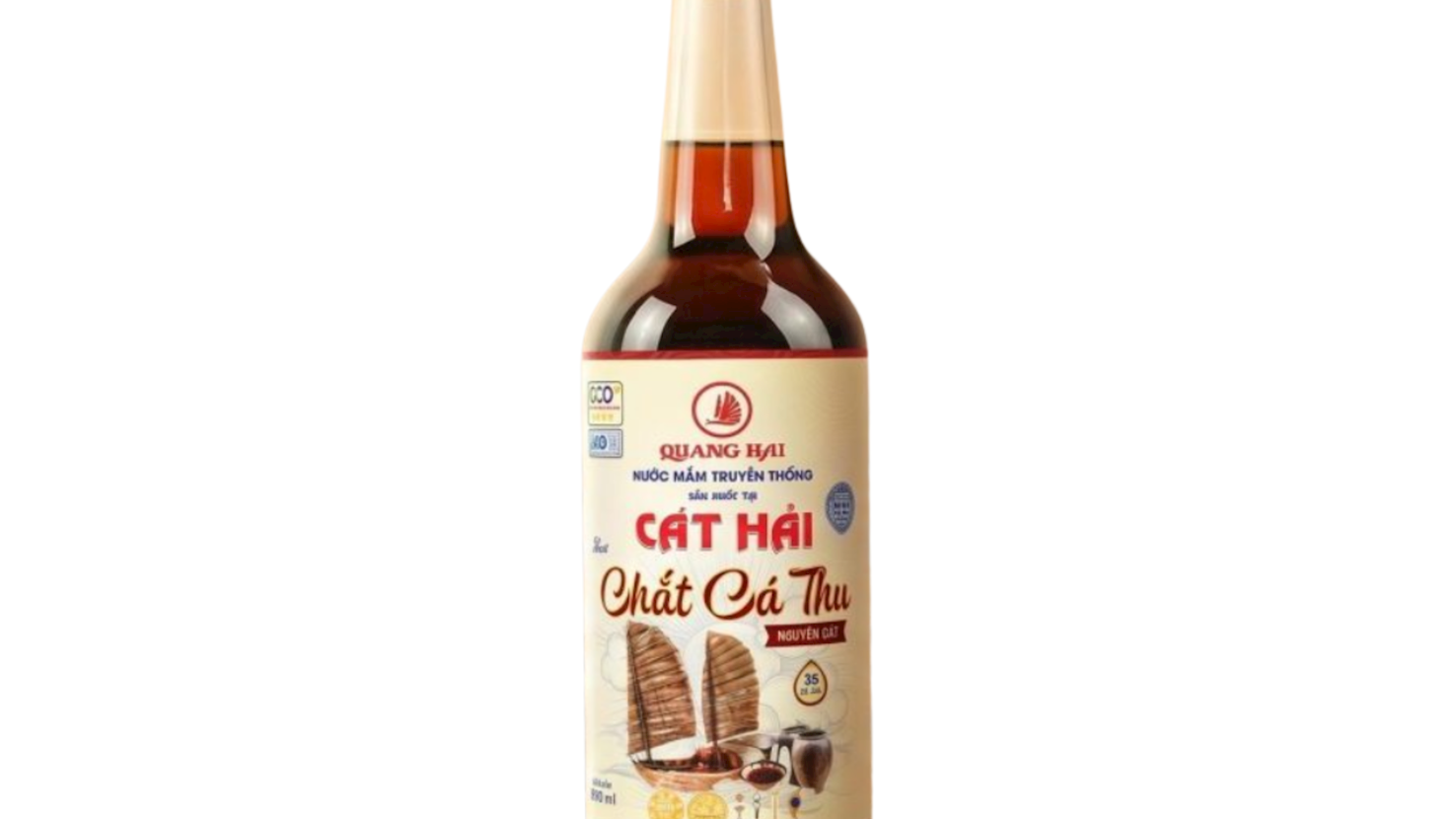
Quang Hải is a Vietnamese producer of traditional fish sauces and fermented seafood products based on Cát Hải Island in Hải Phòng. The company was established in 1993 by Bùi Đức Tiềm together with a group of former managers and workers from a local fish sauce factory. Tiềm began learning the craft of fish fermentation during childhood and the company traces its expertise to a family tradition spanning more than 70 years. In 2008 management of the business passed to his son Bùi Đức Vinh. Production takes place in Lục Độ village on Cát Hải Island which is known for its long tradition of fish processing and fermented condiments. The company’s fish sauces are made primarily from fresh fish and sea salt sourced from the Cát Hải area. The ingredients ferment naturally according to a local method traditionally carried out in ceramic vessels or large tanks. During maturation the fish proteins gradually break down into amino acids that give the sauces their pronounced umami character and mild sweetness in the finish. The company states that its fish sauces contain no preservatives, chemical additives or flavour enhancers. Its range includes sauces made from anchovies, mackerel, tuna, herring and other fish species with natural nitrogen concentrations ranging from 13 to 56 grams per litre. In addition to fish sauce Quang Hải produces both thick and liquid shrimp pastes as well as fermented paste made from small shrimp.

03
Rice

Toản Xuân

4.9 ·

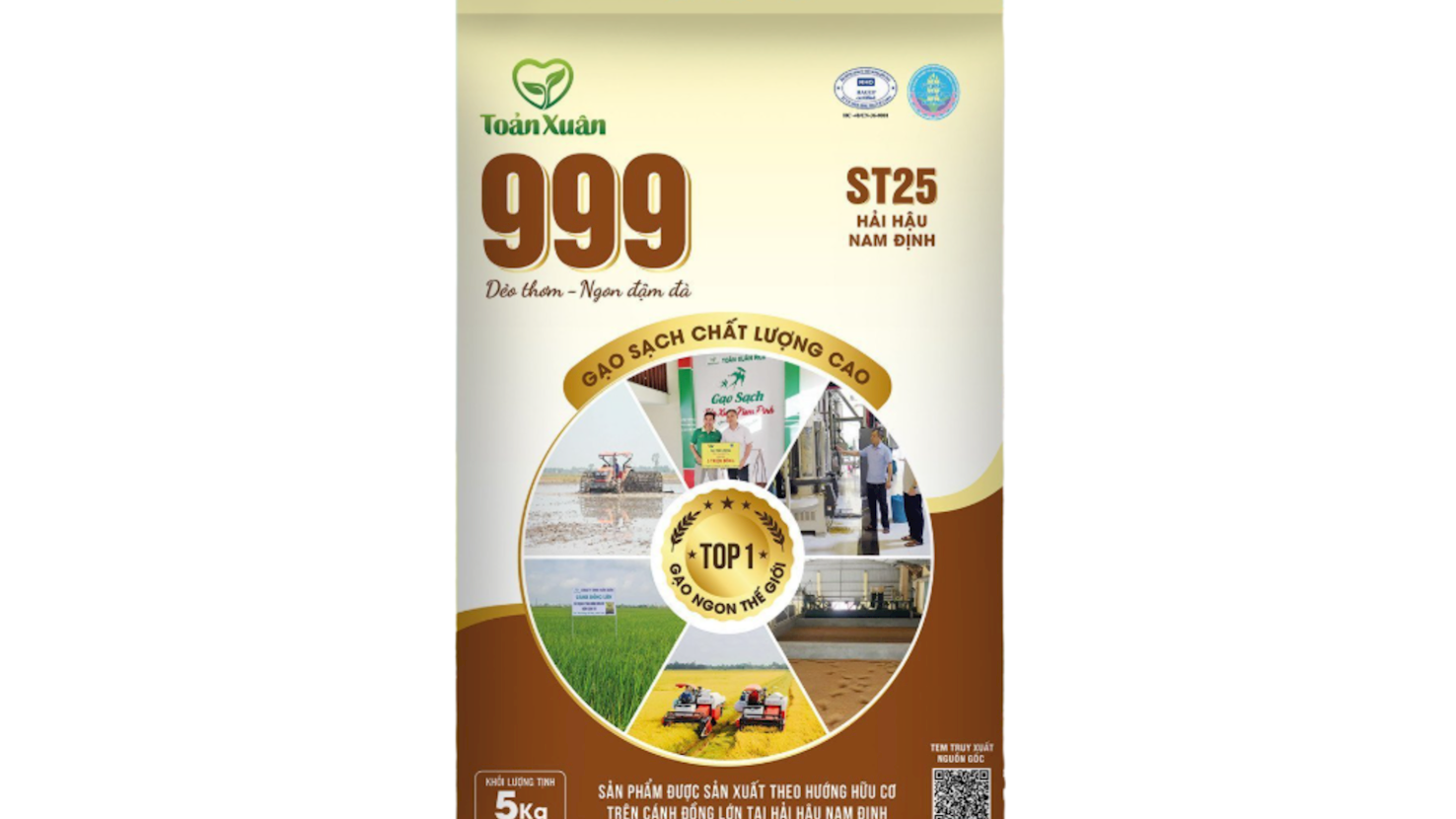
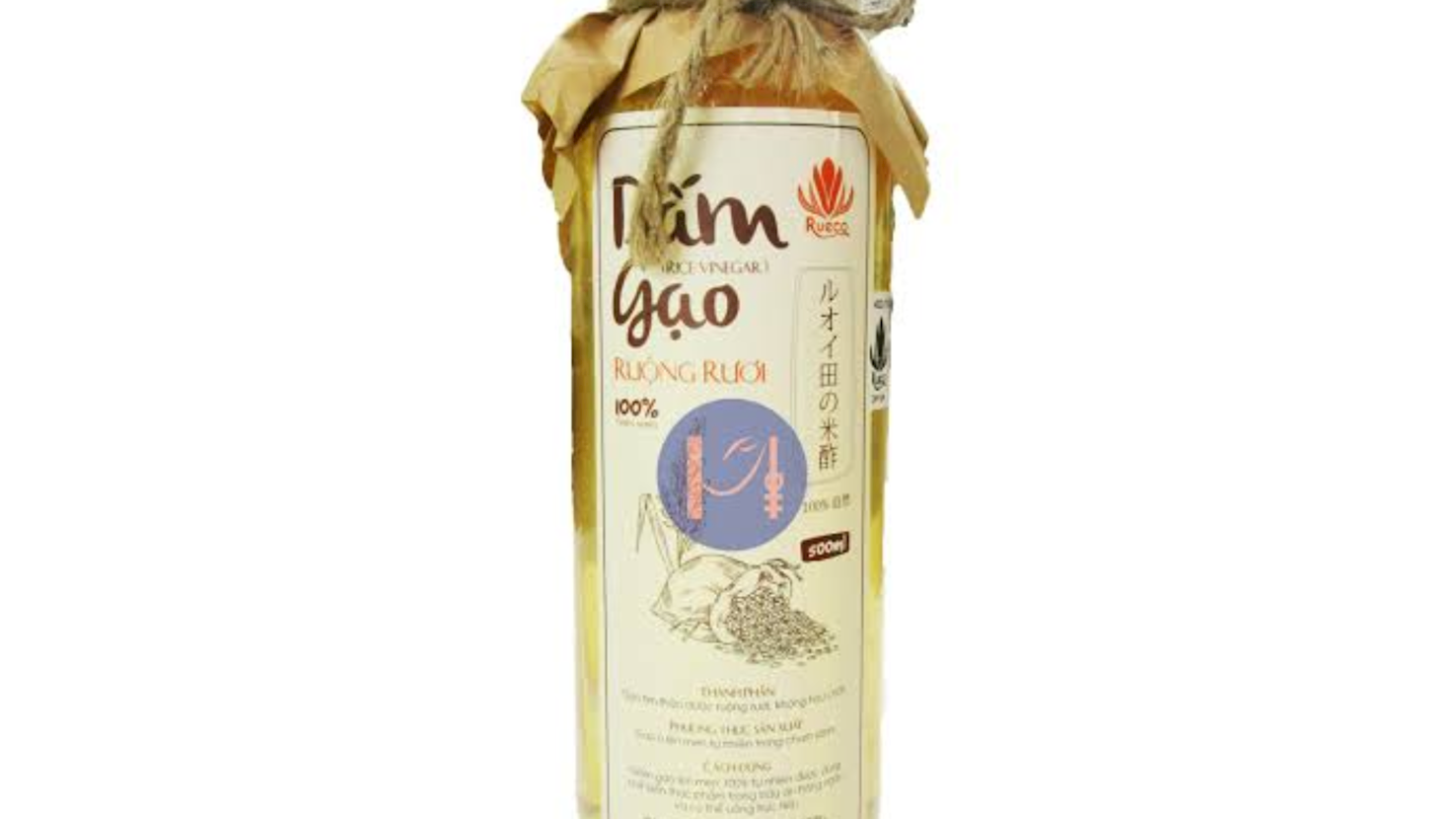
Toản Xuân is a Vietnamese company engaged in the production, processing, and distribution of rice. Its headquarters and main processing facility are located in Yên Lương Commune in the former Nam Định Province. The company is managed by Trần Quốc Toản who worked in the plant nutrition sector for several decades before developing his own rice production chain. In 2014, approximately VND 80 billion was invested in the construction of a grain drying, storage, and processing facility. The organized production chain was launched in 2015 while the first season of rice marketed under the Toản Xuân brand was completed in early 2016. The company works with agricultural cooperatives and larger family farms by providing seeds, fertilizers, and cultivation guidelines. The process is monitored from soil preparation and sowing to harvesting, purchasing, and grain processing. After arriving at the facility, the rice is dried at a controlled temperature and stored separately according to its variety and cultivation area. During processing, the husks, impurities, and damaged grains are removed while electronic cameras are used for final sorting. The range includes several types of aromatic rice, the ST25 variety, the Toản Xuân 999 line, naturally colored rice, and ecological rice grown in fields inhabited by aquatic rươi worms. The latter product comes from floodplain areas where rice cultivation is adapted to a sensitive aquatic ecosystem. The presence of these organisms requires restrictions on chemicals that could affect the water quality and soil conditions. Through this system, the company combines organized large-scale production with the processing of rice originating from different areas and cultivation models.

04
Rice

VAFOOD

4.8 ·

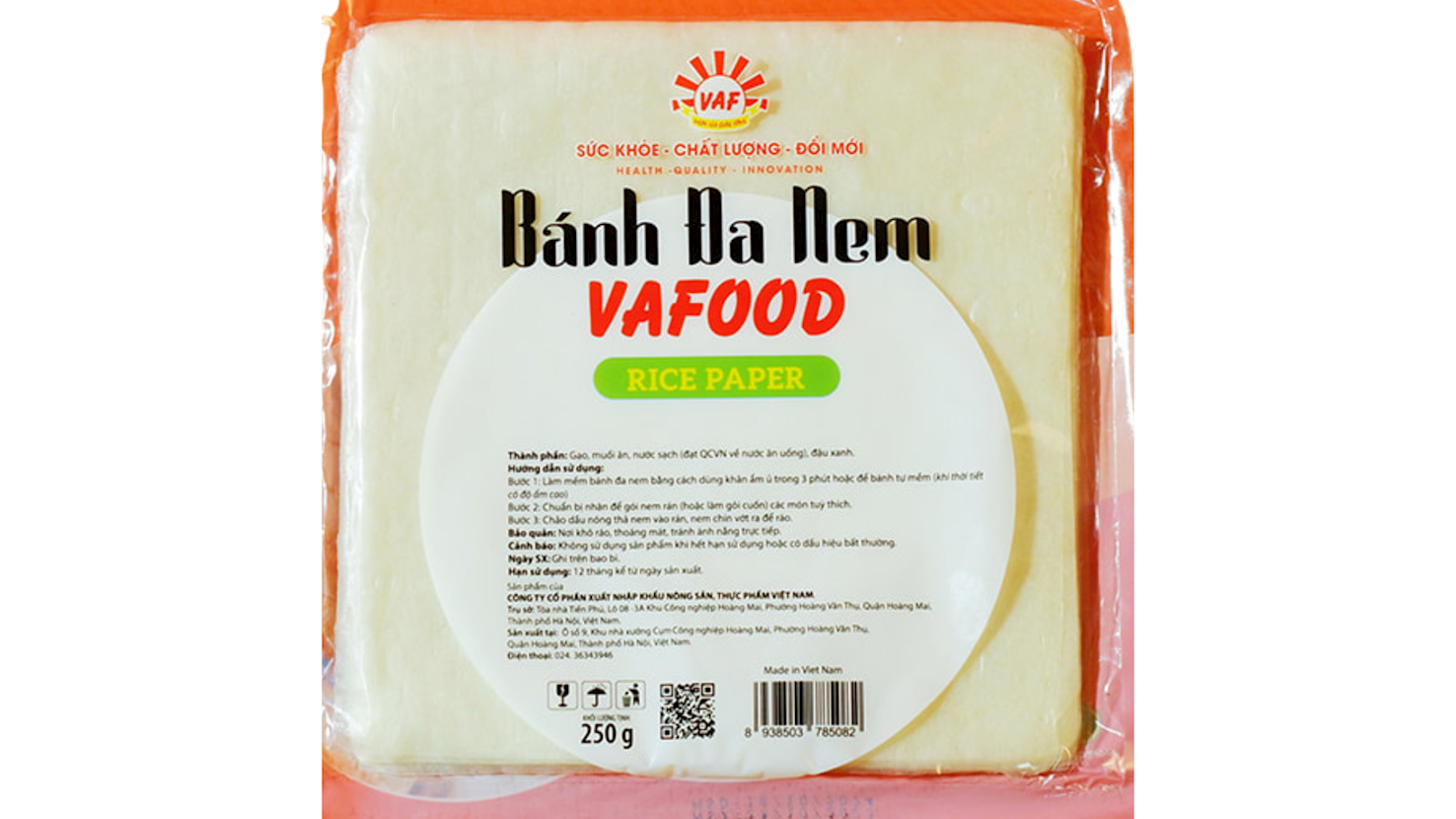
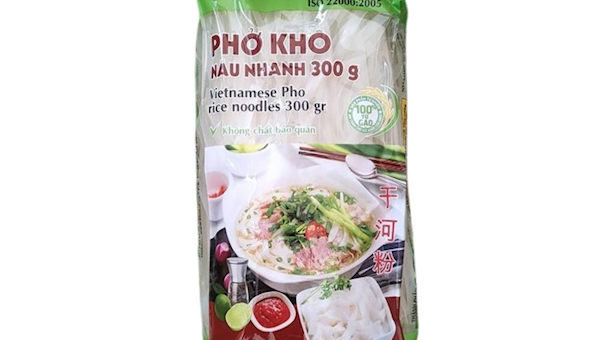
VAFOOD is a Vietnamese manufacturer and exporter of rice-based food products headquartered in Hanoi. The company was founded in 2009 by entrepreneur Trần Thị Thu Hằng. It began operating as a supplier of fresh food and agricultural ingredients to school kitchens. It later shifted its focus toward rice processing and the development of convenient versions of traditional Vietnamese foods. In 2018, the company established a partnership with producers from the traditional village of Làng Chều in Hà Nam Province to make rice paper for fried spring rolls. This product represented an important step in the company’s transition from ingredient distribution to the production of processed foods. Its range was subsequently expanded to include dried phở noodles, rice vermicelli, and different types of rice paper. VAFOOD uses low-temperature drying technology to preserve the flavor and natural structure of the rice. Its production process is designed to provide a consistent texture without relying on preservatives or additives for improved elasticity. The company works with rice growers in the Cổ Loa area of Hanoi to establish a more stable supply of controlled raw materials. VAFOOD products are sold domestically and exported to several countries in Asia and Europe.

05
Confectionery

Bánh cốm Nguyên Ninh

4.8 ·

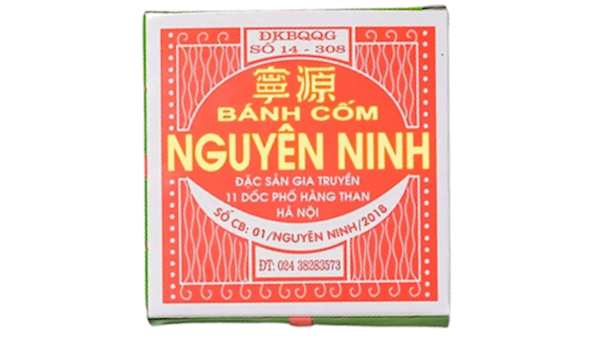
Bánh cốm Nguyên Ninh is one of Hanoi’s oldest and most iconic traditional sweets, originating in the 19th century in the former village of Yên Ninh, where today’s Hàng Than Street is located. The cake is made from young green sticky rice (“cốm”), which is carefully processed by hand to preserve its natural color and fresh rice aroma, while the filling consists of a smooth, sweet mung bean paste often enriched with coconut and a light floral citrus note from bitter orange blossom.

The preparation remains largely manual, requiring precise mixing, cooking, and shaping - a technique the Nguyên family has preserved and passed down for more than 150 years. The result is a soft, slightly sticky confection with a delicate balance of fresh rice fragrance and gentle sweetness, long regarded as a culinary symbol of Hanoi and a traditional gift offered to guests and on special occasions to convey a sense of heritage and local identity.

06
Paste

Vạn Hoa

4.8 ·

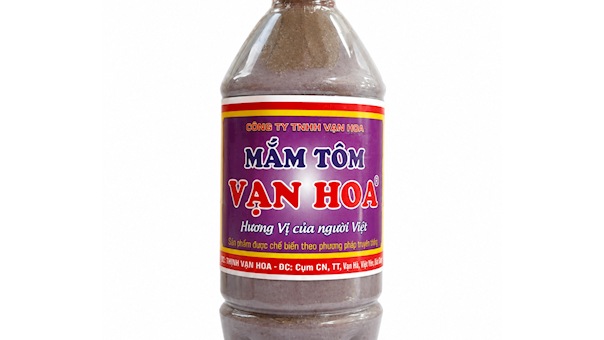
Vạn Hoa is a Vietnamese producer of fermented condiments and processed seafood products based in Hải Hậu District in Nam Định Province. The company produces a traditional fermented paste made from small marine shrimp known as mắm tôm. Its basic ingredients are small marine shrimp and salt. The raw materials come from the coastal area of Hải Hậu which is known for its fishing industry and traditional sea salt production. The paste is made by salting and naturally fermenting the shrimp during which their proteins break down and develop the product’s characteristic flavor. The finished product has a thick texture, a strong aroma, and a pronounced salty flavor rich in umami. In addition to shrimp paste Vạn Hoa produces several types of traditional fish sauce and processed jellyfish products. Its production relies on local marine ingredients and traditional fermentation methods characteristic of northern Vietnam.

07
Rice

Hảo Anh

4.8 ·

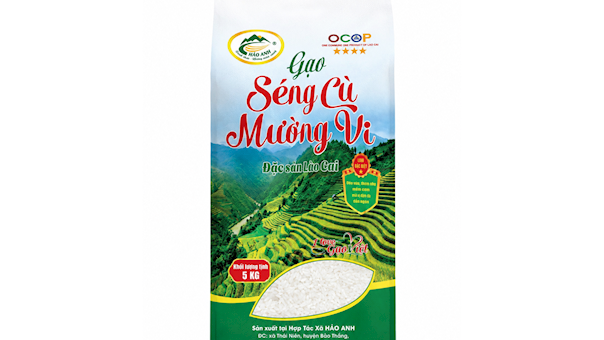
Hảo Anh is a Vietnamese agricultural cooperative specializing in rice production and processing in Lào Cai Province. It was founded by Phạm Thị Hảo in May 2019 to organize the collective production of Séng Cù rice in the Mường Vi area. Its headquarters and processing facility were originally located in Vạn Hòa while the main cultivation area was established in the former Mường Vi Commune of Bát Xát District. The cooperative works with local households that grow rice on small plots in the mountainous region. It provides seeds and cultivation guidelines and then organizes the purchasing, drying, milling, sorting, and packaging of the grains. This system combines smaller quantities of rice from individual farms into a shared production chain. The cooperative’s principal product is white Séng Cù Mường Vi rice while its range also includes a brown rice version. It also produces distilled beverages from rice including rượu gạo Séng Cù Mường Vi and rượu Nếp Nương. The cooperative additionally sells glutinous rice from the Mường Khương area and several other agricultural products from Lào Cai Province.

08
Noodles

Khương Huy

4.8 ·

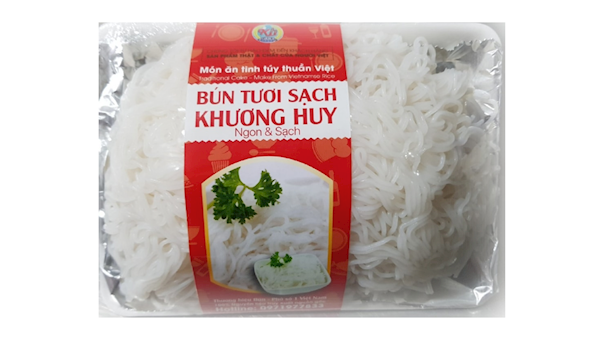
Khương Huy is a Vietnamese producer of rice noodles and traditional rice-based foods from Bắc Ninh Province. The company operates under the full name Công ty TNHH Trang trại xanh Khương Huy and was established in 2014. Production was founded by Nguyễn Văn Khương with the aim of adapting traditional fresh noodles to modern food safety requirements. Its headquarters and production facilities are located in Điện Tiền Village in Nguyệt Đức Commune. Most products are made primarily from selected white rice and water. The rice is washed, soaked, milled, and fermented before the resulting mixture is drained and shaped into noodles. The company uses hydraulic presses to remove excess water from the rice mixture and controls the temperature during the soaking process. Production takes place in a closed system covering every stage from the reception of the rice to the packaging of the finished products. Fresh noodles are vacuum-packed to extend their shelf life without the addition of preservatives. The range includes fresh and dried bún noodles, phở noodles, other rice noodles, bánh cuốn, bánh chưng, and bánh gio. The producer also makes dried noodles containing beetroot, pumpkin, purple sweet potato, sweet leaf, and butterfly pea flowers. Its first shipments of dried products were exported to Japan in 2021 while most of its range is sold in Bắc Ninh Province and the wider Hanoi area.

09
Rice

HASA Bio Foods
4.8 ·

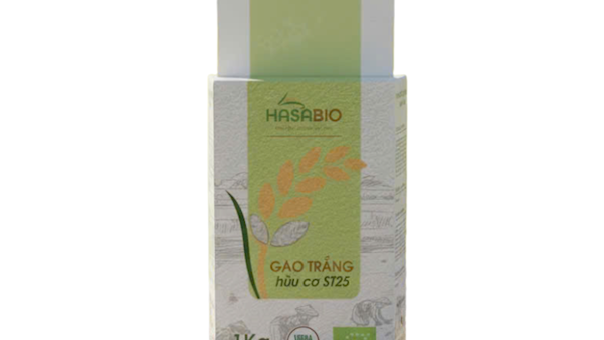
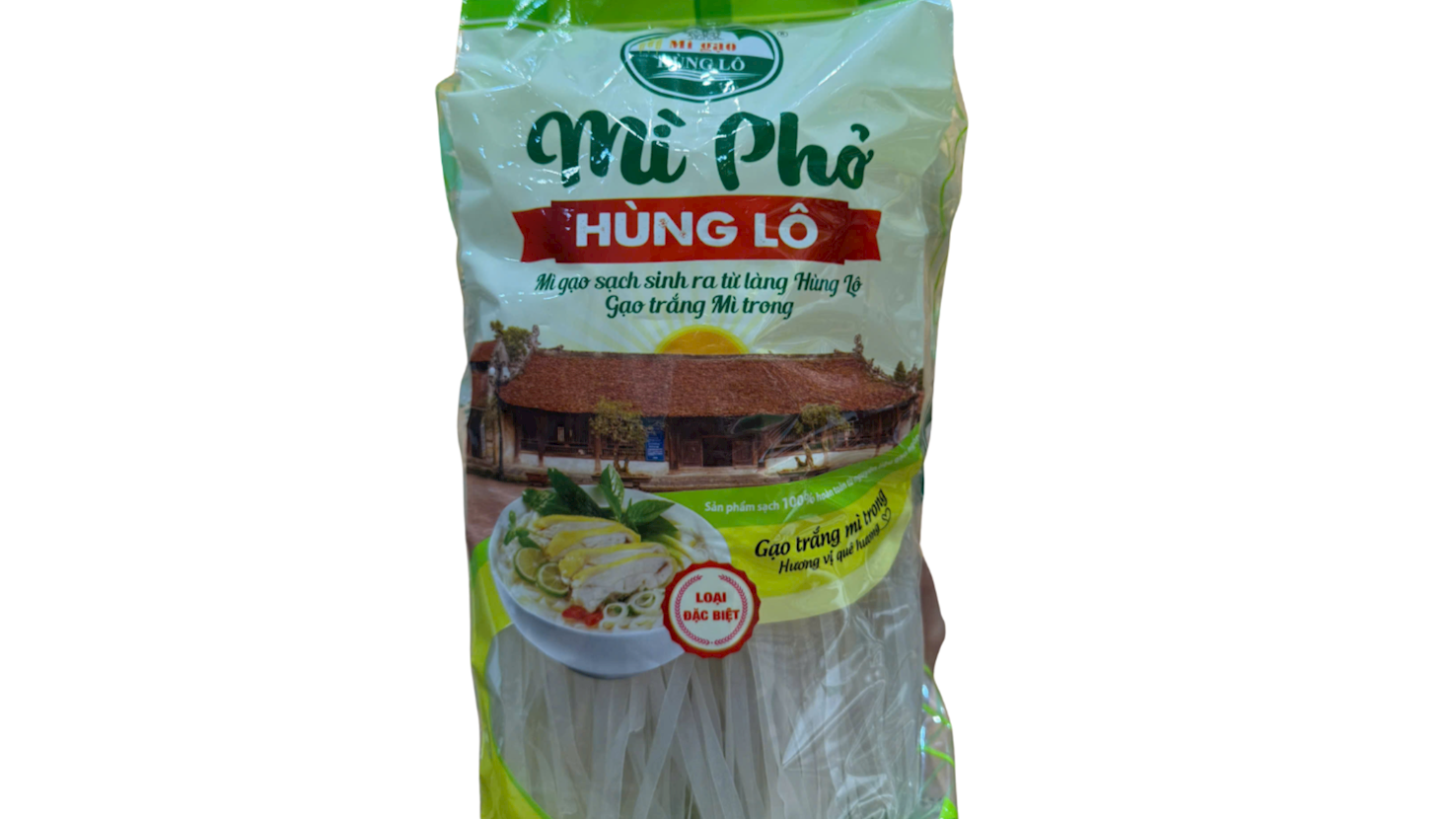
HASA Bio Foods is a Vietnamese company specializing in the production and processing of organic rice and rice-based products. The project to establish its own cultivation area and processing facility was initiated in 2022 while the company was officially registered in 2025. Its founders have more than 15 years of experience in the production, processing, and trade of organic food. The company’s cultivation area covers almost 300 hectares in Vĩnh Trường in the Hòa Thuận area of present-day Vĩnh Long Province. Before Vietnam’s administrative changes, this location belonged to Châu Thành District in Trà Vinh Province. HASA Bio Foods manages the production chain from cultivation to processing, packaging, and distribution. Its first certified organic rice crop was cultivated in June 2025 on an area of 54.8 hectares. Both the farmland and processing facility were assessed for compliance with American and European organic production standards. The company’s range includes organic rice such as the ST25 variety as well as products made from white and brown rice. Its processed products include noodles, pasta, rice paper, and foods intended for quick preparation. According to the producer, these products are made from rice grown on its own farmland without added preservatives, artificial colors, or other additives.
10
Paste

Ninh Cơ

4.8 ·

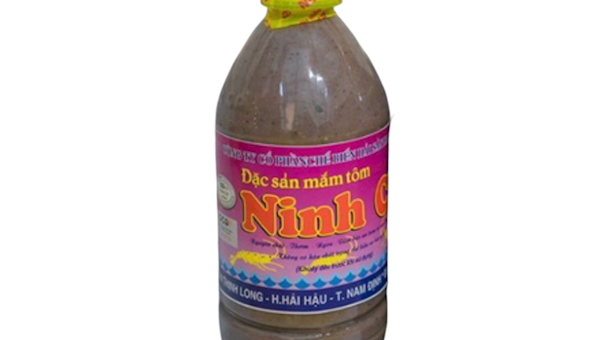
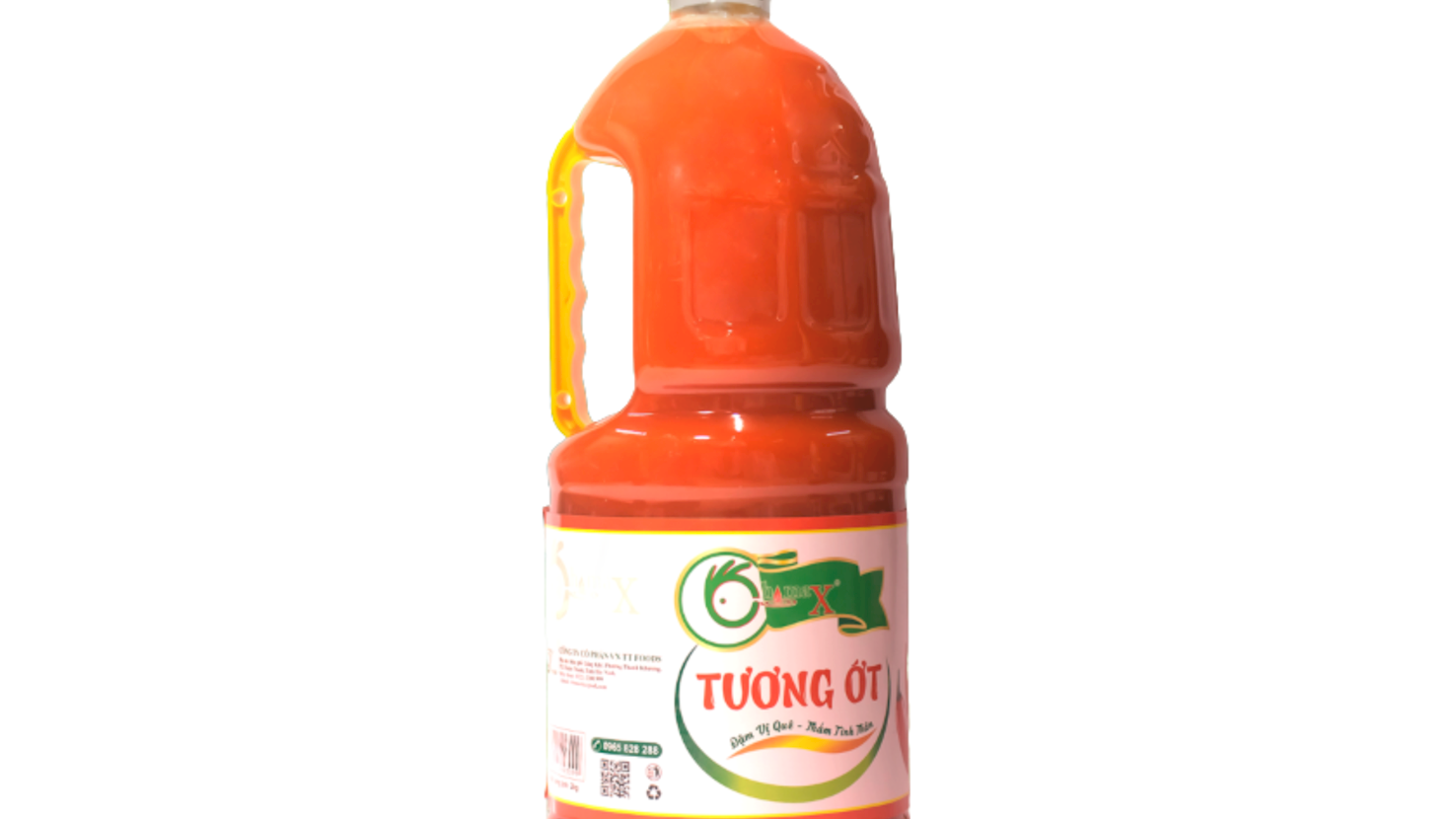
Ninh Cơ is a Vietnamese brand of traditional fermented products owned by Nam Định Seafood Processing Joint Stock Company. Production takes place in Thịnh Long in Hải Hậu District, Nam Định Province. The brand is named after the nearby Ninh Cơ River and fishing port. Its development is closely connected to the long tradition of processing fish and small marine shrimp in this coastal area. The company produces fermented shrimp paste, traditional fish sauce, and processed jellyfish products. Its shrimp paste is made from fresh small marine shrimp sourced from local fishermen. The shrimp are mixed with salt and left to ferment naturally until they develop a thick texture, a purplish-gray color, and a strong aroma. Production takes place in large fermentation tanks and follows methods characteristic of northern Vietnam. In 2011 the company produced and sold almost 100 tonnes of shrimp paste demonstrating the product’s longstanding importance within its range. Ninh Cơ products are sold in several package sizes intended for households and food-service businesses. In addition to the local market they are distributed to other parts of Vietnam.
About this Ranking

TasteAtlas food rankings are based on the ratings of the TasteAtlas audience, with a series of mechanisms that recognize real users and that ignore bot, nationalist or local patriotic ratings, and give additional value to the ratings of users that the system recognizes as knowledgeable. For the “Top 39 Northern Vietnamese Foods” list until August 17, 2026, 1,219 ratings were recorded, of which 656 were recognized by the system as legitimate.

TasteAtlas Rankings should not be seen as the final global conclusion about food. Their purpose is to promote excellent local foods, instill pride in traditional dishes, and arouse curiosity about dishes you haven’t tried.

The initial list of top producers was compiled based on available reviews, awards, local recommendations, media and blog coverage, and consumer reviews. The list will be updated with ratings from TasteAtlas local ambassadors and TasteAtlas users.

What People Say

Similar Lists