shutterstock

Top 35 Campanian Pasta Varieties

Last updated on June 02, 2026

Best Campanian Pasta Varieties

01

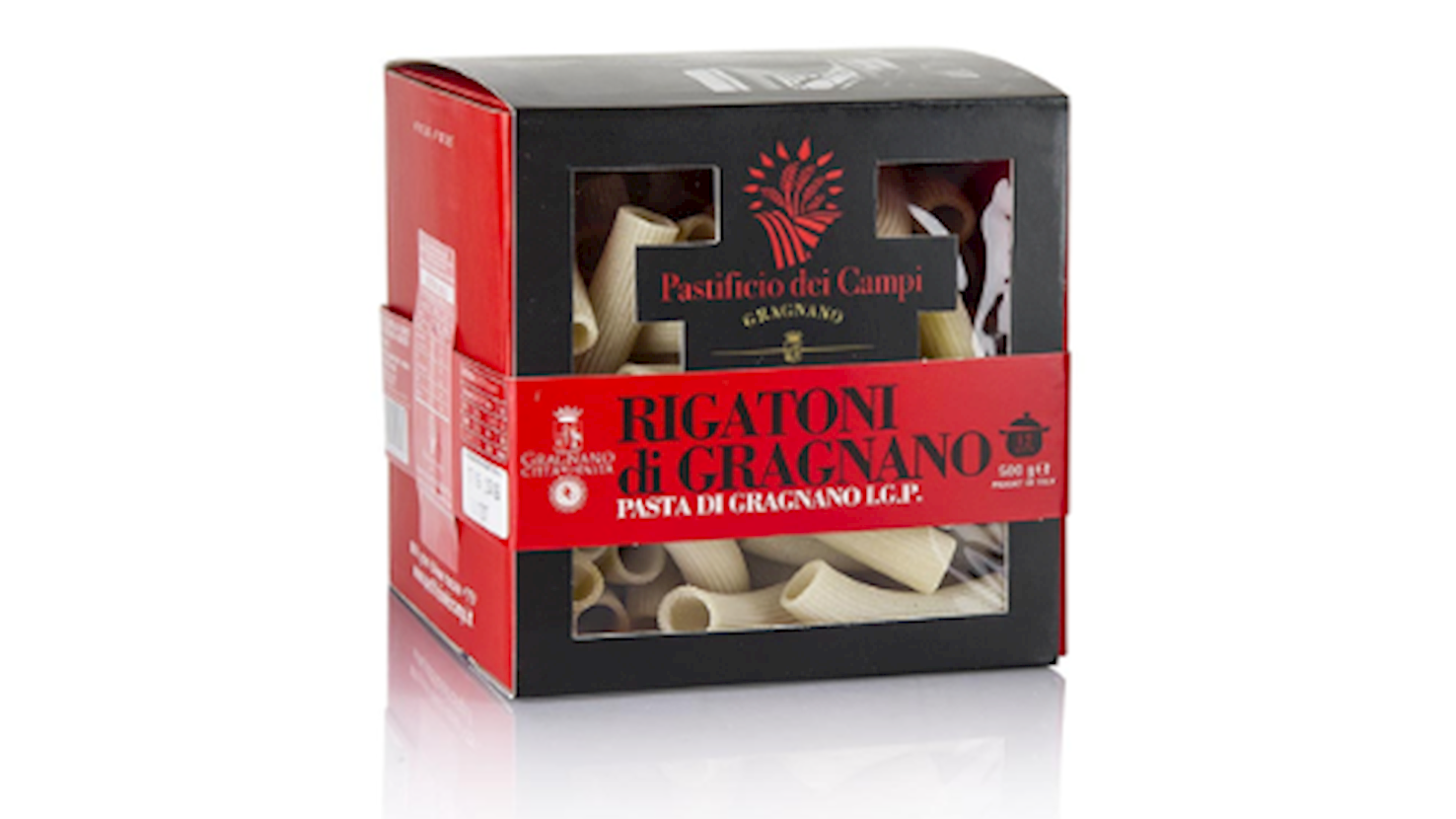
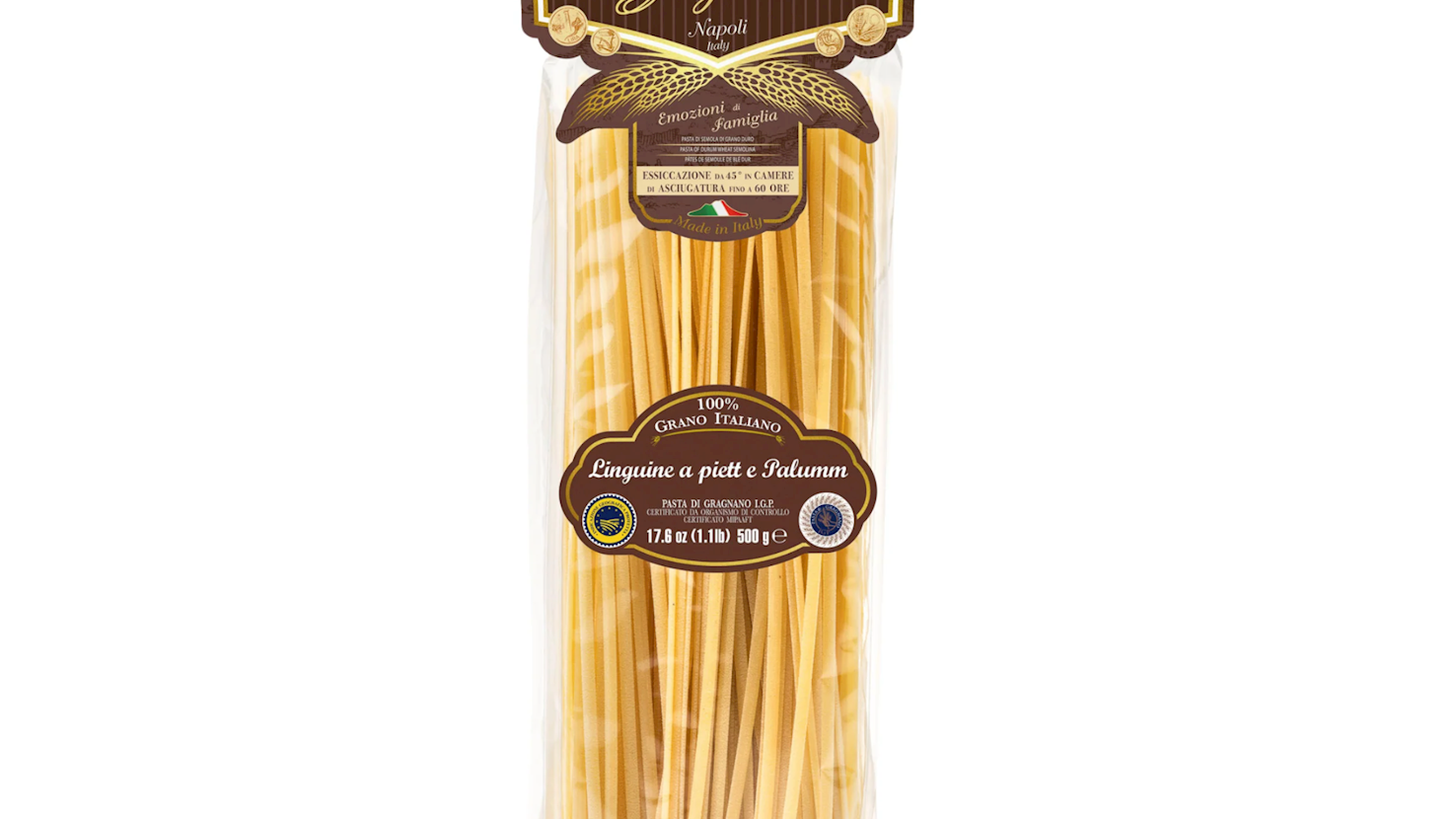
Pastificio dei Campi

5 ·
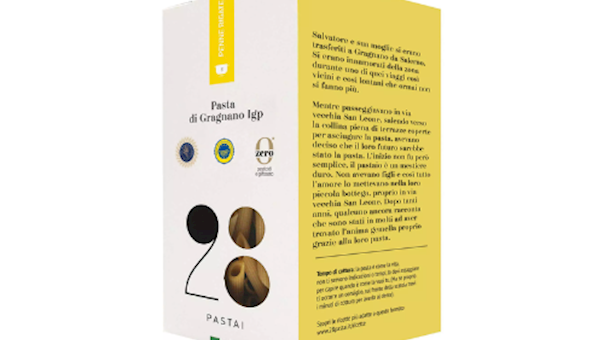
Pastificio dei Campi is a renowned pasta producer from Gragnano, Italy, with a rich tradition of crafting high-quality pasta. Founded in 2007 by Giuseppe and Giovanna Di Martino, the company is dedicated to preserving the ancient art of pasta-making, which has flourished in Gragnano for over 500 years. Giuseppe Di Martino, a third-generation pasta maker, recognized the importance of full traceability of raw materials. He initiated a collaboration with farmers in Apulia, particularly from the Tavoliere and Sub-Apennine Daunia regions, to secure high-quality durum wheat grown without chemical fertilizers or glyphosate, using only ancient grain varieties. Their commitment to quality and authenticity has earned them global recognition, and their pasta is considered one of the finest Italian pastas.
02

Pastificio Gentile

5 ·
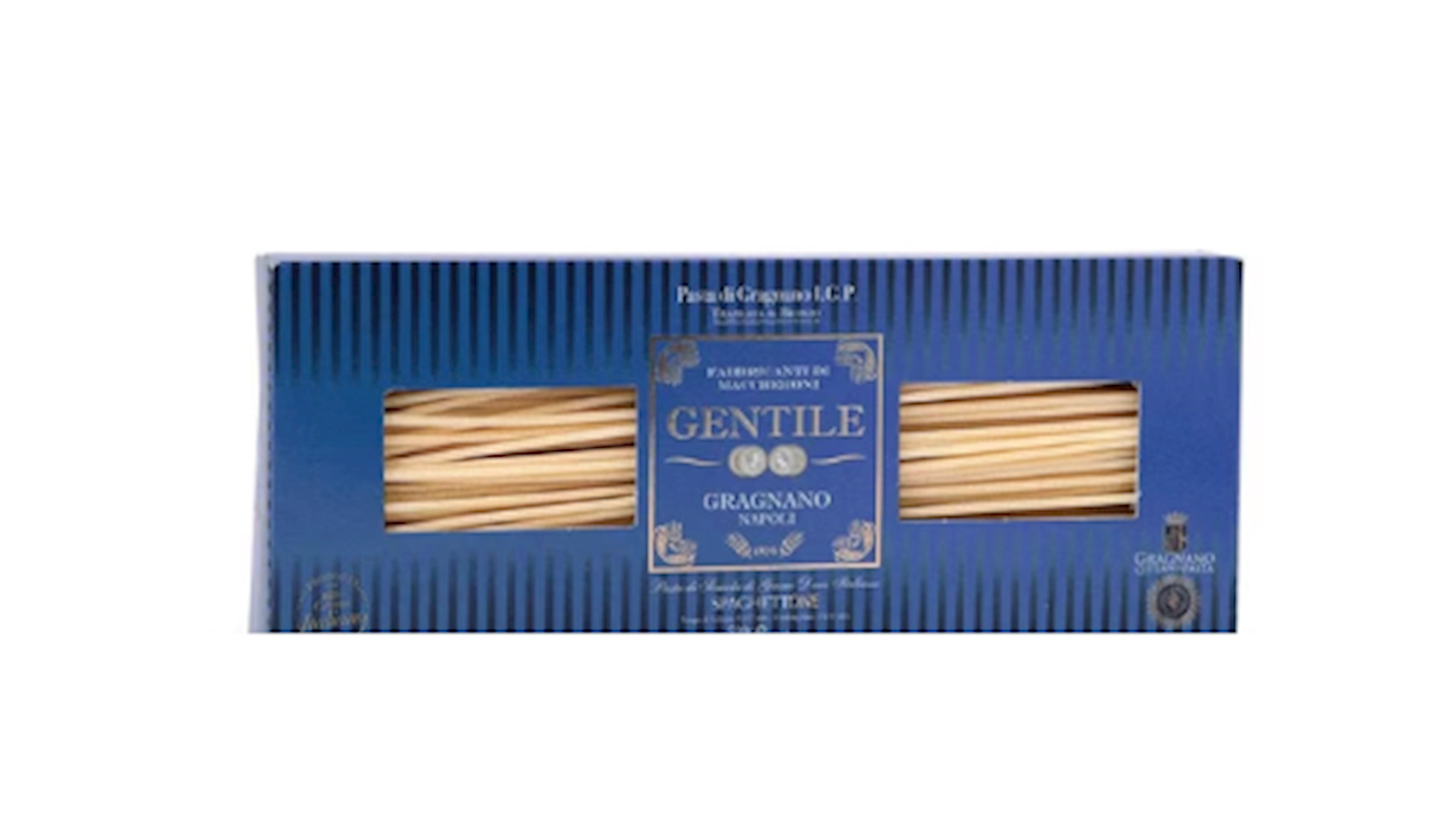
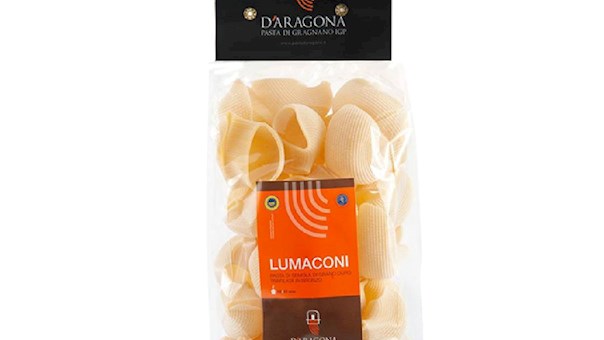
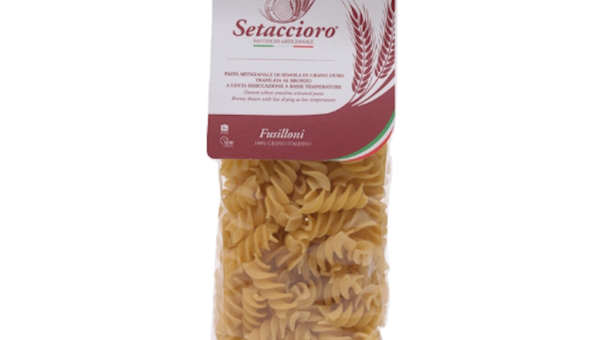
Pastificio Gentile is a renowned Italian pasta producer from Gragnano, a city known as the "pasta capital" in the Campania region. Founded in 1876, Pastificio Gentile is one of the historic pasta makers that continues to use traditional methods in its production. Their pasta is made from high-quality durum wheat and shaped using bronze dies, which give it a rough texture that helps sauces adhere better. A key feature of their process is the slow drying at low temperatures, known as the Metodo Cirillo, which preserves the pasta’s nutritional value and authentic flavor. Their product range includes handmade varieties like Fusilli Fatti a Mano, as well as classic formats such as Spaghettone and Lumaconi.
03

Pastificio Liguori

4.8 ·
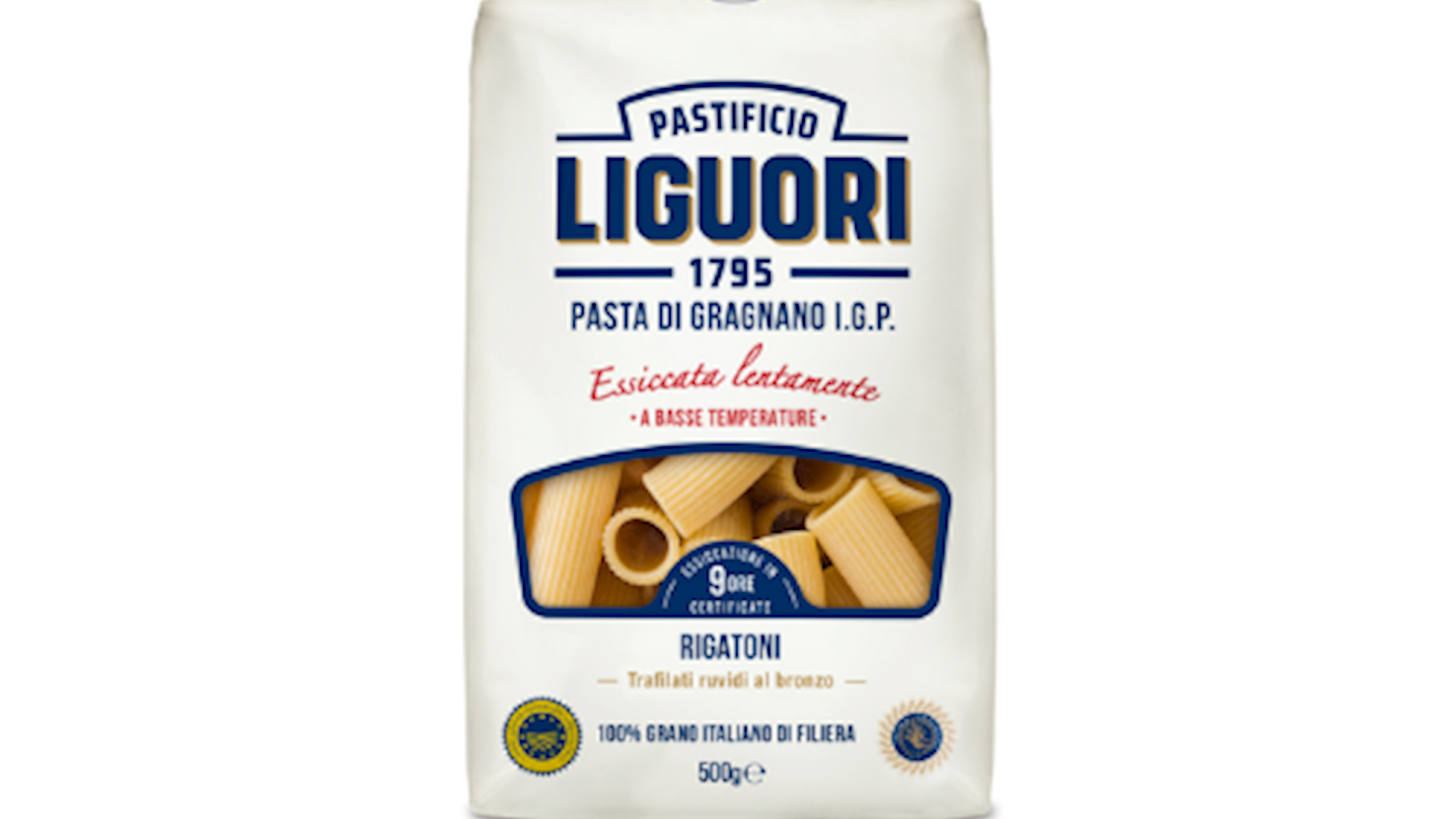
Pastificio Liguori is renowned for its tradition dating back to 1795, specializing in the production of authentic pasta from Gragnano. Their pasta carries the prestigious IGP certification, ensuring quality and a strong connection to local traditions. Pasta production at Liguori follows strict methods, including slow drying at low temperatures, which ensures perfect texture and flavor. All products are made with carefully selected grains and water sourced from the Monte Lattari springs. The company utilizes blockchain technology to ensure full transparency and traceability of all ingredients. Liguori is committed to preserving natural resources and implementing sustainable practices in production. Pasta Liguori recognizes the importance of time as its "secret ingredient" in achieving exceptional quality.
04

Pastificio Setaro

4.7 ·
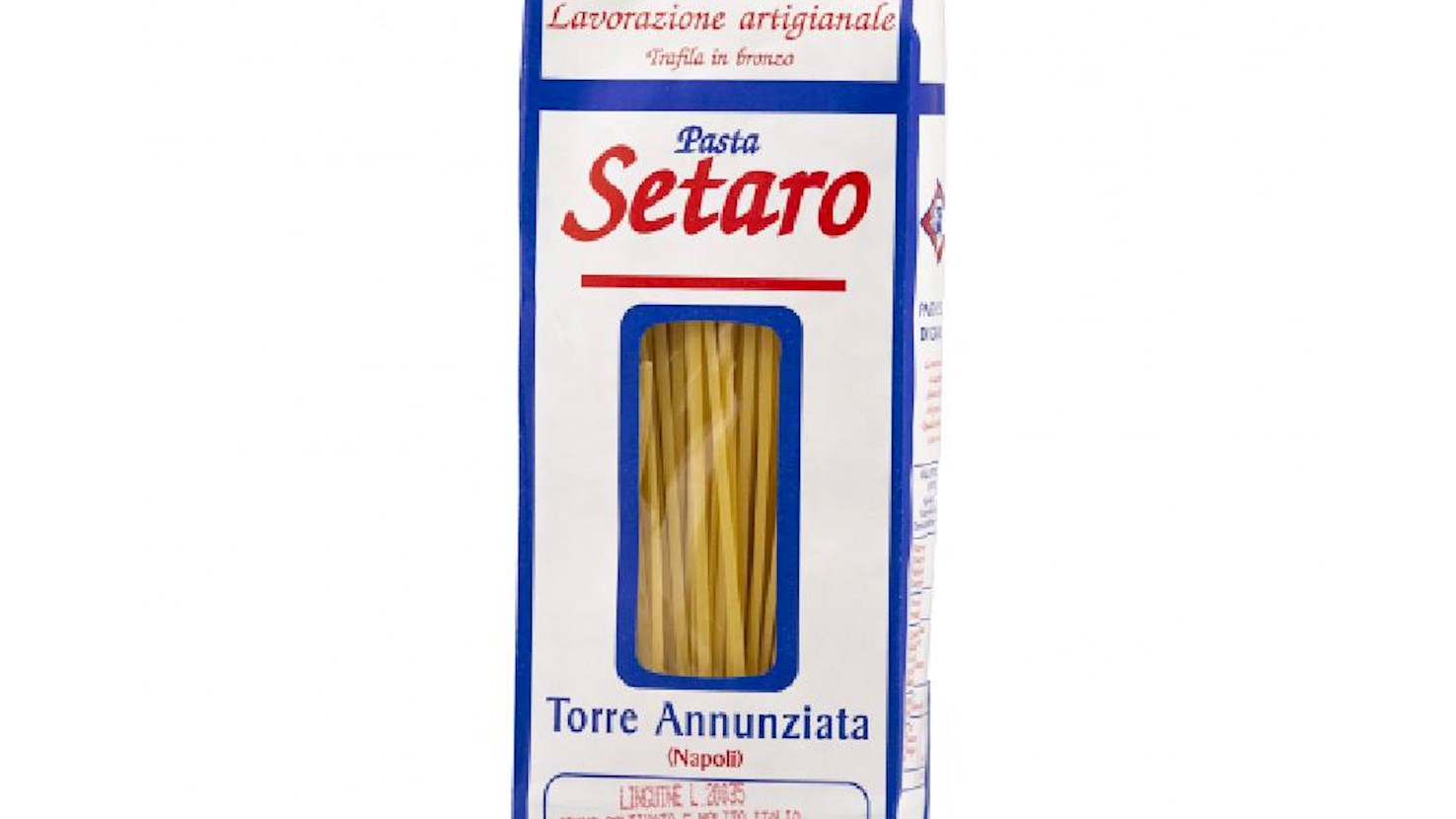
Pastificio Setaro is an esteemed Italian pasta manufacturer located in Torre Annunziata, near Naples. Established in 1939, this family-run business has been dedicated to the art of pasta-making for three generations. They specialize in producing artisanal pasta using traditional methods, including bronze die extrusion and slow drying at low temperatures, which contribute to the pasta's unique texture and ability to absorb sauces effectively. Setaro offers a diverse range of pasta shapes, catering to both local and international markets, and is highly regarded by gourmet enthusiasts and chefs worldwide. Their commitment to quality and tradition has solidified their reputation as a leading producer of authentic Italian pasta.
05

La Fabbrica della Pasta Gragnano

4.7 ·
La Fabbrica della Pasta di Gragnano, located in the heart of Gragnano, near Sorrento, Pompeii, and the Amalfi Coast, is a family-owned pasta manufacturer with a rich tradition spanning three generations. The company is a pioneer in the art of crafting artisanal pasta and was the first in Gragnano to receive the prestigious Protected Geographical Indication (PGI) certification, ensuring the authenticity and quality of their products. The company's product line includes over 100 pasta shapes, catering to both traditional and creative culinary needs. Their iconic "Paccheri" and "Scialatielli" are renowned worldwide, and they also produce gluten-free and organic pasta options to accommodate diverse dietary preferences. La Fabbrica della Pasta di Gragnano has earned international acclaim, with their products gracing the tables of fine dining establishments and gourmet shops globally. Their dedication to maintaining tradition while embracing innovation has solidified their reputation as one of the finest pasta producers in Italy, and a true ambassador of Italian culinary excellence.
06

Pasta Armando

4.7 ·
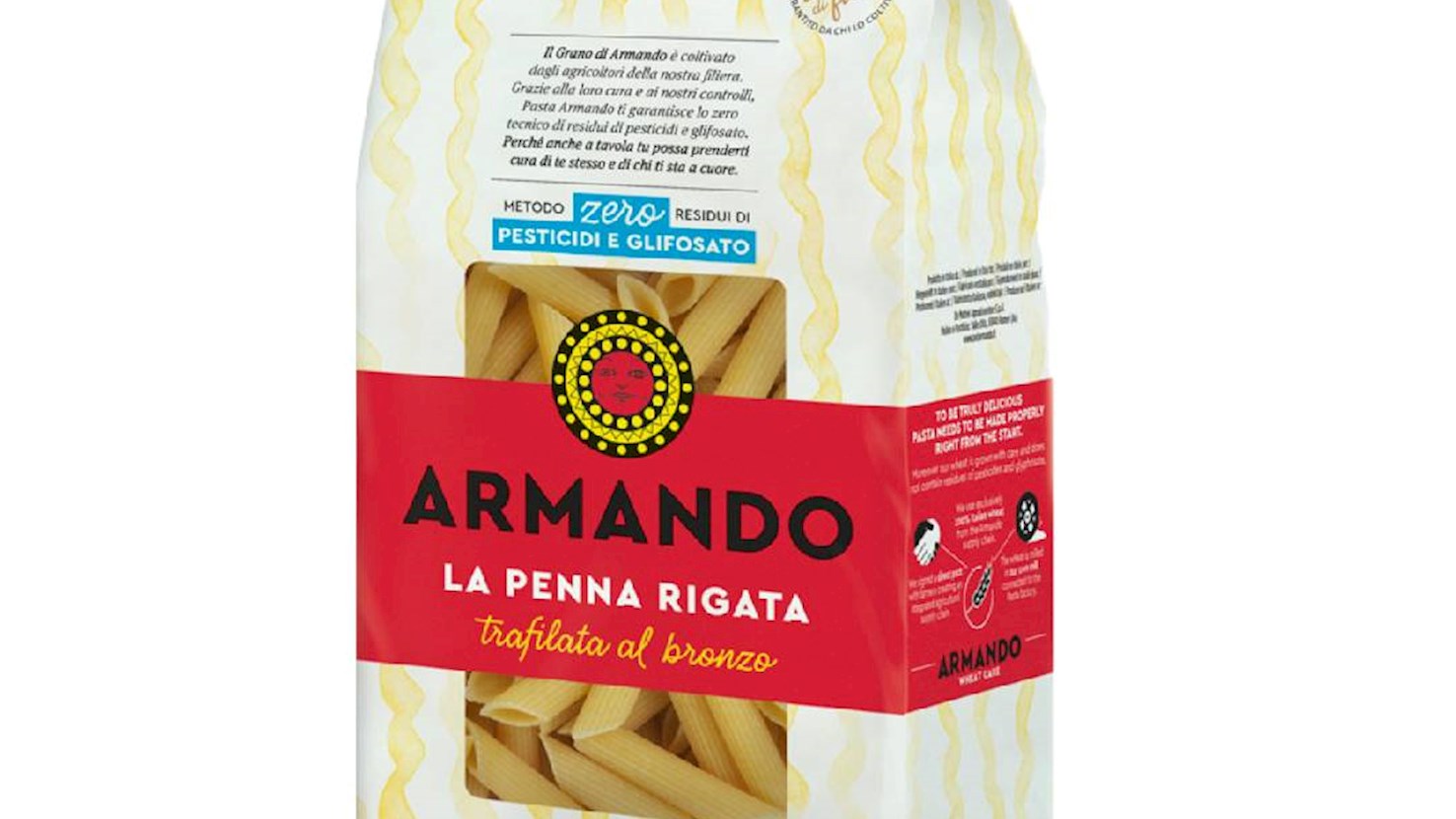
Located in Flumeri, within Italy's Campania region, Pasta Armando is renowned for its commitment to quality and tradition.​ The pasta is crafted exclusively from Italian durum wheat semolina, sourced directly from local farmers. This ensures a high-quality product with a minimum protein content of 13.5%. ​ Utilizing bronze die extrusion and slow drying processes, Pasta Armando achieves a texture that excellently absorbs sauces, enhancing the overall culinary experience. ​ Through the Armando's Supply Chain Plan, the company collaborates with approximately 850 farmers across nine regions in central and southern Italy. This initiative promotes sustainable agriculture and ensures complete traceability from field to table. ​
07

Pastificio Vicidomini

4.7 ·
Premiato Pastificio Vicidomini is an esteemed Italian pasta manufacturer, founded in 1812 in Castel San Giorgio, located in the heart of Campania. For over two centuries, the Vicidomini family has been dedicated to producing artisanal pasta that reflects the excellence of traditional recipes. Known for its use of high-quality durum wheat semolina, the company specializes in bronze-extruded pasta, which gives the pasta a rough texture that perfectly holds sauces. With over 150 different shapes, from classic varieties to innovative ones like lemon-infused linguine, Vicidomini's pasta combines tradition and creativity. Their drying process preserves the unique flavor and texture, making each piece of pasta a true culinary experience.
08

Rummo

4.6 ·
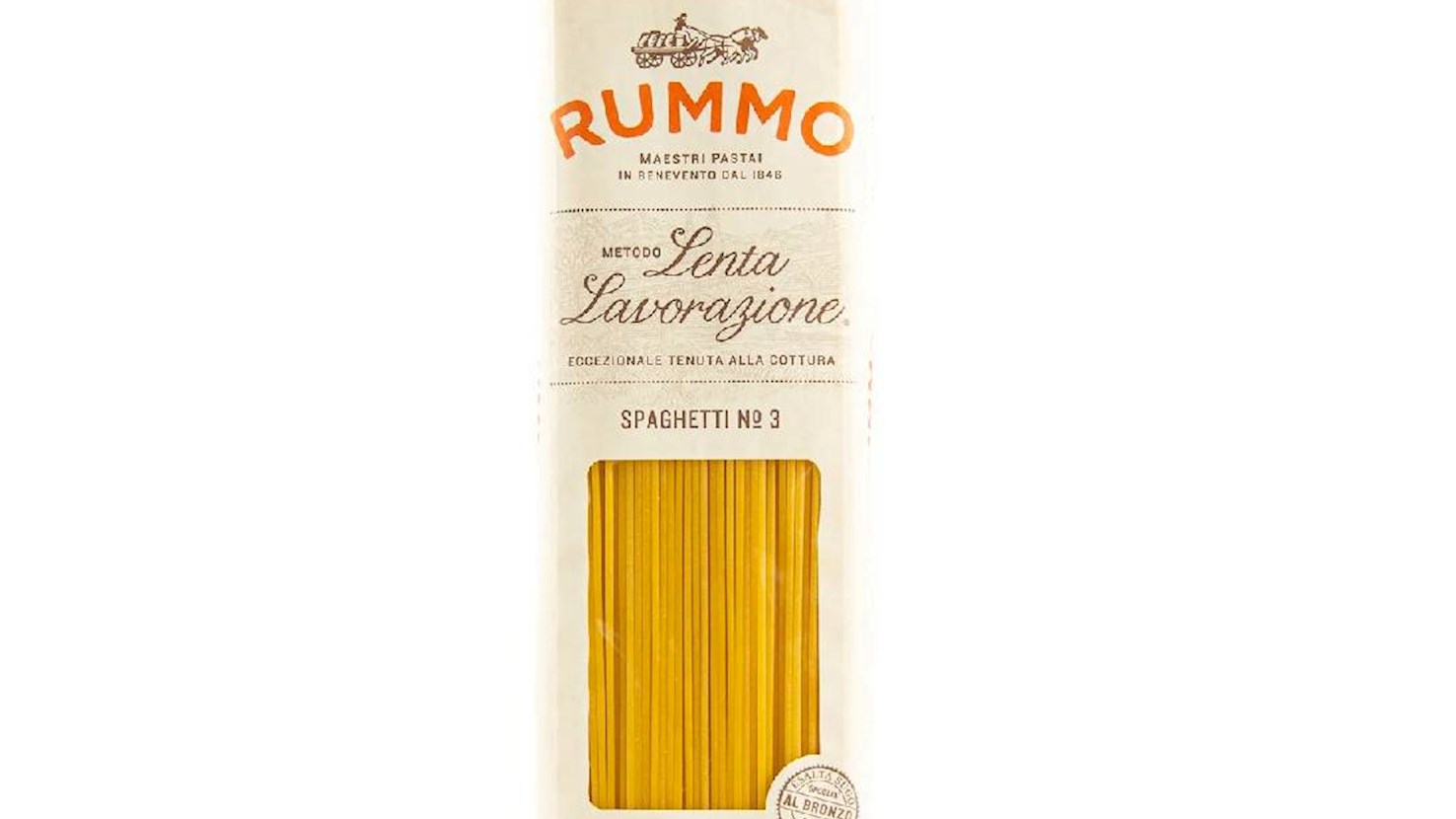
Pasta Rummo, founded in 1846 in Benevento, Italy, is distinguished by its unique production method called Lenta Lavorazione, or "slow processing". This technique allows the pasta to maintain optimal texture and flavor, even after prolonged cooking. A combination of high-quality durum wheat and pure water from local sources contributes to the superior quality of their products. In addition to classic pasta, Rummo offers organic, whole-grain, gluten-free, and legume-based options, catering to various dietary needs. Their commitment to tradition, innovation, and sustainability has made them a favorite among Italian cuisine enthusiasts worldwide.
Awards
Great Taste Awards - 1 Star (2022)
09

Pasta Garofalo

4.6 ·
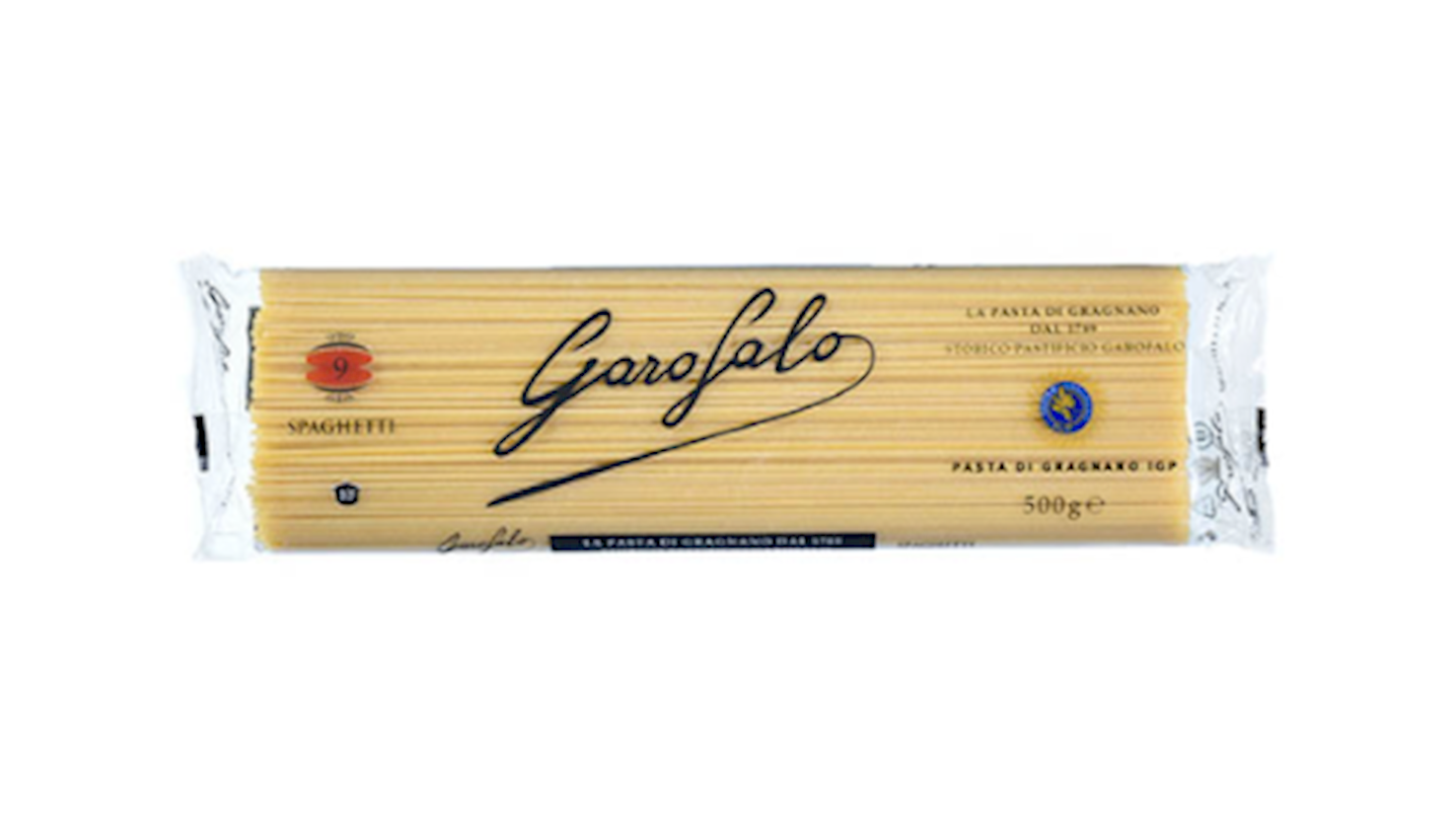
Pasta Garofalo is a historic pasta brand established in 1789, located in Gragnano, Italy, a town famous for its pasta production. The company is known for its high-quality pasta, which is made from the finest durum wheat, and has earned the prestigious IGP (Protected Geographical Indication) certification. Garofalo offers a diverse range of pasta types, including classic semolina, whole wheat, gluten-free, and legume-based varieties, catering to various dietary preferences. Their pasta is carefully crafted using traditional methods, ensuring excellent texture and flavor in every bite. In addition to pasta, Garofalo produces other Italian food products, such as extra virgin olive oil and flours, all made with the same commitment to quality. The company emphasizes sustainability and social responsibility in its operations. It continuously innovates while staying true to its roots in Italian culinary tradition. Garofalo’s dedication to quality and authenticity has made it one of the most respected pasta brands in the world.
10

Voiello

4.6 ·
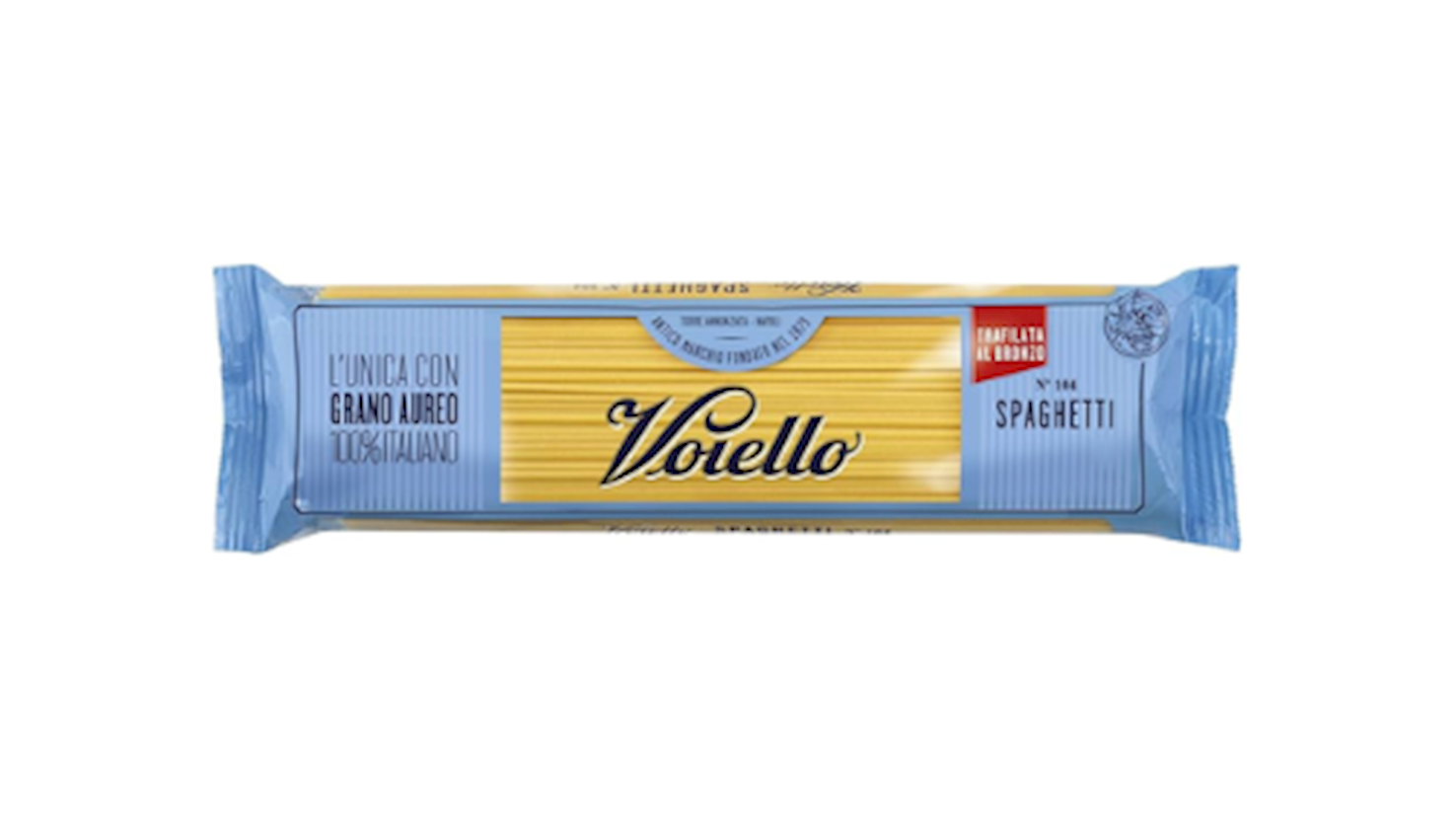
Voiello is a prestigious Italian pasta brand with a rich history, renowned for producing high-quality pasta that represents the authentic taste of Naples and the surrounding Campania region. Founded in 1879, Voiello initially began as a small family business in the city of Torre Annunziata, near Naples. Over the years, it became well-known for its premium pasta, made from 100% durum wheat semolina and crafted with traditional methods. Today, Voiello continues to be an important player in the pasta industry. While its production now takes place mainly in Marcianise, its historical connection to Naples and its commitment to quality still define its business. Voiello's focus on traditional pasta-making methods, use of quality wheat, and slow drying processes keep it a beloved brand in Italy and abroad, especially among those who seek a more artisanal pasta experience. Although Voiello is now part of the Barilla Group, the brand remains committed to preserving its tradition and high quality, producing pasta that reflects Neapolitan and Southern Italian culinary heritage.

Best Campanian Pasta Variety Types
01

Pasta di Gragnano

4.3 ·

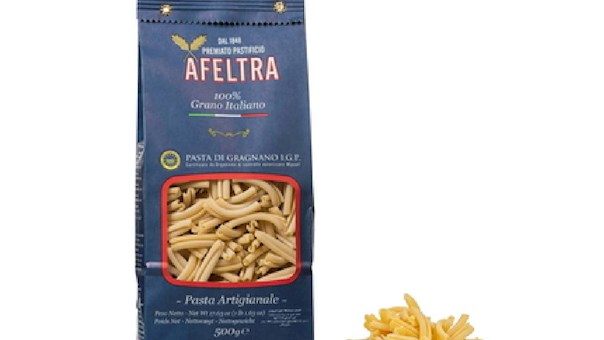
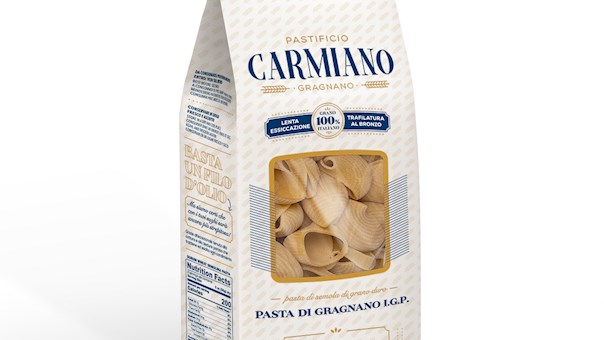
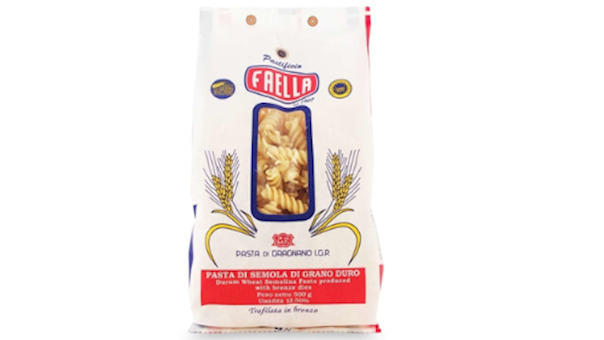
The production of Gragnano pasta dates back to the late 16th century when the first family-run pasta factories were established in the area. Ever since Gragnano became known as the City of Macaroni and the remains of artefacts used in the pasta-making process can still be seen today along the route to the ancient Vallone dei Mulini (lit. Valley of the Mills) in Sorrento, province of Naples. The pasta must be produced within the city of Gragnano and made only with durum wheat semolina and low-calcium water from local aquifers. It is available in several distinctive shapes: Calamarata, Pennoni, Vermicelli, Penne, Caccavella, Conchiglioni, Pacchero or Schiaffone and Gragnano Fusilli. Once cooked, it has a firm, non-sticky consistency, maintains its shape well, and has a strong flavor of durum semolina with a pronounced aroma of ripe wheat. Gragnano pasta binds perfectly with all kinds of sauces and the versatility of its shapes makes it suitable for any recipe.

02

Lasagna

4.2 ·

Lasagna is a type of pasta with its own sub-group of numerous flavorful lasagna dishes. The main theory about the history of lasagna is that the word can be traced back to the Greek word laganon, denoting a flat sheet of dough that is cut into strips. There is also another Greek word, lasanon, denoting an ancient crock-pot. The Romans adopted the word and turned it into lasanum, also referring to a cooking vessel, so lasagna is believed to refer to the vessel it was cooked in. In fact, the dough sheets inspired the Greek version of lasagne in a dish called pastitsio. The pasta is traditionally made from flour and water, and is usually boiled in plenty of salted water, then sauced and baked. Wheat flour is commonly used today, but in the past, lasagna was also made with emmer, rye, chestnut, and corn flour, while saffron, spinach, or chard were used for coloring. Although the first recipe for lasagna is traced back to Naples, the term lasagna was coined in the 16th century in Trento, Italy, and the dish was reserved for festive days, consisting of layered pasta with fillings and sauces. In the 1800s, there was an emergence of baked lasagna dishes, known as lasagne al forno, especially in the south. Of all the lasagne dishes, the most famous one is surely the bolognesi, available in almost every restaurant in Bologna today.

03

Calamarata

4.1 ·

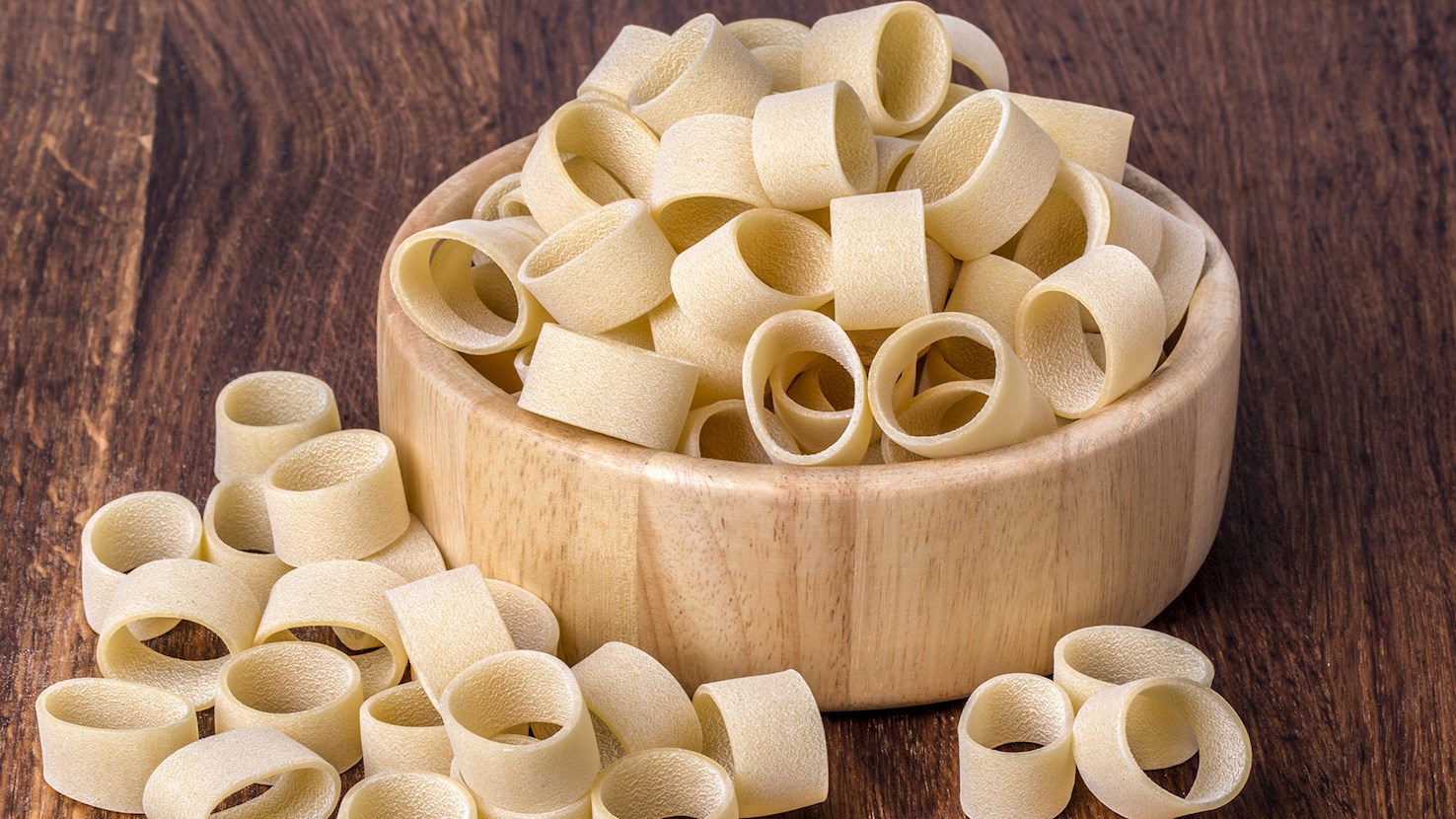
Calamarata is a variety of Italian pasta that is cut in the shape of a thick ring. It is made from durum wheat flour, and is sometimes colored with squid ink in order to resemble sliced calamari. The pasta is often used in a dish called calamarata Napoletana, where it is combined with seafood such as squid, clams, and shrimp.

04

Paccheri

4 ·

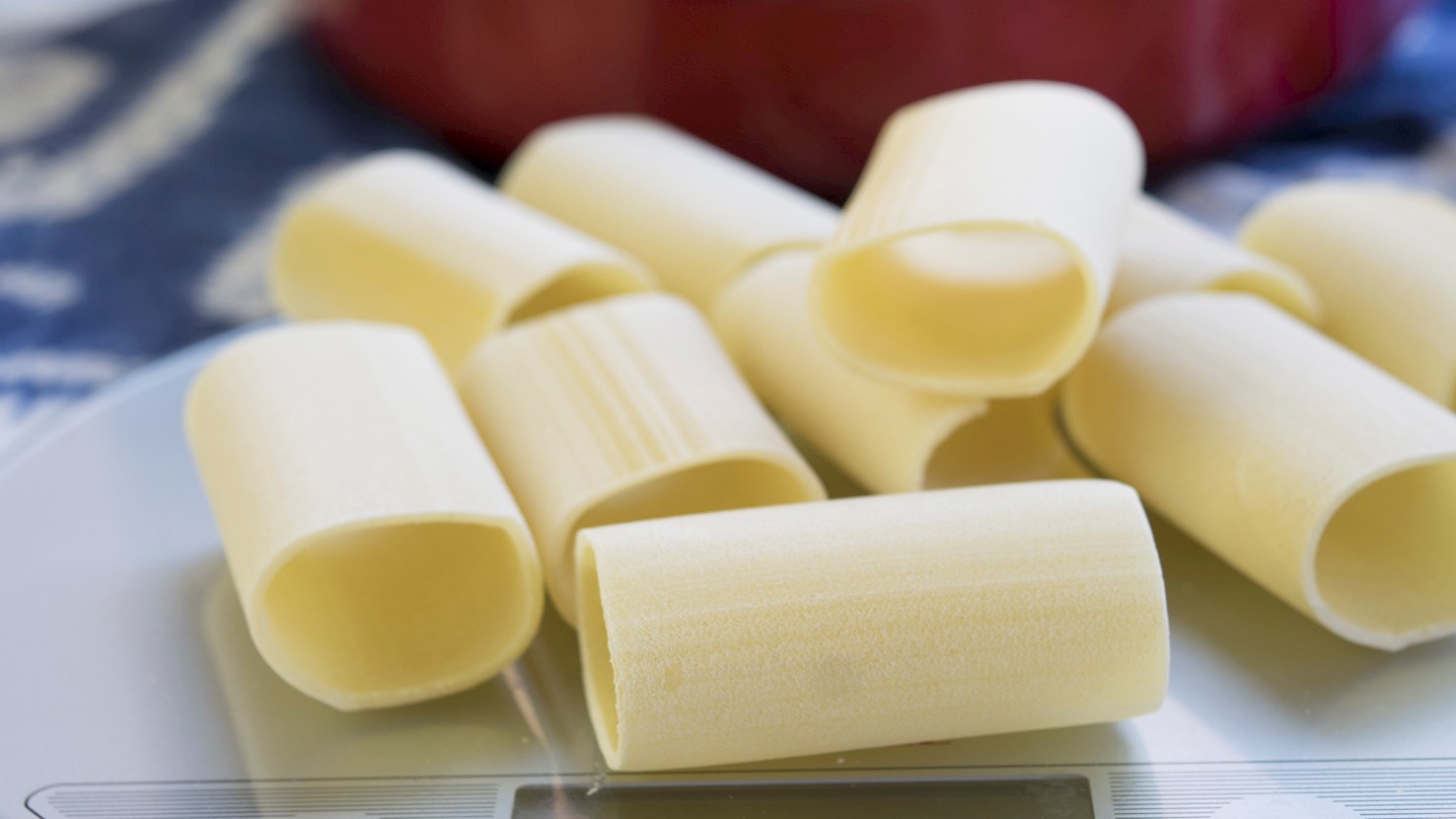
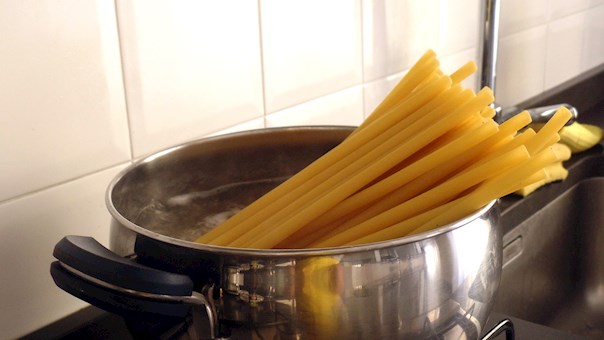
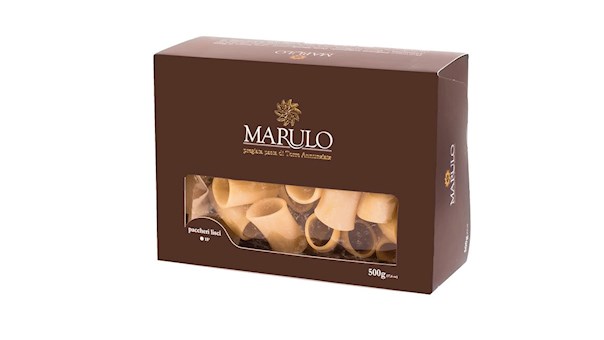
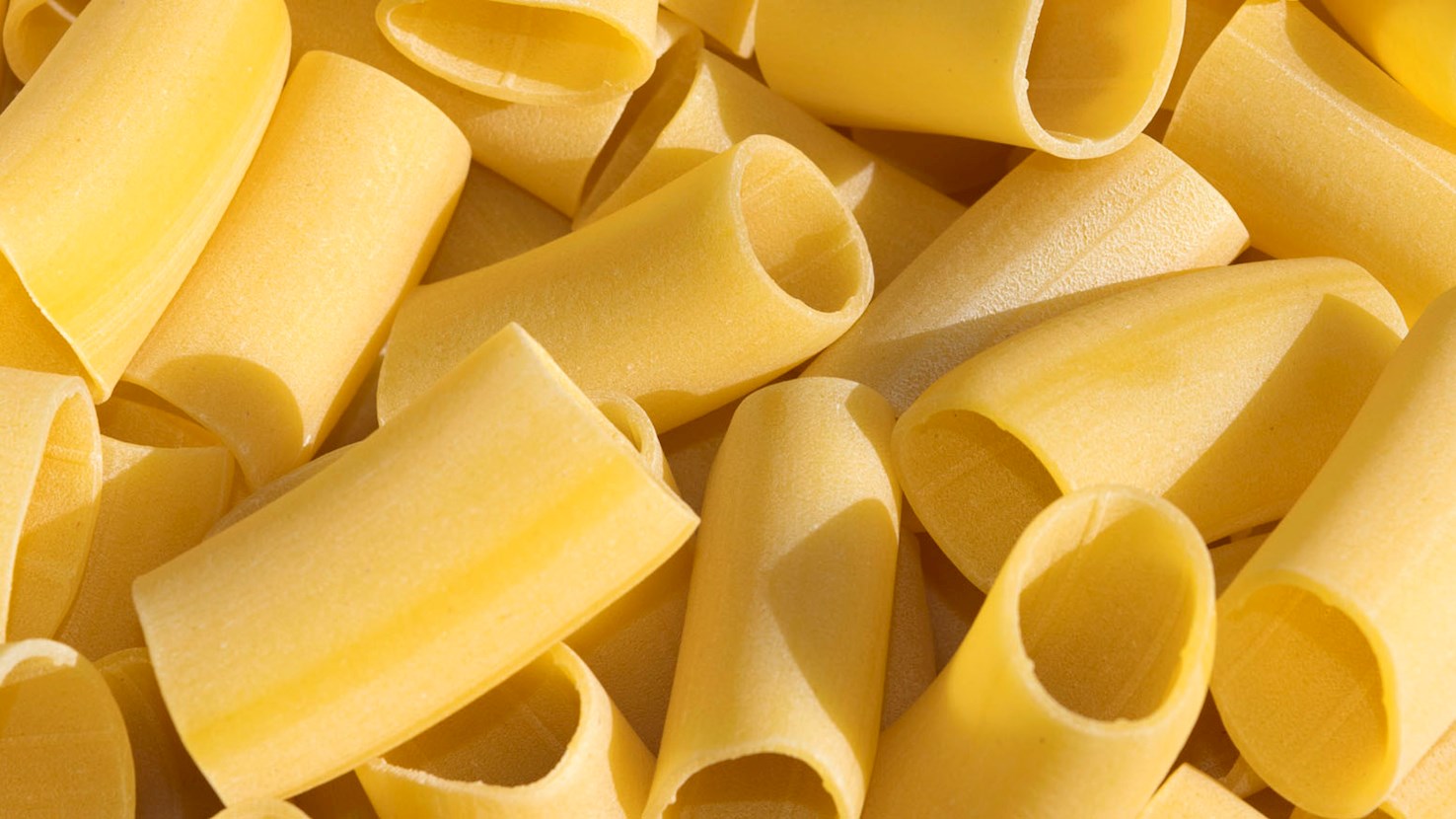
Paccheri is a type of Italian pasta characterized by its large, tubular shape. Originally, paccheri pasta was used as a vehicle for smuggling banned garlic cloves from Italy to Austria, because Prussian garlic was small and weak, and Italian garlic was large and flavorful. Today, paccheri are often stuffed with sausages, garlic, and mushrooms, or served with chunky, meaty sauces such as ragù alla Bolognese. The pasta can be used in the preparation of casseroles, filled with ricotta and layered with tomato sauce and cheese. Although paccheri is generally smooth in texture, there is also a ribbed version, called paccheri millerighe.

05

Cannelloni

4 ·

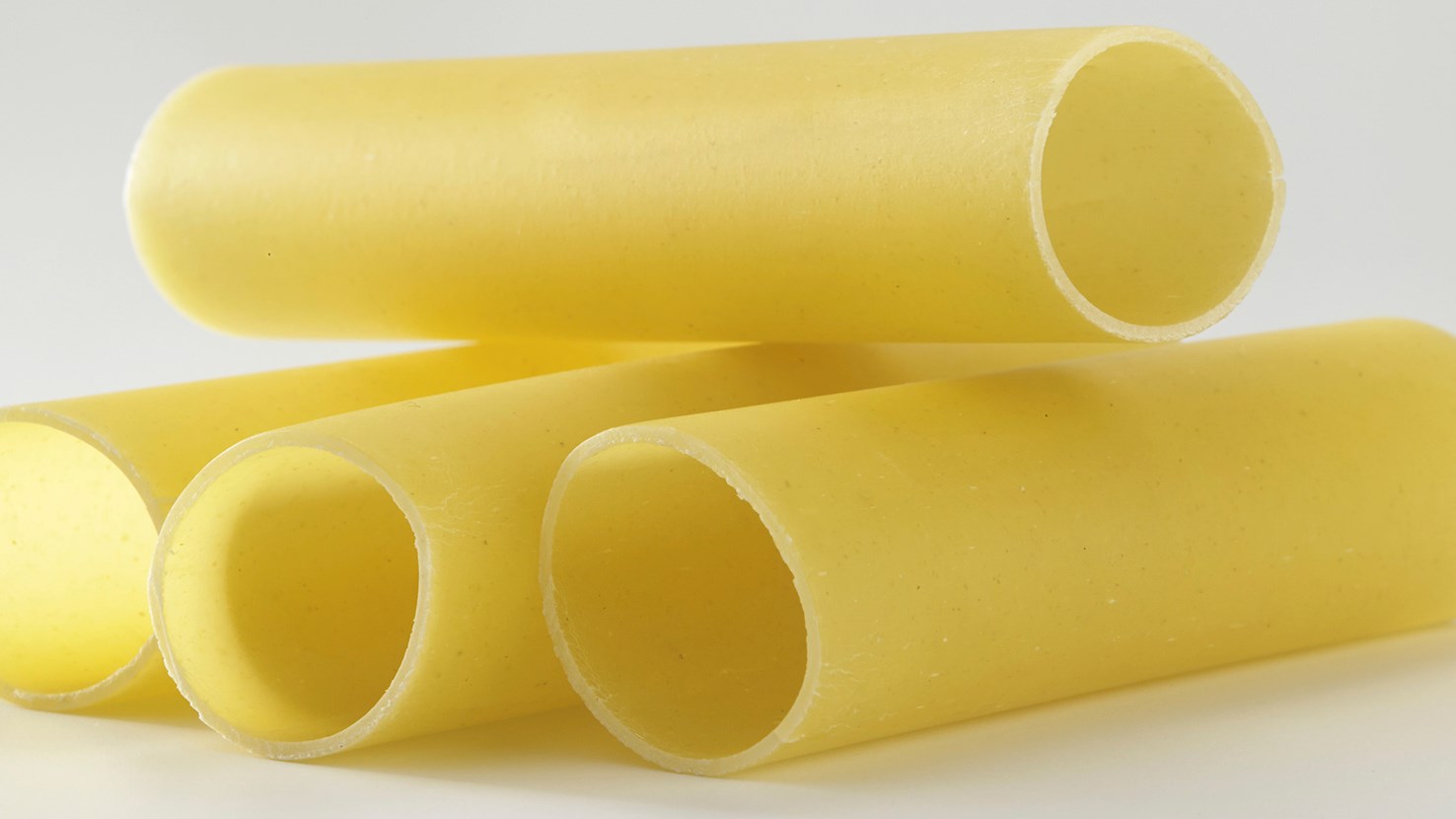
This tube-shaped Italian pasta variety was invented around 1907 by a Neapolitan chef Nicola Federico, who was working at a popular restaurant in Sorrento called La Favoria at the time. Originally called strascinati, the pasta was later renamed to cannelloni after gaining popularity due to an influx of people from Naples into Sorrento during World War II. Cannelloni are usually stuffed with meat, cheese, or vegetables, then baked in sauces based on tomatoes or cream. The pasta pairs well with meats such as beef, pork, and veal, cheeses such as mozzarella and ricotta, vegetables such as carrots, spinach, and celery, along with various sauces, herbs, apples, and walnuts.

06

Mafaldine

4 ·

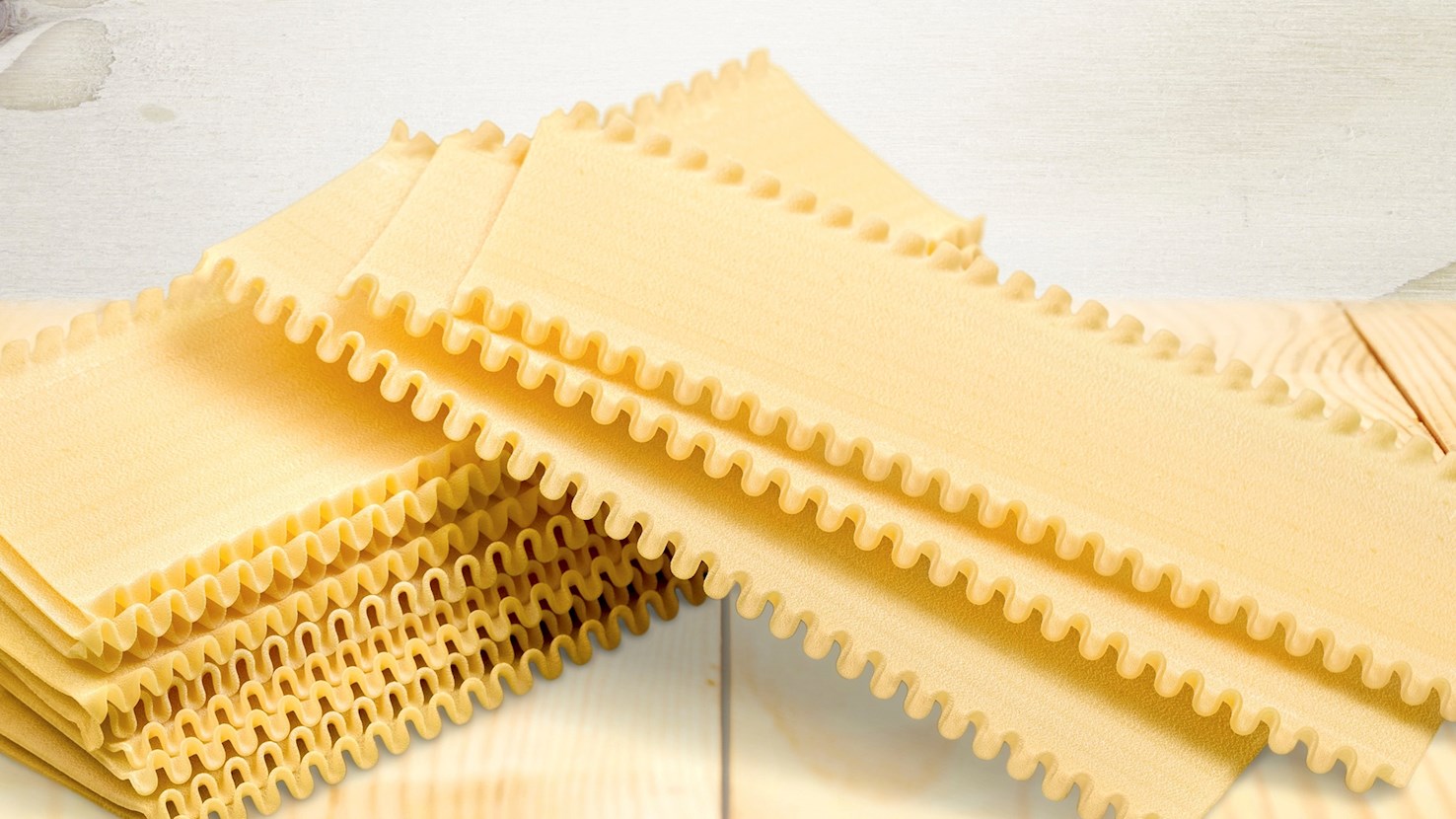
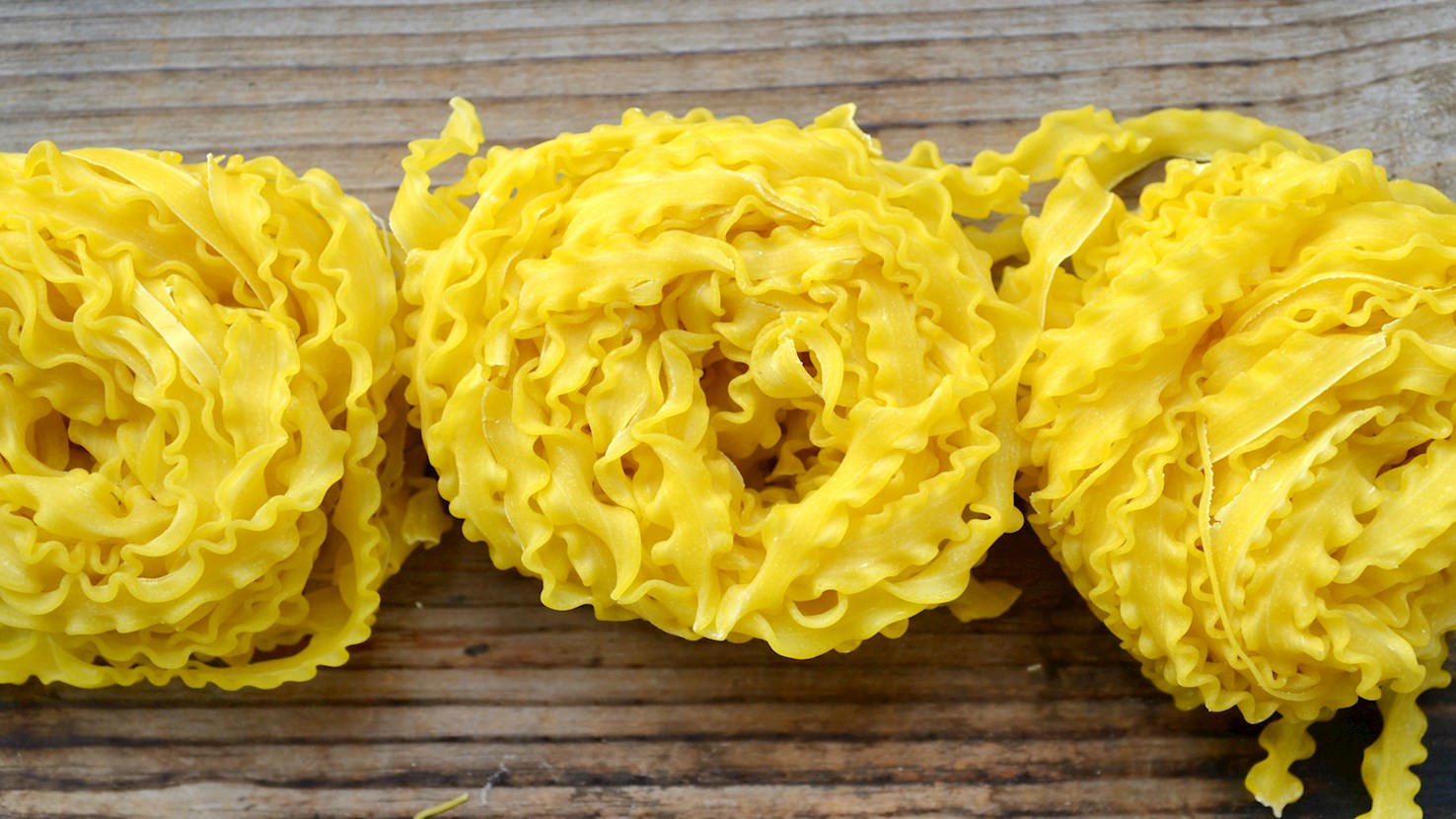
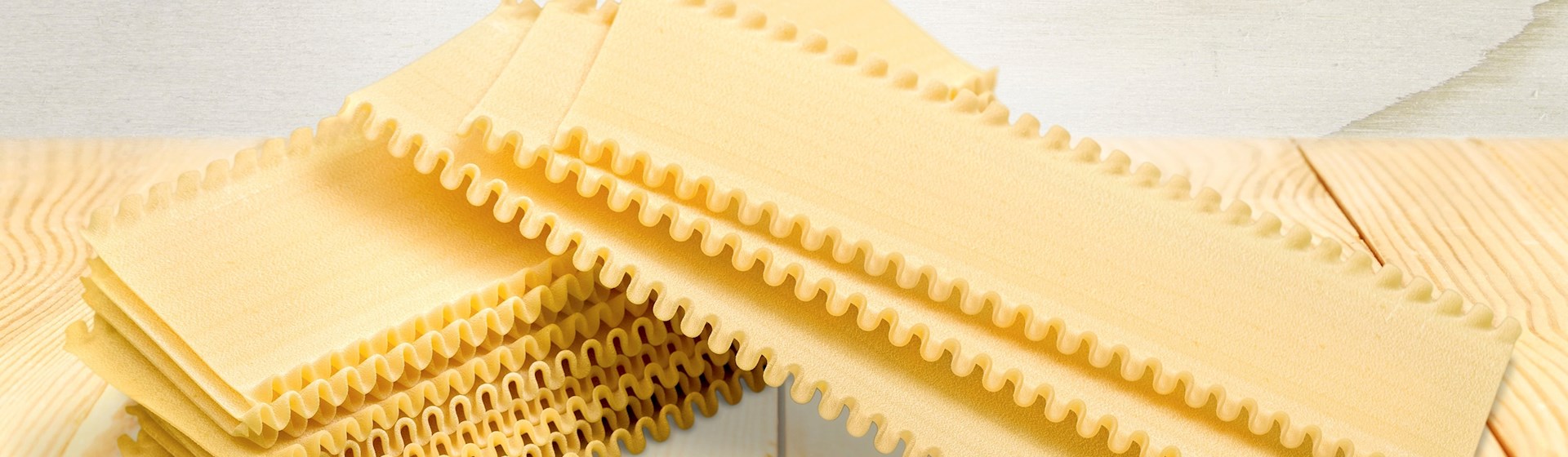
Mafaldine is an Italian variety of pasta named after Princess Mafalda of Savoy, which is the reason why the pasta is sometimes known as reginette, meaning little queens. Hailing from the Naples area, mafaldine were also called fettuccelle ricce in the past. The pasta is ribbon-shaped, flat, wide, and has wavy edges on both sides. The consistency differs on the smooth and curled parts once the pasta has been cooked, and the curled parts retain more sauce than the smooth parts. Mafaldine are usually served with special, delicate sauces and paired with ingredients such as shrimps, cherry tomatoes, cheese, sausages, or mushrooms. The sauces that are especially popular with mafaldine include game sauces, ragú Napoletano, fish sauces made from seafood or shellfish, and white sauces made from soft cheeses with the addition of ginger, horseradish, or saffron.

07

Macaroni

3.9 ·

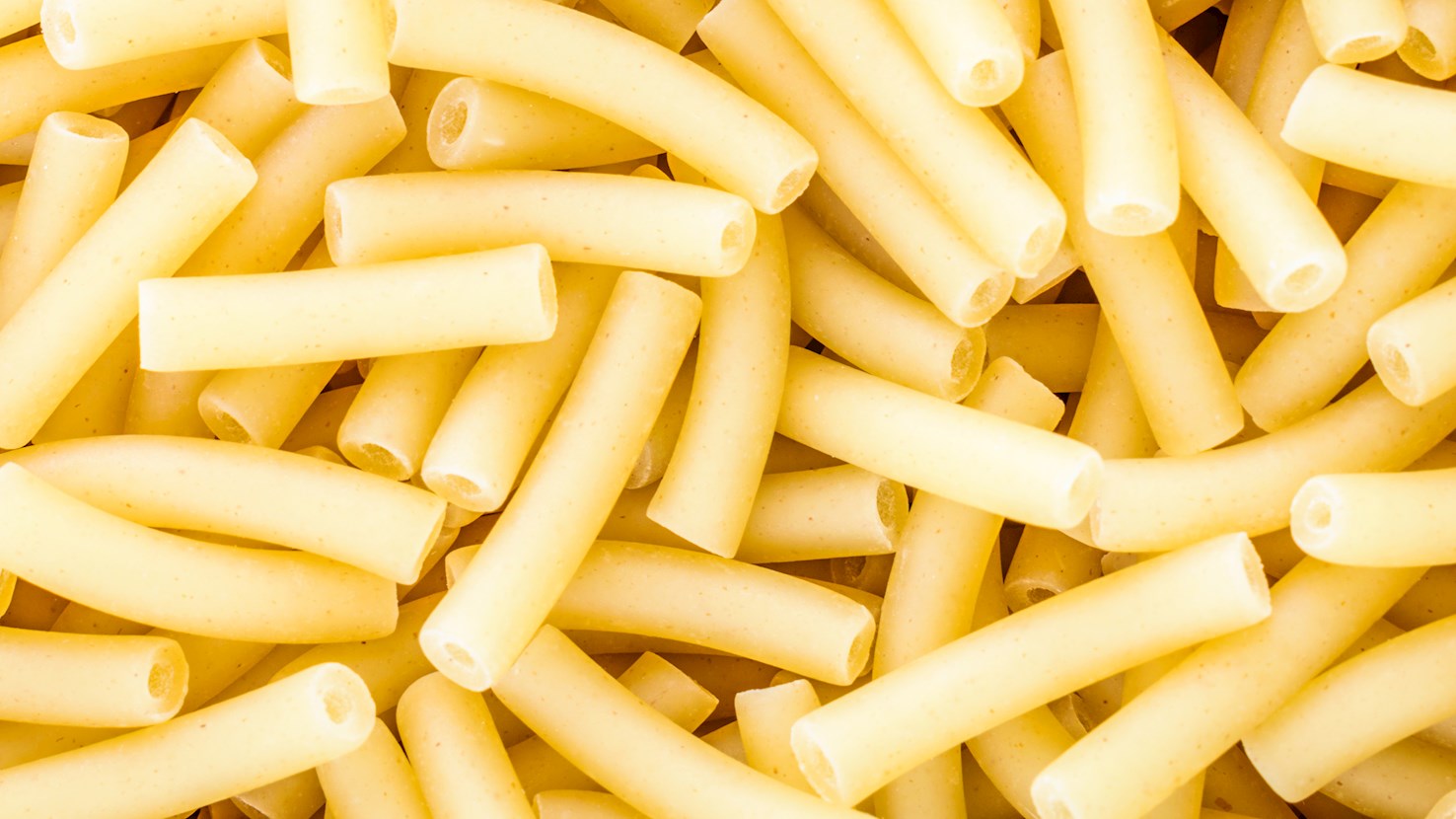
This is a dry, short variety of pasta made with durum wheat and water. In northern Italy, it usually refers to an extruded type of pasta with a tubular shape, a categorization that has been accepted in most other parts of the world as well. However, in the rest of Italy, the term macaroni can also signify numerous other types of pasta of varying size and shape. In the past, the Italian word maccheroni was a generic name used to refer to all varieties of dry pasta, a category known today as pasta secca. The origin of macaroni is often traced to Naples, and it is believed to be an authentic Italian invention influenced by Arabian tradition. The word macaroni is thought to be a derivation of the Greek word makaria, signifying food made from barley, or the Arab maccare, which means ‘to knead’. Although it is not known exactly when macaroni was invented, and the etymology of the name is vague, a certain fact is that it was originally a food item enjoyed exclusively by the privileged aristocracy until the 18th century, by which time it had become a staple ingredient enjoyed by all classes. Macaroni might come in different forms and sizes, but the term usually refers to pasta varieties resembling narrow tubes. In Italy, the preferred variety is long and straight, while the Americans predominantly use the curved type, popularly called ‘elbow pasta’. In some Slavic countries – Russia in particular – the word macaroni is still used today to refer to all types of pasta. Macaroni is used in an array of dishes, and is usually combined with sauces based on meat, vegetables, or cheese, the most popular being the omnipresent tomato sauce. It can also be added to soups or casseroles, but undoubtedly the best-known dish incorporating macaroni is the world famous mac and cheese.

08

Scialatelli

3.8 ·

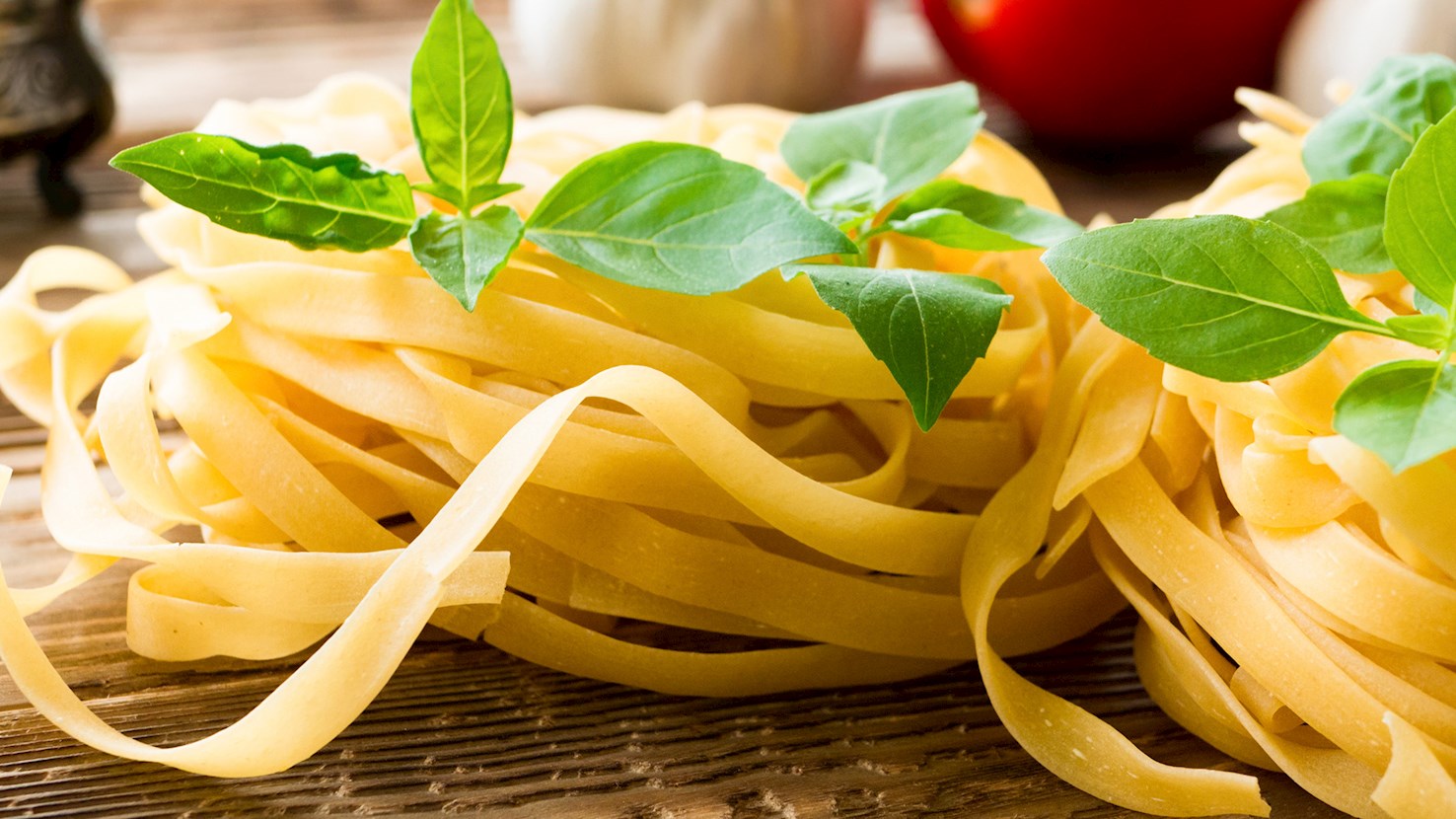
Scialatelli is a fresh, handmade Italian pasta variety that looks almost the same as tagliatelle. The pasta is flat, long, and tightened, consisting of semolina flour, water, and eggs. It is recommended to serve scialatelli with robust tomato sauces, vegetables, and fresh herbs, although the pasta can also be paired with dairy-based sauces, mascarpone, and other soft cheeses. On the Amalfi coast, scialatelli are served with fresh local seafood and the dish is known as scialatelli all'Amalfitana.

09

Ditalini

3.8 ·

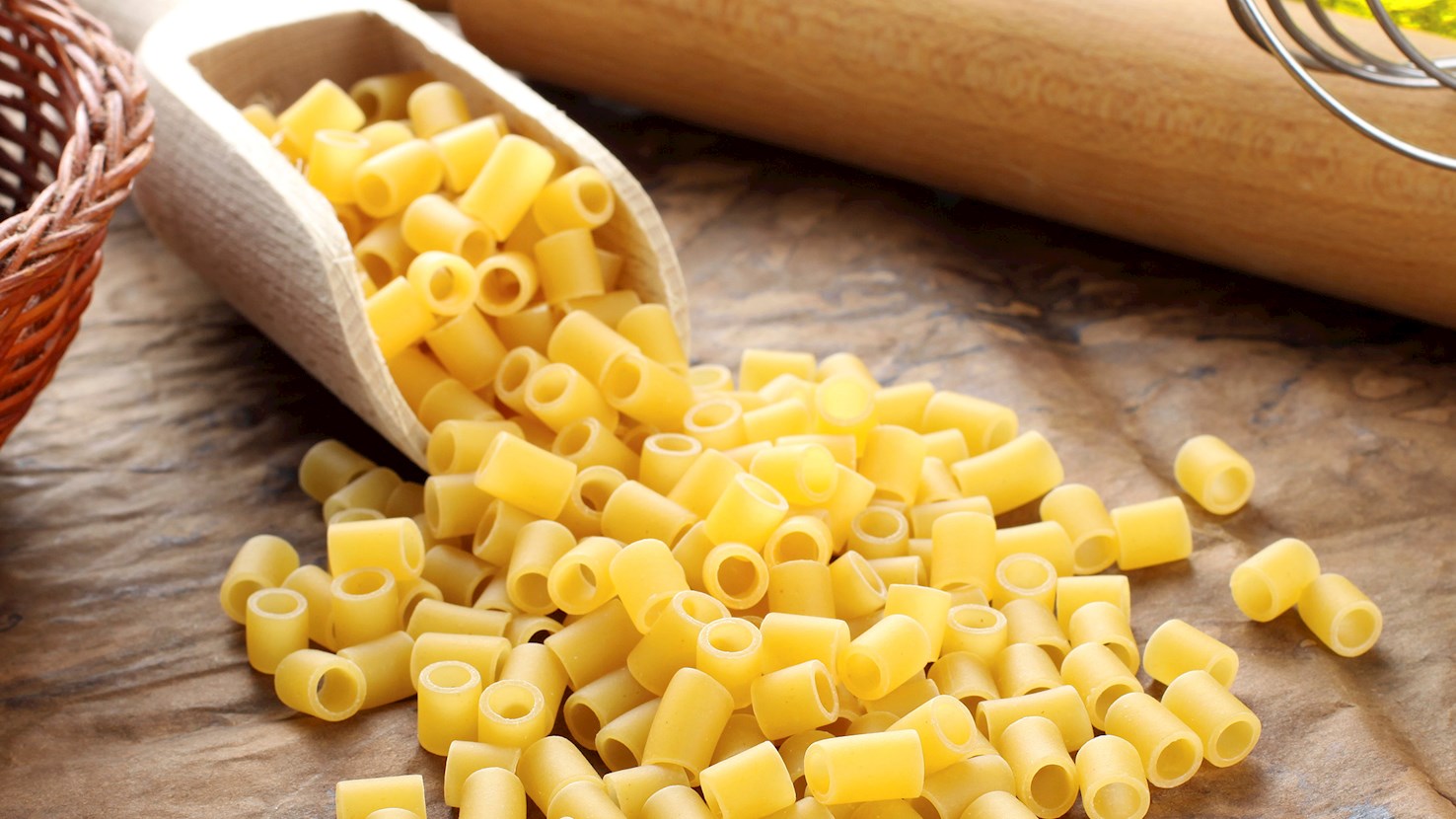
This small, tube-shaped pasta has a slightly nutty flavor and a firm texture. Ditalini is most often consumed in Italy’s region of Campania, where it is traditionally used in pasta e fagioli, minestrone, and other soups. Its small size also makes ditalini the perfect addition to simple broth-based soups. This pasta comes in a smooth variety and a ridged variety, known as ditalini rigatti. The name ditalini can be literally translated as little thimbles. Ditalini is also often used in pasta salads, which is the reason why it's also called salad macaroni in some areas.

10

Creste di galli

3.6 ·

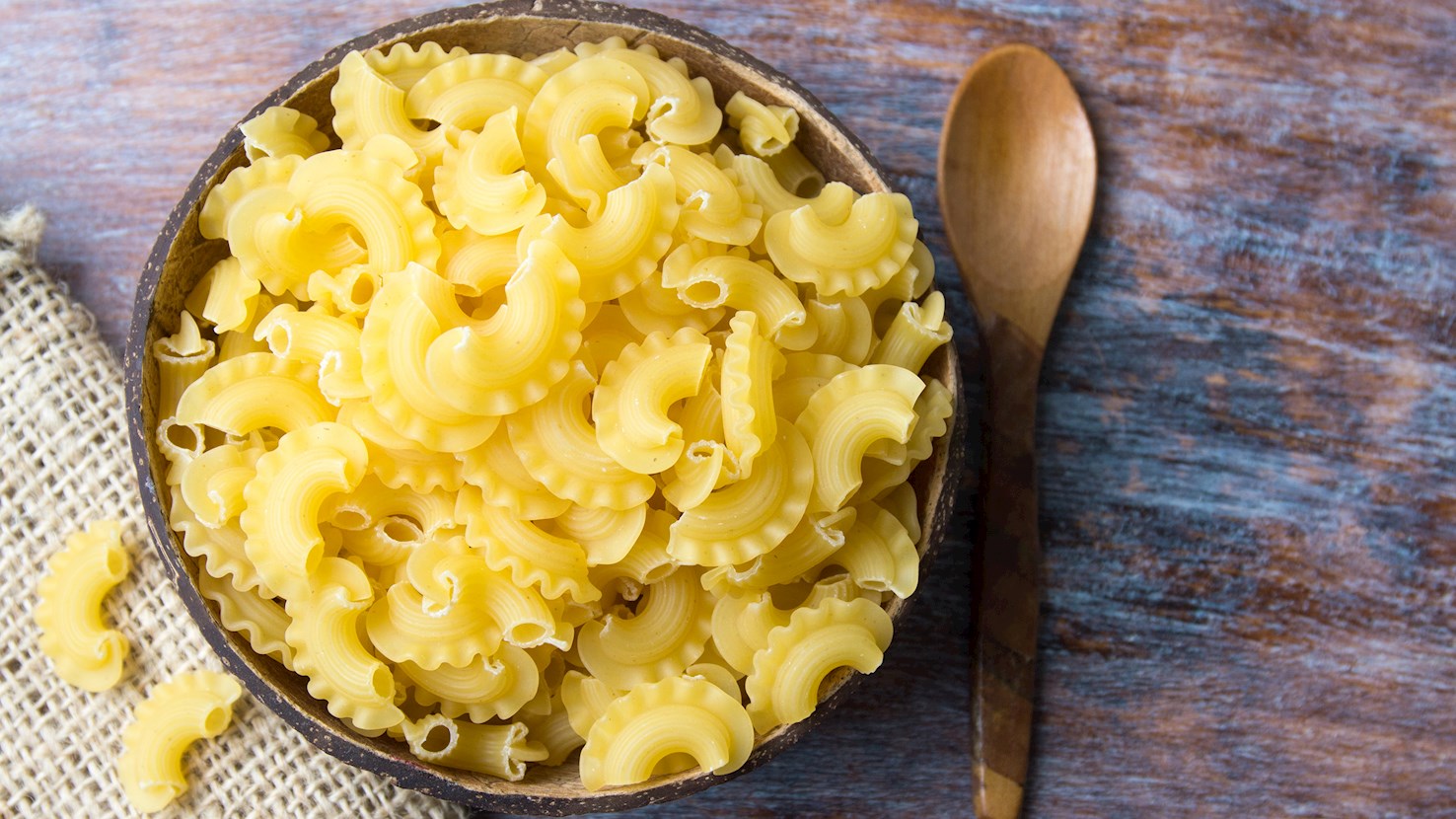
Creste di galli is a traditional pasta variety hailing from Napoli. It's characterized by its short, curved, and tubular shape with ruffled edges that run along the outside curve. The pasta shape is named after the red and wavy crest on a rooster's head. It's recommended to serve creste di galli in soup or with hearty sauces, but the pasta can also be used in casseroles. If this pasta type is unavailable, it can be replaced with farfalle or gigli.

Read more
View all
View map
About this ranking

TasteAtlas food rankings are based on the ratings of the TasteAtlas audience, with a series of mechanisms that recognize real users and that ignore bot, nationalist or local patriotic ratings, and give additional value to the ratings of users that the system recognizes as knowledgeable. For the “Top 35 Campanian Pasta Varieties” list until June 02, 2026, 1,350 ratings were recorded, of which 1,133 were recognized by the system as legitimate. TasteAtlas Rankings should not be seen as the final global conclusion about food. Their purpose is to promote excellent local foods, instill pride in traditional dishes, and arouse curiosity about dishes you haven’t tried.

The initial list of top producers was compiled based on available reviews, awards, local recommendations, media and blog coverage, and consumer reviews. The list will be updated with ratings from TasteAtlas local ambassadors and TasteAtlas users.

Similar lists