Top 33 Croatian Wine Appellations

Last updated on May 29, 2026

Best Croatian Wine Appellations
01

Matuško

5 ·
Matuško is a family-owned winery from the village of Potomje on the Pelješac Peninsula, founded in 1997 by Mato Violić - Matuško, one of the key figures in the modern promotion of the Plavac Mali grape and the Dingač appellation. Today, the winery is one of the largest and most visited on Pelješac, featuring an impressive 2,000 m² wine cellar that welcomes over 50,000 visitors annually. The stone-carved tasting room symbolically connects tradition with the raw power of Pelješac’s soil, which lies at the heart of all Matuško wines. The winery’s core focus is on red wines made from the Plavac Mali grape, particularly those from the Dingač protected designation of origin - Croatia’s first officially recognized vineyard micro-location. The Dingač terrain is extremely rocky, rich in minerals, and situated on steep southern slopes that receive more than 2,800 hours of sunshine per year. Under these extreme conditions, Plavac Mali produces wines of high extract, deep color, full body, and pronounced structure. In addition to Dingač, Matuško also produces wines from other Dalmatian appellations, which further enrich its regional identity. Matuško has become synonymous with Plavac Mali in its most powerful form, characterized by bold tannins, ripe fruit aromas, Mediterranean herbs, and deep minerality. Through a modern oenological approach and consistent quality, the winery successfully balances authenticity with broad accessibility, creating wines that are well recognized both in Croatia and internationally.
Awards
Vivino - 4.6
Vivino - 4.4
02

Bire

5 ·
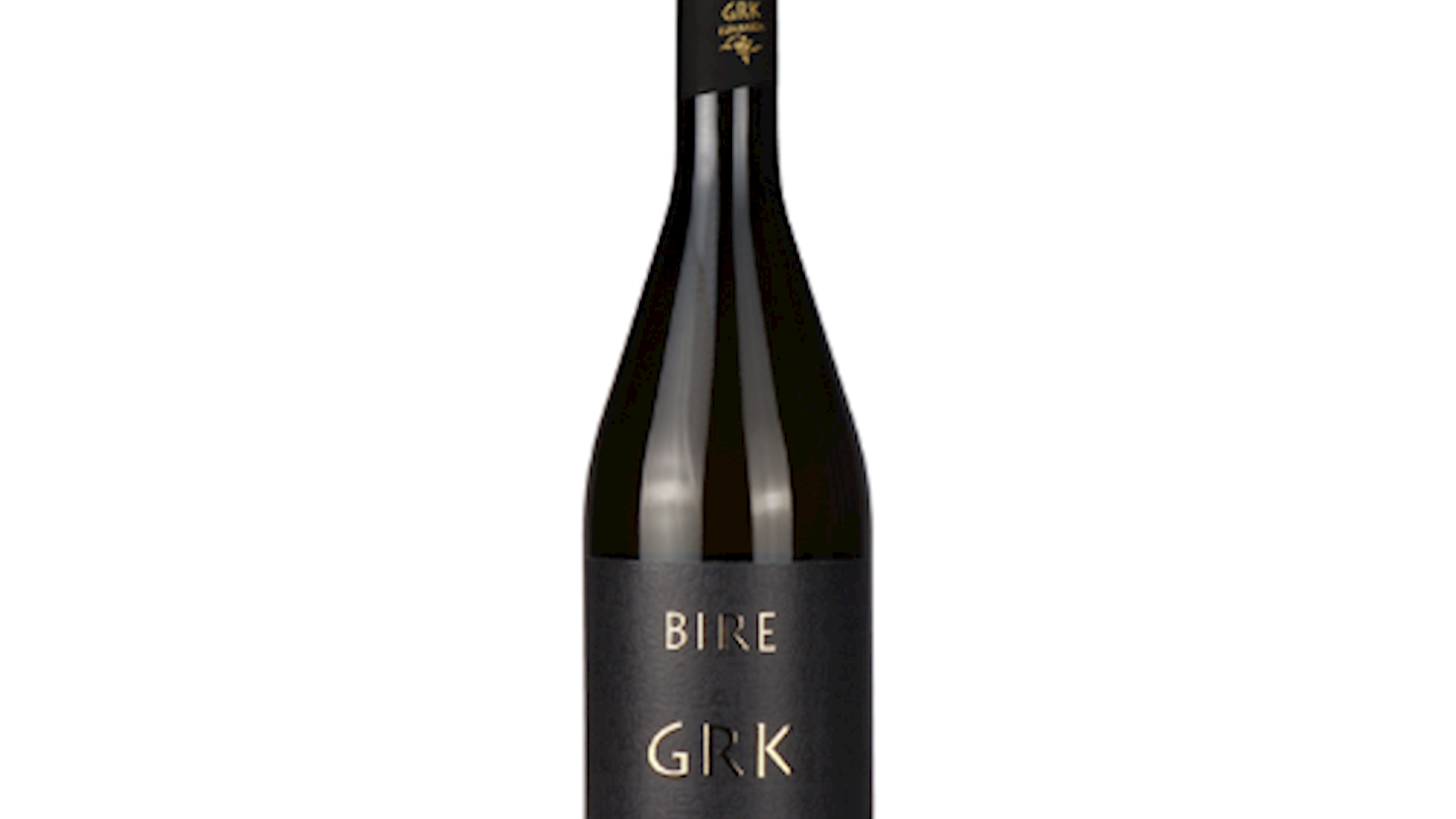
Bire is a family-owned winery located in the village of Lumbarda on the island of Korčula in southern Dalmatia, an area well known for the cultivation of the indigenous Grk grape variety. The winery is run by the Milina-Bire family, who continue a long tradition of viticulture in this part of the island and focus on preserving local grape varieties. The vineyards are situated on the distinctive sandy soils of Lumbarda, close to the sea, which create unique conditions for growing Grk, one of the rarest Croatian grape varieties. This variety forms the core of the winery’s production and represents an important part of the region’s wine identity. In addition to Grk, the winery also produces wines from varieties such as Plavac Mali as well as rosé wines. The grapes come from the family’s own vineyards, allowing careful control of quality and expression of the local terroir. Today, Bire is considered one of the recognizable wine producers from Lumbarda and an important representative of the wine tradition of the island of Korčula.
Awards
Decanter World Wine Awards - Platinum (2021)
Vivino - 4.6
03

Benvenuti

4.9 ·
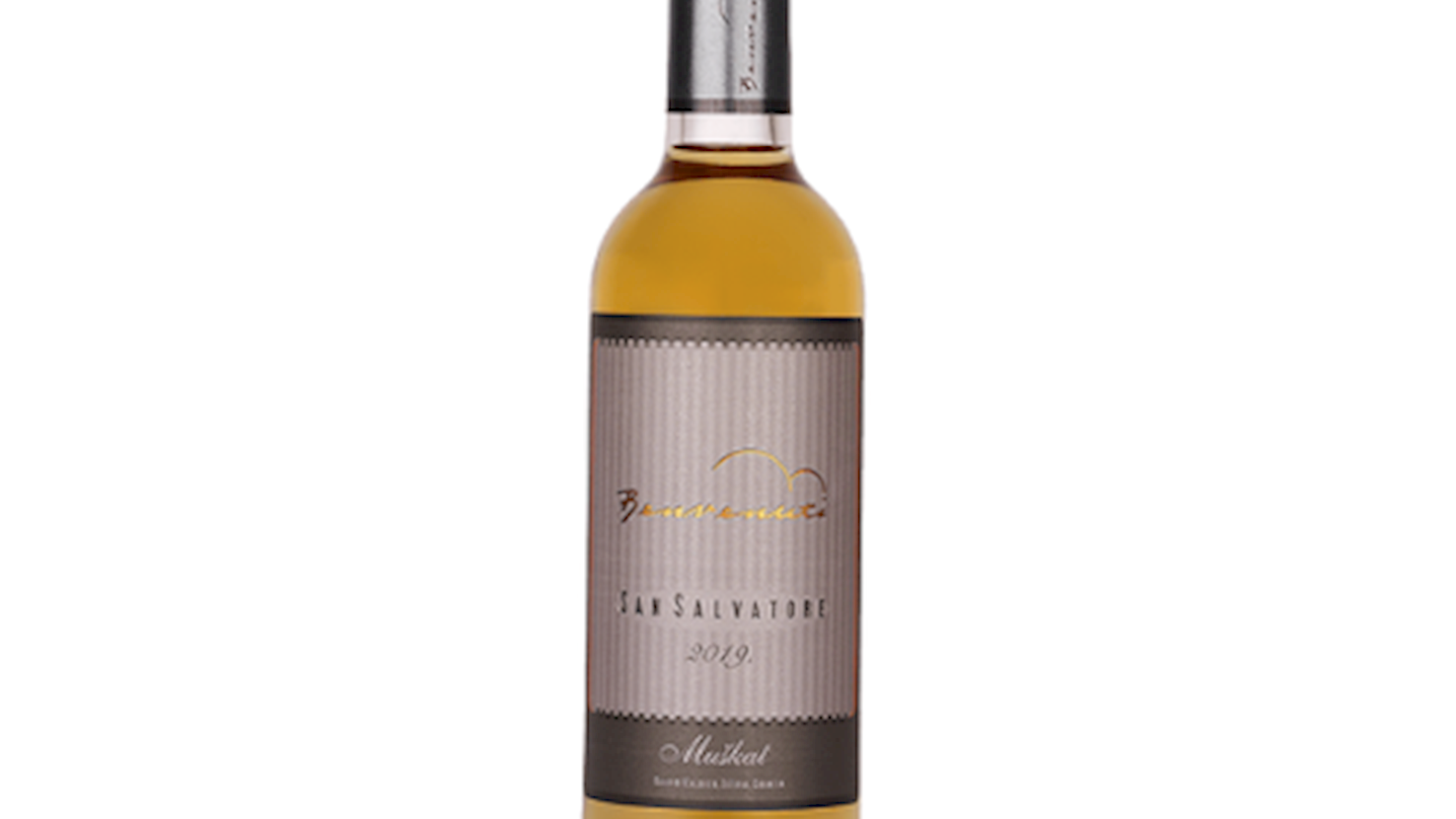
Benvenuti Winery is nestled in the Istrian village of Kaldir, near Motovun, where winemaking is not just a craft but a way of life. For generations, the Benvenuti family has cultivated vines on steep hillsides between 250 and 400 meters above sea level, preserving the authenticity of native varieties such as Istrian Malvazija, Teran, and Muscat. Their philosophy is rooted in respect for the terroir and natural conditions, especially the renowned San Salvatore site, where the unique combination of soil and microclimate creates wines of remarkable freshness, minerality, and character. By blending tradition with modern methods, they craft wines that faithfully reflect the essence of Motovun’s hillsides. The story began in 1946, when Petar Benvenuti planted the first family vineyards. Today, under the guidance of Livio, Albert, and Nikola Benvenuti, the winery continues to nurture this legacy, producing wines recognized and awarded across the globe. From the refreshing Malvazija and powerful Teran to prestigious labels such as Anno Domini and Santa Elisabetta, every Benvenuti wine carries the hallmark of passion, dedication, and Istrian authenticity.
Awards
Decanter World Wine Awards - Platinum (2022, 2021, 2017)
Vivino - 4.5
04

Kozlović

4.9 ·
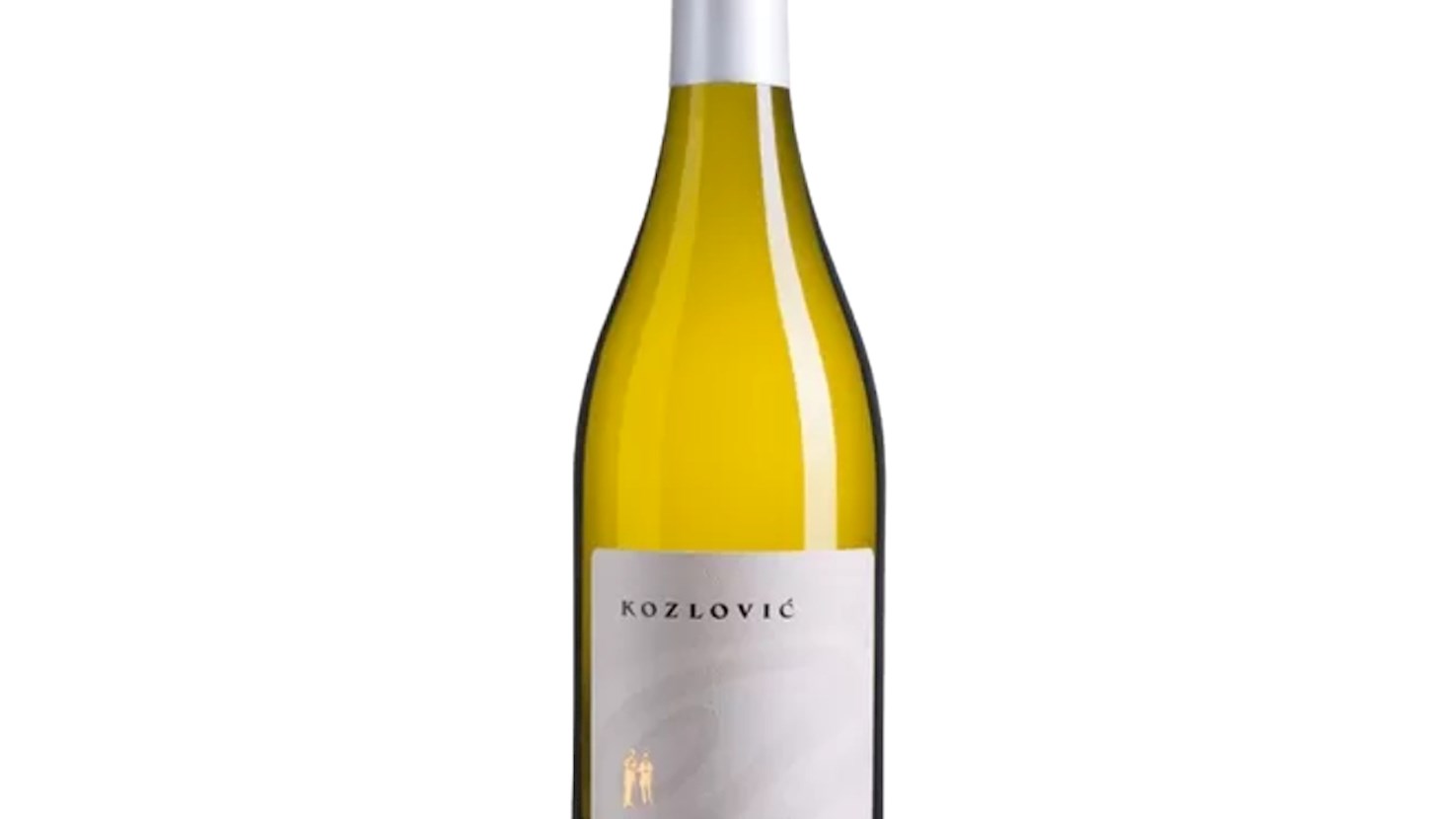
Kozlović is a family-owned winery located in the village of Momjan in north-western Istria, near the town of Buje, one of the most renowned wine-growing areas in Croatia. The winemaking tradition of the Kozlović family dates back to 1904, when Antonio Kozlović planted the first vineyards on sites that still form the core of the estate today. The winery is currently run by the fourth generation of the family, which has significantly modernized production while maintaining a strong focus on quality and the expression of local grape varieties. The vineyards are situated on the hills above the Vale valley, where soils composed of marl, clay and limestone contribute to the wines’ distinctive mineral character and clear sense of terroir. Kozlović is particularly known for wines made from indigenous varieties such as Malvazija Istarska and Muscat Momjanski, while also producing red wines from Teran and several international grape varieties. In 2012 the family built a modern winery designed to follow the natural slope of the terrain, enabling gravity-flow vinification and a minimal-intervention approach to winemaking. Over the past decades, Kozlović has become one of the leading representatives of contemporary Istrian winemaking, with wines that regularly receive recognition at international competitions and reflect the distinctive identity of the Istrian terroir.
Awards
Decanter World Wine Awards - Platinum (2022, 2020)
Vivino - 4.4
05

Madirazza

4.9 ·
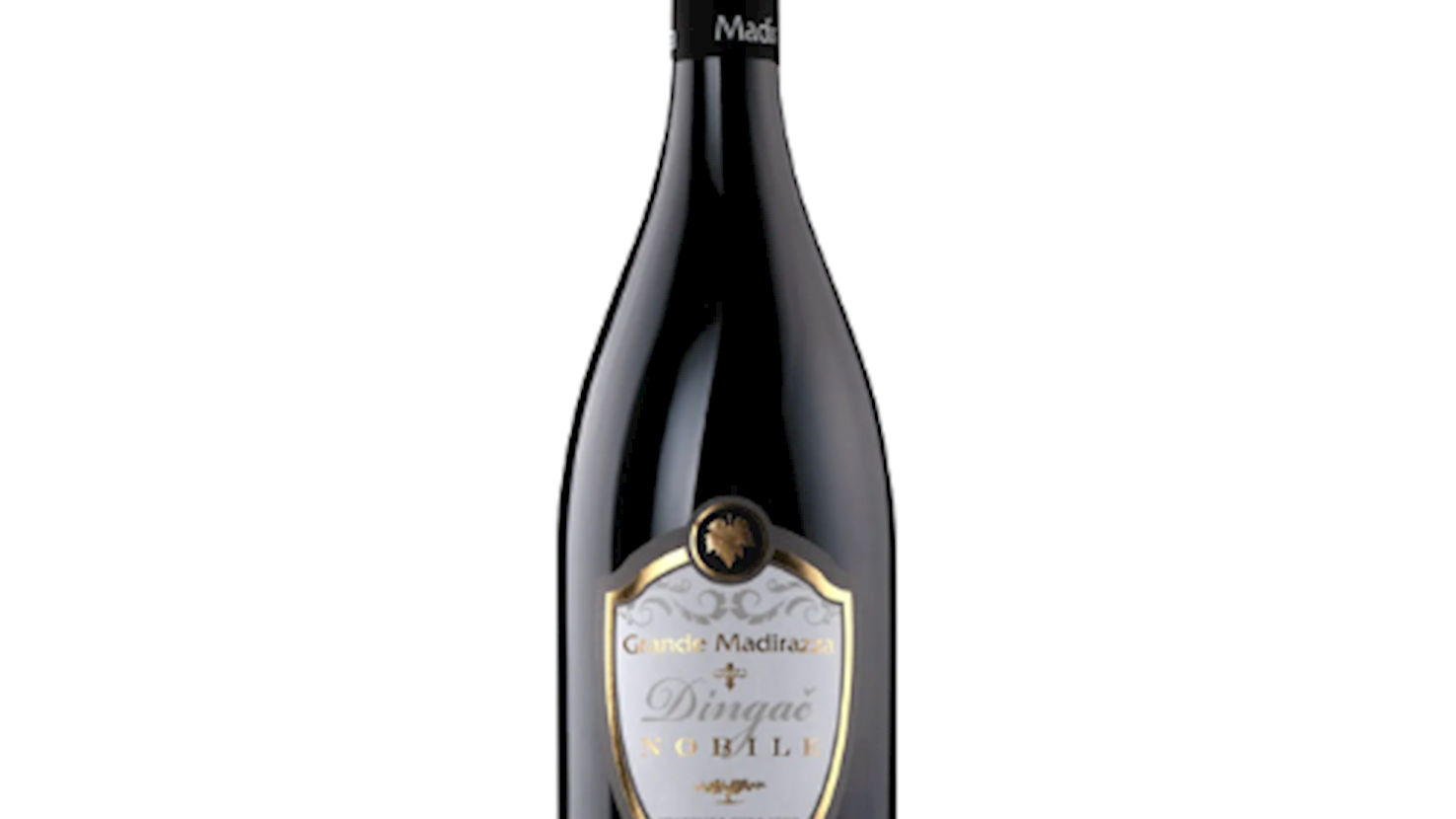
Madirazza is a family-owned winery located in the village of Potomje on the Pelješac Peninsula, renowned for producing red, white, and rosé wines made from indigenous Dalmatian grape varieties such as Plavac Mali, Pošip, Rukatac, and Grk. The winery cultivates over 20 hectares of vineyards, including prestigious plots in the Dingač and Postup appellations, which supply grapes for their most esteemed labels. Founded more than 25 years ago by Ante Madirazza - who began his career in cooperative viticulture - the winery was built on a foundation of deep knowledge and a passion for precise, small-scale production. Today, Madirazza produces approximately 160,000 bottles annually, combining traditional techniques with modern enological practices, including fermentation in stainless steel tanks and aging in oak barrels of various origins. The result is a refined expression of Pelješac’s terroir - where authenticity and craftsmanship meet in every bottle.
Awards
Vivino - 4.5
Vivino - 4.4
06

Saints Hills

4.8 ·
Saints Hills is a Croatian boutique winery founded by Ernest Tolj with the idea of presenting the potential of different Croatian wine regions through a modern approach to winemaking. The winery works with vineyards in several locations, primarily on the Pelješac Peninsula in the Dingač appellation, in the Komarna region of southern Dalmatia, and in Radovani in Istria. This approach allows the production of wines that reflect the character of different terroirs as well as the diversity of indigenous and international grape varieties. Particular attention is given to the Plavac Mali variety, the most important red grape of Dalmatia, while white wines are also produced from varieties such as Pošip and Malvazija Istarska. The vineyards on Pelješac are located on steep, sun-exposed slopes above the sea, where most vineyard work must be done by hand due to the demanding terrain. In the cellar, traditional viticultural practices are combined with modern winemaking techniques in order to preserve the character of the grapes and the terroir. Today, Saints Hills is considered one of the recognizable contemporary Croatian wineries, known for wines that highlight regional identity and the distinct style of different vineyard areas.
Awards
Vivino - 4.4
Vivino - 4.3
07

Jagunić

4.8 ·
Jagunić is a family-owned Croatian winery located in the Plešivica wine region near Jastrebarsko, an area known for its rolling vineyards and favorable conditions for quality wine production. The Jagunić family has been involved in viticulture since the 1920s, and today the winery is managed by the fourth generation of the family. Their vineyards are situated on sun-exposed slopes such as Veliki Dol and Pečnjak, where the combination of continental climate, elevation and soil composition supports the development of balanced and aromatic grapes. The winery cultivates varieties including Chardonnay, Pinot Gris, Riesling, Traminer and Portugizac, reflecting both international and regional grape traditions. Jagunić is also recognized for producing sparkling wines using the traditional method of secondary fermentation in the bottle, a style increasingly associated with the Plešivica region. Grapes are harvested from vineyard plots located close to the winery to ensure quick processing and preservation of freshness and quality. In the cellar, winemaking combines modern techniques with the use of older wooden barrels that contribute subtle complexity while maintaining the character of the fruit. Today Jagunić is part of a group of small family wineries that have helped establish Plešivica as one of Croatia’s notable cool-climate wine regions.
Awards
Vivino - 4.4
Vivino - 4.2
08

Bura Mrgudić

4.8 ·
Bura Mrgudić is a family-run winery located in the village of Potomje on the Pelješac Peninsula, within the Dingač appellation. The Bura family's winemaking tradition spans five generations, and their current approach combines inherited knowledge with an authentic philosophy of crafting wines from indigenous grape varieties. Their most renowned label is Bura Dingač, made from Plavac Mali grapes grown on extremely steep vineyards where hand-harvesting takes place on terraces overlooking the Adriatic Sea. The focus is not on mass production but on small batches of wine that faithfully reflect the unique microclimate and terroir of Pelješac. Wine tastings are held in their cellar with family members present, offering a rustic and personal experience. Bura Cellar stands as a model of sustainable family viticulture that preserves heritage through wines that are not styled to follow market trends, but instead express a deeply local winemaking identity.
Awards
Vivino - 4.4
Vivino - 4.3
09

Mikulić

4.7 ·
Mikulić Winery is an authentic family-run project located in the village of Mokalo, at the entrance to Orebić on the Pelješac Peninsula, successfully blending a passion for wine, preservation of local heritage, and luxurious seaside relaxation. Founded with the intention of offering more than a traditional wine tour, the winery provides a comprehensive experience through a combination of boutique wine production and the Museum of Pelješac Tradition - a permanent exhibition showcasing original artifacts from the lives of local winemakers and farmers, including ancient amphorae, hand-operated presses, old rakija stills, vine cultivation tools, and family archives. This setting allows visitors not only to taste the wine, but also to immerse themselves in the historical and cultural context of its production. The Mikulić family vineyards are situated on the southern slopes of Pelješac, within the prestigious Postup appellation, the second officially protected wine-growing area in Croatia. On this steep, sun-drenched, and schist-rich terrain, Plavac Mali grapes produce wines of bold character, deep color, and rich aromas. Tastings take place in rustically styled cellars or on terraces with panoramic views, and are paired with local prosciutto, cheeses, olive oil, and seafood delicacies. Mikulić offers visitors a truly immersive experience - where wine, history, and the Mediterranean lifestyle come together in a thoughtful and memorable way.
Awards
Vivino - 4.3
10

Korta Katarina

4.7 ·
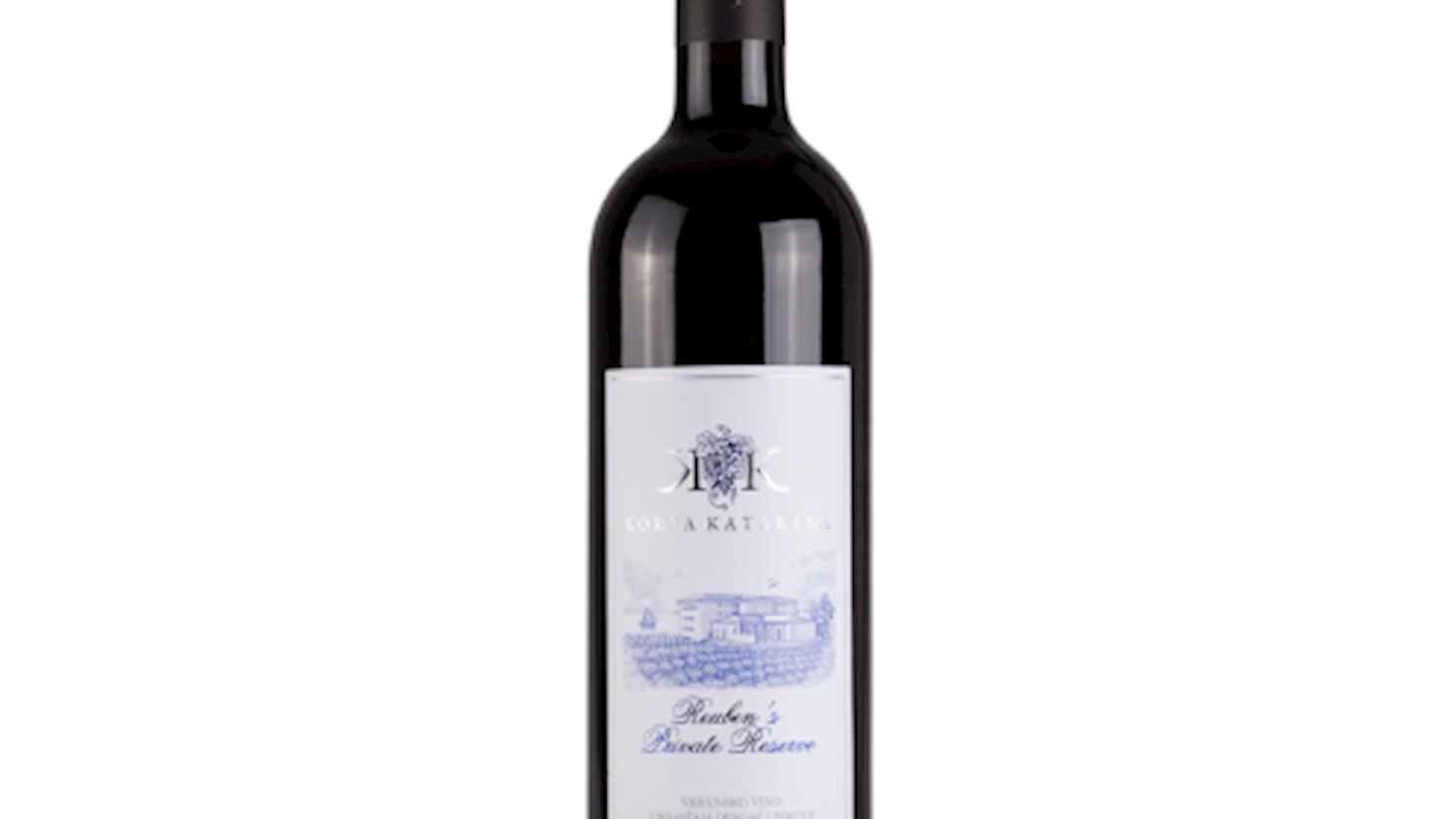
Korta Katarina is a Croatian winery located in the town of Orebić on the Pelješac Peninsula, one of the most renowned wine-growing regions of Dalmatia. The winery was founded by American entrepreneurs Lee and Penny Anderson in the early 2000s with the aim of producing wines that highlight the potential of the Pelješac terroir and its indigenous grape varieties. The vineyards are located in several sites across the peninsula, including the well-known Dingač appellation, where steep south-facing slopes, rocky soils and intense sunlight create ideal conditions for cultivating the Plavac Mali grape. This variety forms the core of the winery’s production and produces wines known for their deep color, firm structure and aromas of ripe red and dark fruits. In addition to red wines, Korta Katarina also produces white wines from varieties such as Pošip, as well as rosé wines. The winery is also recognized for its representative wine cellar and tasting facility in Orebić, which has become part of the broader wine tourism experience of the region. Today, Korta Katarina is considered one of the notable wine producers of the Pelješac Peninsula, known for wines that emphasize the character of local varieties and the distinct conditions of the Dalmatian terroir.
Awards
Vivino - 4.3
Vivino - 4.1

Best Croatian Wine Appellation Types
01

Dingač

3.6 ·

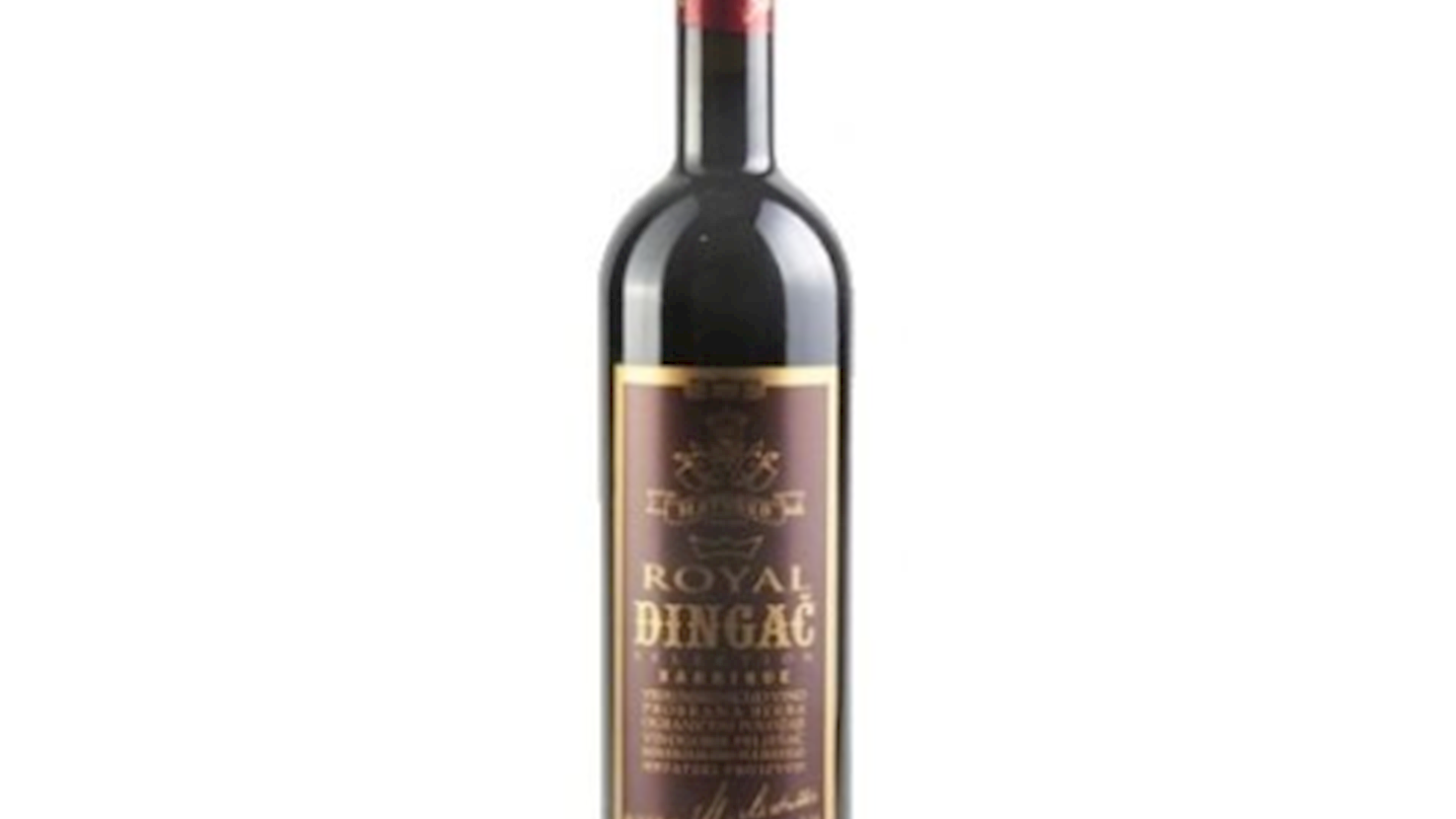
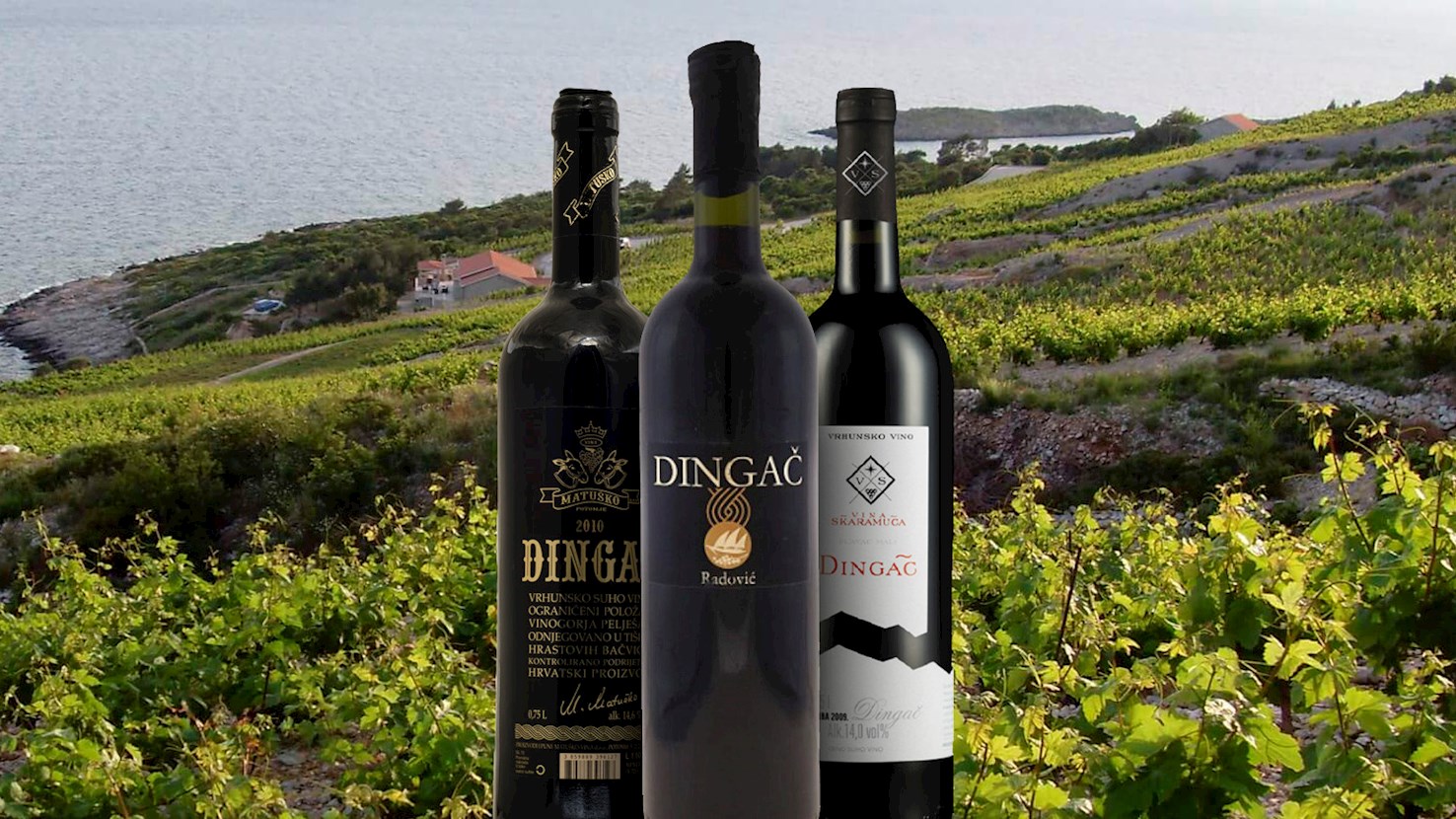
Dingač is a Croatian wine-growing region located on the Pelješac Peninsula. The region is a protected and the most famous site for Plavac mali—native Croatian grape that produces highly-prized red wines. Due to its small size, the area is often called a microregion. It is located on the steep southern slopes of the peninsula, between the villages Trstenik and Podobuče. The combination of specific climate and terrain provides low yields, but the result is an incredibly concentrated wine and what is considered as the supreme expression of Plavac mali. Dingač wines have a perfect balance of alcohol and acidity. They are rich in soft tannins and intensely flavored, while the aromas are reminiscent of ripe, stewed berries, and dry fruit. The uneven ripening of the grape often affects the alcohol content in these wines—which can sometimes reach the highest possible limits. Dingač pairs well with hearty and spicy dishes. It works exceptionally well with roasted or braised red meat, lamb, or game.

02

Muškat momjanski

3.4 ·

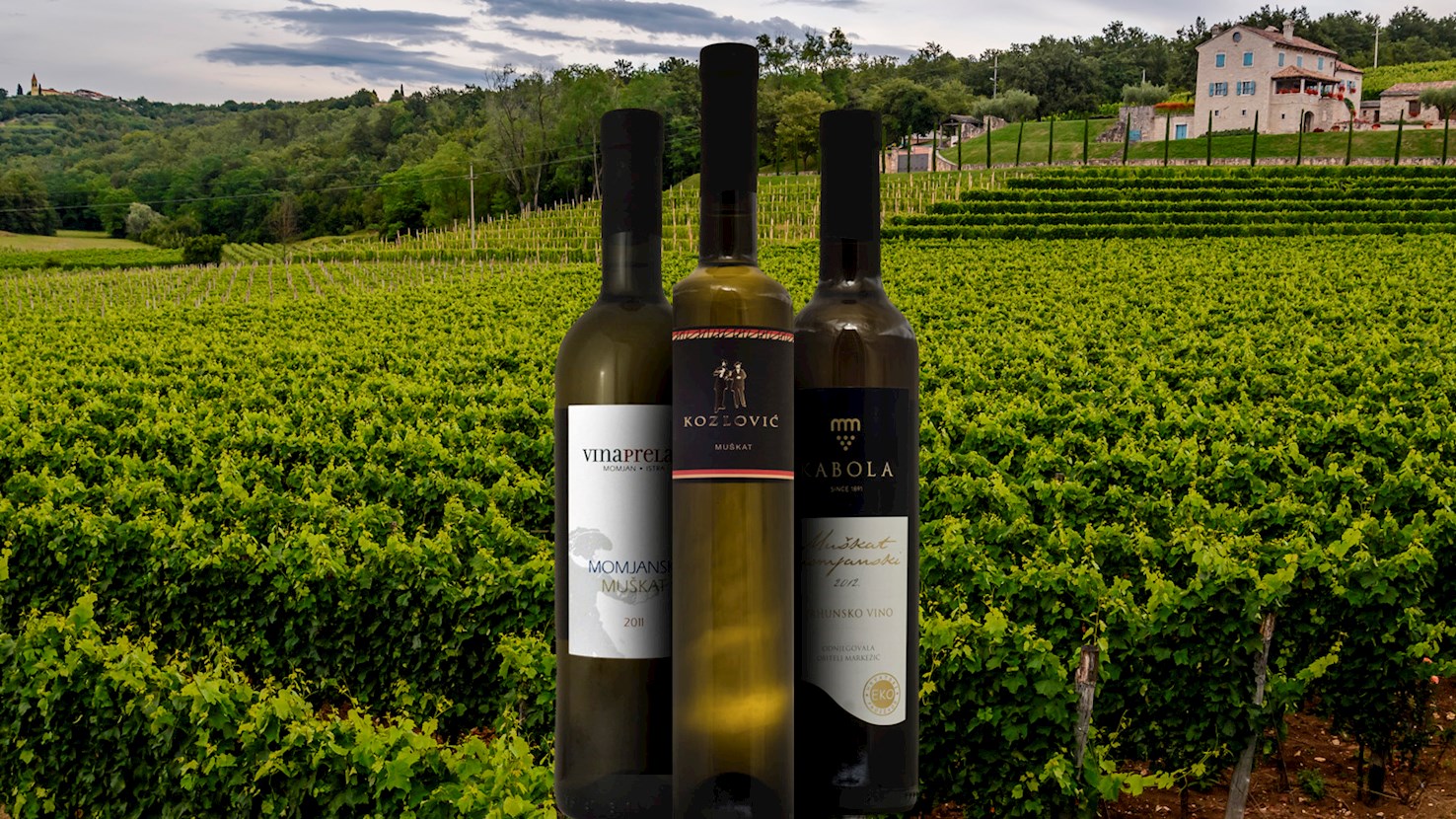
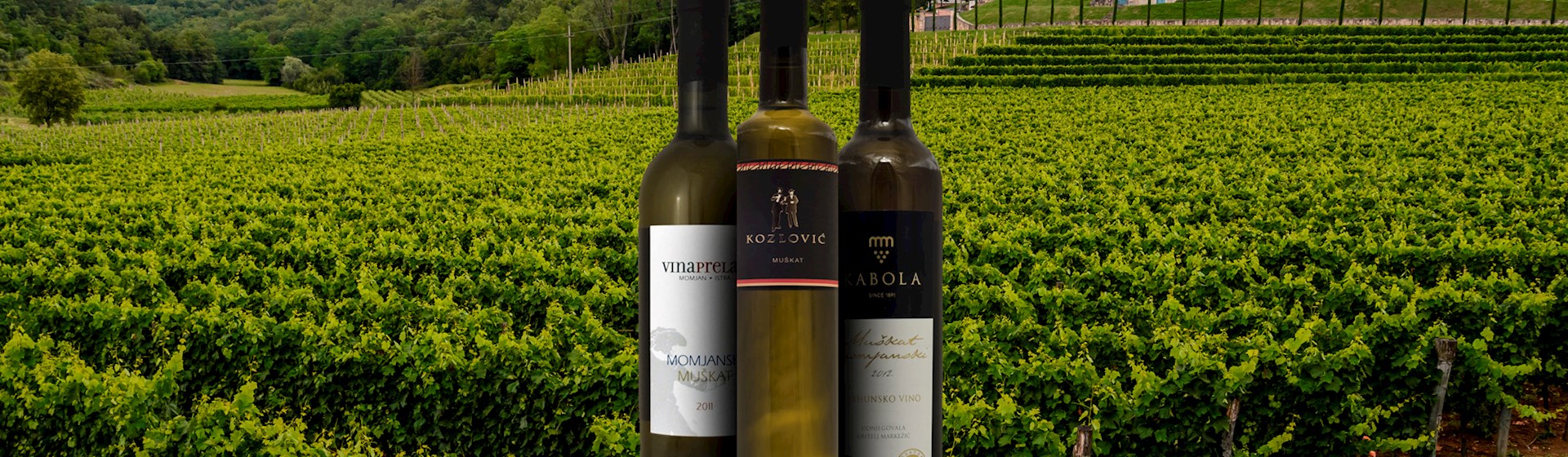
Muškat momjanski is a wine of protected origin that is produced in the vicinity of Momjan in Istria. The wines are made from a Muscat variety, precisely a variety of Muscat Blanc à Petits Grains. The unique combination of microclimate and soil around Momjan proved to be especially suitable for the cultivation of Muscat. It is believed that the grape was brought from Italy in the 1200s, and throughout history, it adapted and attained its distinctive character. The wines made in the region are rich an aromatic and may range from pale yellow to golden. The grape is used in the production of floral and fruity dry wines and more intense dessert wines, which usually display aromas of raisins, dry figs, and honey. These wines can also be labeled as archive wines (arhivsko vino) if they were aged for a minimum of five years. Muškat momjanski wines are best served well-chilled. They can be enjoyed as an aperitif, and they pair well with fruit desserts, especially tarts, puddings, and strudels.

Best producers
03

Postup

n/a ·

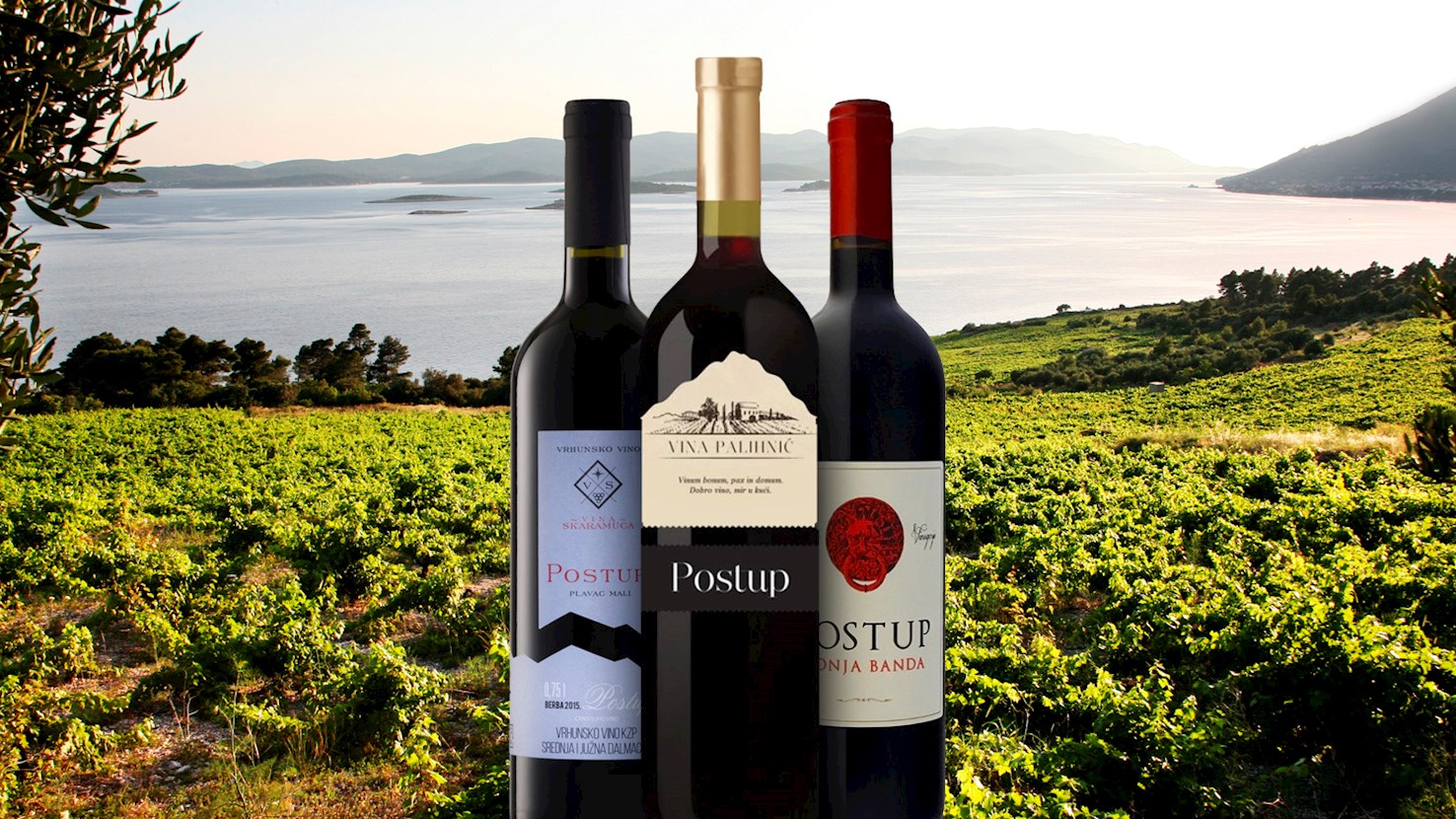
Postup is a Croatian wine-growing region designated for the production of ruby red wines from Plavac mali—one of the hallmark Dalmatian varieties. The region is located on the southern slopes of the Pelješac peninsula, and for a very long time, it was unfairly overshadowed by the neighboring Dingač appellation. Postup is the second oldest protected wine region in Croatia (1967), after Dingač, and nowadays it enjoys the reputation as one of the best expressions of Plavac mali, and one of the best Croatian wines. Postup wines are full-bodied and balanced, with fruity aromas reminiscent of berries, dry plums, and dry figs. They pair well with roasted or braised red meat, venison, fried fish, and hearty fish stews.

04

Plešivica

n/a ·

Plešivica is a continental wine-growing district located approximately 30 kilometers southwest of Zagreb, situated on the southern slopes of the Žumberak mountain range. It is part of the Croatian Uplands (Bregovita Hrvatska) wine region and is characterized by its dramatic topography, where vineyards are planted in steep, semicircular geological formations known as amphitheaters. These vineyards reach altitudes of up to 450 meters, benefiting from a microclimate with 1,900 annual sunshine hours and significant protection from northern winds. The geological foundation of the area consists primarily of calcareous and limestone-rich soils, which share chemical similarities with the Champagne region of France. Cultivation in this area has been documented since 1370, though archaeological evidence suggests viticultural activity by Illyrian and Thracian tribes prior to Roman influence. Preparation of Plešivica wine is focused on high-acidity styles, with a primary concentration on sparkling wine produced via the méthode champenoise (bottle fermentation). The base wines for these sparkling iterations typically consist of Chardonnay, Pinot Noir, and local varieties like Šipelj and Žuti Plavac. Another significant production method utilized in the district is the use of Georgian clay amphorae (Qvevri) for the fermentation of amber or orange wines. In this process, white grapes such as Riesling or Traminac undergo extended skin maceration underground, resulting in wines with high tannin structures and complex oxidative profiles. For serving, sparkling wines from the region are chilled to 6°C or 8°C, while the macerated amber wines are served at 12°C to 14°C in wider glasses to permit the release of secondary aromatic compounds. The wine is consumed as a central element of the regional culinary scene, often served in dedicated tasting rooms or rural estates known as izletišta. It is paired with heavy continental dishes such as copanjak (a savory thin cake with greens and cheese) and patka s mlincima (roast duck with dried flatbread pasta), where the wine's characteristic high acidity cuts through the fat of the poultry. Sparkling wines are served as aperitifs alongside fresh cow's cheese and cream, while the robust orange wines are paired with game meats or aged hard cheeses.

05

Kutjevo

n/a ·

Kutjevo is a central wine-growing district located in the Požega Valley of eastern Croatia, specifically situated on the southern slopes of the Papuk and Krndija mountains within the Slavonia region. It is defined by its location on the 45.3° parallel, a geographical coordinate shared with prominent global viticultural areas like Piedmont and Bordeaux, and its "Golden Valley" (Vallis Aurea) microclimate, which is shielded from northern winds by the surrounding mountain ring. The item developed as a major viticultural center in 1232 following the arrival of Cistercian monks, who established an abbey known as Vallis Honesta de Gotho. These monks, originating from the same order that pioneered viticulture in Burgundy, recognized the potential of the mineral-rich, loamy-sand soils and southern-facing slopes for vine cultivation. This period saw the construction of the oldest wine cellar in Southeast Europe, which remains in functional use for the aging of contemporary vintages. Preparation of Kutjevo wines is centered on Graševina, which accounts for the vast majority of the region's output. The grapes are harvested at varying stages of ripeness to produce distinct styles; fresh versions are fermented in stainless steel tanks at controlled temperatures to maintain primary green apple and citrus aromatics, while premium lines often undergo aging in large Slavonian oak barrels to introduce structural complexity. A unique technical aspect of the region is the production of predicate wines, including late harvests and ice wines. These require specific environmental conditions where temperatures must drop below -7°C for several consecutive days, allowing for the harvest of frozen grapes that yield a highly concentrated, sweet nectar with high natural acidity. Kutjevo wines are primarily consumed as a high-quality table wine and is a standard requirement in Slavonian hospitality. Fresh Graševina is served chilled at 8°C to 10°C, typically in tulip-shaped glasses to concentrate its floral scent, whereas fuller-bodied, aged varieties are served at 12°C. In its primary regional context, the wine is paired with heavy, spice-forward Slavonian proteins. It is the standard accompaniment for kulen (a dry-cured pork sausage seasoned with hot paprika) and čobanac (a spicy meat stew cooked in a cauldron), as the wine's characteristic "noble bitterness" and acidity cleanse the palate after rich fats. For dessert pairings, the ice wines of Kutjevo are served alongside walnut rolls (orehnjača) or poppy seed cakes, providing a balance to the dense sugars of the pastries.

06

Srednja i Južna Dalmacija

n/a ·

Srednja i Južna Dalmacija is a protected designation of origin (PDO) for wines produced along the central and southern coastal strip of Croatia, extending from the city of Split to the Konavle valley in the far south, including the major islands of Brač, Hvar, Vis, and Korčula. It is physically defined by a karst landscape of steep limestone ridges and "three suns" exposure, where vines receive direct solar radiation, reflection from the sea, and thermal reflection from white rocky topsoils. The region emerged as a primary viticultural center following the Greek colonization of the islands in the 4th century BCE, with the Stari Grad Plain on Hvar remaining the best-preserved example of ancient Greek agricultural geometry in the Mediterranean. While phylloxera devastated the region’s vineyards in the late 19th century, the genetic resilience of local varieties led to the survival of a high concentration of indigenous grapes that are found nowhere else. Preparation of wines in Srednja i Južna Dalmacija is dominated by the management of high sugar levels and phenolic ripeness induced by the intense heat. The primary red variety, Plavac Mali, is processed to yield robust, high-alcohol wines with significant tannin structures and notes of dried figs, carob, and sage. In the sub-regions of Dingač and Postup on the Pelješac Peninsula, the grapes are often allowed to slightly raisinate on the vine before harvest to concentrate the sugars. White wine production centers on varieties like Pošip, originally from Korčula, which is fermented at controlled temperatures to maintain its characteristic acidity and aromas of citrus and Mediterranean herbs. A unique technical aspect of the region is the cultivation of the Grk variety in the sandy soils of Lumbarda; because Grk has only female flowers, it must be interplanted with Plavac Mali to ensure pollination, resulting in a naturally low-yield, aromatic white wine. An additional unique product of the region is Prošek, a luscious dessert wine made from dried grapes. Unlike Italian Prosecco, Prošek is produced through the passito method, where grapes are left to dry on straw mats or hanging racks to concentrate their essence before a long, slow fermentation. The finished liquid is dense, dark amber, and chemically stable due to its high natural sugar and alcohol content. The wines are consumed as a central component of the Mediterranean diet, typically enjoyed during the late afternoon or as part of a multi-course dinner. Serving standards dictate that full-bodied reds like Plavac Mali be decanted and served at 18°C, while white wines like Pošip or Vugava are served chilled at 10°C. These wines are paired with local proteins; Plavac Mali is the standard accompaniment for pašticada (slow-cooked beef in a sweet-savory prune sauce) or lamb roasted under the bell (peka). The white wines are paired with fresh Adriatic white fish, Ston oysters, and octopus salad, as their minerality and salinity mirror the coastal environment. Prošek is exclusively served at the end of the meal, often paired with dry almond biscuits (paprenjaci) or sheep’s milk cheese from the neighboring islands.

07

Hrvatska Istra

n/a ·

Hrvatska Istra is a protected designation of origin (PDO) for wines produced on the Istrian peninsula in the westernmost part of Croatia, encompassing a diverse range of styles from crisp white wines to robust reds. It is physically defined by the specific geology of the region, which is categorized into "Red Istria" (Crvena Istra) for the iron-rich terra rossa soils near the coast and "White Istria" (Bijela Istra) for the flysch and limestone soils of the interior. The item emerged as a distinct viticultural zone through the long-standing cultivation of indigenous grape varieties, most notably Malvazija Istarska and Teran. Systematic viticulture in the region predates Roman influence, though the modern industry was shaped by the restructuring of vineyards following the phylloxera epidemic of the late 19th century and the subsequent transition toward quality-controlled production in the late 20th century. Preparation of Hrvatska Istra wines varies by grape variety and intended style. Malvazija Istarska, the dominant white variety, is typically processed using stainless steel fermentation at controlled temperatures to preserve its characteristic floral and citrus aromatics. In recent decades, a subset of producers has utilized prolonged skin maceration in amphorae or wooden barrels to produce "orange" or amber wines with higher tannin structures. Teran, the primary red variety, is known for its high acidity and iron-like mineral notes; it is often aged in large oak casks to soften its astringency and develop tertiary notes of dark berries and spice. A unique technical aspect of the region’s viticulture is the high planting density on the hillside terraces of "Grey Istria," which forces vines to compete for water and nutrients, resulting in a higher concentration of extract and sugar in the grapes. A characteristic unique to the region is the presence of the bora wind, a cold, dry northeasterly wind that prevents the development of fungal diseases and allows for late-harvest or organic viticulture with minimal chemical intervention. The wines are consumed locally in konobas (taverns) and fine-dining establishments, and are increasingly exported to international markets as a representative of Northern Adriatic viticulture. Serving temperature is critical; white Malvazija is served chilled at 10°C to 12°C, while Teran is served at 16°C to 18°C. These wines are paired with regional cuisine, where Malvazija complements Istrian truffles, wild asparagus, and fresh Adriatic seafood. Teran is frequently paired with Istrian prosciutto (pršut), manestra (vegetable and bean stew), and game meats, as its sharp acidity cuts through the richness of the animal fats.

Read more
View all
View map
About this ranking

TasteAtlas food rankings are based on the ratings of the TasteAtlas audience, with a series of mechanisms that recognize real users and that ignore bot, nationalist or local patriotic ratings, and give additional value to the ratings of users that the system recognizes as knowledgeable. For the “Top 33 Croatian Wine Appellations” list until May 29, 2026, 35 ratings were recorded, of which 26 were recognized by the system as legitimate. TasteAtlas Rankings should not be seen as the final global conclusion about food. Their purpose is to promote excellent local foods, instill pride in traditional dishes, and arouse curiosity about dishes you haven’t tried.

The initial list of top producers was compiled based on available reviews, awards, local recommendations, media and blog coverage, and consumer reviews. The list will be updated with ratings from TasteAtlas local ambassadors and TasteAtlas users.

Similar lists