Greek Gastronomy Guide

Top 100 European Foods

Last updated on June 24, 2026

Best European foods

01
Jamón

Jamón 100% ibérico de bellota

4.7 ·

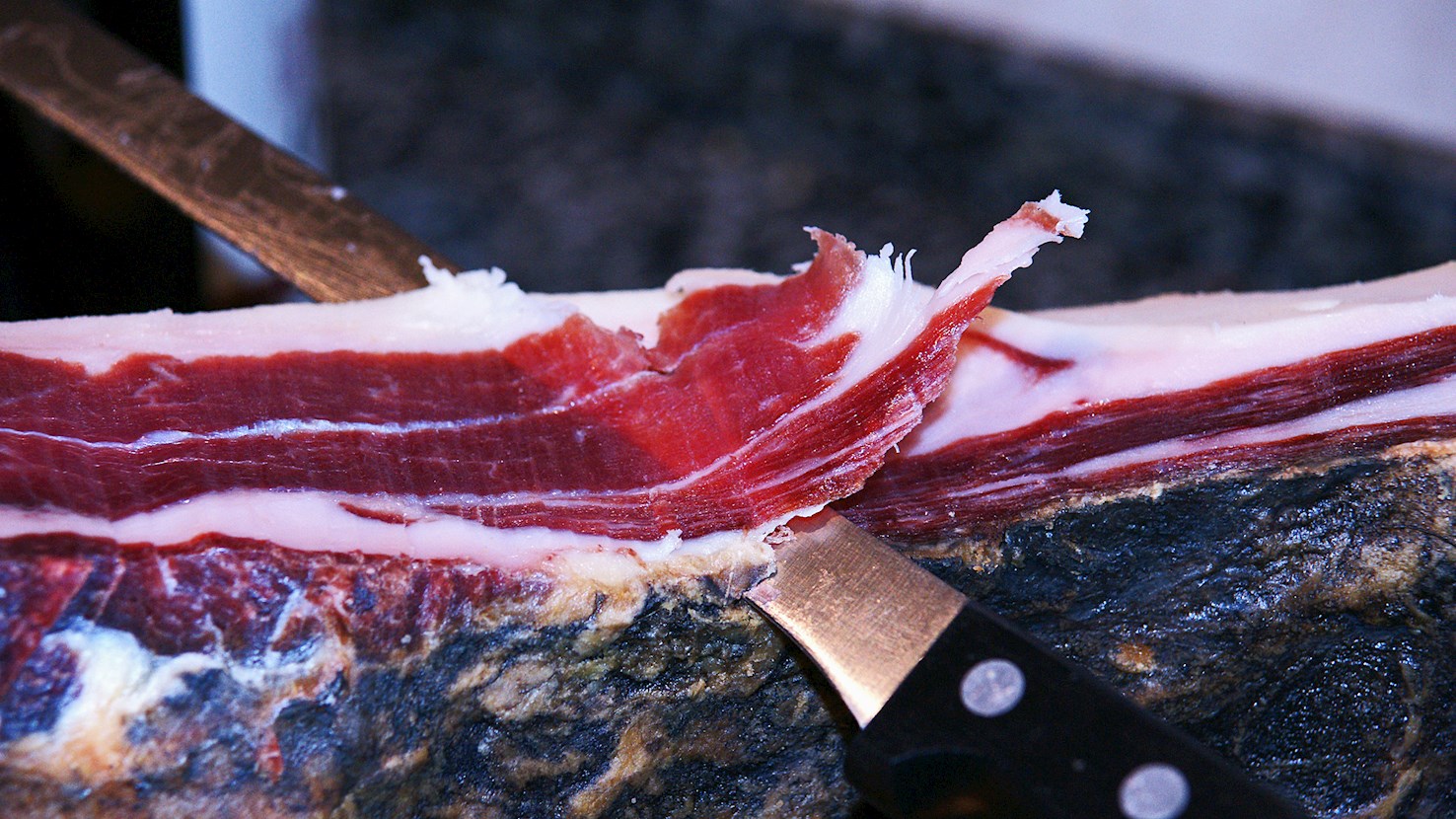
Regarded as the most exquisite variety of Iberian ham, or jamón ibérico, this ham is made with the meat of 100% purebred black Iberian pigs that have been roaming freely across oak pastures (Dehesa) and feeding on an acorn-based (bellota) diet. Apart from these specifications, the pigs also have to be reared in one of the designated places of origin as well as fulfill the specified standards of bellota ham production to receive the most renowned black label or pata negra status - denoting the highest-quality Iberian ham. The salt-cured and air-dried ham is typically aged for about three years or more, yielding dark red meat which is marbled with golden-hued veins of fat and defined by a sweet and nutty flavor, with just the right amount of saltiness. The Iberian bellota pigs are reared in four Spanish designated areas of origin (DO) including the Dehesa de Extremadura, Salamanca, Huelva, and Valle de Los Pedroches, along with one Portuguese region (Barrancos). The pigs used for the production of jamón ibérico de bellota are often dubbed olives with feet due to the high oleic acid content of the pig’s fat, which is comparable to that of virgin olive oil.

02
Cheese

Graviera Naxou

4.6 ·

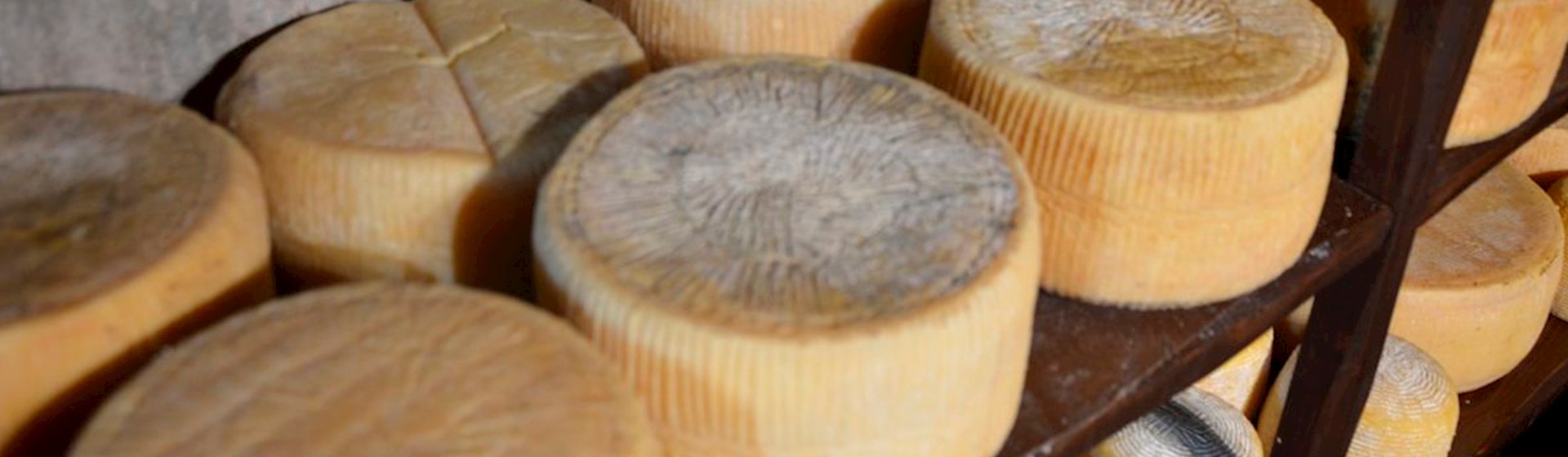
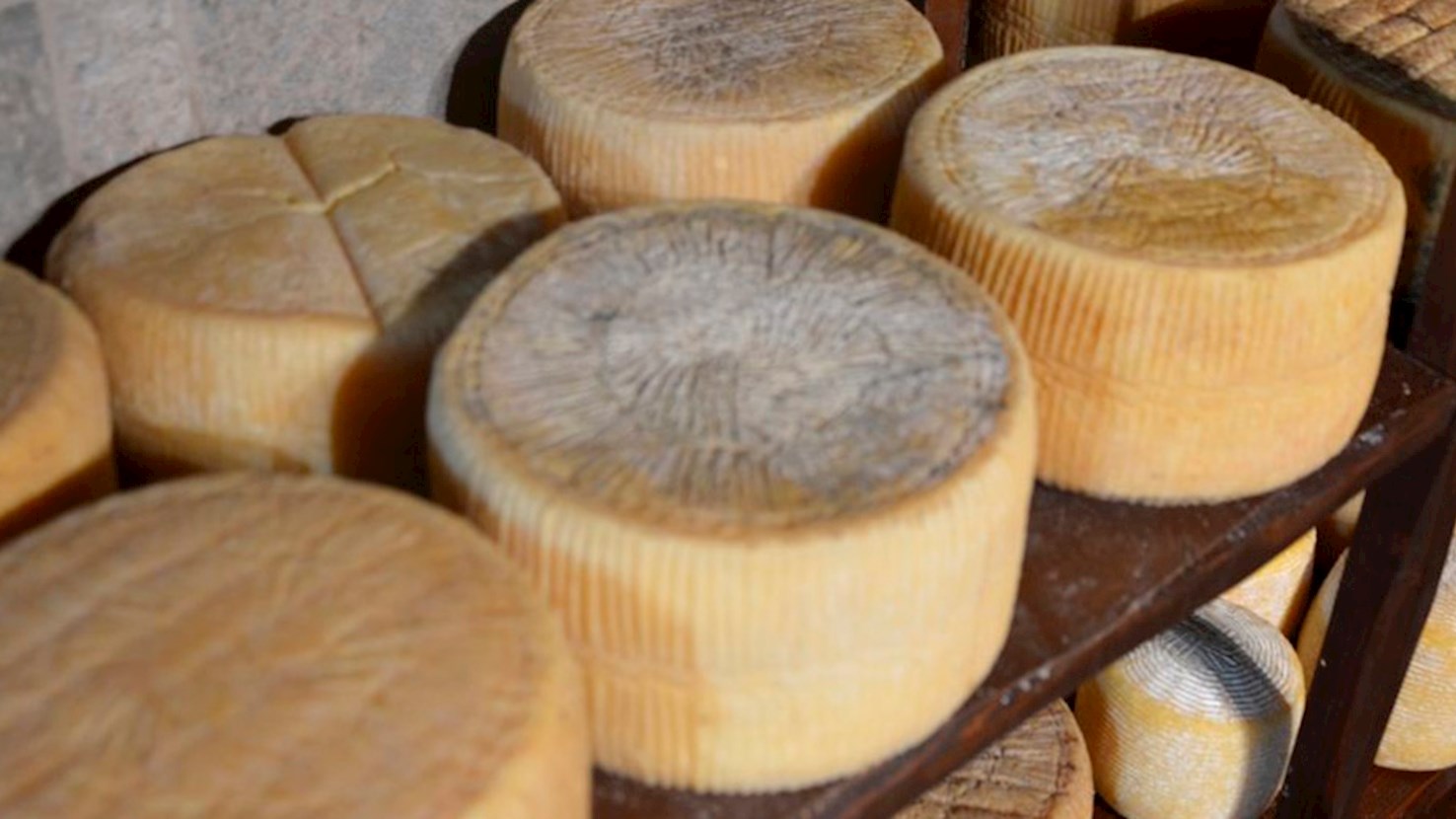
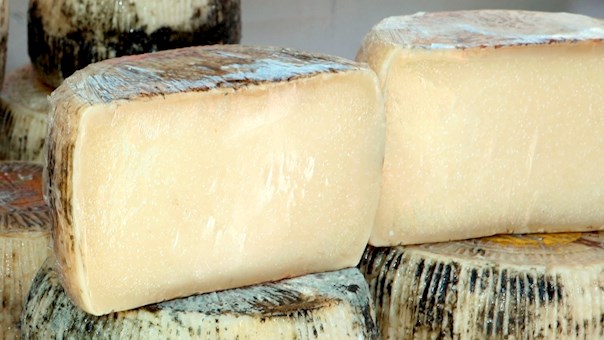
This cheese has been produced on the island of Naxos in the Cyclades for at least a century. Graviera Naxou is made from pasteurised cow milk or a mixture of sheep milk and a maximum of 20% goat milk. It has a thin rind and a light yellow, compact interior filled with small holes. Graviera Naxou is a hard table cheese with a refreshing taste and light aroma. It has a maximum moisture content of 38% and at least 40% fat content. The milk used for its production comes from breeds that are traditionally raised on the island, which feed on a diet of local plants and herbs that give their milk a unique flavor. It can be sliced and served as an appetizer, fried and eaten as a snack, or grated over pasta.

03
Sweet Pastry

Pastel de Belém

4.6 ·

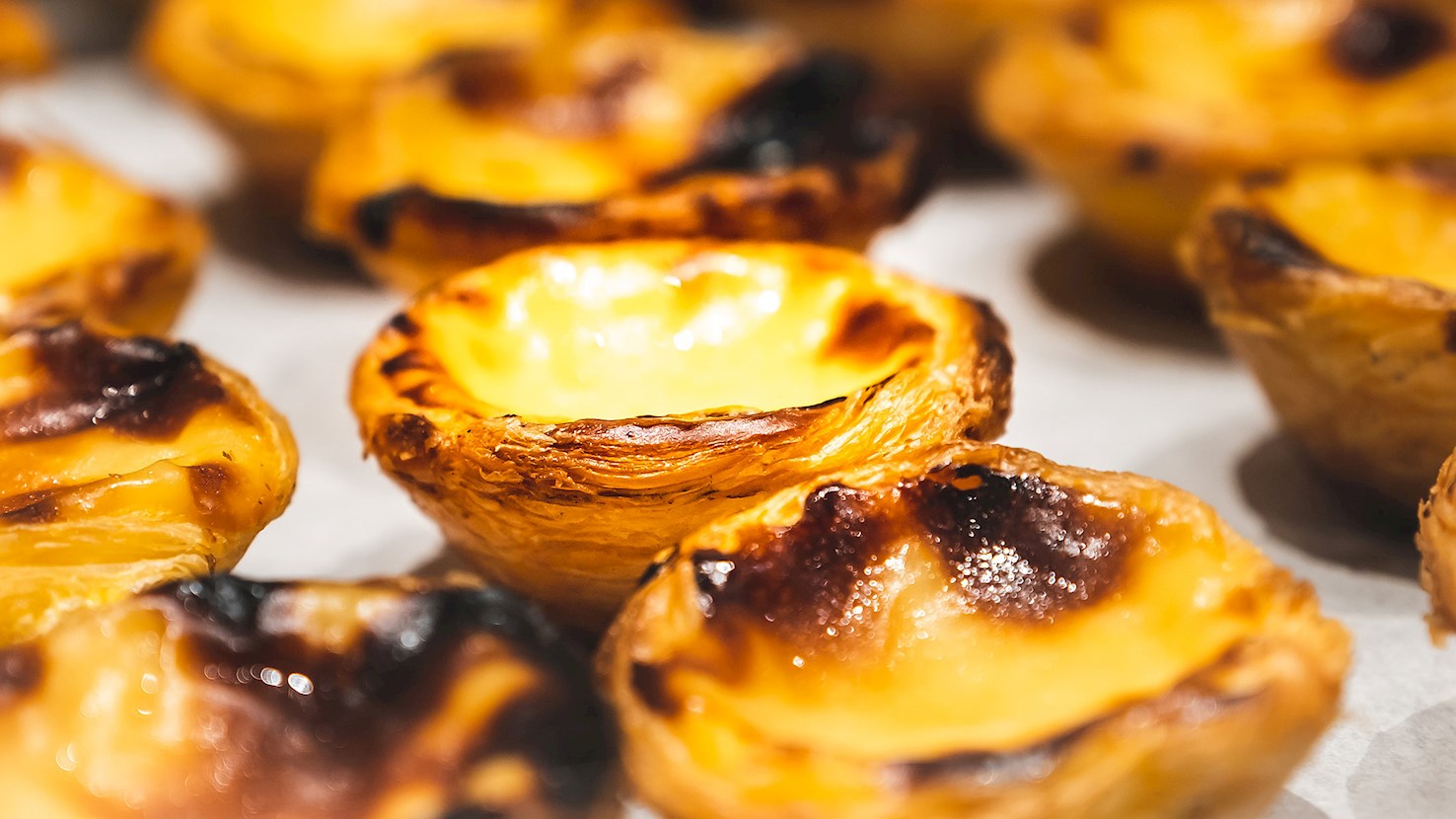
Pastel de Belém is a traditional egg custard tart and a predecessor to the famous pastel de nata. The tarts are made with a pastry shell that's filled with a combination of milk, eggs, sugar, lemon, and cinnamon. The first recipe for pastel de Belém dates back to 1837 when it was produced by the monks of the Jerónimos monastery. Only the custard tarts produced at the Fábrica Pastéis de Belém can be called pastel de Belém, while all the others, produced by other patisseries in Lisbon are called pastel de nata. Regardless of the name, these tarts can be served hot or cold and in 2009, The Guardian listed pastel de Belém as one of the 50 'best things to eat' in the world.

04
Sweet Pastry

Trigona panoramatos

4.6 ·

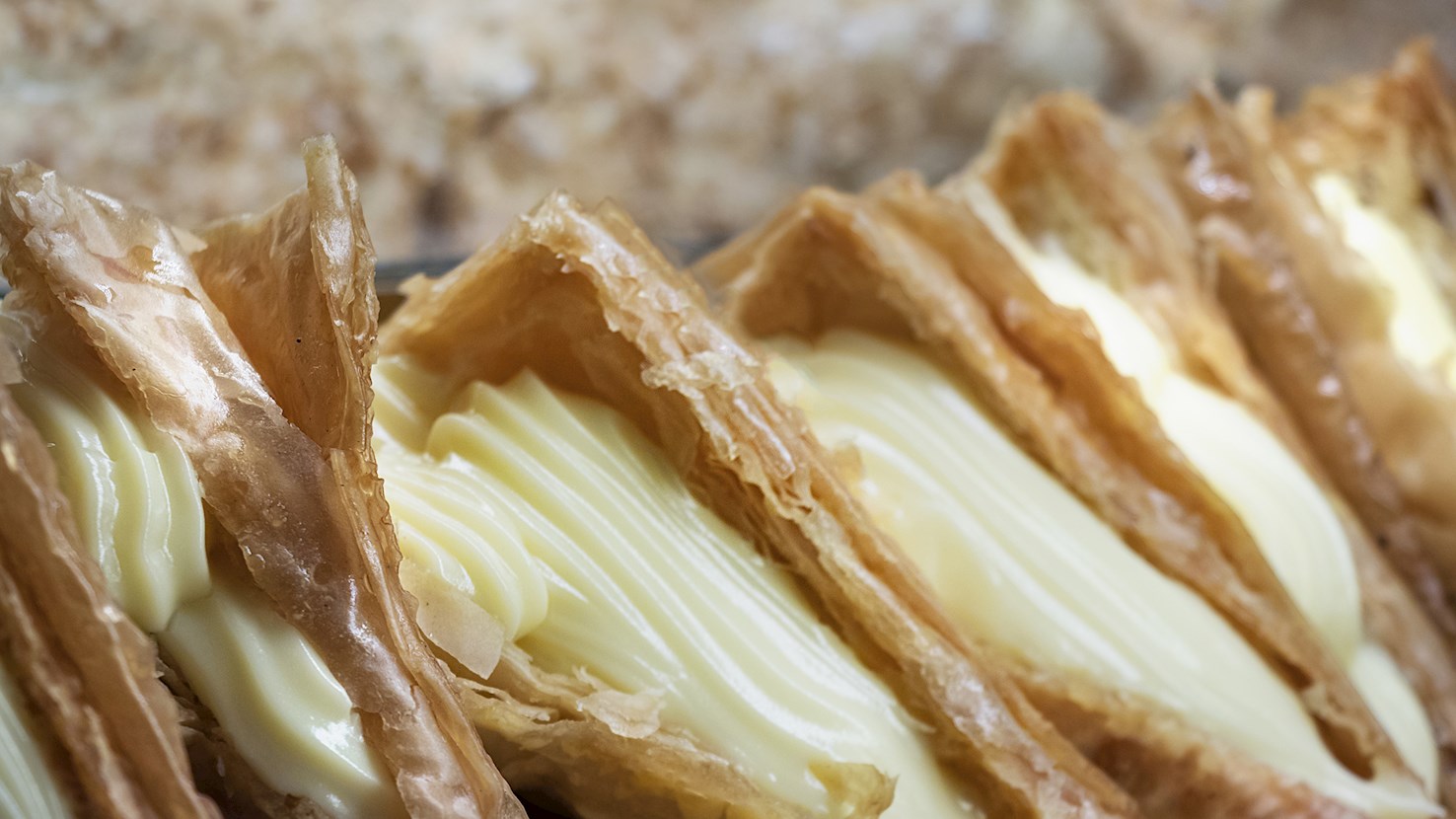
Trigona panoramatos is a traditional sweet pastry originating from the outskirts of Thessaloniki. These crispy and buttery triangular (cone-shaped) phyllo pastries are typically soaked in syrup and filled with creamy custard. The custard is usually made with a combination of egg yolks, flour, butter, milk, sugar, vanilla, and heavy cream. The phyllo triangles are baked until golden brown, dipped in cold syrup consisting of sugar and water, and then filled with the chilled custard. Trigona is often garnished with chopped nuts before consumption.

05
Pizza

Pizza Napoletana

4.6 ·

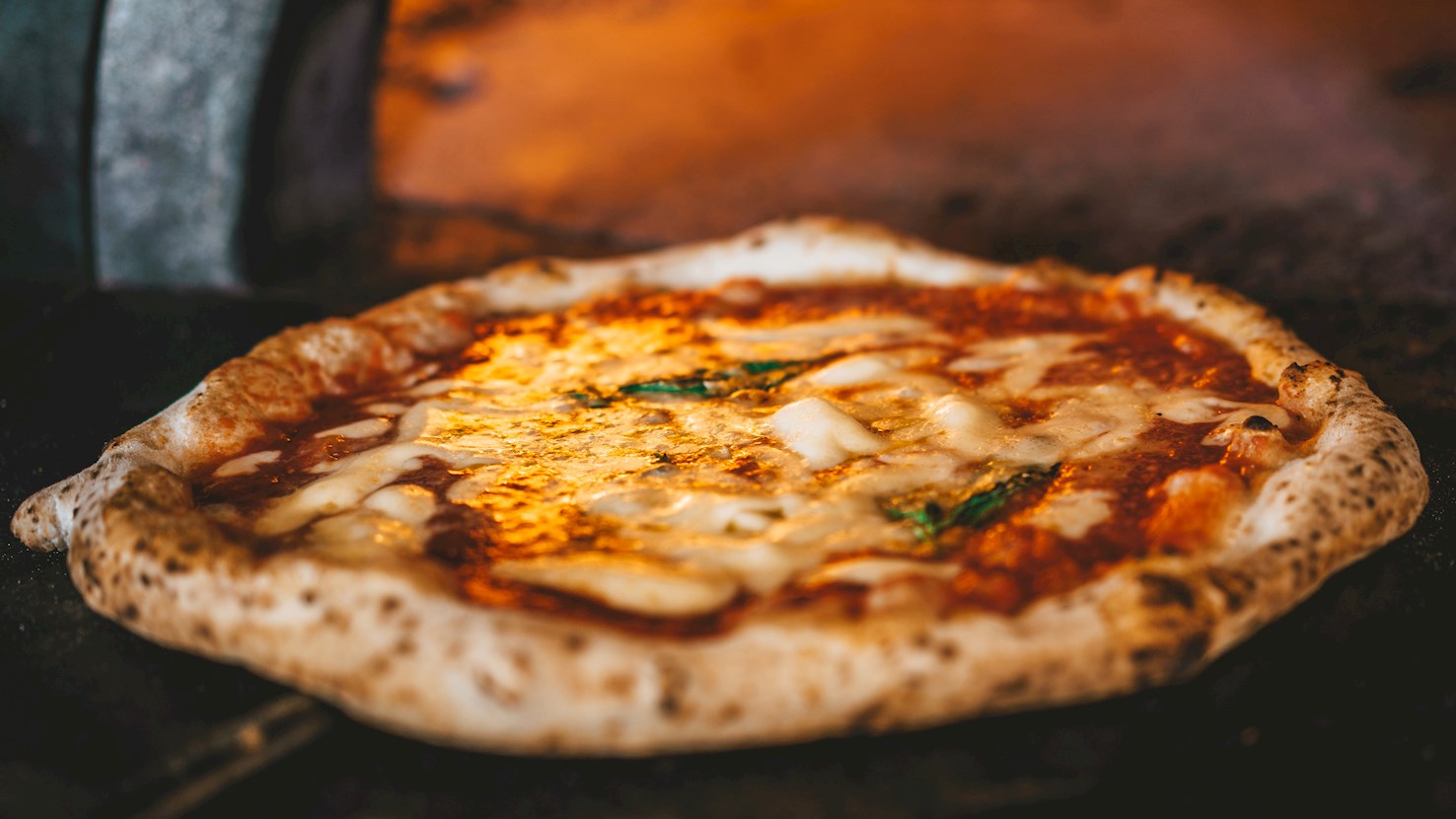
Italy’s most emblematic culinary creation, the genuine pizza Napoletana is made with just a few simple ingredients and prepared in only two variations – marinara, the basic Neapolitan pizza topped with a tomato-based sauce flavored with garlic and oregano, and margherita, which is topped with tomatoes, mozzarella, and fresh basil leaves, a delicious combination whose colors are said to represent the Italian flag. The crust is very thin at the base, and the dough puffs up on the sides, which results in airy crust that should have typical charred 'leopard spots' if baked properly. The origins of this iconic Neapolitan dish can be traced to the early 1700s, when what we know today as pizza marinara was first described by Italian chef, writer, and philosopher Vincenzo Corrado in his treatise on the eating habits of the people of Naples. Almost 200 years later, in 1889, the premier Neapolitan master pizzaiolo Raffaele Esposito added mozzarella to the mix and invented the margherita, which is now generally cited as the first modern pizza. Originally dubbed la pizza tricolore, Esposito’s creation is said to have been made in honor of and named after Margherita of Savoy, the Queen consort of the Kingdom of Italy, who was visiting Naples at the time. In 2010, as one of Italy’s most popular foods worldwide, pizza Napoletana was officially recognized by the European Union and granted the designation of Traditional Specialty Guaranteed. And remember, a good pizza Napoletana doesn't need any additions other than the designated toppings.

06
Pork Dish

Kontosouvli

4.6 ·

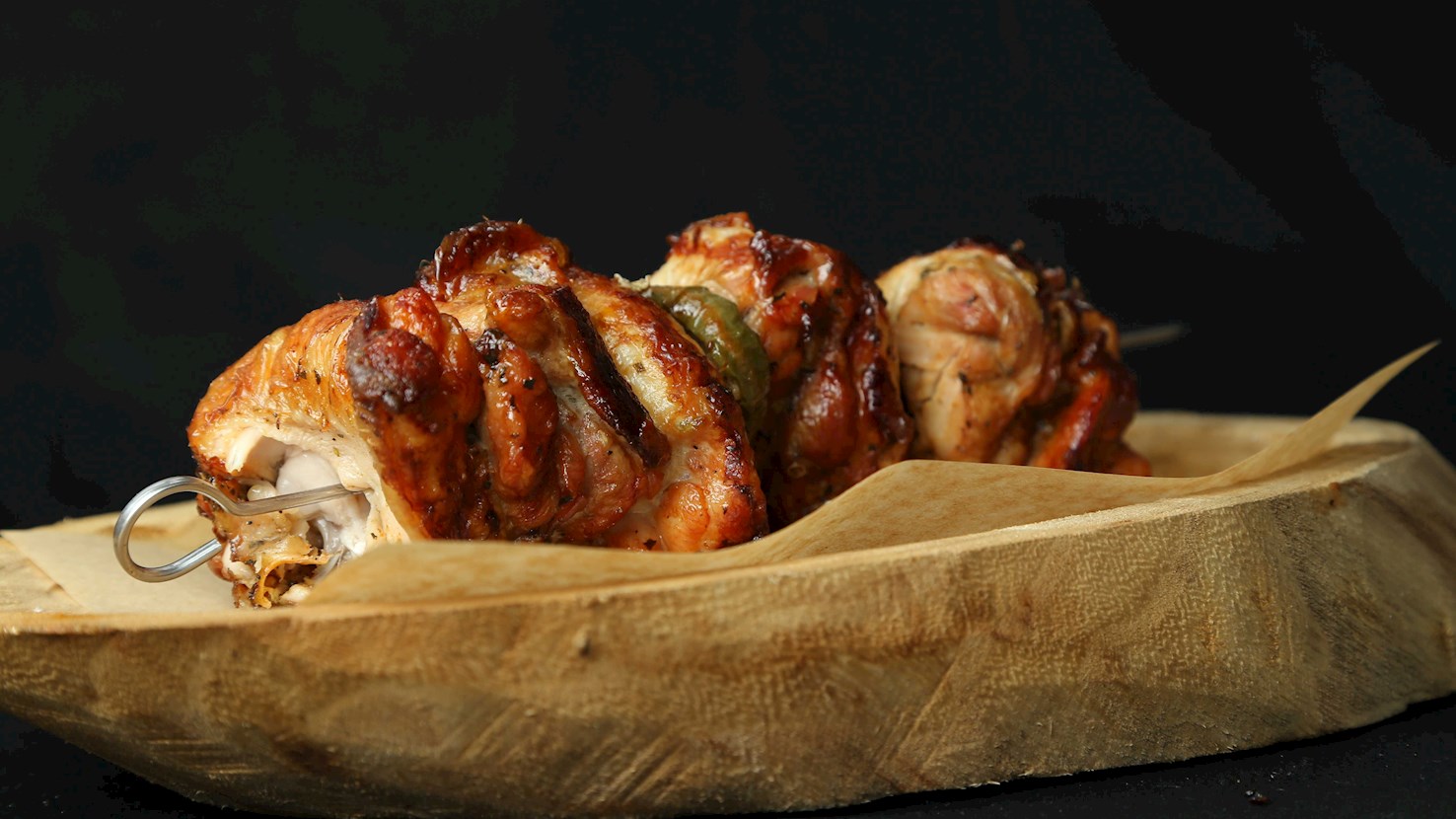
Kontosouvli is a traditional dish consisting of large pieces of pork marinated in a mixture of herbs and spices, then skewered and slowly cooked on a rotisserie, much like a gyro or souvlaki. The marinade often contains ingredients such as garlic, oregano, thyme, rosemary, paprika, olive oil, lemon juice, and red wine. After marinating, the meat is threaded onto a large skewer and roasted over an open flame, which results in a rich and flavorful outer crust with a juicy, tender interior. The cooked meat is typically served in thick slices, often accompanied by pita bread, tzatziki sauce, and horiatiki salad, among other possible accompaniments. It was traditionally prepared for Easter, but today it can be found on the menus of Greek tavernas throughout the year.

Best restaurants
07
Technique

Loimulohi

4.6 ·

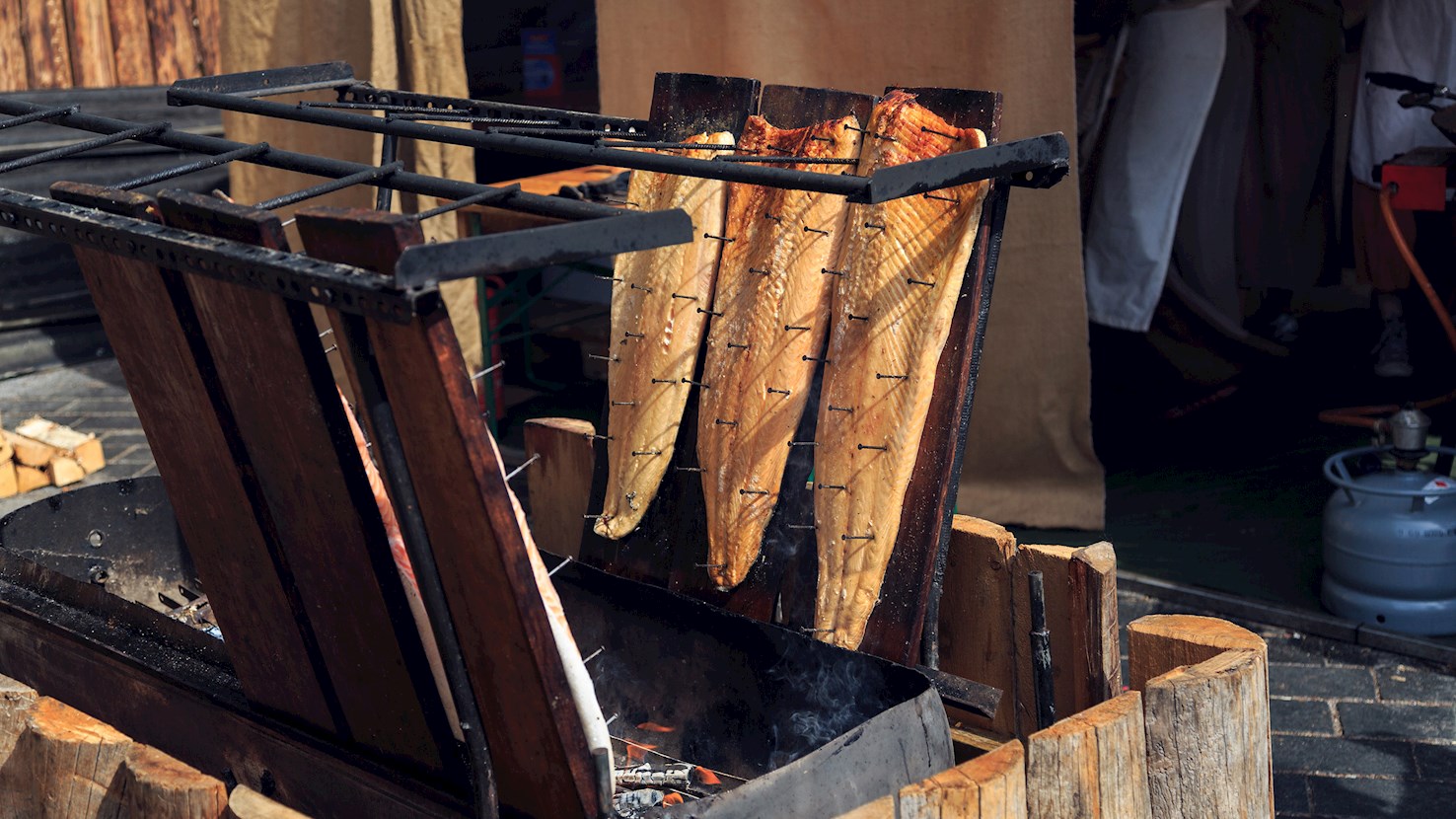
Loimulohi is a traditional method of preparing salmon or rainbow trout. The fish is smoked on a wooden plank that's placed vertically over an open fire. Before the process, the salmon is usually seasoned with sea salt and drizzled or brushed with lemon juice, honey, or juniper berries. The cooking time depends on the distance from the coals. Once done, the smoky fish can be eaten straight off the plank.

08
Dry-cured Ham

Prosciutto di San Daniele

4.6 ·

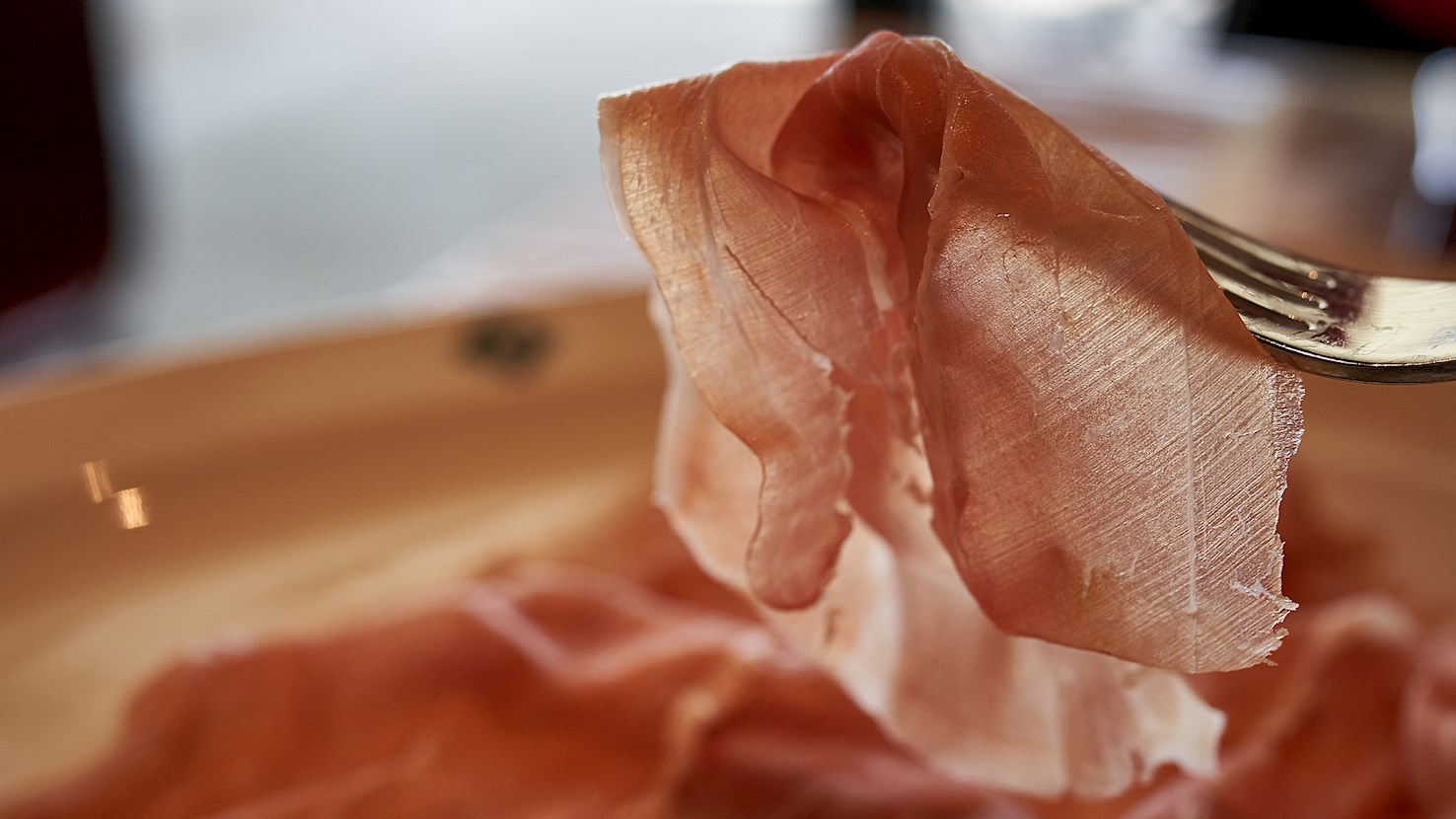
Produced in the hilly area around the town of San Daniele in the province of Udine, Prosciutto di San Daniele is even sweeter and darker in color with a more delicate flavor than in other varieties. In the Friuli-Venezia Giulia region, where the winds from the Carnic Alps meet the breezes coming in from the Adriatic, Prosciutto di San Daniele is made using only local sea salt. The curing process here differs a little from other regions since San Daniele hams are stacked on top of each other and left to mature for at least 13 months. Up until recently, only large pig breeds such as Landrace, Large White and Duroc were used for ham production, however due to an increase in demand, San Daniele hams can now be made with other local breeds. Prosciutto di San Daniele has a rich, sweet flavor and is traditionally served as an appetizer with homebaked breads, melons, and figs.

09
Cheese

Queijo de Azeitão

4.6 ·

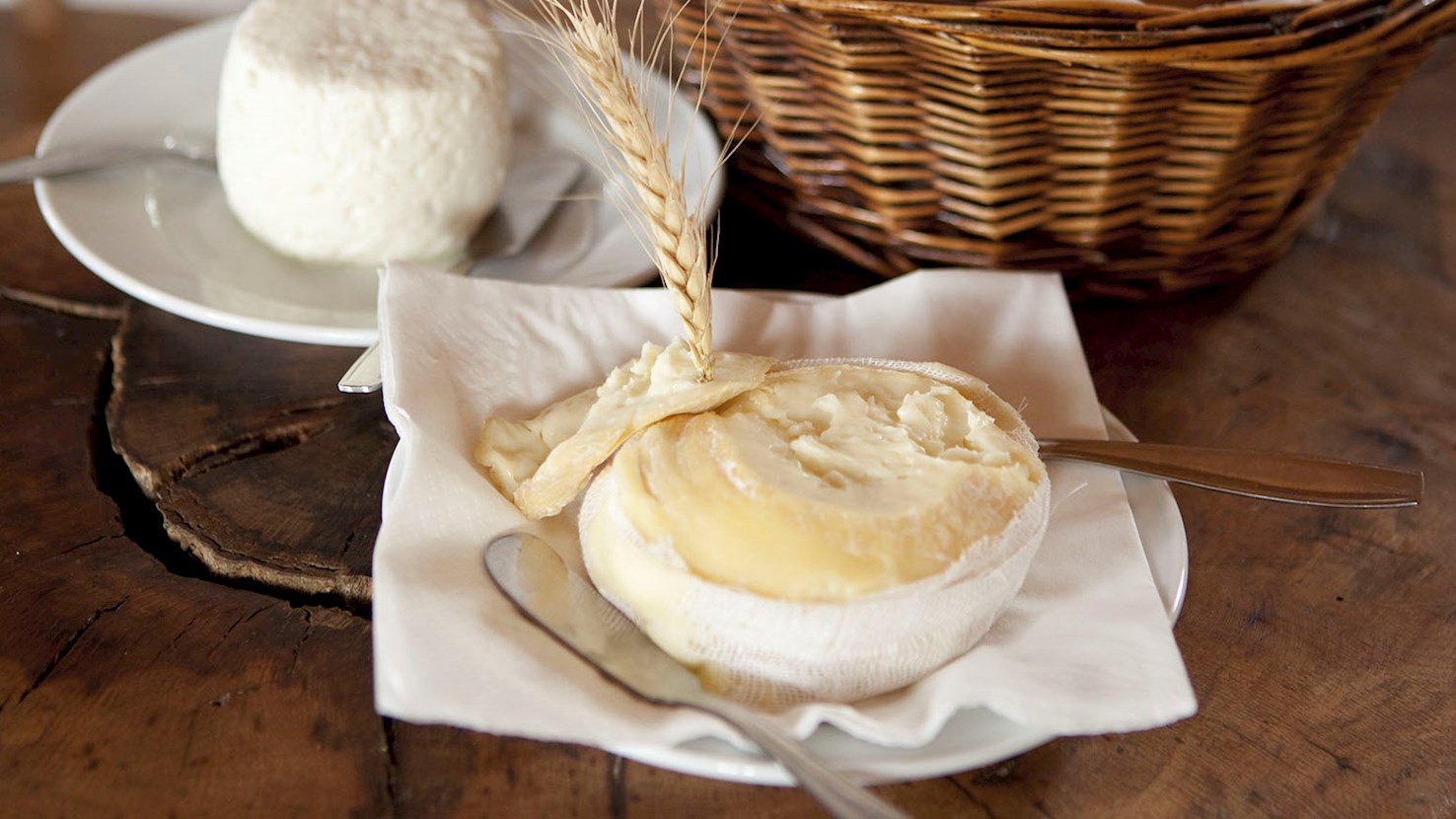
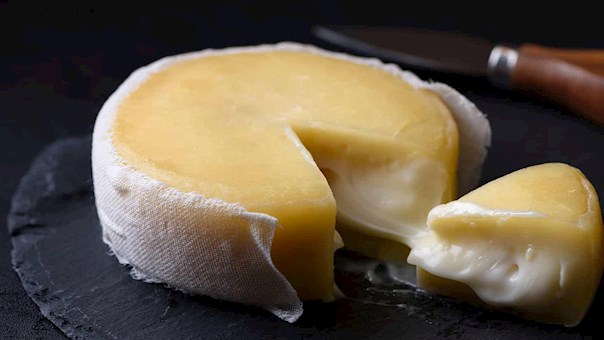
Azeitão is a semi-soft cheese made from unpasteurized sheep milk. The origins of this cheese date back to the 19th century, when Gaspar Henriques de Paiva emigrated to the town of Azeitão. Out of nostalgia for his place of birth, he imported black dairy sheep from his home town to Azeitão and brought cheesemakers from Beira Baixa to make cheeses. De Paiva's Azeitão cheeses quickly became famous throughout Portugal, winning several awards at agricultural fairs. The milk for this cheese is taken from sheep that graze on natural vegetation in the pastures of Azeitão. The sheep are milked manually, and the milk is mixed with the extract of a local variety of thistle to start the curdling process instead of animal rennet, meaning the cheese is 100% vegetarian. Salt is added to the curd, which is then manually worked and wrapped into muslin cloth bundles, called cinchos. The finished cheese is round and flat with a yellowish crust concealing a light-colored interior with a semi-solid consistency. The flavor is both sour and salty with herby undertones. This runny cheese is best served scooped onto a slice of fresh bread, and also makes a delicious dessert when paired with fruit and a semi-dry white wine.

10
Side Dish

Zagorski mlinci

4.6 ·

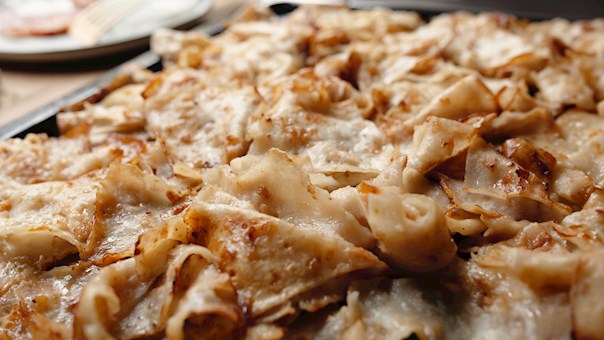
This traditional Croatian cross between pasta and flatbread is made with wheat flour (type 550) and water, with the occasional addition of lard and eggs (in which case it does not meet the standards necessary for its PGI status). To make mlinci, the dough is rolled by hand into thin sheets (not thicker than 2,5 mm) which are then baked twice and dried until crispy. All the pieces must be shaped into squares. Before serving, they are torn into smaller pieces, submerged in water or broth, drained, and finally doused in meat drippings. Mlinci are typically enjoyed alongside stuffed roast turkey—a traditional Croatian Christmas lunch—but they also pair well with other roasted meat dishes.

Best restaurants

Best European food products

01
Chocolate Confectionery

Guido Castagna

5 ·
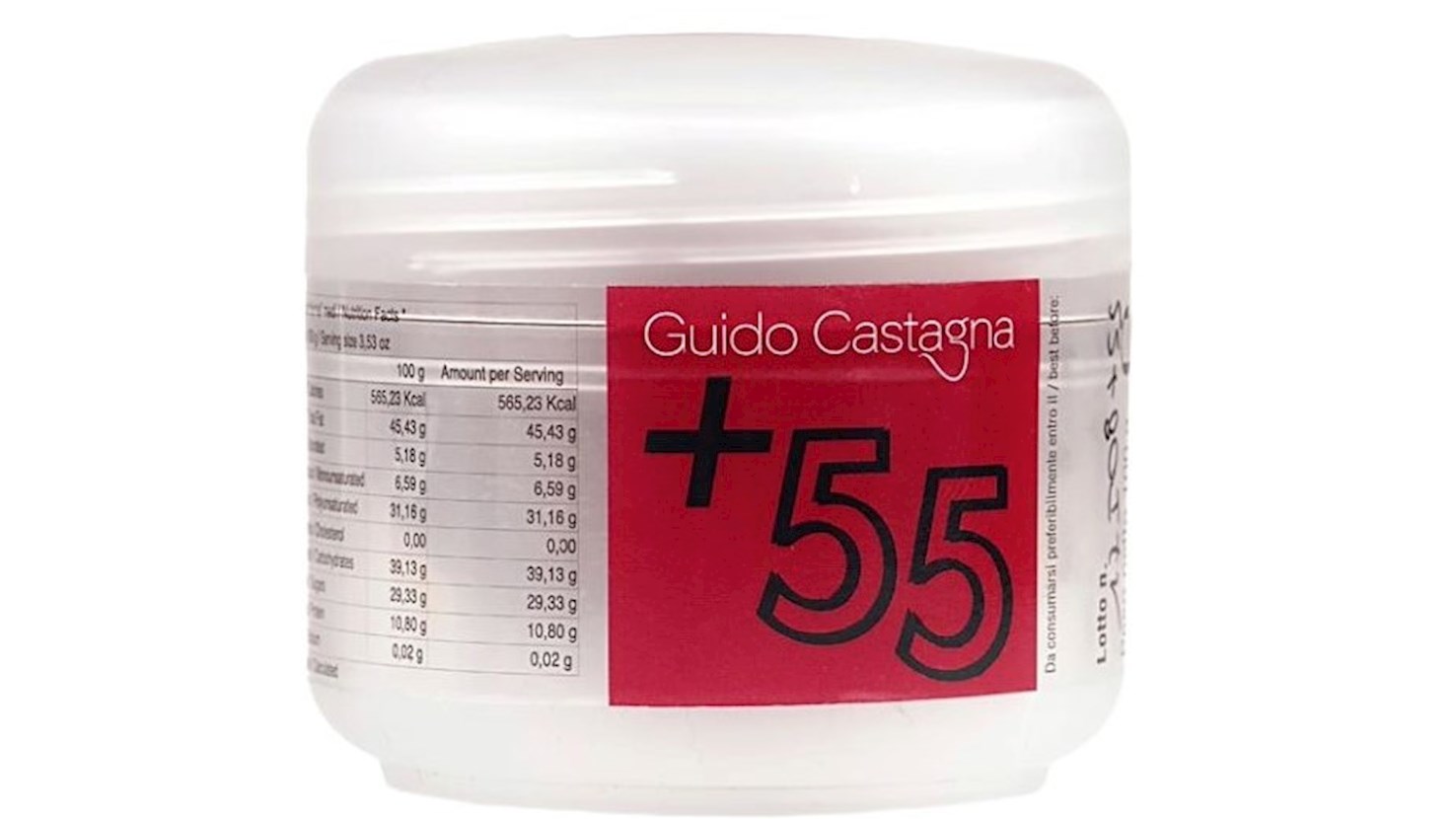
Guido Castagna is a distinguished Italian chocolatier celebrated for his commitment to craftsmanship, authenticity, and sustainability. At the heart of his philosophy lies the "Metodo Naturale" (Natural Method), a production approach that honours the natural rhythms of ingredients and emphasises respect for raw materials, artisans, and the environment.​ This meticulous process begins with the careful selection of premium cocoa beans, which are allowed to rest for three months upon arrival to stabilise their aromatic profiles. Subsequently, the beans are roasted at low temperatures to preserve their inherent flavours. The tempered chocolate is then moulded into blocks and aged for six months under controlled conditions, allowing the flavours to mature fully. ​ guidocastagna.it Among Castagna's acclaimed creations is the Giuinott®, a modern reinterpretation of the traditional gianduiotto. This confection combines Venezuelan Chuao cocoa with IGP Piedmont hazelnuts, resulting in a harmonious blend that has garnered multiple gold awards at the International Chocolate Awards.
Awards
International Chocolate Awards - ‘Best in competition' overall winners (2024)
International Chocolate Awards - ‘Best in competition' overall winners (2023)
02
Chocolate Confectionery

Amedei

5 ·
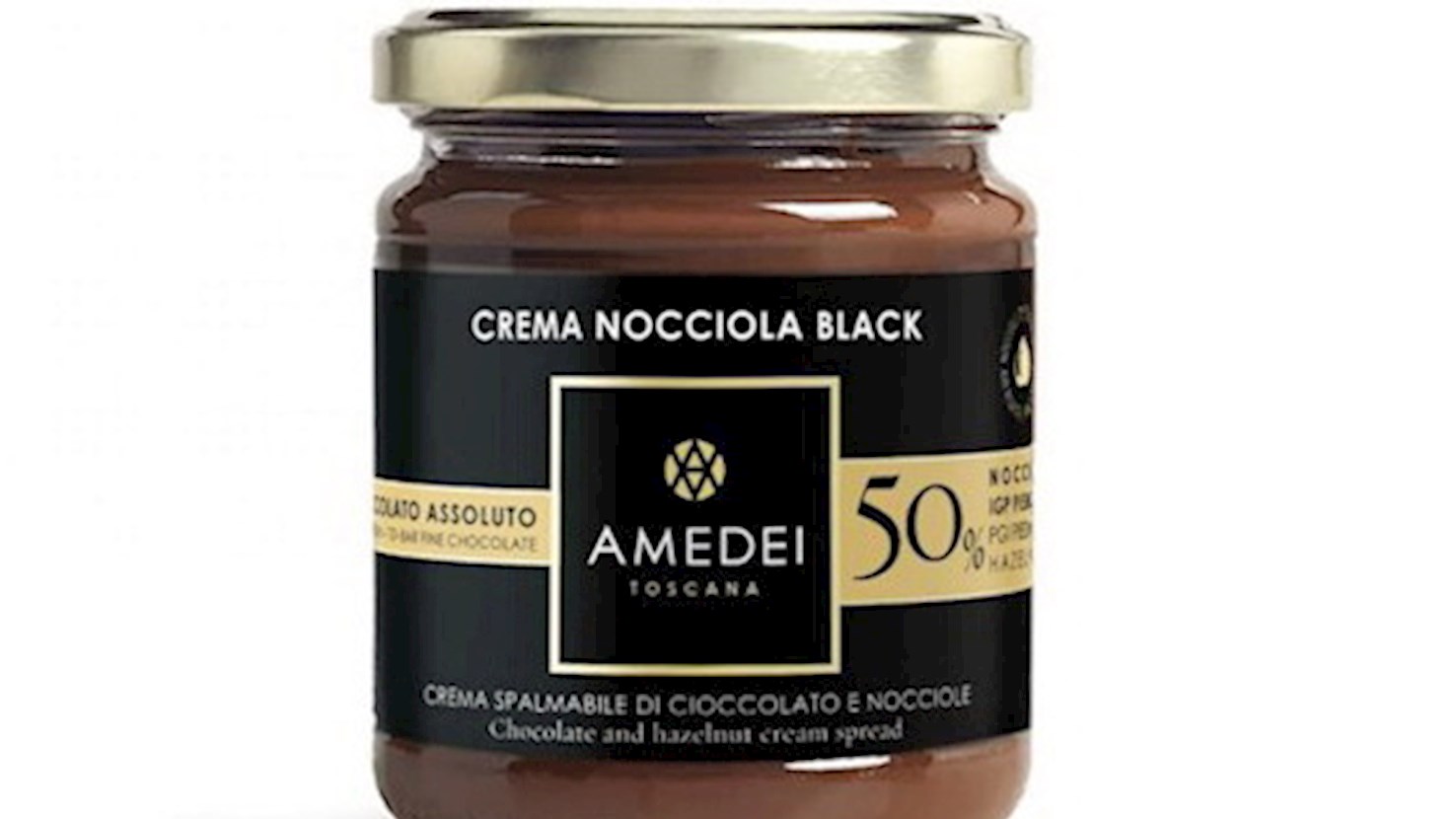
Amedei is a name synonymous with fine Italian chocolate, a celebration of craftsmanship, excellence, and passion. Founded in Tuscany, this prestigious chocolate house has earned global recognition for its unwavering commitment to quality, its meticulous bean-to-bar approach, and its dedication to sourcing the world’s rarest and most refined cacao varieties. Every step of production is carefully controlled—from selecting the cacao beans to crafting the final bar—ensuring full traceability and preserving the unique character of each origin. Amedei chocolates are renowned for their complex aromatic profiles, rich flavors, and perfectly balanced textures, offering a truly luxurious tasting experience. The brand has received numerous international awards and accolades, a testament to its artisanal philosophy and deep respect for tradition, nature, and innovation. Whether it’s their classic dark and milk chocolates or elegantly filled pralines, Amedei consistently delivers exceptional quality and refined elegance in every creation. More than just chocolate, Amedei represents a story of passion, expertise, and timeless sophistication captured in every bite.
Awards
Tavoletta D'Oro - The best in category (2024, 2023, 2021, 2020, 2019, 2018, 2017, 2016, 2015, 2014, 2013, 2012, 2011, 2010, 2009, 2007)
Tavoletta D'Oro - Premio del ventennale Award (2024, 2023)
03
Chocolate Confectionery

Gardini Cioccolato

5 ·
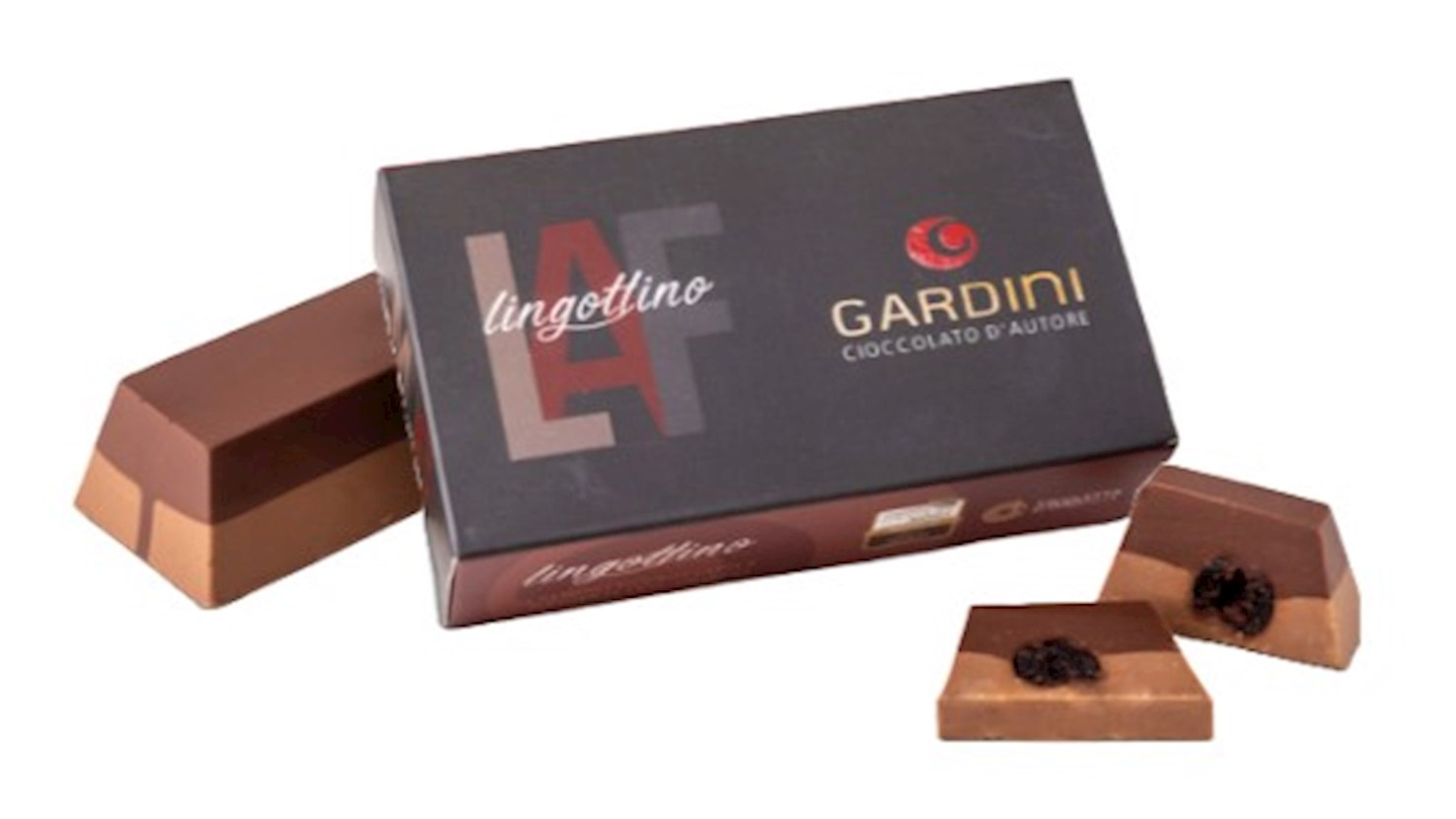
Gardini Cioccolato is a renowned Italian chocolate company based in the city of Forlì, in the Emilia-Romagna region, founded in 1987 by brothers Fabio and Manuele Gardini. The brand was born from a family pastry tradition dating back to the 1950s, and with the shift into the world of chocolate, Gardini has become a symbol of top-quality artisanal production in Italy. Their chocolates are crafted entirely by hand, without automated processes, with great respect for raw ingredients and traditional methods. Their product range includes dark and milk chocolate bars, layered cremino bars, pralines, filled chocolates, as well as spreads and chocolate creams made with pistachios, cherries, hazelnuts, and other authentic ingredients. In addition to production, Gardini also offers guided tours, tastings, and workshops at their workshop, where visitors can discover the craft and philosophy behind the brand firsthand. The blend of tradition, local identity, and creativity makes Gardini Cioccolato one of the most respected names in the world of Italian chocolate.
Awards
Tavoletta D'Oro - The best in category (2024, 2023, 2021, 2020, 2019, 2017, 2016, 2015)
Tavoletta D'Oro - Premio del ventennale Award (2024, 2023)
04
Chocolate Confectionery

Domori

5 ·

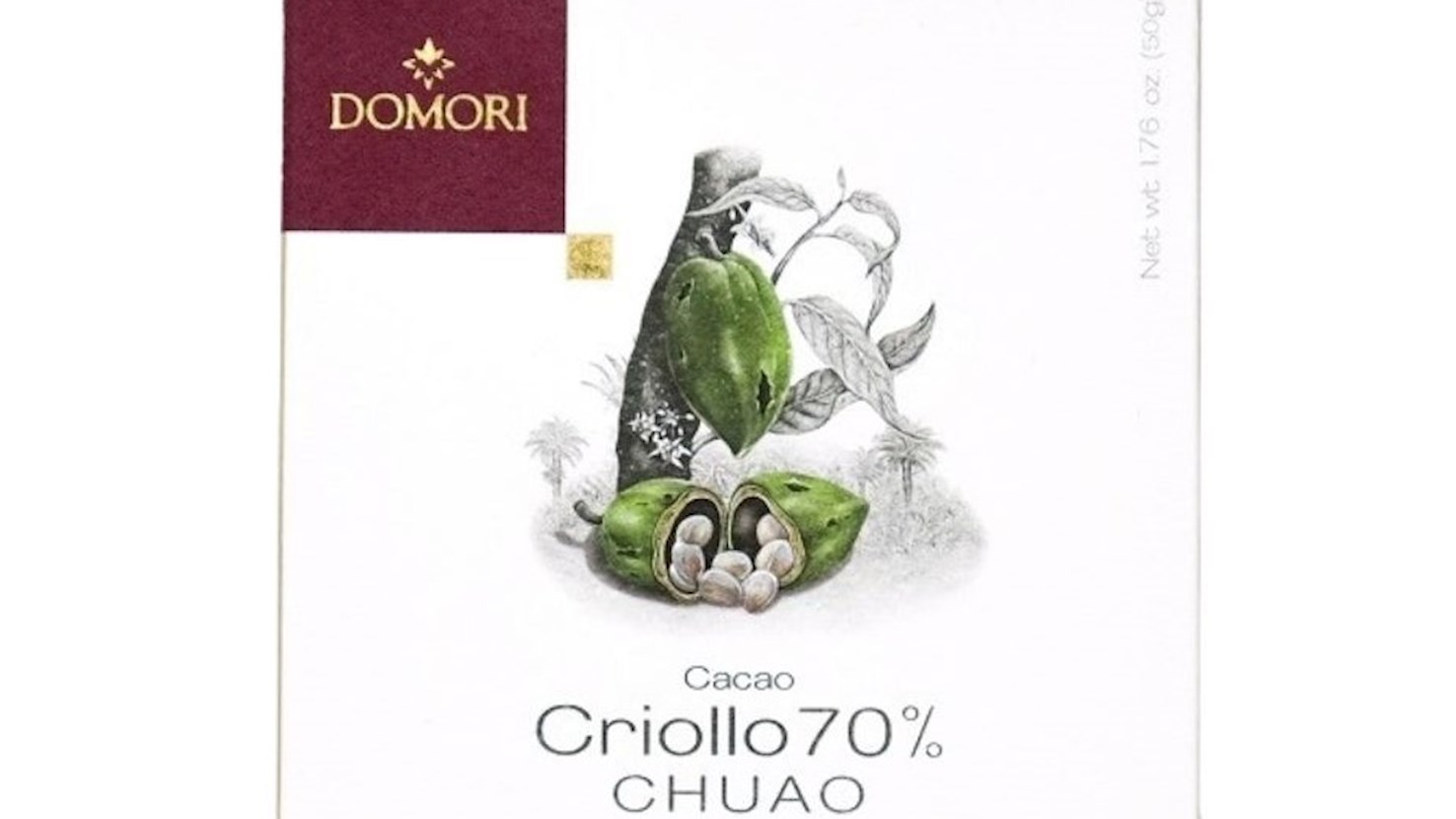
Domori is a visionary Italian chocolate maker that has forever changed the world of fine chocolate. Founded in 1997 by Gianluca Franzoni, Domori became a pioneer in the use of exceptionally rare and precious cocoa varieties, particularly the Criollo type, widely regarded as the finest in the world. It was the first company to establish its own plantation of noble cacao, ensuring full control over the quality and origin of its raw materials. Its unique processing approach, which involves minimal intervention and no conching, preserves the authentic notes of the cacao. Domori’s chocolates are often made with just cocoa mass and sugar, without vanilla, lecithin, or additives - pure essence of flavor. A multi-award-winning brand, Domori is celebrated for its unparalleled aromatic complexity and elegance. Today, as part of the Illy group, Domori continues to lead the revolution in fine chocolate, inviting true connoisseurs to experience chocolate at its highest expression.

Awards
Tavoletta D'Oro - The best in category (2024, 2023, 2022, 2021, 2020, 2019, 2018, 2017, 2016, 2015, 2014, 2013, 2012, 2011, 2010, 2009, 2007, 2006, 2005, 2004, 2003)
Tavoletta D'Oro - Premio del ventennale Award (2024, 2023)
05
Olive Oil

Castillo de Canena

5 ·
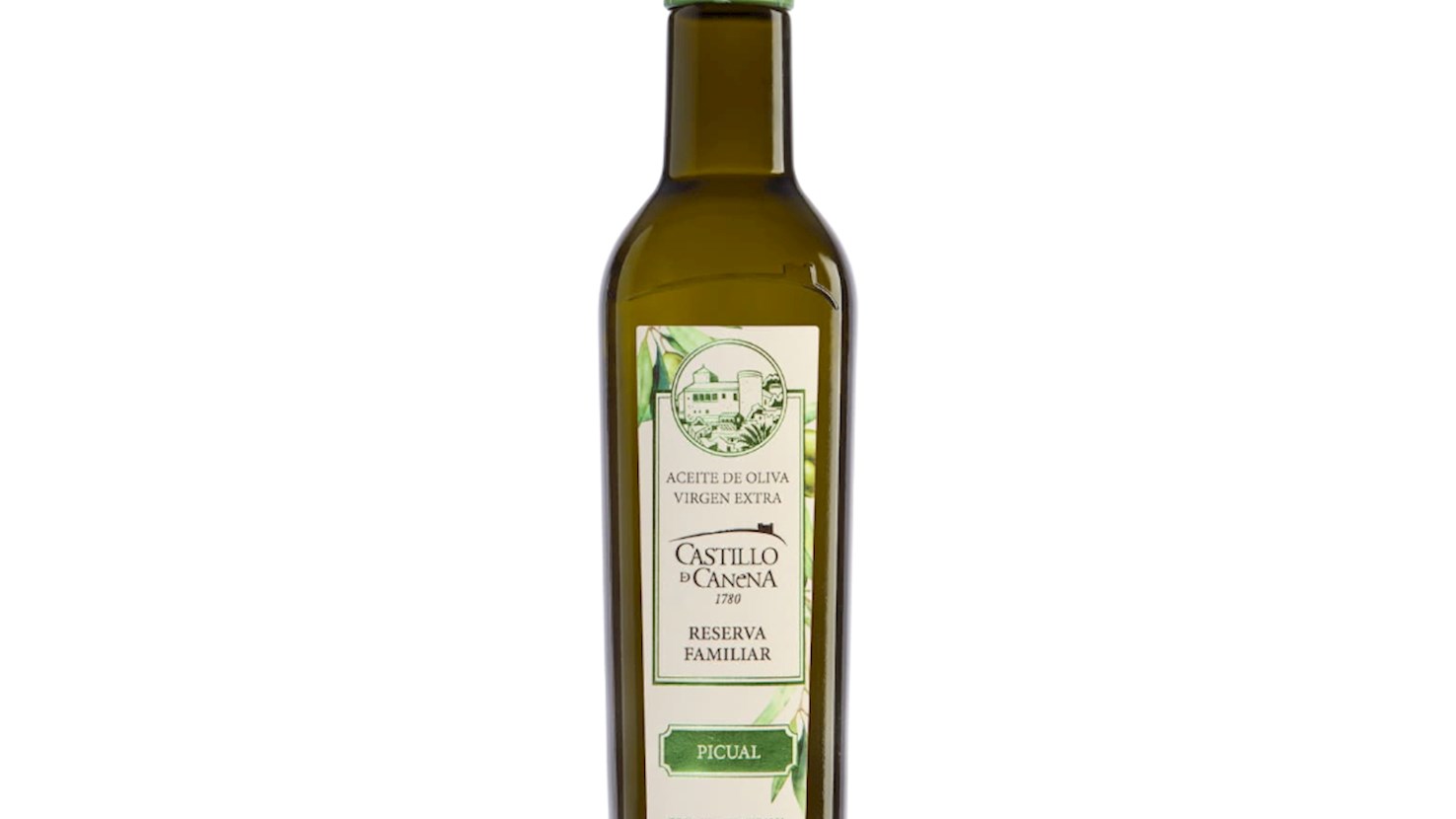
Castillo de Canena is a renowned producer of premium extra virgin olive oil from Spain, specifically from the Andalusian region in the Guadalquivir River Valley. The Vañó family, who stands behind the brand, has been producing olive oil since 1780. The brand is named after a historic castle owned by the family, located in the town of Canena. The company is known for its blend of tradition and innovation, combining centuries-old methods with modern techniques to preserve the quality and unique flavor of its oils. Their oils are exclusively cold-pressed from olives grown in their own groves, and they specialize in varieties such as Picual, Arbequina, and Royal. Castillo de Canena places a strong emphasis on sustainability—using renewable energy sources and natural methods to care for their olive trees. Elegant packaging and carefully selected harvest dates reflect the brand’s dedication to detail and superior quality. Castillo de Canena is a true symbol of luxurious, sophisticated olive oil that harmoniously blends nature, tradition, and modern technology.
Awards
Flos Olei - Hall of Fame (2024, 2023, 2022, 2021)
Flos Olei - Hall of Fame (2020)
06
Olive Oil

Almazaras de la Subbética

5 ·
Almazaras de la Subbética is a renowned olive oil producer from Andalusia, based in the Sierras Subbéticas Natural Park in Córdoba. It was founded in 2007 through the merger of two large cooperatives and today brings together around 7,000 olive growers. The company is known for its organic and sustainable production, with standout oils such as Rincón de la Subbética (a monovarietal Hojiblanca) and Parqueoliva Serie Oro (a coupage of Picuda and Hojiblanca). Their oils are among the most awarded in the world, and the mill has been named the best in the world multiple times. They combine tradition, innovation, and environmental awareness, along with strong social engagement through humanitarian projects.
Awards
London IOOC - Platinum (2025, 2023, 2022, 2021)
ATHENA IOOC - Double Gold (2024, 2023, 2022, 2020, 2018, 2017)
07
Olive Oil

Finca la Torre

5 ·
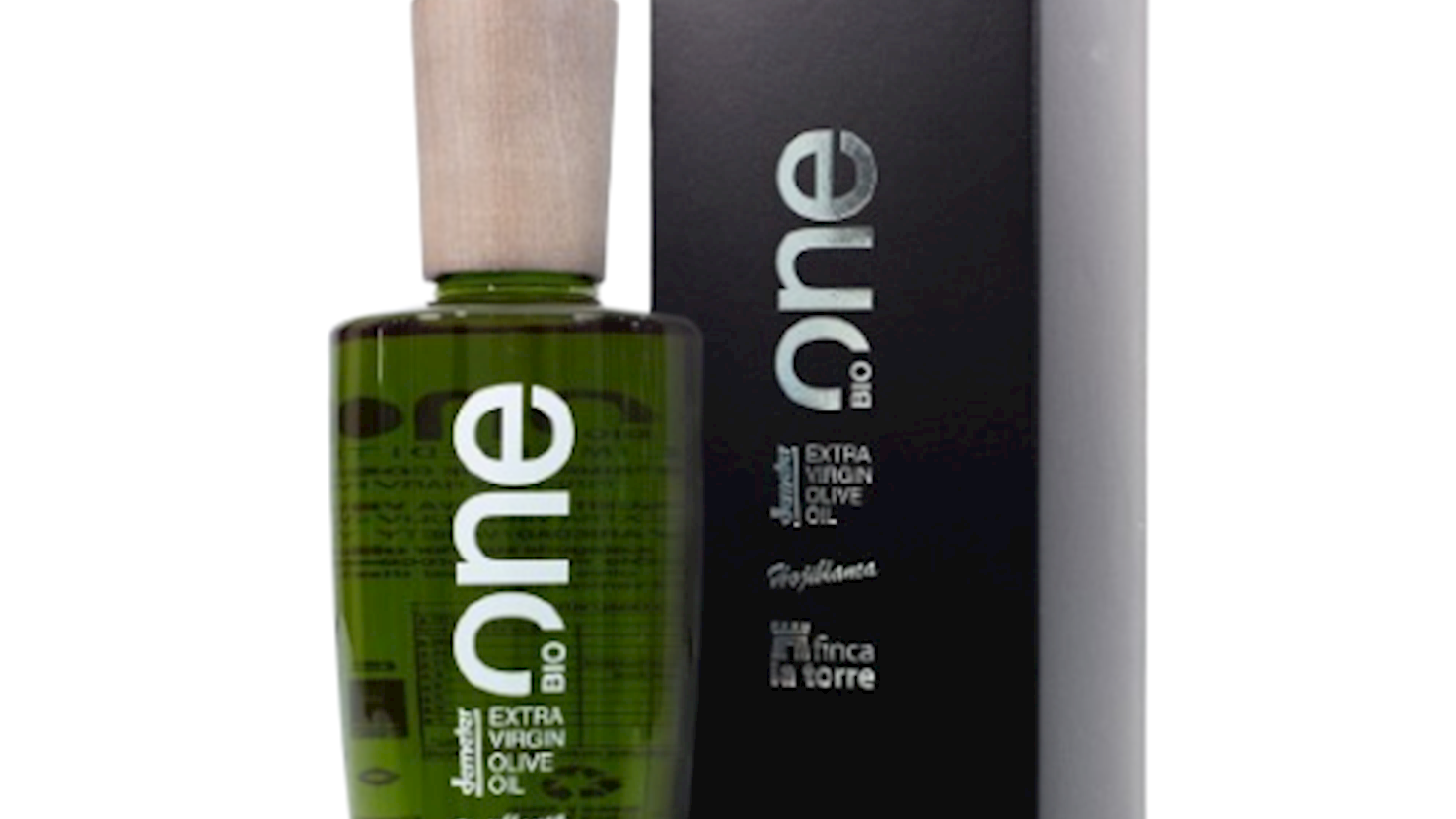
Finca la Torre is a prestigious olive oil producer from Andalusia, located in the town of Bobadilla near Málaga, with a tradition that dates back to Roman times. This organic estate spans over 380 hectares and includes around 33,000 olive trees, primarily of the Hojiblanca variety, along with Arbequina, Cornicabra, and Picudo. Finca la Torre stands out for its strictly controlled biodynamic cultivation, which involves complete dedication to natural cycles and sustainability. Their oils are produced through cold pressing immediately after harvest, preserving maximum freshness, aroma, and nutritional value. The oils are recognized for their pronounced green notes, fruitiness, spiciness, and overall complexity of flavor. The company combines tradition and innovation—employing modern processing technology while maintaining deep respect for nature. Their work reflects a commitment to quality, transparency, and environmental care, making them one of the most respected olive oil producers in Spain and beyond.
Awards
Flos Olei - Hall of Fame (2024, 2023, 2022, 2021)
Biol - International Organic Competition Prize - Extra Gold (2024, 2023, 2022)
08
Chocolate

Torta Pistocchi Firenze

5 ·
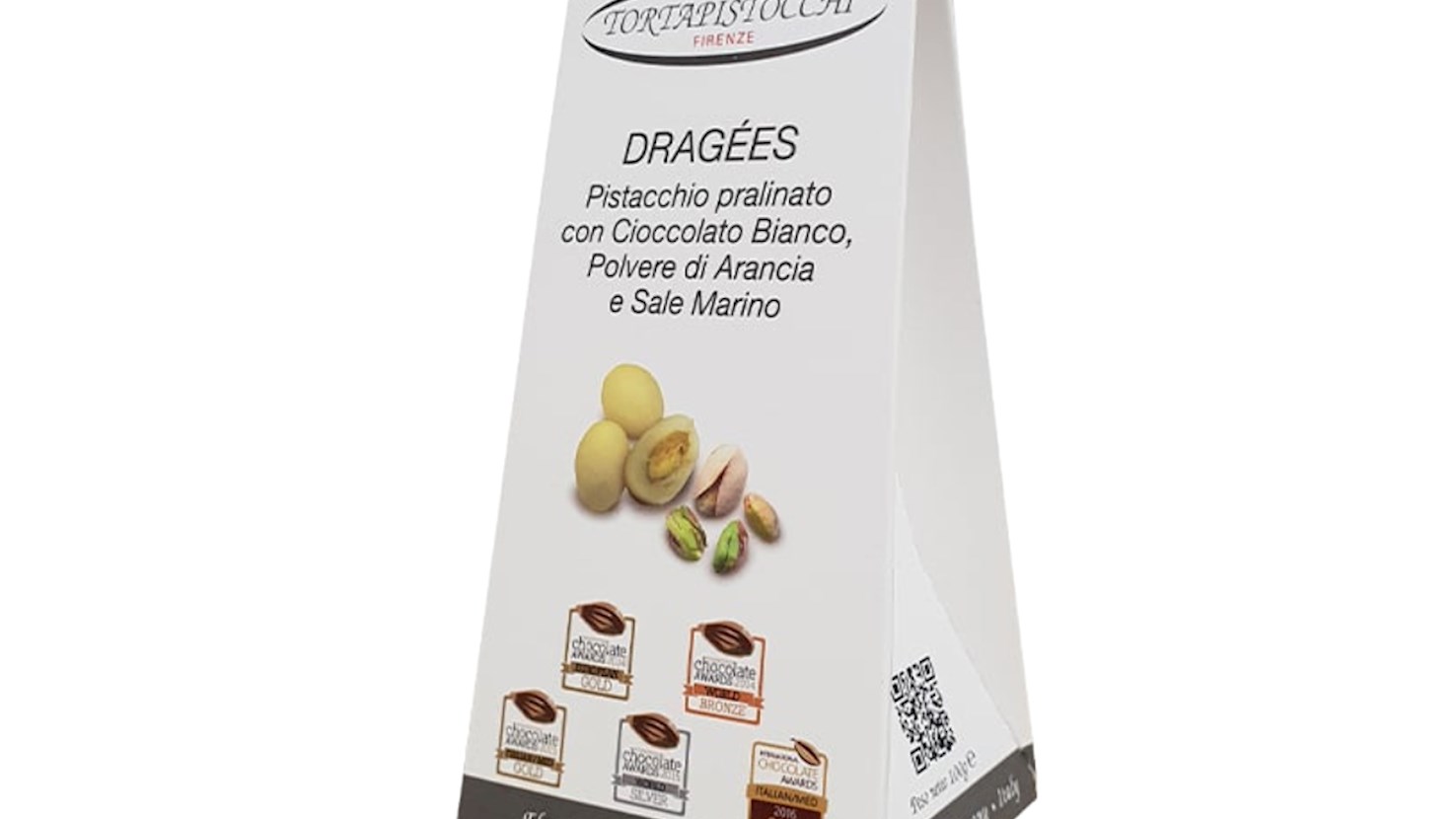
Torta Pistocchi Firenze, based in Florence, Italy, started as a small cake shop in 1990. The company is known for its rich, artisan chocolate cakes, which are made using high-quality, simple ingredients without adding flour, butter, or eggs. One of their signature products is a dense, flourless chocolate cake made from a blend of dark chocolates. Torta Pistocchi has won several awards for its innovative approach to chocolate cake making.
Awards
International Chocolate Awards - Gold (2019, 2018, 2017, 2016)
International Chocolate Awards - Silver (2019, 2018, 2017, 2016, 2015)
09
Olive Oil

Nobleza del Sur

5 ·
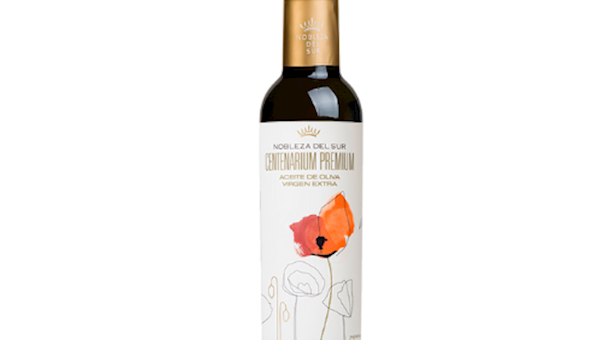
Nobleza del Sur is a family-owned Spanish company from the Jaén region (Andalusia), dedicated to the complete production process of extra virgin olive oil — from cultivation and milling to packaging and distribution. The family's olive-growing tradition dates back to as early as 1640, and today, several generations are involved in managing over 300 hectares of olive groves on family estates near the Guadalimar River. The company emphasizes sustainable and biodiversity-friendly farming practices — without pesticides, using free-grazing horses among the olive trees as natural fertilizer. Each of their products is characterized by cold extraction shortly after harvest, low acidity, and a rich organoleptic profile — with aromas of green banana, almond, apple, grassy and herbal notes.
Awards
Flos Olei - The Best (2022, 2021)
Flos Olei - 99 Points (2025, 2022)
10
Cheese

Cropwell Bishop Creamery

5 ·
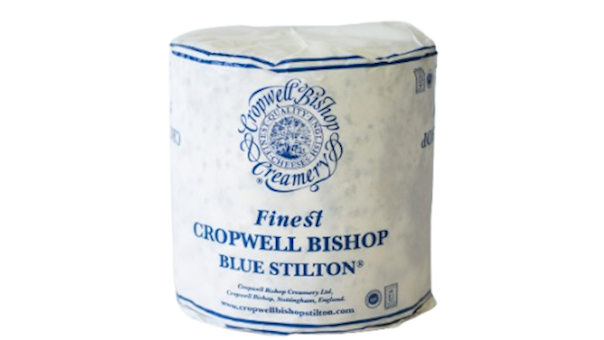
Cropwell Bishop Creamery is a family-owned dairy based in the village of Cropwell Bishop, Nottinghamshire, specializing in the production of traditional English blue cheeses, most notably Stilton with Protected Designation of Origin (PDO) status. Owned and managed by the Skailes family for three generations, it is one of the few creameries licensed to produce authentic Blue Stilton under strict regional and production guidelines. The cheese is made from locally sourced pasteurized cow’s milk, and the process includes hand-ladling curds into molds and carefully piercing the wheels to encourage the development of characteristic blue veining. Their Blue Stilton is known for its creamy yet firm texture, balanced saltiness, and a distinctively rich, slightly spicy finish that deepens with maturation. In addition to their classic version, they produce a traditional rennet Stilton, an organic Stilton, as well as other blue cheeses such as Shropshire Blue and the softer, Brie-style Beauvale. The creamery combines traditional craftsmanship with modern food safety standards to ensure consistency and quality. An on-site cheesemaker’s shop allows visitors to purchase and taste different cheeses directly at the source.
Awards
Culture Cheese Magazine Best Cheeses issue - Best (2023)
Global Cheese Awards - Best (2023, 2021, 2019)
Read more
View all
View map
About this ranking

TasteAtlas food rankings are based on the ratings of the TasteAtlas audience, with a series of mechanisms that recognize real users and that ignore bot, nationalist or local patriotic ratings, and give additional value to the ratings of users that the system recognizes as knowledgeable. For the “Top 100 European Foods” list until June 24, 2026, 351,673 ratings were recorded, of which 259,600 were recognized by the system as legitimate. TasteAtlas Rankings should not be seen as the final global conclusion about food. Their purpose is to promote excellent local foods, instill pride in traditional dishes, and arouse curiosity about dishes you haven’t tried.

The initial list of top producers was compiled based on available reviews, awards, local recommendations, media and blog coverage, and consumer reviews. The list will be updated with ratings from TasteAtlas local ambassadors and TasteAtlas users.

Similar lists