Top 99 Dalmatian Foods

Last updated on June 24, 2026

Best Dalmatian foods

01
Dry-cured Ham

Dalmatinski pršut

4.3 ·

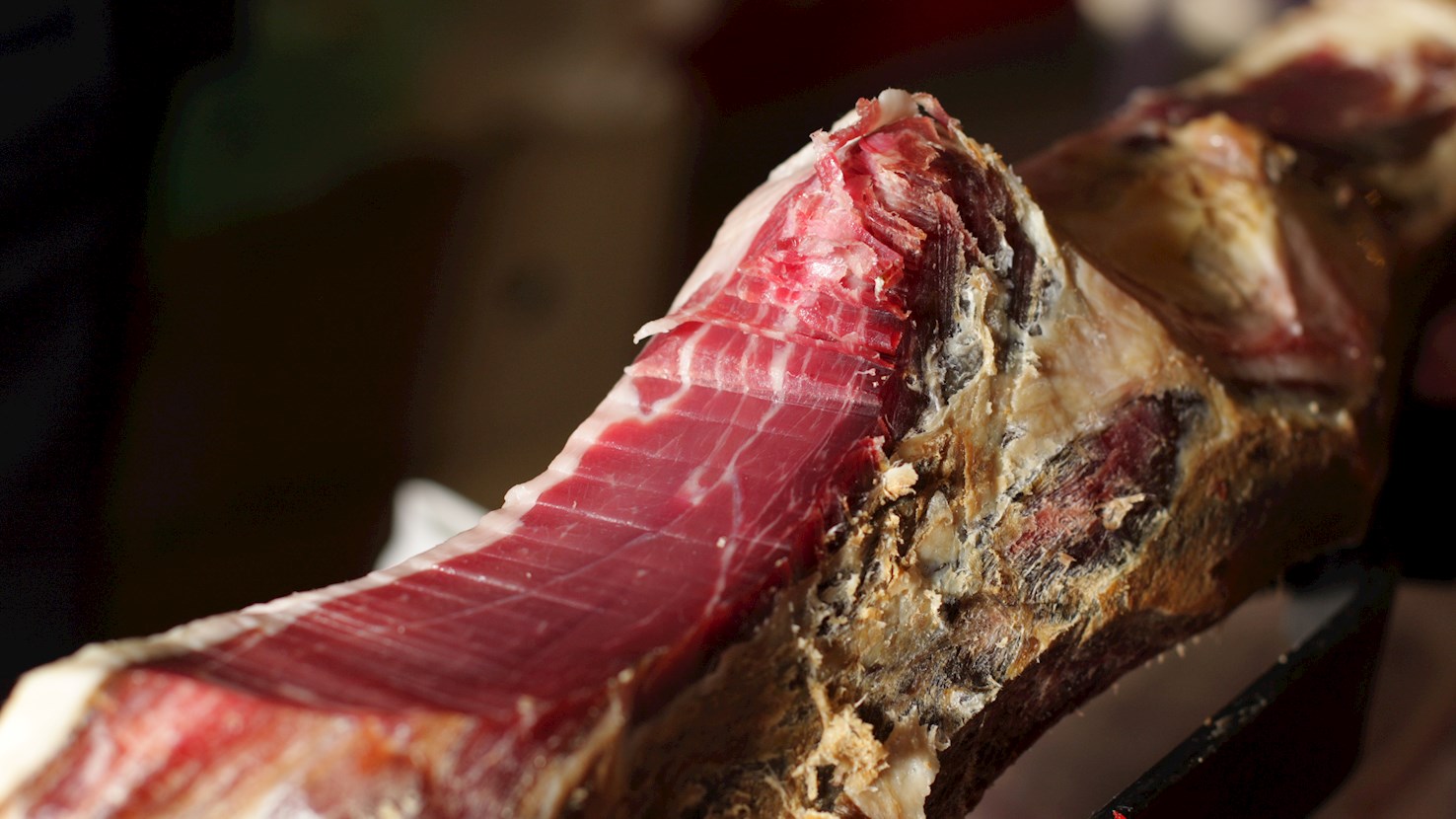
Dalmatinski pršut is a cured, smoked, and dried ham that is usually served thinly sliced alongside bread, cheese, or fruit such as melon. Unlike its Italian (prosciutto) and Istrian counterparts, the Dalmatian version of pršut is wood-smoked and dried for a minimum of twelve months. It is produced with fresh pork legs, with the bone, skin and subcutaneous fat. After preparation, which includes dry-salting, pressing, and seasoning, it is smoked and left to dry and mature in the air. The final period is strongly influenced by the cold and dry Bora wind, which creates favorable conditions for maturation. The combination of Mediterranean climate and traditional preparation techniques contribute to the exceptional quality of pršut, which is appreciated for its mildly smoky aroma, soft texture, and slightly salty taste.

02
Lamb Dish

Janjetina ispod peke (Lamb under the bell)

4.2 ·

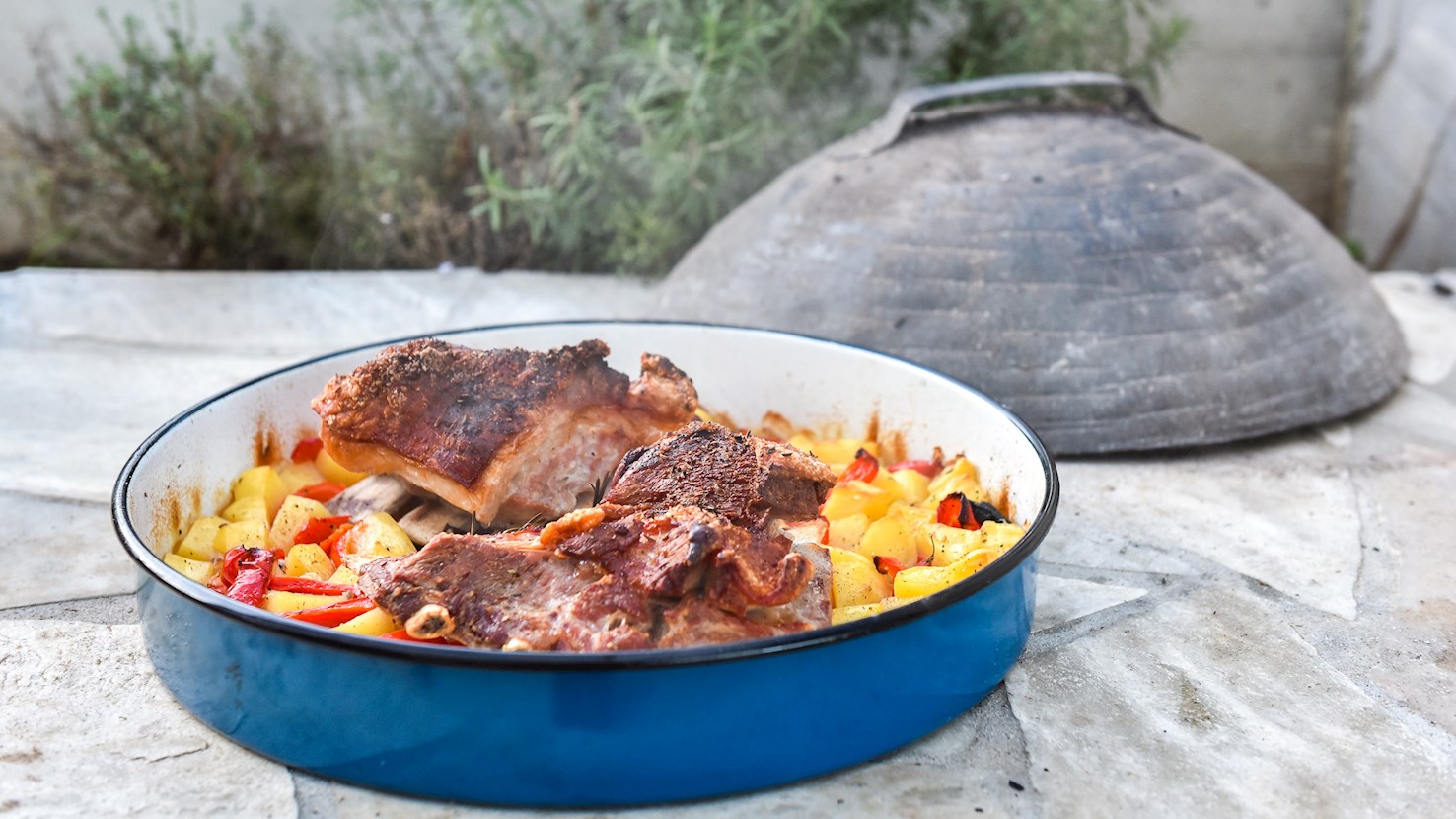
Janjetina ispod peke is a traditional lamb specialty that calls for preparing the meat under a metal, bell-like dome or lid called peka in Dalmatia or čripnja in Istria. The meat is usually combined with potatoes and vegetables such as onions, tomatoes, carrots, and zucchinis, and the whole thing is then commonly drizzled with olive oil. White wine or beer may occasionally be added to the concoction to speed up the cooking process, while the dish is often flavored with aromatic herbs and spices such as rosemary, bay leaves, mint, paprika, and black pepper. Traditionally, the baking tray or pot containing the food is topped with the peka lid, placed in a fireplace, and the lid is then covered with hot embers on top. After hours of cooking slowly under the lid, the meat comes out tender, succulent, and falling-off-the-bone. This specialty is typically accompanied by a fresh seasonal salad, kruh ispod peke (bread baked under the lid), and a glass of white wine or beer on the side. Janjetina ispod peke is a typical dish of the Dalmatia and Istria regions, where it can be savored in local restaurants or prepared at home.

Best restaurants
03
Mussel Dish

Dagnje na buzaru

4.2 ·

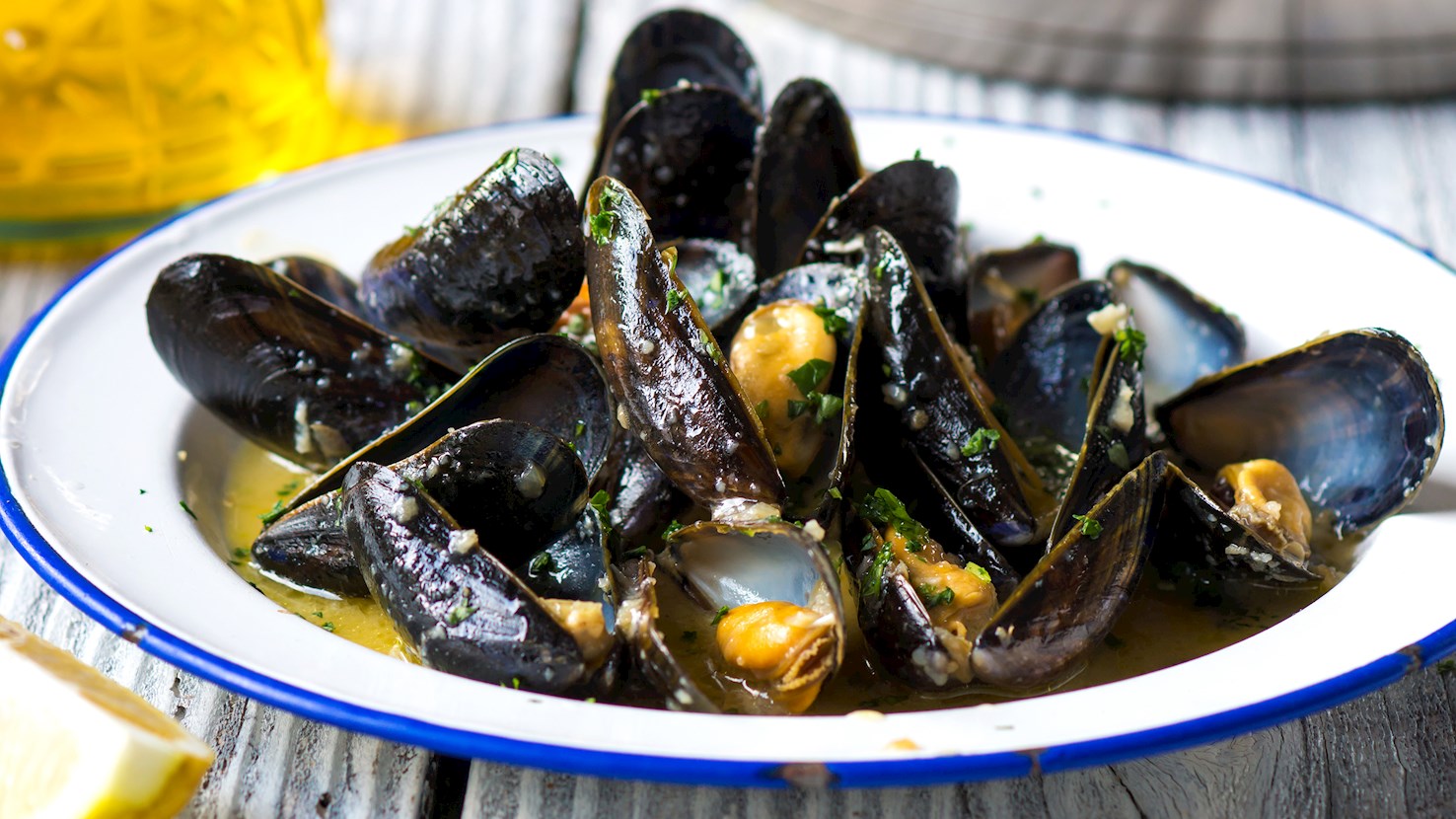
Dagnje na buzaru is a traditional dish of the Croatian coast prepared with mussels as the main ingredient. The shells are scrubbed, placed into a pot with lukewarm water, covered, and lightly heated until all of them crack open. Olive oil, garlic, parsley, and a bit of pepper are sautéed, then mixed with the mussels and maybe a few slices of lemon. White wine is added for the final touch, and the dish is then shortly simmered. Before serving, dagnje na buzaru are often sprinkled with breadcrumbs for thickening, and the dish is then served with lots of bread on the side for mopping up the leftover juices. Dagnje na buzaru is a 'white' version of the dish, but there is also a 'red' version called dagnje na crvenu buzaru or dagnje na crveno, prepared mostly in the same way, but with the addition of tomato sauce and without breadcrumbs.

04
Dry-cured Ham

Drniški pršut

4.2 ·

Considered to be of the best quality of all the Croatian prosciuttos, Drniš prosciutto is a cured, smoked and dried ham produced in this region since the 14th century. It is scientifically proven that the submediterranean microclimate conditions around Drniš make this type of ham different from those produced in Istria or Dalmatia. The thighs used in the production of pršut must be of premium quality, sourced locally and weigh more than 11 kilograms. The prepared meat is salted, pressed, cold-smoked and dried for a minimum of 12 months. It is dried in the wind, and the balance between the cold and dry Bora wind, and the warmer Jugo wind, is essential for it to develop all its characteristic aromas and flavors. The ham is intense ruby-red in color, shiny when sliced and has a sweet and aromatic flavor. It should almost melt in the mouth and should not have any acidity, bitterness or rancid aftertaste.

05
Octopus Dish

Salata od hobotnice (Octopus salad)

4.1 ·

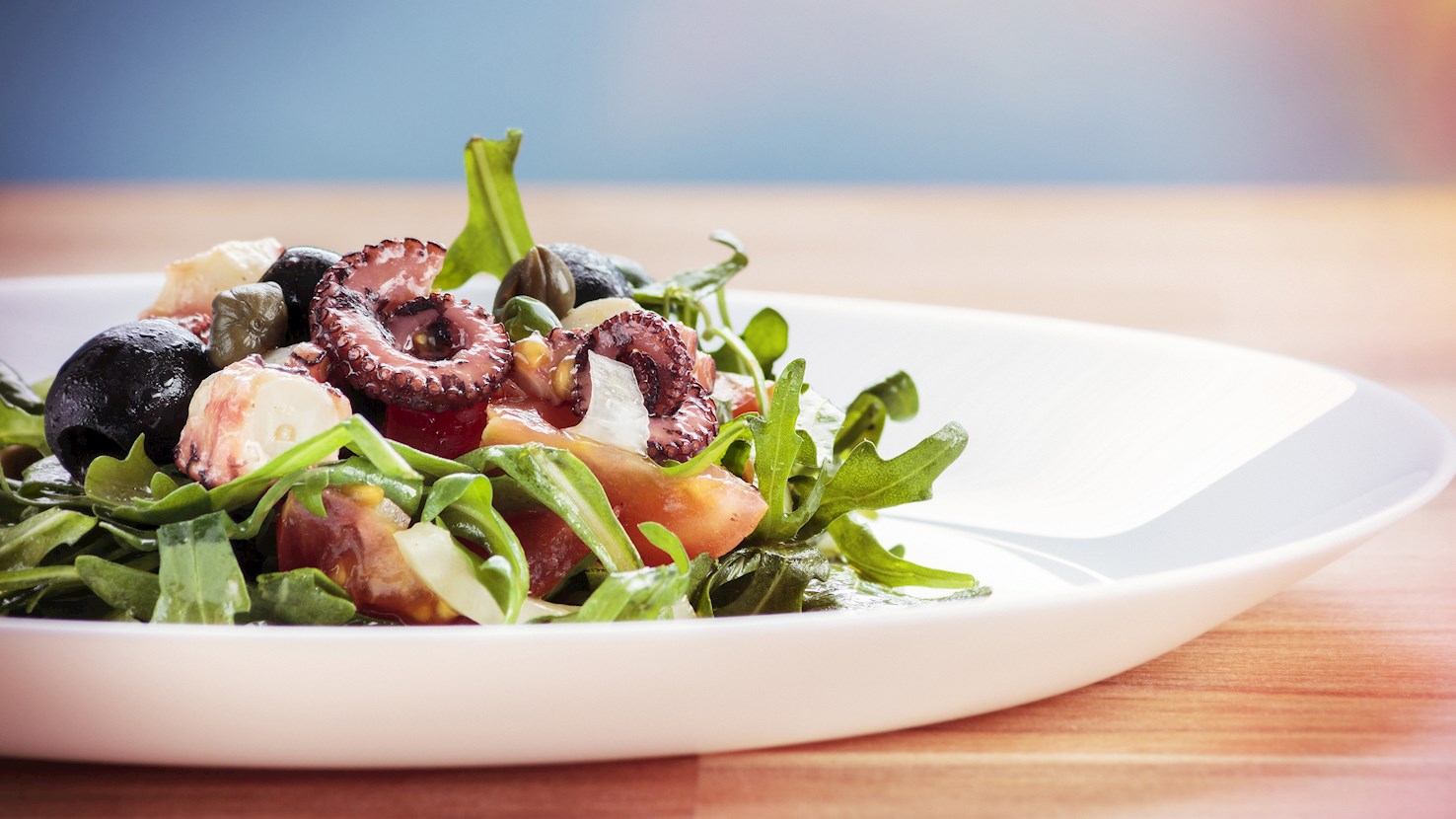
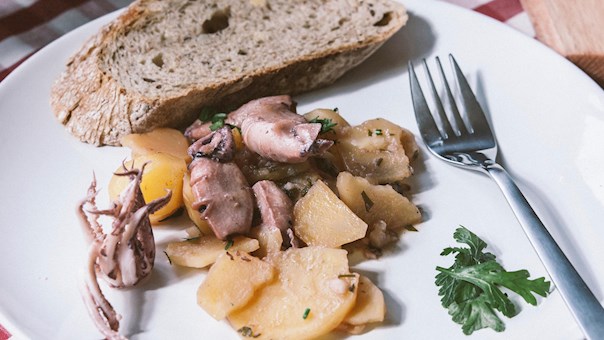
Salata od hobotnice is a traditional octopus salad originating from Dalmatia, but it's very popular throughout the country, especially on Christmas Eve and during the summer. Although there are many versions, it's usually made with a combination of octopus, onions, garlic, bay leaves, olive oil, parsley, potatoes, salt, vinegar, and tomatoes. The cleaned octopus is cooked, then cut into smaller pieces and mixed with the other ingredients. It's recommended to cook it with a few wine corks as they will soak up the bitter flavors during cooking. The salad is sometimes enriched with capers, olives, or lemon juice, and it's recommended to serve it well chilled, ideally with fresh bread on the side for mopping up the juices.

06
Savory Pie

Poljički soparnik

4.1 ·

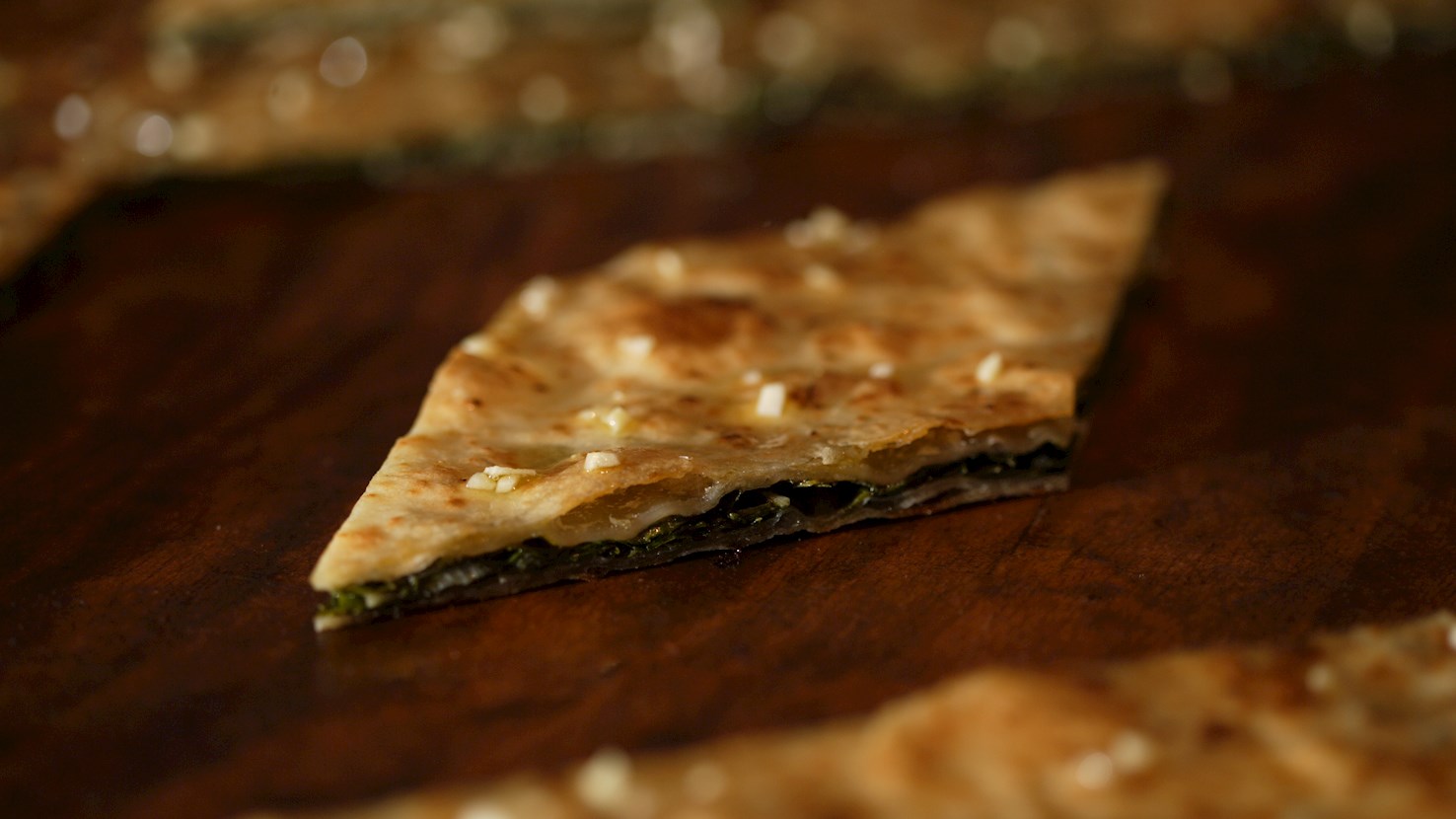
Soparnik, zeljanik, or uljenjak is a simple pie filled with vegetables. It is traditionally made in the Poljica region in Dalmatia with the simplest possible dough consisting of flour, salt, and water. The filling for this pie is made with chard and red onions (kapula), spread between two sheets of thinly rolled dough. The most interesting fact about soparnik is the way that it is baked: in a bed of hot coals covered with ash, pierced a few times to release any steam, and cooked for a short period of time. After it is baked, the ashes are swept off and the pie is brushed with olive oil and crushed or finely chopped garlic. Poljički soparnik is traditionally cut into rhombical pieces (fete) before serving. Just make sure that the pie doesn't contain garlic or parsley in the filling, because if it does, you're not eating a traditional and authentic poljički soparnik.

Best restaurants
07
Mussel Dish

Dagnje na crvenu buzaru

4.1 ·

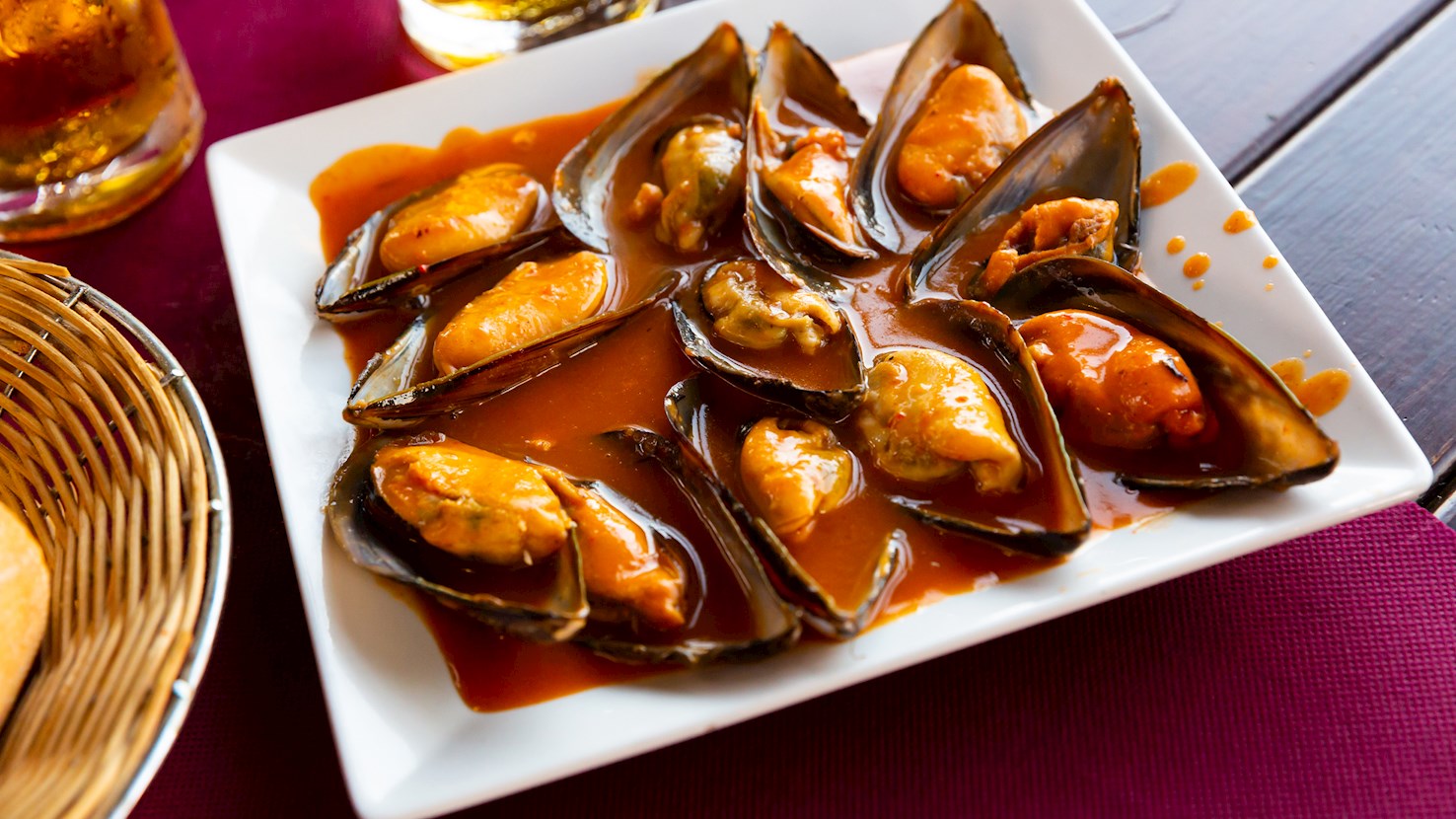
Mydia or dagnje na crvenu buzaru is a popular Greek and Croatian appetizer consisting of fresh mussels that are steamed in red wine along with fresh herbs, garlic, and a variety of garden vegetables. The dish is usually doused in a Mediterranean red sauce. It is served in most fish taverns (called psarotaverna) in Greece and in most coastal restaurants in Croatia, accompanied by lots of bread used for mopping up the flavorful sauce. In Croatia, the dish is also known as dagnje na crveno.

Best restaurants
08
Lamb Dish

Janjetina s ražnja (Spit-roasted lamb)

4.1 ·

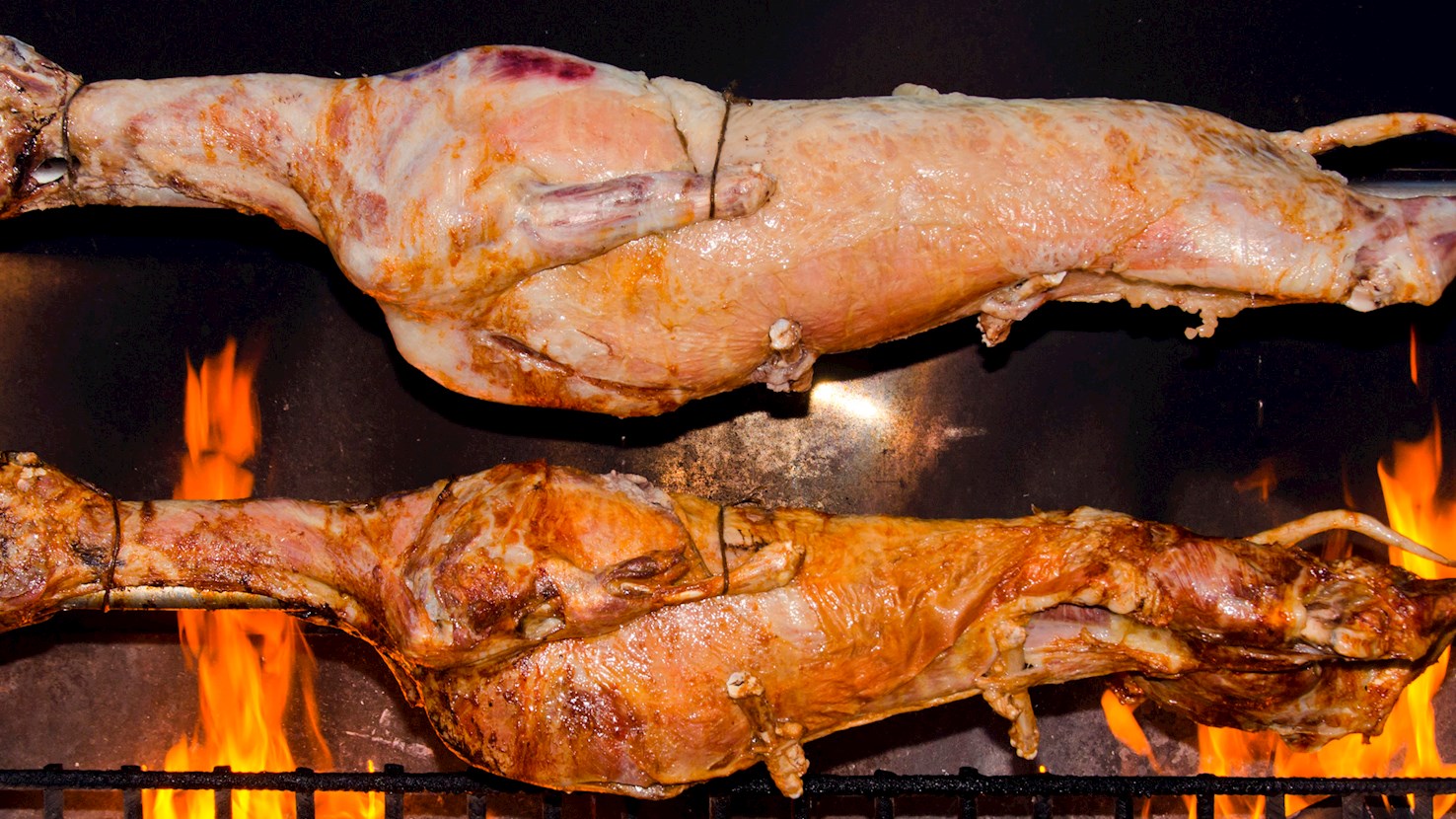
Janjetina s ražnja is a popular Dalmatian dish made by roasting a whole lamb on a spit. It is roasted over an open fire until the skin becomes crispy and golden-brown in color. Before roasting, the lamb can be marinated in oil with fresh herbs, but it is traditionally seasoned only with sea salt. When the lamb is properly roasted, it is usually served with sliced onions, green onions, or young potatoes, and a few slices of bread.

09
Savory Pie

Viška pogača

4 ·

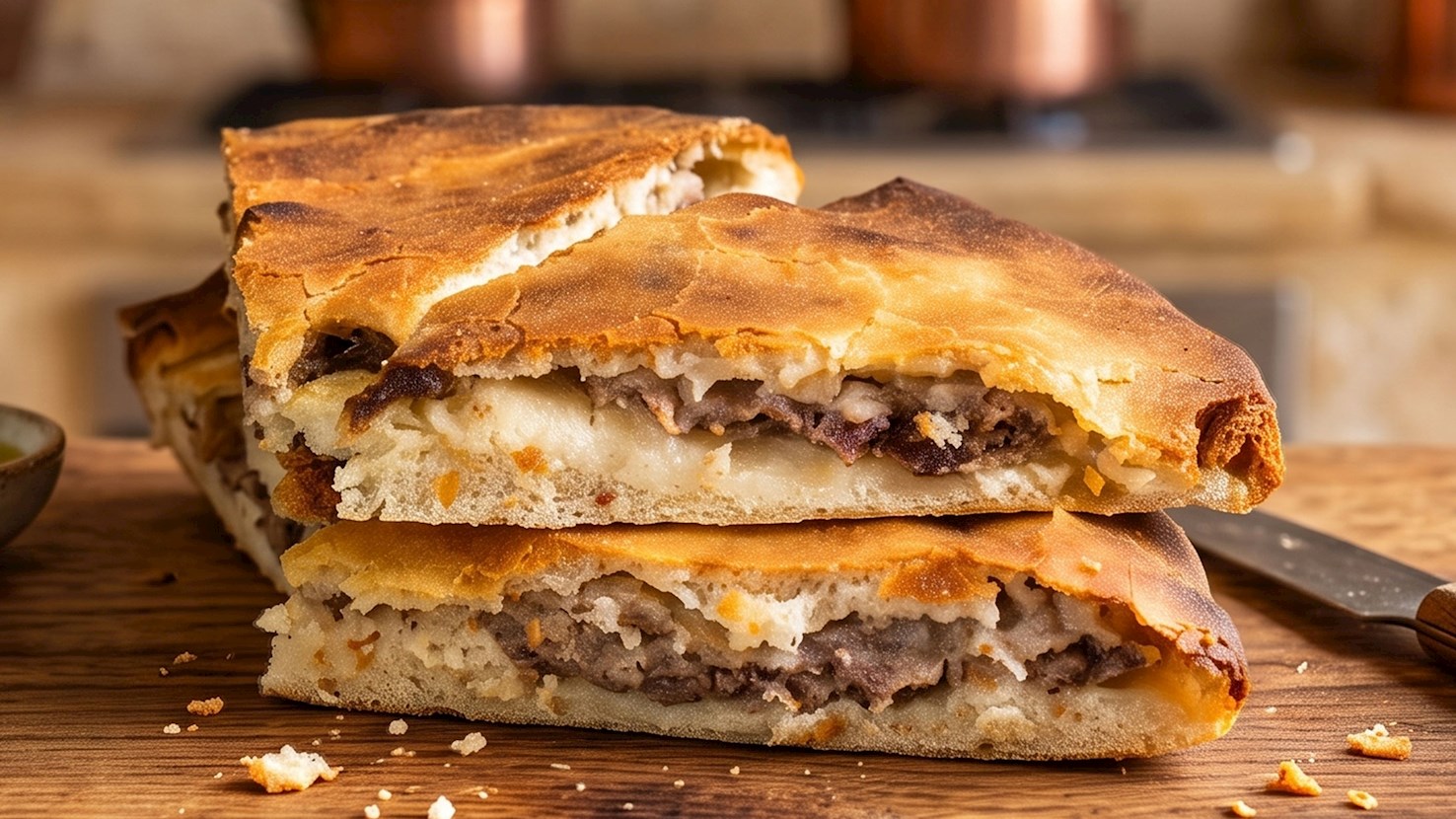
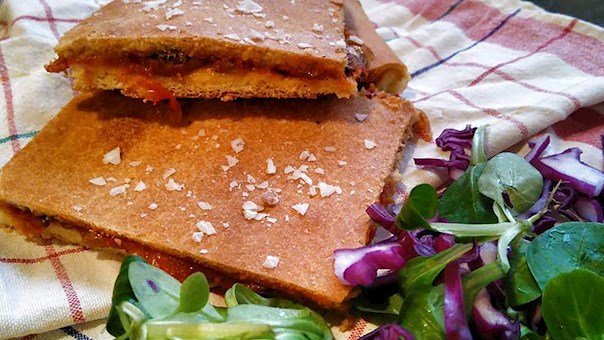
Viška pogača is a savory Croatian pie originating from the island of Vis. The dough is quite similar to that of focaccia, consisting of flour, salt, yeast, and warm water. The pie is filled with a combination of olive oil, onions, anchovies, and spices. There is also an ongoing debate about the shape of the pie – should it be baked in a rectangular or round shape? Regardless of the shapes and the varieties, when this filling pie is paired with a glass of red wine, it is a perfect meal on its own, although it is more commonly served as a warm appetizer. If the same pie has tomatoes in the filling, it is then called Komiška pogača, and it is traditionally prepared in the city of Komiža, also on the island of Vis.

10
Bacon

Dalmatinska panceta

4 ·

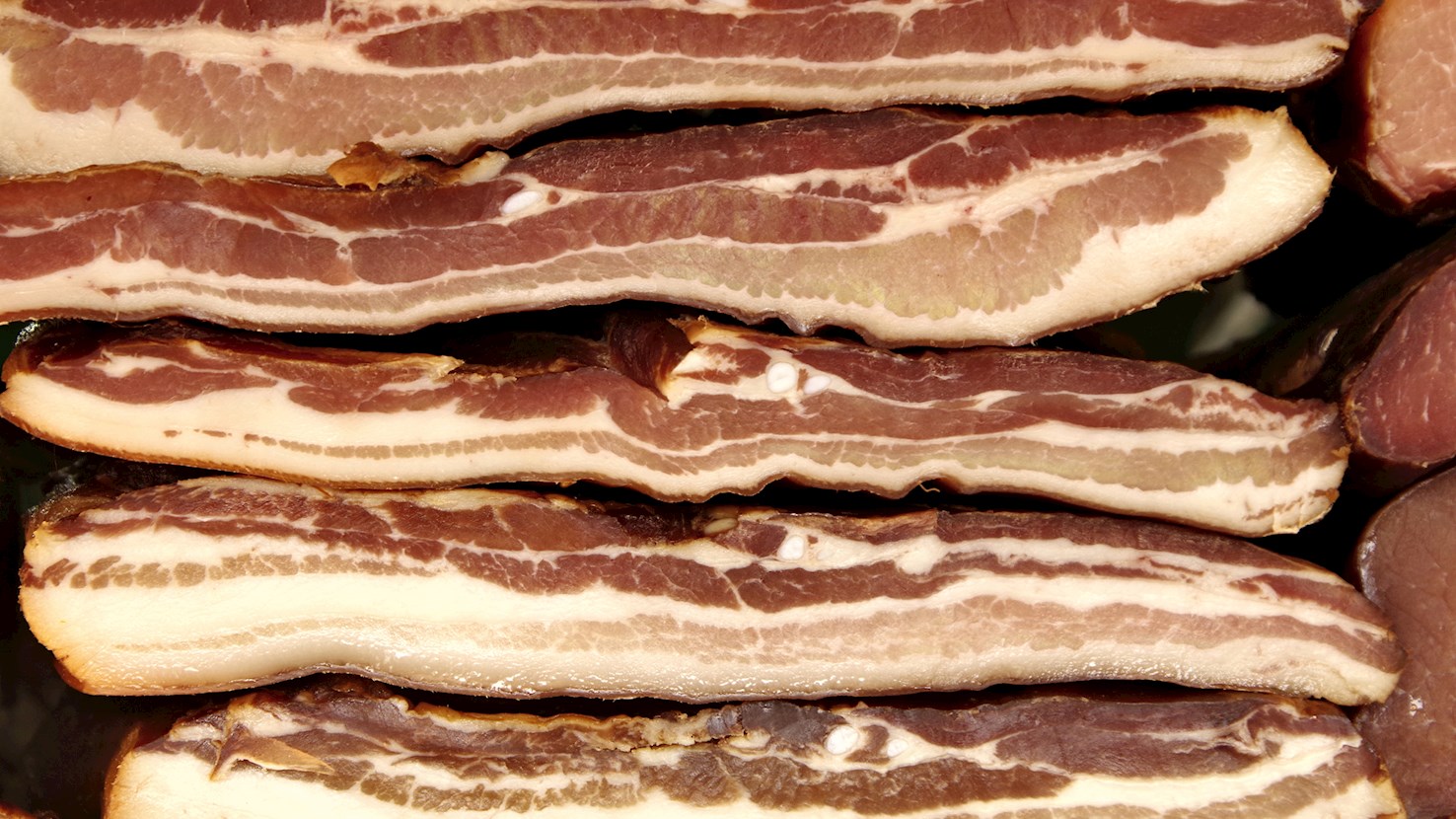
Dalmatinska panceta is a traditional meat product that can only be produced in Lika-Senj, Zadar, Dubrovnik-Neretva, Split-Dalmatia, and Šibenik-Knin counties. This preserved and cured meat product is made from streaky bacon with its skin on and without the rib bones. The streaky bacon from the pig’s chest and belly is cured in brine or salted, cold-smoked, and dried in the Bora wind. Dalmatinska panceta has a texture that’s firm, elastic, and easy to slice. The aroma is typical of preserved cured pork products and slightly smokey, while the flavor is slightly salty. The whole process, from salting to maturing, must take at least 65 days. Once finished, the product is sold whole, in slices or in pieces.

Best Dalmatian food products

01
Wine

Matuško

5 ·
Matuško is a family-owned winery from the village of Potomje on the Pelješac Peninsula, founded in 1997 by Mato Violić - Matuško, one of the key figures in the modern promotion of the Plavac Mali grape and the Dingač appellation. Today, the winery is one of the largest and most visited on Pelješac, featuring an impressive 2,000 m² wine cellar that welcomes over 50,000 visitors annually. The stone-carved tasting room symbolically connects tradition with the raw power of Pelješac’s soil, which lies at the heart of all Matuško wines. The winery’s core focus is on red wines made from the Plavac Mali grape, particularly those from the Dingač protected designation of origin - Croatia’s first officially recognized vineyard micro-location. The Dingač terrain is extremely rocky, rich in minerals, and situated on steep southern slopes that receive more than 2,800 hours of sunshine per year. Under these extreme conditions, Plavac Mali produces wines of high extract, deep color, full body, and pronounced structure. In addition to Dingač, Matuško also produces wines from other Dalmatian appellations, which further enrich its regional identity. Matuško has become synonymous with Plavac Mali in its most powerful form, characterized by bold tannins, ripe fruit aromas, Mediterranean herbs, and deep minerality. Through a modern oenological approach and consistent quality, the winery successfully balances authenticity with broad accessibility, creating wines that are well recognized both in Croatia and internationally.
Awards
Vivino - 4.6
Vivino - 4.4
02
Wine

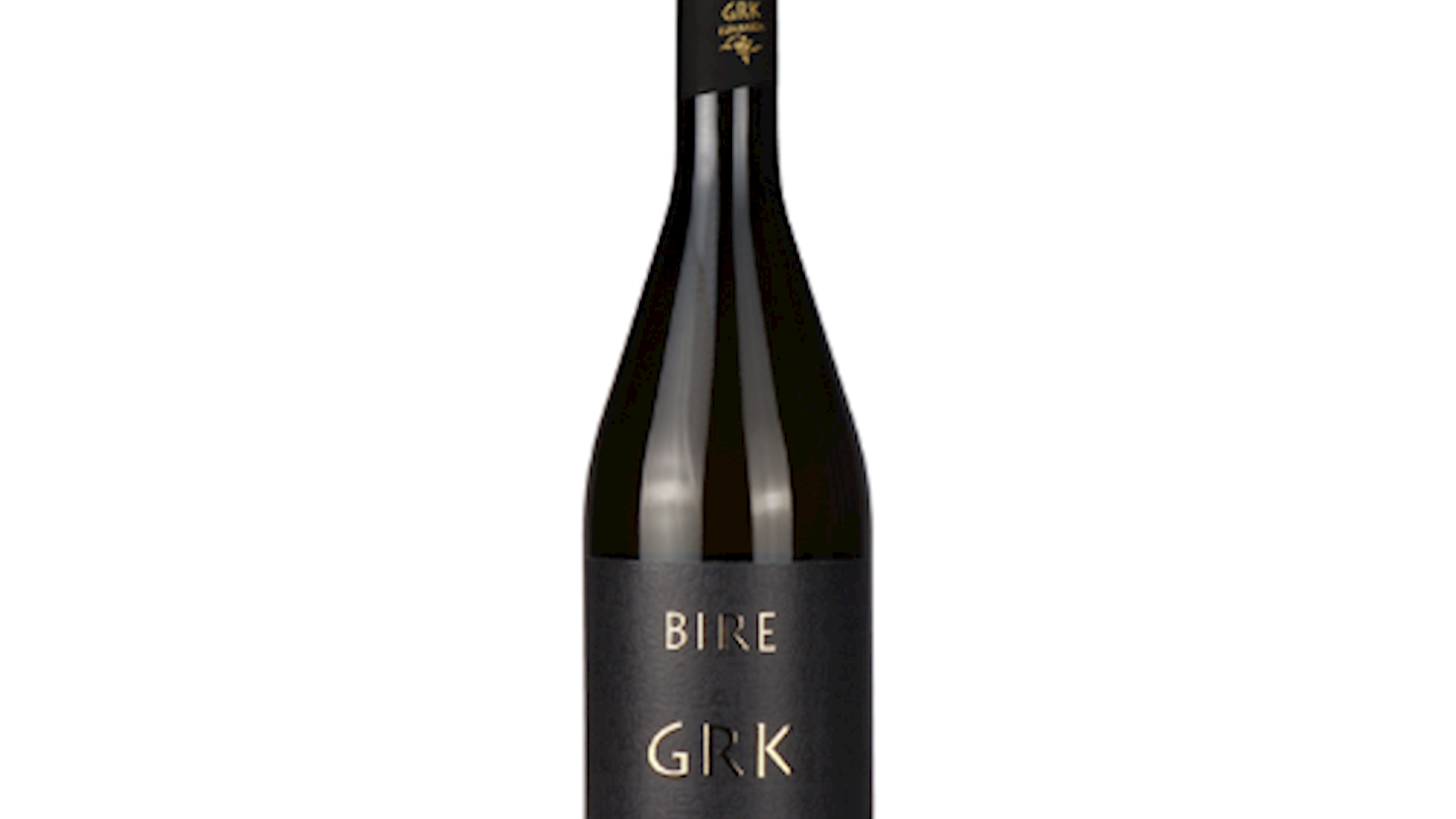
Bire

5 ·
Bire is a family-owned winery located in the village of Lumbarda on the island of Korčula in southern Dalmatia, an area well known for the cultivation of the indigenous Grk grape variety. The winery is run by the Milina-Bire family, who continue a long tradition of viticulture in this part of the island and focus on preserving local grape varieties. The vineyards are situated on the distinctive sandy soils of Lumbarda, close to the sea, which create unique conditions for growing Grk, one of the rarest Croatian grape varieties. This variety forms the core of the winery’s production and represents an important part of the region’s wine identity. In addition to Grk, the winery also produces wines from varieties such as Plavac Mali as well as rosé wines. The grapes come from the family’s own vineyards, allowing careful control of quality and expression of the local terroir. Today, Bire is considered one of the recognizable wine producers from Lumbarda and an important representative of the wine tradition of the island of Korčula.
Awards
Decanter World Wine Awards - Platinum (2021)
Vivino - 4.6
03
Wine

Zure

4.9 ·
Zure is a family-owned winery located in the village of Lumbarda on the island of Korčula in southern Dalmatia, one of the most recognized wine-growing areas of this part of Croatia. The winery is run by the Batistić-Zure family, who began professional wine production in 1996 while continuing a long-standing family tradition of viticulture. The vineyards are situated close to the sea on the characteristic sandy soils of Lumbarda, which are particularly suitable for cultivating the indigenous Grk grape variety, one of the rarest and most distinctive Croatian wine grapes. This variety forms the core of the winery’s production and represents an important part of the local wine identity. In addition to Grk, the winery also produces wines from varieties such as Pošip and Plavac Mali. The grapes are sourced exclusively from the family’s own vineyards, allowing full control over quality and the expression of the local terroir. Today, Zure is considered one of the recognizable producers from the Lumbarda area, known for wines that reflect the Mediterranean character of the island of Korčula.
Awards
Decanter World Wine Awards - Platinum (2021)
Vivino - 4.5
04
Wine

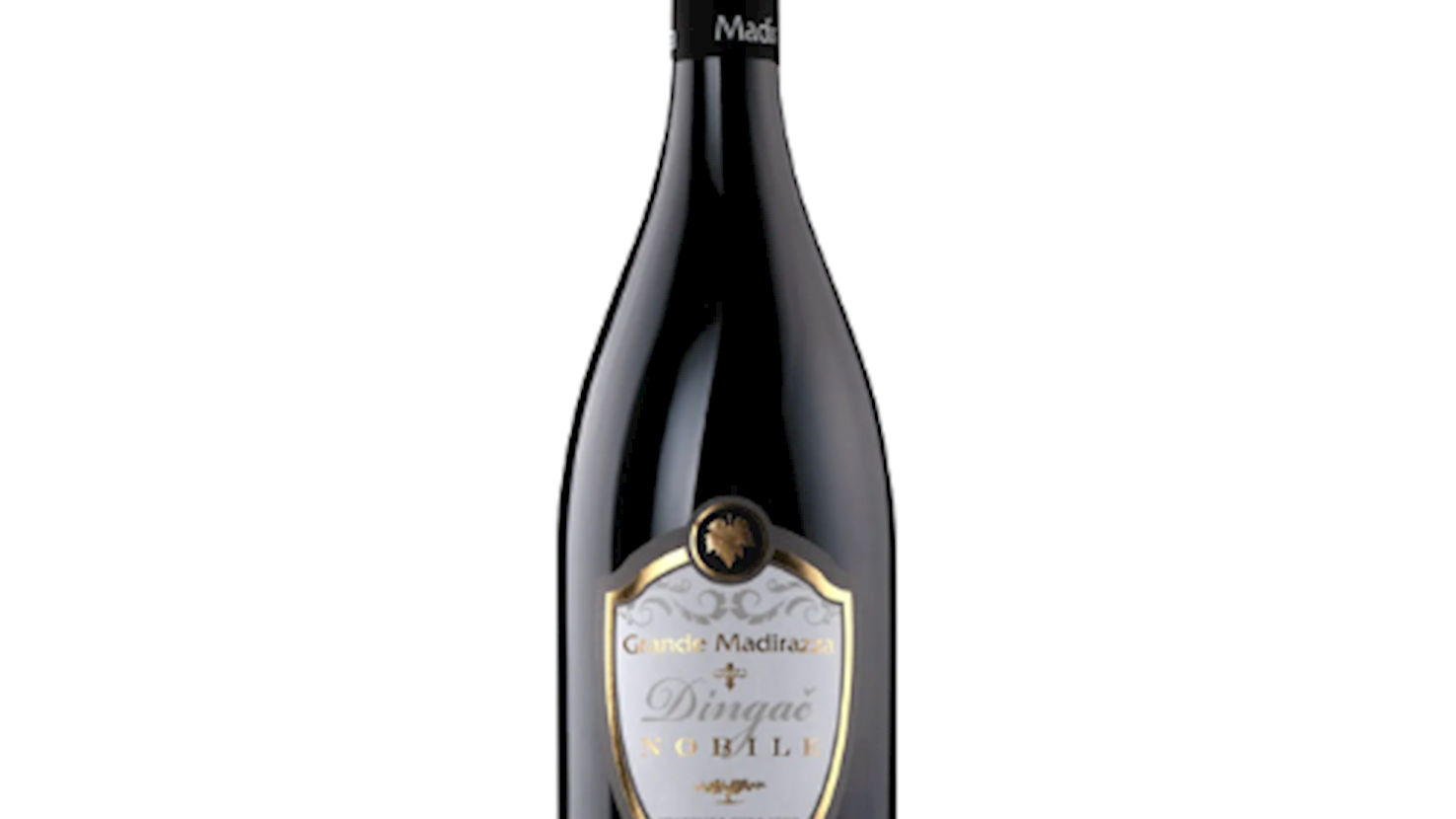
Madirazza

4.9 ·
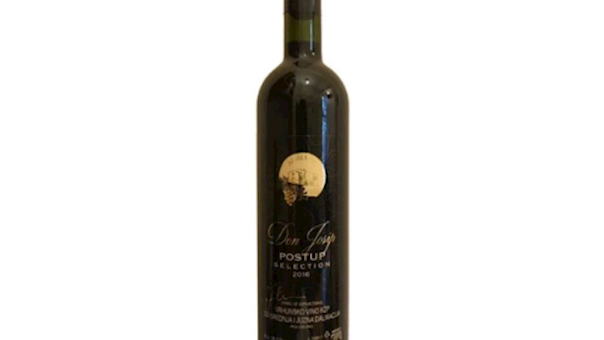
Madirazza is a family-owned winery located in the village of Potomje on the Pelješac Peninsula, renowned for producing red, white, and rosé wines made from indigenous Dalmatian grape varieties such as Plavac Mali, Pošip, Rukatac, and Grk. The winery cultivates over 20 hectares of vineyards, including prestigious plots in the Dingač and Postup appellations, which supply grapes for their most esteemed labels. Founded more than 25 years ago by Ante Madirazza - who began his career in cooperative viticulture - the winery was built on a foundation of deep knowledge and a passion for precise, small-scale production. Today, Madirazza produces approximately 160,000 bottles annually, combining traditional techniques with modern enological practices, including fermentation in stainless steel tanks and aging in oak barrels of various origins. The result is a refined expression of Pelješac’s terroir - where authenticity and craftsmanship meet in every bottle.
Awards
Vivino - 4.5
Vivino - 4.4
05
Spirit

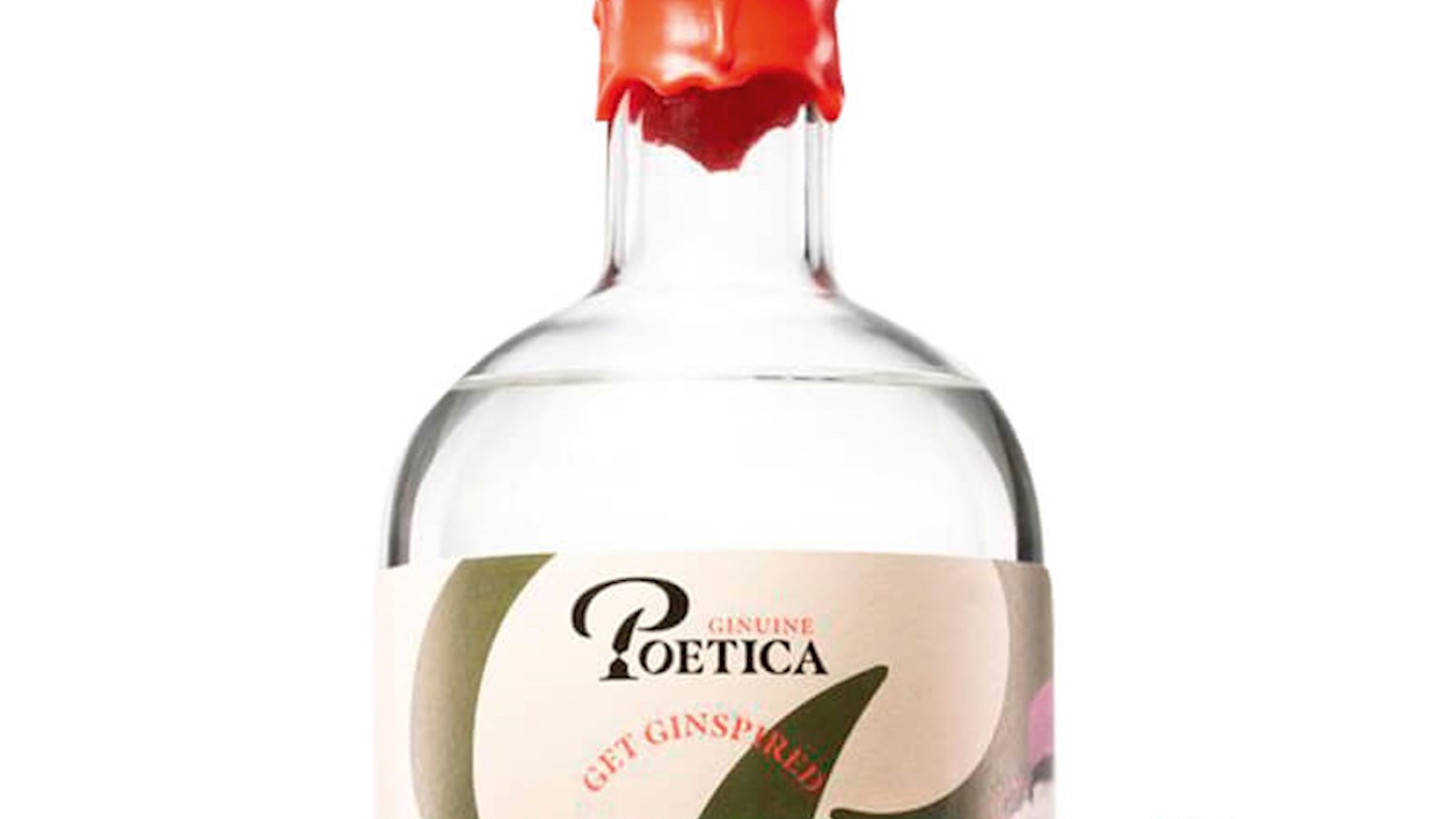
Poetica Distillery

4.8 ·
Awards
IWSC- International wine & spirit competition - Spirit Gold (2024)
06
Chocolate

Opg Matulić

4.8 ·
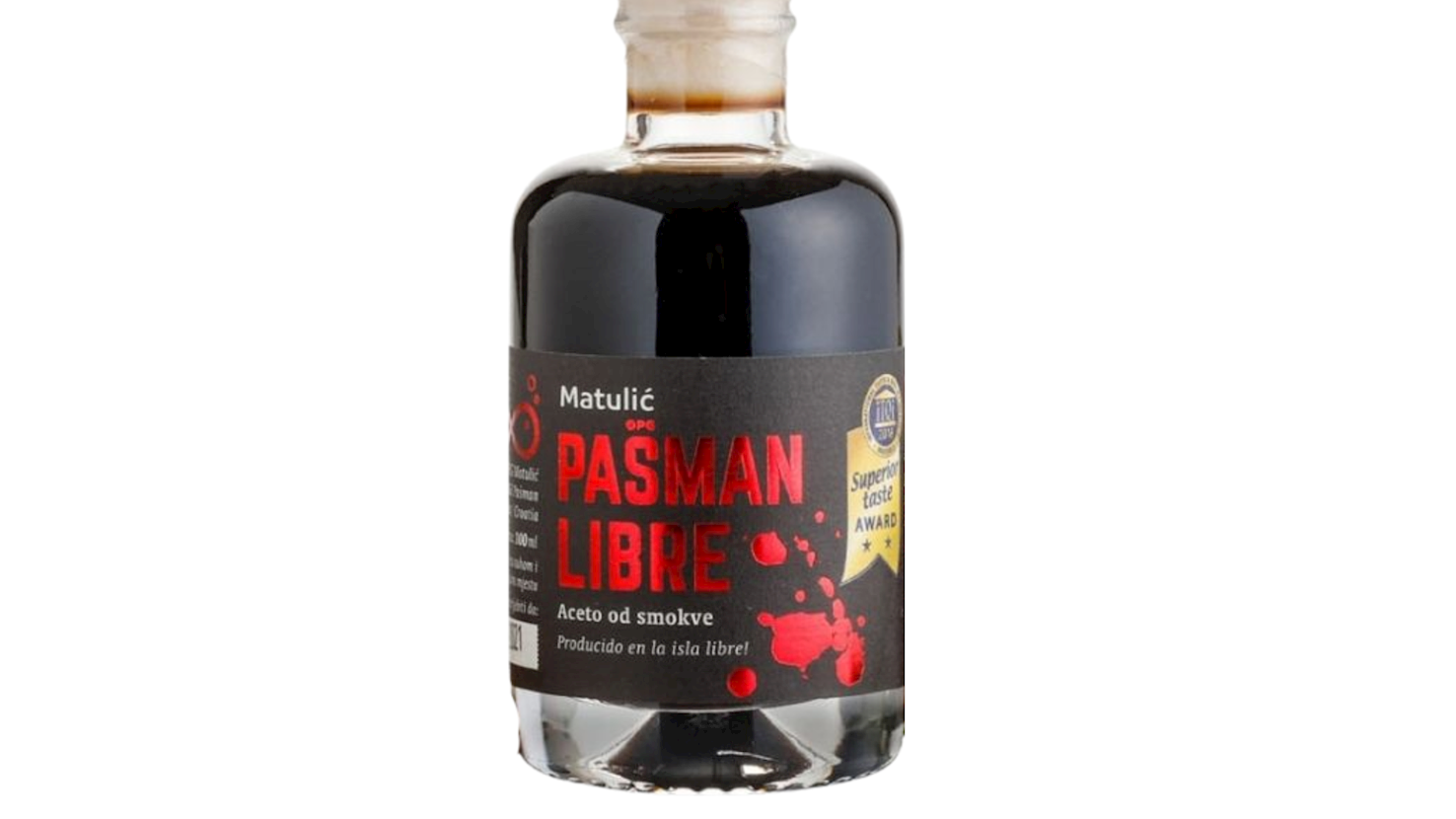
Opg Matulic is a family-owned agriculture business located on the island of Pašman, Croatia, specializing in the production of handmade chocolates and other artisanal products. The business incorporates locally sourced ingredients, highlighting the island's native flavors and traditions in their products.
Awards
Great Taste Awards - 3 Stars (2021)
Academy of Chocolate - Bronze (2023)
07
Wine

Casa Boschi

4.8 ·
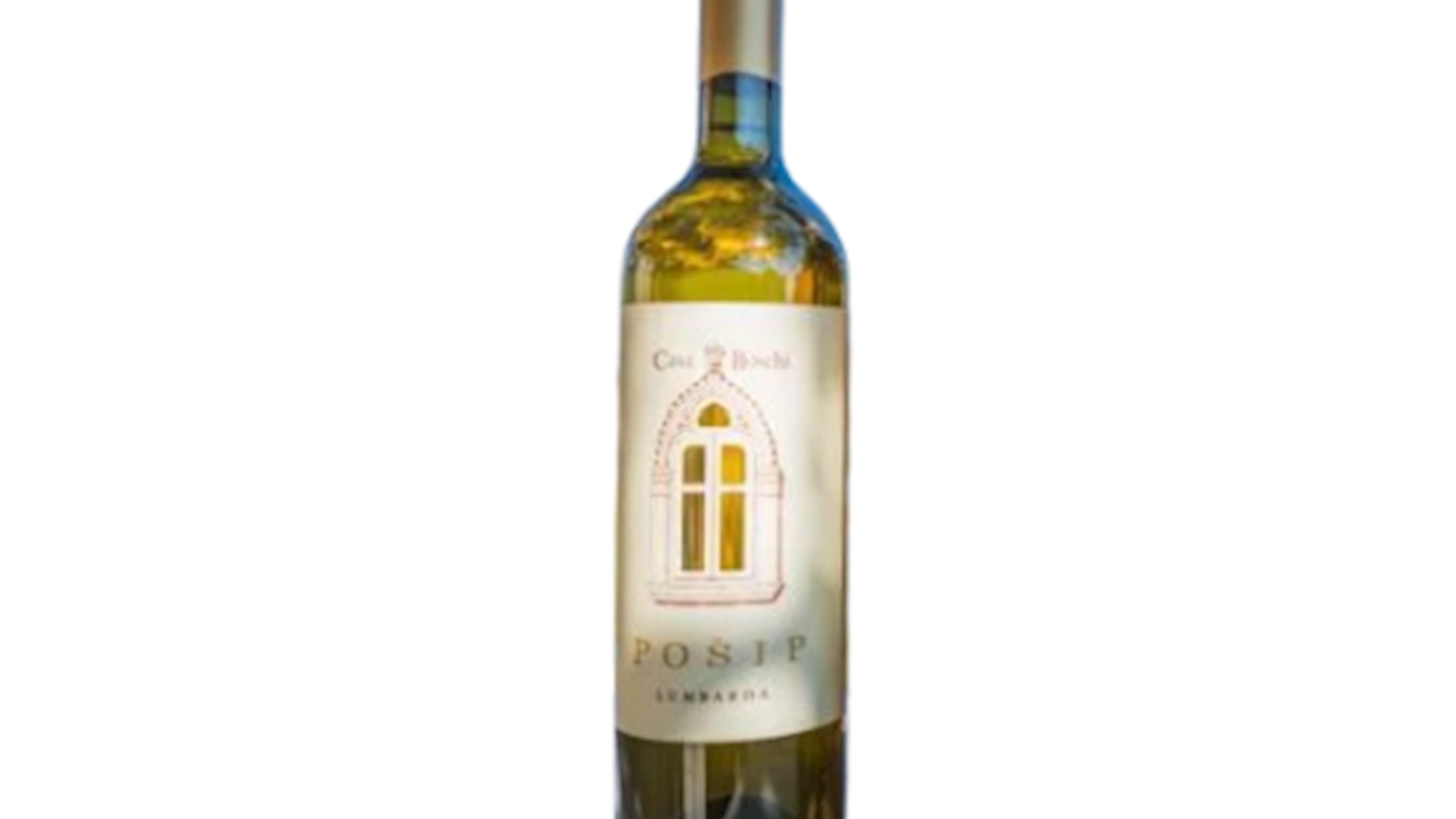
Casa Boschi is a small family-run winery located in the village of Lumbarda on the island of Korčula in southern Dalmatia, an area known for its long tradition of viticulture and distinctive Mediterranean terroir. The winery focuses on producing wines from indigenous Dalmatian grape varieties typical of the island, with particular emphasis on Grk and Pošip, as well as other local varieties such as Rukatac (Maraština) and Plavac Mali. The vineyards are situated close to the sea on sandy and rocky soils, conditions that contribute to the freshness and mineral character of the wines. Production is relatively small and aimed at preserving the authentic expression of the grape varieties and the local wine style. Traditional winemaking practices are combined with modern enological techniques to highlight the natural qualities of the fruit. The white wines are generally characterized by aromas of citrus, stone fruit, and Mediterranean herbs, often accompanied by a subtle saline note typical of coastal vineyards. Red wines, usually made from Plavac Mali, tend to show a fuller structure with notes of ripe fruit and spice. Casa Boschi is part of the contemporary wine scene of Korčula, where small wineries play an important role in maintaining local grape varieties and regional wine heritage. In addition to wine production, the winery also participates in the island’s wine tourism offer, welcoming visitors for tastings and presenting the wines of this Dalmatian region.
Awards
Vivino - 4.3
Vivino - 4.2
08
Wine

Marijan

4.8 ·

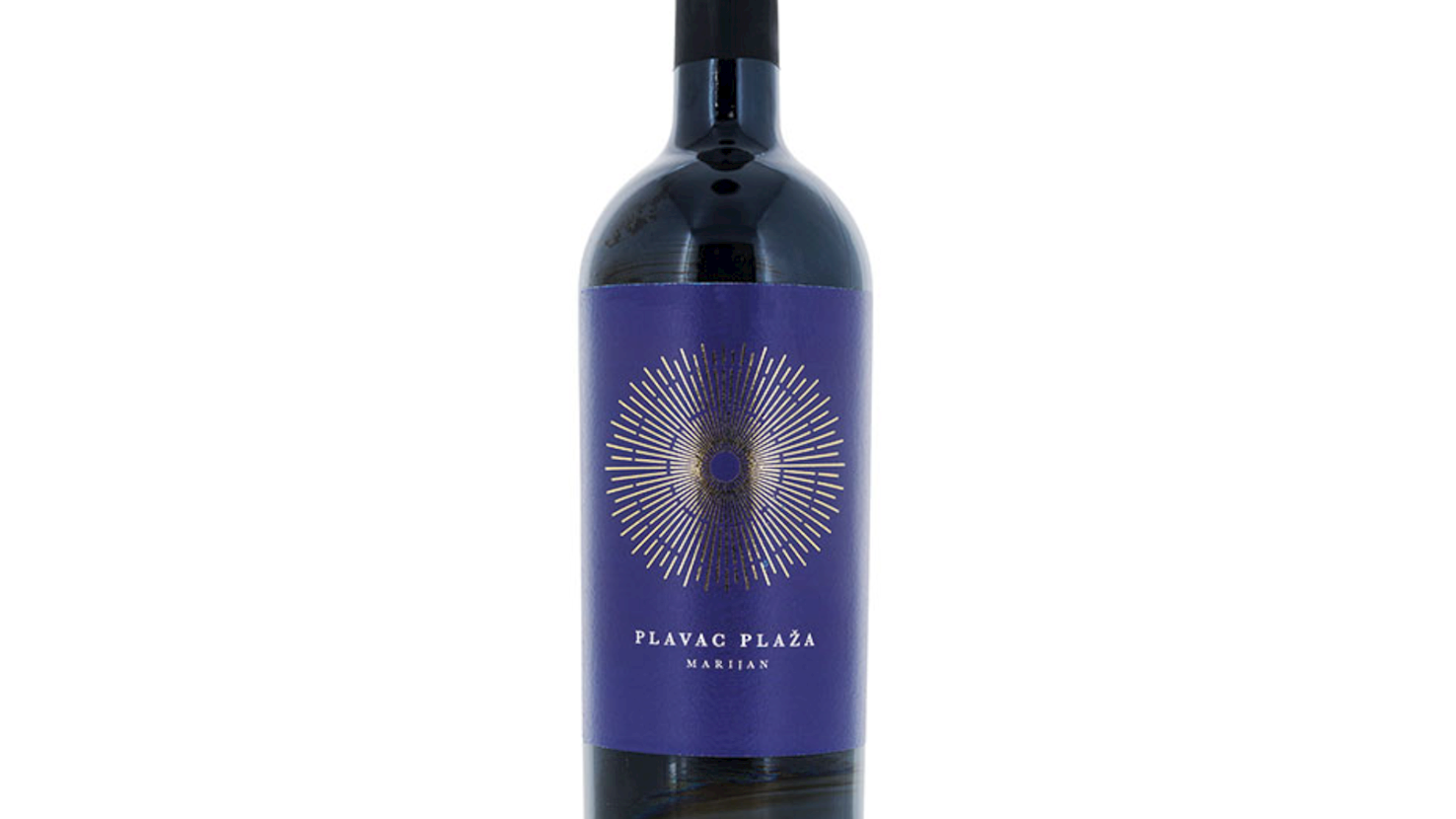
Marijan Winery is a family-owned winery located in the village of Pitve on the island of Hvar, one of Croatia’s most important wine-growing regions. It was founded by winemaker Tonči Marijan, who began his independent winemaking journey in 2008 with the goal of showcasing the unique character of Hvar’s terroir through indigenous Dalmatian grape varieties. The vineyards are situated on rocky sites strongly influenced by the Mediterranean climate, with abundant sunshine and the moderating effects of the Adriatic Sea, allowing the grapes to achieve full ripeness while retaining freshness. The winery is best known for its wines made from the Plavac Mali variety, particularly the Vron Bod label, which has gained international recognition. In addition to Plavac Mali, Marijan produces wines from native varieties such as Bogdanuša, Pošip, and Grk, contributing to the preservation of Dalmatia’s rich winemaking heritage. The winery’s philosophy is based on small-batch production, meticulous vineyard work, and minimal intervention in the cellar, allowing each wine to express its origin as authentically as possible. Today, Marijan is regarded as one of Hvar’s leading boutique wineries and an important representative of modern Dalmatian winemaking.

Awards
Vivino - 4.3
09
Wine

Saint Hills

4.8 ·
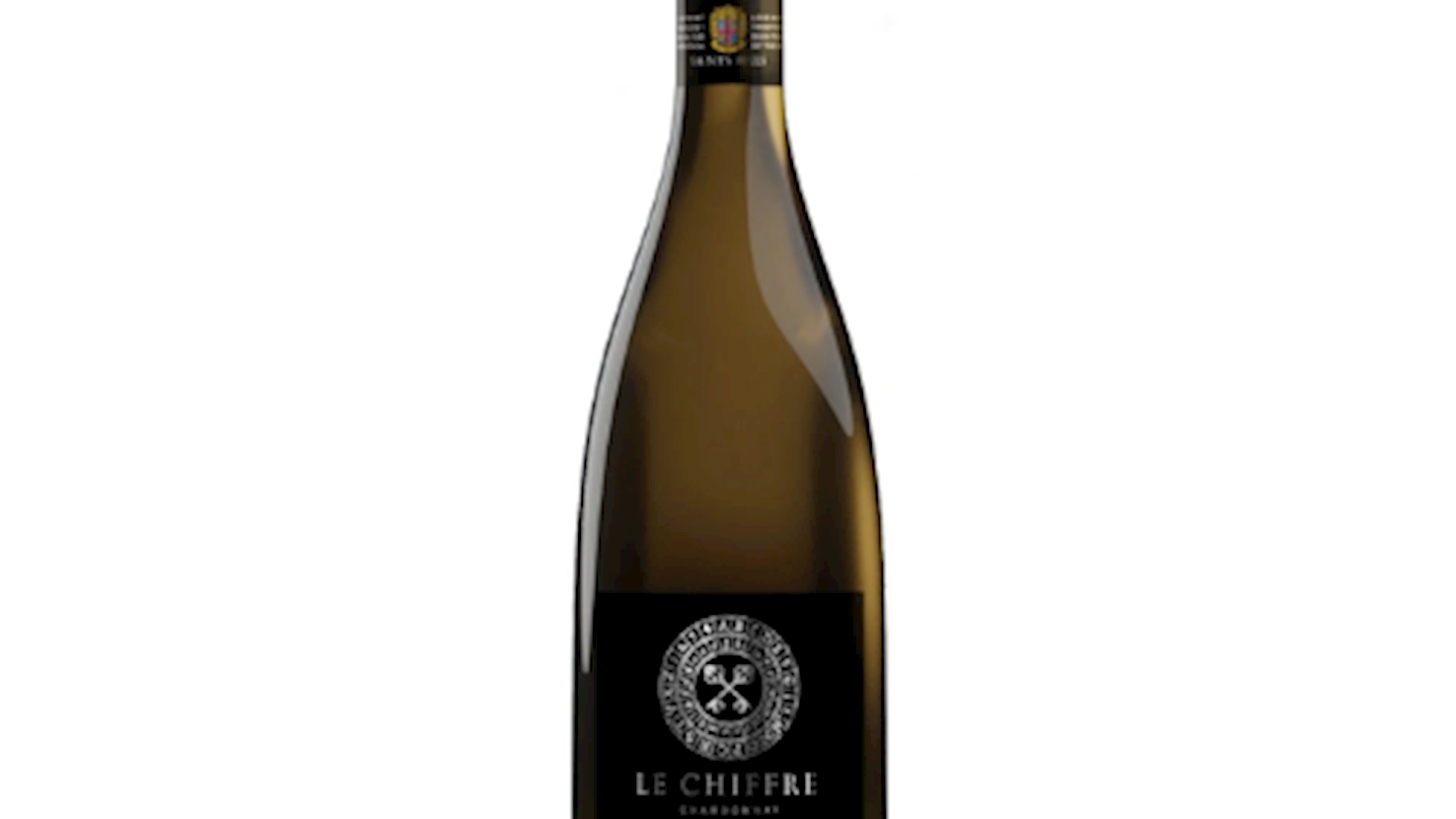
Saints Hills Winery is a family-run boutique project that combines authentic Croatian grape varieties, exceptional terroir, and minimalist aesthetics, with a deep respect for nature and winemaking tradition. Founded by Geoff Ernest Tolj and Ivana Tolj, the winery is guided by a clear vision: to create wines that faithfully express the character of indigenous varieties such as Plavac Mali, Malvasia Istriana and Pošip. The vineyards are named after saints and family members. Sv. Lucija produces powerful red wines rich in aromas of cherry, tobacco, smoke, and Mediterranean herbs. Sv. Roko offers well-balanced wines with pronounced fruitiness and freshness, partially aged in concrete and barrique barrels. Sv. Ante yields complex white wines with citrus-mineral character and notes of white flowers and honey, matured in a combination of concrete and wood vessels. Visitors can enjoy two authentic wine experiences: Vinaria on the Pelješac Peninsula - a restored stone house transformed into a welcoming tasting room, wine shop, and guest reception area; and Cantina in Istria - a winery, restaurant, and accommodation complex located in the heart of the Sv. Ante vineyard. With over 15 years on the market, Saints Hills Winery remains dedicated to the philosophy of the slow wine movement, crafting wines that reflect local identity, tradition, and the spirit of Mediterranean life. Each bottle from their cellar tells a story of the land, the microclimate, and the passion behind the winemaking.
Awards
Vivino - 4.4
Vivino - 4.3
10
Wine

Saints Hills

4.8 ·
Saints Hills is a Croatian boutique winery founded by Ernest Tolj with the idea of presenting the potential of different Croatian wine regions through a modern approach to winemaking. The winery works with vineyards in several locations, primarily on the Pelješac Peninsula in the Dingač appellation, in the Komarna region of southern Dalmatia, and in Radovani in Istria. This approach allows the production of wines that reflect the character of different terroirs as well as the diversity of indigenous and international grape varieties. Particular attention is given to the Plavac Mali variety, the most important red grape of Dalmatia, while white wines are also produced from varieties such as Pošip and Malvazija Istarska. The vineyards on Pelješac are located on steep, sun-exposed slopes above the sea, where most vineyard work must be done by hand due to the demanding terrain. In the cellar, traditional viticultural practices are combined with modern winemaking techniques in order to preserve the character of the grapes and the terroir. Today, Saints Hills is considered one of the recognizable contemporary Croatian wineries, known for wines that highlight regional identity and the distinct style of different vineyard areas.
Awards
Vivino - 4.4
Vivino - 4.3
Read more
View all
View map
About this ranking

TasteAtlas food rankings are based on the ratings of the TasteAtlas audience, with a series of mechanisms that recognize real users and that ignore bot, nationalist or local patriotic ratings, and give additional value to the ratings of users that the system recognizes as knowledgeable. For the “Top 99 Dalmatian Foods” list until June 24, 2026, 2,393 ratings were recorded, of which 1,467 were recognized by the system as legitimate. TasteAtlas Rankings should not be seen as the final global conclusion about food. Their purpose is to promote excellent local foods, instill pride in traditional dishes, and arouse curiosity about dishes you haven’t tried.

The initial list of top producers was compiled based on available reviews, awards, local recommendations, media and blog coverage, and consumer reviews. The list will be updated with ratings from TasteAtlas local ambassadors and TasteAtlas users.

Similar lists