M.B

Top 39 Northern Vietnamese Foods

Last updated on September 23, 2026

Best Northern Vietnamese Foods
01
Noodle Soup

Phở bò tái chín (Northern Vietnamese Beef Pho)

4.3 ·

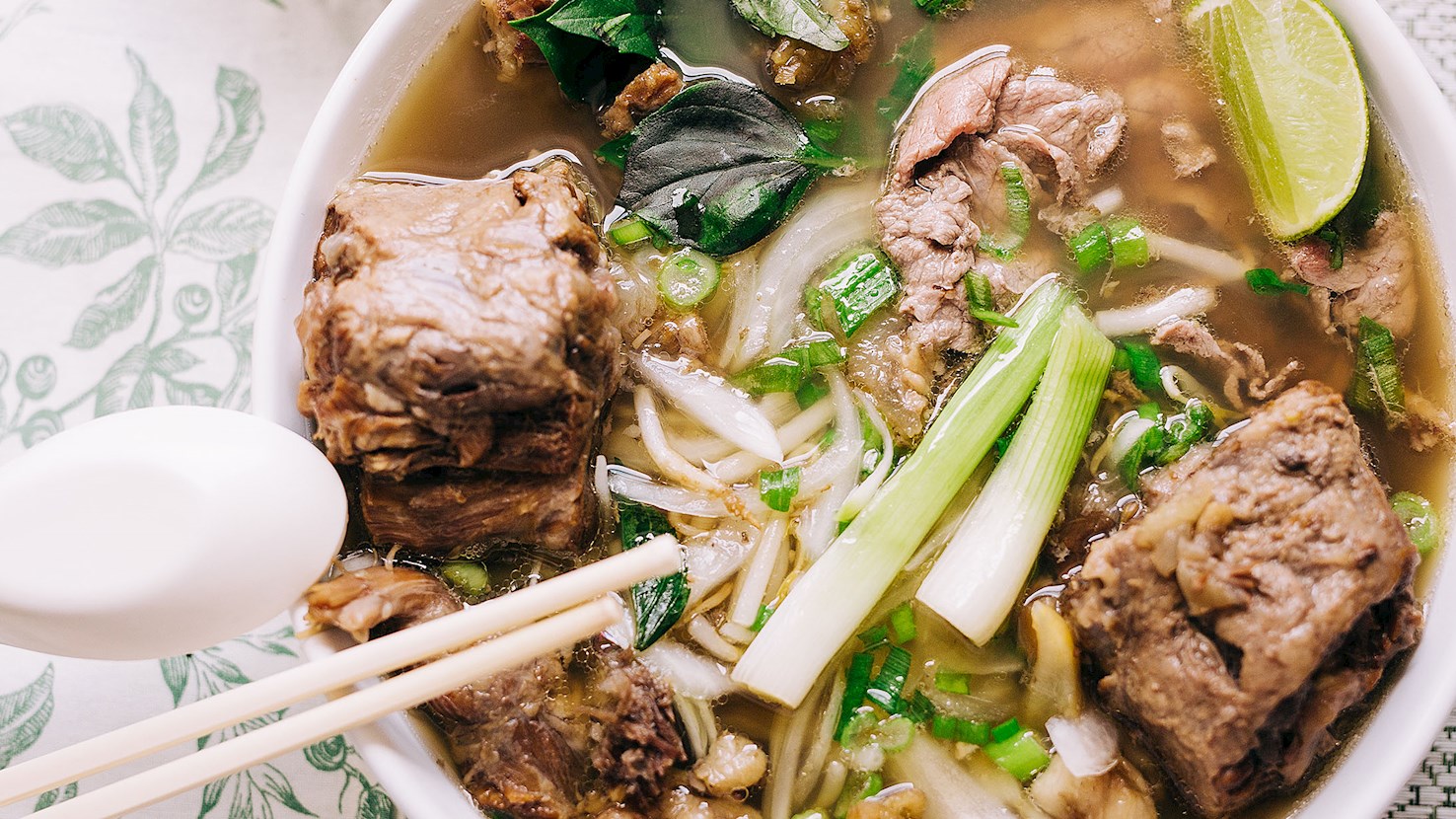
Phở bò tái chín is a Northern Vietnamese version of phở bò (beef pho). This soup is prepared with well-done (chín) and rare or half-done beef (tái) that's cooked by the broth when served. Other common components of the soup include beef broth, bones, ginger, onions, fish sauce, sugar, anise, cloves, cinnamon, and rice noodles. A few slices of roast beef and raw beef are served in each bowl before the broth is ladled into the bowls. Phở bò tái chín is usually garnished with Thai chili peppers, bean sprouts, cilantro, and Asian basil, while lime wedges are often served on the side.

02
Pork Dish

Bún chả (Grilled Pork Meatballs with Vermicelli Noodles)

4.3 ·

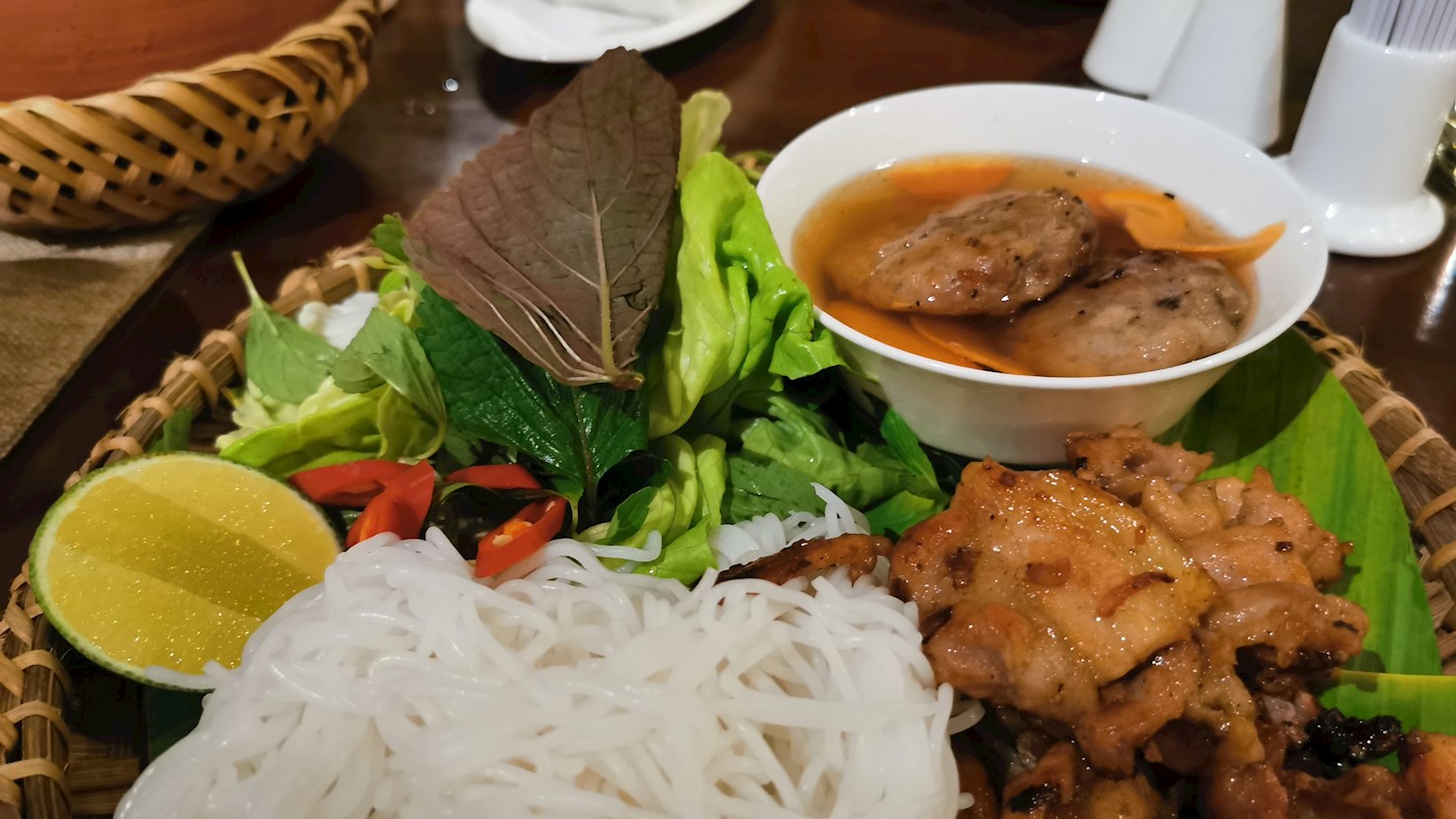
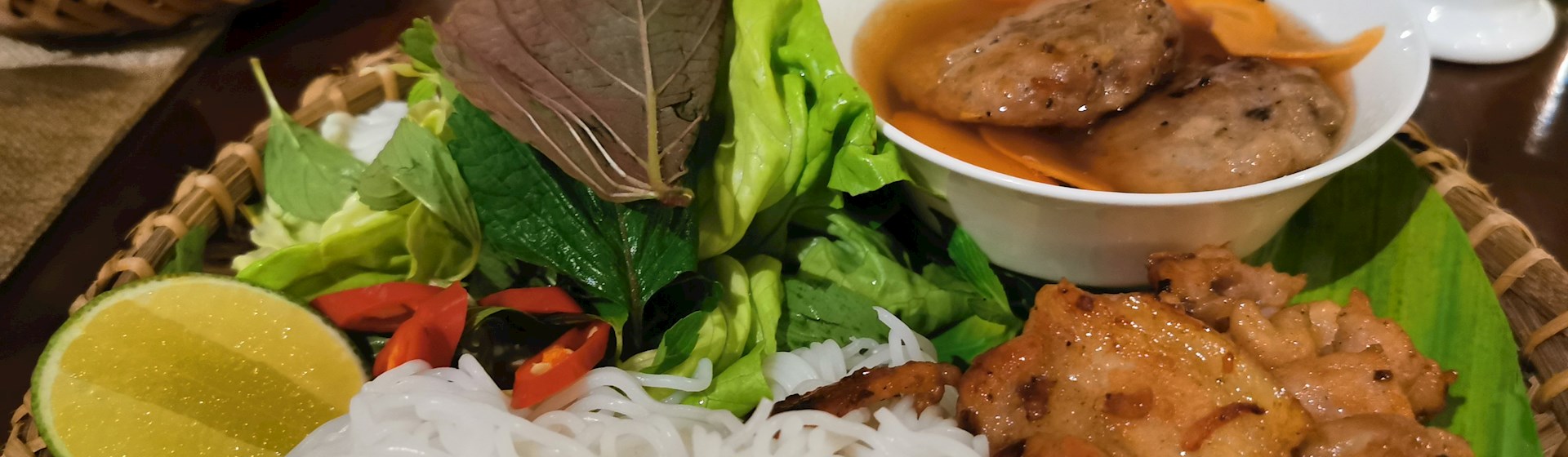
Bún chả is a pork and noodle dish that is intricately connected to Hanoi, where it is believed to have originated. The dish combines three elements: a bowl of grilled pork meatballs served in a cold broth, a plate of rice noodles, and a combination of various fresh greens such as perilla leaves, lettuce, coriander, and morning glory. Although bún chả or similar varieties can be found in other parts of Vietnam, the local Hanoi version is held in high regard. Not much is known about its history or origin, but the dish became internationally recognized in 2016 when it was featured on the show Parts Unknown – in which the host Anthony Bourdain enjoyed bún chả together with the former president Barack Obama.

03
Rice Dish

Cơm chiên (Vietnamese Fried Rice)

4.0 ·

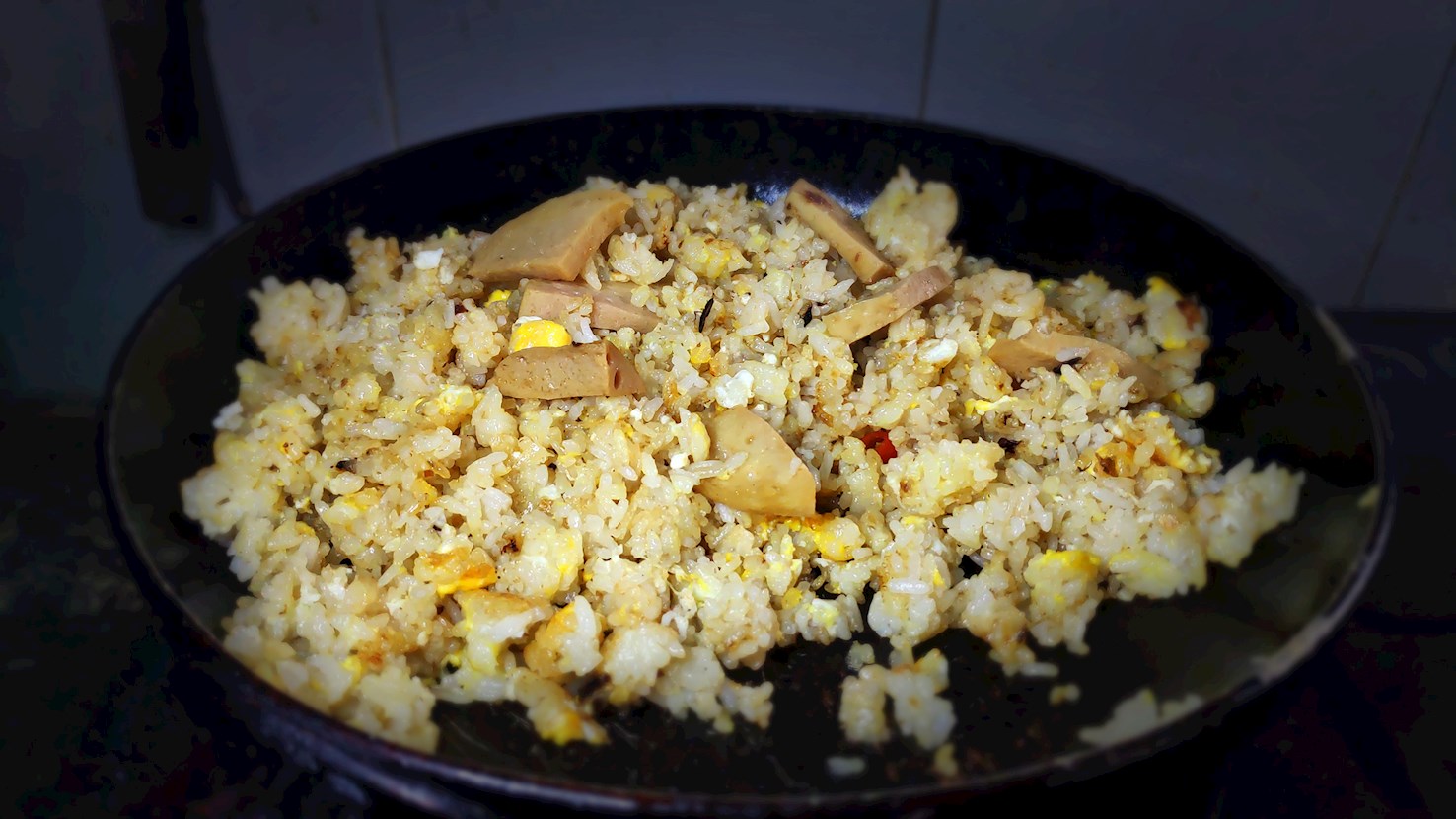
Cơm chiên is the Vietnamese take on fried rice. The dish is very versatile because almost anything can be added to the rice to enrich it, but it's usually prepared with white rice, garlic, salt, and pepper. The rice is cooked and it's then stir-fried in hot oil. Cơm chiên is served while still hot, and it can be enriched with various vegetables, eggs, or sausage meat. Soy sauce or fish sauce can be used as a seasoning, while chopped spring onions provide extra texture and a nice visual contrast to the rice.

04
Noodle Dish

Bún đậu mắm tôm (Rice Vermicelli Noodles with Fried Tofu and Shrimp Paste)

3.9 ·

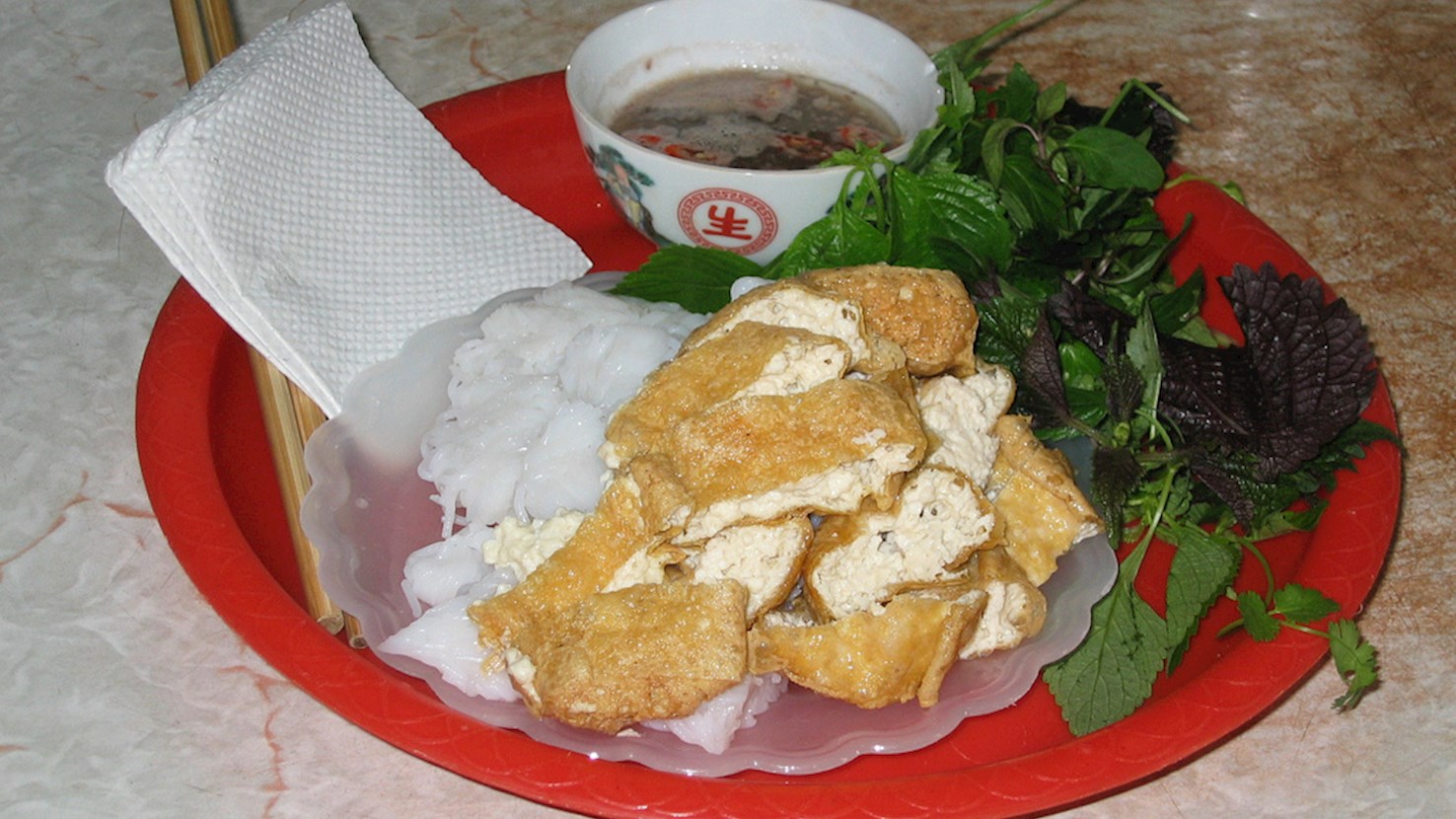
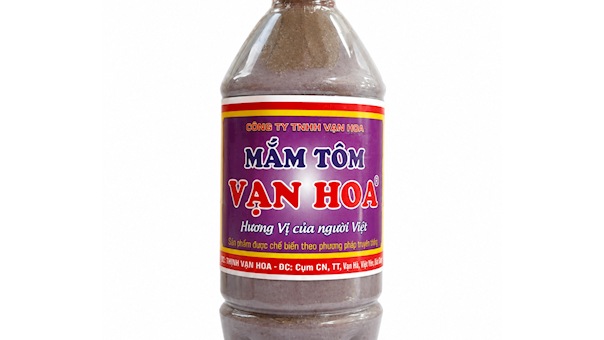
This traditional Vietnamese dish consists of rice vermicelli noodles, fried tofu, and fermented shrimp paste. All the elements are served separately, along with a heap of fresh green herbs. The dish is occasionally accompanied by slices of boiled pork, and before serving the shrimp paste is traditionally drizzled with few drops of lemon or kumquat juice. Bún đậu mắm tôm is mainly associated with Northern Vietnam, and it is especially popular in Hanoi. Although it is served in restaurants, this unique combination is best known as a street food item that is sold by numerous street vendors.

05
Street Food

Bánh cuốn (Steamed Rice Rolls Stuffed with Pork and Mushrooms)

3.8 ·

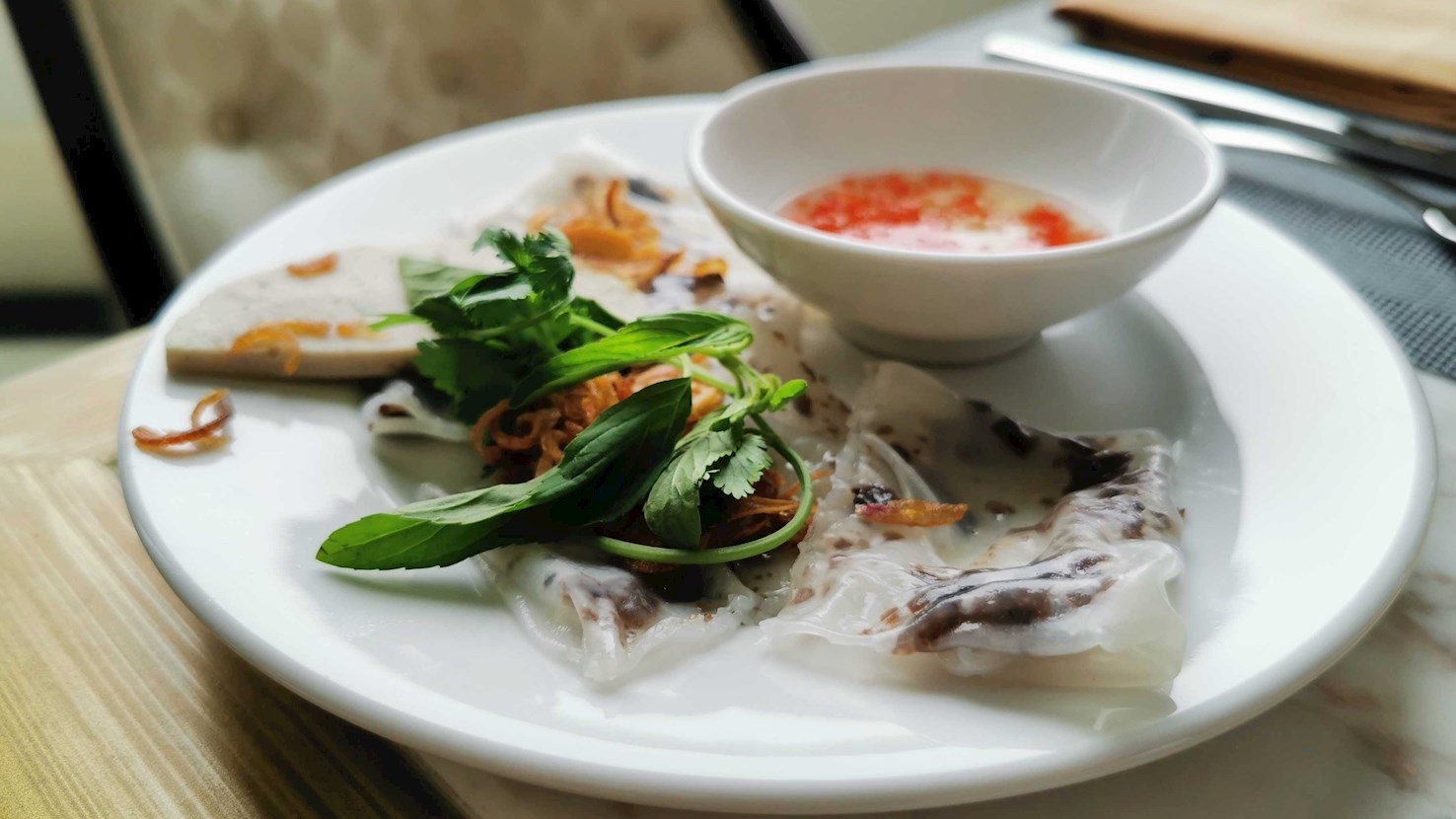
Bánh cuốn is a popular Vietnamese street food item consisting of steamed rice rolls stuffed with pork (banh cuon nhan thit), mushrooms (banh cuon than tri), or both (banh cuon Ha Noi). The dish is usually served with a fried shallot dip, sweet and sour fish sauce (nuoc mam chua ngot), a variety of fresh herbs, and lime-based sauce on the side. It takes a special kind of skill to prepare these steamed rolls which should always be extremely thin and translucent. Bánh cuốn is usually consumed for breakfast in Vietnam, while a similar version of the dish is also present in Thai cuisine, where it is known as khao phan.

06
Dessert

Bánh đậu xanh (Mung Bean Cake)

3.7 ·

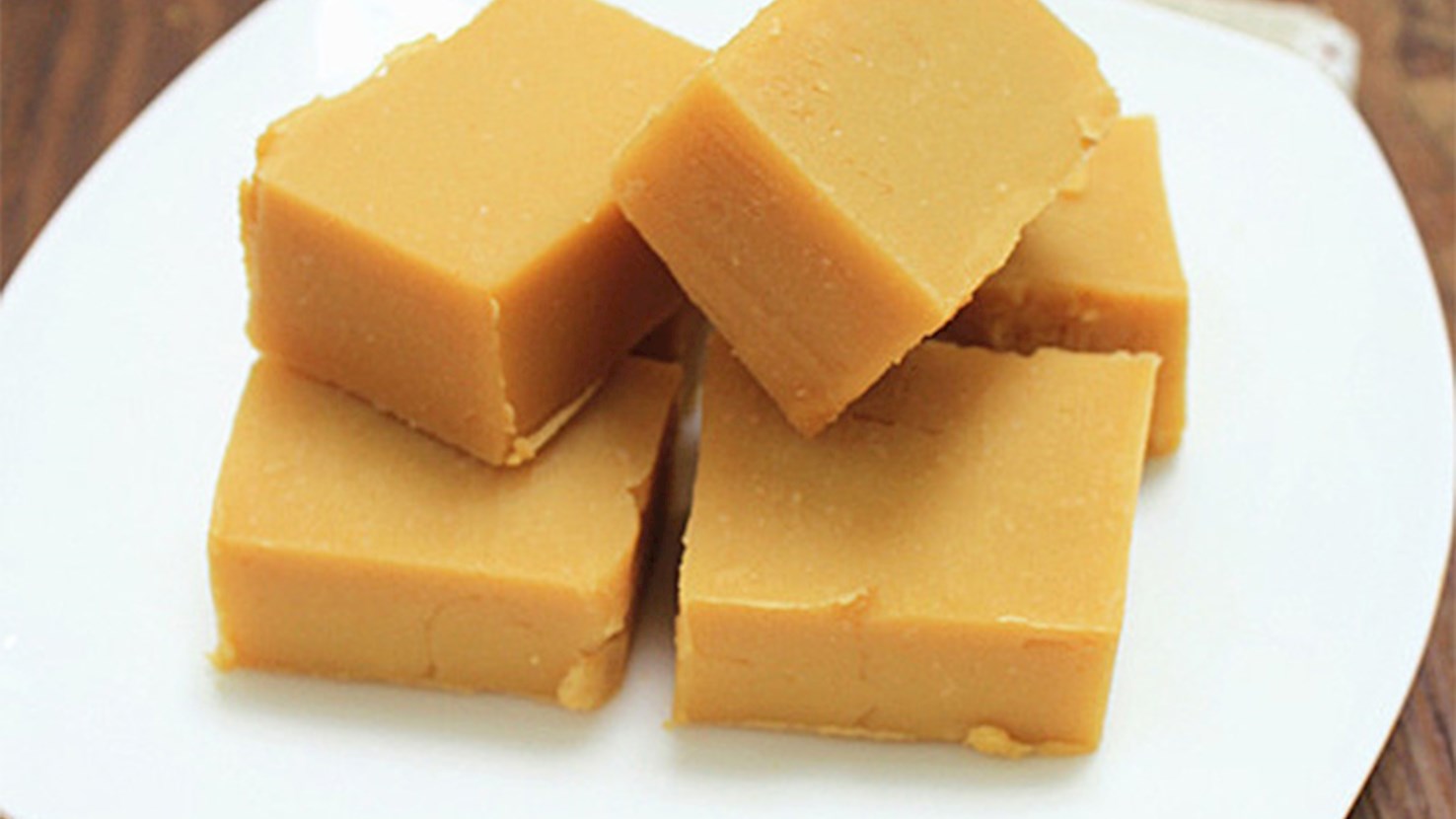
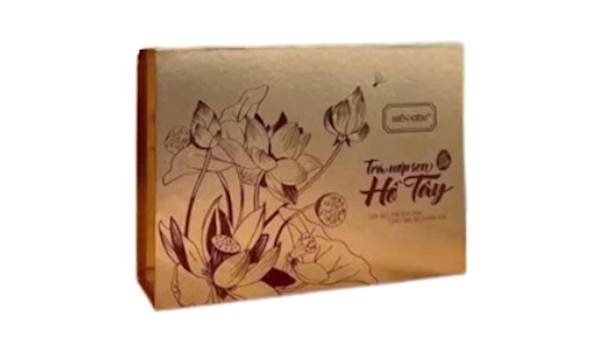
This traditional Vietnamese dessert originated in Hải Dương. It combines mung beans, vegetable oil or pork fat, sugar, and flavorings to create a cake with a fudge-like consistency and a smooth texture. It is believed that the cake first appeared in the 1920s, and since then, this simple combination has earned a status of a favorite local sweet and has become well-known in the entire country. Traditionally, pieces of bánh đậu xanh are accompanied by a cup of green or lotus tea.

07
Salad

Nộm

3.7 ·

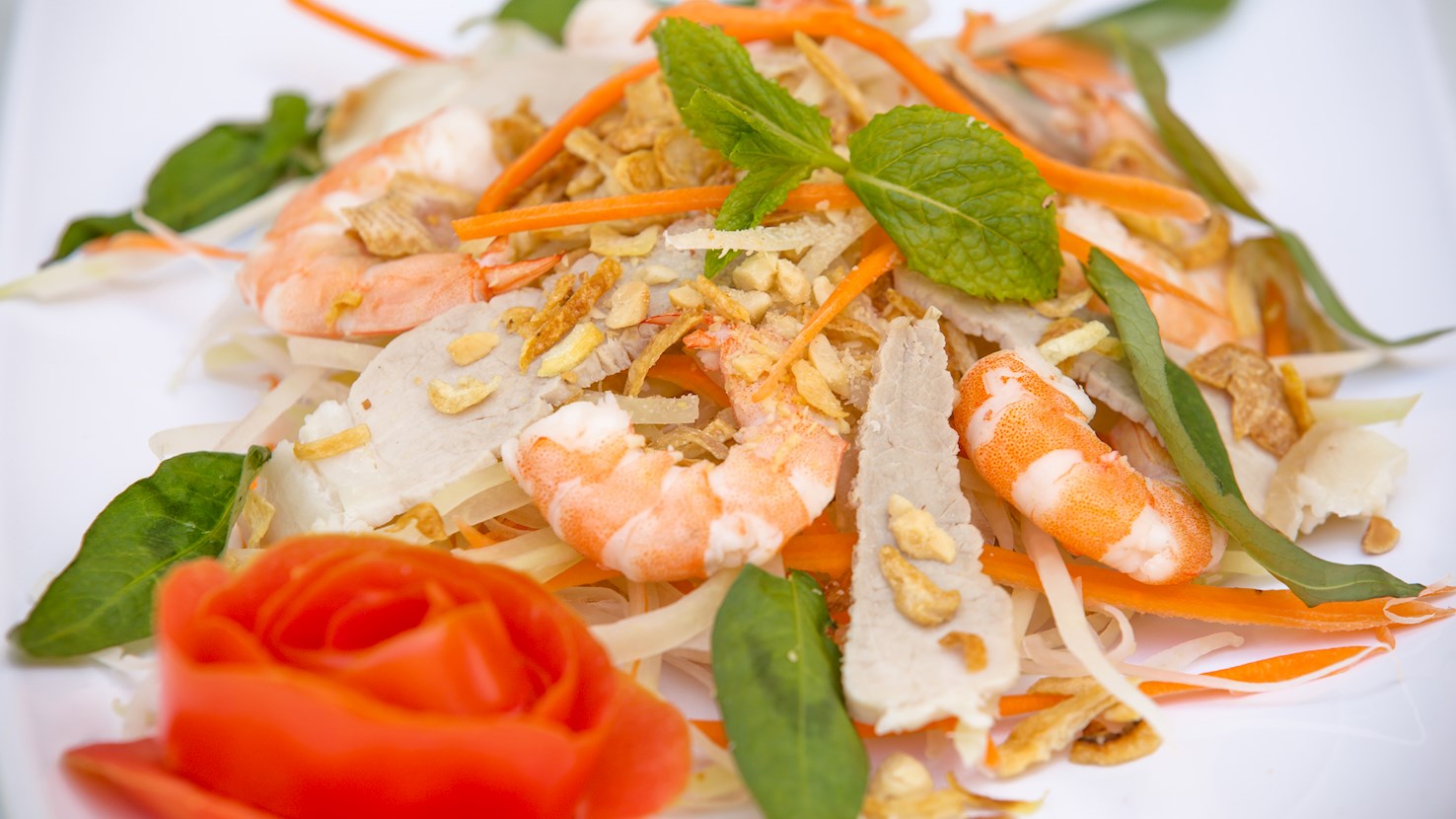
Nộm is a traditional salad. It's made with a combination of fresh, grated vegetables such as cabbage and turnip, along with papaya, green mango, banana flowers, cucumber slices, and sometimes even shredded boiled pork. Other common ingredients include hot chili peppers, roasted ground nuts, and grated carrots to make the salad more visually attractive and colorful. Nộm is the name in the North, while in Southern Vietnam, the salad is known as gỏi. The salads are usually dressed with nước chấm, and they're often served with prawn crackers on the side.

08
Noodle Soup

Bánh đa cua (Red Noodle Soup with Crab)

3.7 ·

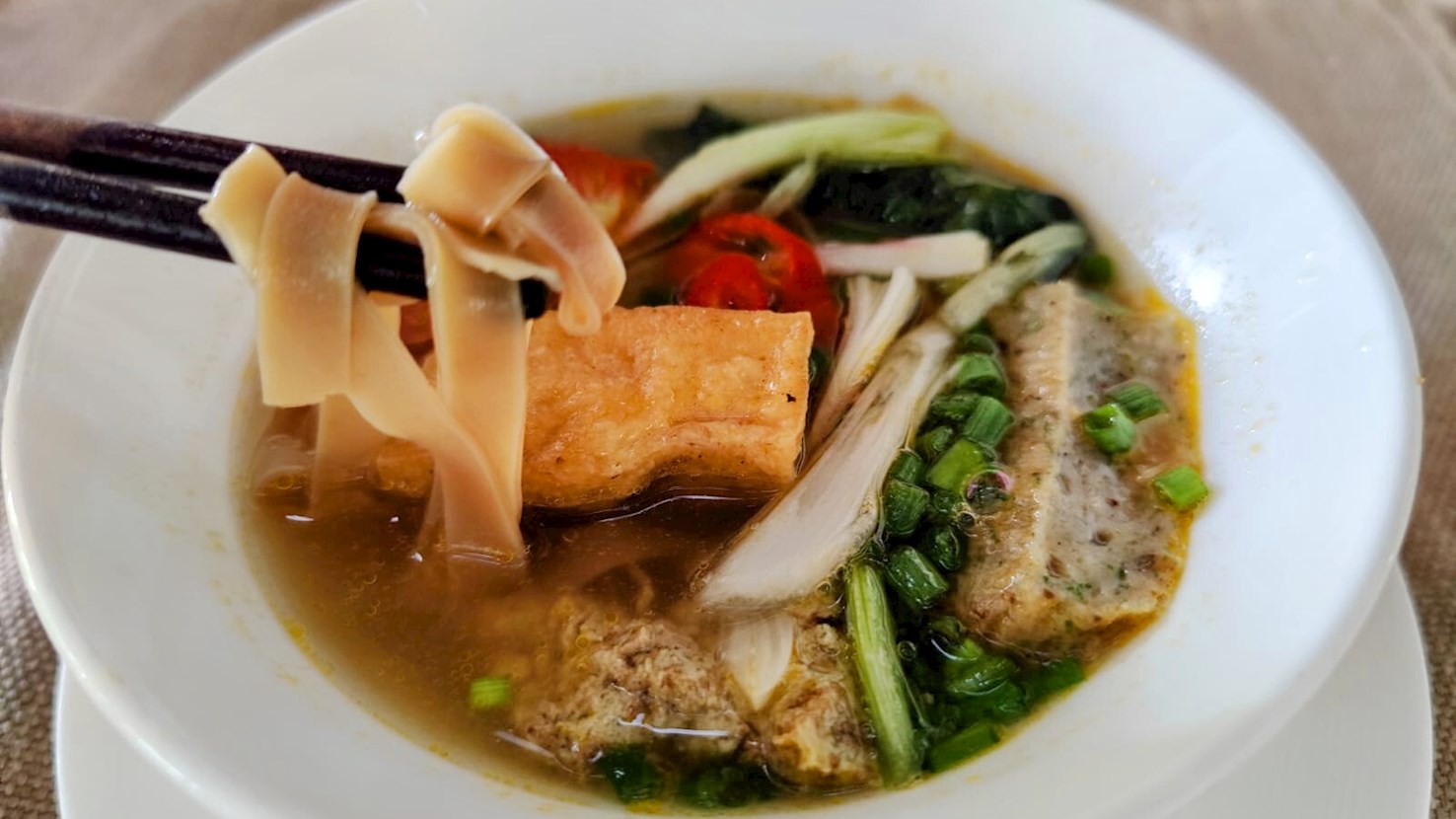
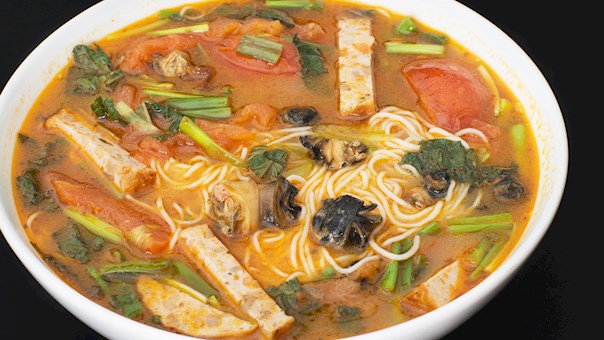
This colorful noodle soup is a local specialty hailing from Hai Phong. It consists of pork-based broth that is topped with a variety of ingredients such as crab meat, fresh herbs, pork balls, chả lụa sausage, or ground meat wrapped with betel leaves (bò lá lốt). The ingredients may vary, but each bowl needs to have a serving of locally made noodles (bánh đa) that are characterized by their light red hue. Lime wedges, lettuce, perilla leaves, or sliced chili peppers are usually served on the side.

09
Rice Dish

Cơm lam (Bamboo Cooked Sticky Rice)

3.7 ·

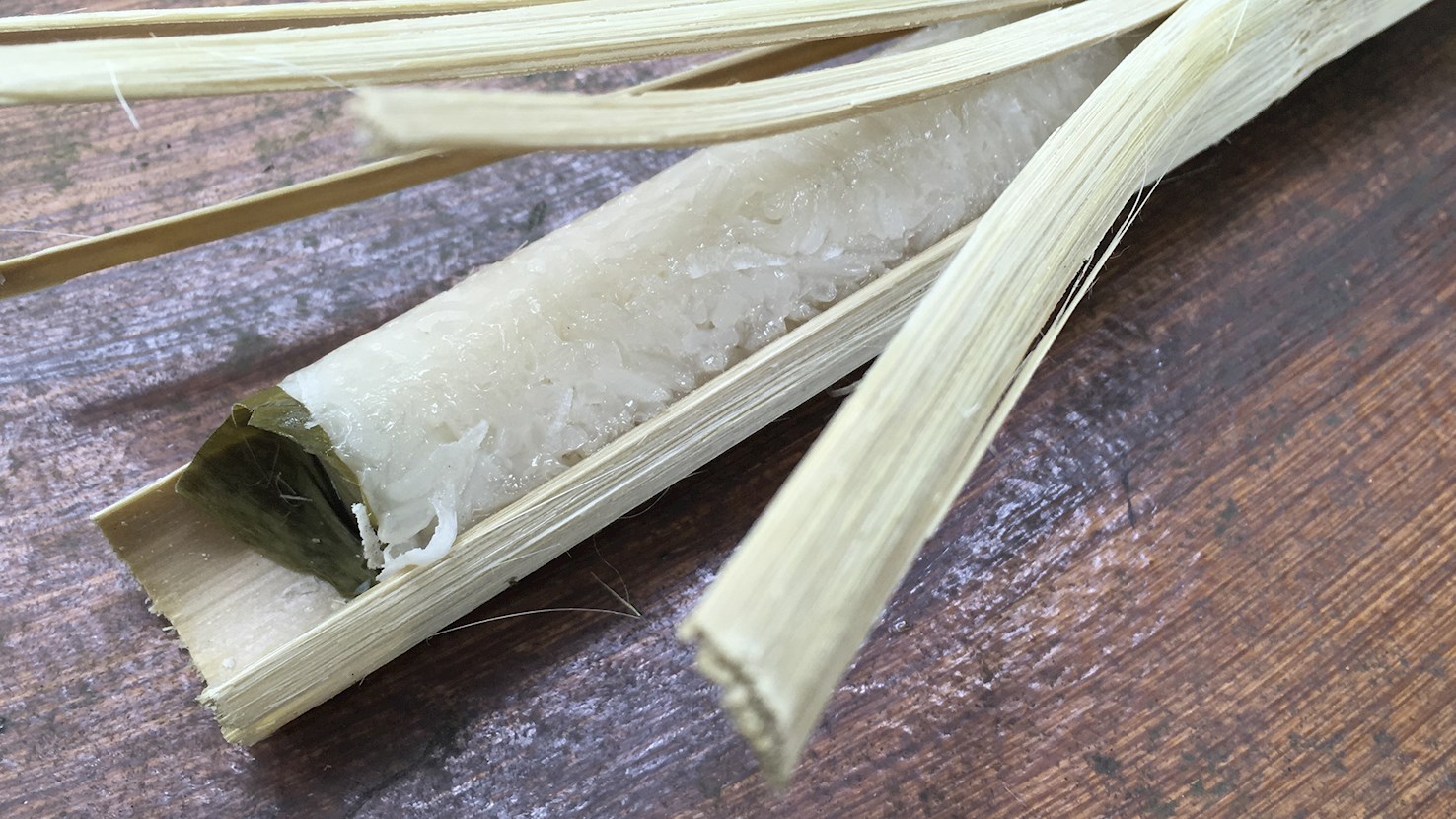
Cơm lam is prepared by stuffing sticky rice into bamboo tubes which are first wrapped in banana leaves and then roasted over hot coals. It was invented as a convenient and portable dish that was intended for long journeys, and its origin is usually associated with Northern and Northwest Vietnam, especially in Sapa, though similar techniques and dishes can be found in Laos, Cambodia, Myanmar, and Thailand. Cơm lam is typically served with grilled pork or chicken, and it is usually sprinkled with sesame seeds or roasted peanuts.

10
Rice Dish

Cơm cháy (Burnt Rice)

3.5 ·

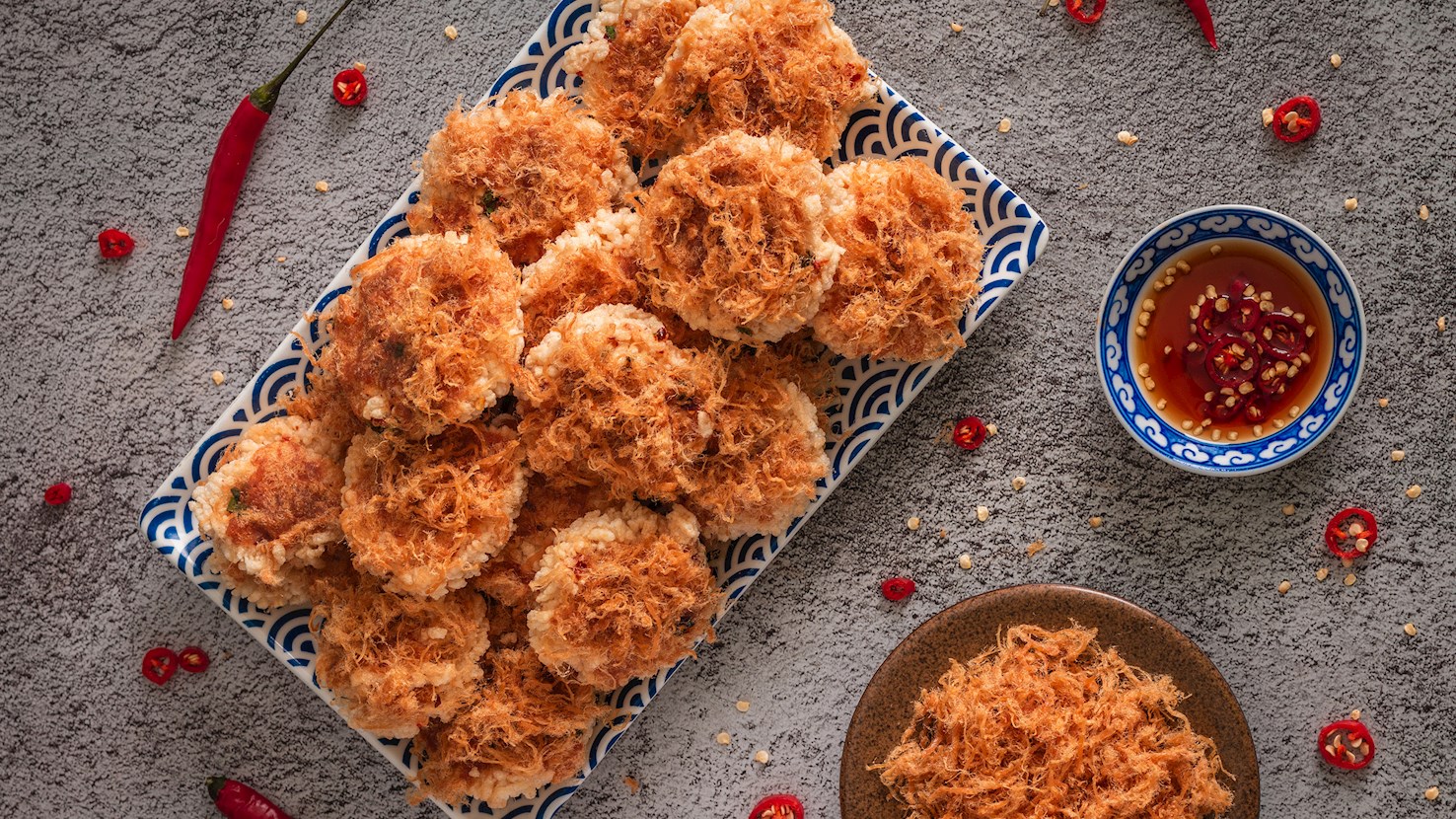
Cơm cháy is a traditional dish and a specialty of Ninh Binh. The dish is made from steamed rice that's sliced into flat and round shapes. The rice needs to be glutinous Huong rice, with round and pure grains. It is then dried in the sun for a few times and preserved in dark and cold space to keep the flavor and avoid the development of mold. After the drying, the slices of rice are fried in hot oil until the rice develops a crisp texture. Cơm cháy is typically served with goat meat, beef, pig's heart, carrots, and mushrooms.

Best Northern Vietnamese Food Products

01
Condiment

Tâm Đức

4.9 ·

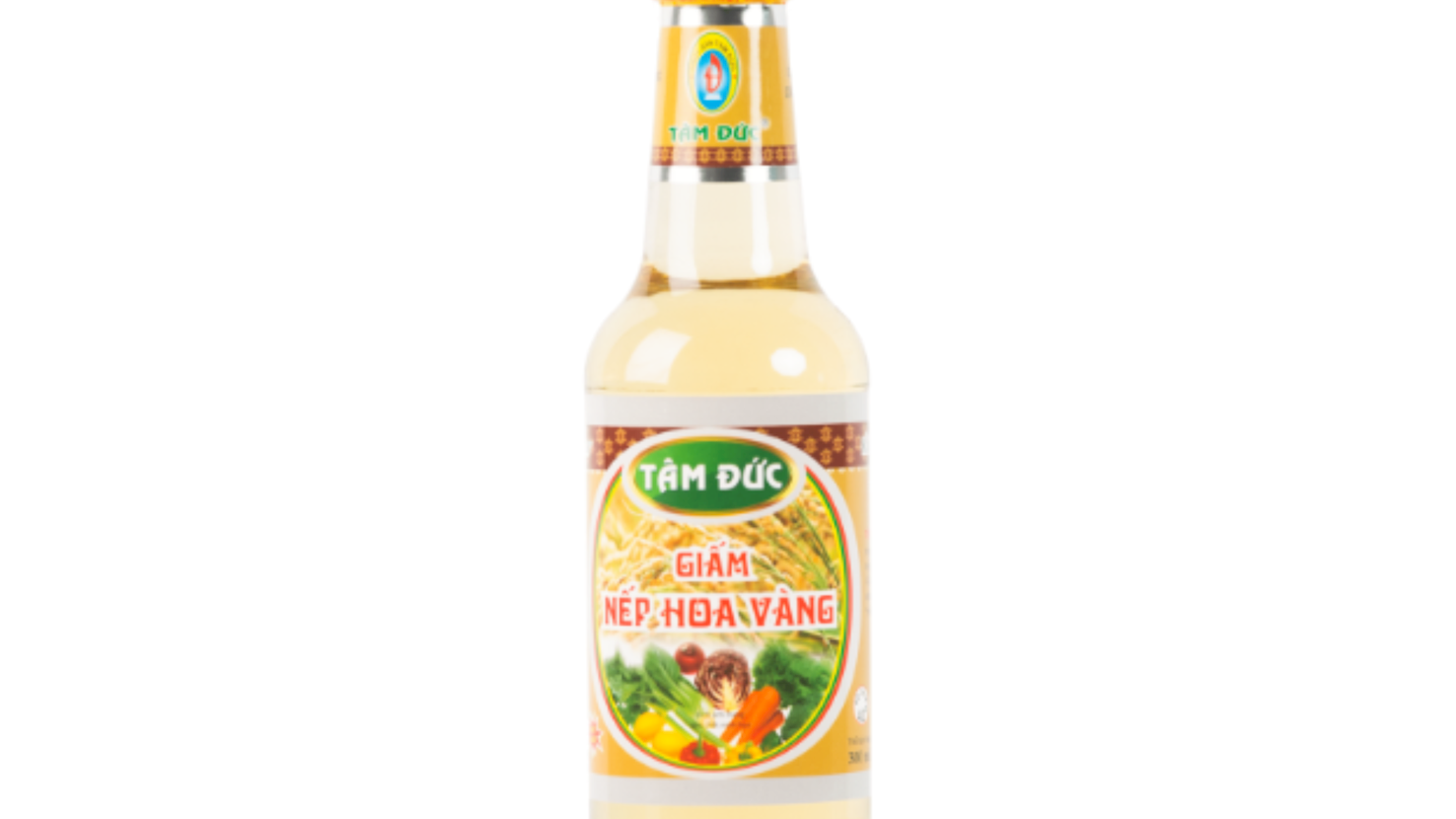
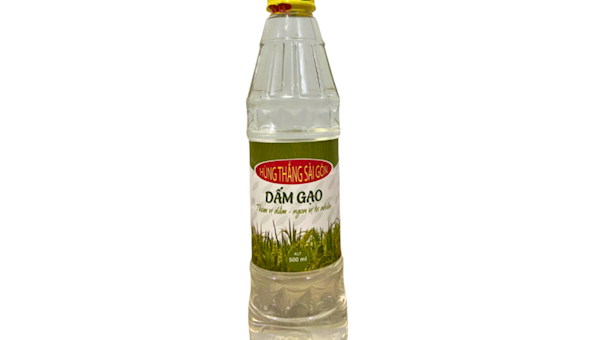
Tâm Đức is a Vietnamese producer of traditional condiments and processed food products based in Hanoi. It operates as a cooperative under the name Tâm Đức Seafood Cooperative and bases its production on traditional Vietnamese processing and fermentation methods. Although the cooperative’s name refers to seafood products, its range is considerably broader and includes fish sauce, rice vinegar, fermented soy sauce, chili sauce, shrimp paste, and other condiments. Rice vinegar holds a particularly important place in its portfolio, with varieties including Giấm gạo Hà Nội, Giấm gạo Bắc Hương, and Giấm nếp hoa vàng. For this category, the producer relies on the natural fermentation of rice rather than producing vinegar with synthetic acetic acid. Certain varieties are made from glutinous rice fermented with a vinegar culture. The aging process can last between 36 and 60 months, while according to the producer some batches are aged for even longer periods. During this process, the vinegar gradually develops the acidity and aroma characteristic of traditionally fermented rice vinegar. The producer states that no preservatives or inorganic acids are added to these products. In addition to vinegar, Tâm Đức produces traditional fermented condiments used for dipping, marinating, and preparing various Vietnamese dishes.

02
Rice

ThaiBinh Seed

4.9 ·

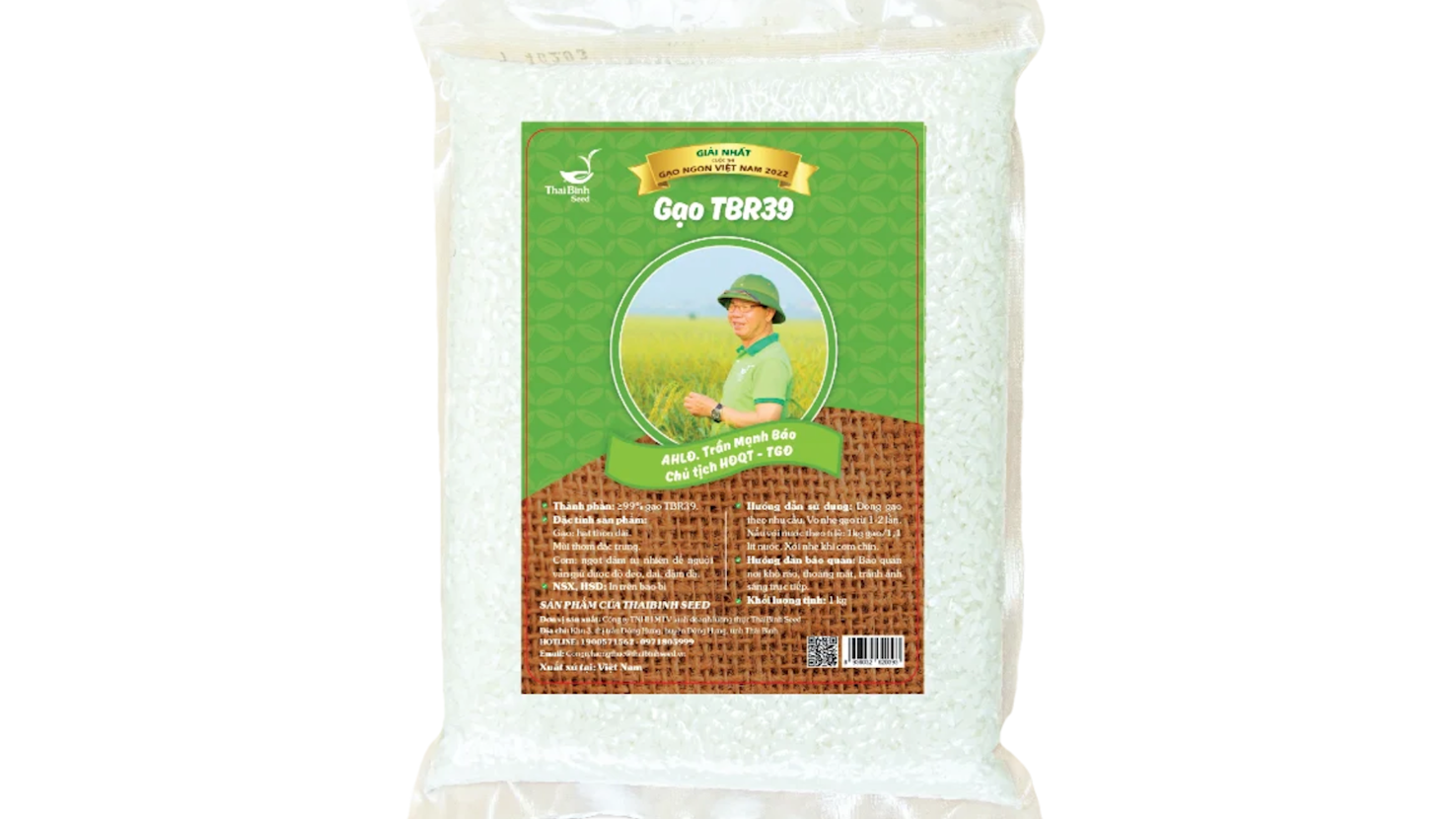
ThaiBinh Seed is a Vietnamese agricultural company specializing in the research, development, and production of seeds and rice. It was established on January 10, 1972, under the name Thai Binh Rice Seed Company. Over the course of its development, it grew into one of Vietnam’s leading companies in the breeding and production of field-crop seeds. Its principal activities include variety selection, certified seed production, and the development of rice adapted to different growing conditions. The company holds the rights to several dozen nationally recognized plant varieties. Rice varieties such as TBR225, BC15, TBR97, TBR39, and the A Sào glutinous rice represent the most important part of its portfolio. In addition to rice, the company develops seeds for maize and other field crops. ThaiBinh Seed controls the entire production chain from variety development and contract farming to processing, packaging, and the sale of finished rice. It entered the food-rice business in 2014 with the opening of a processing plant with an annual capacity of approximately 40,000 tonnes. Its finished product range includes aromatic rice, glutinous rice, purple brown rice, and other regional varieties. ThaiBinh Seed is a large research and production group with nationwide distribution.

03
Condiment

HTX Mường Khương

4.9 ·

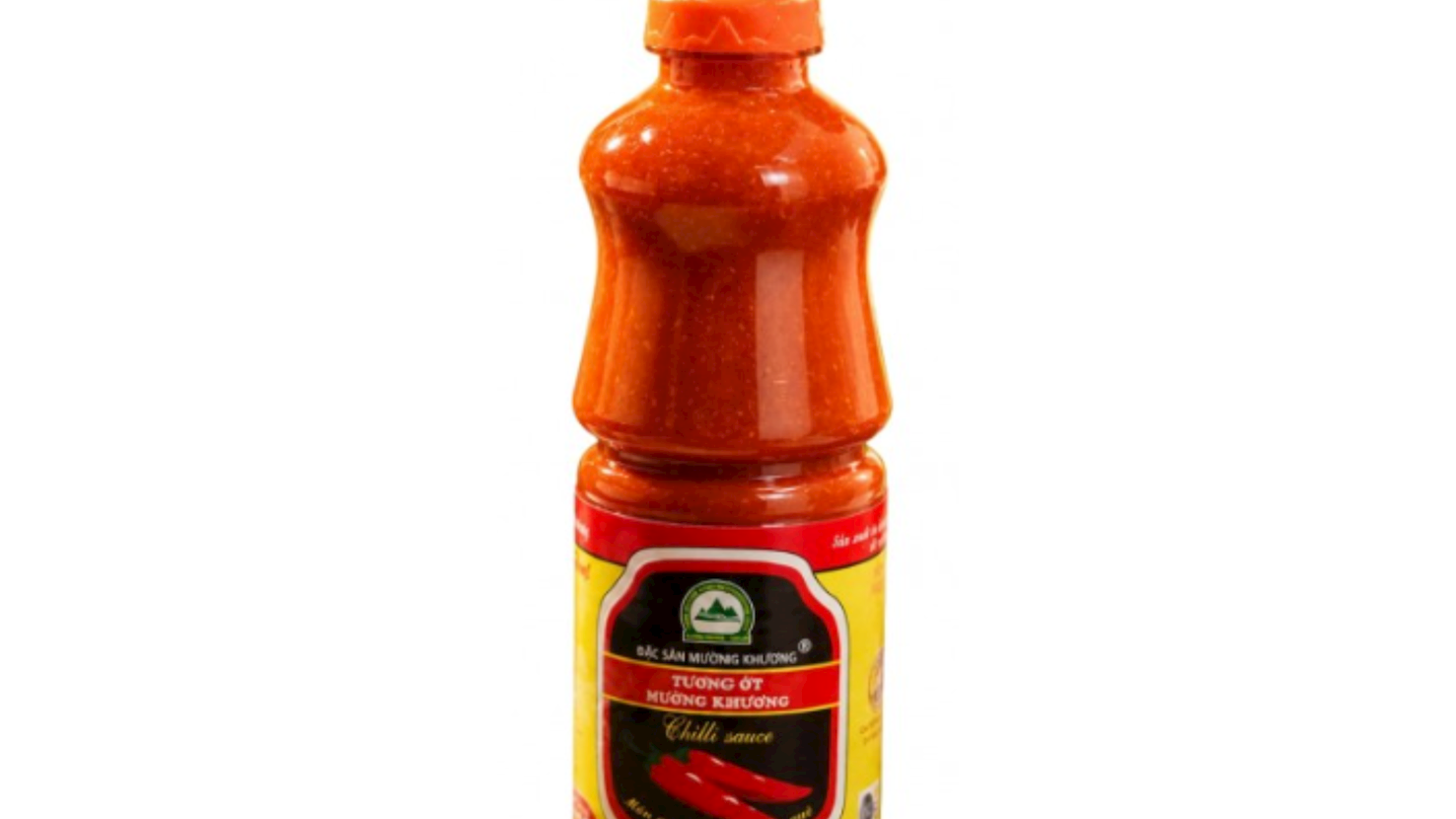
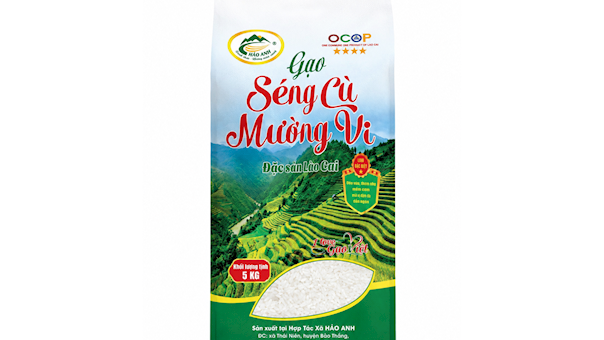
HTX Kinh doanh Tổng hợp Mường Khương, also known as HTX Mường Khương, is a Vietnamese agricultural cooperative based in Lào Cai Province. It was established in 2004 and officially registered in early 2006. Its development is closely associated with Nguyễn Văn Dũng, who moved from the construction industry into the cultivation and processing of local chili peppers. The first batches of chili sauce were made by hand using traditional methods practiced by communities in the mountainous Mường Khương area. The cooperative gradually organized production to transform the local chili pepper into a stable commercial product instead of selling it only as a fresh ingredient. In early 2006, it secured trademark protection for Mường Khương chili sauce and Séng Cù rice. The cooperative works with farming households from several local communities, including members of the Tày, Nùng, Dao, and Giáy ethnic groups. Chili-growing areas have been developed in places such as Nậm Chảy, Thanh Bình, and Tung Chung Phố. The cooperative has established a raw material area covering approximately 150 hectares and organizes the purchase of chili peppers from several hundred households. Farmers are encouraged to use organic fertilizers and biological preparations, control the quality of irrigation water, and limit chemical pesticides.

04
Condiment

VietFerm

4.9 ·

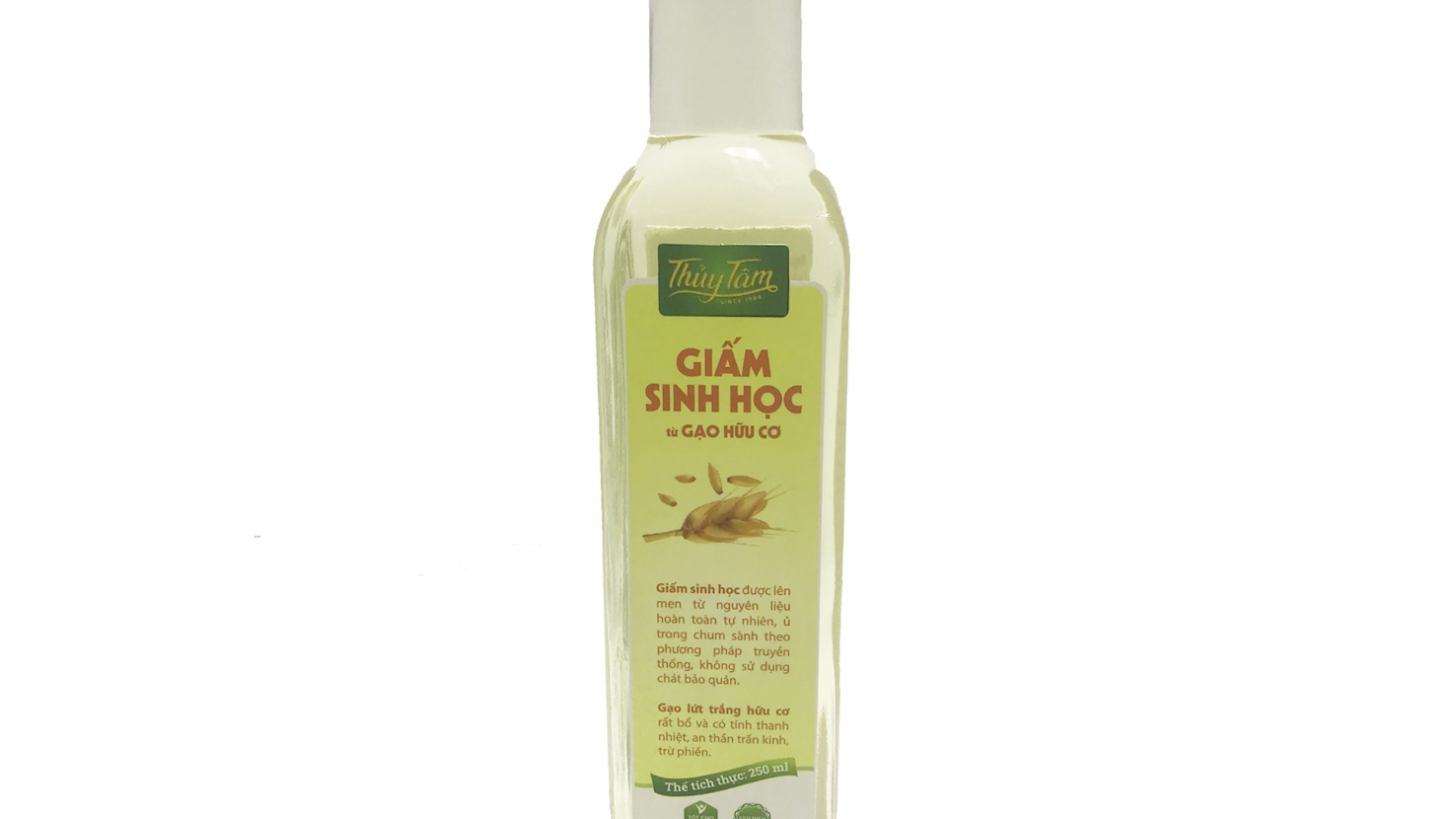
VietFerm is a Vietnamese food company based in Hanoi that specializes primarily in the production of naturally fermented vinegar. It operates as VietFerm Joint Stock Company, with Trần Tâm Phương serving as its legal representative. The company’s development is connected to a family tradition of rice vinegar production that Phương continued and later transformed into a commercial business. VietFerm markets its vinegar products primarily under the Thủy Tâm brand. Production is based on natural fermentation and the use of food ingredients such as rice, fruit, and wine. Different types of rice vinegar hold a particularly important place in its range, including organic rice vinegar and red rice vinegar. The company also produces white vinegar, apple cider vinegar, and various types of wine vinegar, including varieties flavored with herbs. Its portfolio additionally includes traditional fermented products and condiments such as cơm mẻ and salted pepper. VietFerm emphasizes natural fermentation and the use of carefully selected raw materials as the main principles of its production. The company’s products are used in dressings, marinades, dipping sauces, soups, pickled vegetables, and various other Vietnamese dishes. VietFerm is headquartered on Phùng Chí Kiên Street in Hanoi and distributes its products through retail and food service channels, including restaurants in Hanoi.

05
Condiment

Quang Hải

4.9 ·

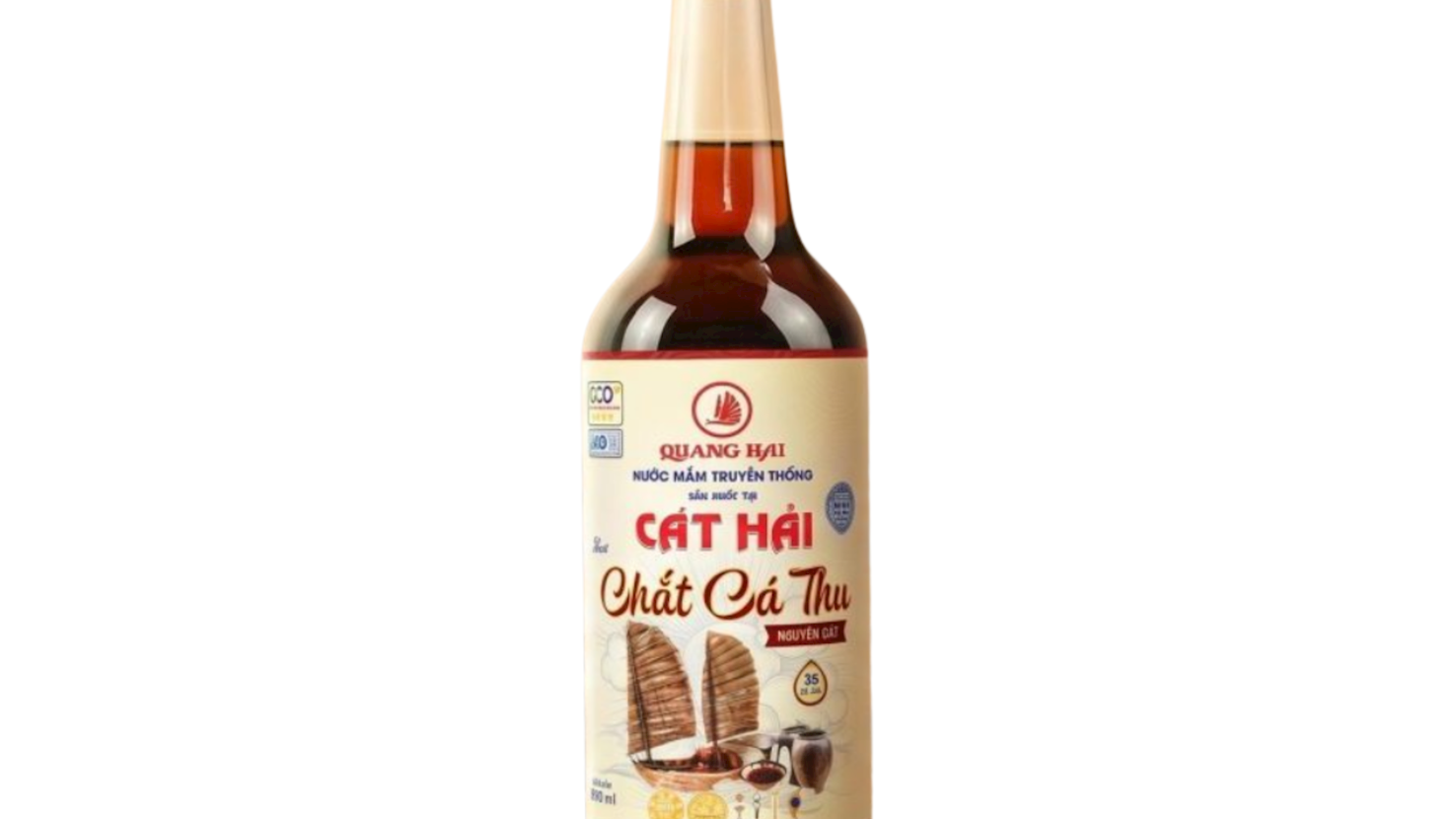
Quang Hải is a Vietnamese producer of traditional fish sauces and fermented seafood products based on Cát Hải Island in Hải Phòng. The company was established in 1993 by Bùi Đức Tiềm together with a group of former managers and workers from a local fish sauce factory. Tiềm began learning the craft of fish fermentation during childhood and the company traces its expertise to a family tradition spanning more than 70 years. In 2008 management of the business passed to his son Bùi Đức Vinh. Production takes place in Lục Độ village on Cát Hải Island which is known for its long tradition of fish processing and fermented condiments. The company’s fish sauces are made primarily from fresh fish and sea salt sourced from the Cát Hải area. The ingredients ferment naturally according to a local method traditionally carried out in ceramic vessels or large tanks. During maturation the fish proteins gradually break down into amino acids that give the sauces their pronounced umami character and mild sweetness in the finish. The company states that its fish sauces contain no preservatives, chemical additives or flavour enhancers. Its range includes sauces made from anchovies, mackerel, tuna, herring and other fish species with natural nitrogen concentrations ranging from 13 to 56 grams per litre. In addition to fish sauce Quang Hải produces both thick and liquid shrimp pastes as well as fermented paste made from small shrimp.

06
Rice

Toản Xuân

4.9 ·

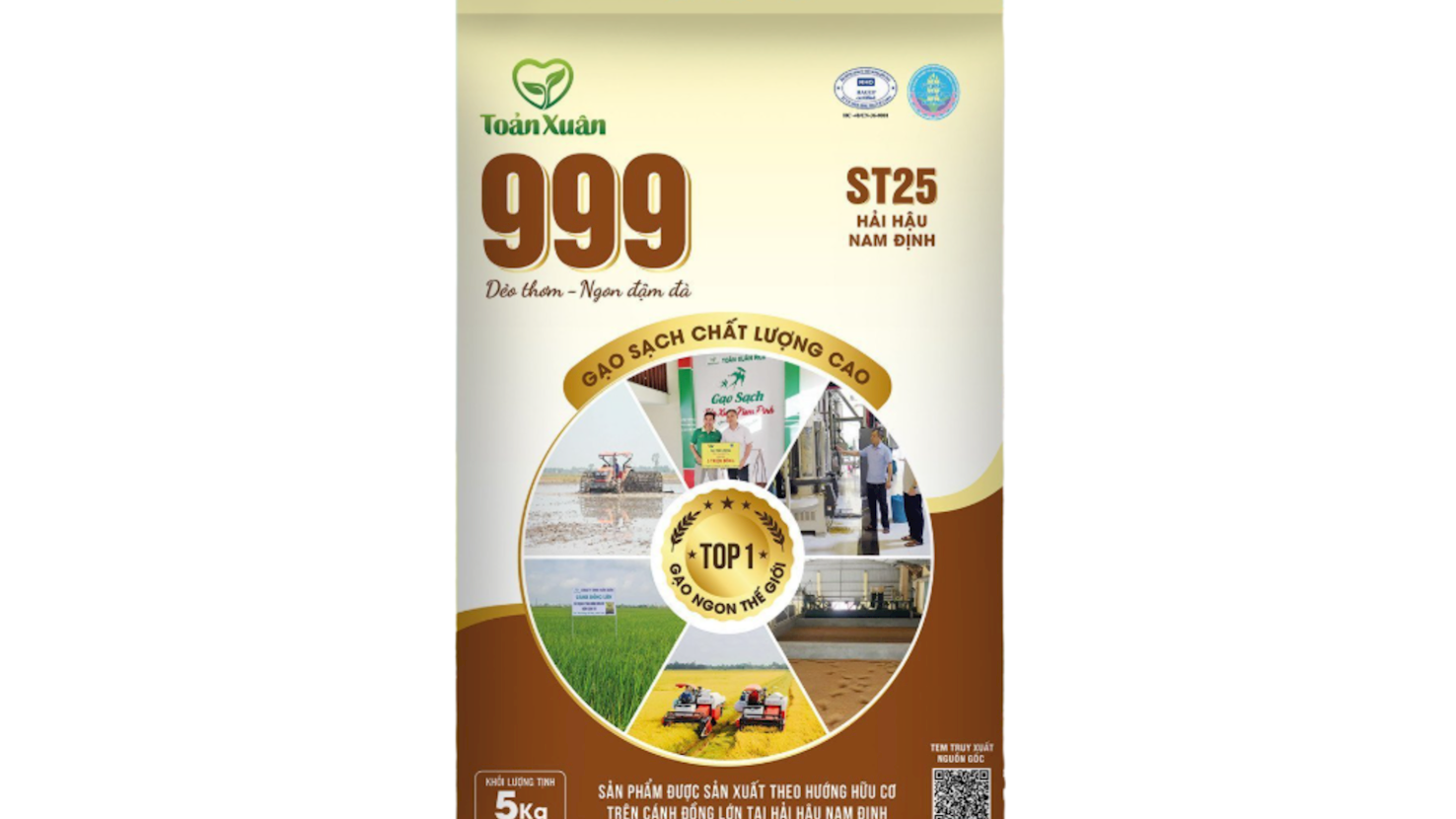
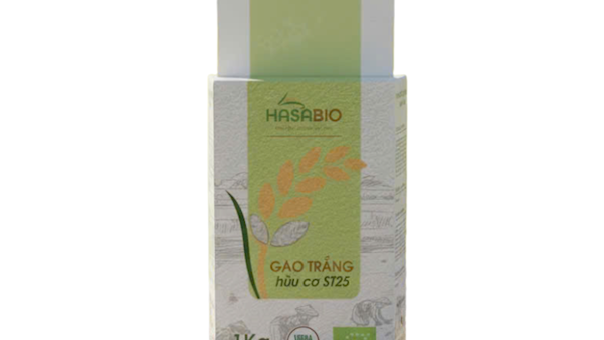
Toản Xuân is a Vietnamese company engaged in the production, processing, and distribution of rice. Its headquarters and main processing facility are located in Yên Lương Commune in the former Nam Định Province. The company is managed by Trần Quốc Toản who worked in the plant nutrition sector for several decades before developing his own rice production chain. In 2014, approximately VND 80 billion was invested in the construction of a grain drying, storage, and processing facility. The organized production chain was launched in 2015 while the first season of rice marketed under the Toản Xuân brand was completed in early 2016. The company works with agricultural cooperatives and larger family farms by providing seeds, fertilizers, and cultivation guidelines. The process is monitored from soil preparation and sowing to harvesting, purchasing, and grain processing. After arriving at the facility, the rice is dried at a controlled temperature and stored separately according to its variety and cultivation area. During processing, the husks, impurities, and damaged grains are removed while electronic cameras are used for final sorting. The range includes several types of aromatic rice, the ST25 variety, the Toản Xuân 999 line, naturally colored rice, and ecological rice grown in fields inhabited by aquatic rươi worms. The latter product comes from floodplain areas where rice cultivation is adapted to a sensitive aquatic ecosystem. The presence of these organisms requires restrictions on chemicals that could affect the water quality and soil conditions. Through this system, the company combines organized large-scale production with the processing of rice originating from different areas and cultivation models.

07
Condiment

RUECO

4.9 ·

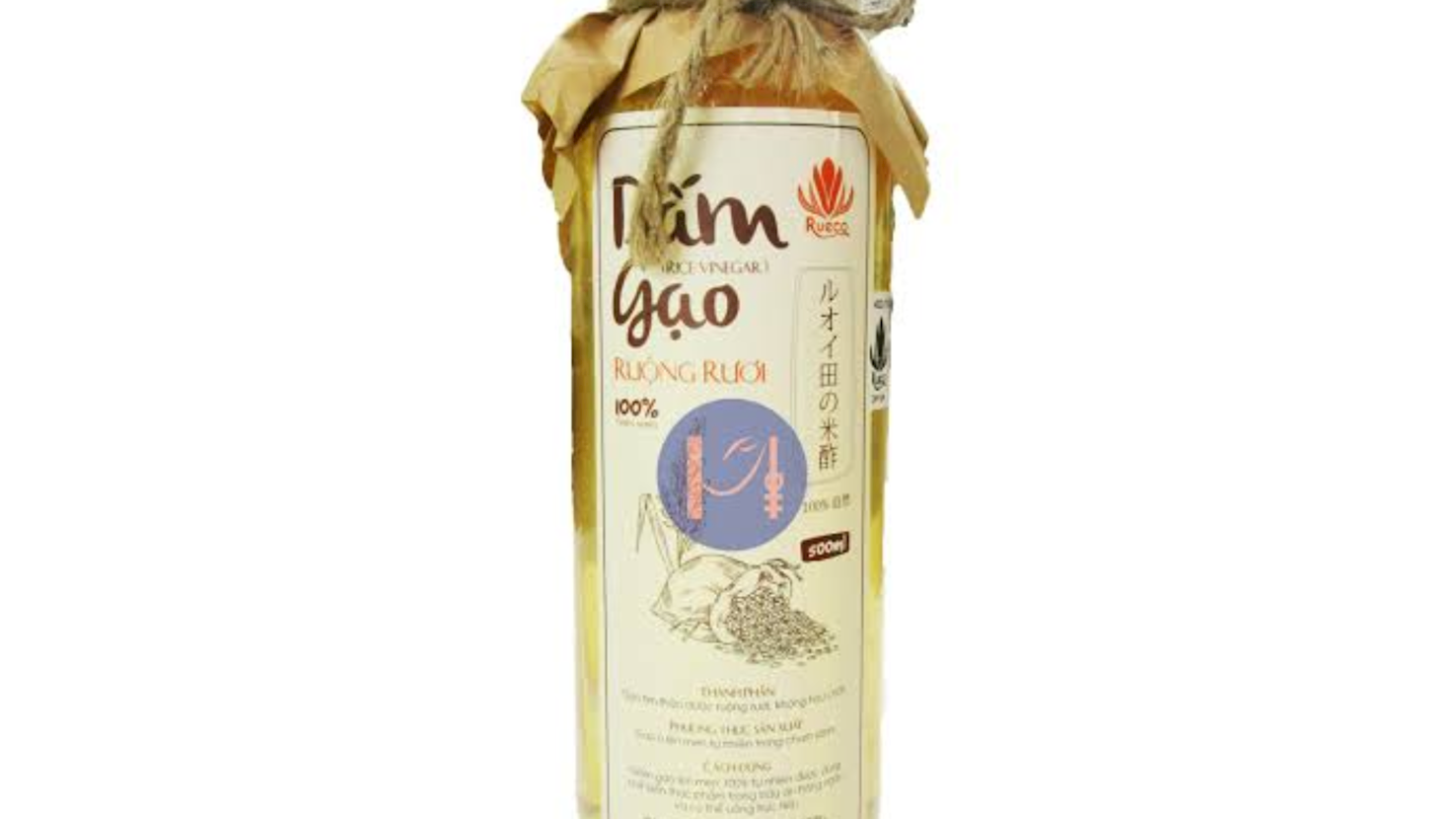
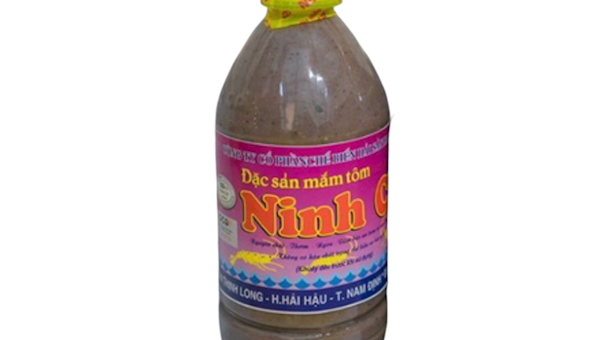
RUECO je vijetnamska poljoprivredno-prehrambena kompanija iz Hanoja osnovana 2017. godine. Puni naziv kompanije je Ruong Ruoi Ecological Joint Stock Company, a osnovala ju je Phạm Thị Kiều Oanh koja je ujedno i izvršna direktorka. Kompanija je razvijena oko specifičnog sistema zajedničkog uzgoja pirinča i morskog crva rươi, karakterističnog za estuarska područja severnog Vijetnama. RUECO navodi da je prva kompanija u zemlji koja je ovaj tradicionalni sistem organizovala kao model ekološke poljoprivredne proizvodnje. Glavna područja uzgoja obuhvataju gotovo 100 hektara u priobalnim estuarskim zonama Kiến Thụy i Tứ Kỳ. U ovom sistemu pirinač i rươi dele isto poljoprivredno okruženje, zbog čega se na poljima ne koriste hemijska sredstva koja bi ugrozila ove osetljive vodene organizme. Nakon berbe pirinač i druge sirovine iz ovog ekosistema prerađuju se u specijalizovanim pogonima primenom tradicionalnih postupaka u kombinaciji sa savremenom tehnologijom. Kompanija posluje kroz nekoliko robnih marki među kojima su Rueco, Ruca i Ruhat. Rueco je glavna marka namenjena proizvodima dobijenim direktno iz ekosistema pirinčanih polja sa rươi i obuhvata pirinač, proizvode od rươi i cáy, proizvode od pirinča i fermentisane proizvode. Među njima se nalazi i pirinčano sirće koje se dobija fermentacijom ljubičastog biljnog pirinča uzgajanog u ovom poljoprivrednom sistemu. RUECO svoje proizvode distribuira kroz mrežu veleprodajnih i maloprodajnih partnera širom Vijetnama.

08
Rice

VAFOOD

4.8 ·

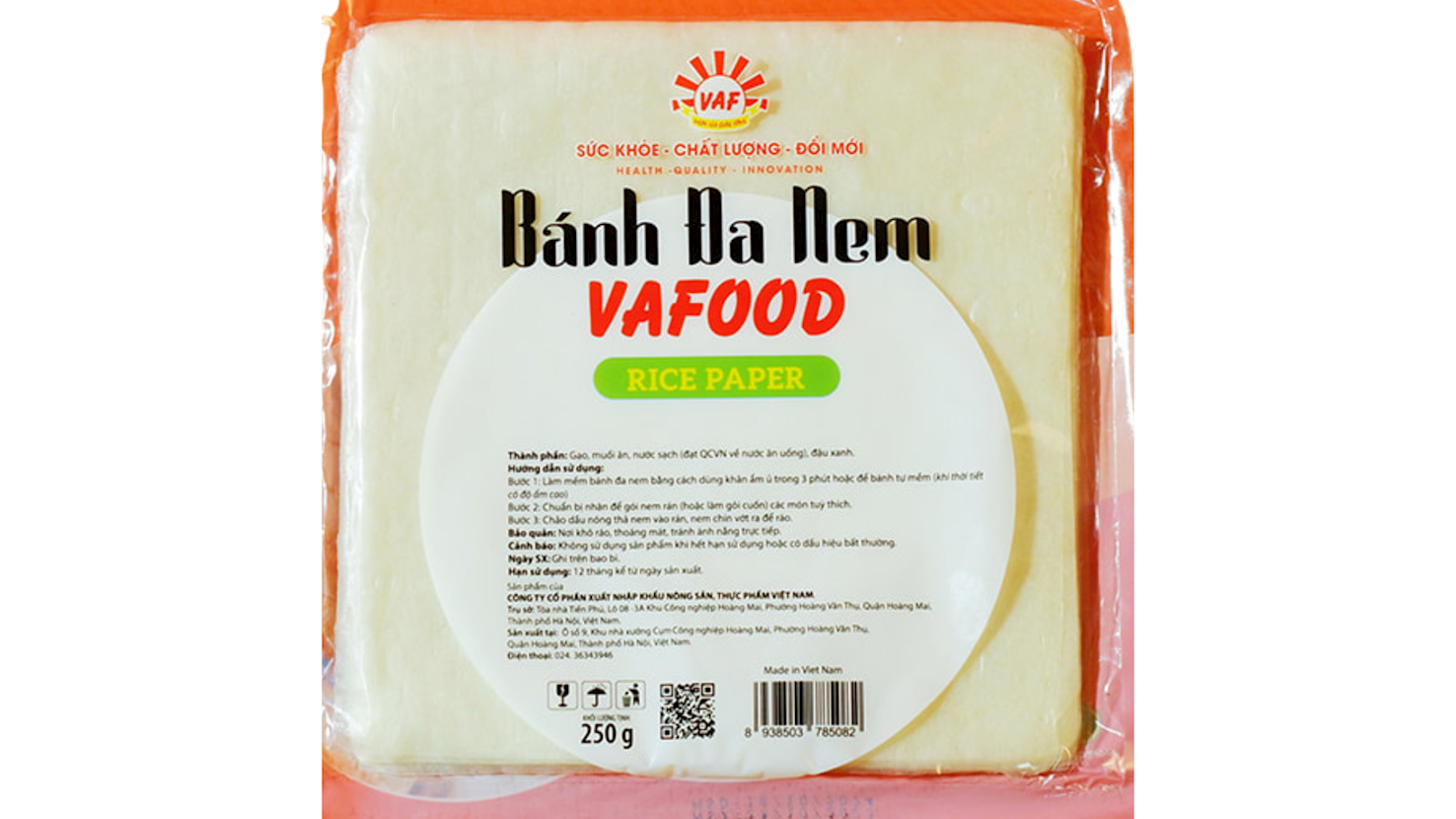
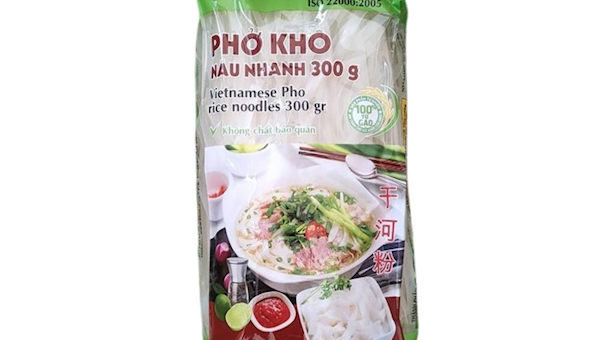
VAFOOD is a Vietnamese manufacturer and exporter of rice-based food products headquartered in Hanoi. The company was founded in 2009 by entrepreneur Trần Thị Thu Hằng. It began operating as a supplier of fresh food and agricultural ingredients to school kitchens. It later shifted its focus toward rice processing and the development of convenient versions of traditional Vietnamese foods. In 2018, the company established a partnership with producers from the traditional village of Làng Chều in Hà Nam Province to make rice paper for fried spring rolls. This product represented an important step in the company’s transition from ingredient distribution to the production of processed foods. Its range was subsequently expanded to include dried phở noodles, rice vermicelli, and different types of rice paper. VAFOOD uses low-temperature drying technology to preserve the flavor and natural structure of the rice. Its production process is designed to provide a consistent texture without relying on preservatives or additives for improved elasticity. The company works with rice growers in the Cổ Loa area of Hanoi to establish a more stable supply of controlled raw materials. VAFOOD products are sold domestically and exported to several countries in Asia and Europe.

09
Noodles

Hùng Lô

4.8 ·

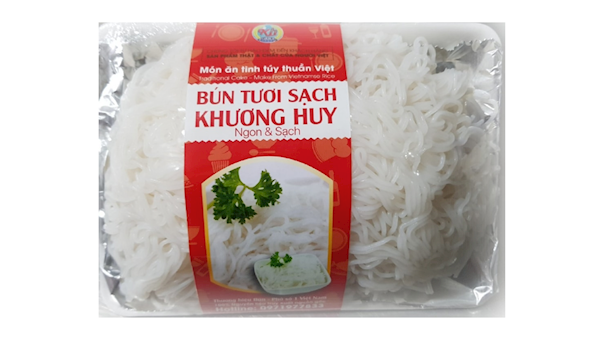
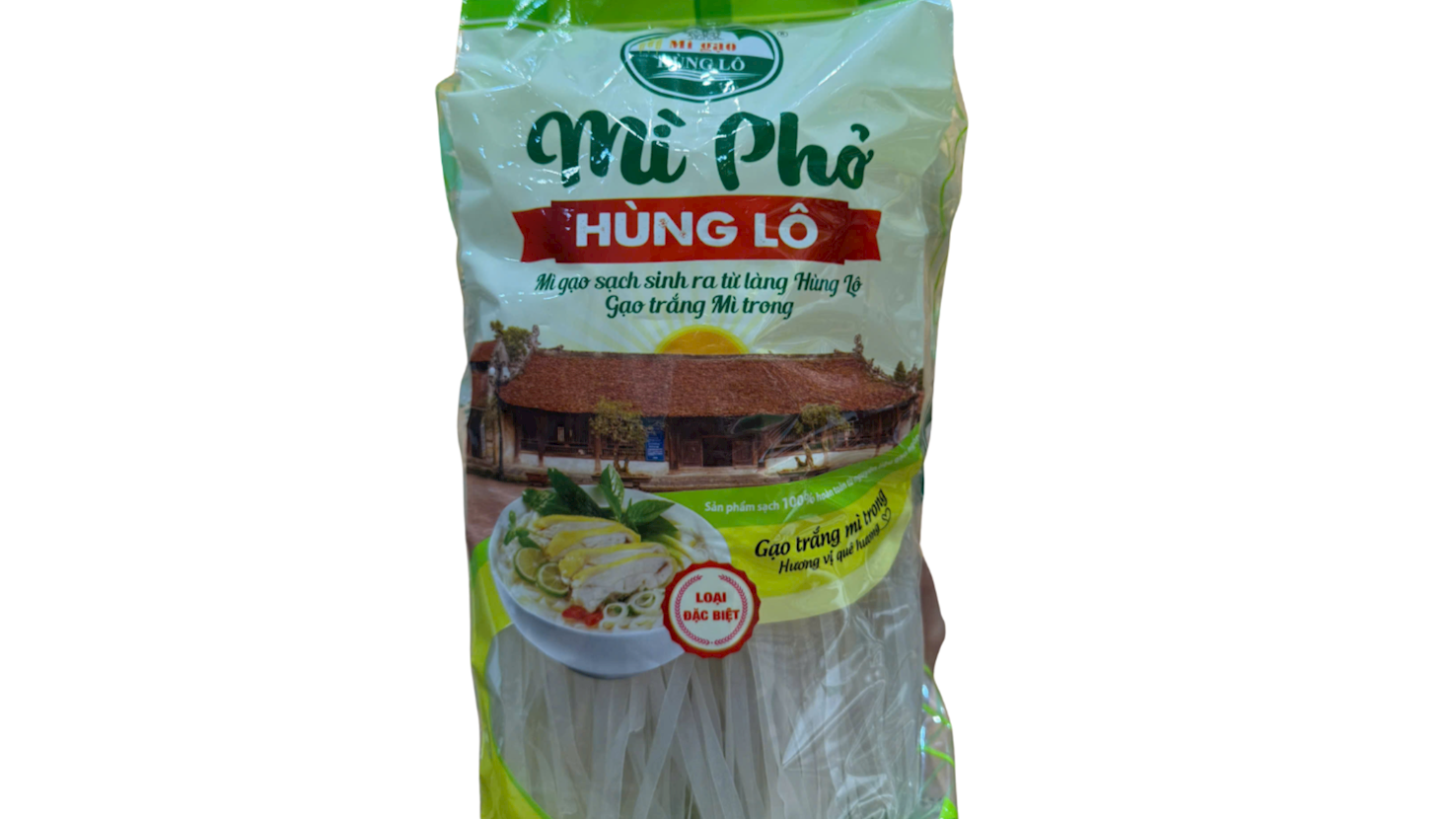
Hùng Lô is a Vietnamese producer of rice noodles from Phú Thọ Province. It officially operates as Hợp tác xã Mì gạo Hùng Lô, a cooperative established in 2016 by bringing together local families experienced in traditional noodle production. The cooperative is headed by Cao Đăng Duy. Its headquarters and production facilities are located in the former Hùng Lô Commune in Việt Trì, an area that is now part of Vân Phú Ward. Noodle production is particularly associated with the former Đoàn Kết Village, where most households practiced the craft during the 1980s and 1990s. Hùng Lô was officially recognized as a traditional craft village in 2004. In 2017, the cooperative received the right to manage the Mì gạo Hùng Lô collective trademark. It sources rice from partner cooperatives and controlled cultivation areas in Phú Thọ Province. Traditional processing methods have been supplemented with equipment for milling the rice, removing water, mixing, shaping, drying, and packaging the noodles. Unlike methods that involve producing and cutting large rice sheets, the mixture is extruded directly into strands without being coated with oil. The range includes traditional rice noodles, wider phở noodles, vegetable or watermelon noodles, miến dong, and gift packages.

10
Condiment

VN TT Foods
4.8 ·

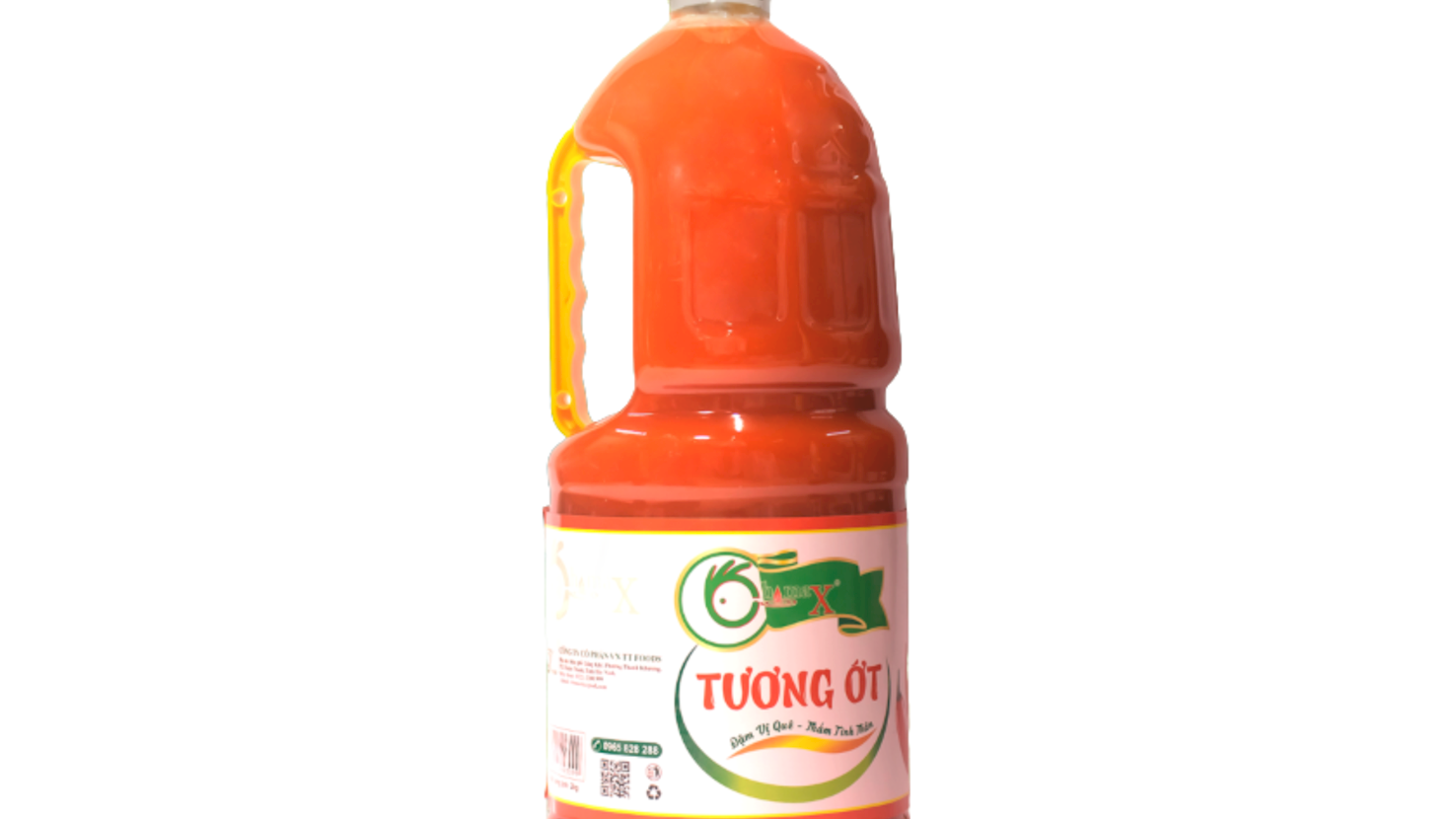
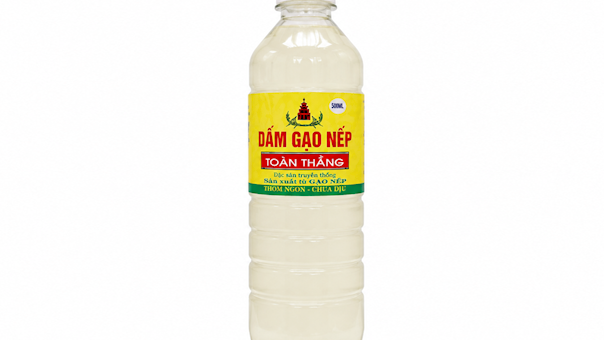
VN TT Foods is a Vietnamese producer of seasonings and sauces based in Thuận Thành, Bắc Ninh Province. The business was started by Nguyễn Thị Thơm in 1999 with the establishment of a small seasoning workshop. Its first products were intended for local food-service businesses and were based on flavors characteristic of the Kinh Bắc region. The business was formalized in 2018 through the establishment of Thơm Thực Foods Joint Stock Company. In 2023, the company changed its name to VN TT Foods and focused on the wider distribution of Vietnamese seasonings. Its products are sold under the Chimax and Thơm Thực brands. The range comprises nearly 100 products intended for cooking, marinating and direct serving. These include chili and tomato sauces, glutinous rice vinegar, fermented rice sauce and various ready-made blends for traditional dishes. A separate part of the range consists of sauces for Thai-style hot pot, meat marinades, stewed meat and braised fish. Certain products such as vinegar, chili sauce and fermented rice sauce are made using processes based on traditional fermentation. Raw materials undergo origin and quality checks, while production takes place on a closed processing line. The production facility holds the highest-category certificate confirming compliance with Vietnamese food safety requirements. The company’s products are distributed in more than 30 Vietnamese provinces, while expansion into Asian and European export markets is planned as the next stage of development.
About this Ranking

TasteAtlas food rankings are based on the ratings of the TasteAtlas audience, with a series of mechanisms that recognize real users and that ignore bot, nationalist or local patriotic ratings, and give additional value to the ratings of users that the system recognizes as knowledgeable. For the “Top 39 Northern Vietnamese Foods” list until September 23, 2026, 1,243 ratings were recorded, of which 681 were recognized by the system as legitimate.

TasteAtlas Rankings should not be seen as the final global conclusion about food. Their purpose is to promote excellent local foods, instill pride in traditional dishes, and arouse curiosity about dishes you haven’t tried.

The initial list of top producers was compiled based on available reviews, awards, local recommendations, media and blog coverage, and consumer reviews. The list will be updated with ratings from TasteAtlas local ambassadors and TasteAtlas users.

What People Say

Similar Lists