Top 100 Portuguese Wines

Last updated on June 15, 2026

Best Portuguese Wine Types

01

Vintage Port

4.3 ·

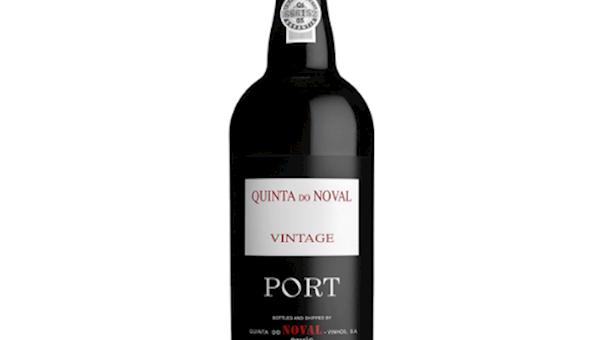
Vintage Port is a style made from the best grapes of a single year harvest. It is considered the most prestigious and the highest quality port style. Vintage is not produced every year, but only when port houses decide that the wine is of sufficient quality. Vintages make only about 2% of all port production, and in the best years, all port houses will declare a Vintage. The decision to declare a Vintage can be made after Portugal’s Port Wine Institute had approved it. Vintages are barrel-aged for two to three years and are not filtered before they are bottled. The lees in the wine allow the wine to age in the bottle, and during this time, the wine will mellow and develop complexity. The best examples are usually matured for years, and in the best harvests, even for decades. Vintages are full-bodied and rich, with complex flavors and aromas that can vary depending on the age and the harvest year, but they typically display powerful expressions of spices, licorice, plums, and dark berries. Younger styles can make an excellent accompaniment to small plates and charcuterie, while a classic pairing with older styles includes chocolate, nuts, figs, and aromatic cheese varieties. Some of the recent vintages include 2016, 2011, 2009, 2007, 2003, 2000, 1997, and 1994.

02

Tawny Port

4.3 ·

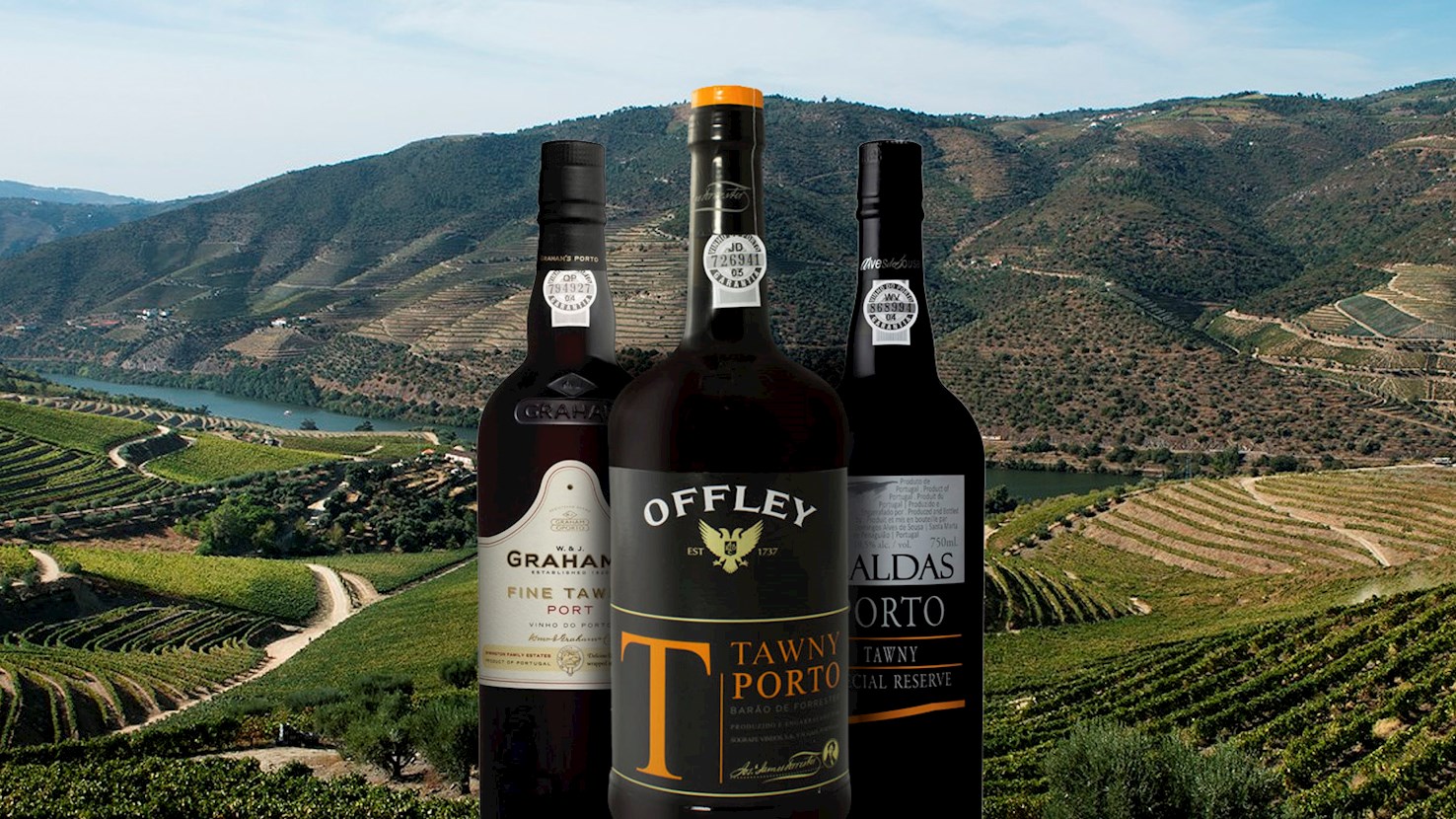
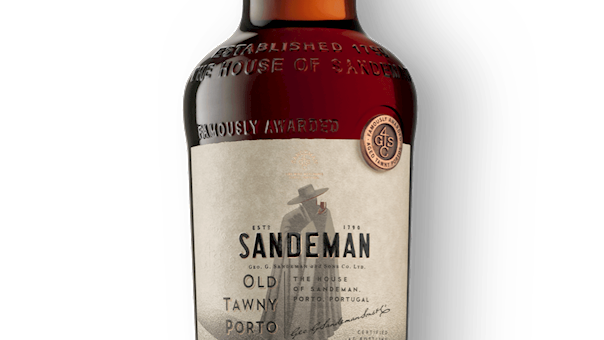
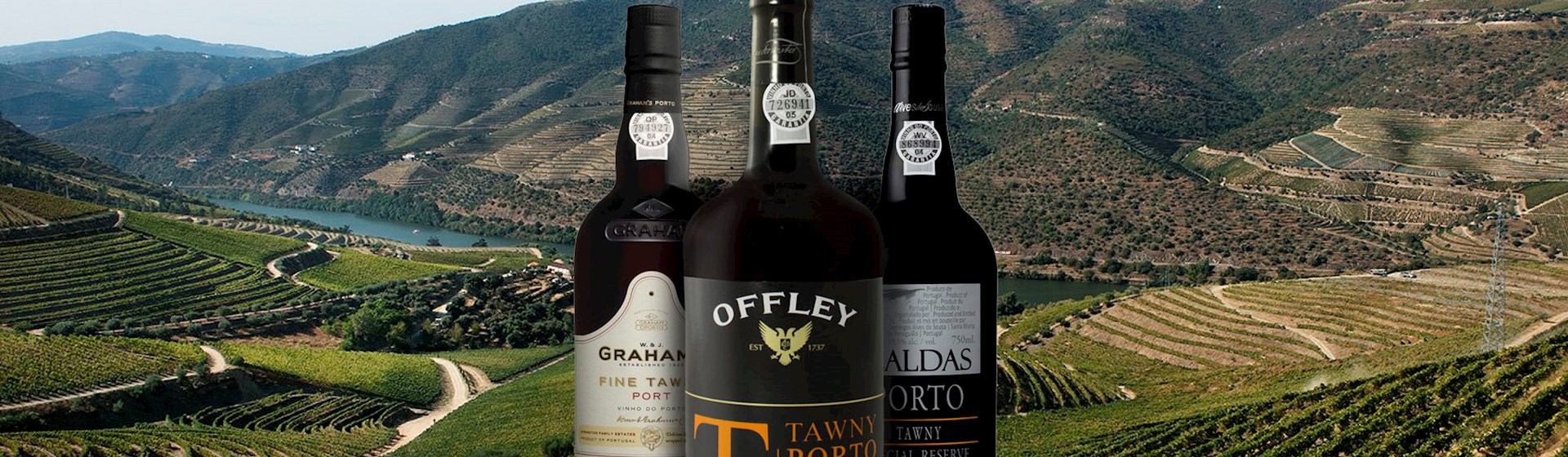
Tawny is a variety of fortified port that is usually oak-aged for around seven years (Reserva), but vintages may extend to ten, twenty, and even over forty years of age. These fortified red wines are praised for their complex aromatic profile as well as their rich and smooth texture. Usually amber and often sweet, Tawny ports display an array of different aromas that typically include a nutty combination of toffee and caramel, coffee, vanilla, dates, ripe red and dark fruit, figs, or prunes. Due to its different character that depends on the age, Tawny is a perfect accompaniment to various desserts, especially those made with nuts, fruit, chocolate, or eggs. They can also match soft-centered cheese or aged cheese varieties.

03

Baga

4.3 ·

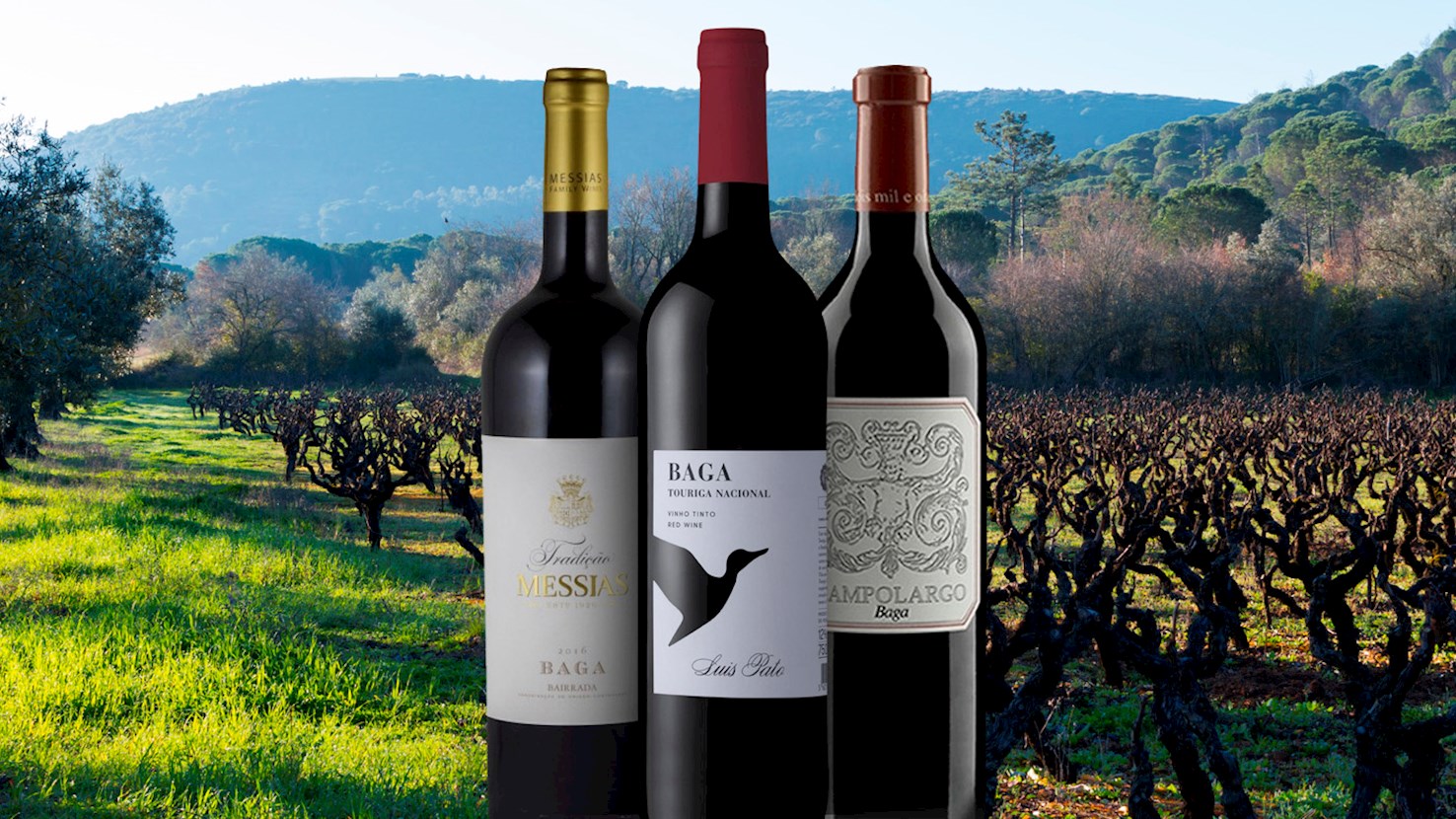
Baga is a red grape variety mostly used in the Portuguese Bairrada appellation. This dark-skinned grape can produce wines of various characters, but until the 1980s, most producers used it for inexpensive bulk wines. When the approach and the techniques were adjusted, it was shown that Baga is able to produce excellent quality wines with great aromatic structure, good acidity, and firm tannins. Baga wines are built for long aging and significantly benefit from the time spent in the bottle. The powerful tannins will tone down, and the aromas usually gain some elegance and complexity. Young Baga wines will have aromas of red berries and fruit, which may evolve into more complex expressions of tobacco, plums, and coffee. The usual bright acidity found in Baga wines makes them an excellent pairing with food. They can match hearty meat dishes and would go especially well with red meat. Some examples would also work well with seafood or cheese. Apart from red wines, Braga has recently been used in the production of excellent sparkling rosés. The grape is also used in Mateus Rosé—popular and uncomplicated Portuguese rosé.

04

Ruby Port

4.2 ·

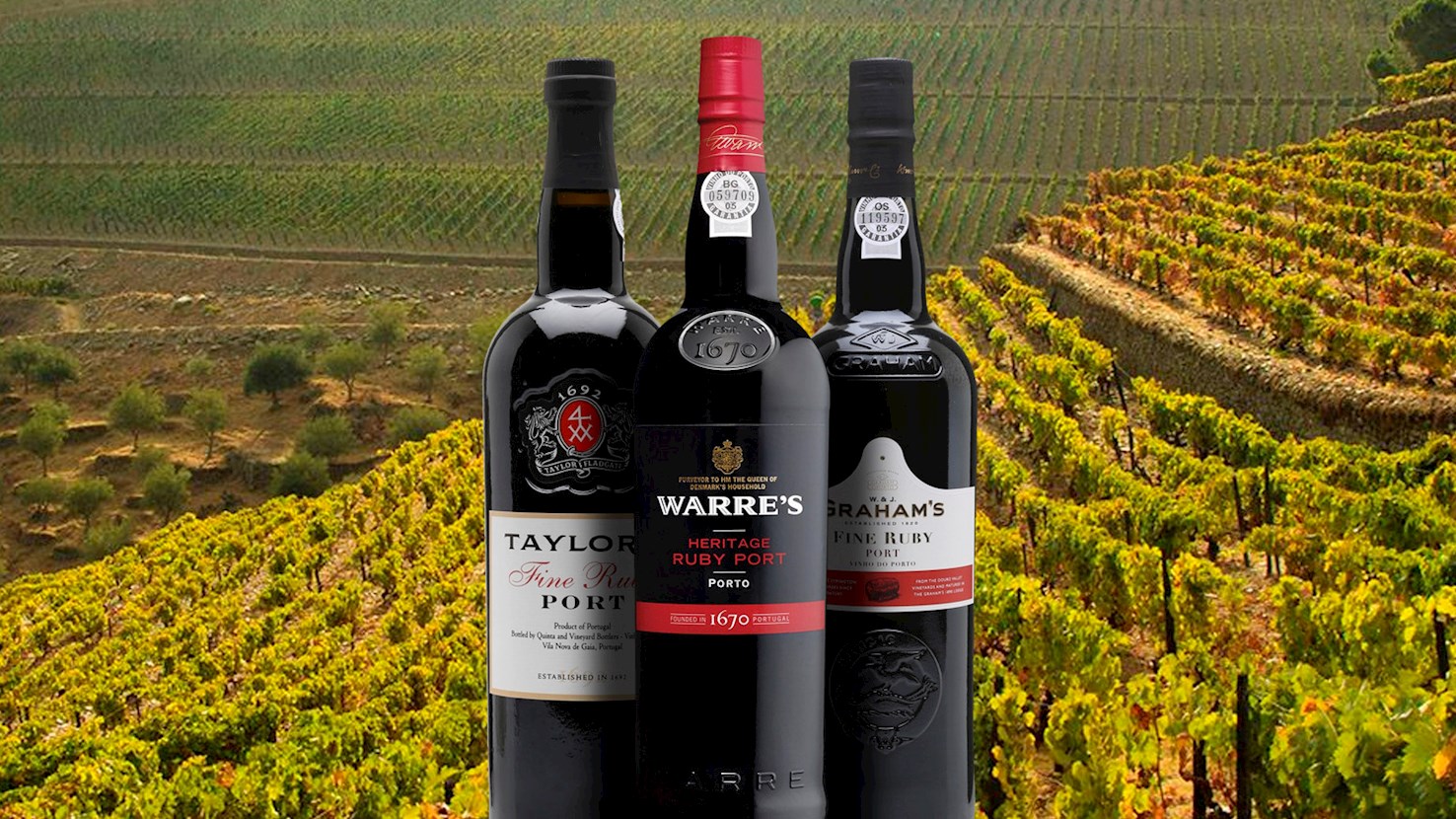
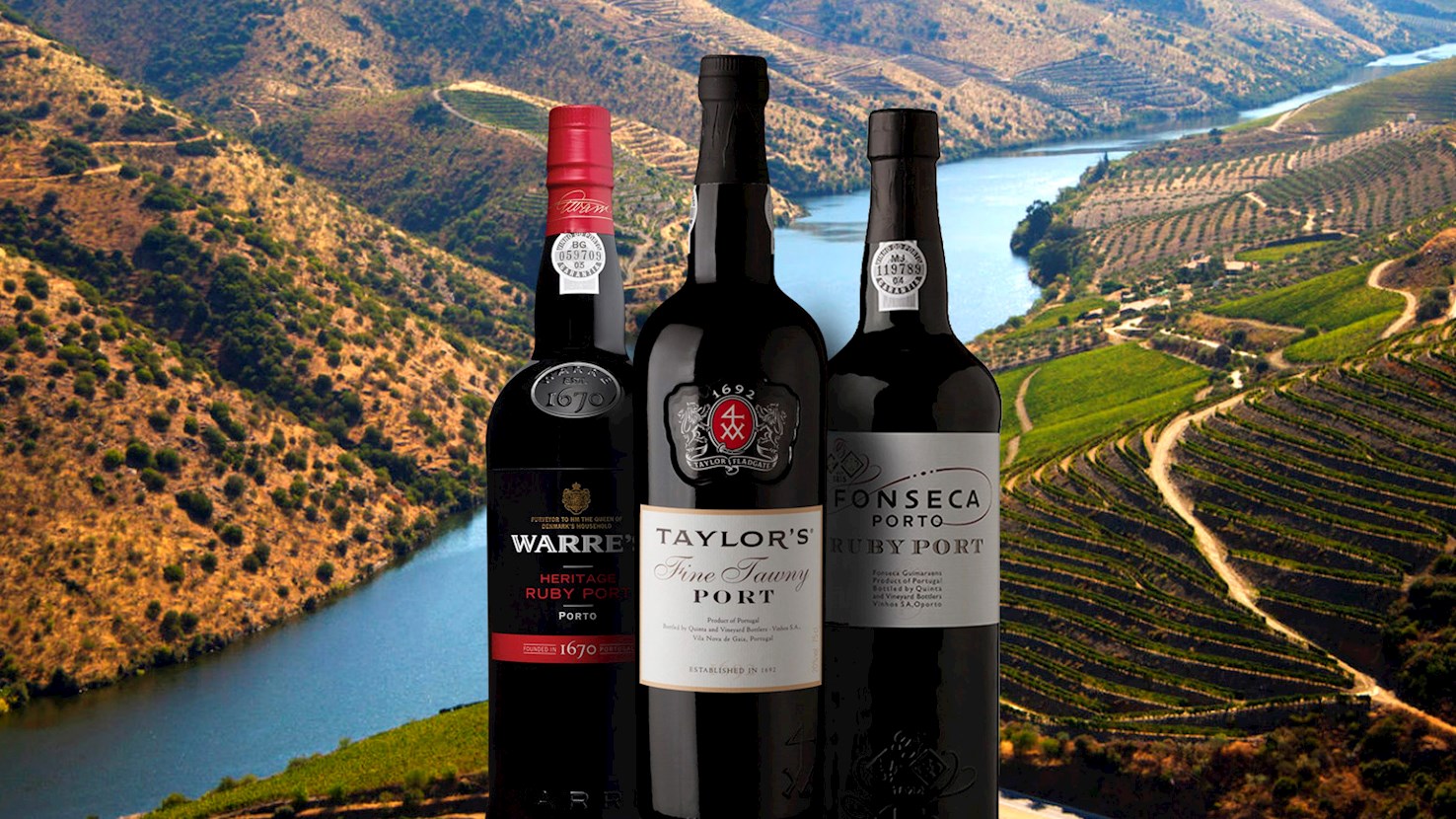
Ruby is the most common and the freshest style of fortified port wines. Made from various red grapes, Ruby ports are usually aged for three years, typically in steel or concrete tanks, and are considered to be an approachable introduction to more complex port wines. As the name suggests, these fresh wines usually have rich ruby color, while the flavors and aromas are light and fruity, all accompanied by subtle tannins. Ruby port can be served at room temperature, slightly chilled, or in some cases over ice. They usually pair well with cherry or chocolate-based desserts and blue cheese. Apart from the classic Ruby style, those aged for more than three years are classified as Reserve Ruby, while those fermented as rosé wine are known as Rosé Port.

05

Touriga Nacional

4.2 ·

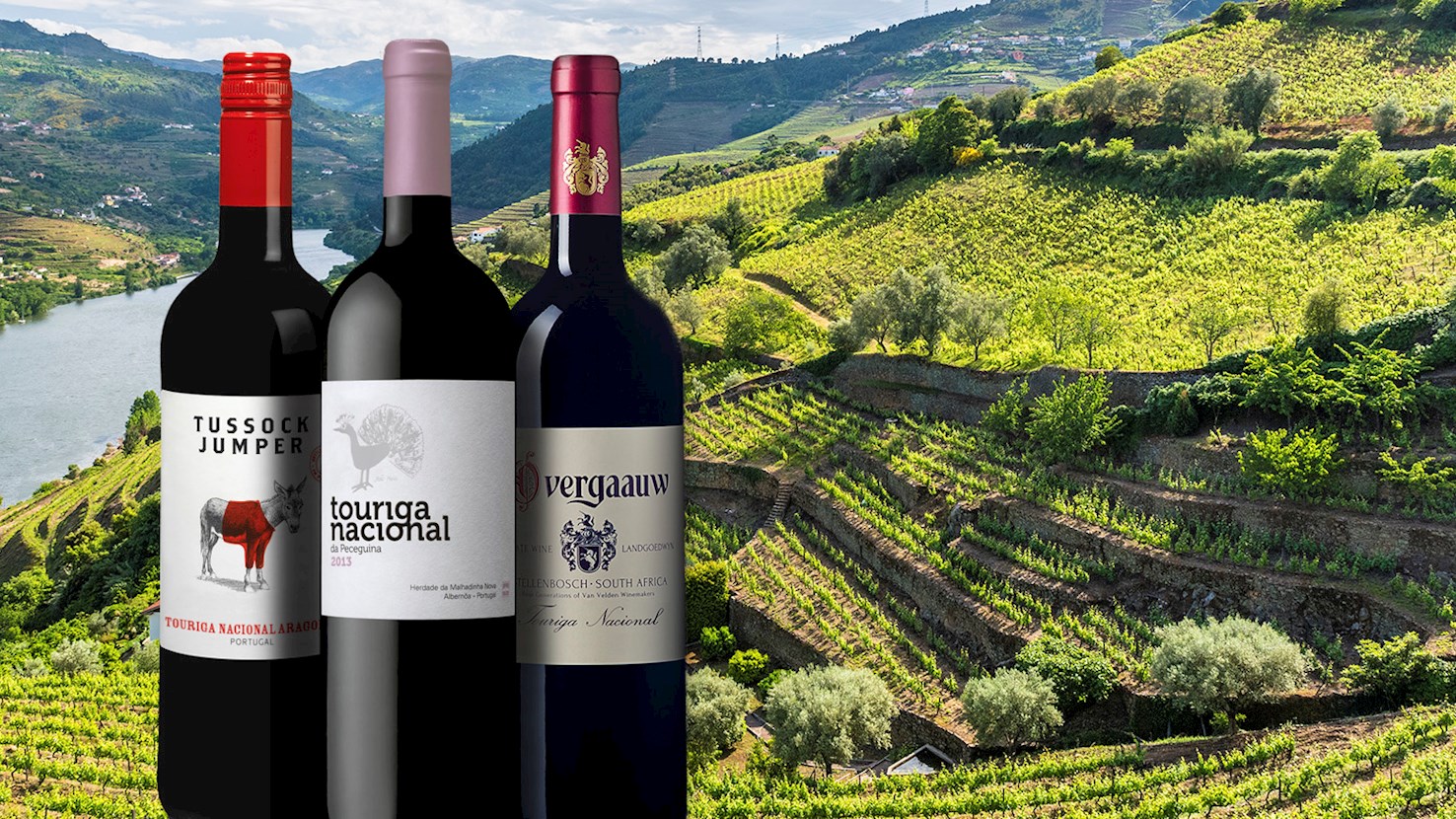
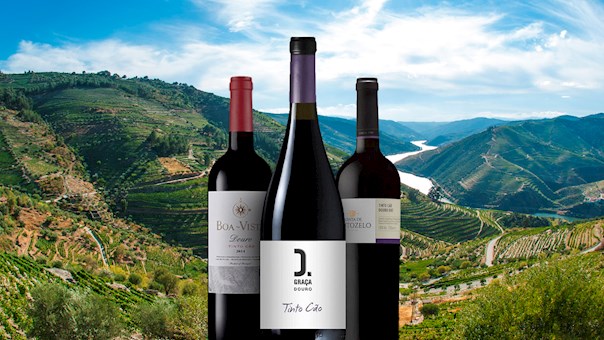
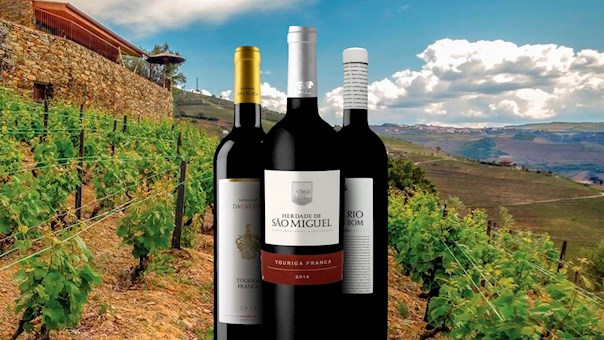
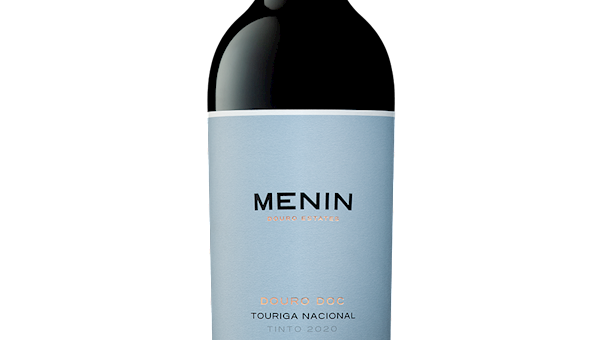
Touriga Nacional is a red grape variety indigenous to Portugal, mainly used to make port. It is predominately grown in the wine regions of Douro and Dão, and recently it has become an appreciated varietal dry wine, which offers great value for money and has a good aging potential. The wines are usually high in tannins, with a full body, intense flavors, and aromas of blue and black fruits, violets, spices, mint, and cocoa. Touriga Nacional is occasionally blended with Touriga Franca and Tempranillo, which creates more approachable, balanced wines. Dry Touriga Nacional should be paired with rich red meat dishes and fruit-infused sauces that are not too laden with spices.

06

Moscatel de Setúbal

4.1 ·

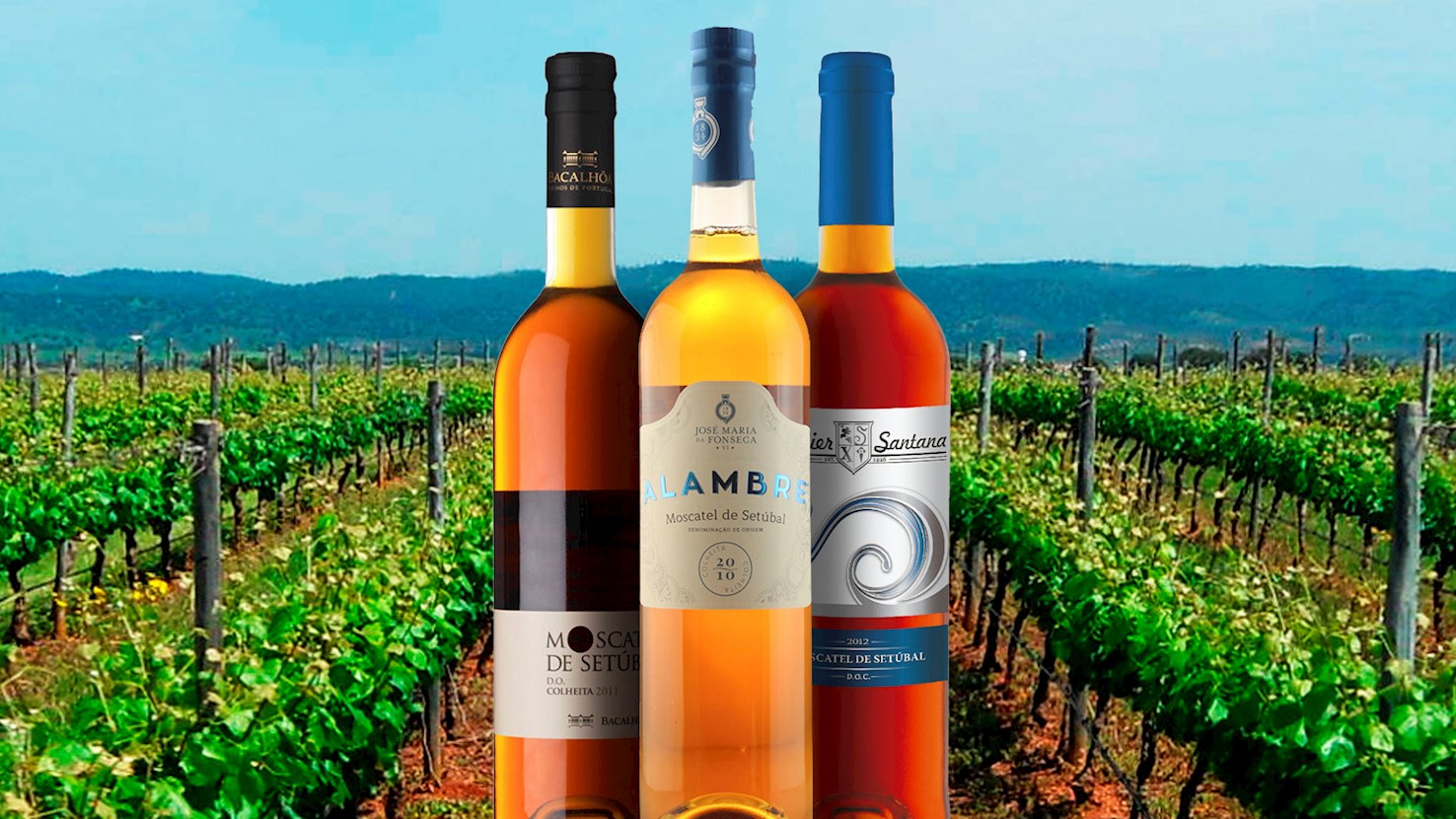
Moscatel de Setúbal is a fortified dessert wine produced on the Portuguese Setúbal peninsula. Primarily made from Moscatel de Setúbal, internationally known as Muscat of Alexandria, the wines are fortified with grape brandy and are then aged for a minimum of eighteen months. The color of these sweet wines ranges from golden to amber, and their main aromas include a complex combination of honey, caramel, orange blossom, spices, and acacia notes. These luscious wines are great enjoyed on their own, but they also naturally pair with caramel-based or dry desserts and soft-centered cheese.

07

Vinho Verde

4.1 ·

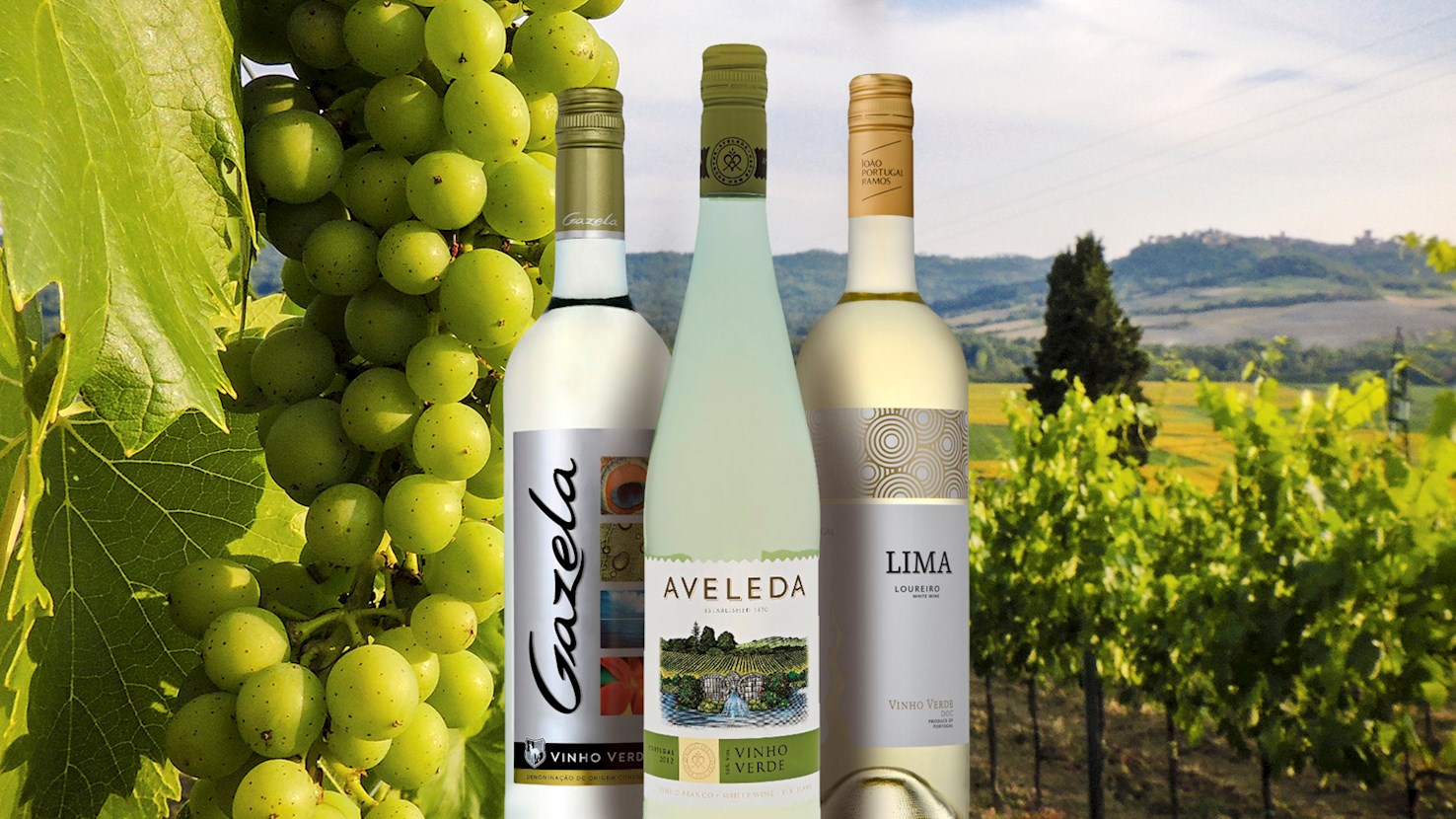
Vinho Verde is a Portuguese appellation for a variety of wines made with native regional grapes. The appellation is located in northern Portugal, and it is mainly defined by the Minho river. Verde, which translates as green, does not refer to the color of the wines but to the fact that they are predominantly consumed young. Another explanation says that the region's lush green landscape was the inspiration. Vinho Verde wines can be red, white, or rosé. Most of these wines are blends, though there are some varietals. The list of permitted grapes is dominated by six varieties: Alvarinho, Arinto, Azal, Avesso, Loureiro, and Trajadura. If the blend is made with grapes that are not officially permitted, it is labeled as Minho. Most of the wines coming from this region are white, but all styles are characterized by bright acidity, low alcohol, and a slight spritz. The effervescence can occur naturally, but most varieties are force carbonated. White wines produced in the region are usually pale straw colors with a floral and fruity aroma. Most examples have a light, uncomplicated character and are recommended for early consumption, though some labels can age quite well. The entire Vinho Verde appellation is divided into nine sub-regions. Due to different terroir, each region produces wines of a slightly different character. Most Vinho Verde wines are crisp, light wines that are best paired with fried or grilled seafood or light poultry and vegetables dishes.

08

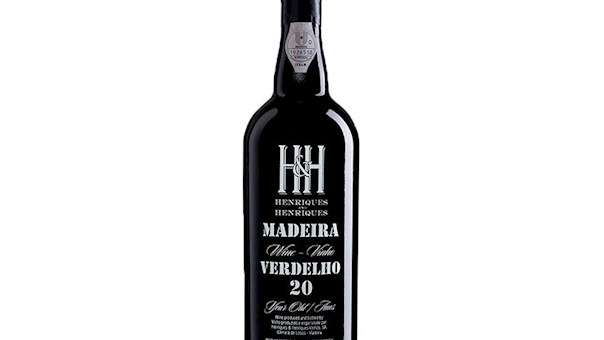
Madeira

4.1 ·

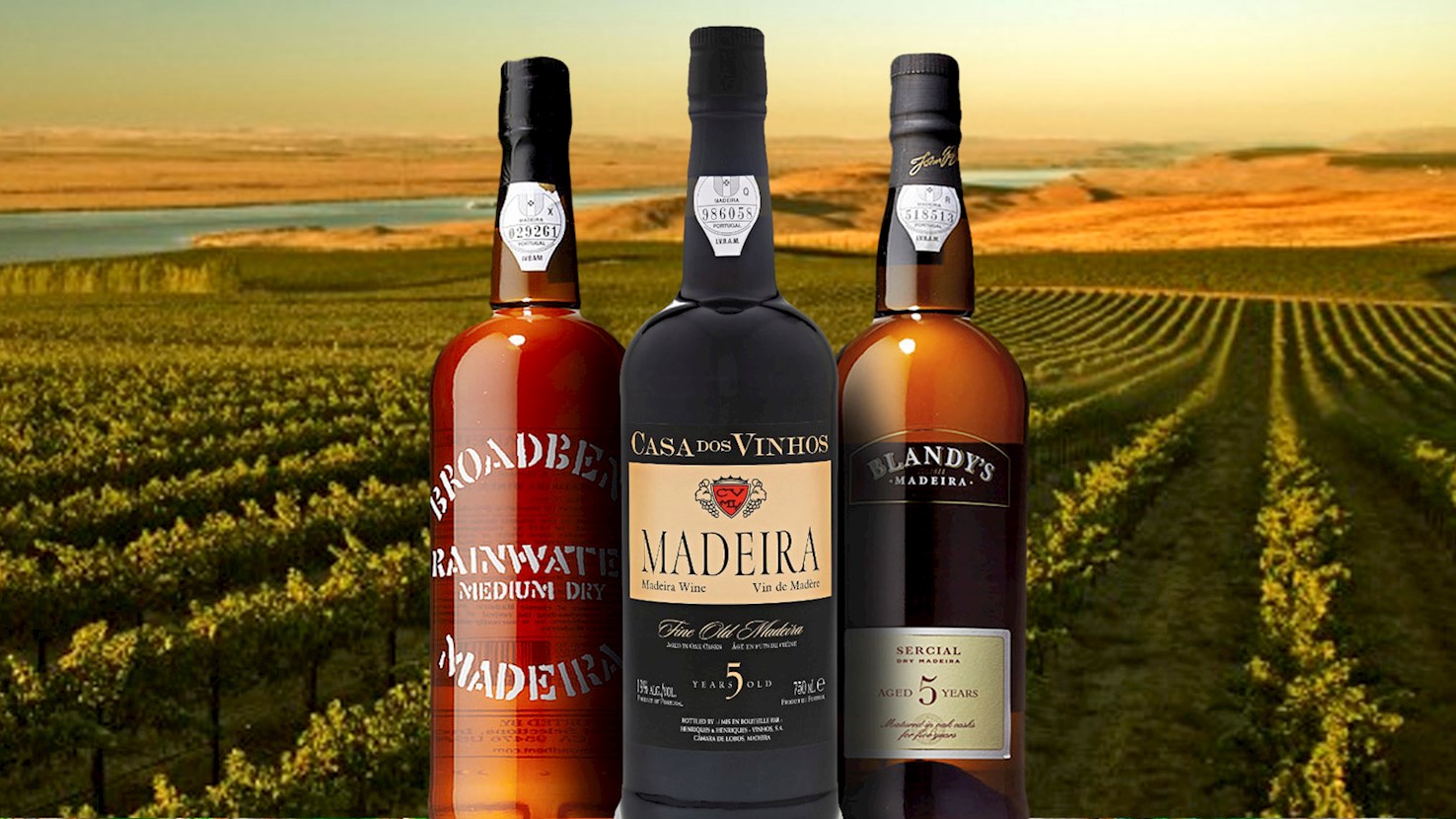
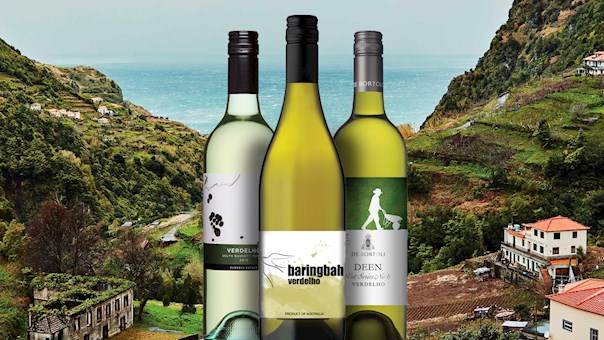
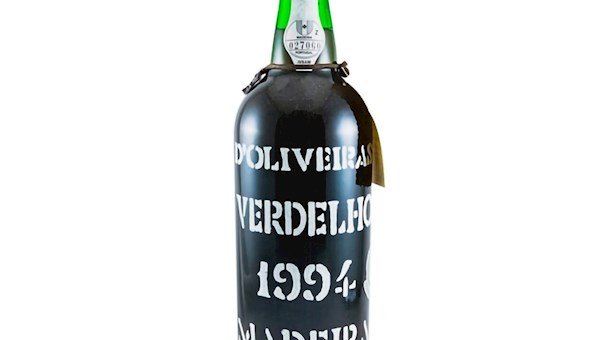
This fortified wine produced in the volcanic Madeira Islands ranges from dry wines that are typically served as an aperitif to the ones high on the sweet scale that are usually enjoyed with desserts. Approximately 85% of Madeira is produced with the Tinta Negra Mole red grape, from which all of the different styles can be produced, from dry through sweet. Other four major styles are each named after the predominant white grape variety that is used in the mix. From driest to sweetest those are, respectively: Sercial, Verdelho, Bual, and Malvasia. Madeira is famous for its unique winemaking process of wine heating, which produces a wine of exceptional durability. Depending on the style, the wines may have simple or complex aromas and develop a fascinating range of flavors that include fruit, roasted nuts, toffee, or caramel.

09

Colheita

4.1 ·

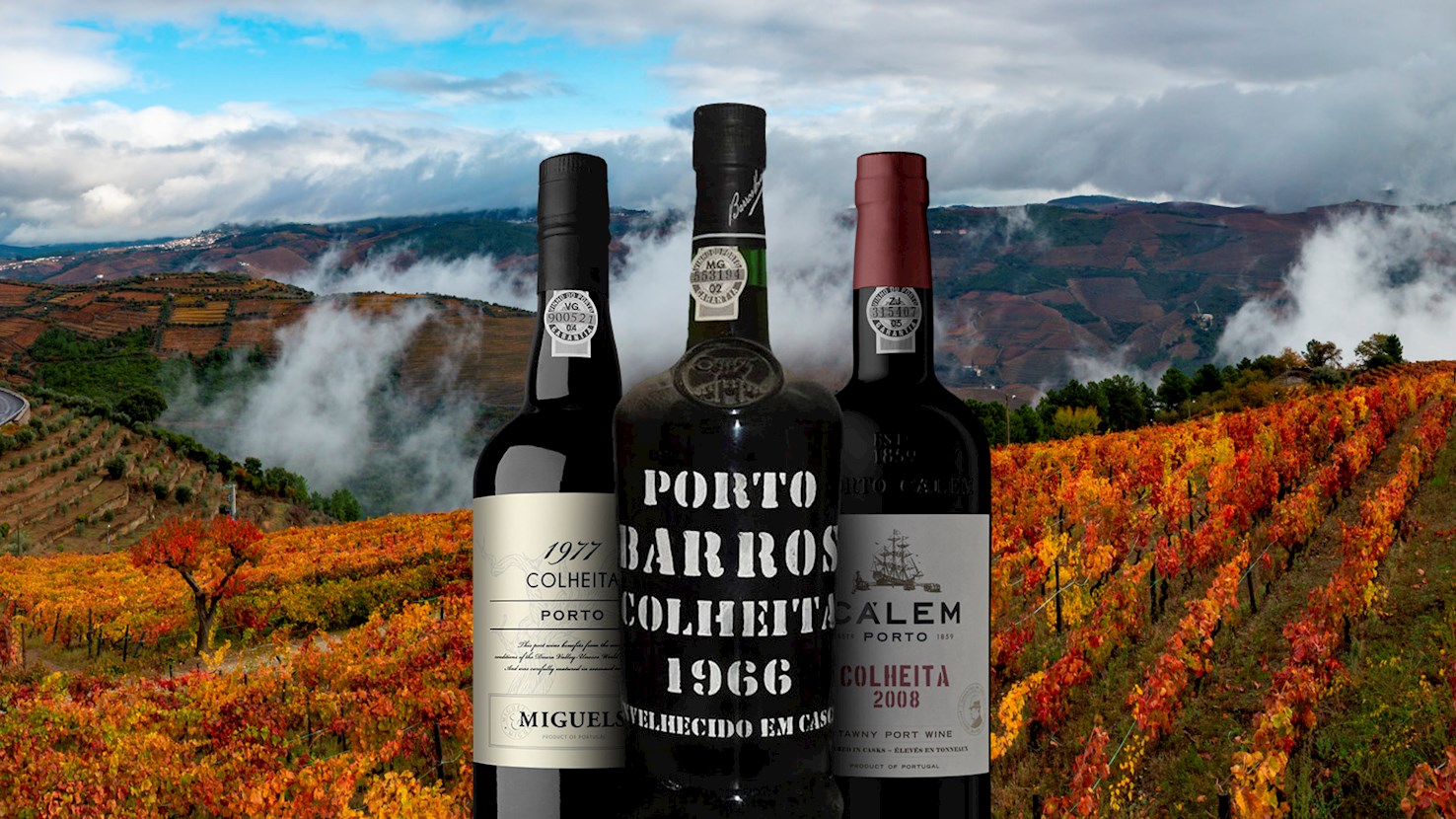
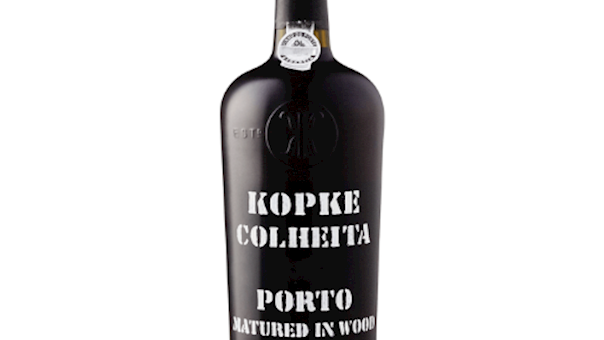
Colheita is a type of Tawny port made with single-harvest grapes. They have to be aged for at least seven years, though most producers opt for longer barrel maturation and decide to bottle it when the wine is ready and considered of sufficient quality. During wood maturation, the wine will become smooth and develop complex aromas and flavors reminiscent of dried fruits, spices, nuts, and citrus fruits. Colheita is a style of exceptional quality that is usually reasonably priced. It is quite rare, and only around 1% of port production is designated to become Colheita. It is sometimes labeled as Single Harvest Reserve or Port of the Vintage, and each bottle will carry both the vintage and the bottling date. Colheita should be served at room temperature or slightly chilled. It pairs well with pastries, custards, and cakes.

10

Port

4 ·

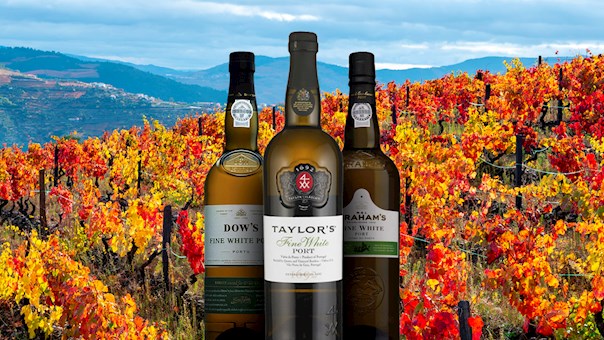
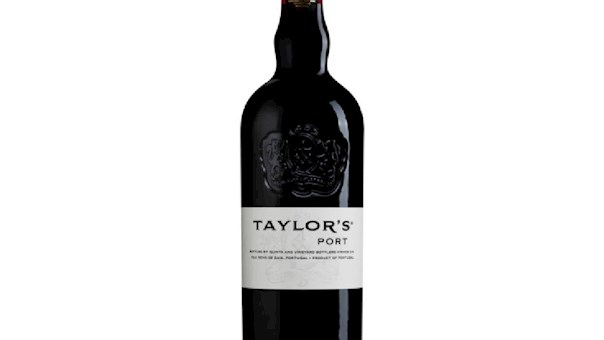
Port is a fortified wine that has its origins in the Duoro Valley. It is produced from various grape varieties, though Touriga Nacional, Tinta Barroca, Tinta Roriz, Touriga Francesca, and Tinta Cão are considered the best for the red port, while Viozinho, Rabigato, Arinto, Cedega, Gouveio are largely used for the production of white port. After fermentation, the wine is fortified with brandy and is usually matured in oak casks. Depending on the style, after blending, the wine can further age in the bottle or the barrel. The most common port styles include the young and fresh Ruby, the earthy Late-Bottled Vintage, and the rich and smooth Tawnies, while the Vintage ports enjoy the highest prestige. Most styles perfectly pair with chocolate and caramel desserts, while aged varieties go exceptionally well with nuts and richly flavored blue and washed-rind cheeses. Although similar styles are produced elsewhere, only those made in Portugal can carry be labeled as port.

Best Portuguese Wines
01

Justino's Madeira Wines

5 ·
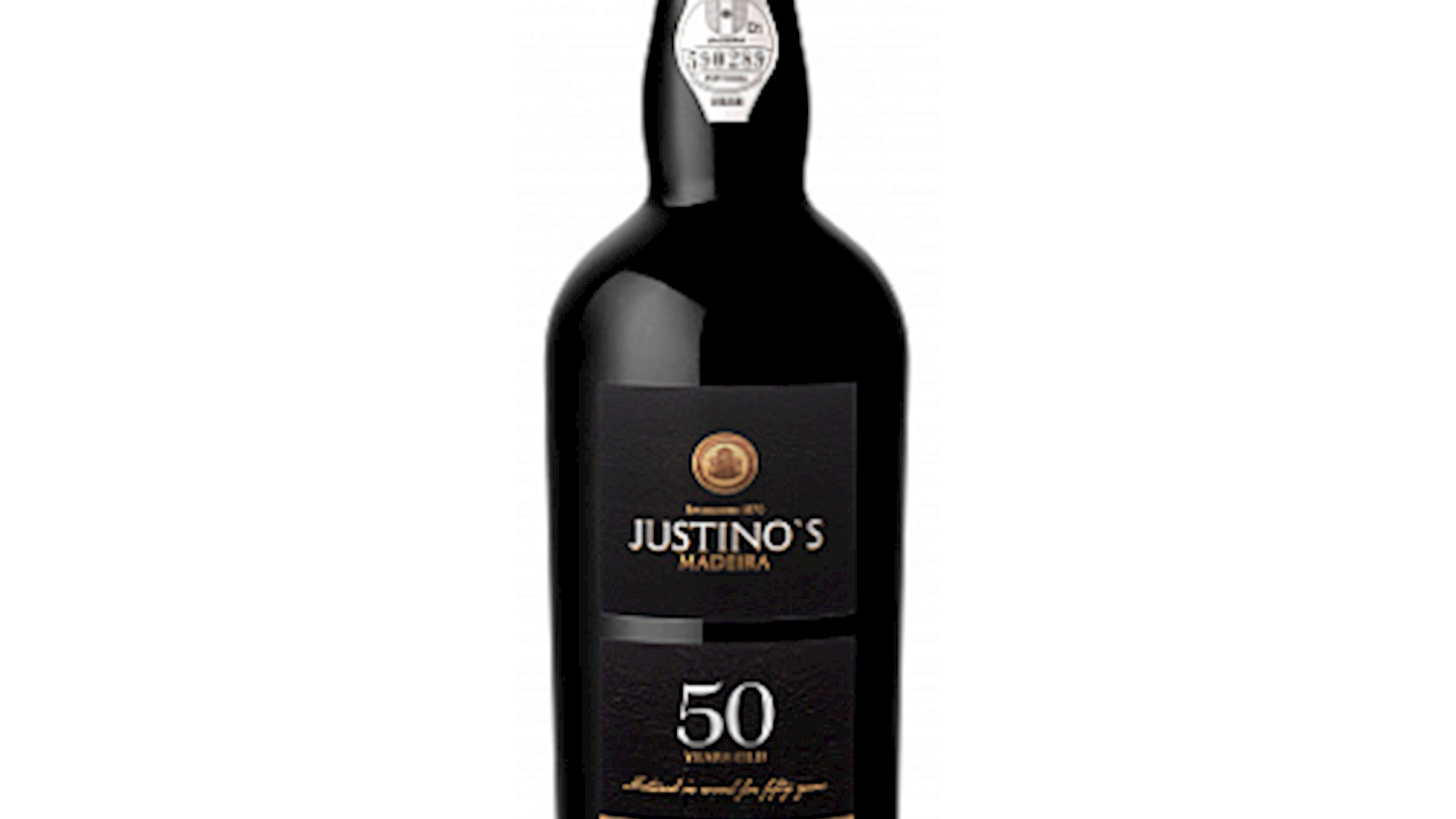
Justino’s Madeira Wines is one of the oldest and most influential wine producers on the island of Madeira, with a heritage dating back to 1870 and modern production facilities located in the Cancela area of Santa Cruz. The company is known for its wide range of Madeira styles - from young reserva bottlings to long-aged frasqueira vintage wines - made from traditional varieties such as Sercial, Verdelho, Boal, Malvasia and the rare Terrantez. Their winemaking combines controlled modern fermentation with the traditional “canteiro” aging method, in which the wine matures slowly for years in warm attic spaces without artificial heating. This process develops Madeira’s signature profile of caramel, nuts, dried fruit and oxidative complexity, balanced by vibrant natural acidity. Justino’s is internationally respected for its consistent quality and for producing wines that reflect both the deep historical tradition of Madeira and the precision of contemporary winemaking, securing its place as one of the region’s most distinguished producers.
Awards
Decanter World Wine Awards - Platinum (2024, 2023, 2018)
Decanter World Wine Awards - Best in Show (2020, 2018)
02

Quinta do Crasto

5 ·
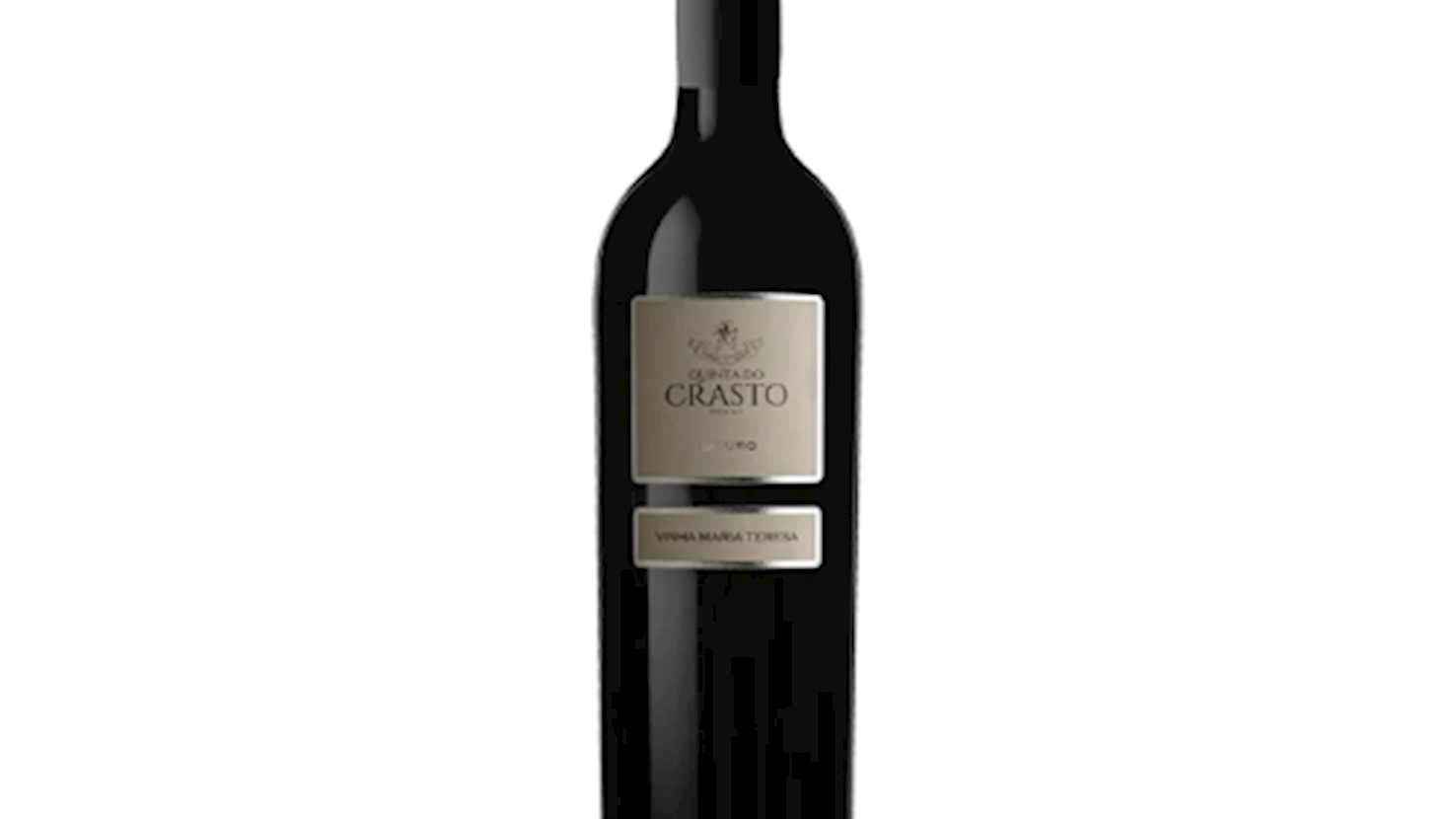
Quinta do Crasto is a historic winery located in Portugal’s Douro Valley, near the village of Gouvinhas in the municipality of Sabrosa. The estate has a long viticultural tradition dating back to at least 1615, and the name “Crasto” derives from the Latin word castrum, referring to a former Roman fort believed to have existed on the site. Its vineyards are planted on steep terraces overlooking the Douro River, on the region’s characteristic schist soils that contribute to the concentration and mineral character of the wines. Today the estate is managed by the Roquette family, who have modernized the winery while preserving the traditional identity of the vineyards and local grape varieties. The vineyards are largely planted with indigenous Douro varieties such as Touriga Nacional, Touriga Franca, Tinta Roriz and Tinta Barroca. Quinta do Crasto produces a range of wines including Douro red and white wines as well as Port wines, all reflecting the structure and character of the region. Wines from old vineyards, where several traditional grape varieties grow together, are particularly valued for their depth and aging potential. In addition to wine, the estate also produces extra virgin olive oil from its own olive groves. Quinta do Crasto is widely recognized as one of the notable premium producers in the Douro Valley. The estate also offers wine tourism experiences, allowing visitors to explore the vineyards and cellar while overlooking the Douro landscape.
Awards
Decanter World Wine Awards - Platinum (2024)
Vivino - 4.7
03

Cartuxa

5 ·
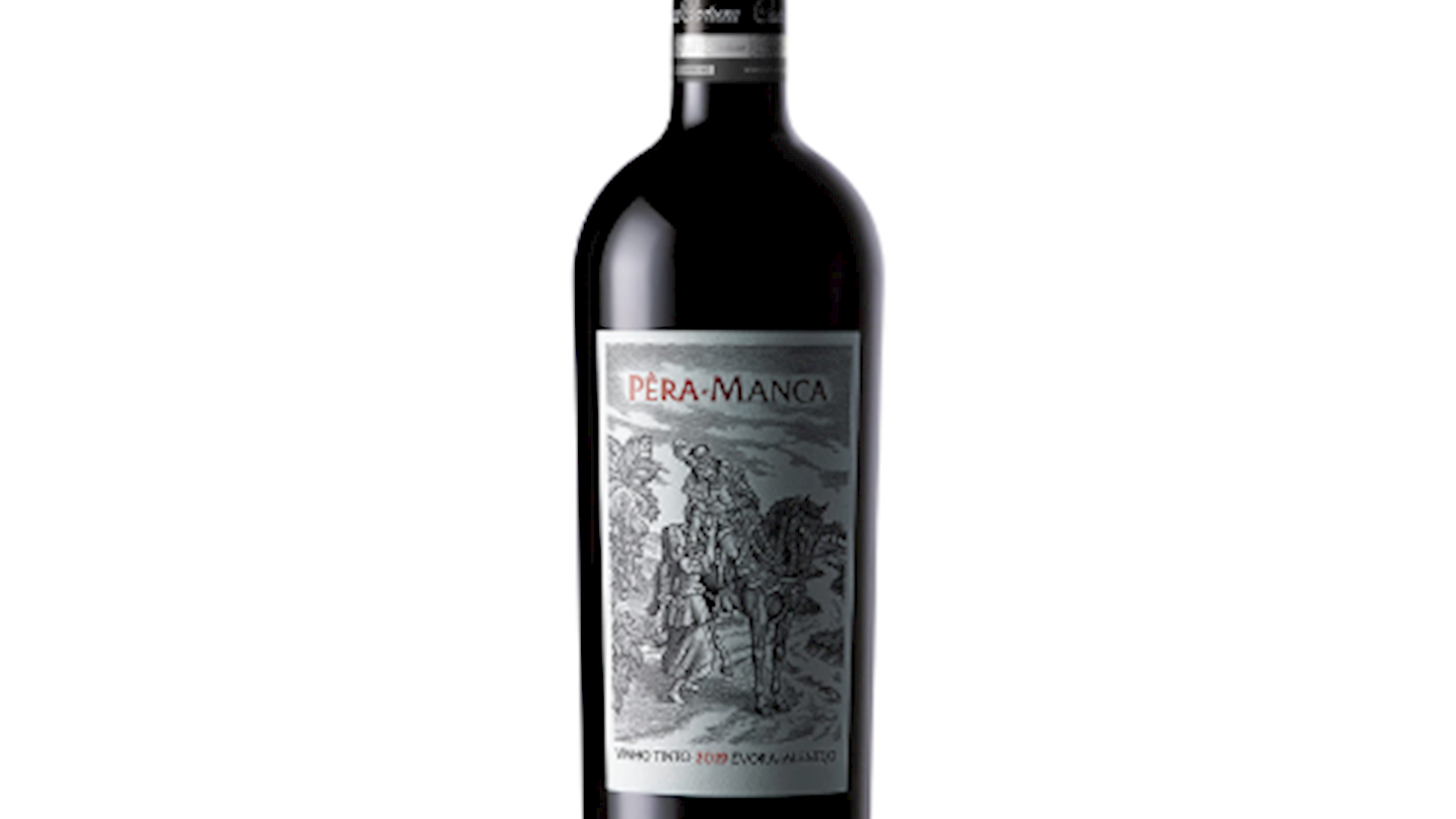
Cartuxa is a Portuguese wine producer based in the Alentejo region, closely associated with the Fundação Eugénio de Almeida, a foundation that manages the vineyards and winery near the historic city of Évora. The name Cartuxa derives from the nearby Santa Maria Scala Coeli Carthusian monastery, founded in the 16th century, which has long been part of the cultural and historical identity of the area. Wine production takes place at Adega Cartuxa, located on the Quinta de Valbom estate, where grapes from surrounding vineyards are vinified and aged. The vineyards are planted on typical Alentejo soils and benefit from the region’s warm climate, which is well suited to varieties such as Aragonez, Trincadeira, Alicante Bouschet, Antão Vaz, Roupeiro, and Arinto. The portfolio includes several wine ranges, notably EA, Cartuxa, Scala Coeli, and Pêra-Manca, the latter widely regarded as one of Portugal’s most prestigious wines. In addition to wine, the estate also produces extra virgin olive oil from its groves. Revenue generated by these activities supports the cultural, educational, and social initiatives developed by the Fundação Eugénio de Almeida in the Alentejo region.
Awards
Vivino - 4.7
Vivino - 4.5
04

Já Te Disse

5 ·
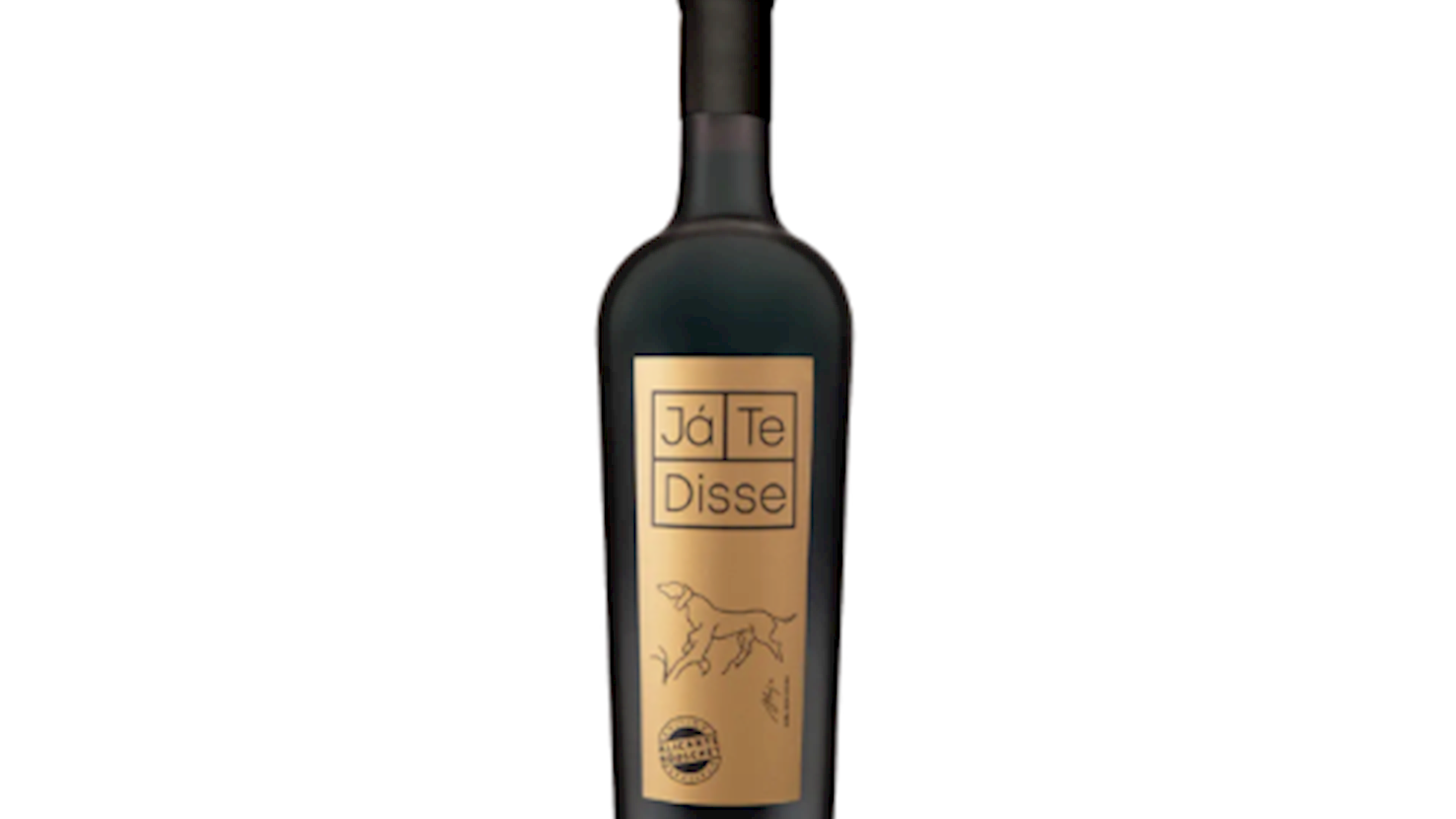
Já Te Disse is an independent Portuguese wine project based in the Alentejo region, known for its modern and creative approach to winemaking. The winery focuses on producing wines in limited quantities, emphasizing the quality of the grapes and the authentic expression of the vineyards from southern Portugal. The vineyards are located in the typical Alentejo landscape, where a warm and dry climate allows the grapes to reach full ripeness and develop concentrated aromas. Winemaking practices aim to preserve the natural fruit character and balance of the wines while maintaining a contemporary style. The brand also stands out for its distinctive visual identity and playful name - “Já Te Disse” which in Portuguese translates to “I already told you”. This informal tone reflects the project’s intention to present Alentejo wines in a fresh and accessible way. The wines are generally produced in small batches and target consumers interested in authentic and modern interpretations of Portuguese terroir. By combining traditional vineyard practices with a contemporary aesthetic and focused enological work, Já Te Disse represents a new generation of boutique wine initiatives emerging in Portugal.
05

Herdade Papa Leite

5 ·
Herdade Papa Leite is an estate and winery located in Alter do Chão, in the northern part of Portugal’s Alentejo wine region. The estate has a history that dates back to the 17th century and was traditionally dedicated to agriculture, including the cultivation of cereals, olive groves, and livestock farming, activities that remain part of its identity today. Its modern development began when the property was acquired by Filipe Barreiros Cardoso, who set out to establish a wine project reflecting the character of this part of Alentejo. The vineyards are planted on clay-rich and mineral soils, while the combination of warm days and cooler nights allows the grapes to ripen fully while preserving natural freshness. Both local and international grape varieties are used in production, including Cabernet Sauvignon, Cabernet Franc, and Merlot for red wines, as well as Viognier, Chenin Blanc, Semillon, and Moscatel for white wines. Grapes are often harvested at night to maintain their aromatic purity and quality before arriving at the winery. The portfolio includes several wine lines that explore different styles and interpretations of the Alentejo terroir. A distinctive element of the brand identity is the artistic design of the labels, which illustrate stories and moments connected to life on the estate. By combining the heritage of a historic property with a contemporary approach to viticulture and winemaking, Herdade Papa Leite aims to express the landscape, climate, and culture of northern Alentejo through its wines.
Awards
Vivino - 4.6
06

Graham’s Port

5 ·
Graham’s Port is one of Portugal’s most renowned and respected port houses, with a heritage dating back to 1820 and deep roots in the Douro Valley. The estate relies on premium vineyards such as Quinta dos Malvedos, Quinta do Tua and Quinta da Vila Velha, all known for their steep schist terraces and highly favorable microclimates for ripening native varieties like Touriga Nacional, Touriga Franca, Tinta Roriz and Tinta Barroca. Graham’s is especially valued for its aged tawny ports, which undergo long maturation in wooden casks in Vila Nova de Gaia, developing notes of walnut, caramel, dried fruit and refined oxidative aromas. In addition, the house produces top-tier Vintage Ports, recognized for their depth, concentration and exceptional longevity.
Awards
Falstaff - 100
Vivino - 4.6
07

Herdade da Maroteira

5 ·
Herdade da Maroteira is a family-owned wine estate located in the Alentejo region of Portugal, on the slopes of the Serra d’Ossa mountains near the town of Redondo. The estate has been linked to the Anglo-Portuguese Reynolds family since the mid-19th century, when Robert Reynolds began managing cork oak forests that supplied cork for the port wine industry. For many decades the property was primarily dedicated to cork production, livestock farming and olive cultivation, reflecting the traditional agricultural landscape of Alentejo. A significant transformation began in the early 2000s when Philip Mollet introduced vineyards and established a modern winemaking project on the estate. The first plantings focused on Syrah, which proved particularly well suited to the local conditions and led to the creation of the winery’s flagship wine, Cem Reis. Over time the vineyards expanded to include varieties such as Alicante Bouschet, Aragonez and Touriga Nacional, planted on clay-limestone soils typical of the region. Grapes are harvested by hand, often during the night to preserve freshness and aromatic intensity. Today the estate combines vineyards, cork oak forests and traditional Alentejo landscapes, while the winery produces wines that balance ripe fruit, structure and the distinctive character of the local terroir. The portfolio includes labels such as Mil Reis, Cem Reis and Dez Tostões, reflecting both modern winemaking and the agricultural heritage of the property.
Awards
Vivino - 4.6
Vivino - 4.7
08

Quinta da Vacaria

5 ·
Quinta da Vacaria is a historic wine estate located in Portugal’s Douro Valley with winemaking roots dating back to the early 17th century. The estate was acquired in 1613 by Gaspar de Sousa and later became associated with the Jesuit order, marking the beginning of a long viticultural tradition in the area. Situated near the confluence of the Douro and Corgo rivers, close to Peso da Régua, the property includes terraced vineyards planted on the schist soils characteristic of the region. These vineyards are cultivated with traditional Portuguese grape varieties such as Touriga Nacional, Touriga Franca, Tinta Roriz, and Rabigato, which reflect the diversity and structure of Douro wines. Quinta da Vacaria produces both Douro DOC wines and Port wines, combining historical vineyard practices with modern winemaking techniques to highlight the character of its terroir. In recent years the estate has also developed wine tourism, offering visitors tastings, vineyard experiences, and accommodation overlooking the Douro River. Today Quinta da Vacaria stands as one of the historic estates of the Douro, linking centuries of wine heritage with contemporary wine production.
Awards
Vivino - 4.6
Vivino - 4.4
09

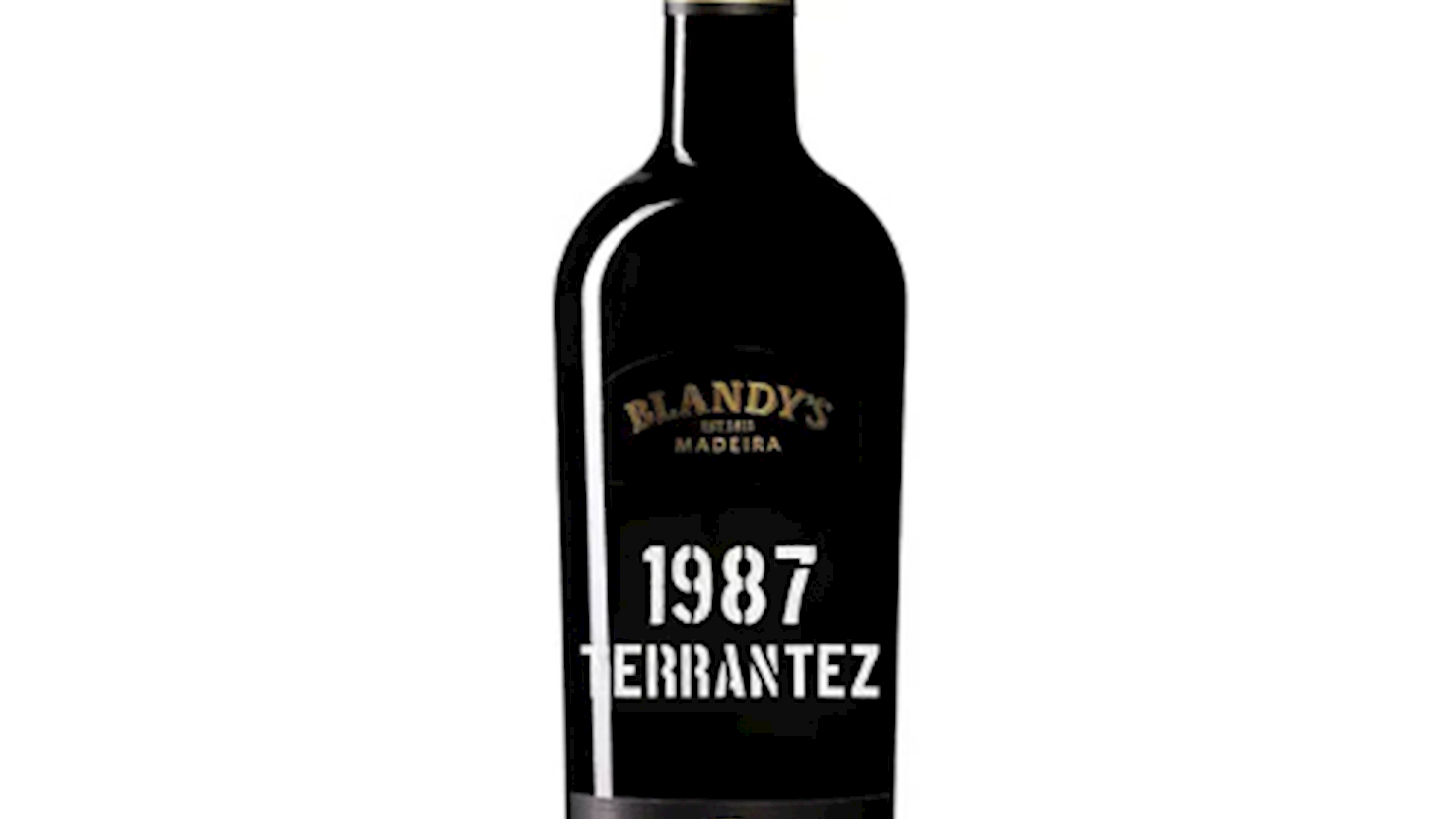
Blandy's

5 ·
Blandy’s is one of the oldest and most renowned Madeira wine producers, founded in 1811 and the only remaining house on the island still managed by the original founding family. Over more than two centuries, Blandy’s has built a reputation for combining tradition with modern techniques, relying on classic varieties such as Sercial, Verdelho, Boal and Malvasia, and maintaining authentic aging practices. Their production still uses the traditional canteiro method, in which the wines mature for years in warm attic conditions, developing oxidative aromas of caramel, nuts, dried fruit and spice, all supported by Madeira’s signature vibrant acidity. The estate produces a full range of styles - from dry to rich sweet Madeiras - and is known for exceptional stability, longevity and historical consistency in quality. Today, Blandy’s stands as one of the key guardians of Madeira’s winemaking heritage, recognized worldwide for its craftsmanship and commitment to the island’s traditions.
Awards
Decanter World Wine Awards - Best in Show (2023, 2018, 2016)
Decanter World Wine Awards - Platinum (2020, 2018)
10

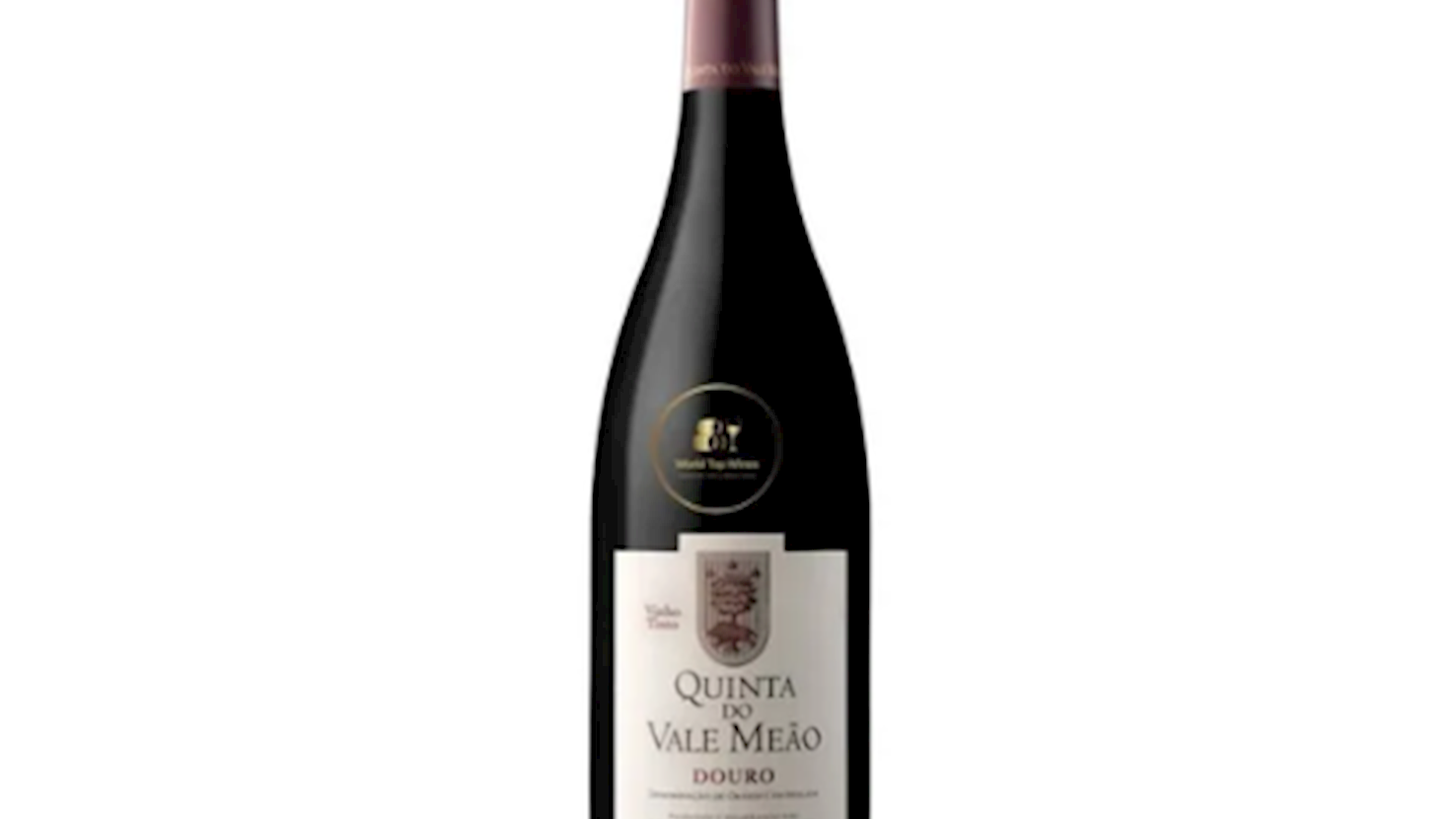
Quinta do Vale Meão

5 ·
Quinta do Vale Meão is a historic estate located in the Douro region of Portugal, founded in 1877 by Doña Antónia Adelaide Ferreira. Today, it is owned by her great-great-grandson, Francisco "Xito" Olazabal, who continues the family tradition of producing exceptional wines. The winery combines traditional methods with modern technology. Grapes are still foot-trodden in ancient stone tanks known as "lagares", while fermentation takes place under controlled conditions in modern stainless steel tanks. The wines are aged exclusively in French oak barrels from the Allier region. Quinta do Vale Meão is renowned for its red wines, particularly those crafted from grape varieties such as Touriga Nacional, Tinta Roriz, and Touriga Franca. Their wines are characterized by deep color, complex aromatic profiles, and outstanding structure, making them highly esteemed by wine enthusiasts worldwide.
Awards
James Suckling - 95 points (2023)
Vivino - 4.6
Read more
View all
View map
About this ranking

TasteAtlas food rankings are based on the ratings of the TasteAtlas audience, with a series of mechanisms that recognize real users and that ignore bot, nationalist or local patriotic ratings, and give additional value to the ratings of users that the system recognizes as knowledgeable. For the “Top 100 Portuguese Wines” list until June 15, 2026, 1,203 ratings were recorded, of which 831 were recognized by the system as legitimate. TasteAtlas Rankings should not be seen as the final global conclusion about food. Their purpose is to promote excellent local foods, instill pride in traditional dishes, and arouse curiosity about dishes you haven’t tried.

The initial list of top producers was compiled based on available reviews, awards, local recommendations, media and blog coverage, and consumer reviews. The list will be updated with ratings from TasteAtlas local ambassadors and TasteAtlas users.

Similar lists