shutterstock

Top 100 Pasta
in the World

Last updated on April 15, 2026

Best Pasta in the World
01

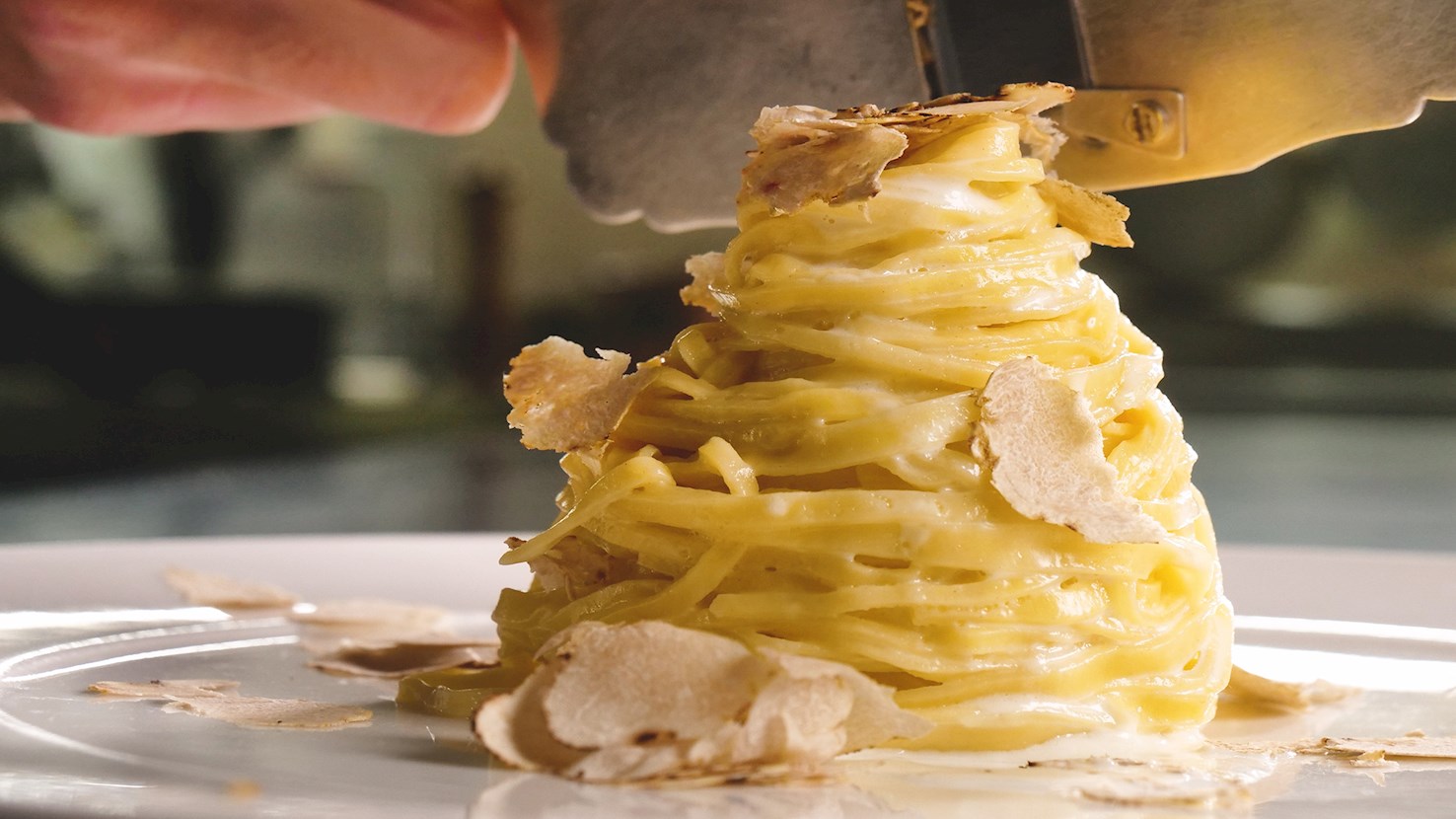
Tajarin al tartufo bianco d'Alba

4.5 ·

Tajarin al tartufo bianco is a pasta dish flavored with the regional star - tartufo bianco d'Alba. This simple dish consists of handmade tajarin (also spelled as taglierini and tagliolini) pasta flavored with butter, pepper, and freshly grated white truffles. Although truffles bring more than enough flavor, a sprinkle of Parmigiano is often used to finish this delicacy, which becomes even more decadent if paired with a glass of dry red wine.

02

Pasta 'ncasciata

4.5 ·

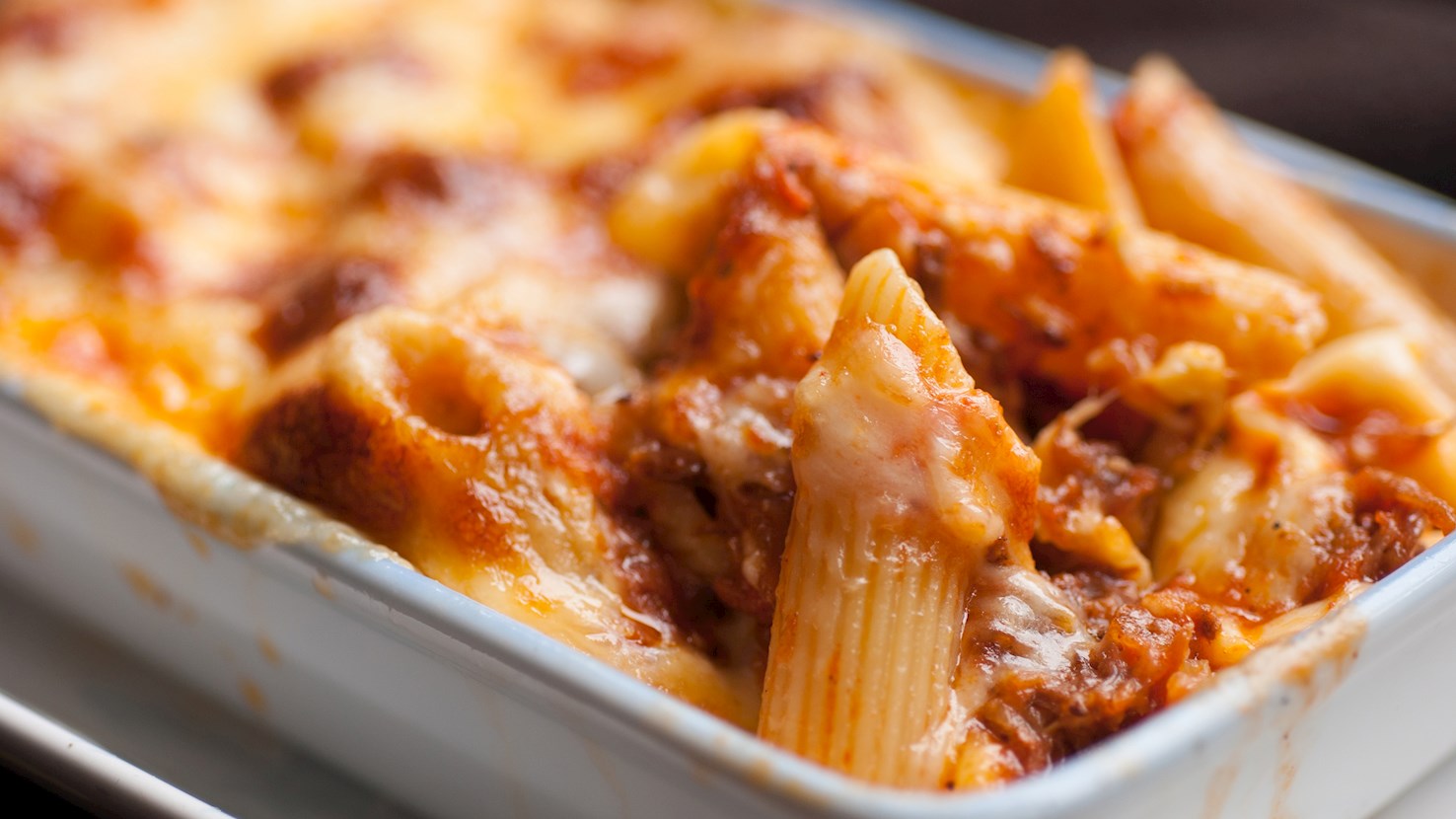
Pasta 'ncasciata is a traditional pasta dish originating from Sicily. In order to prepare it, pasta such as penne or rigatoni is cooked in boiling water, then strained and mixed with a rich tomato sauce (in Palermo) or a beef ragu (in Messina), cubes of fried eggplant, pieces of cheese such as caciocavallo or mozzarella, and bechamel sauce. The combination is placed in a springform cake tin, sprinkled with breadcrumbs, then baked until the filling becomes hot. The dish is inverted from the mold and served warm. It's recommended to pair it with a glass of red wine such as Nero d'Avola or Frappato.

03

Pappardelle al cinghiale

4.5 ·

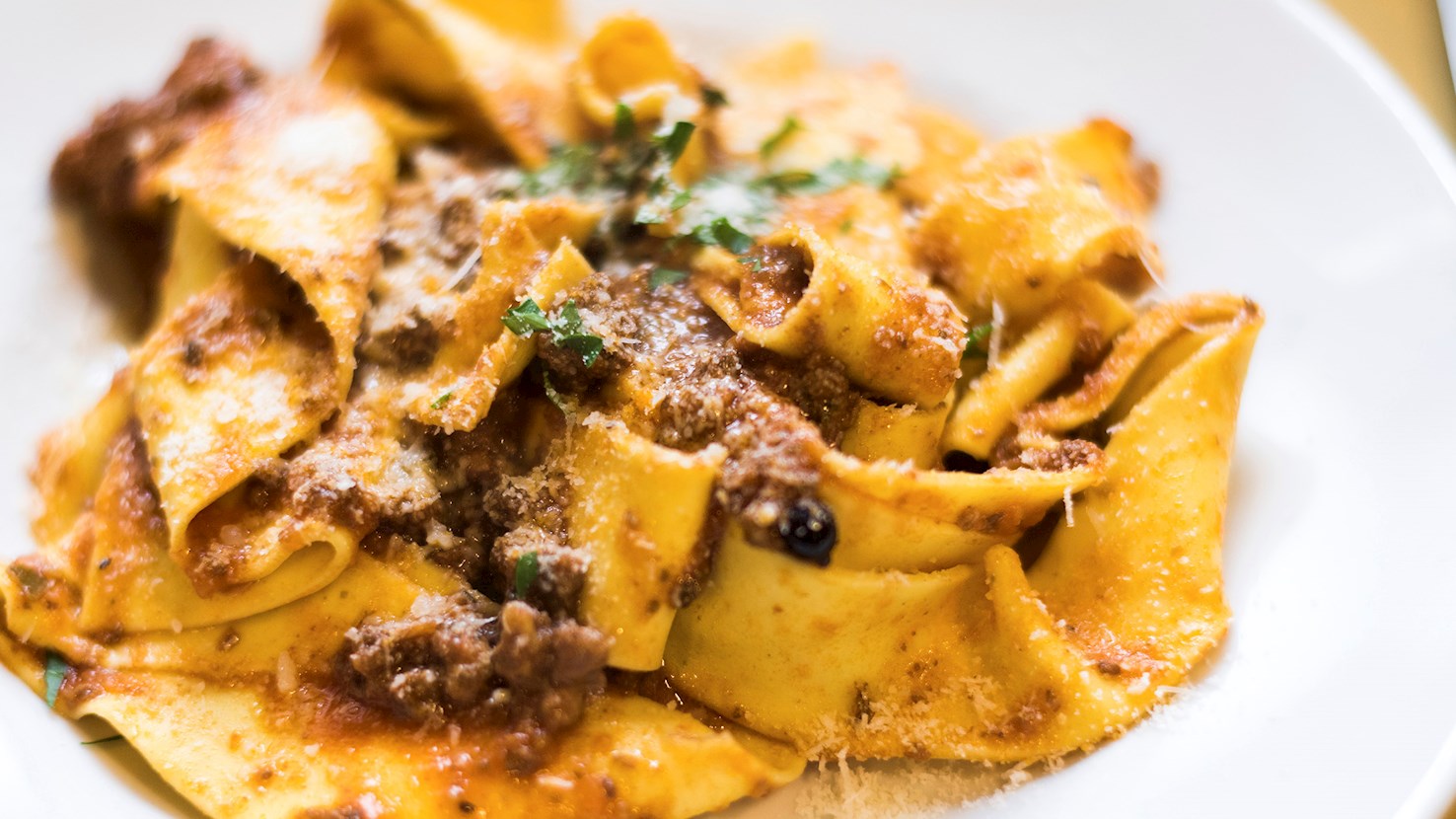
Pappardelle is a famous Tuscan pasta variety. When paired with ragù di cinghiale (made with wild boar), they become one of the region's best gastronomic experiences. Unlike classic ragù, the one prepared with wild boar has an intense, much stronger flavor achieved by long, slow simmering in a rich sauce of tomatoes and red wine. The tender meat paired with fresh egg pasta is a combination full of flavors and tradition in every single bite - rich and delicious, topped with a generous amount of chopped fresh parsley and a sprinkle of Parmigiano, pappardelle al ragù di cinghiale make a perfect, comforting winter dish, especially when paired with a glass of Tuscan red wine.

04

Sugo alla Genovese

4.5 ·

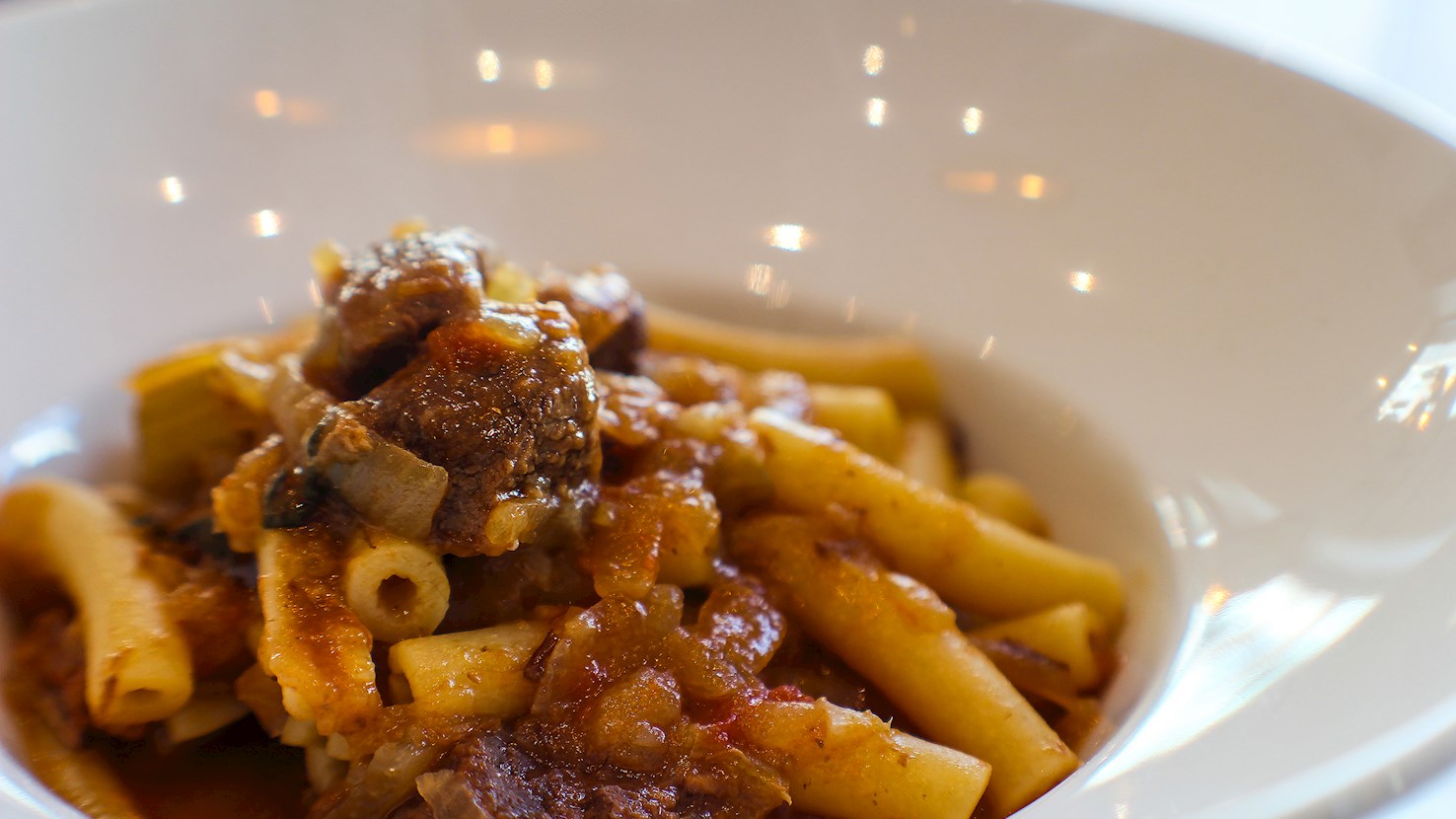
Sugo alla Genovese is a traditional sauce that, despite its name, originates from Naples, but it was likely brought over to the city from Genoa by Genovese immigrants during the Renaissance period. The sauce is prepared by sautéeing veal or beef in olive oil with large amounts of onions, carrots, and celery for a long time, usually from 2 to 10 hours. White wine or stock are often added to the sauce to enrich its flavors. Once done, sugo alla Genovese is served either as it is or the meat is served separately from the sauce. It's traditionally paired with pasta types such as ziti or rigatoni, and the dish is then garnished with tomatoes and topped with grated pecorino.

05

Bigoli con l'anatra

4.5 ·

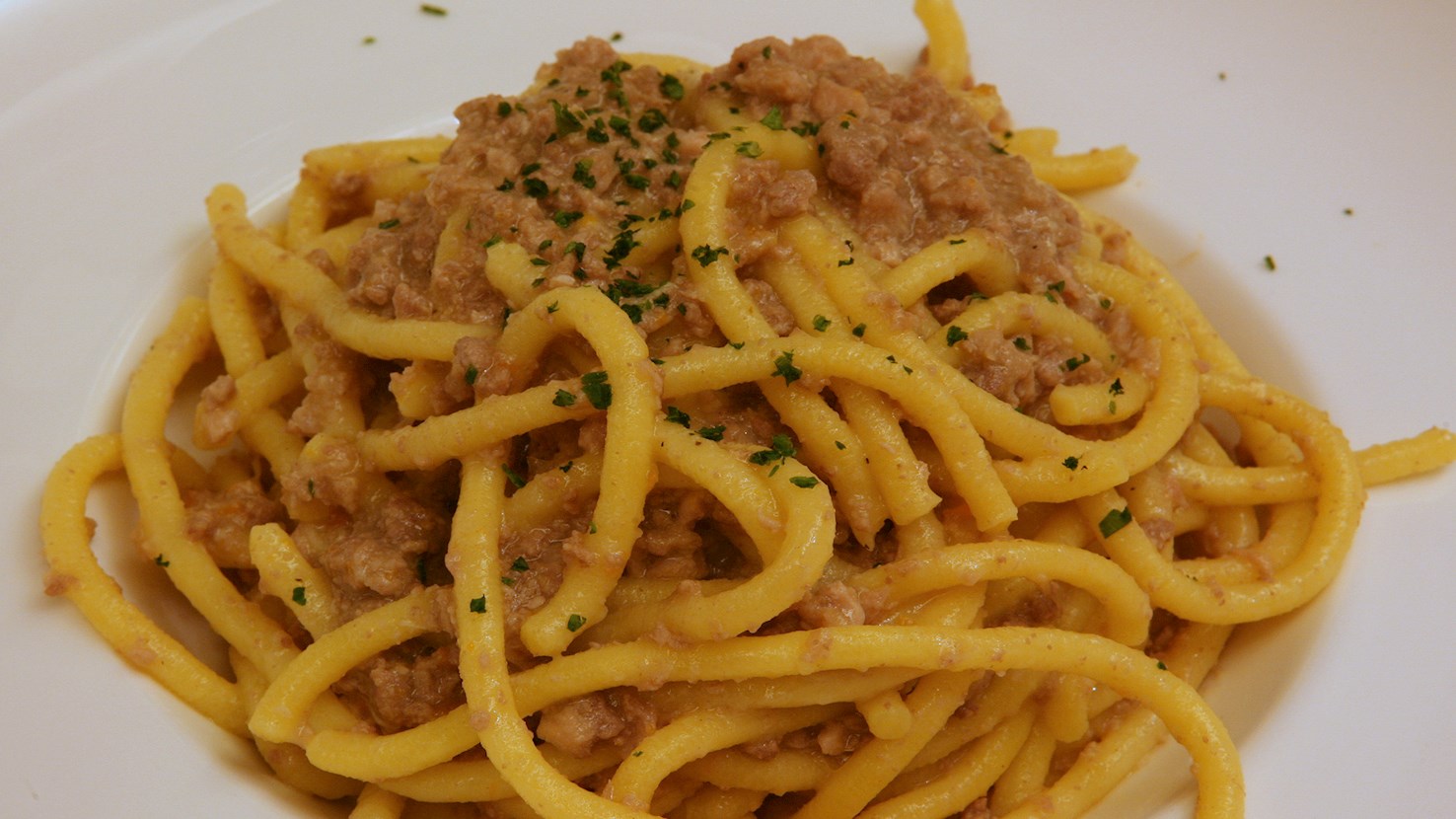
I bigoli con l'anatra, locally known as bigoi co' l'arna, is a traditional dish that originated in the city of Thiene, but over time it became very popular throughout the province of Vicenza. Bigoli is a thick, egg-based pasta variety whose size and texture make the perfect match for a rich duck ragú made with onions, carrots, celery, bay leaves, sage, and dry white wine. Originally, this dish used to be prepared with cleaned offals and duck fat, while duck meat was either used in other recipes or preserved in fat. Nowadays, only the best parts of meat and livers are used, while duck fat is substituted with butter and olive oil - the result is an equally delicious, yet much lighter dish. Served generously topped with freshly grated Parmigiano, this hearty dish is a perfect choice for cold winter days, especially when paired with a glass of local red wine such as Cabernet or Merlot.

06

Tagliatelle al ragù alla Bolognese

4.4 ·

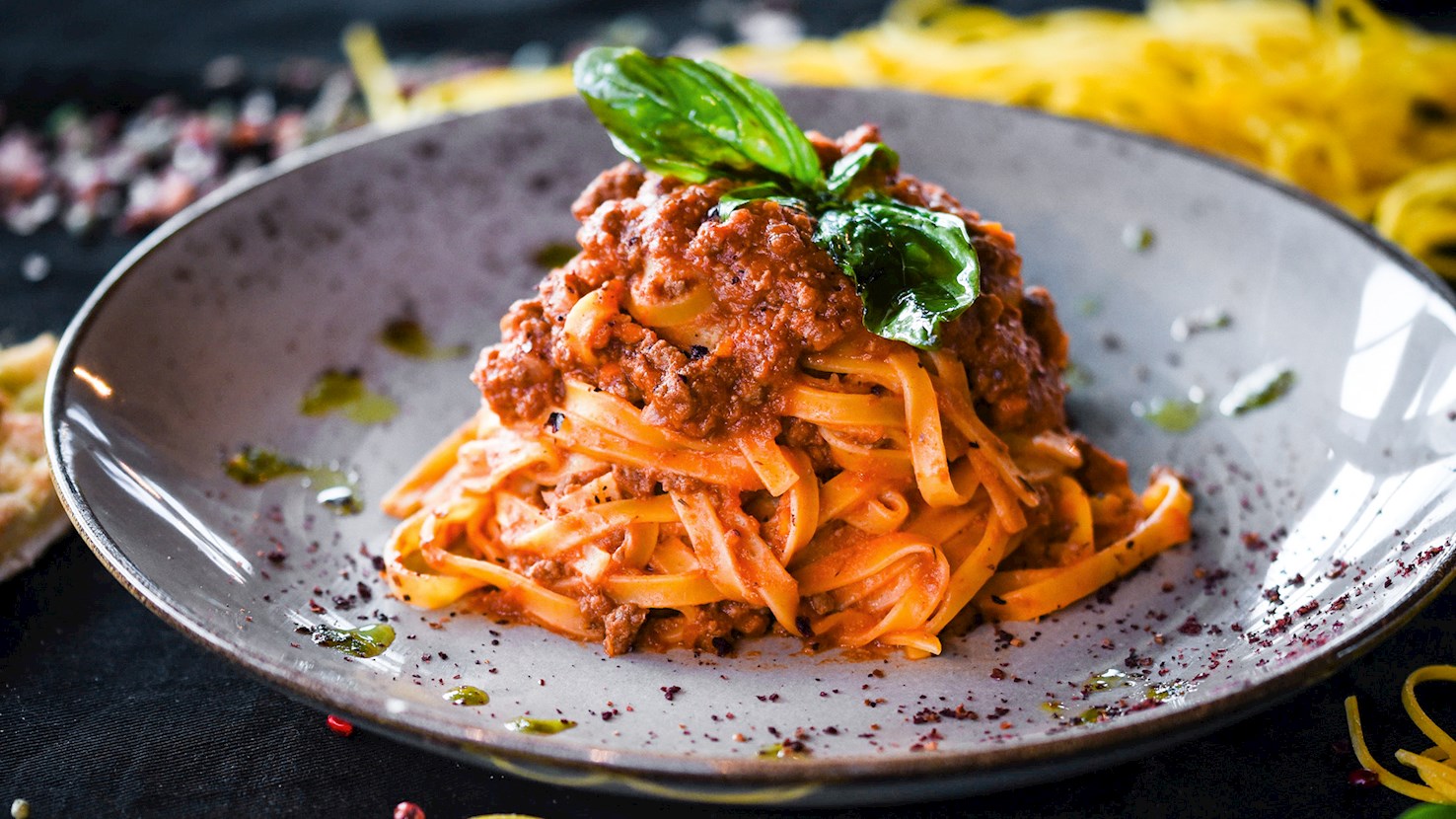
Tagliatelle al ragù alla Bolognese is a traditional dish originating from Bologna, consisting of tagliatelle pasta and a rich ragù made with a mixture of minced beef and pork, and tomatoes as key ingredients. Even though they are often thought to be synonymous, tagliatelle al ragù—one of Bologna's signature dishes—bears little or no resemblance to the dish known as spaghetti Bolognese in the rest of the world. In fact, the world famous Italian ragù alla Bolognese meat sauce is never served with spaghetti in Bologna. Instead, when it isn't served over fresh tagliatelle, you will most often find it topping a bed of some other other ribbon-like pasta, such as fettuccine or pappardelle. Regardless of the type of pasta used, what makes or breaks this classic Emilian dish is the ragù itself. Experts nowadays tend to consider the recipe for ragù alla Bolognese registered by the Italian Academy of Cuisine in October 1982 the most authentic version. However, chances are that every restaurant and trattoria in Emilia Romagna dishes out its own version of tagliatelle al ragù, and each version is surely worth trying.

07

Lasagne alla parmigiana

4.4 ·

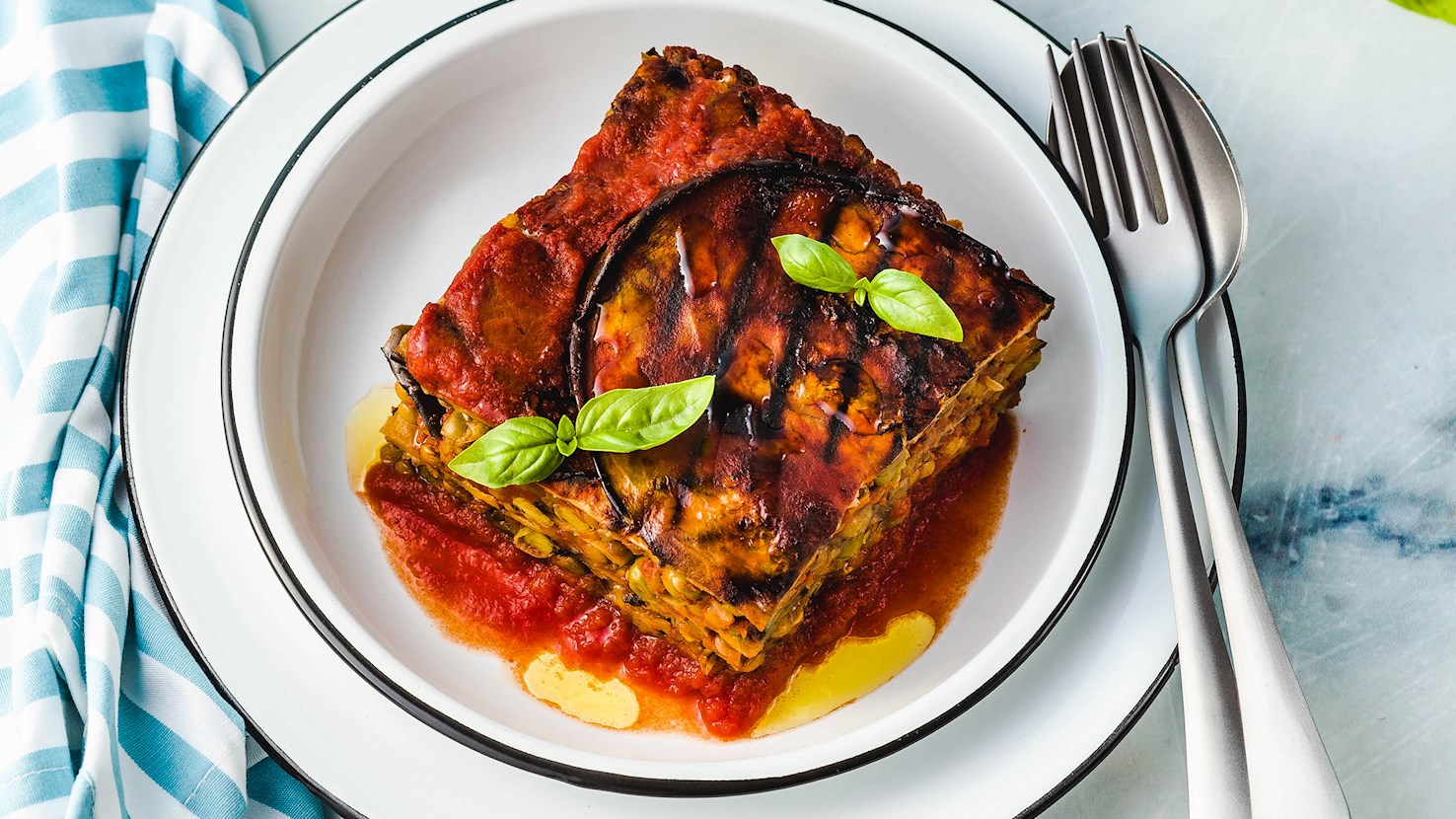
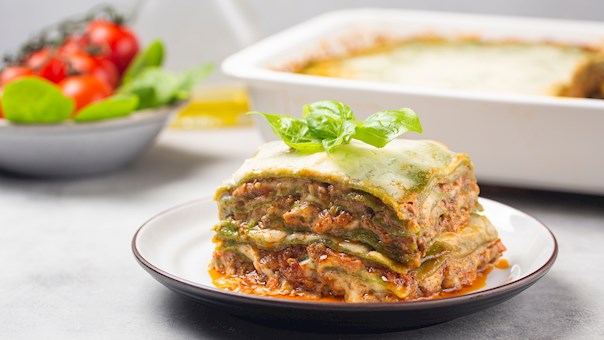
Lasagne alla parmigiana is a traditional lasagna dish originating from Emilia-Romagna. The dish is essentially a blend of two Italian classics – lasagne pasta and eggplant parmigiana. Although there are many recipes, it's usually made with a combination of lasagne sheets, eggplants, tomatoes, garlic, mozzarella, olive oil, basil, grated cheese, salt, and black pepper. The eggplants are sliced, salted, drained, and fried in oil until golden. The tomato sauce is made with tomatoes, olive oil, and garlic. It's spread on the bottom of an ovenproof dish and topped with cooked lasagna sheets, tomato sauce, eggplant slices, mozzarella, grated cheese, and basil. The process of layering is repeated, and the last layer should consist of tomato sauce and grated cheese. The dish is baked in the oven until golden and bubbling, and lasagne alla parmigiana are then ready to be enjoyed. It's recommended to pair the dish with crisp and fruity white wines such as Greco di Tufo.

08

Agnolotti del plin

4.4 ·

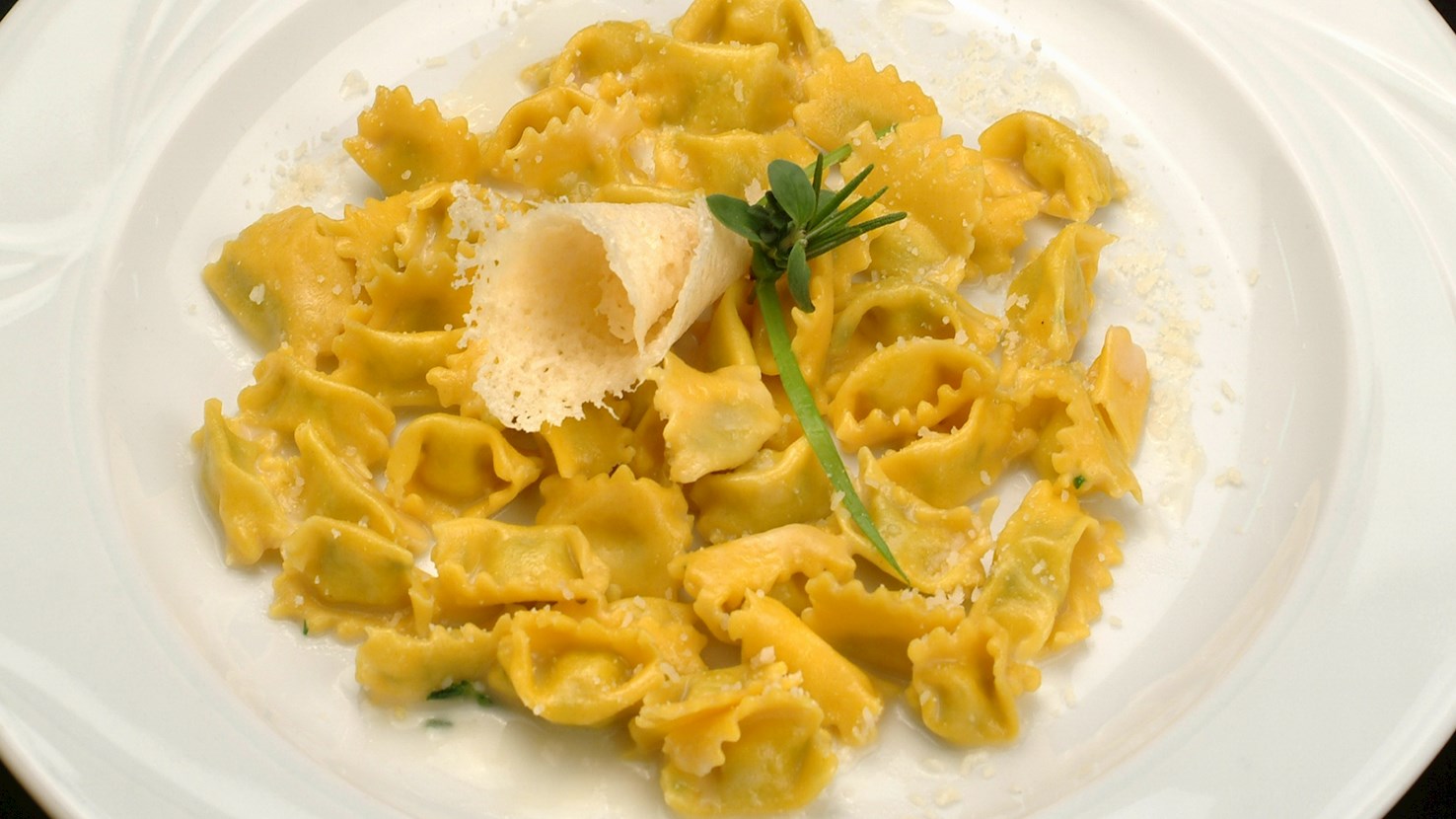
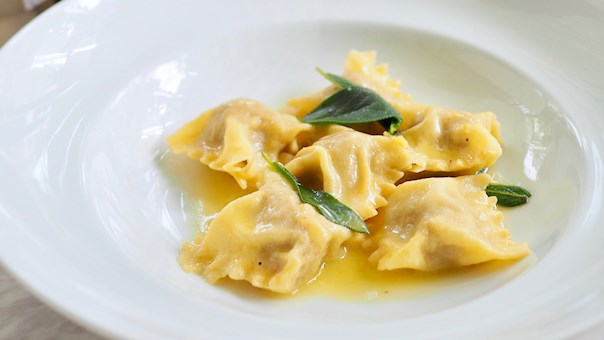
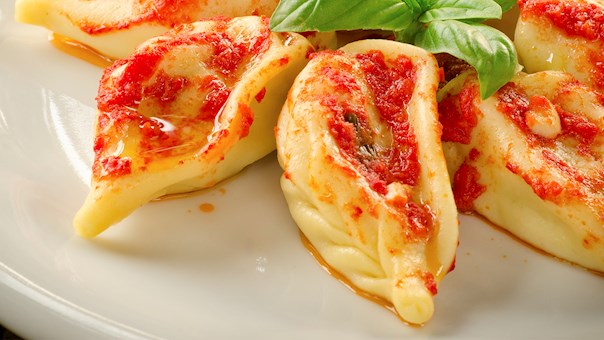
Agnolotti del plin is a traditional dish from Piedmont that is made with small, usually boat-shaped agnolotti pasta. The pasta is traditionally filled with veal, pork or rabbit meat, this was mainly done with leftover roasts, but vegetables such as cabbage or spinach are also occasionally used. The name of the dish stems from the local dialect in which plin translates as a pinch, referring to the preparation method of sealing each agnolotto with a firm squeeze. Agnolotti del plin can be served doused in melted butter, a combination of butter and fresh sage (burro e salvia), tomato sauce, ragù, or meat drippings sauce (sugo d'arrosto).

09

Linguine allo scoglio

4.3 ·

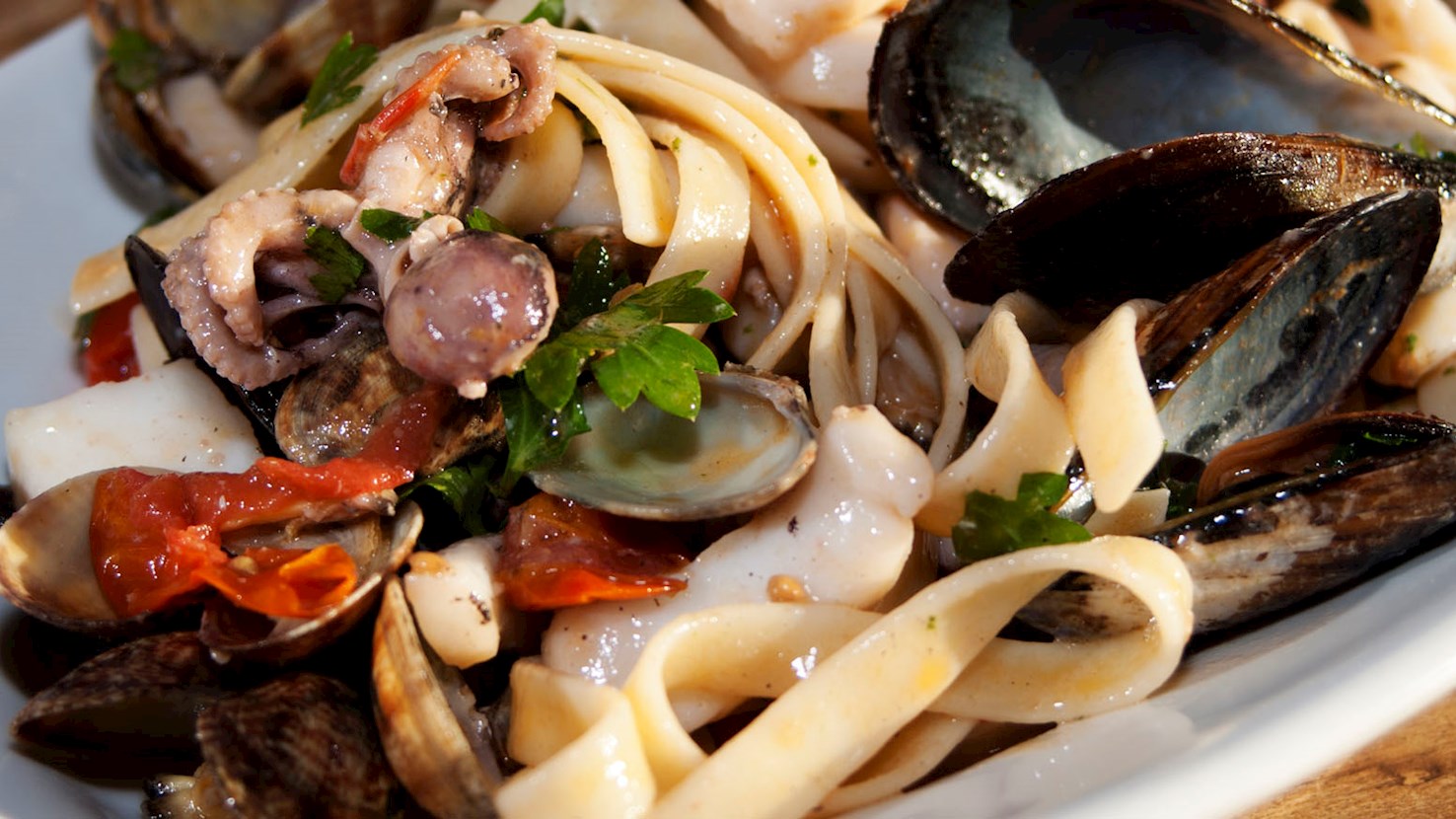
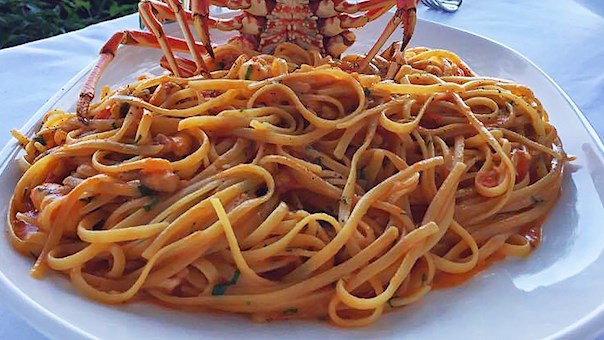
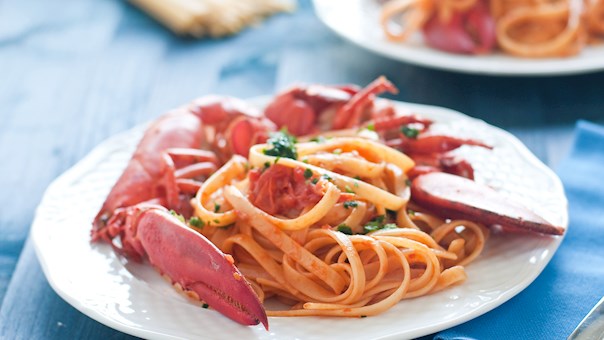
One of Italy's all-time favorites, linguine allo scoglio, often also dubbed linguine ai frutti di mare is a typical southern Italian seafood dish or piatto di mare. Back in the 1980s in the wider Neapolitan area, as well as along the entire southern Italian coast, there was reportedly not a single restaurant that didn't offer some version of such a timeless classic on its menu. This pasta entrée is made with either linguine or spaghetti, and a combination of seafood and shellfish, preferably coming from fresh local catch of the day. Considering seafood seasonality, what Neapolitan and any other scoglio (lit. reef; rock) has to offer varies from month to month, so there is no precise recipe for this dish, and there are countless variations in existence, but the most traditional ones always include clams, mussels, shrimps, and sometimes even calamaretti or baby squids. Pasta allo scoglio is typically flavored with white wine and garlic, and it can be prepared either in rosso or in bianco, meaning in red or white - with or without tomatoes, respectively.

10

Carbonara

4.3 ·

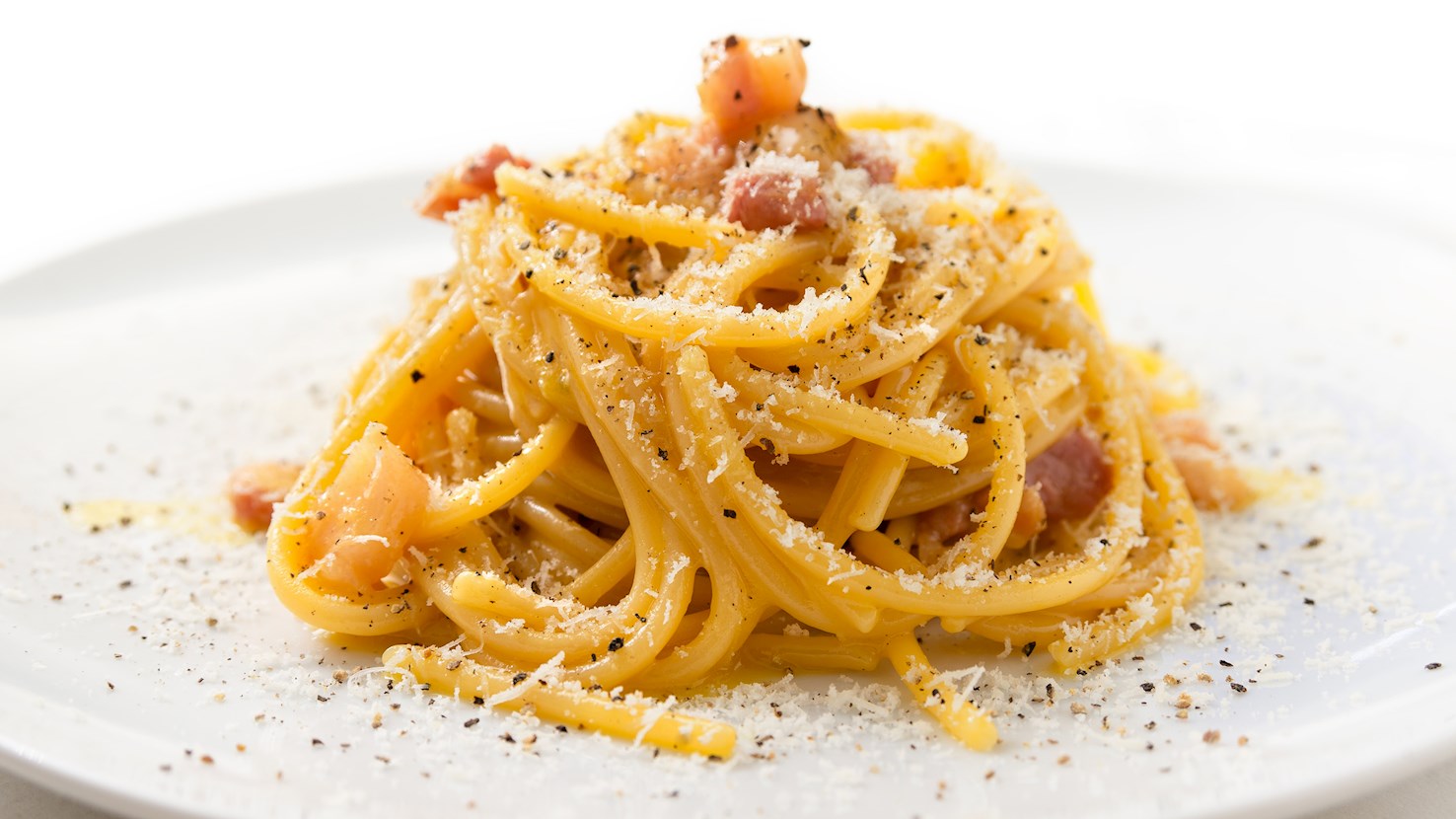
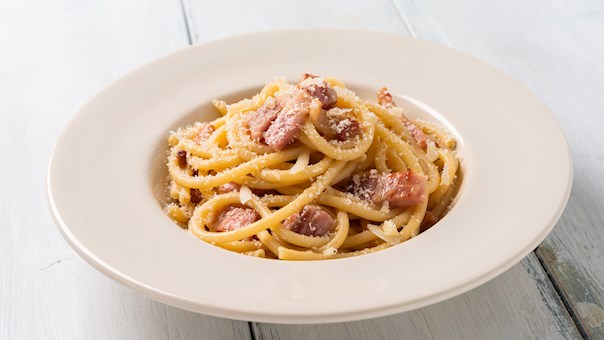
The carbonara we know today is prepared by simply tossing spaghetti with guanciale (cured pork jowl), egg yolks, and Pecorino Romano cheese. Despite its simplicity, this dish remains one of Rome's favorites, equally popular throughout the country. Even though carbonara is considered a typical Roman dish today, its origins are quite vague and often disputed. The name is said to have been derived from the carbonari, woodcutters and charcoal-makers who lived in the Appenine mountains northeast of Rome, and who supposedly cooked their pasta over a hardwood charcoal fire and tossed it with eggs and cheese. Another popular theory claims that carbonara was invented after the liberation of Rome in 1944, when food shortages were so severe that Allied troops distributed bacon and powdered eggs, which the local population would then mix with water to make pasta sauce.

Best Pasta in the World

01

Pastificio Benedetto Cavalieri

5 ·
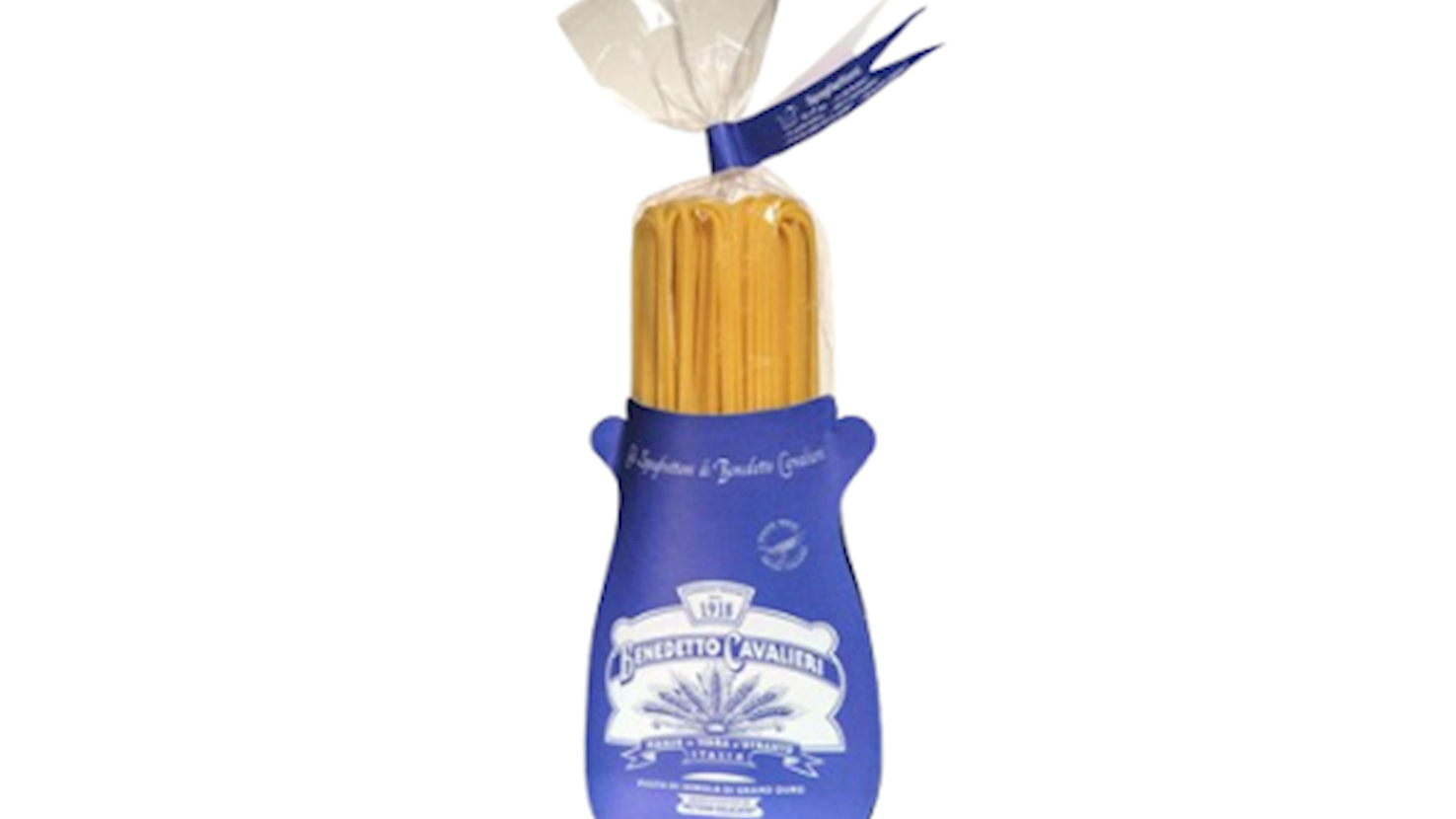
Pastificio Benedetto Cavalieri is an esteemed Italian pasta producer located in Maglie, Lecce, within the Apulia region. Established on July 7, 1918, by Benedetto Cavalieri, the company has maintained a commitment to crafting high-quality pasta using traditional methods. The company employs a "Delicate Method" in its production process, which preserves the nutritional value, flavor, and aroma of the durum wheat. This technique ensures a natural consistency that is highly appreciated by connoisseurs. Their product range includes 32 varieties of durum wheat semolina pasta, featuring notable shapes such as Spaghettoni and Ruote Pazze. Additionally, they offer eight types of organic whole wheat pasta, naturally rich in fiber and known for their excellent cooking performance. Pastificio Benedetto Cavalieri's dedication to quality and tradition has earned them recognition in both national and international culinary circles. Their pasta is celebrated for its exceptional taste and texture, making it a preferred choice among gourmet enthusiasts.
02

Monograno Felicetti

5 ·
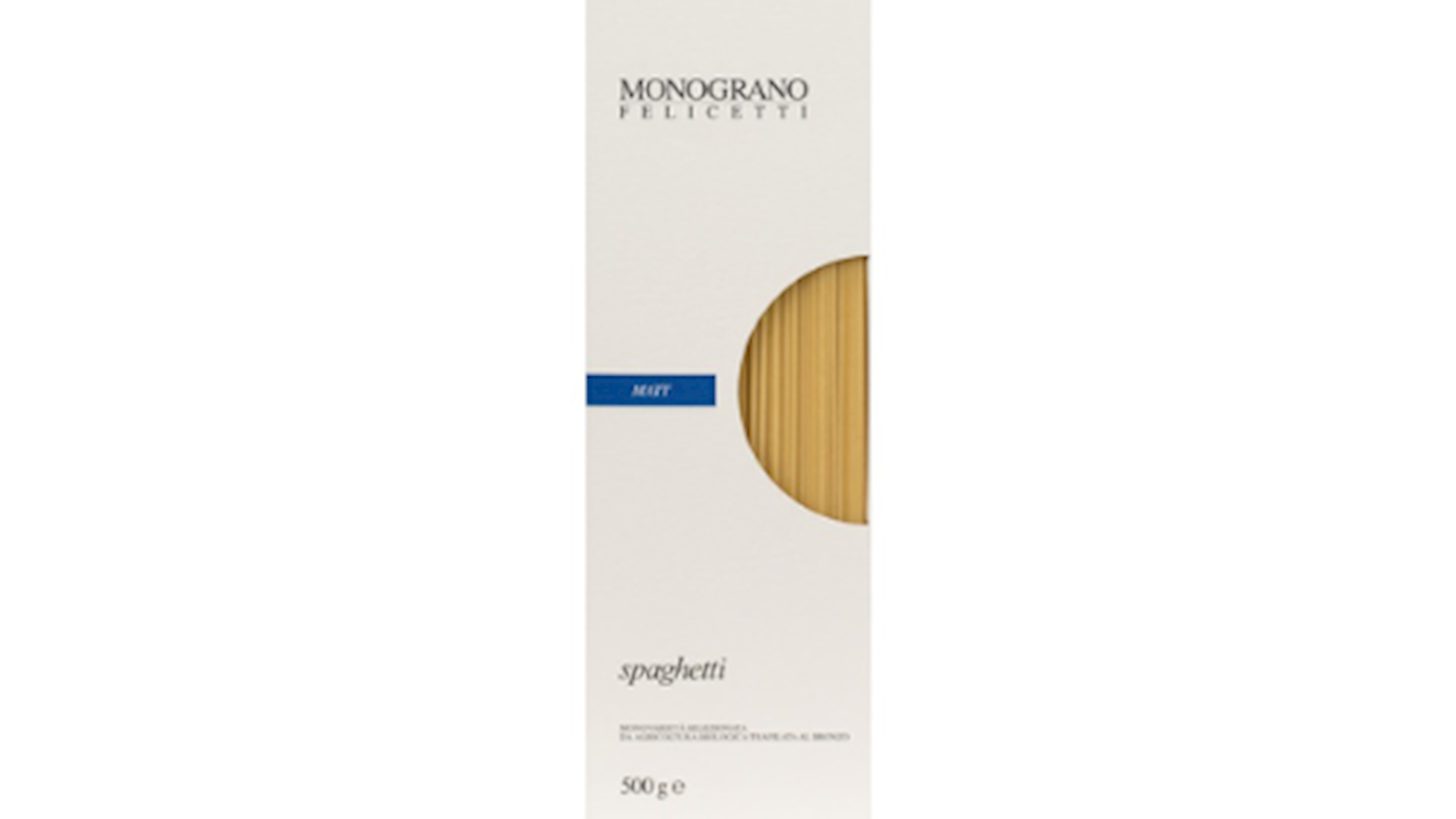
Monograno Felicetti is the premium pasta line from Felicetti, an Italian pasta manufacturer founded in 1908 in Trentino - South Tyrol. This exclusive collection is made from single-origin organic grains, carefully selected for their unique flavors and nutritional qualities. Produced using pure Dolomite mountain water and bronze die extrusion, Monograno Felicetti pasta has a rough texture that enhances sauce absorption. It is slowly dried at low temperatures, preserving the natural aroma and integrity of the grains. Known for its superior quality, this pasta is favored by top chefs and gourmet restaurants worldwide. Monograno Felicetti represents a perfect balance of tradition, sustainability, and culinary excellence, offering a refined pasta experience for true food enthusiasts.
03

Pastificio dei Campi

5 ·
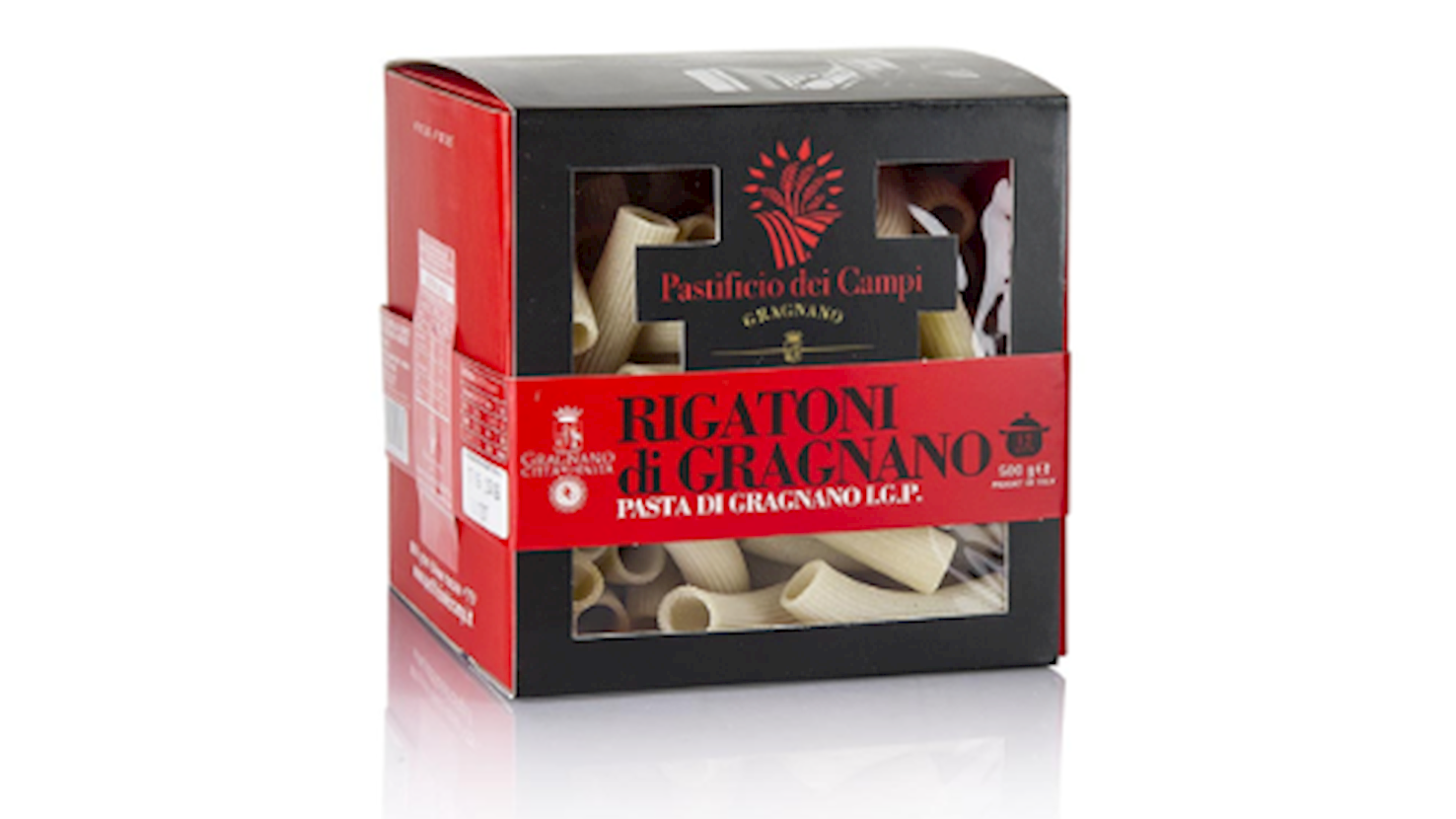
Pastificio dei Campi is a renowned pasta producer from Gragnano, Italy, with a rich tradition of crafting high-quality pasta. Founded in 2007 by Giuseppe and Giovanna Di Martino, the company is dedicated to preserving the ancient art of pasta-making, which has flourished in Gragnano for over 500 years. Giuseppe Di Martino, a third-generation pasta maker, recognized the importance of full traceability of raw materials. He initiated a collaboration with farmers in Apulia, particularly from the Tavoliere and Sub-Apennine Daunia regions, to secure high-quality durum wheat grown without chemical fertilizers or glyphosate, using only ancient grain varieties. Their commitment to quality and authenticity has earned them global recognition, and their pasta is considered one of the finest Italian pastas.
04

Pastificio Gentile

5 ·
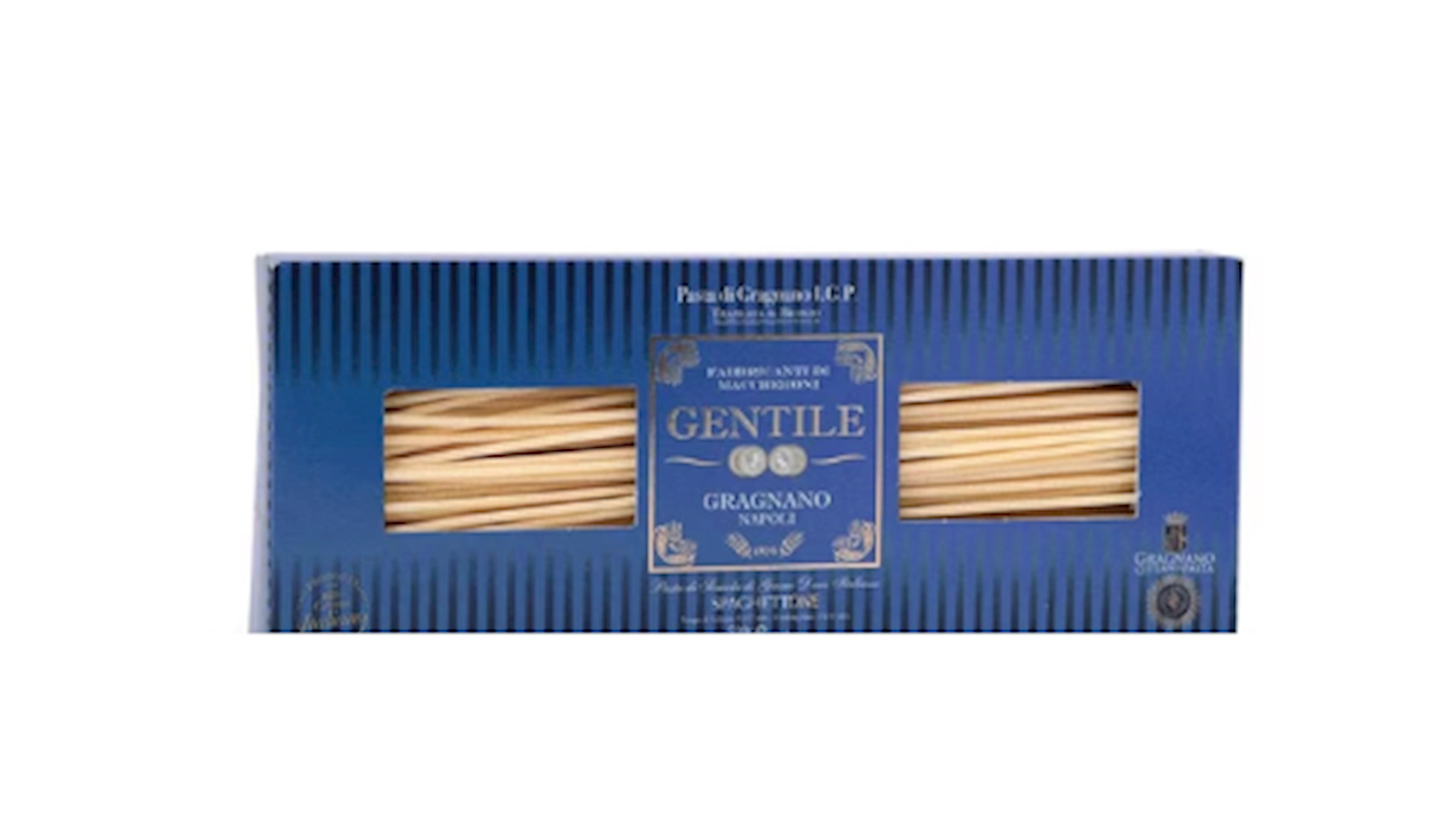
Pastificio Gentile is a renowned Italian pasta producer from Gragnano, a city known as the "pasta capital" in the Campania region. Founded in 1876, Pastificio Gentile is one of the historic pasta makers that continues to use traditional methods in its production. Their pasta is made from high-quality durum wheat and shaped using bronze dies, which give it a rough texture that helps sauces adhere better. A key feature of their process is the slow drying at low temperatures, known as the Metodo Cirillo, which preserves the pasta’s nutritional value and authentic flavor. Their product range includes handmade varieties like Fusilli Fatti a Mano, as well as classic formats such as Spaghettone and Lumaconi.
05

Rustichella d'Abruzzo

4.9 ·
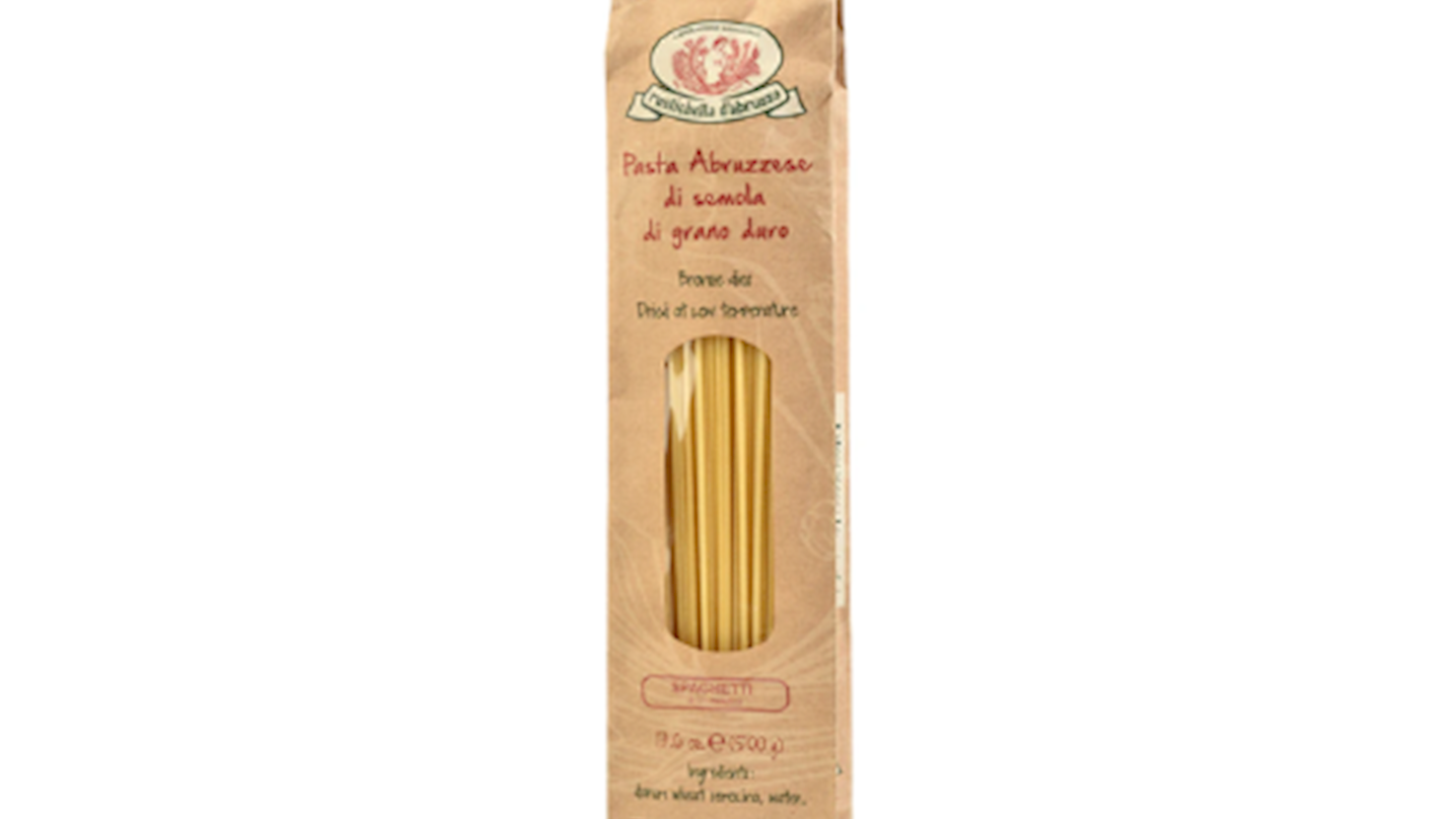
Rustichella d'Abruzzo is a renowned Italian pasta producer, founded in 1924 in the heart of the Abruzzo region. With nearly a century of tradition, Rustichella combines artisanal methods with carefully selected ingredients to create premium-quality pasta, loved by chefs and food enthusiasts worldwide. Rustichella d'Abruzzo offers a diverse range of products, including classic pasta varieties, whole wheat and gluten-free options, as well as specialty shapes like Sagne a Pezzi and Tonnarelli. The brand also produces high-quality sauces and gourmet food products. With a philosophy rooted in tradition and innovation, Rustichella pasta is a staple in top restaurants and gourmet kitchens worldwide. Thanks to its commitment to quality, the brand has become a true symbol of authentic Italian culinary excellence.
06

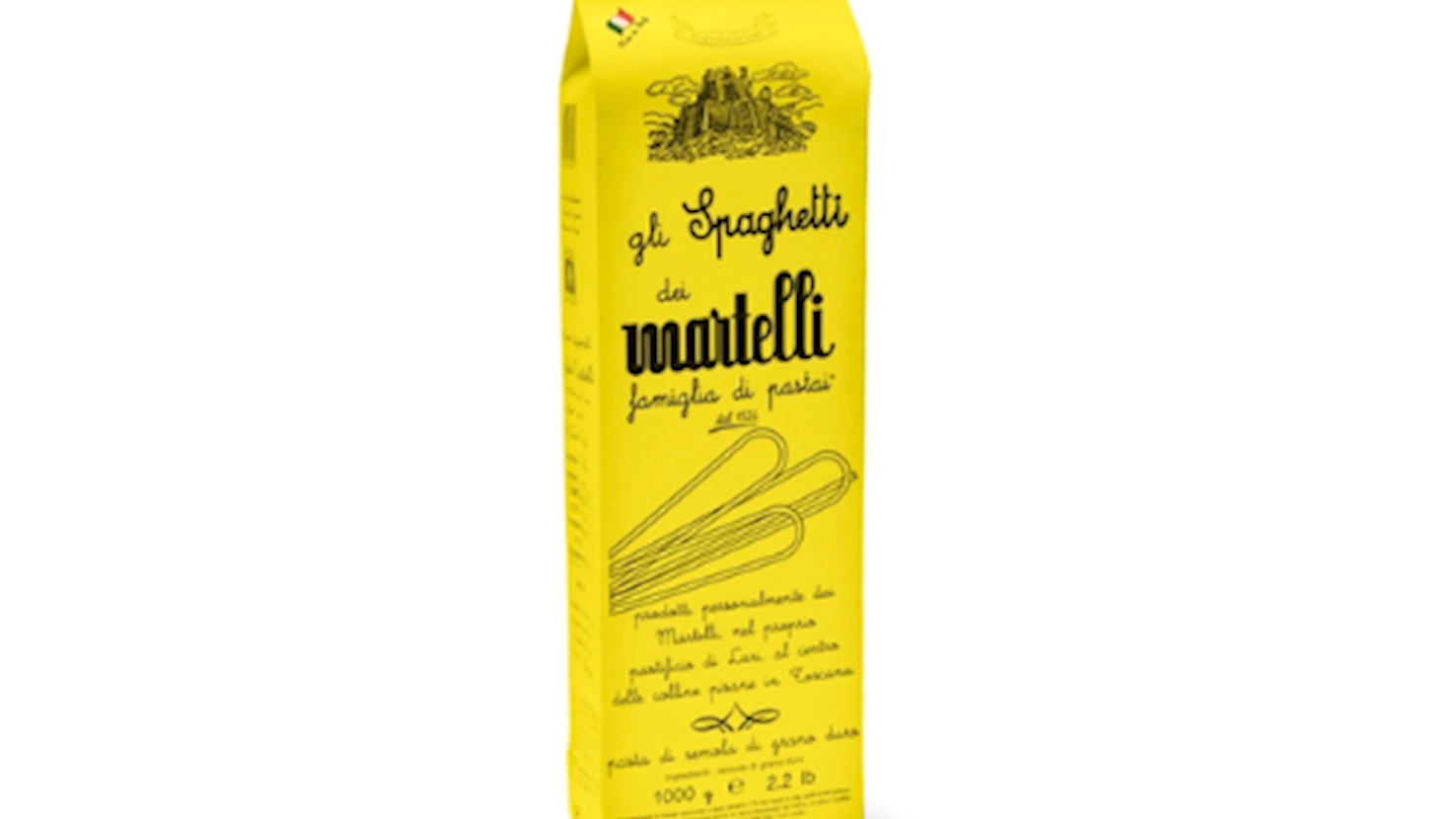
Pastificio Famiglia Martelli

4.9 ·
Pastificio Famiglia Martelli is a traditional artisan pasta factory located in the medieval village of Lari, near Pisa, Tuscany. Established in 1926, it remains a family-run business where only eight members of the Martelli family manage the entire production process. The pasta is crafted using 100% Italian durum wheat semolina, mixed with cold water. The dough is extruded through bronze dies, giving the pasta a rough texture that helps sauces adhere better. It is then air-dried at low temperatures for about 50 hours, preserving its nutritional value and ensuring a firm, flavorful product. Martelli produces classic pasta shapes, including Spaghetti, Spaghettini, Penne Classiche, Maccheroni di Toscana, and Fusilli di Pisa. Their commitment to traditional methods and high-quality ingredients has earned them recognition among pasta enthusiasts worldwide.
07

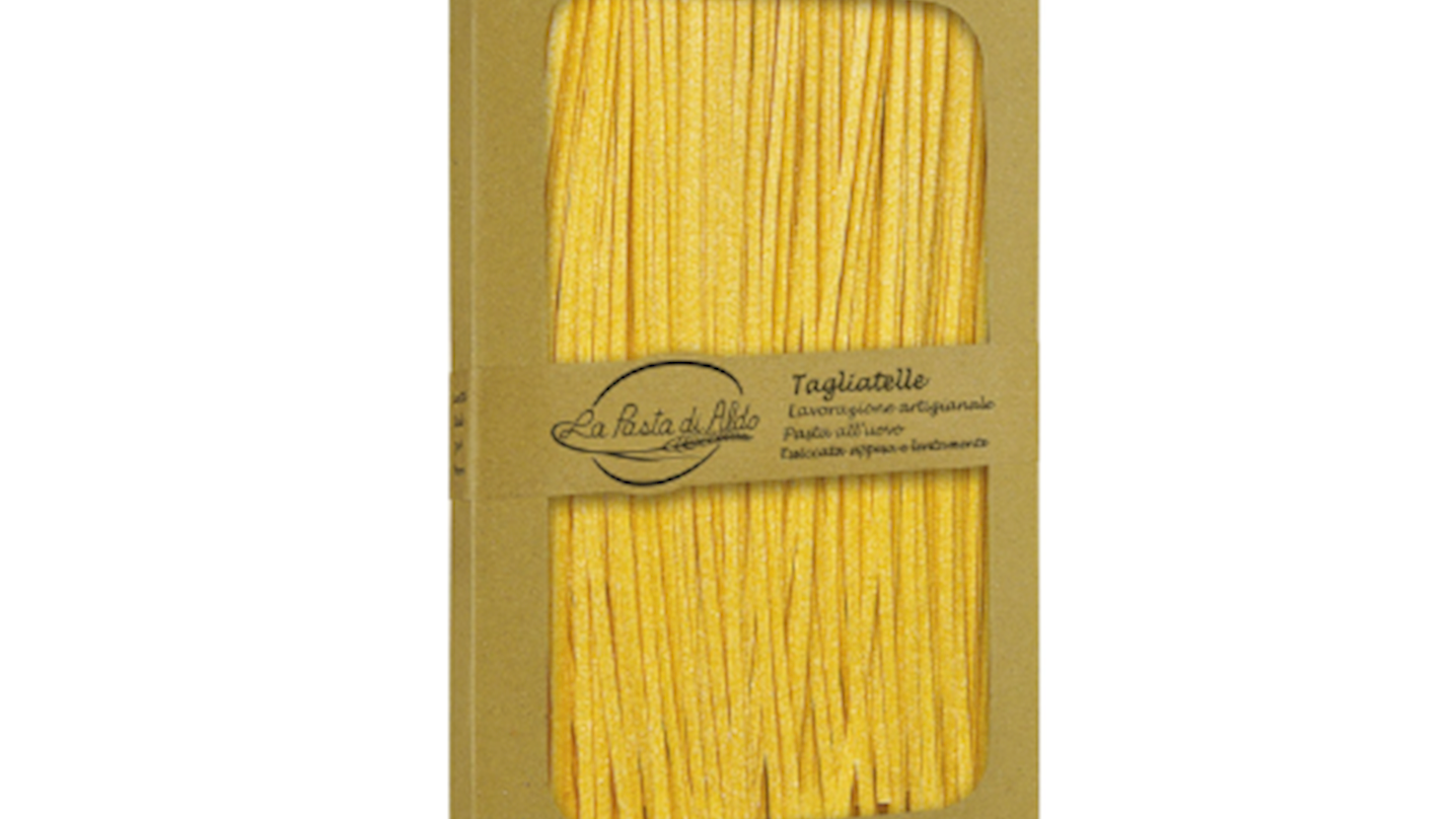
La Pasta di Aldo

4.8 ·
La Pasta di Aldo is a family-run artisan pasta maker based in Italy, specializing in high-quality egg pasta. They use traditional methods passed down through generations, blending passion and craftsmanship. The company offers a range of pasta, including classic, whole wheat, organic, and gourmet varieties. Their products are crafted with a focus on natural ingredients, ensuring a distinctive and authentic flavor. La Pasta di Aldo's dedication to quality has made it a favorite among chefs and culinary professionals worldwide. The pasta is available for purchase online, allowing food lovers to enjoy it at home. The company’s artisanal approach aims to bring the rich flavors of traditional Italian pasta to a global audience.
08

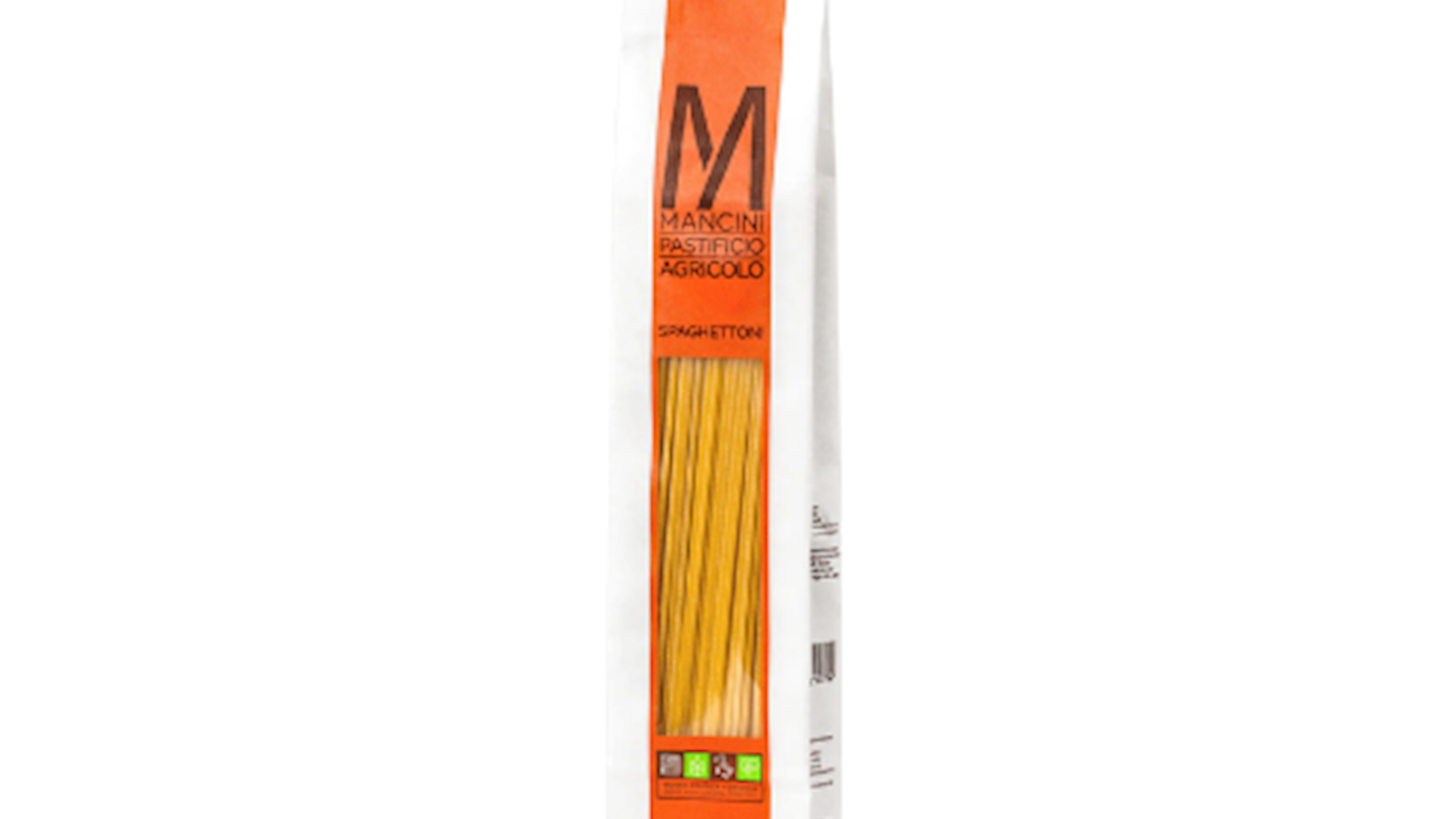
Mancini Pastificio Agricolo

4.8 ·
Pasta Mancini is an esteemed Italian pasta producer located in Monte San Pietrangeli, within Italy's Le Marche region. Since 1938, the company has cultivated its own durum wheat, ensuring complete control over the quality of its pasta from field to table. This dedication to traditional farming and production methods results in a product that reflects the unique characteristics of each annual harvest. The company offers a diverse range of pasta shapes, including classic varieties like Spaghetti, Penne, and Fusilli, as well as specialty shapes such as Calamarata and Tuffoli. Each pasta type is crafted using traditional techniques, including bronze die extrusion, which imparts a rough texture ideal for absorbing sauces. The pasta is then dried slowly at low temperatures to preserve its nutritional value and flavor. Pasta Mancini's commitment to quality and tradition has earned it recognition among culinary enthusiasts and professionals worldwide. By overseeing the entire production process—from wheat cultivation to pasta making—the company ensures that each product embodies the rich agricultural heritage of the Le Marche region.
09

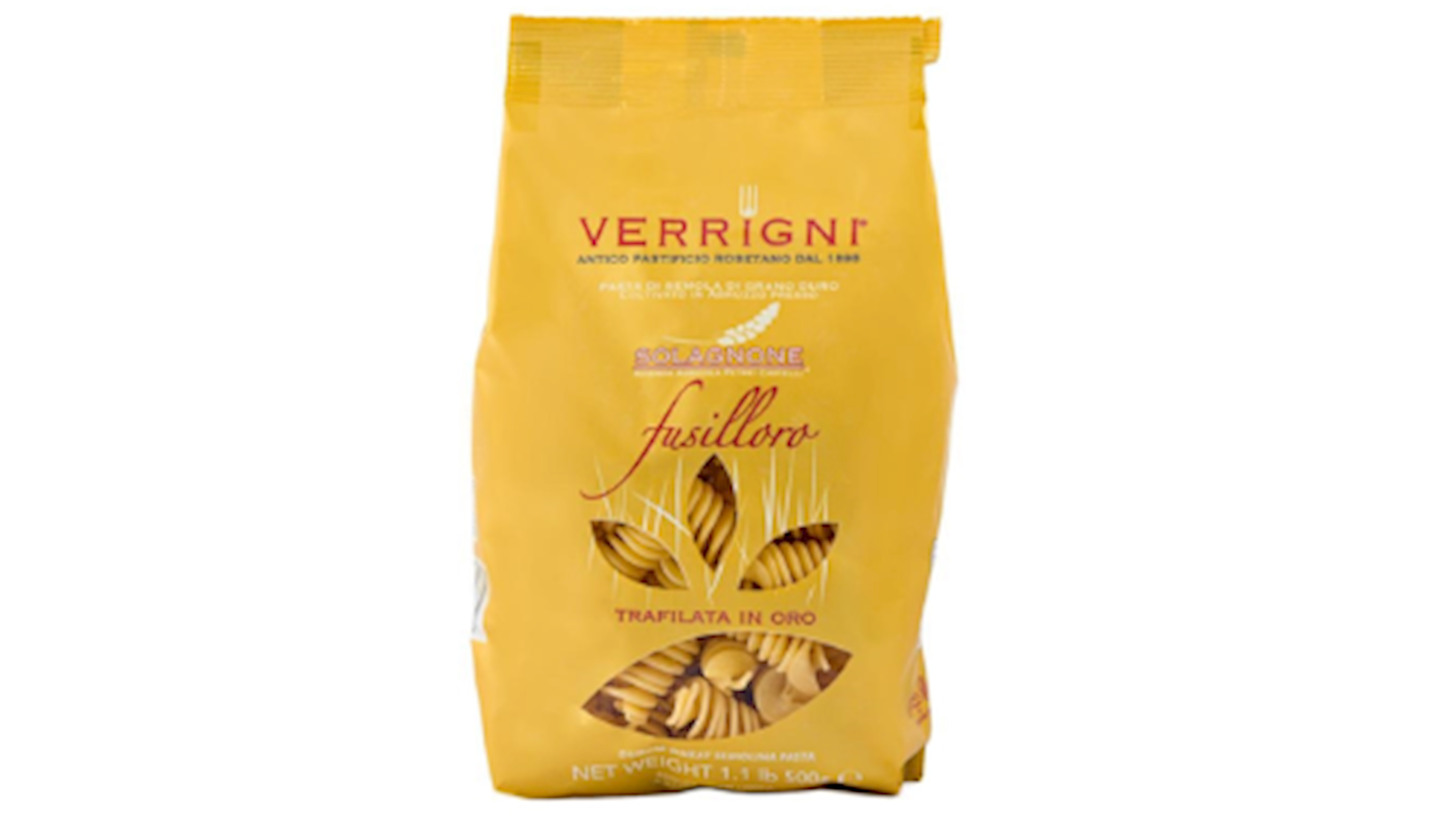
Pastificio Verrigni

4.8 ·
Verrigni is a prestigious Italian pasta producer based in Roseto degli Abruzzi, in the Teramo province of the Abruzzo region. Founded in 1898, the company is known for its commitment to quality and tradition. Verrigni uses premium Italian durum wheat and employs slow-drying techniques at low temperatures to preserve the pasta’s flavor and nutrients. What sets Verrigni apart is its use of both bronze and gold dies, giving the pasta a unique texture that enhances sauce absorption. The brand offers a wide range of products, including classic shapes, whole wheat and organic options, and gourmet pasta for fine dining. Highly regarded by top chefs, Verrigni pasta is available in specialty stores and upscale markets worldwide. With a perfect balance of tradition and innovation, Verrigni continues to set the standard for artisanal Italian pasta.
10

Pastificio Secondi

4.8 ·
Pastificio Secondi is a family-run fresh pasta workshop based in Rome, founded in 1985, specializing in the artisanal production of traditional Italian pasta formats. The focus is on daily preparation of fresh pasta without preservatives or artificial additives, using carefully selected ingredients such as durum wheat flour, fresh eggs, ricotta, seasonal vegetables, and regional cheeses. The range includes classic shapes like tagliatelle, fettuccine, and gnocchi, as well as filled varieties such as ravioli and tortelli with diverse fillings. The dough is thinly rolled and elastic, delivering a defined texture once cooked, while the fillings are developed to maintain balance between pasta and stuffing. Production remains small-scale, emphasizing freshness and short distribution chains. Within the Roman culinary context, Pastificio Secondi is regarded as a reliable producer of fresh pasta for both home consumers and professional kitchens.
About this ranking

TasteAtlas food rankings are based on the ratings of the TasteAtlas audience, with a series of mechanisms that recognize real users and that ignore bot, nationalist or local patriotic ratings, and give additional value to the ratings of users that the system recognizes as knowledgeable. For the “Top 100 Pasta in the World” list until April 15, 2026, 21,683 ratings were recorded, of which 17,118 were recognized by the system as legitimate. TasteAtlas Rankings should not be seen as the final global conclusion about food. Their purpose is to promote excellent local foods, instill pride in traditional dishes, and arouse curiosity about dishes you haven’t tried.

The initial list of top producers was compiled based on available reviews, awards, local recommendations, media and blog coverage, and consumer reviews. The list will be updated with ratings from TasteAtlas local ambassadors and TasteAtlas users.

Similar lists