shutterstock

Top 49 Asian Rice

Last updated on September 02, 2026

Best Asian Rice Types
01

Khao Hom Mali

4.3 ·

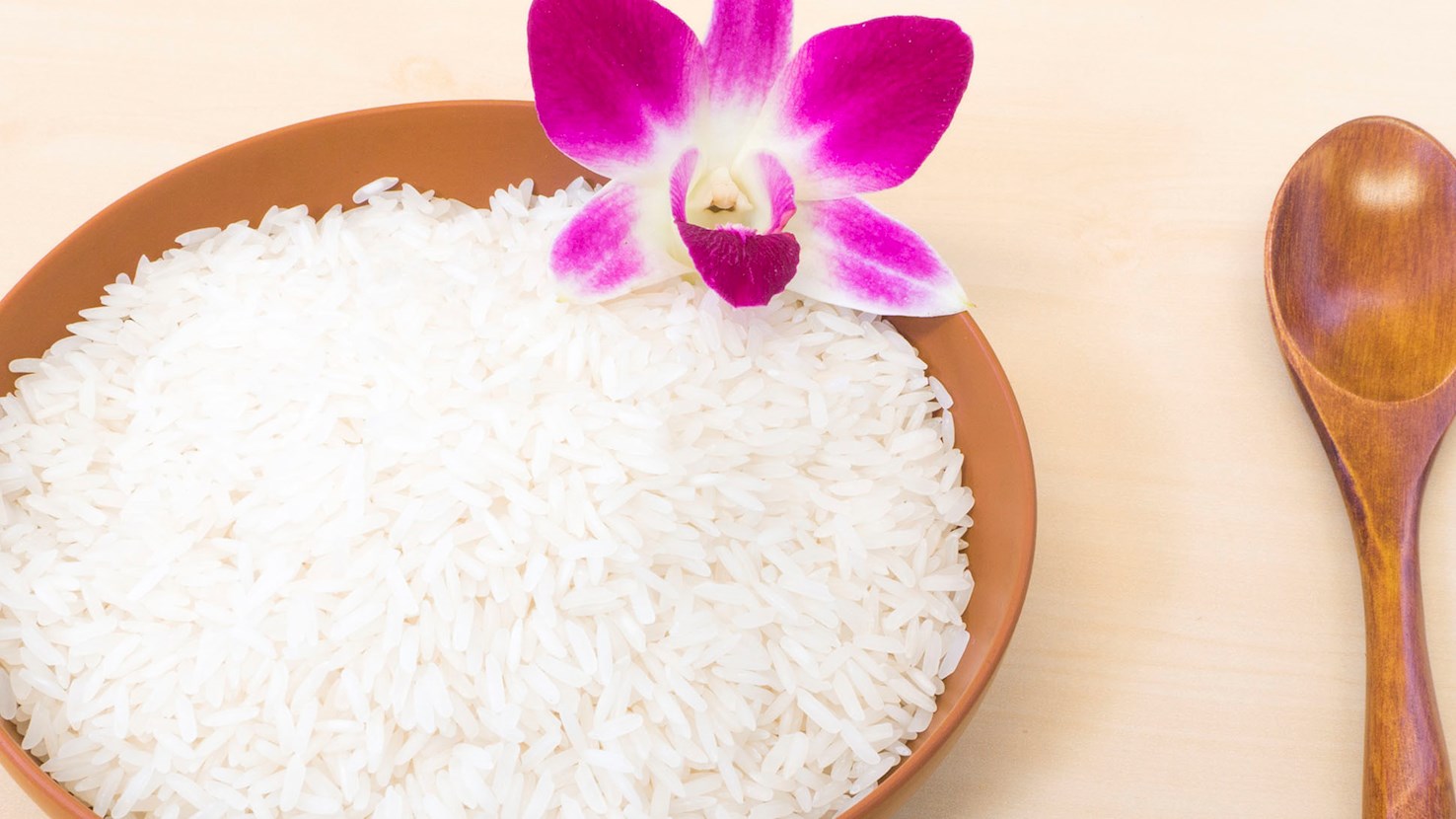
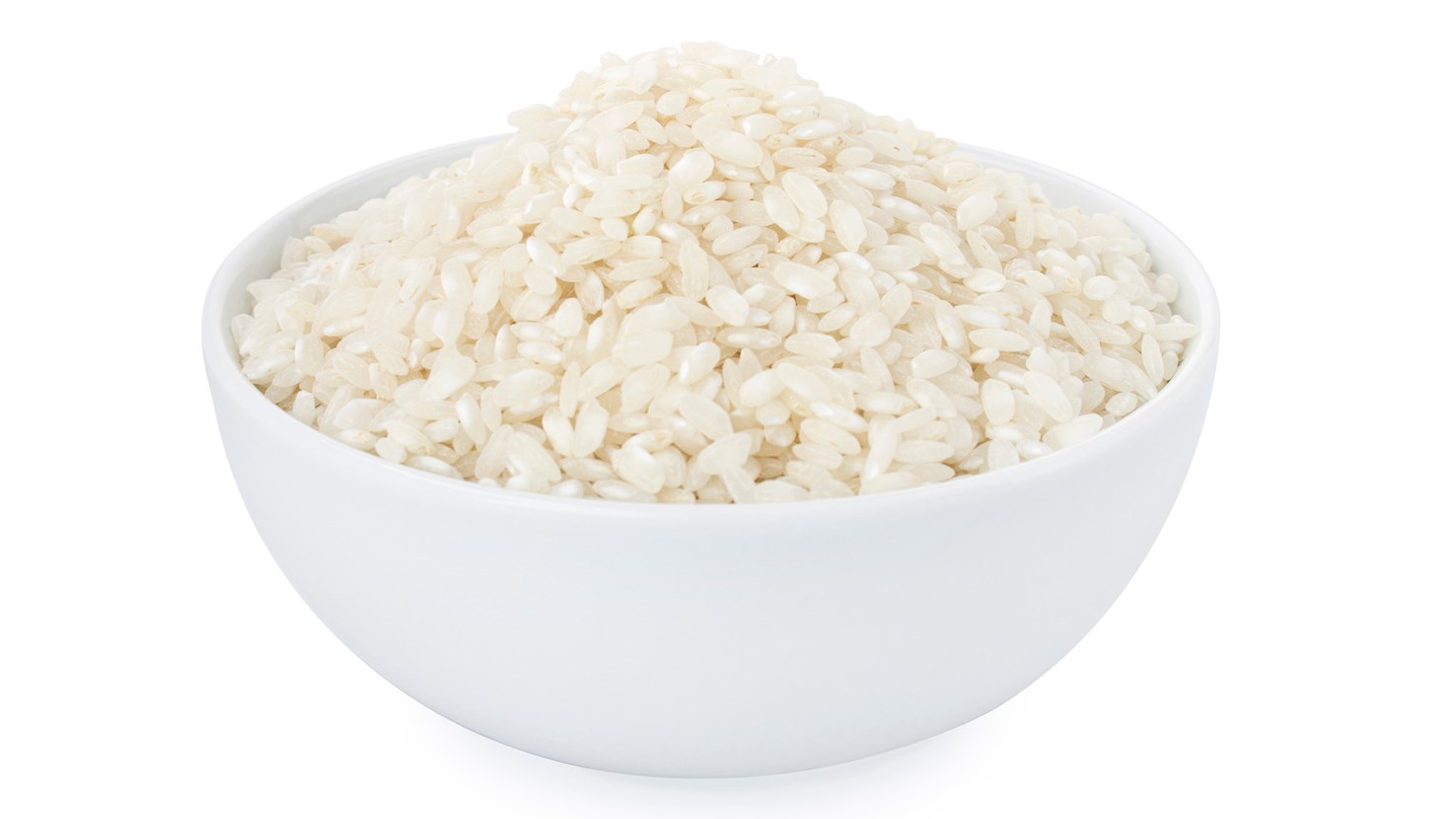
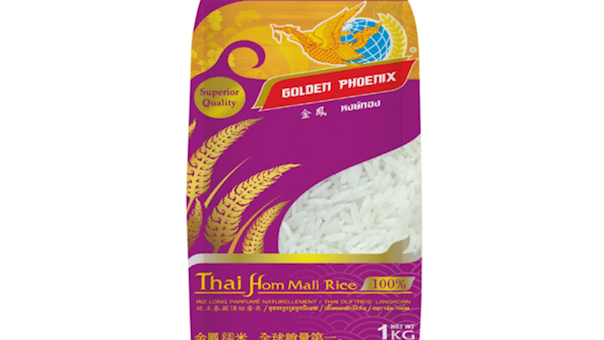
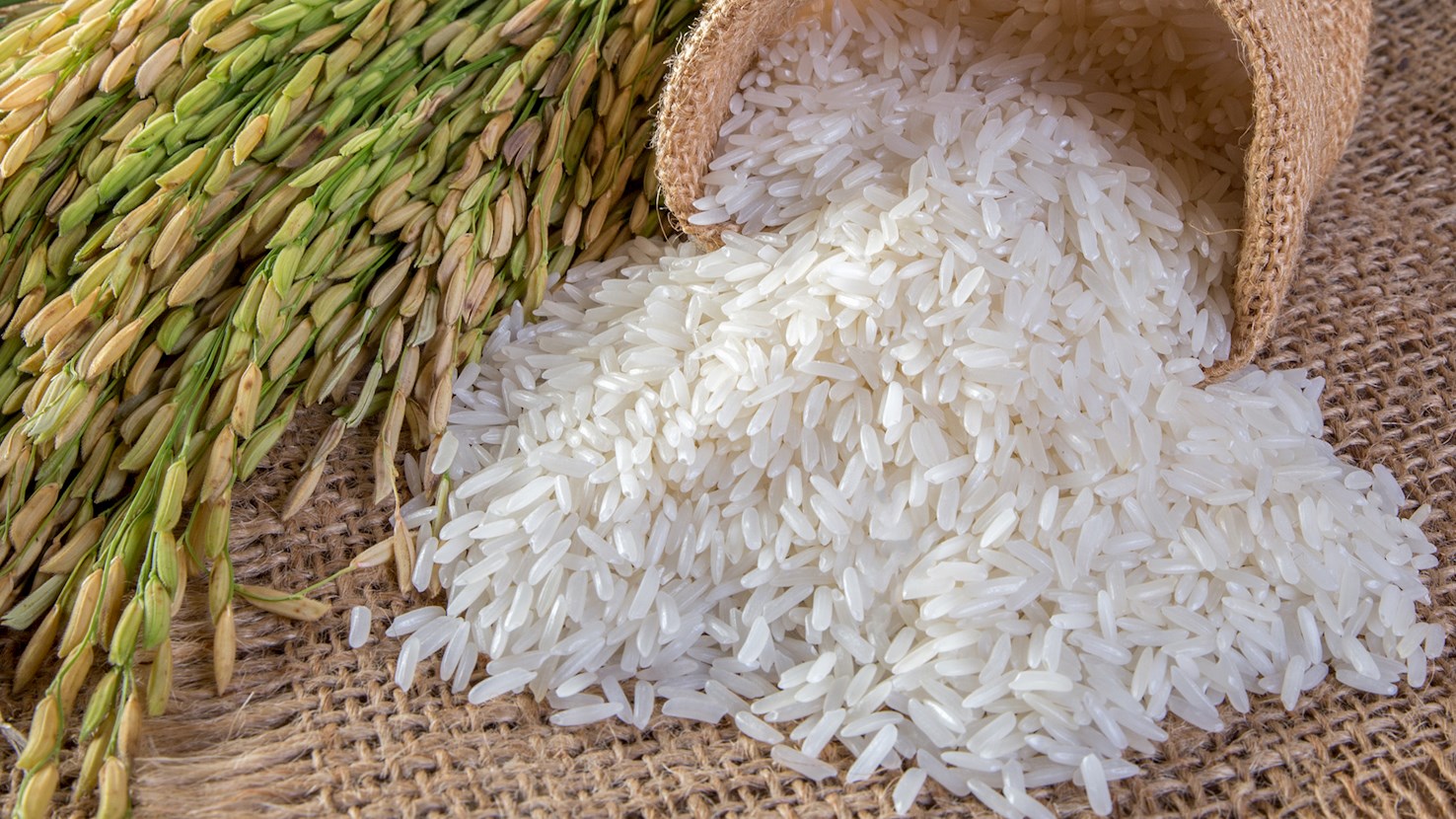
Khao Hom Mali is Thai jasmine rice, a premium variety of long-grain aromatic rice that is famous for its fragrant aroma, soft texture, and slightly sweet flavor. The name itself reflects its characteristics: "khao" means rice, "hom" means fragrant, and "mali" means jasmine, referring to its delicate floral scent, reminiscent of jasmine flowers. Primarily grown in Thailand's northeastern and central regions, Khao Hom Mali rice is cultivated under specific climatic conditions that enhance its natural fragrance and cooking qualities. The best-known regions for jasmine rice production include Ubon Ratchathani, Surin, Roi Et, and Yasothon, where the soil and weather contribute to superior rice quality. Among these, Khao Hom Mali Thung Kula Rong-Hai is considered the highest grade, recognized for its Geographical Indication (GI) certification, ensuring authenticity and origin. Unlike regular long-grain rice, Khao Hom Mali remains soft, slightly sticky, and fluffy when cooked, making it ideal for Thai cuisine, particularly dishes like green curry, Thai stir-fries, and grilled meats. It is often prepared without rinsing before cooking to preserve its natural fragrance. Internationally, Thai Hom Mali rice is regarded as one of the best rice varieties in the world, and it is a staple in Thai households, restaurants, and premium exports. It is celebrated not only for its exceptional texture and aroma but also as a symbol of Thailand's rich agricultural heritage.

02

Basmati

4.2 ·

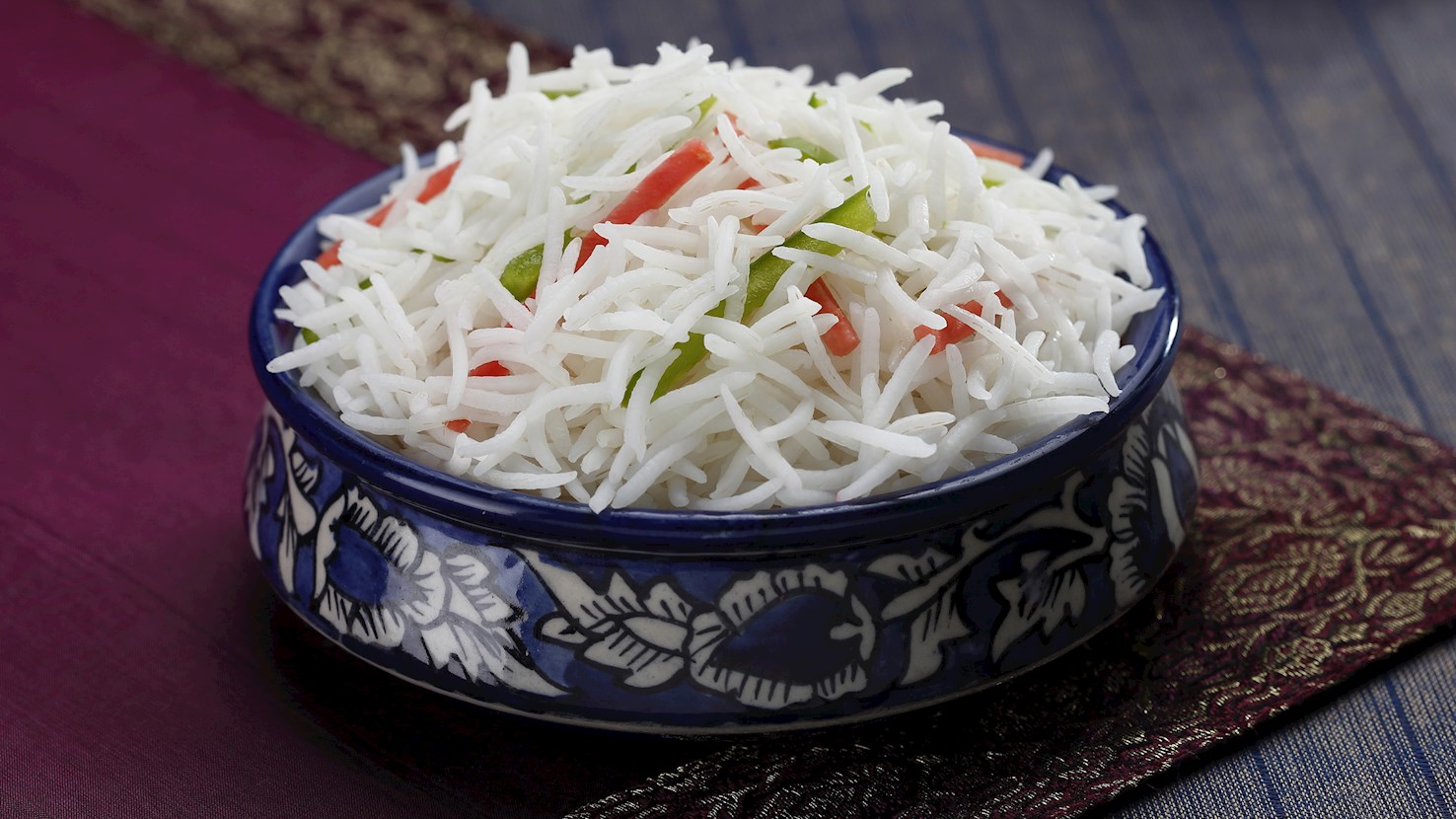
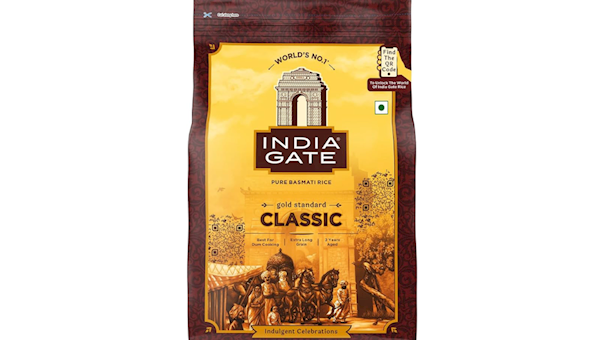
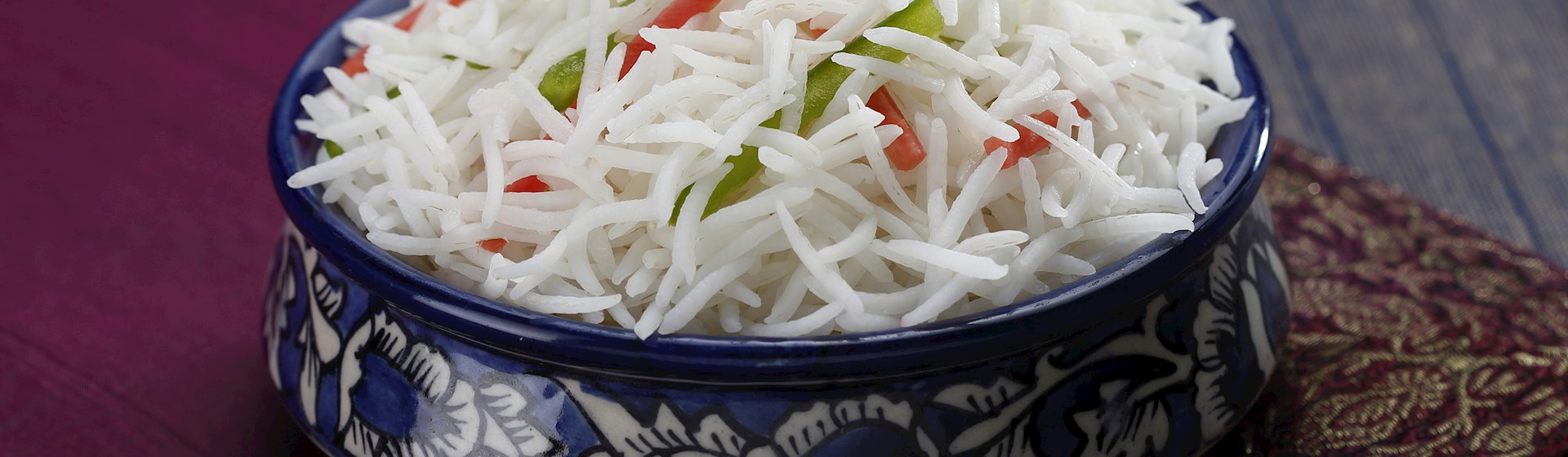
Basmati is a long-grain rice variety that was originally grown and cultivated in India and Pakistan. The rice is characterized by its flavor and aroma, which is very nutty, floral, and slightly spicy. Once cooked, the grains remain individual and don't stick to each other, which allows curry and similar stew and sauces to coat every grain. The longer the grain, the better the rice, and the best basmati grains have a slightly golden hue. The name basmati means fragrant in Hindi, referring to its aromas and flavors. In India, the state of Haryana is the largest cultivation area, while in Pakistan, it's the Punjab province. Basmati contains a small amount of fat and high amounts of good carbohydrates, along with magnesium, selenium, vitamin B, and antioxidant elements, making it very healthy as well as being flavorful and aromatic.

03

Uruchimai

4.1 ·

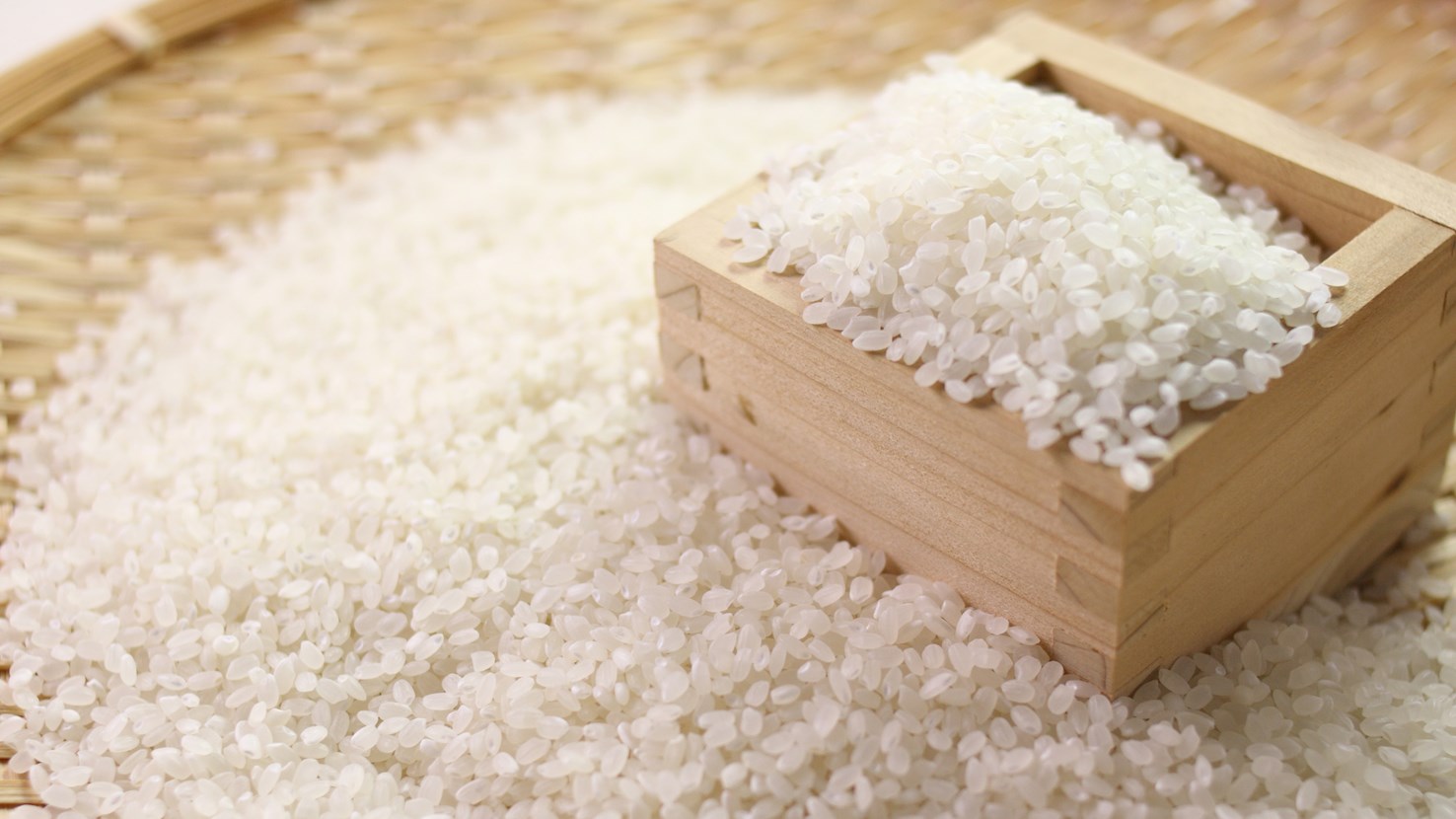
Uruchimai or Japanese short-grain rice is a short-grain cultivar of Japonica rice and is the staple ingredient of Japanese cuisine. The grains of this type of rice are short and plump and contain more starch than regular rice. They're also known for their sticky and moist texture. Uruchimai is incredibly versatile and can be used in various types of dishes. It’s mostly eaten plain, but the rice can be served with vegetables, seafood, dashi, or soy sauce. This rice variety is also used to make sake, shochu, and rice vinegar.

04

Koshihikari

4.1 ·

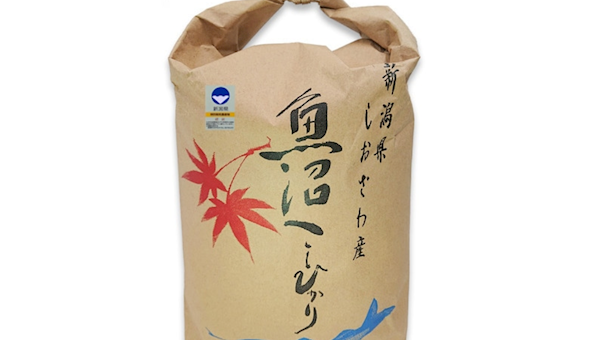
A Japanese short-grain cultivar, koshihikari was created in 1956 by crossing two different strains of Nourin No.1 and Nourin No.22. Despite its recent creation, today, it is the most grown rice in Japan and the most consumed as well. It was named after the historic Koshi province and translates as light of Koshi. The fact that it is extremely sticky and chewy, as well as soft, made it a favorite of the Japanese, who use it to make sushi, onigiri, and other rice-based dishes. Besides Japan, koshihikari is also grown in Australia and the U.S.

05

Khao Hom Mali Thung Kula Rong-Hai

4.0 ·

Khao Hom Mali Thung Kula Rong-Hai is jasmine rice also known worldwide as Thai Fragrant Rice or Thai Jasmin Rice, produced in a vast open area in the center of Northeast Thailand, in the provinces of Roi-et, Mahasarakam, Surin, Yasothon and Srisaket. It comes in two varieties - brown or white rice. The rice is elongated, slim, glossy and transparent, with a floral scent of pandanus leaves. Its texture is smooth, and the rice hull is of a straw-like yellow color. After being cooked for 15 to 20 minutes, it tastes slightly sweet, delicate, velvety and spongy and the texture becomes smooth, sticky and creamy. It is mostly used in Southeast Asian cuisine, and it is important to wash it before cooking to remove any excess starch or dust.

06

Baldo

3.8 ·

Baldo rice is a white rice variety grown exclusively in Italy and Türkiye. It is a relatively new variety, first cultivated in 1977 in the Italian Po valley as a hybrid of stirpe 136 rice and arborio rice. Baldo rice soon became known as the "king of rice" thanks to its exquisite qualities, and it found its way to Türkiye, where it is considered the finest quality rice. Depending on the variety, Baldo rice can come in a long, medium, and short-grain format, although short-grain is most known and used. It has a buttery aroma and a distinct but not overpowering taste, with pronounced starchiness (Turkish varieties tend to be starchier than the Italian). When cooked, this rice retains its compact shape and chewiness, which makes it a perfect choice for risottos, pilafs, and paellas.

07

Rice Paper

3.8 ·

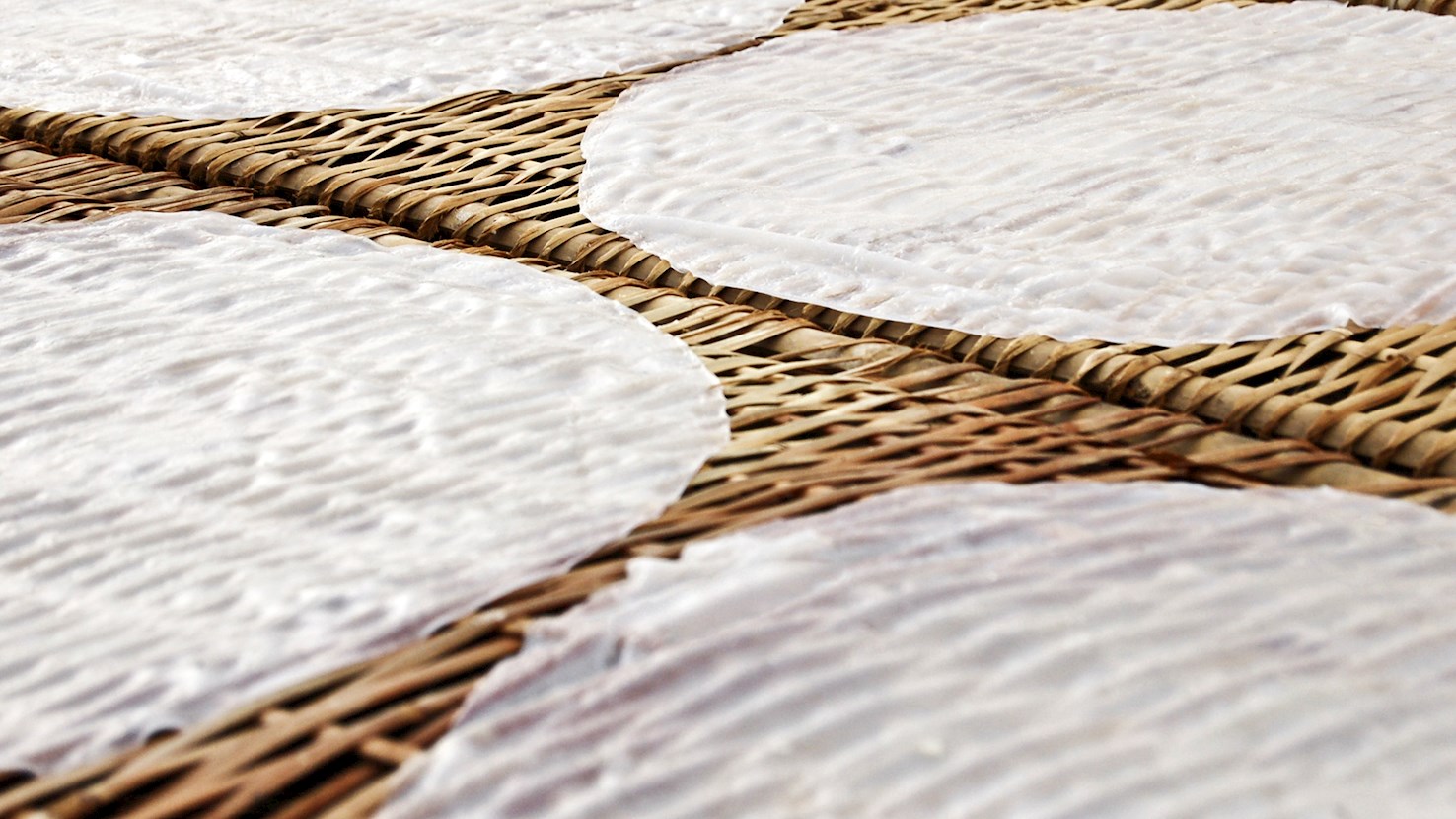
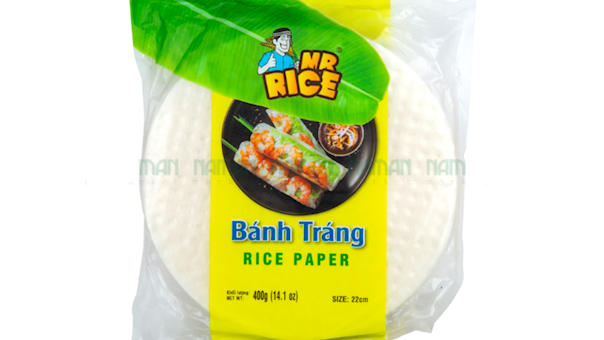
Rice paper is one of the main staples of Vietnamese cuisine, used for making appetizers by wrapping the ingredients in it. The wrapper is made from steamed rice batter that has been dried in the sun. When preparing dishes or appetizers using rice paper, it should be submerged in water for a few seconds until it softens, and then it can be filled with virtually anything, from cucumbers and tofu to Chinese sausages and omelets. One of the most popular dishes that uses rice paper is the famous spring roll. The wrappers are quite low in calories and high in protein, although other ingredients such as coconut milk, chili, and sesame seeds can also be added in order to enhance their flavor.

08

Black Rice

3.1 ·

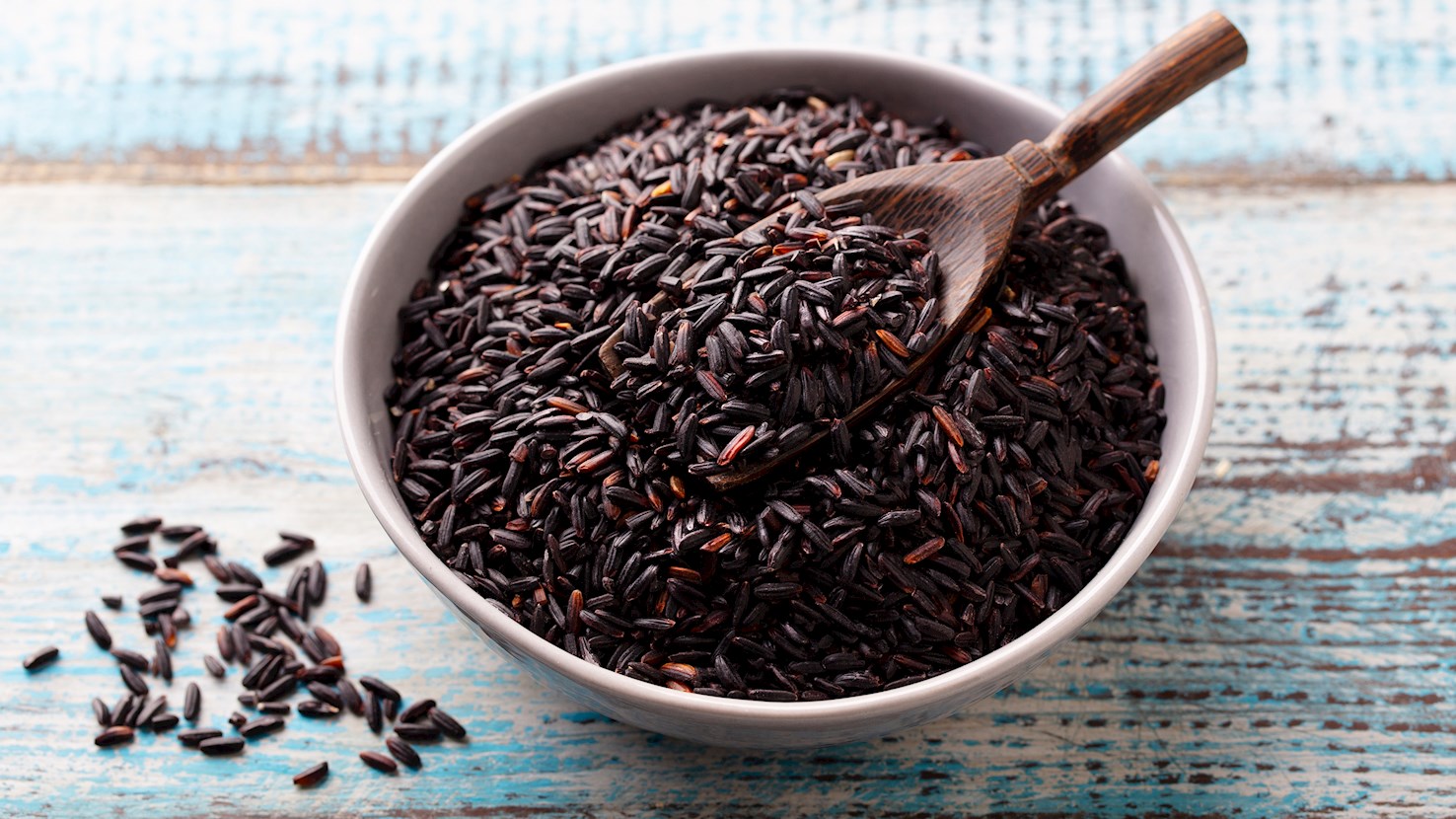
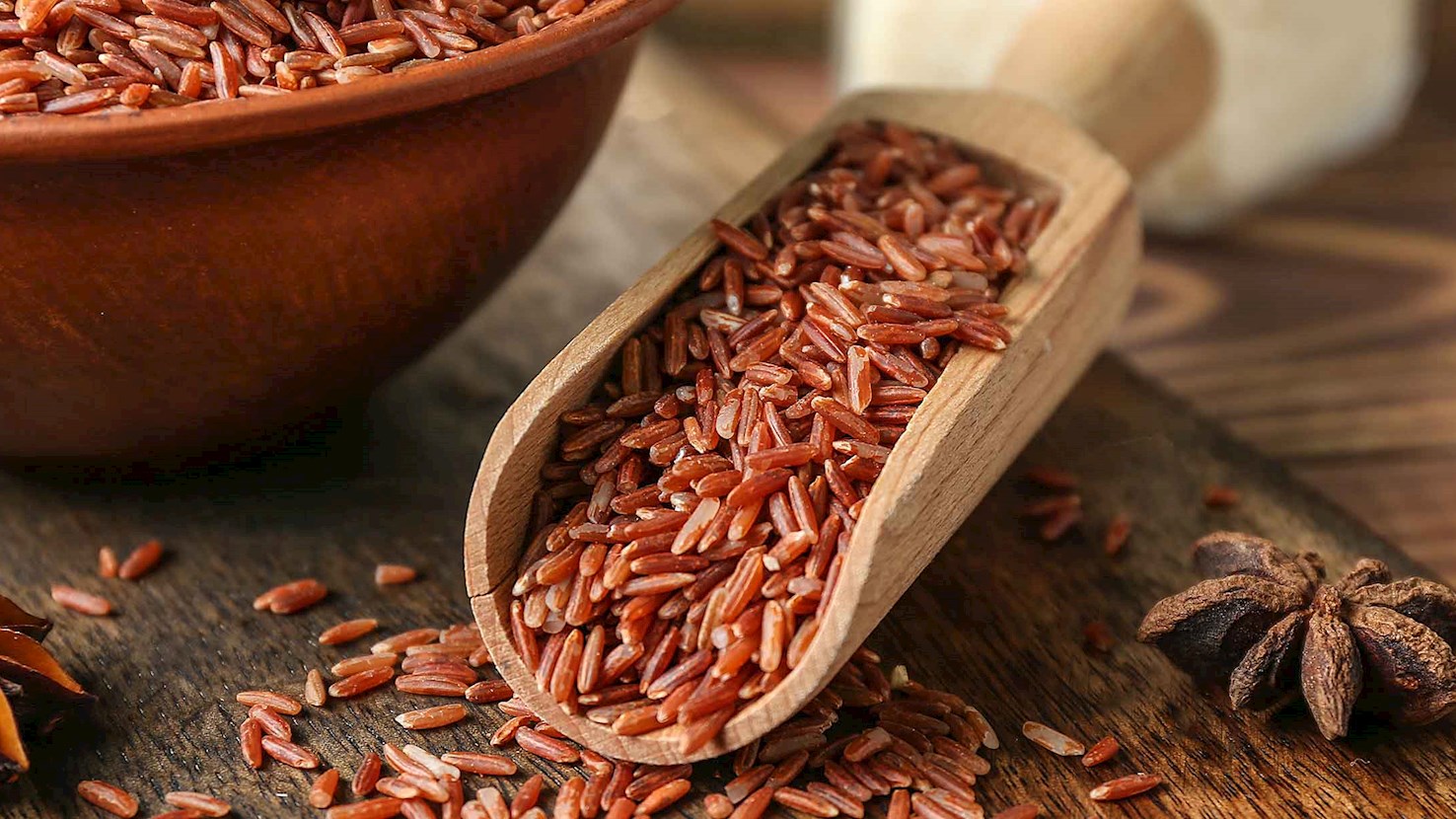
Also known as purple rice, black rice is a group of several types of Oryza sativa or Asian rice. Some of the varieties of black rice include Indonesian black rice, Philippine heirloom balatinaw black rice, Philippine pirurutong black glutinous rice, Thai jasmine rice, and kalo dhaner chaal (black paddy rice) from Bangladesh. In China, black rice is also known as forbidden rice because, in the past, it was banned to regular folk and eaten only by the Emperor as it improved its health and longevity. In general, black rice takes longer to cook and turns purple with cooking. It is stickier and chewier when compared to most other types of rice. Also, it is praised for its health and nutritional benefits.

Best producers
09

Pinipig

2.8 ·

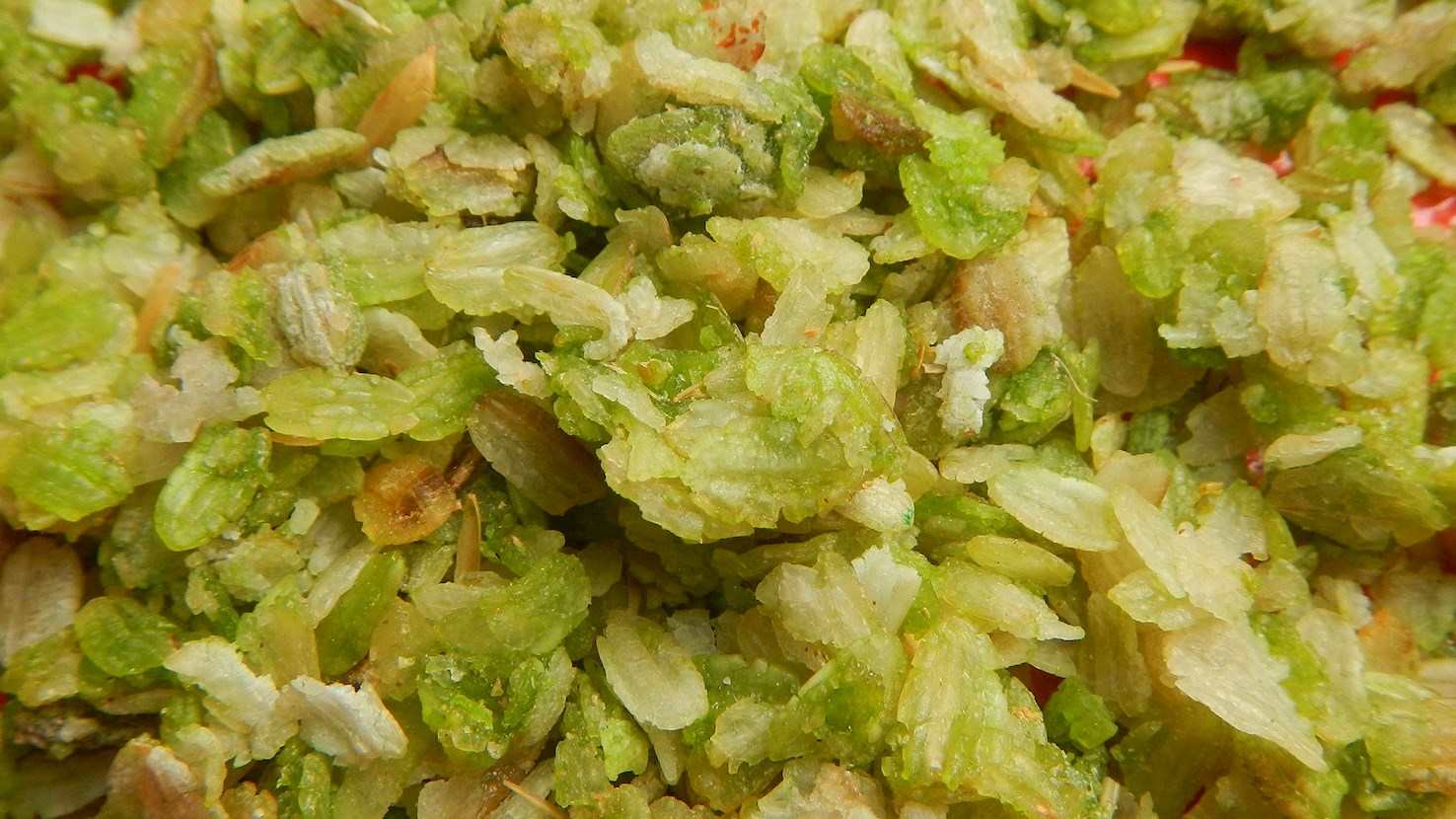
Pinipig is immature glutinous rice that is pounded until it transforms into delicate flakes with a unique light green color, subtle flavor, and an unusual, delicate texture. Before consumption, the flakes are usually lightly toasted until crispy and light in color. The toasted flakes are used in an array of Filipino dishes - they are often incorporated in traditional cookies, candies, and cakes, or used as a topping in creamy desserts such as halo-halo. Pinipig is also employed in Vietnamese cuisine, where it is known as cốm, and in Thailand, where it is more familiar as kao mow.

10

Al-Hassawi rice

n/a ·

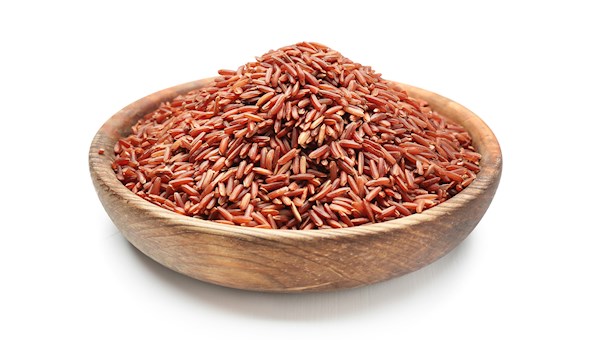
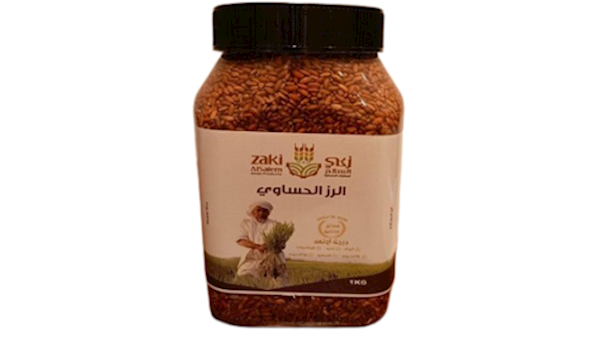
Al-Hassawi rice, cultivated in the al-Ahsa oasis of Saudi Arabia's al-Sharqiyya region, thrives in an arid climate with scorching temperatures of up to 48°C/118°F. This unique rice variety has adapted to the challenging environment, relying on meticulous care and substantial irrigation. The cultivation process begins with planting in fertile soil (sanaa), followed by the transfer of seedlings to dedicated rice-growing plots. Here, they are submerged in water for an extended period, typically eight days to two weeks, until they nearly submerge entirely. The rice seedlings continue to receive abundant water for about 40 days until the water is entirely removed. Between July and August, the seedlings grow and, after, are moved to bigger plots where they stay until harvest time, between November and December. Al-Hassawi rice is a distinctive red variety. Its exceptional taste is most pronounced when cooked with spices or accompanied by meat. This resilient rice variety, renowned for its ability to withstand harsh conditions, has earned its place as a staple in the local cuisine of the Al-Ahsa Oasis, showcasing the enduring traditions and adaptability of Saudi Arabia's agricultural heritage.

Best Asian Rice
01

Malis Angkor
5.0 ·

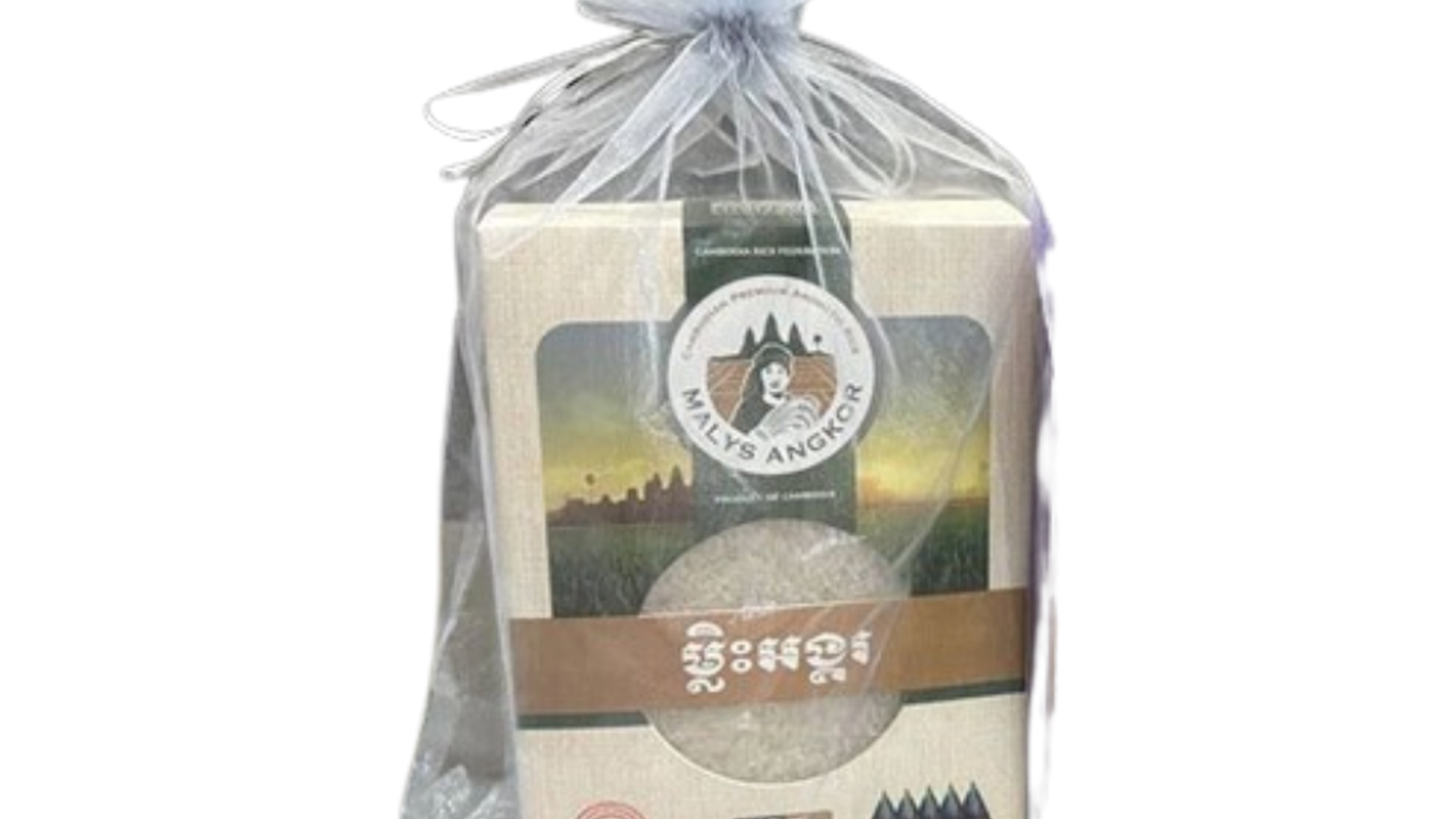
Malys Angkor is a certification brand that represents the highest quality of Cambodian aromatic rice and is owned by the Cambodia Rice Federation. This mark guarantees that the rice originates from verified sources in Cambodia and meets the highest standards in terms of quality, flavor, and origin.

The Malys Angkor brand includes highly prized varieties such as Phka Rumduol and other traditional types, known for their delicate texture, jasmine fragrance, and slightly sweet taste. The brand was created to unify and promote the identity of Cambodian rice on the global market, and its authenticity has been recognized through multiple wins of the prestigious "World’s Best Rice" award.

Malys Angkor is not just a brand - it is a symbol of national pride, sustainable agriculture, and the exceptional culinary value of Cambodia.

Awards
International World Rice Conference - World’s Best Rice (2024, 2022, 2018)
02

Gạo Ông Cua

5.0 ·

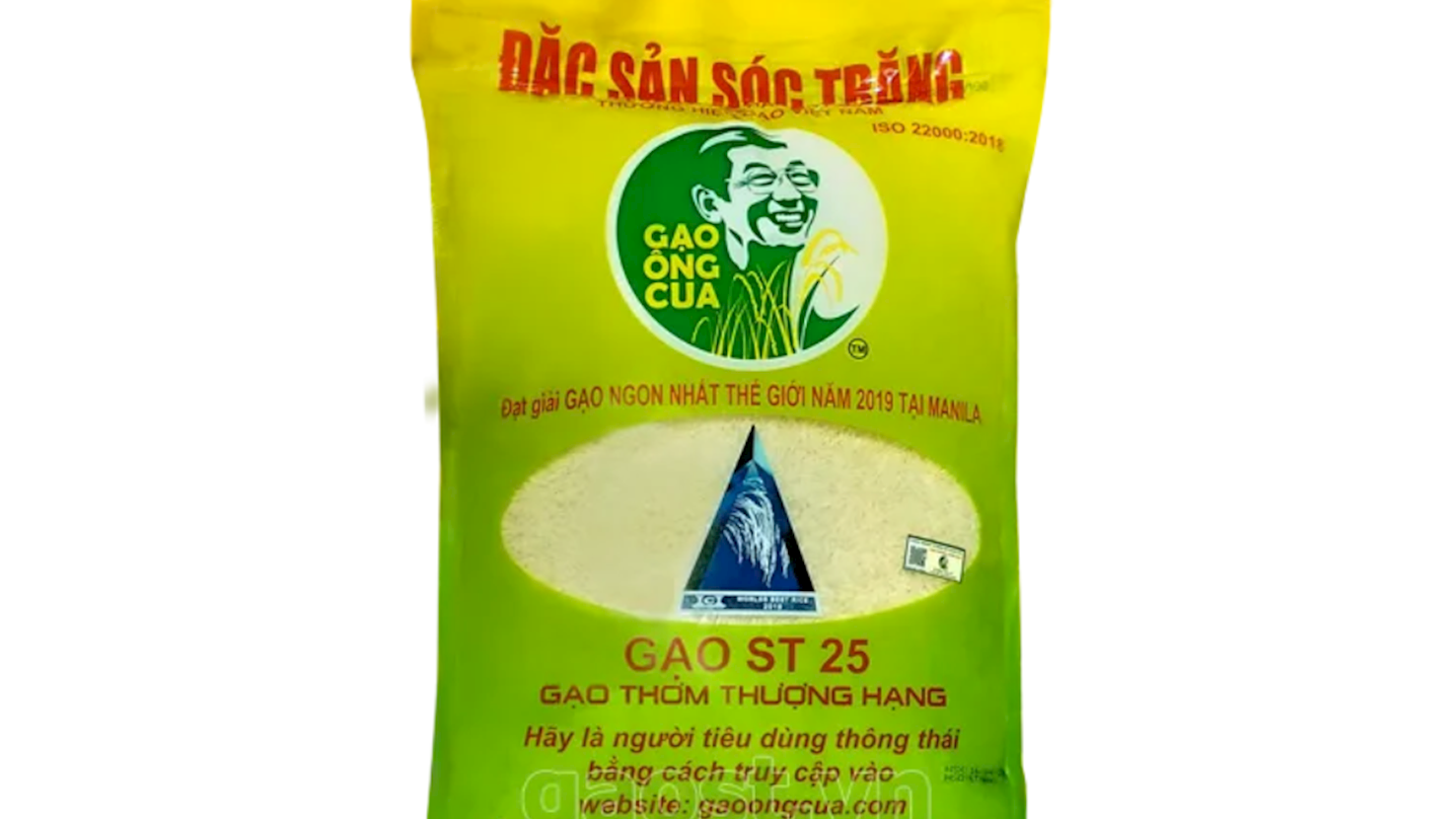
Gạo Ông Cua is a prestigious Vietnamese rice brand originating from the Mekong Delta, renowned for its superior quality and authenticity. The brand is named after engineer Hồ Quang Cua, the principal developer of the famous ST24 and ST25 rice varieties, which have won multiple awards at international rice competitions, including the title of “World’s Best Rice” in 2019 and 2023.

These varieties are the result of years of scientific research and carefully selected agricultural practices, aimed at producing rice with exceptional taste, aroma, and nutritional value. Gạo Ông Cua is especially distinguished by its ST25 variety – a long, glossy grain that remains fluffy and fragrant after cooking. The brand represents a modern Vietnamese approach to agriculture, combining tradition, science, and sustainability, and is increasingly recognized both domestically and on the international market.

Awards
International World Rice Conference - World’s Best Rice (2023, 2019)
03

ThaiBinh Seed

4.9 ·

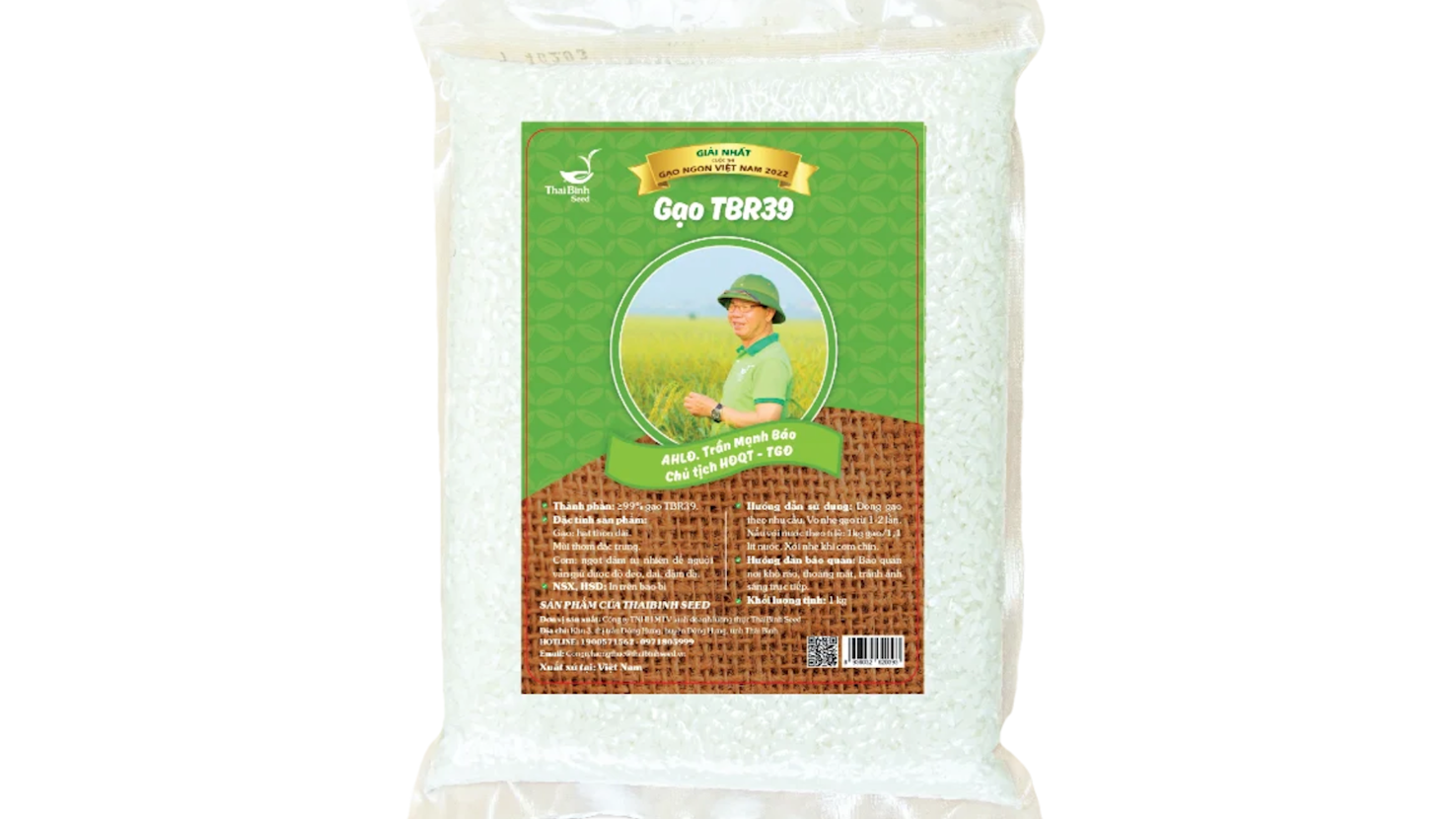
ThaiBinh Seed is a Vietnamese agricultural company specializing in the research, development, and production of seeds and rice. It was established on January 10, 1972, under the name Thai Binh Rice Seed Company. Over the course of its development, it grew into one of Vietnam’s leading companies in the breeding and production of field-crop seeds. Its principal activities include variety selection, certified seed production, and the development of rice adapted to different growing conditions. The company holds the rights to several dozen nationally recognized plant varieties. Rice varieties such as TBR225, BC15, TBR97, TBR39, and the A Sào glutinous rice represent the most important part of its portfolio. In addition to rice, the company develops seeds for maize and other field crops. ThaiBinh Seed controls the entire production chain from variety development and contract farming to processing, packaging, and the sale of finished rice. It entered the food-rice business in 2014 with the opening of a processing plant with an annual capacity of approximately 40,000 tonnes. Its finished product range includes aromatic rice, glutinous rice, purple brown rice, and other regional varieties. ThaiBinh Seed is a large research and production group with nationwide distribution.

04

Ái Nghĩa

4.9 ·

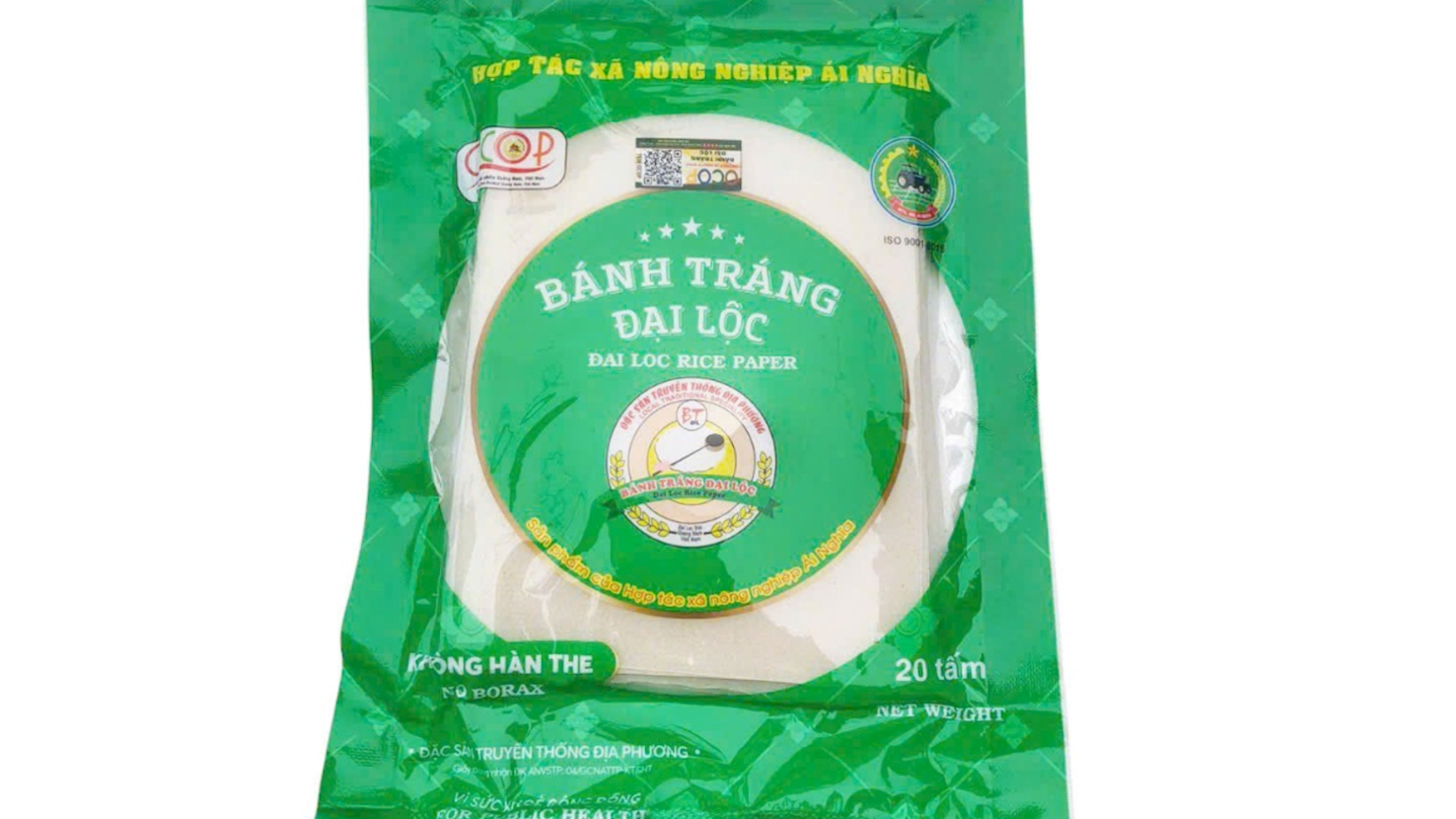
Ái Nghĩa is a Vietnamese agricultural cooperative based in the Đại Lộc area in the central part of the country. It was established in 1978 to connect local farmers and organize joint production. Over time, it expanded its activities from basic agricultural services to seed rice production, grain processing, and the manufacture of traditional food products. The cooperative works with its members and other local producers to purchase and process agricultural raw materials. It focuses particularly on connecting rice cultivation with the production of higher-value finished foods. Its two most recognizable products are Ái Nghĩa safe rice and Đại Lộc rice paper. The rice grown and controlled by the cooperative is used as the main raw material for its rice paper. This allows Ái Nghĩa to oversee the production chain from sourcing the grain to processing and packaging the finished product. The cooperative distributes its products through local stores, distributors, supermarkets, and online sales channels. At the same time, it preserves the culinary traditions of the Đại Lộc area and provides a market for rice grown by local farmers.

05

Royal Umbrella

4.9 ·

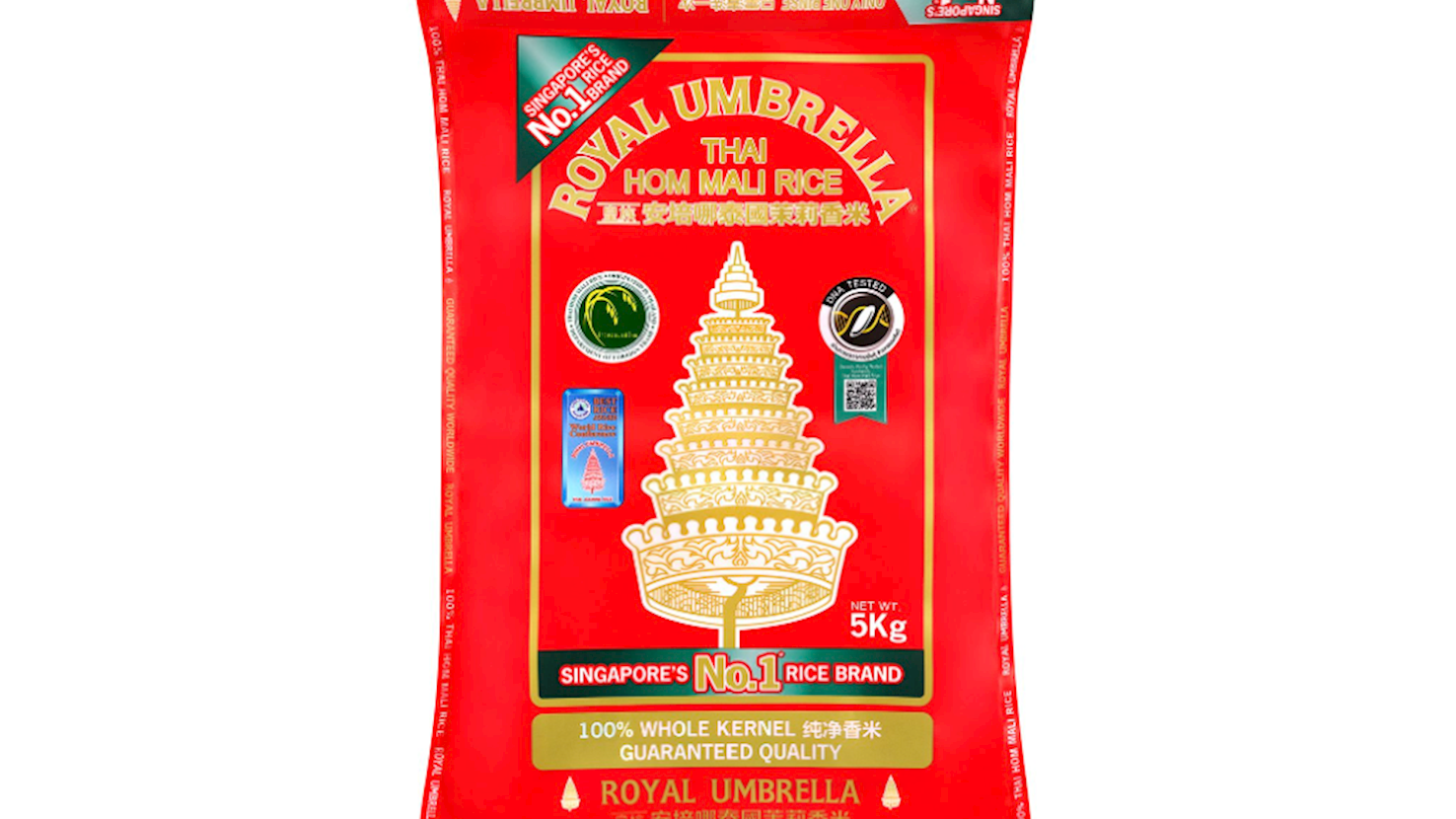
Royal Umbrella is a prestigious Thai rice brand known for its superior quality, authentic flavor, and consistent production. The brand is owned by C.P.

Intertrade, a subsidiary of the powerful Charoen Pokphand Group, which is the largest agro-industrial conglomerate in Asia. Its most renowned product is Thai Hom Mali Jasmine Rice, a premium Thai jasmine rice grown in the northeastern regions of Thailand, known for their fertile soil, pure water, and favorable tropical climate—conditions that contribute to the rice’s distinctive jasmine aroma, delicate flavor, and light, fluffy texture after cooking. Royal Umbrella combines traditional expertise with modern technology in its operations.

The production process involves state-of-the-art milling and processing equipment, and every batch undergoes rigorous quality control - from harvesting to packaging. Royal Umbrella rice is used in households, restaurants, and hotels around the world and is highly valued for its versatility in cooking - perfect for traditional Thai dishes as well as international recipes such as risottos, sushi, and other rice-based specialties. Recognizable by its red packaging and iconic golden umbrella emblem, this brand holds a leading position in the global export of Thai rice.

06

Yuki Tsubaki

4.9 ·

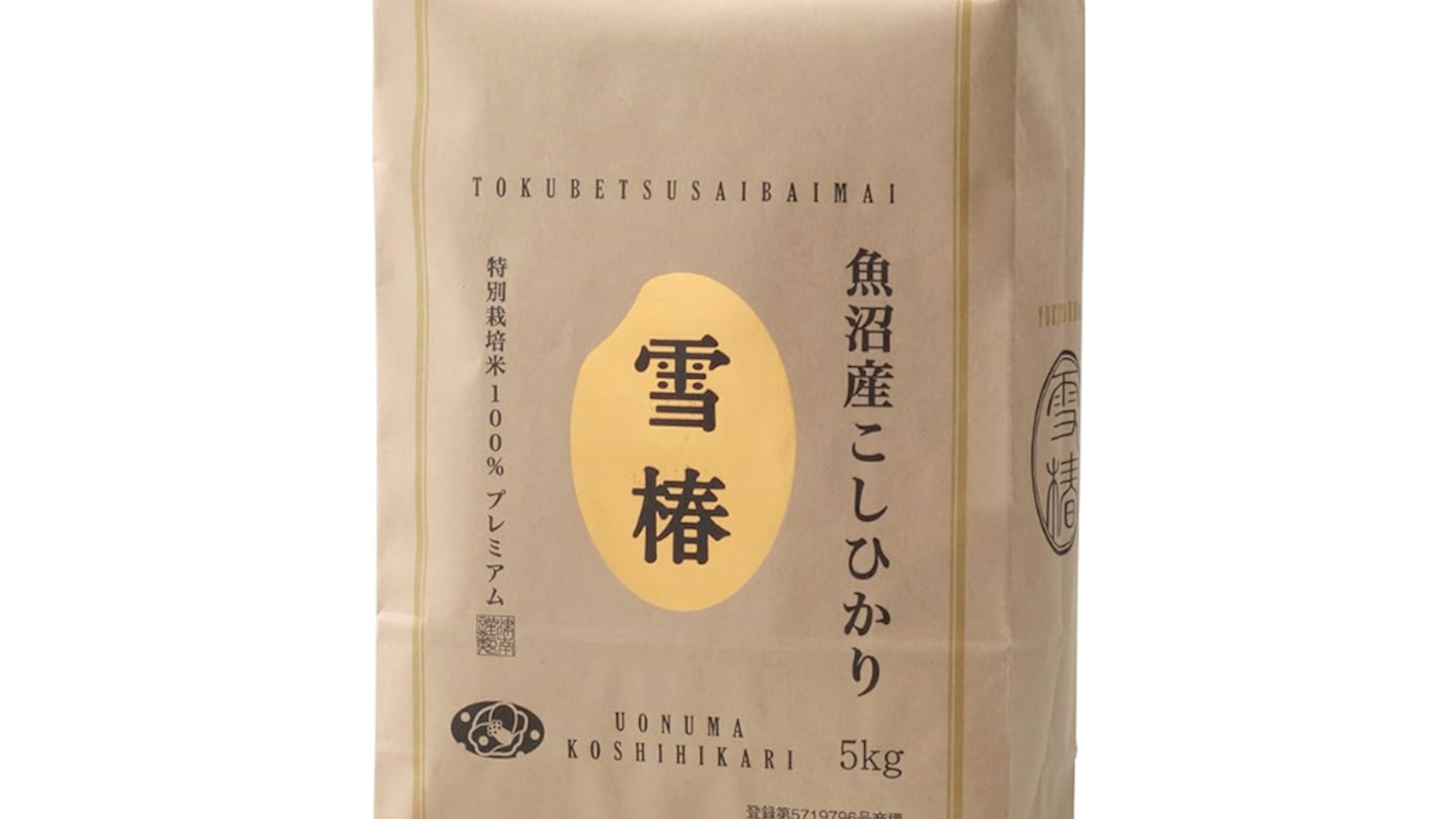
Yuki Tsubaki is a luxury Japanese rice brand that represents the pinnacle of quality in the Koshihikari variety, Japan’s most renowned rice. The brand was born out of a desire to produce the finest rice in Japan, cultivated in the mountainous region of Uonuma, located in Niigata Prefecture, an area known for its superior agroecological conditions.

Its production requires significantly more labor, time, and cost compared to standard rice, in order to achieve impeccable texture, luster, and flavor. The grains are glossy, tender, delicately sweet, and ideal for sushi, onigiri, and refined Japanese cuisine. Behind the brand stands a company that employs advanced processing methods and strict quality control to ensure a unique culinary experience.

The polishing process takes three times longer than usual, resulting in an exceptionally smooth and shiny finish. Every stage - from grain selection to packaging - is carried out under rigorously controlled conditions. Due to its exceptional rarity, Yuki Tsubaki rice accounts for less than 0.003% of the total Koshihikari rice production in Japan.

Its exclusivity has made it a favorite among top chefs and luxury restaurants around the world.

07

Toản Xuân

4.9 ·

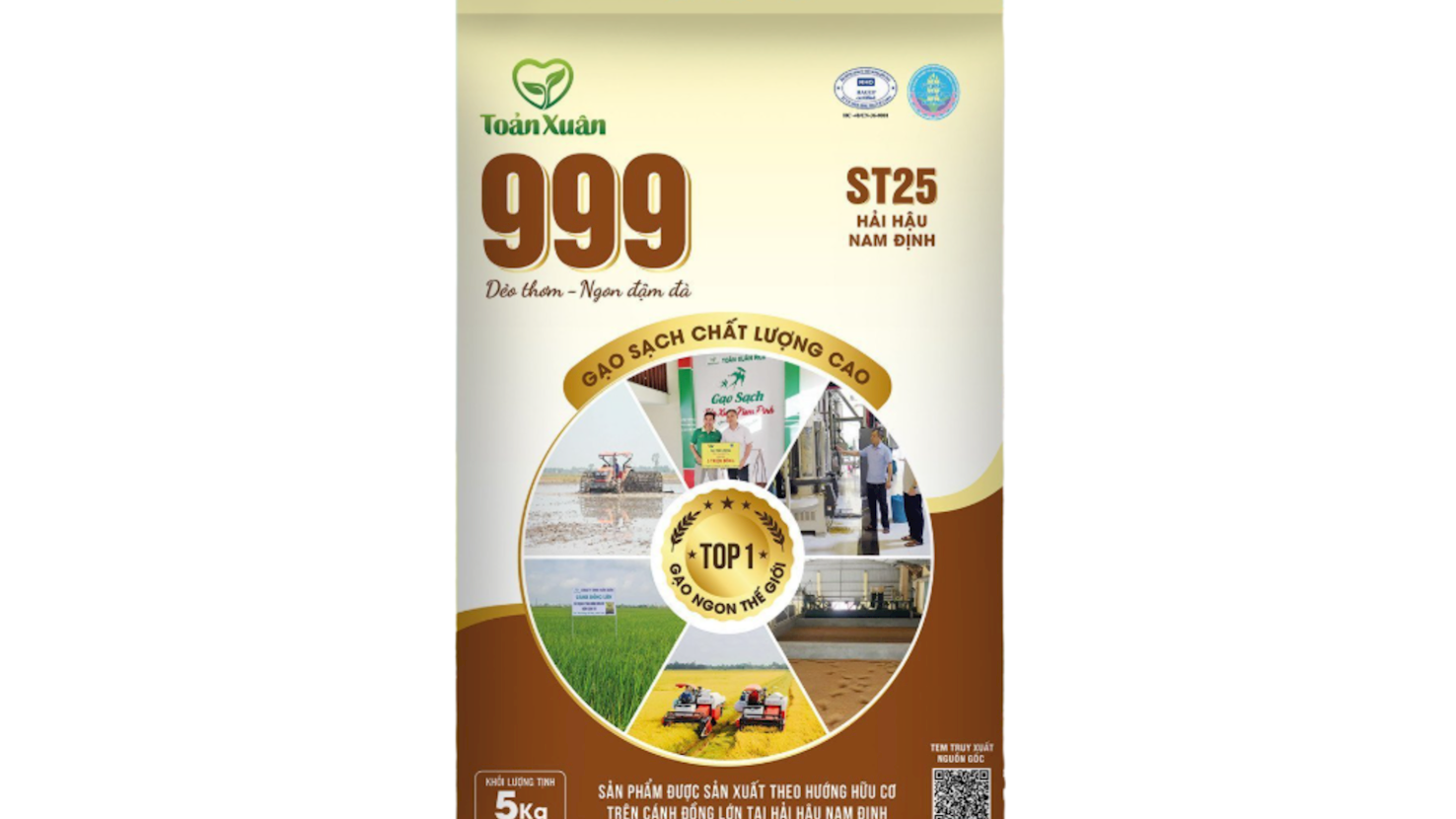
Toản Xuân is a Vietnamese company engaged in the production, processing, and distribution of rice. Its headquarters and main processing facility are located in Yên Lương Commune in the former Nam Định Province. The company is managed by Trần Quốc Toản who worked in the plant nutrition sector for several decades before developing his own rice production chain. In 2014, approximately VND 80 billion was invested in the construction of a grain drying, storage, and processing facility. The organized production chain was launched in 2015 while the first season of rice marketed under the Toản Xuân brand was completed in early 2016. The company works with agricultural cooperatives and larger family farms by providing seeds, fertilizers, and cultivation guidelines. The process is monitored from soil preparation and sowing to harvesting, purchasing, and grain processing. After arriving at the facility, the rice is dried at a controlled temperature and stored separately according to its variety and cultivation area. During processing, the husks, impurities, and damaged grains are removed while electronic cameras are used for final sorting. The range includes several types of aromatic rice, the ST25 variety, the Toản Xuân 999 line, naturally colored rice, and ecological rice grown in fields inhabited by aquatic rươi worms. The latter product comes from floodplain areas where rice cultivation is adapted to a sensitive aquatic ecosystem. The presence of these organisms requires restrictions on chemicals that could affect the water quality and soil conditions. Through this system, the company combines organized large-scale production with the processing of rice originating from different areas and cultivation models.

08

Lộc Trời

4.9 ·

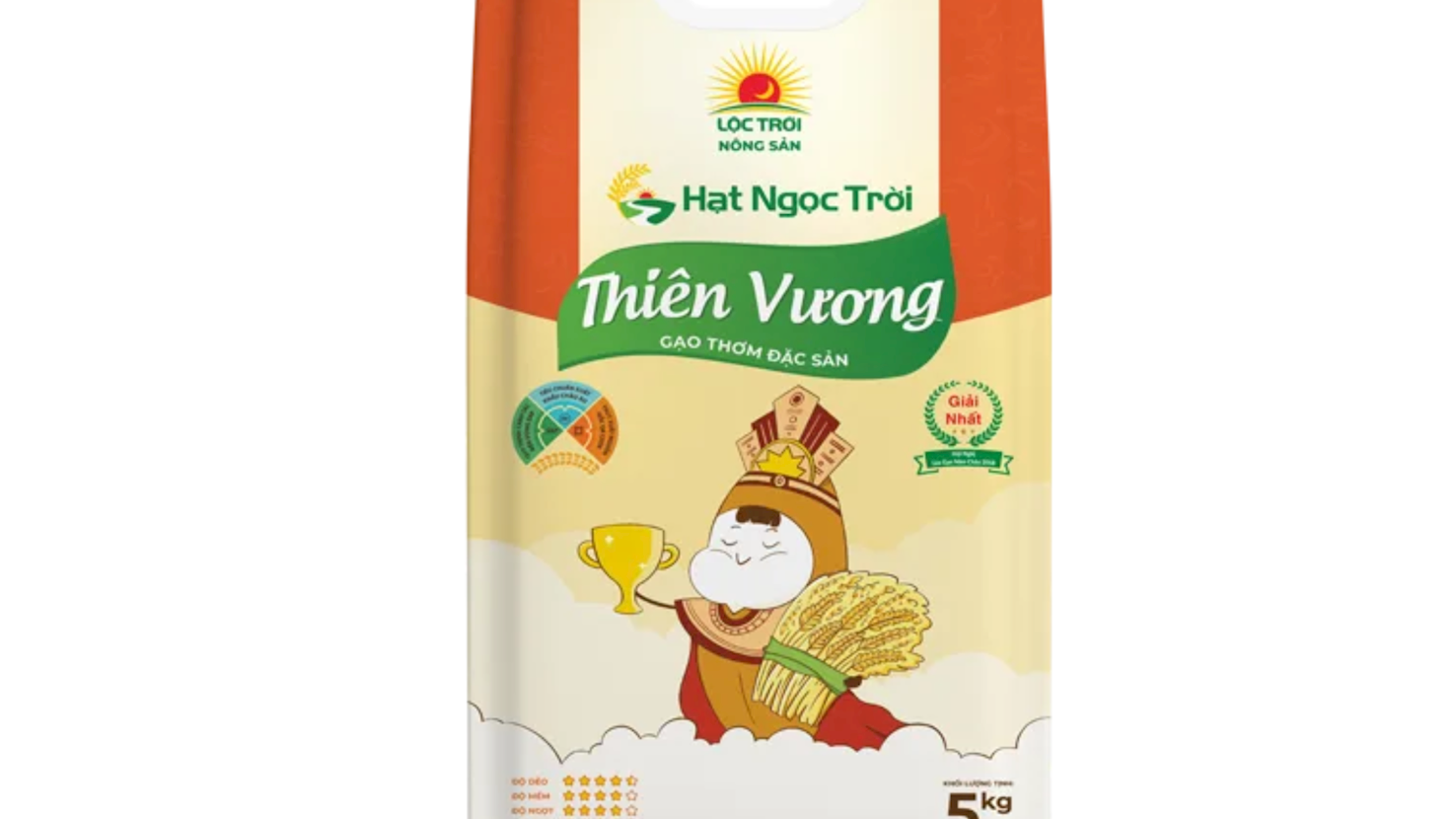
Lộc Trời is one of Vietnam’s leading agricultural companies and is headquartered in Long Xuyên in An Giang Province. It was established in 1993 as a plant protection services company in An Giang. Its operations initially focused on crop protection products while seed research and production began in 1996. Over time, the company developed an integrated supply chain covering seed selection, cultivation management, farmer support, procurement, processing, and distribution of agricultural products. Rice grown in the Mekong Delta occupies a particularly important place in its business. Production quality is controlled from the selection of varieties and cultivation areas to harvesting, processing, and packaging. Lộc Trời works with agricultural cooperatives and growers by providing professional support throughout the cultivation process. In addition to rice, the company produces seeds, fertilizers, biological preparations, crop protection products, coffee, and other agricultural goods. Its products are sold throughout Vietnam and exported to markets in Europe, Asia, the Middle East, Africa, and Australi

09

TUFOCO

4.8 ·

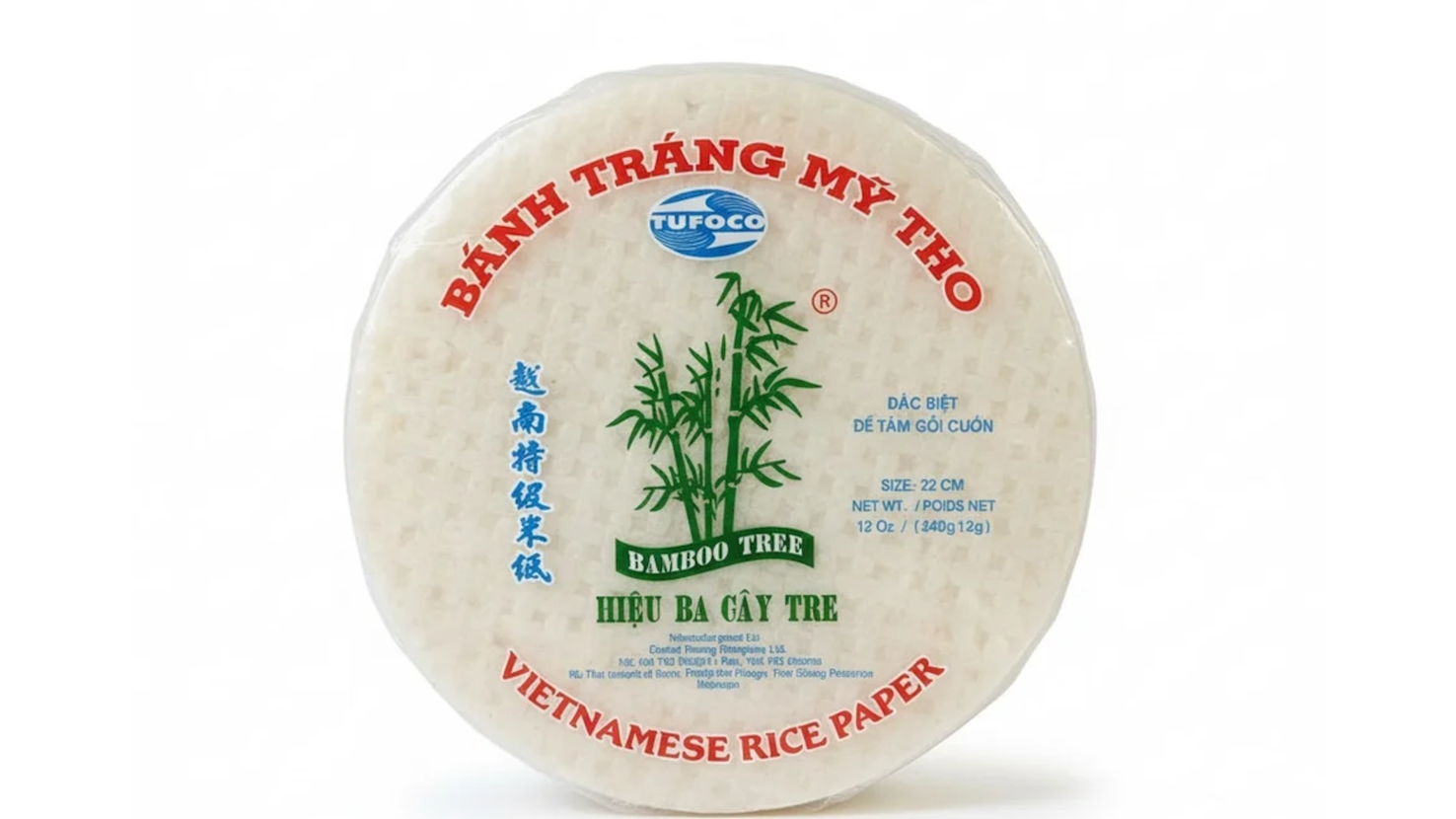
TUFOCO is a Vietnamese food company established in 2002 and specializing in the processing of agricultural raw materials. It operates under the official name Thuan Phong Agricultural Products Processing Company Limited. Its headquarters and main production complex are located in Chau Thanh District in Ben Tre Province in the Mekong Delta. The company initially focused on rice-based foods such as rice paper, pho noodles, rice vermicelli and other types of rice noodles. Its rice products are mainly sold internationally under the Bamboo Tree brand. The rice paper range includes round and square sheets in various sizes intended for fresh and fried rolls. Depending on the variety the principal ingredients include rice, tapioca starch, water and salt. The rice paper is industrially produced on automated lines to ensure consistent thickness, shape and elasticity. In addition to rice products the company processes coconuts, fruit and vegetables and produces coconut milk, coconut water, oil, juices and canned and frozen foods. Its production complex covers approximately 18 hectares and has an annual capacity of up to 50,000 tonnes of finished products. TUFOCO exports its products to the United States, Canada, European countries, Australia, Japan, South Korea and China.

10

VAFOOD

4.8 ·

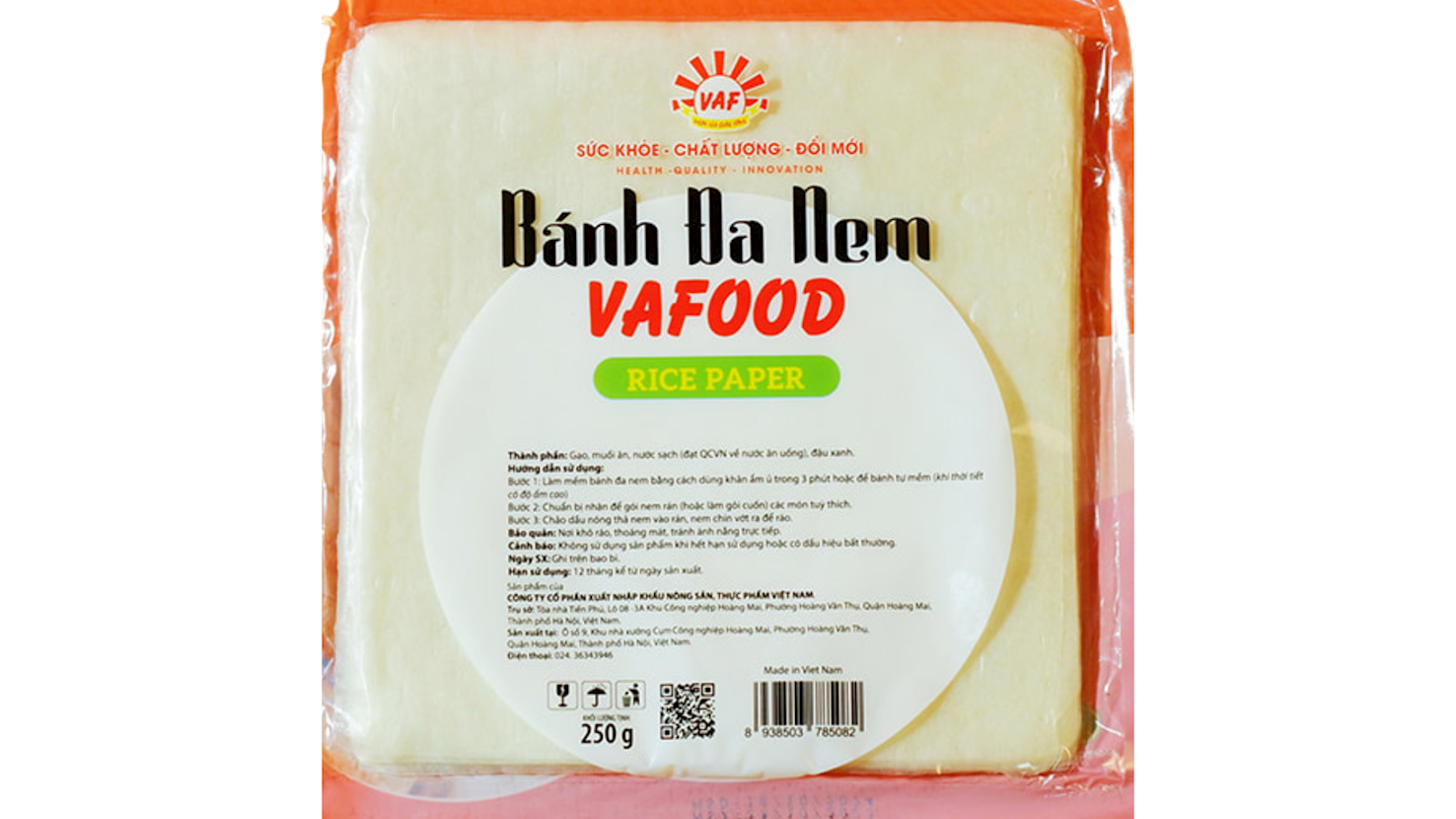
VAFOOD is a Vietnamese manufacturer and exporter of rice-based food products headquartered in Hanoi. The company was founded in 2009 by entrepreneur Trần Thị Thu Hằng. It began operating as a supplier of fresh food and agricultural ingredients to school kitchens. It later shifted its focus toward rice processing and the development of convenient versions of traditional Vietnamese foods. In 2018, the company established a partnership with producers from the traditional village of Làng Chều in Hà Nam Province to make rice paper for fried spring rolls. This product represented an important step in the company’s transition from ingredient distribution to the production of processed foods. Its range was subsequently expanded to include dried phở noodles, rice vermicelli, and different types of rice paper. VAFOOD uses low-temperature drying technology to preserve the flavor and natural structure of the rice. Its production process is designed to provide a consistent texture without relying on preservatives or additives for improved elasticity. The company works with rice growers in the Cổ Loa area of Hanoi to establish a more stable supply of controlled raw materials. VAFOOD products are sold domestically and exported to several countries in Asia and Europe.

About this Ranking

TasteAtlas food rankings are based on the ratings of the TasteAtlas audience, with a series of mechanisms that recognize real users and that ignore bot, nationalist or local patriotic ratings, and give additional value to the ratings of users that the system recognizes as knowledgeable. For the “Top 49 Asian Rice” list until September 02, 2026, 674 ratings were recorded, of which 542 were recognized by the system as legitimate.

TasteAtlas Rankings should not be seen as the final global conclusion about food. Their purpose is to promote excellent local foods, instill pride in traditional dishes, and arouse curiosity about dishes you haven’t tried.

The initial list of top producers was compiled based on available reviews, awards, local recommendations, media and blog coverage, and consumer reviews. The list will be updated with ratings from TasteAtlas local ambassadors and TasteAtlas users.

What People Say

Similar Lists