shutterstock

Top 100 Western European Pasta Varieties

Last updated on June 02, 2026

Best Western European Pasta Variety Types
01

Tagliatelle

4.4 ·

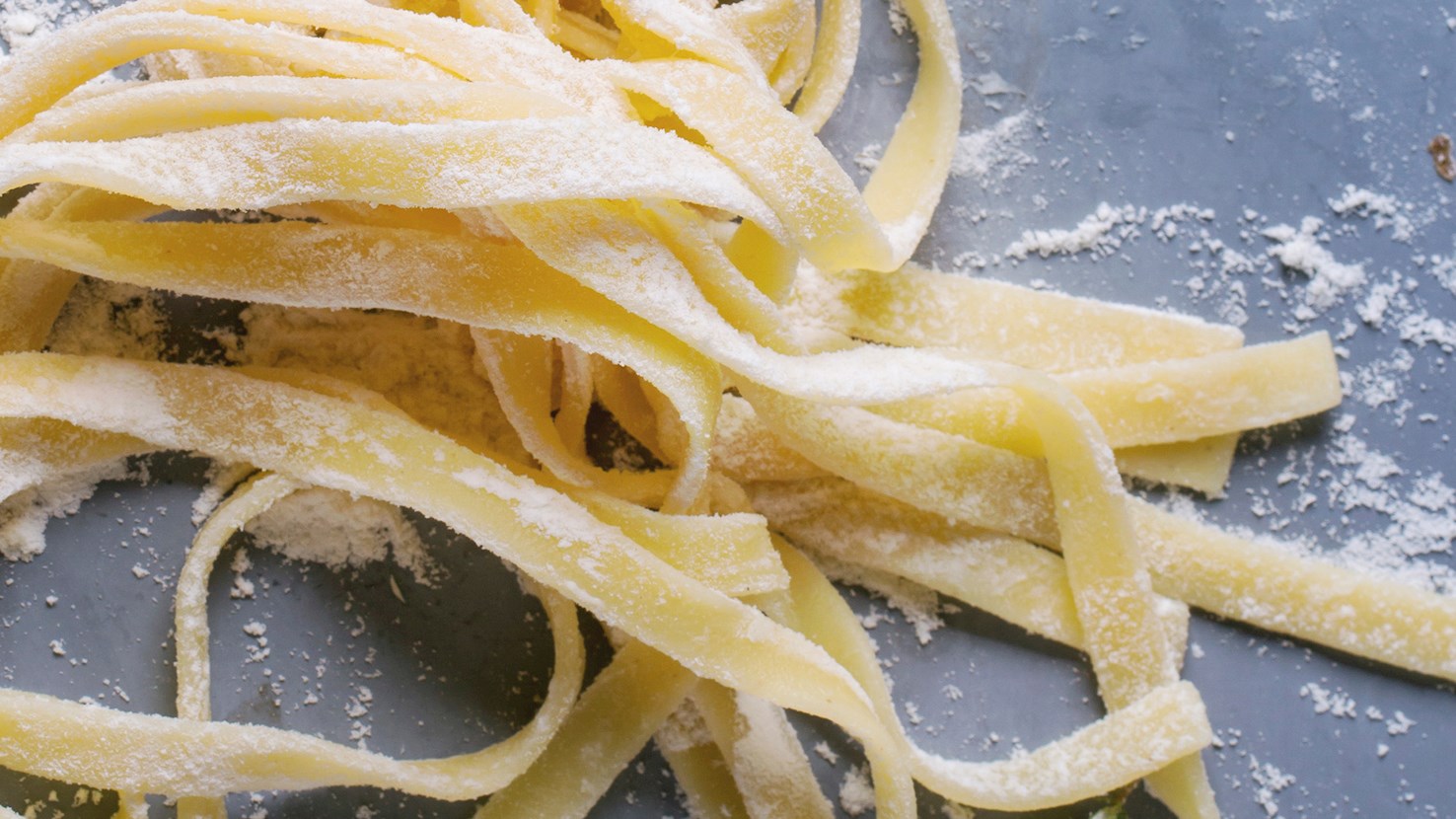
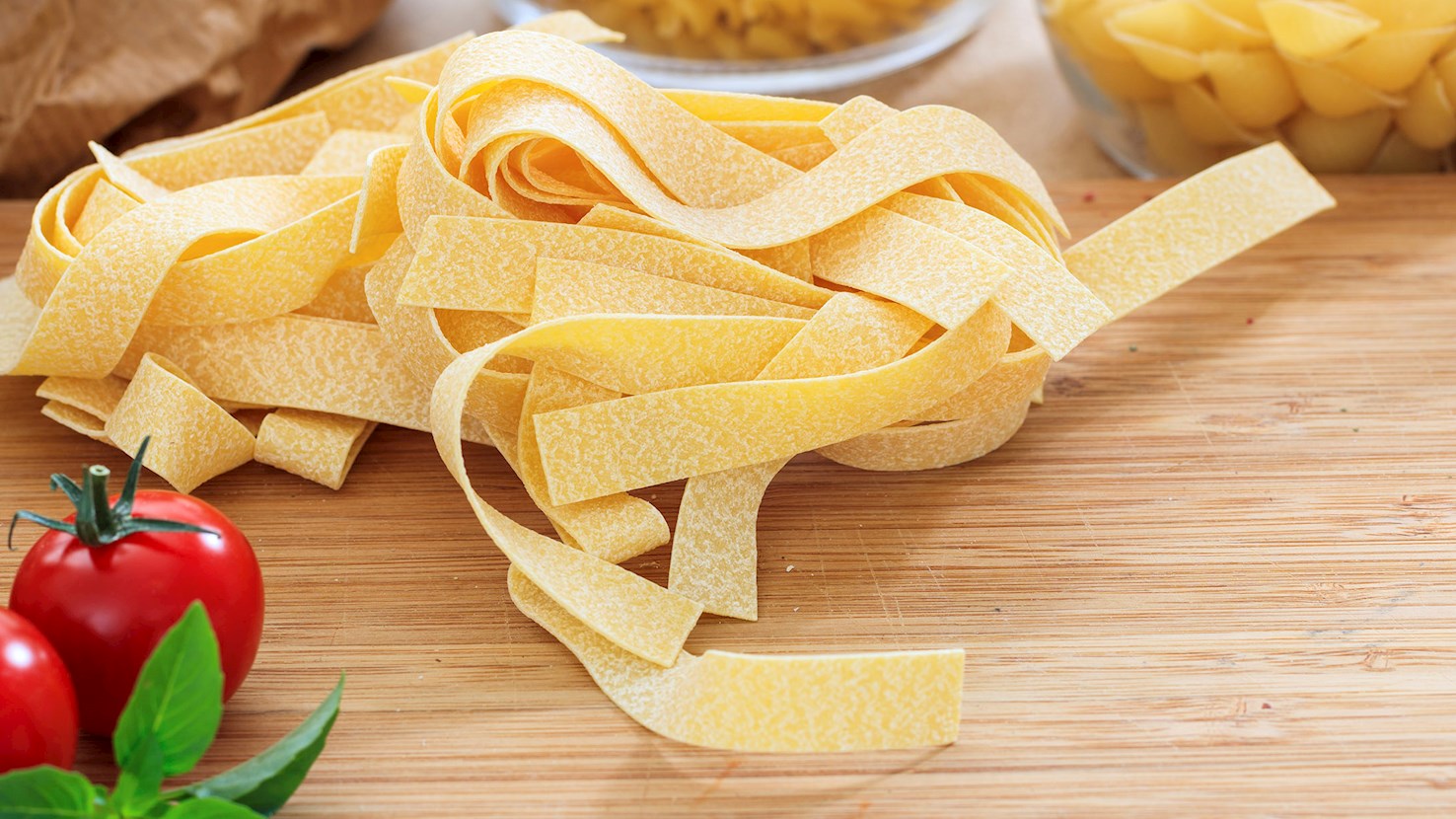
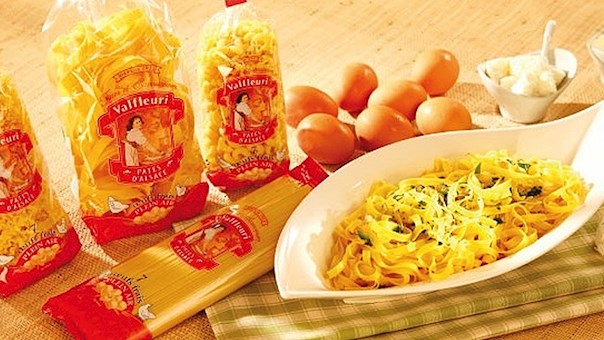
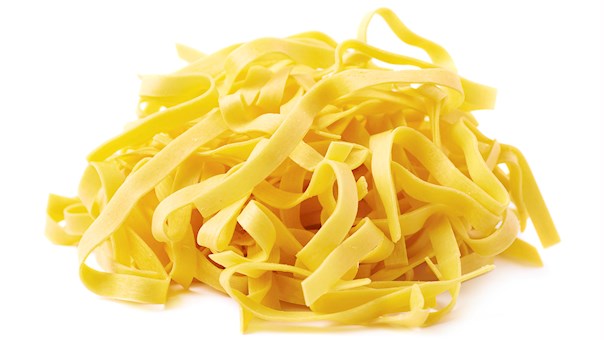
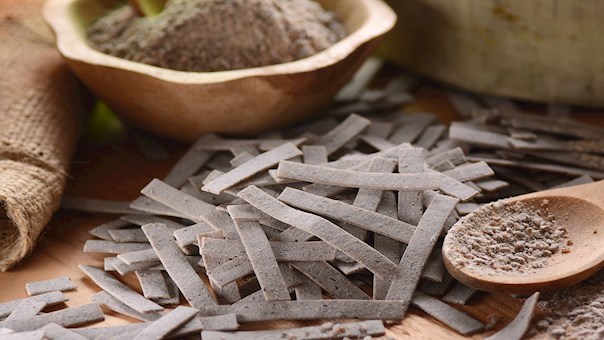
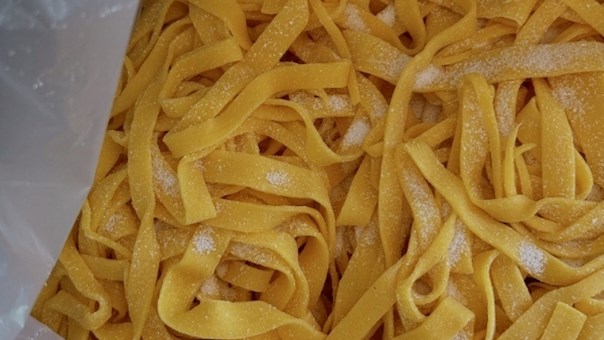
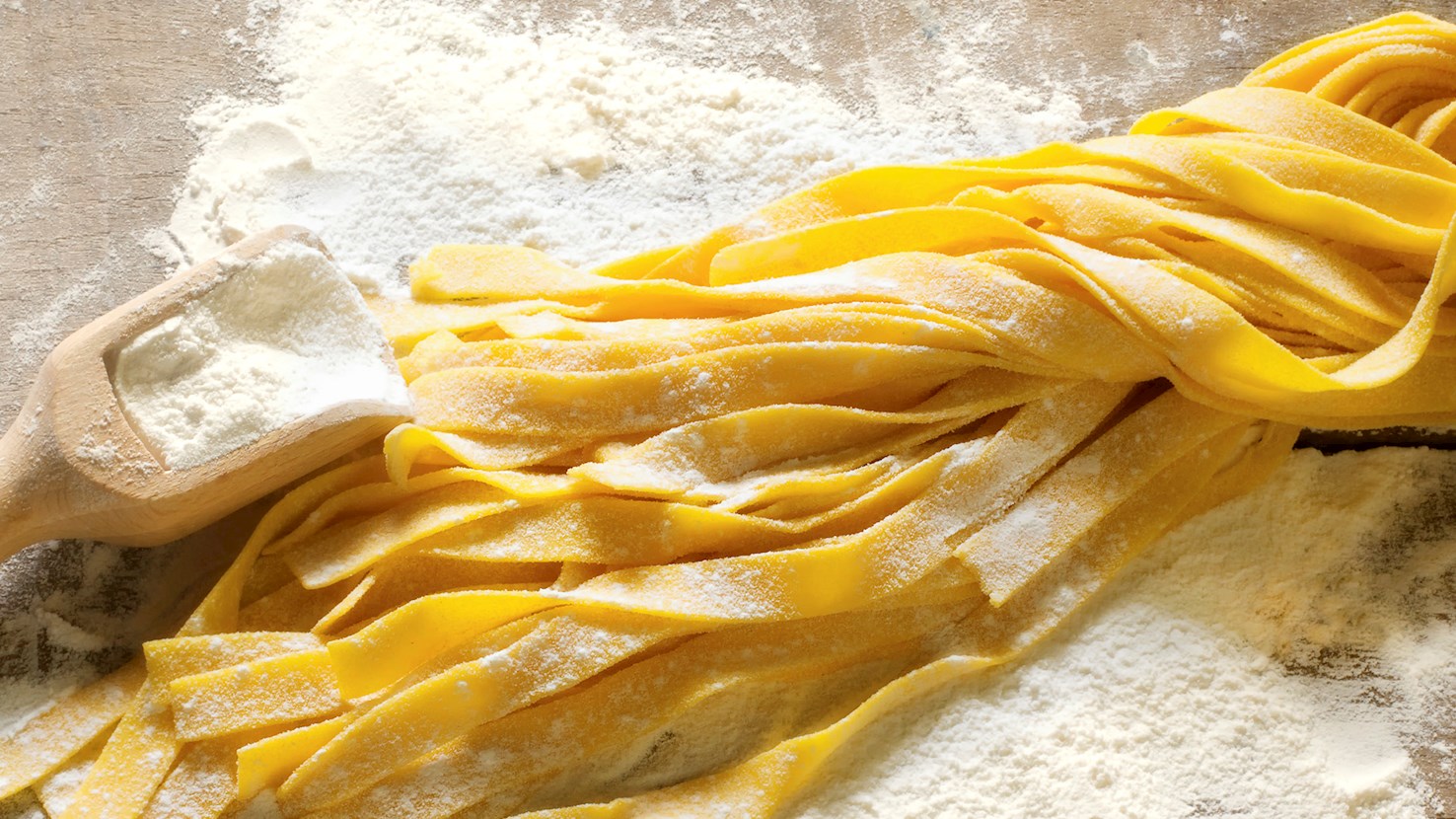
Tagliatelle are a type of pasta consisting of wheat flour and eggs, or formerly flour and water or whole-wheat flour and water. The wider noodles are called tagliatelle, while the thinner variety is called tagliolini. The name is derived from the word tagliare, meaning to cut. Tagliatelle were reserved for special occasions in the past, but today they are served any day of the week. According to a very popular legend, they were invented in 1487 by Maestro Zafirano, a cook from Bentivoglio, for the marriage between Duke of Ferrara and Lucrezia Borgia. He was supposedly inspired by the bride's beautiful blonde hair. However, the truth is different, since there are pictorial representations of tagliatelle before this date in Tacuinum Sanitatis, an 11th-century Arab health manual that was translated to Italian and illustrated in the 14th century. Regardless of their origin, tagliatelle are still one of the most popular Italian pasta types, typically served with a meat sauce or Bolognese sauce.

02

Trofie

4.3 ·

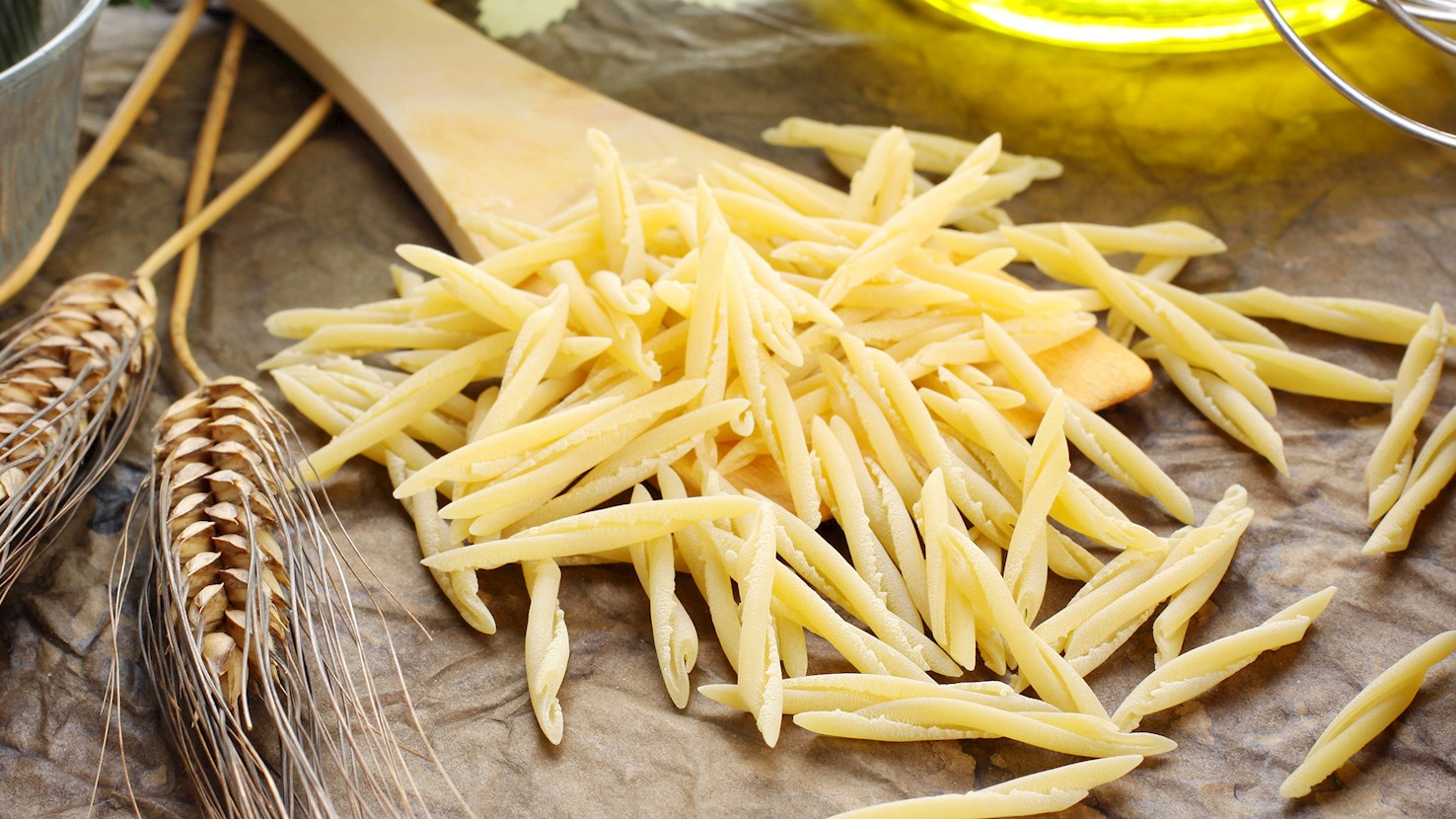
Trofie is a handmade pasta variety from Liguria, dating back to the times of the Crusades. It is traditionally made with durum wheat flour and water, then shaped by rolling a tiny piece of dough on a flat surface. The dough is then twisted to develop its final shape. Trofie is usually served with pesto sauce, and it is believed that the pasta got its name from the word strufuggiâ, meaning to rub, referring to the method of production.

Best producers
03

Pici

4.3 ·

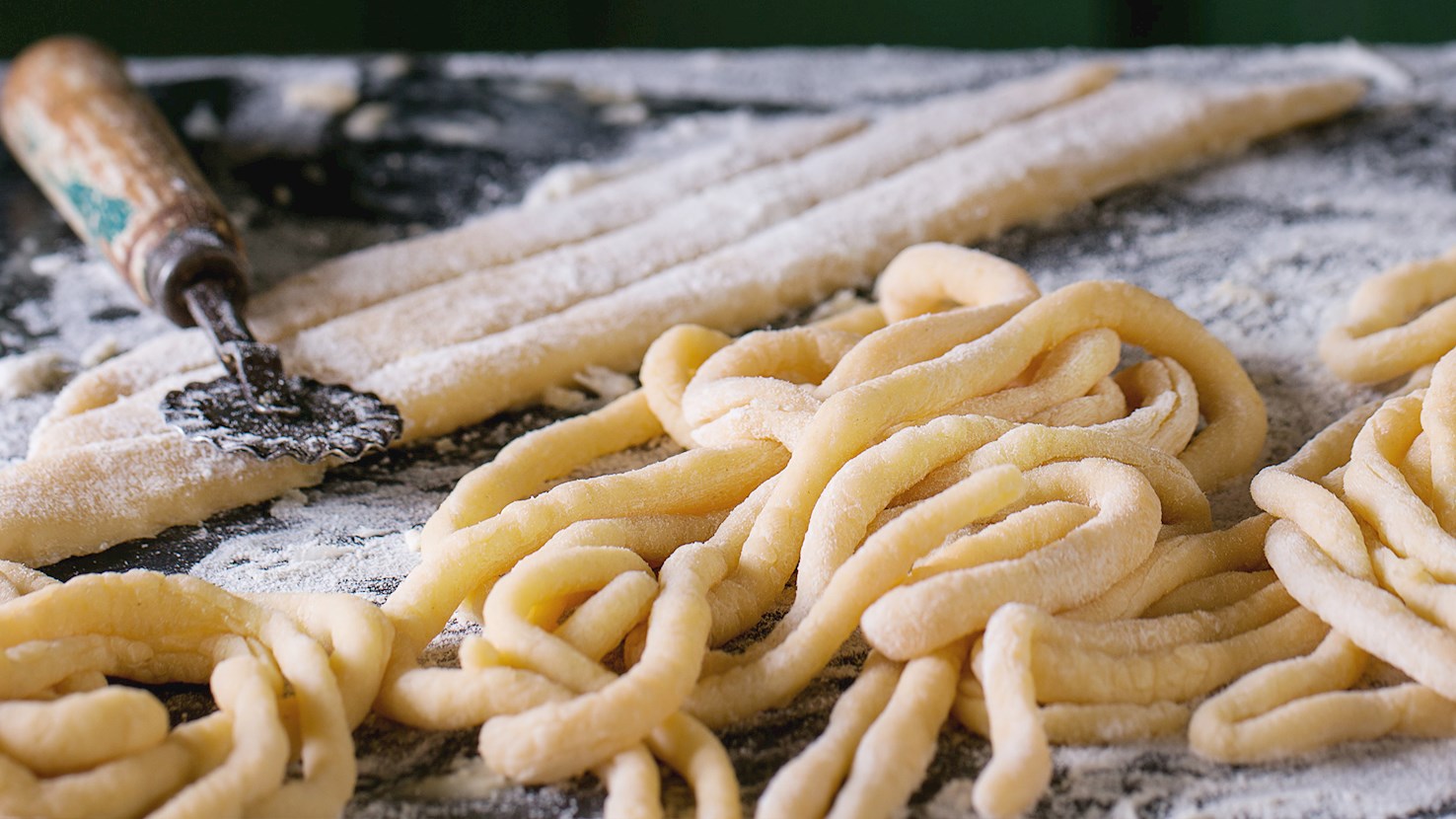
Pici is a type of hand-made pasta popular in South Tuscany, similar to spaghetti, but thicker, and usually made without eggs. The pasta is rolled by hand and looks robust, like thick spaghetti. Pici can be served with hearty meat or mushroom-based sauces, but the most typical way to enjoy pici in Tuscany is alle briciole (with bread crumbs roasted in olive oil), all'aglione (with tomato and garlic sauce), or in cacio e pepe version (generously seasoned with grated cheese and pepper).

04

Linguine

4.3 ·

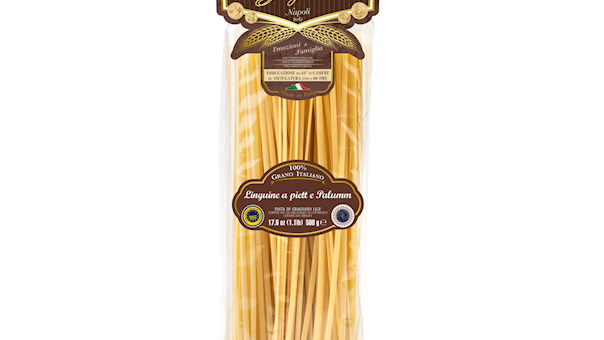
The name of this flat, thin Italian pasta variety translates literally as “little tongues”. It is also known as trenette or bavette in Italy. Linguine is made from durum wheat flour and water, and it is typically served as pastasciutta with the traditional Ligurian sauces. It is sometimes boiled together with potatoes and green beans and served with pesto alla genovese, and it is also often paired with fish-based sauces. On Lipari, in the Sicilian archipelago, linguine is traditionally served with tuna and capers. A truly versatile pasta, it can be used in a vast number of dishes, and its flexibility has made it one of the most popular types of pasta in Italy and abroad.
05

Pasta di Gragnano

4.3 ·

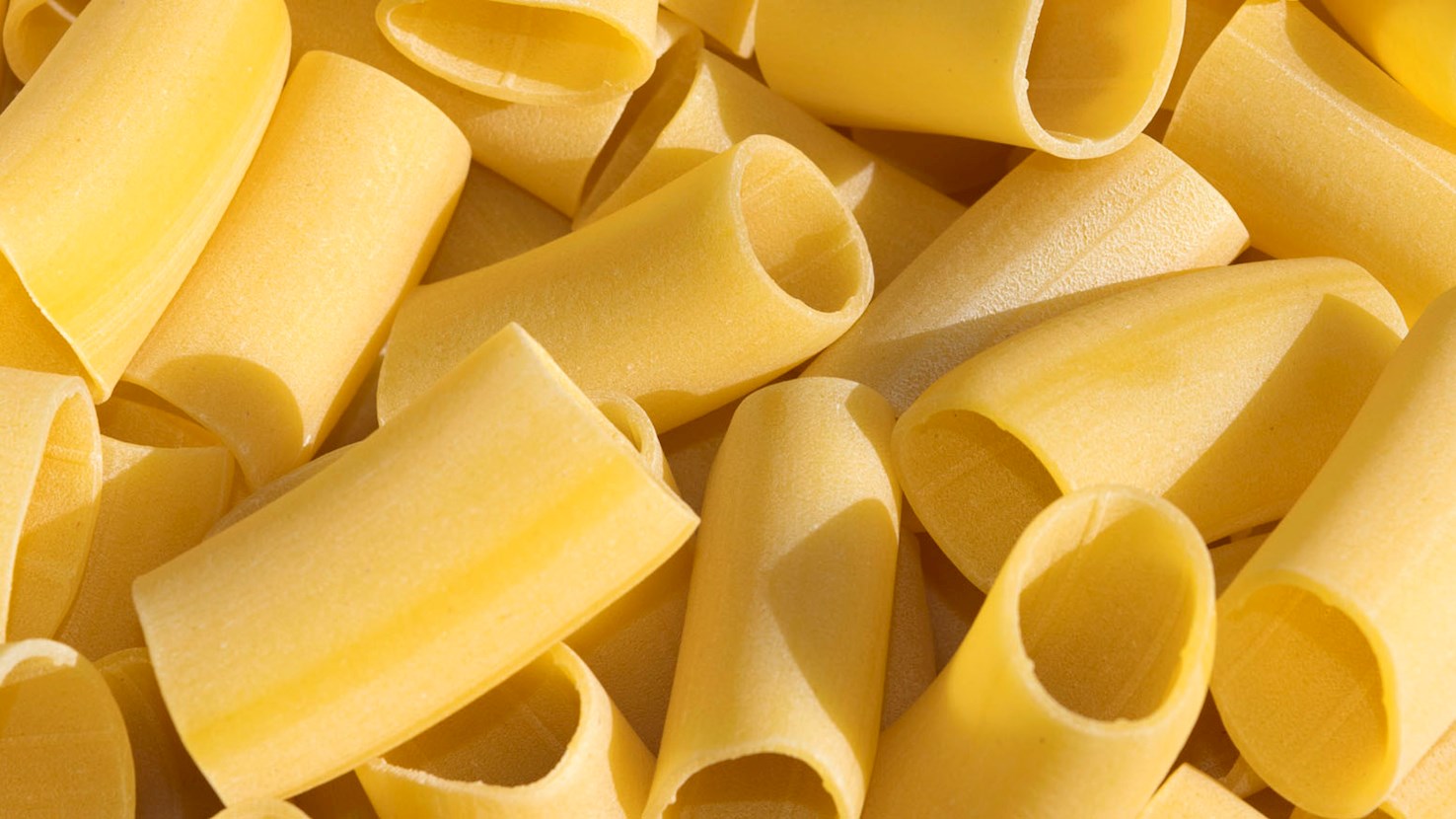
The production of Gragnano pasta dates back to the late 16th century when the first family-run pasta factories were established in the area. Ever since Gragnano became known as the City of Macaroni and the remains of artefacts used in the pasta-making process can still be seen today along the route to the ancient Vallone dei Mulini (lit. Valley of the Mills) in Sorrento, province of Naples. The pasta must be produced within the city of Gragnano and made only with durum wheat semolina and low-calcium water from local aquifers. It is available in several distinctive shapes: Calamarata, Pennoni, Vermicelli, Penne, Caccavella, Conchiglioni, Pacchero or Schiaffone and Gragnano Fusilli. Once cooked, it has a firm, non-sticky consistency, maintains its shape well, and has a strong flavor of durum semolina with a pronounced aroma of ripe wheat. Gragnano pasta binds perfectly with all kinds of sauces and the versatility of its shapes makes it suitable for any recipe.
06

Pappardelle

4.3 ·

Pappardelle is a type of Italian pasta characterized by the large size of its broad, flat noodles. Traditionally, pappardelle are made with an egg-based dough, making the pasta richer and more flavorful. Their origin is attributed to Italy's Central and Southern regions, such as Tuscany, where pappardelle are commonly used in the preparation of many traditional dishes. The name of the pasta is derived from a Tuscan word pappare, meaning to eat with childlike pleasure. Pappardelle are best paired with thick and hearty meat sauces or ragus.
07

Ravioli (Pasta Type)

4.3 ·

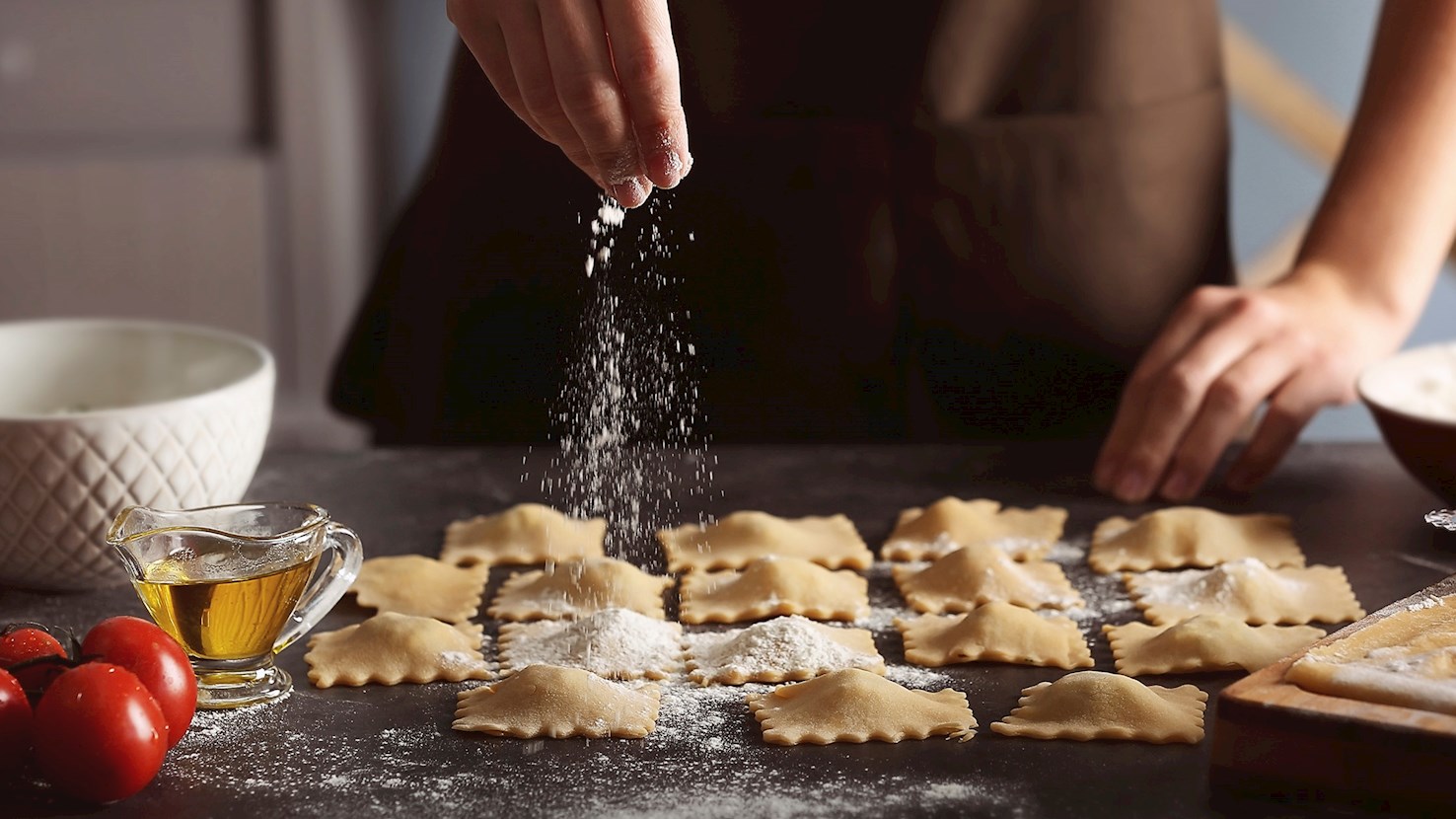
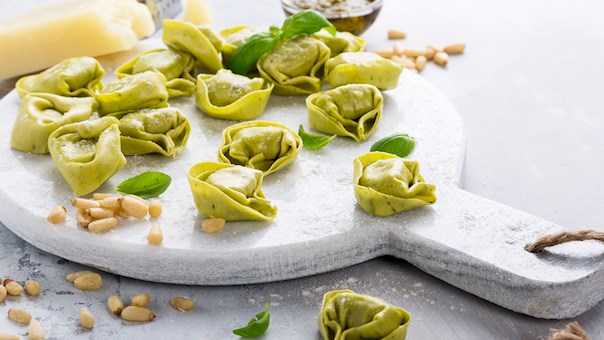
The word ravioli denotes various kinds of pasta made by placing a filling between two thin layers of dough. The pasta used is typically wheat flour and egg based, and it acts as an enclosure while also binding with the sauce or broth the ravioli is cooked or served in. Ravioli are usually served boiled with a sauce as a first course, or boiled and served in broth as a traditional winter dish. Ravioli fillings include diverse varieties of meat, cheese, and vegetables, and they vary from region to region. There are also sweet ravioli, which are usually deep-fried. Although no one is certain when the first ravioli were made exactly, the earliest written recipe for ravioli appears in a 14th-century document written by Francesco di Marco, a Tuscan merchant. Today, modern regional varieties are distinguished by their fillings, by the ingredients used in the dough (such as olive oil in southern Italy), and by their shape, which can be square, round, rectangular, or half-moon with straight or serrated edges.

08

Cavatelli

4.3 ·

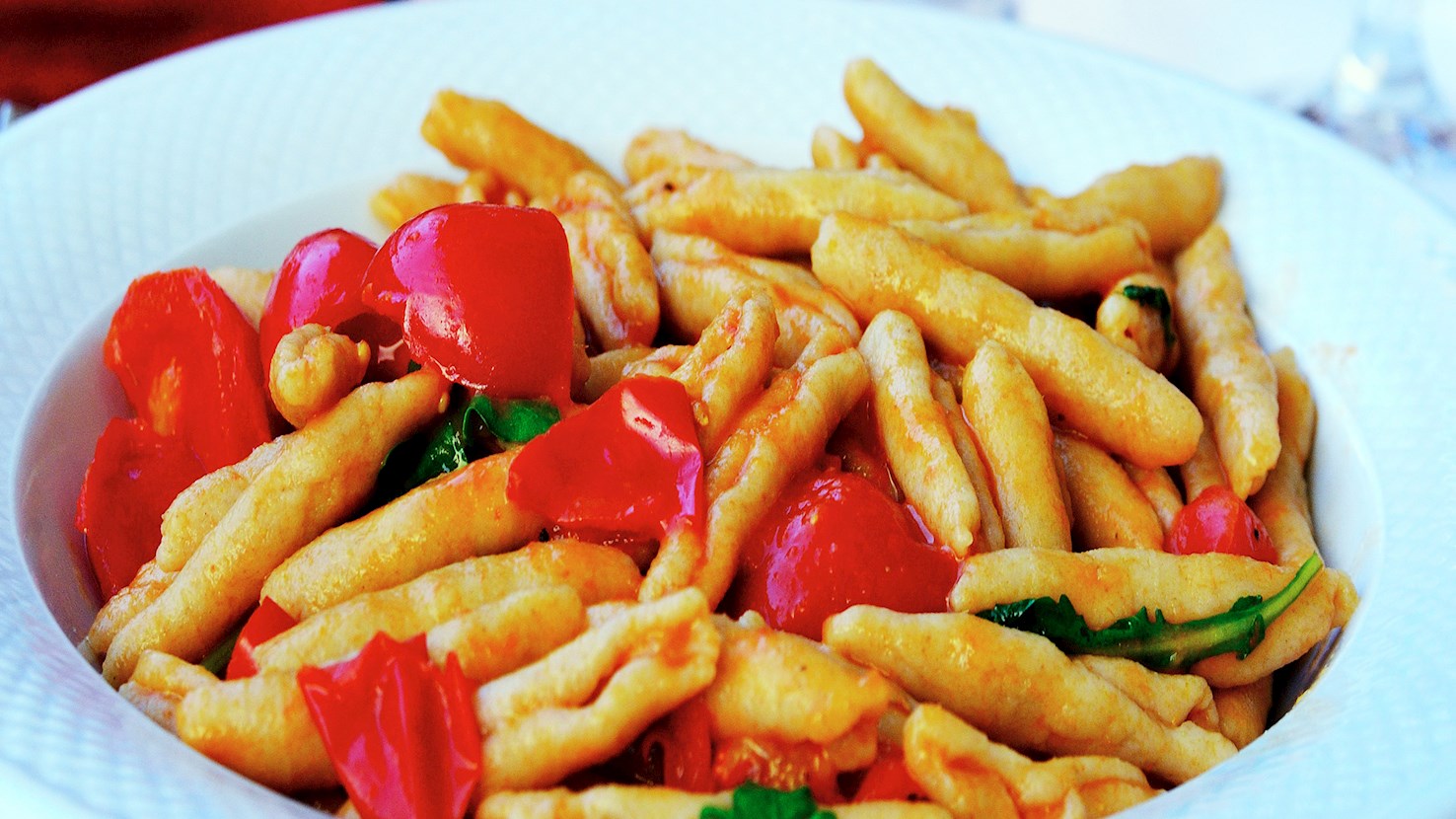
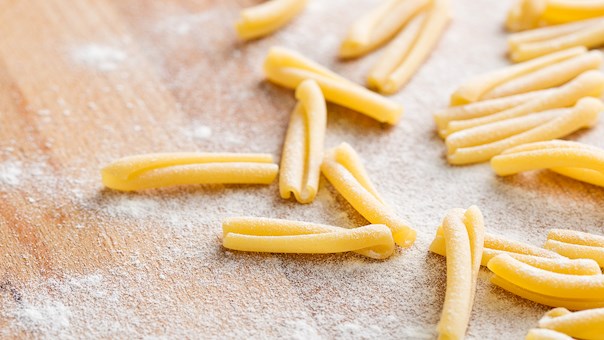
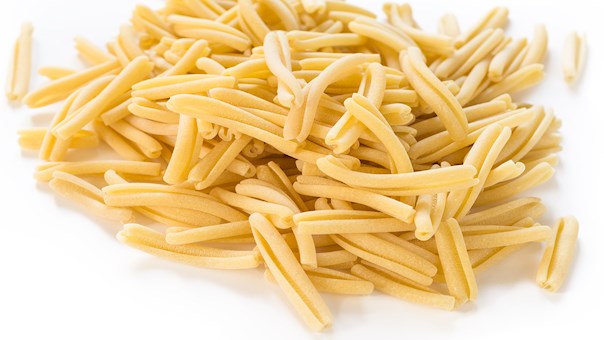
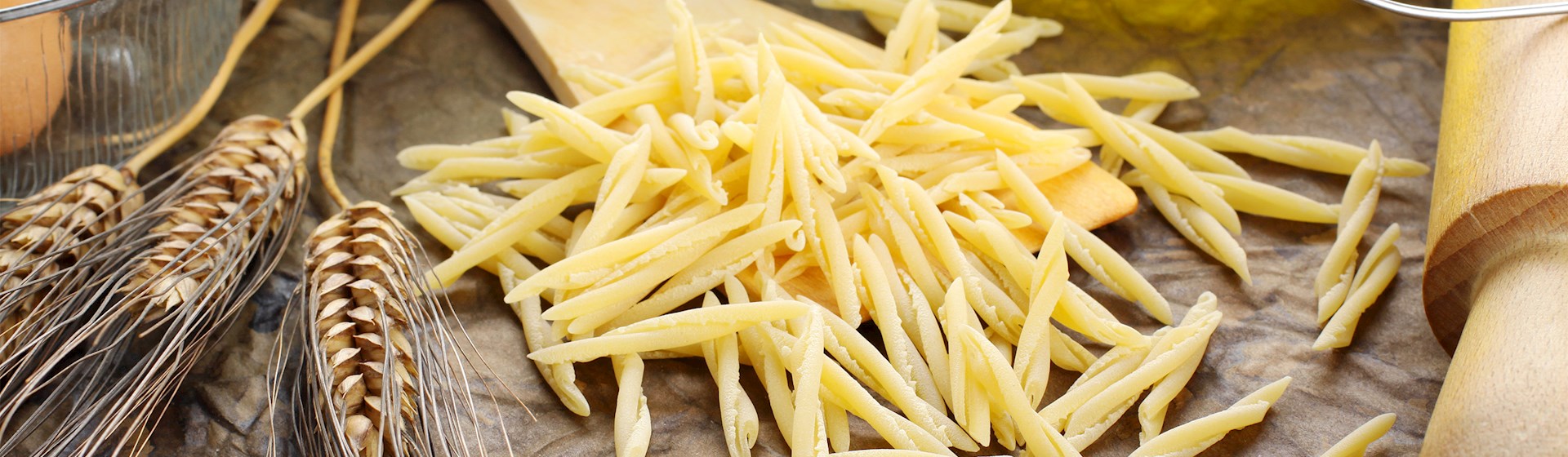
Cavatelli is a variety of Italian pasta consisting of semolina flour and warm saltwater. Although its history is murky, it is known that cavatelli originate from the south and they're made in Apulia, Calabria, and Basilicata. The noodles were originally paired with modest sauces consisting only of oil and garlic, but today, they are used with a variety of sauces including ingredients such as olives, arugula, and heavy cream.

09

Cappelletti

4.3 ·

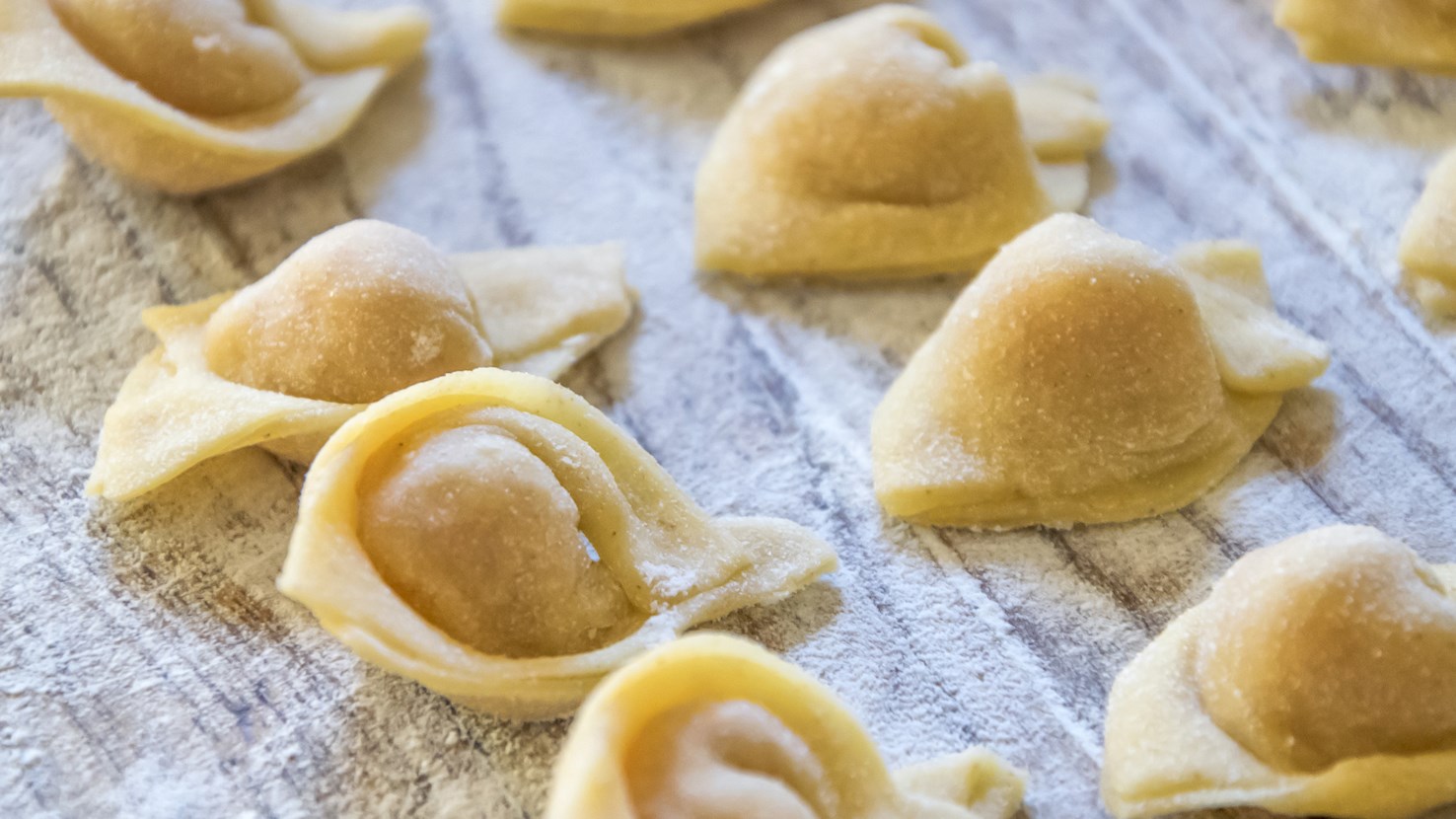
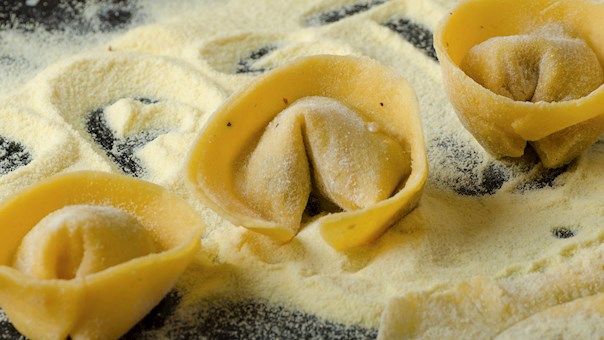
Cappelletti (lit. little hats) is a type of Italian pasta prepared in the shape of a hat. Originally, the pasta was filled with stewed beef, Parmigiano-Reggiano, and selected spices. Today, the pasta is also most often filled with meat and cheese, and it is usually served in chicken broth, especially on festive occasions such as Christmas and New Year's Eve. Cappelletti date back to the Middle Ages, when they was considered a luxury dish that was reserved for Sunday lunch.

10

Spaghetti

4.3 ·

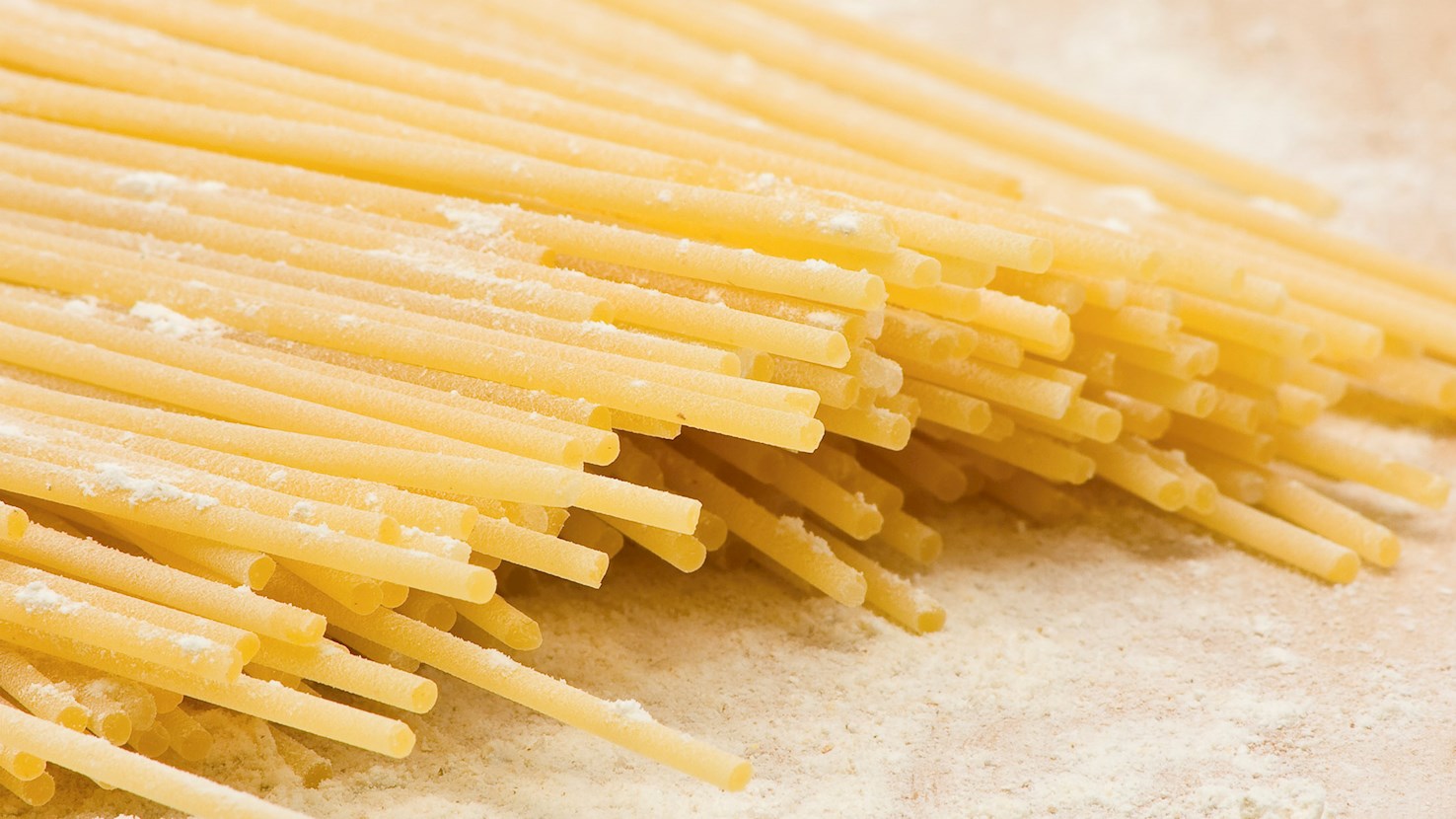
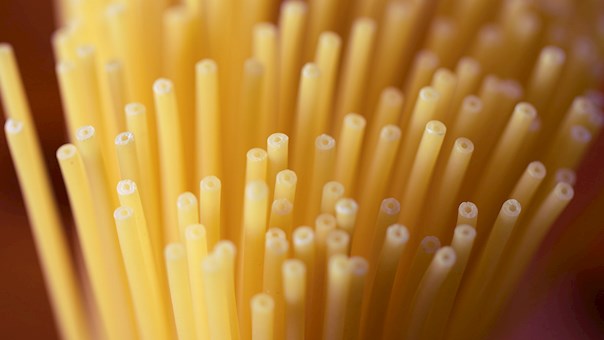
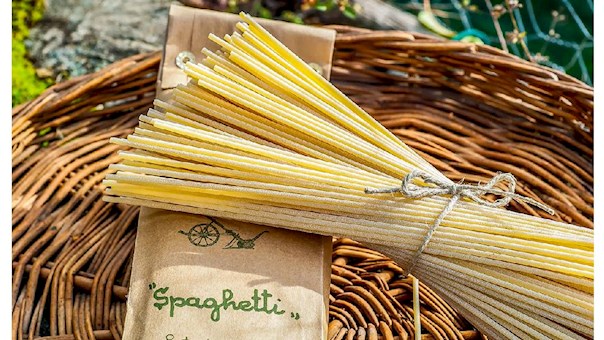
In its most basic form, this popular type of pasta consists of durum flour and water. The word spaghetti means a small string, and this long, string-shaped pasta was originally rolled by hand. Originally known as itryya, it was invented in 12th century Arab-ruled Sicily, the home of the first dried pastas. Today, like most modern pastas, spaghetti is made by being extruded through a die. The types and names of spaghetti vary according to the diameter of the pasta and the region where they're produced. Today, the name spaghetti is synonymous with “made in Italy”, and in the 20th century, Italian immigrants became the largest importers of spaghetti and other Sicilian and Neapolitan pastas to the United States. The flexibility of spaghetti and its ability to accommodate to a wide range of ingredients makes it one of the most popular Italian foods worldwide.

Best Western European Pasta Varieties

01

Pastificio Benedetto Cavalieri

5 ·
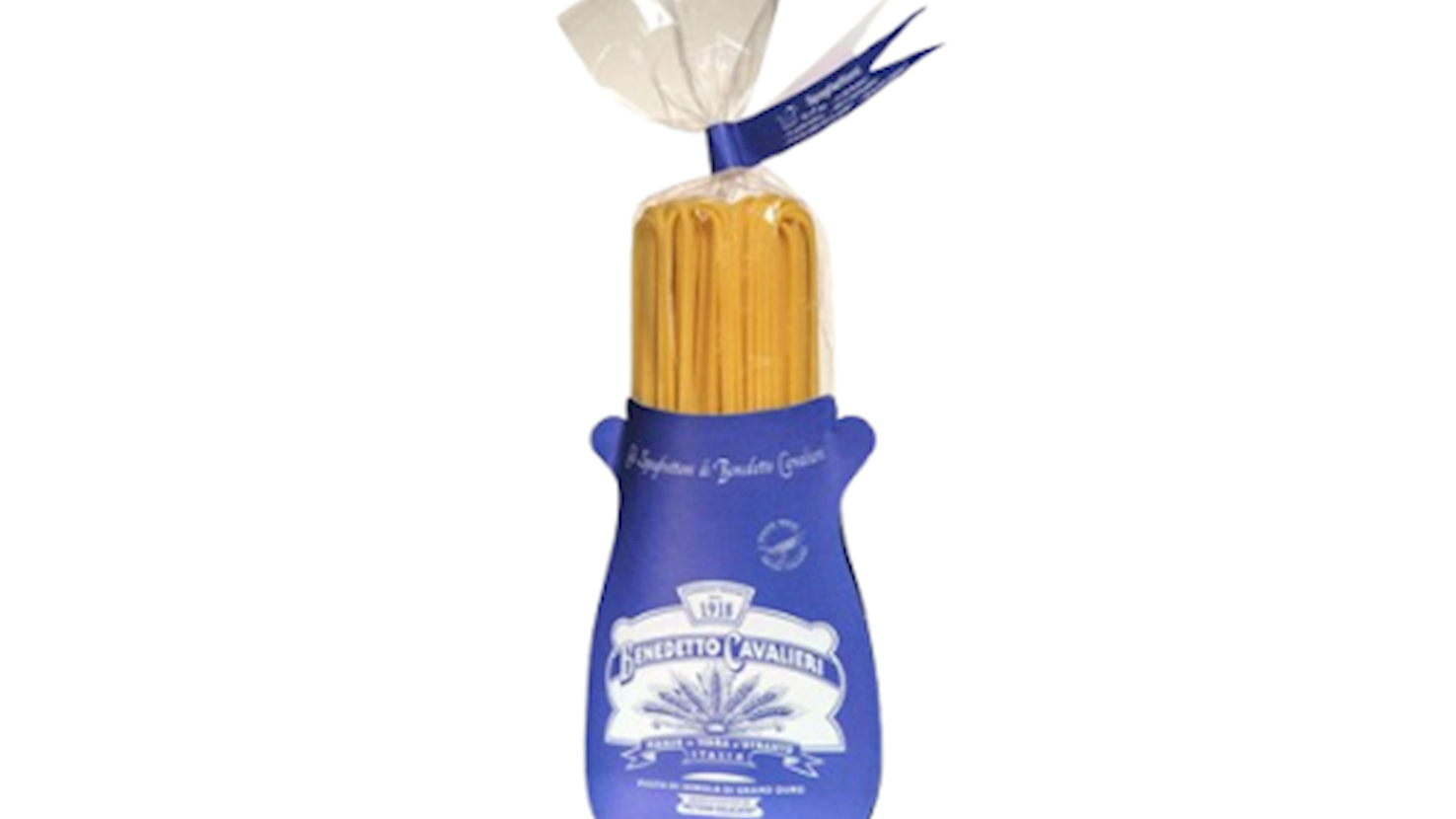
Pastificio Benedetto Cavalieri is an esteemed Italian pasta producer located in Maglie, Lecce, within the Apulia region. Established on July 7, 1918, by Benedetto Cavalieri, the company has maintained a commitment to crafting high-quality pasta using traditional methods. The company employs a "Delicate Method" in its production process, which preserves the nutritional value, flavor, and aroma of the durum wheat. This technique ensures a natural consistency that is highly appreciated by connoisseurs. Their product range includes 32 varieties of durum wheat semolina pasta, featuring notable shapes such as Spaghettoni and Ruote Pazze. Additionally, they offer eight types of organic whole wheat pasta, naturally rich in fiber and known for their excellent cooking performance. Pastificio Benedetto Cavalieri's dedication to quality and tradition has earned them recognition in both national and international culinary circles. Their pasta is celebrated for its exceptional taste and texture, making it a preferred choice among gourmet enthusiasts.
02

Monograno Felicetti

5 ·
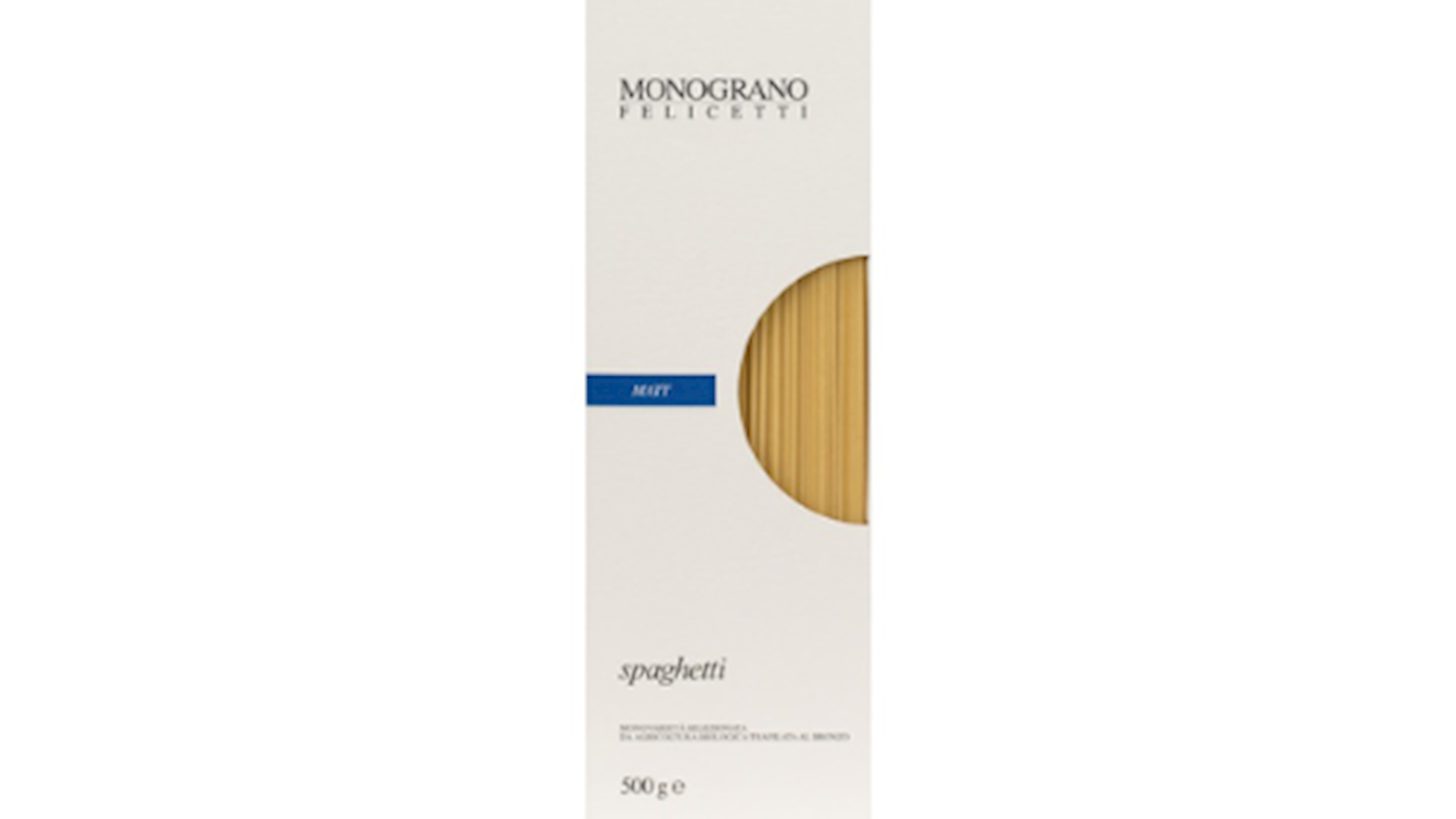
Monograno Felicetti is the premium pasta line from Felicetti, an Italian pasta manufacturer founded in 1908 in Trentino - South Tyrol. This exclusive collection is made from single-origin organic grains, carefully selected for their unique flavors and nutritional qualities. Produced using pure Dolomite mountain water and bronze die extrusion, Monograno Felicetti pasta has a rough texture that enhances sauce absorption. It is slowly dried at low temperatures, preserving the natural aroma and integrity of the grains. Known for its superior quality, this pasta is favored by top chefs and gourmet restaurants worldwide. Monograno Felicetti represents a perfect balance of tradition, sustainability, and culinary excellence, offering a refined pasta experience for true food enthusiasts.
03

Pastificio dei Campi

5 ·
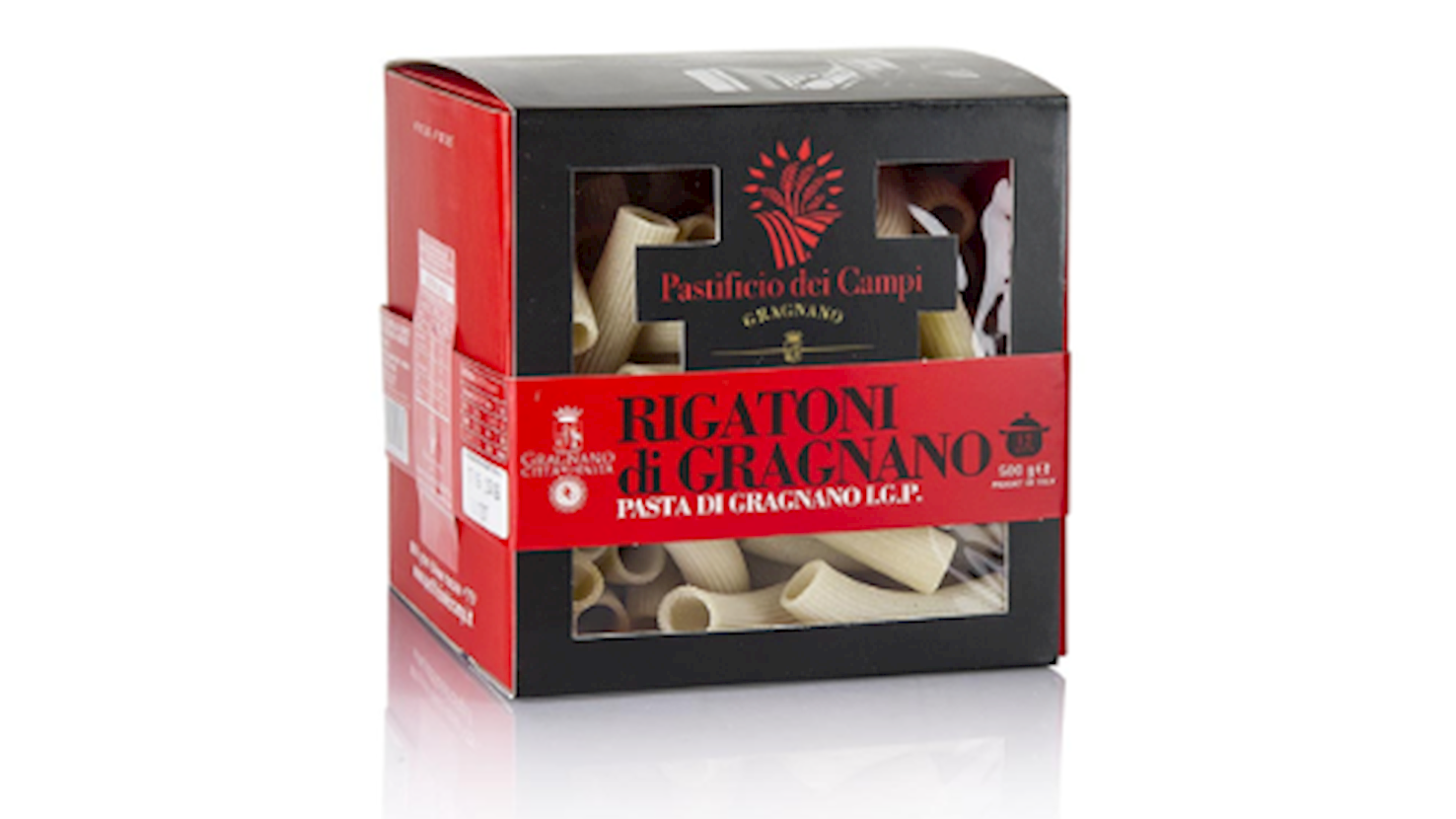
Pastificio dei Campi is a renowned pasta producer from Gragnano, Italy, with a rich tradition of crafting high-quality pasta. Founded in 2007 by Giuseppe and Giovanna Di Martino, the company is dedicated to preserving the ancient art of pasta-making, which has flourished in Gragnano for over 500 years. Giuseppe Di Martino, a third-generation pasta maker, recognized the importance of full traceability of raw materials. He initiated a collaboration with farmers in Apulia, particularly from the Tavoliere and Sub-Apennine Daunia regions, to secure high-quality durum wheat grown without chemical fertilizers or glyphosate, using only ancient grain varieties. Their commitment to quality and authenticity has earned them global recognition, and their pasta is considered one of the finest Italian pastas.
04

Pastificio Gentile

5 ·
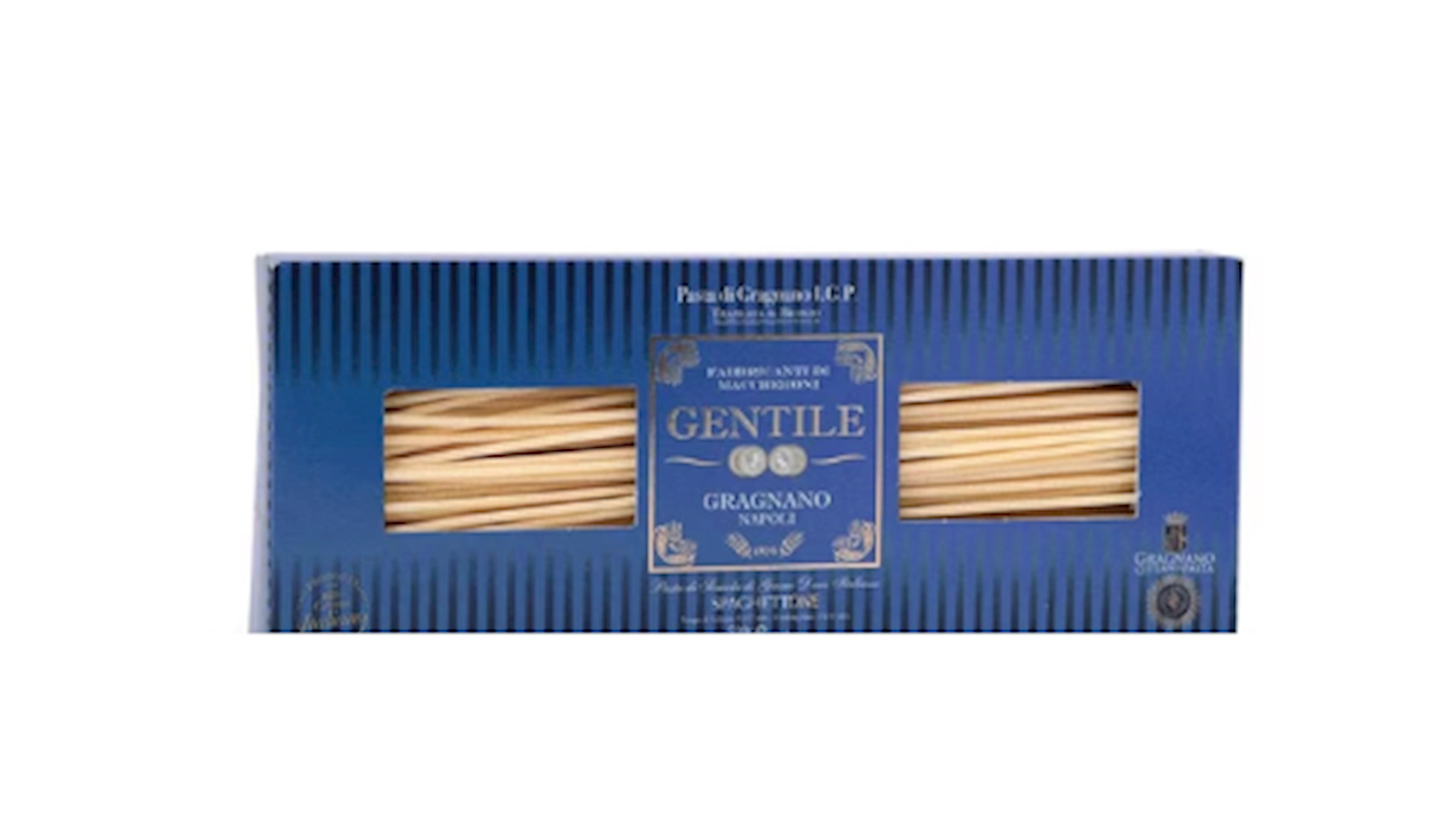
Pastificio Gentile is a renowned Italian pasta producer from Gragnano, a city known as the "pasta capital" in the Campania region. Founded in 1876, Pastificio Gentile is one of the historic pasta makers that continues to use traditional methods in its production. Their pasta is made from high-quality durum wheat and shaped using bronze dies, which give it a rough texture that helps sauces adhere better. A key feature of their process is the slow drying at low temperatures, known as the Metodo Cirillo, which preserves the pasta’s nutritional value and authentic flavor. Their product range includes handmade varieties like Fusilli Fatti a Mano, as well as classic formats such as Spaghettone and Lumaconi.
05

Rustichella d'Abruzzo

4.9 ·
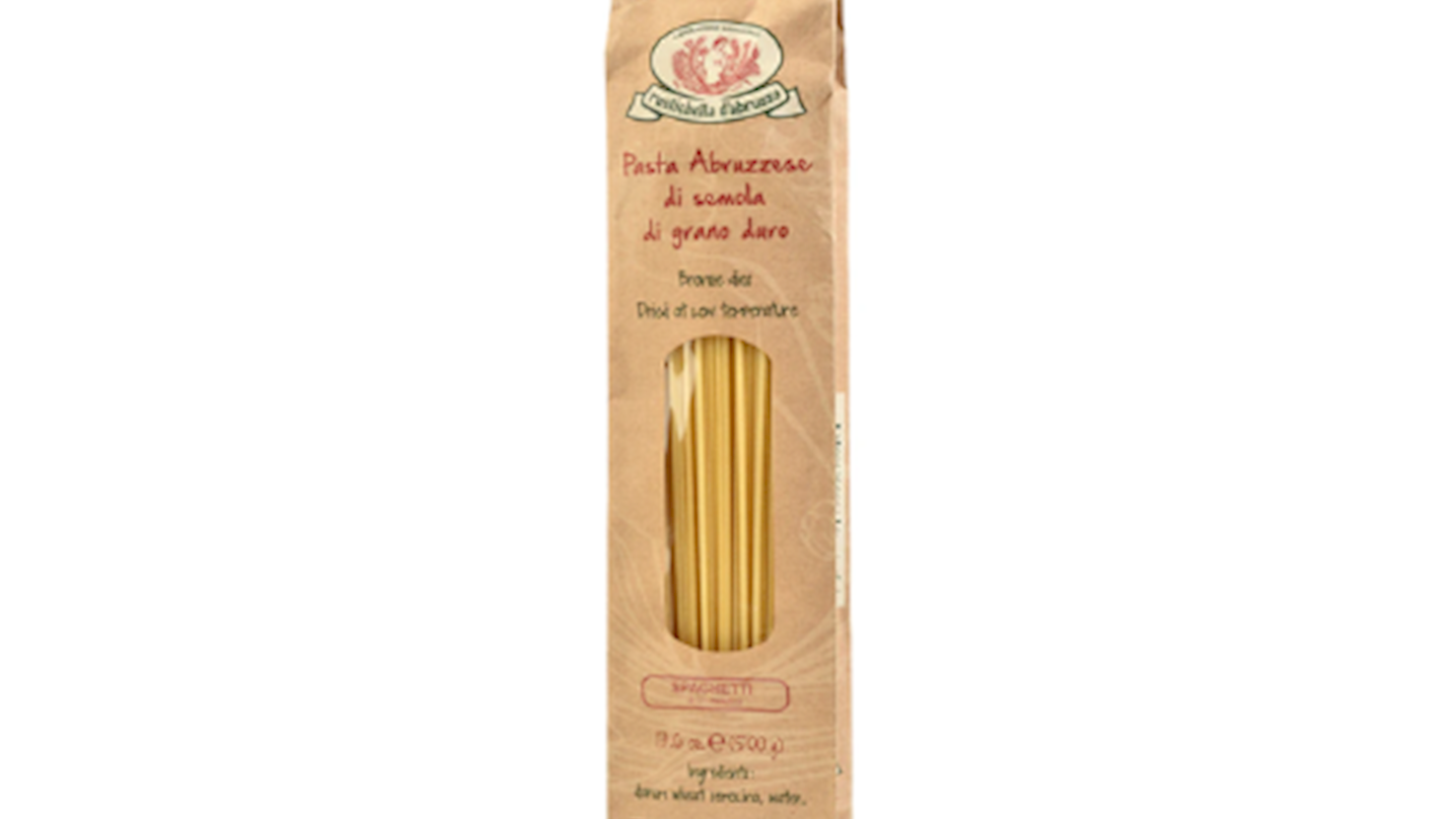
Rustichella d'Abruzzo is a renowned Italian pasta producer, founded in 1924 in the heart of the Abruzzo region. With nearly a century of tradition, Rustichella combines artisanal methods with carefully selected ingredients to create premium-quality pasta, loved by chefs and food enthusiasts worldwide. Rustichella d'Abruzzo offers a diverse range of products, including classic pasta varieties, whole wheat and gluten-free options, as well as specialty shapes like Sagne a Pezzi and Tonnarelli. The brand also produces high-quality sauces and gourmet food products. With a philosophy rooted in tradition and innovation, Rustichella pasta is a staple in top restaurants and gourmet kitchens worldwide. Thanks to its commitment to quality, the brand has become a true symbol of authentic Italian culinary excellence.
06

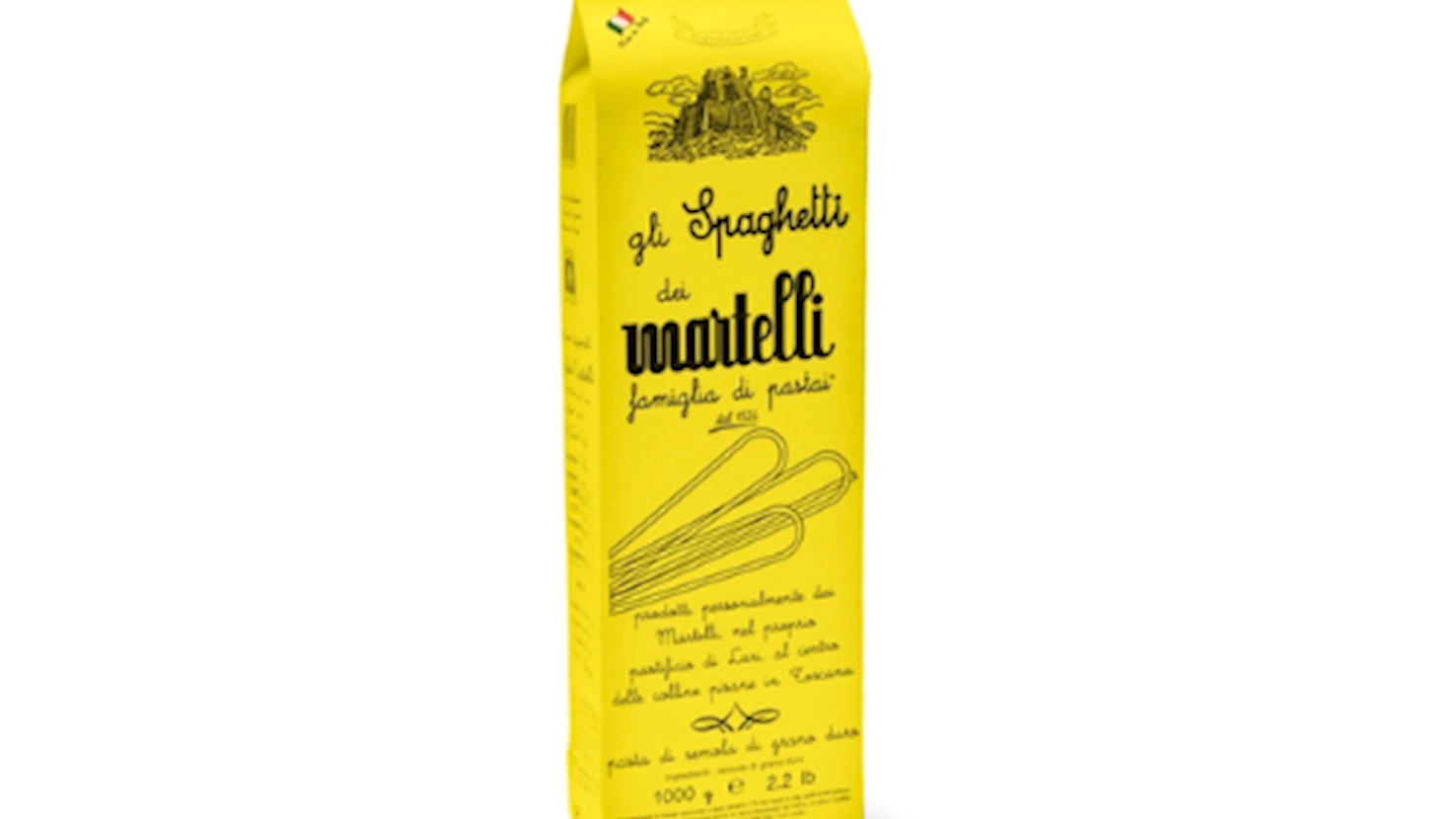
Pastificio Famiglia Martelli

4.9 ·
Pastificio Famiglia Martelli is a traditional artisan pasta factory located in the medieval village of Lari, near Pisa, Tuscany. Established in 1926, it remains a family-run business where only eight members of the Martelli family manage the entire production process. The pasta is crafted using 100% Italian durum wheat semolina, mixed with cold water. The dough is extruded through bronze dies, giving the pasta a rough texture that helps sauces adhere better. It is then air-dried at low temperatures for about 50 hours, preserving its nutritional value and ensuring a firm, flavorful product. Martelli produces classic pasta shapes, including Spaghetti, Spaghettini, Penne Classiche, Maccheroni di Toscana, and Fusilli di Pisa. Their commitment to traditional methods and high-quality ingredients has earned them recognition among pasta enthusiasts worldwide.
07

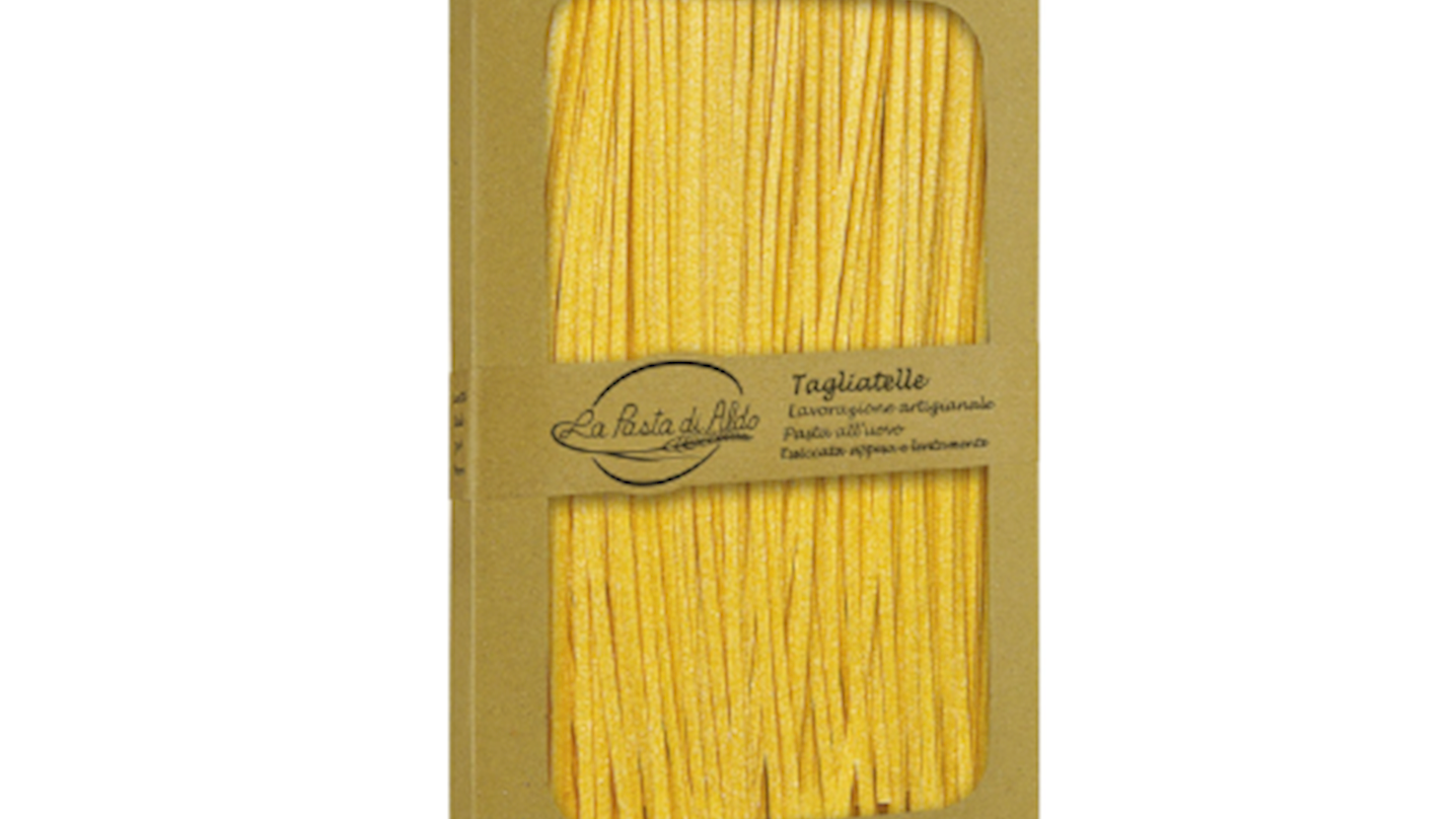
La Pasta di Aldo

4.8 ·
La Pasta di Aldo is a family-run artisan pasta maker based in Italy, specializing in high-quality egg pasta. They use traditional methods passed down through generations, blending passion and craftsmanship. The company offers a range of pasta, including classic, whole wheat, organic, and gourmet varieties. Their products are crafted with a focus on natural ingredients, ensuring a distinctive and authentic flavor. La Pasta di Aldo's dedication to quality has made it a favorite among chefs and culinary professionals worldwide. The pasta is available for purchase online, allowing food lovers to enjoy it at home. The company’s artisanal approach aims to bring the rich flavors of traditional Italian pasta to a global audience.
08

Mancini Pastificio Agricolo

4.8 ·
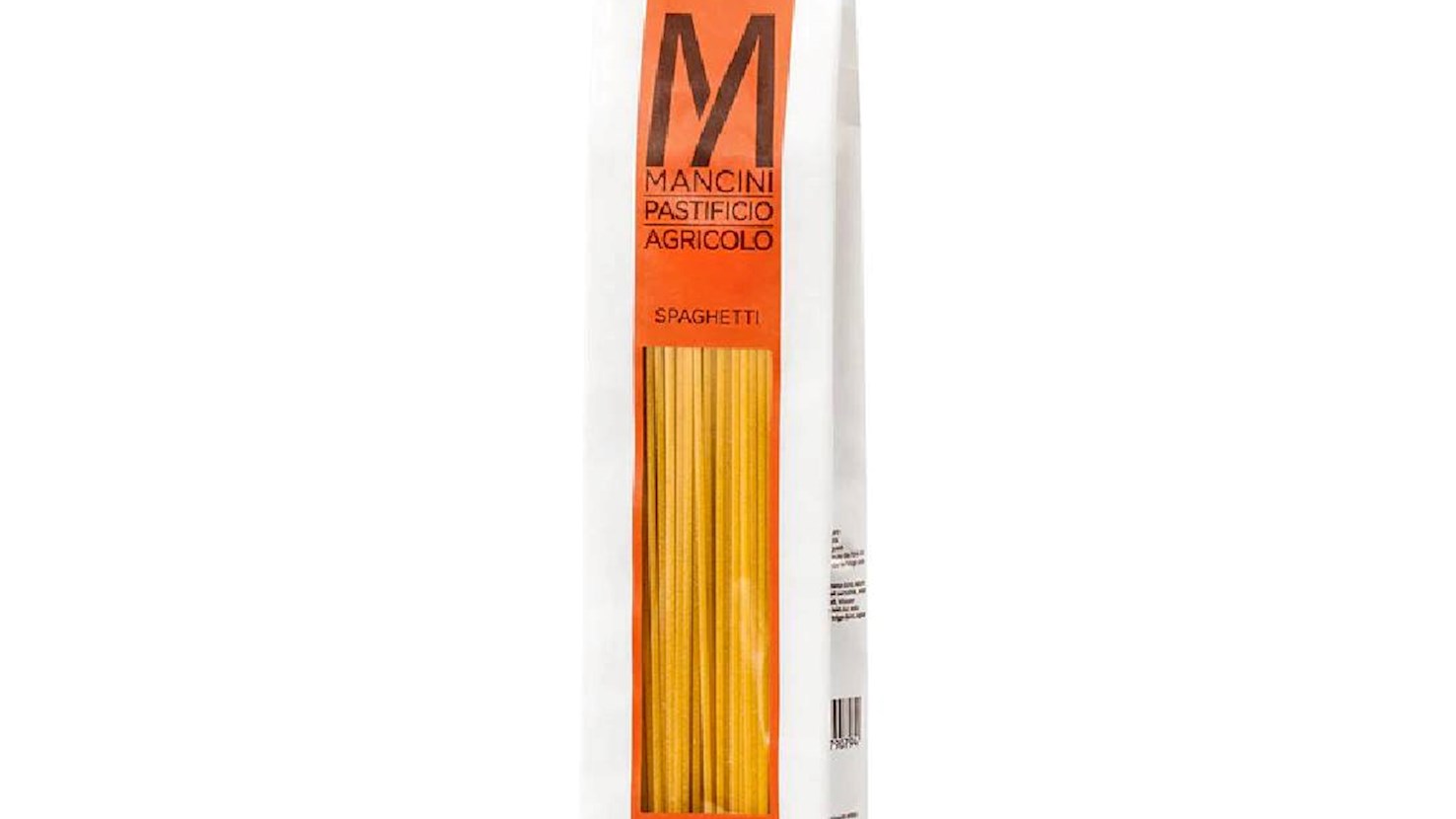
Pasta Mancini is an esteemed Italian pasta producer located in Monte San Pietrangeli, within Italy's Le Marche region. Since 1938, the company has cultivated its own durum wheat, ensuring complete control over the quality of its pasta from field to table. This dedication to traditional farming and production methods results in a product that reflects the unique characteristics of each annual harvest. The company offers a diverse range of pasta shapes, including classic varieties like Spaghetti, Penne, and Fusilli, as well as specialty shapes such as Calamarata and Tuffoli. Each pasta type is crafted using traditional techniques, including bronze die extrusion, which imparts a rough texture ideal for absorbing sauces. The pasta is then dried slowly at low temperatures to preserve its nutritional value and flavor. Pasta Mancini's commitment to quality and tradition has earned it recognition among culinary enthusiasts and professionals worldwide. By overseeing the entire production process—from wheat cultivation to pasta making—the company ensures that each product embodies the rich agricultural heritage of the Le Marche region.
09

Pastificio Verrigni

4.8 ·
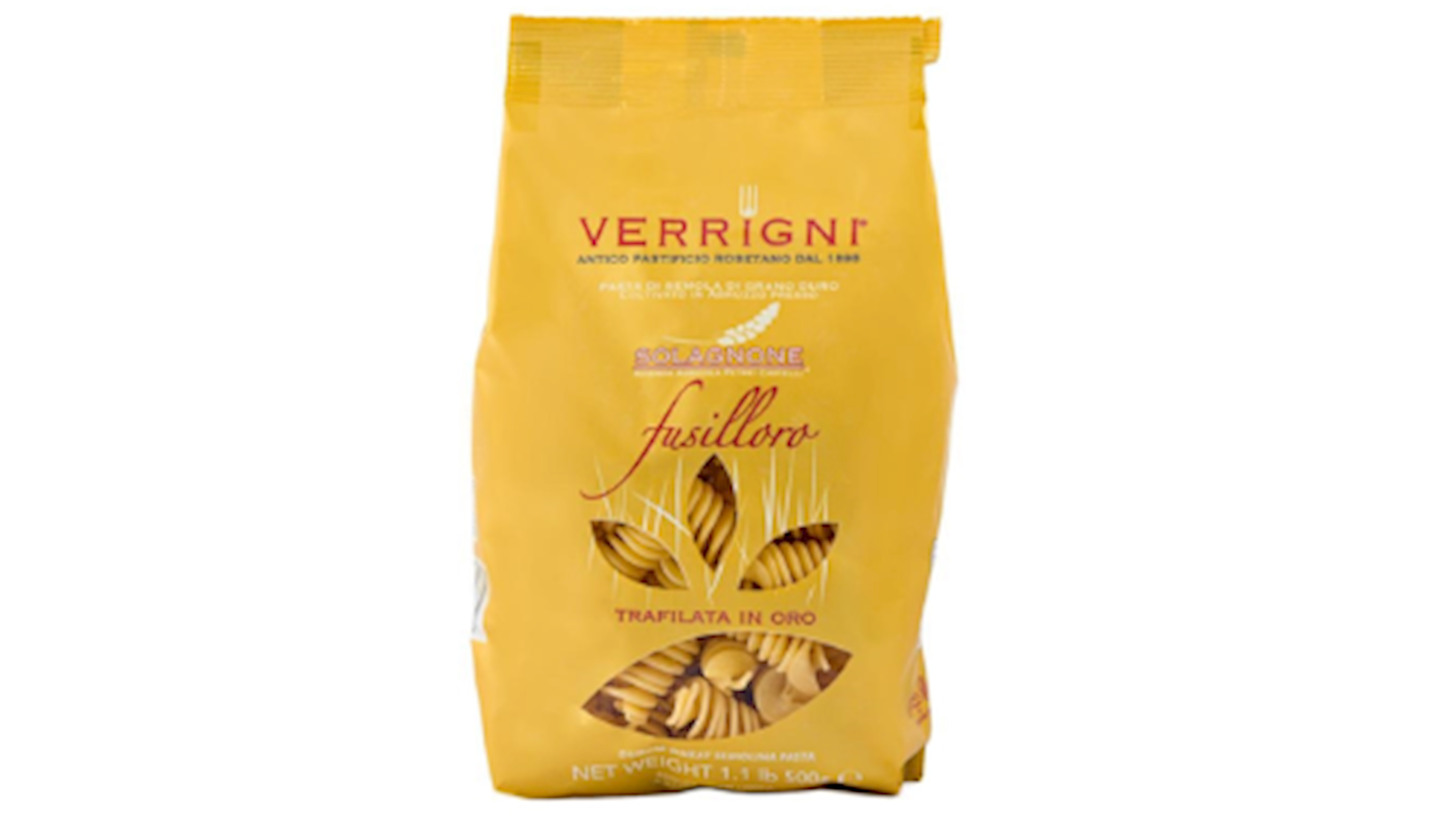
Verrigni is a prestigious Italian pasta producer based in Roseto degli Abruzzi, in the Teramo province of the Abruzzo region. Founded in 1898, the company is known for its commitment to quality and tradition. Verrigni uses premium Italian durum wheat and employs slow-drying techniques at low temperatures to preserve the pasta’s flavor and nutrients. What sets Verrigni apart is its use of both bronze and gold dies, giving the pasta a unique texture that enhances sauce absorption. The brand offers a wide range of products, including classic shapes, whole wheat and organic options, and gourmet pasta for fine dining. Highly regarded by top chefs, Verrigni pasta is available in specialty stores and upscale markets worldwide. With a perfect balance of tradition and innovation, Verrigni continues to set the standard for artisanal Italian pasta.
10

Pastificio Liguori

4.8 ·
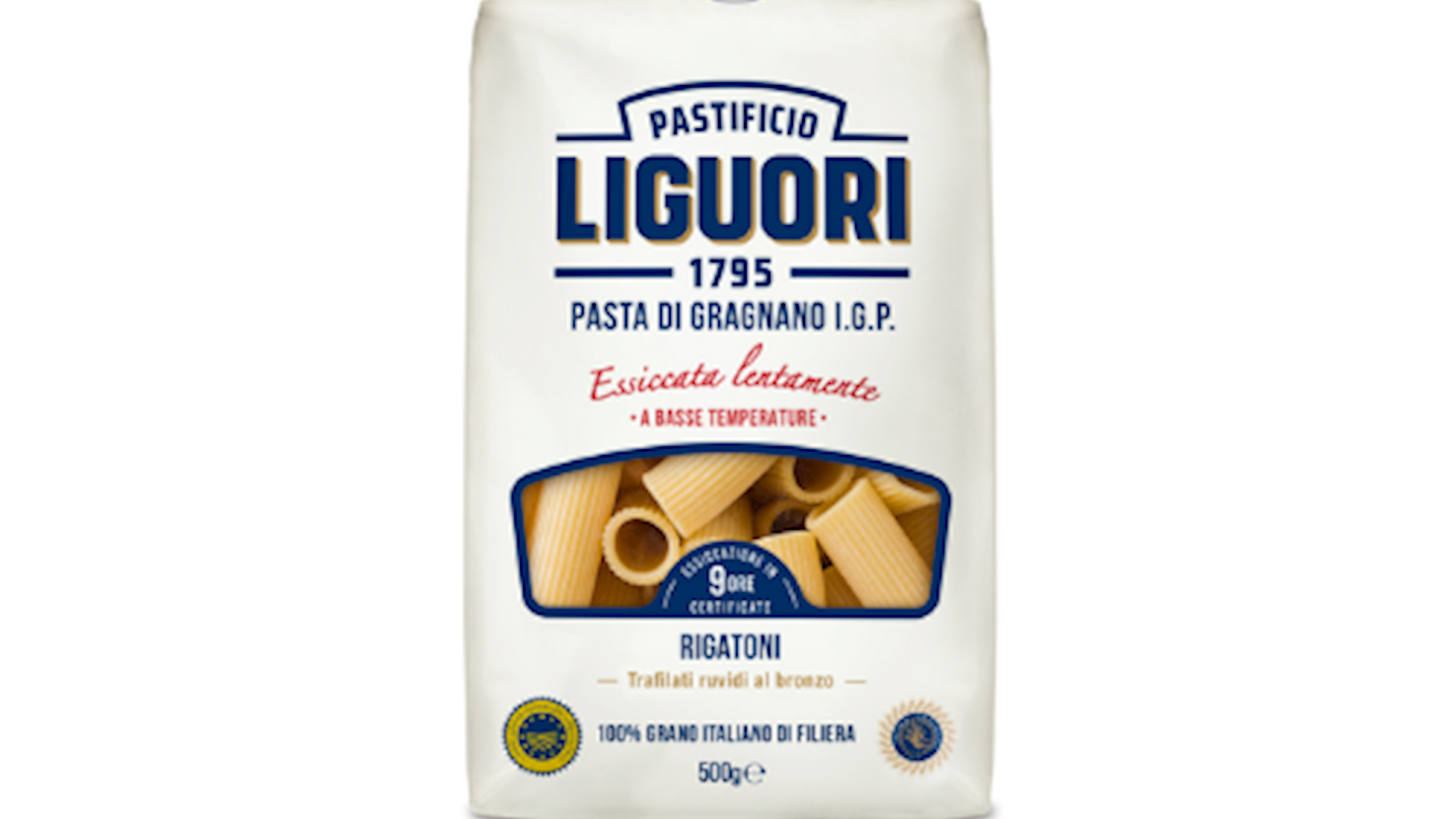
Pastificio Liguori is renowned for its tradition dating back to 1795, specializing in the production of authentic pasta from Gragnano. Their pasta carries the prestigious IGP certification, ensuring quality and a strong connection to local traditions. Pasta production at Liguori follows strict methods, including slow drying at low temperatures, which ensures perfect texture and flavor. All products are made with carefully selected grains and water sourced from the Monte Lattari springs. The company utilizes blockchain technology to ensure full transparency and traceability of all ingredients. Liguori is committed to preserving natural resources and implementing sustainable practices in production. Pasta Liguori recognizes the importance of time as its "secret ingredient" in achieving exceptional quality.
Read more
View all
View map
About this ranking

TasteAtlas food rankings are based on the ratings of the TasteAtlas audience, with a series of mechanisms that recognize real users and that ignore bot, nationalist or local patriotic ratings, and give additional value to the ratings of users that the system recognizes as knowledgeable. For the “Top 100 Western European Pasta Varieties” list until June 02, 2026, 8,984 ratings were recorded, of which 7,640 were recognized by the system as legitimate. TasteAtlas Rankings should not be seen as the final global conclusion about food. Their purpose is to promote excellent local foods, instill pride in traditional dishes, and arouse curiosity about dishes you haven’t tried.

The initial list of top producers was compiled based on available reviews, awards, local recommendations, media and blog coverage, and consumer reviews. The list will be updated with ratings from TasteAtlas local ambassadors and TasteAtlas users.

Similar lists