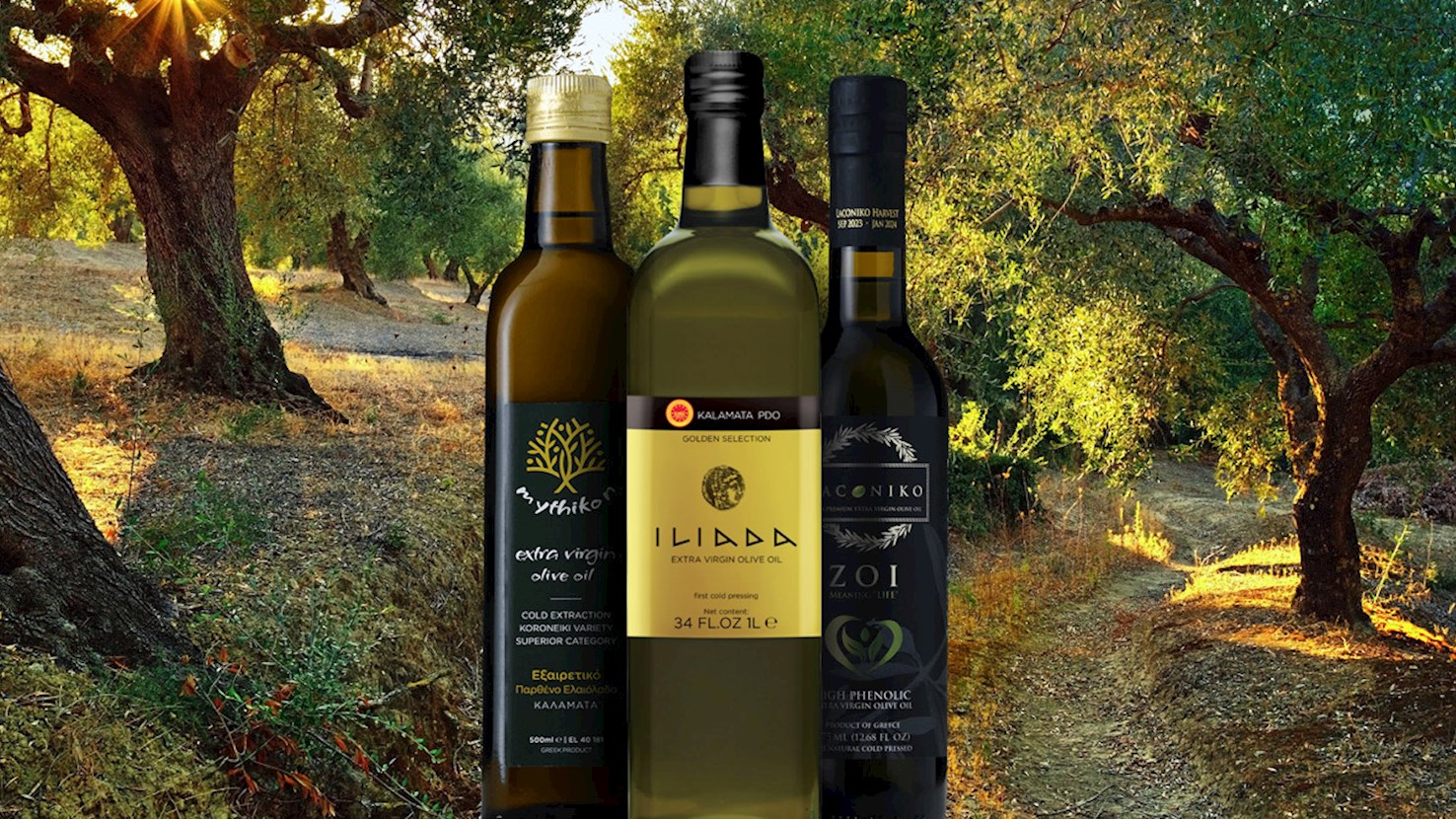
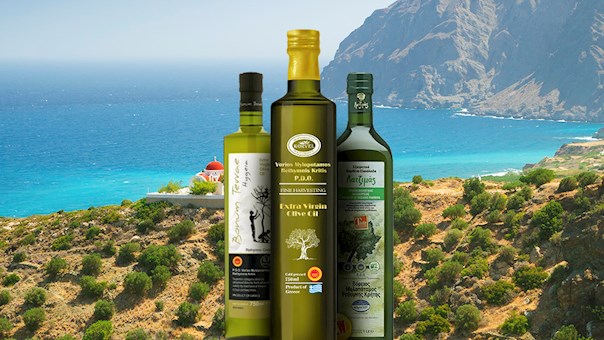
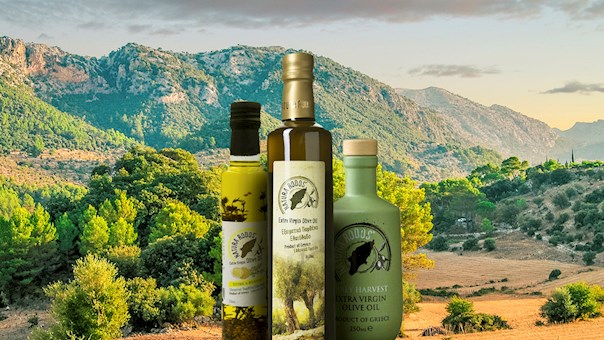
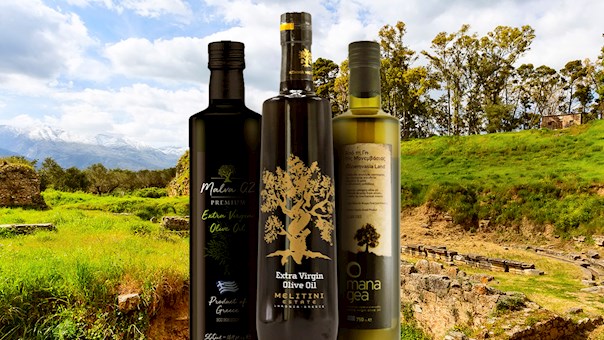
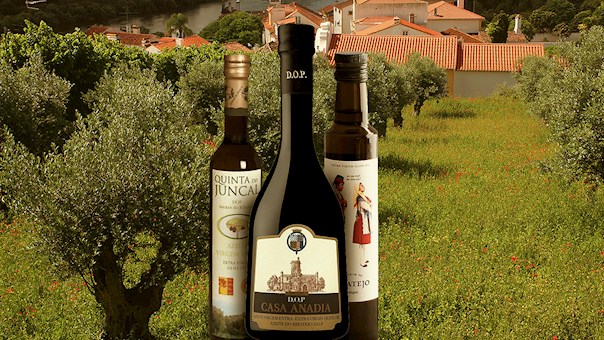
This olive oil is closely linked to the history, traditions and culture of the region of Messinia and the southwestern part of the Peloponnese where the oil is produced. Olive oil production is the main occupation of Messinia's inhabitants at the end of the year and a key factor in the regional economy. This extra virgin olive oil is produced mainly from Koroneiki olives, with a maximum of 5% of Mastoeidis olives. The final product has an intense green to yellowish-green color and a pleasant taste. This oil is slightly bitter and has an aroma of green fruit and a mild pungency.
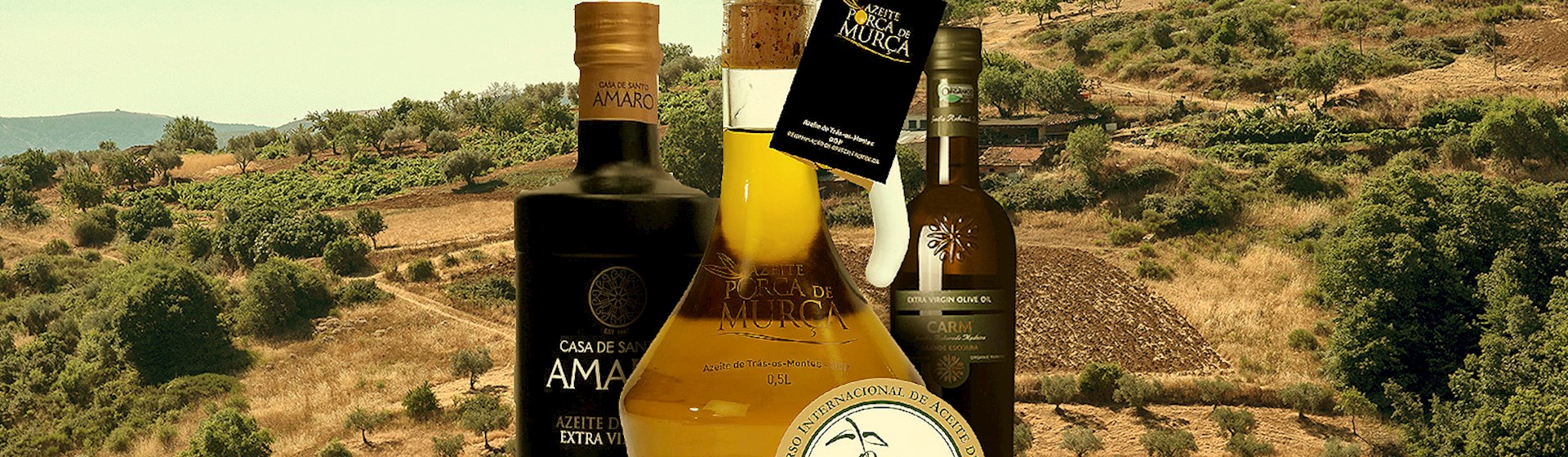
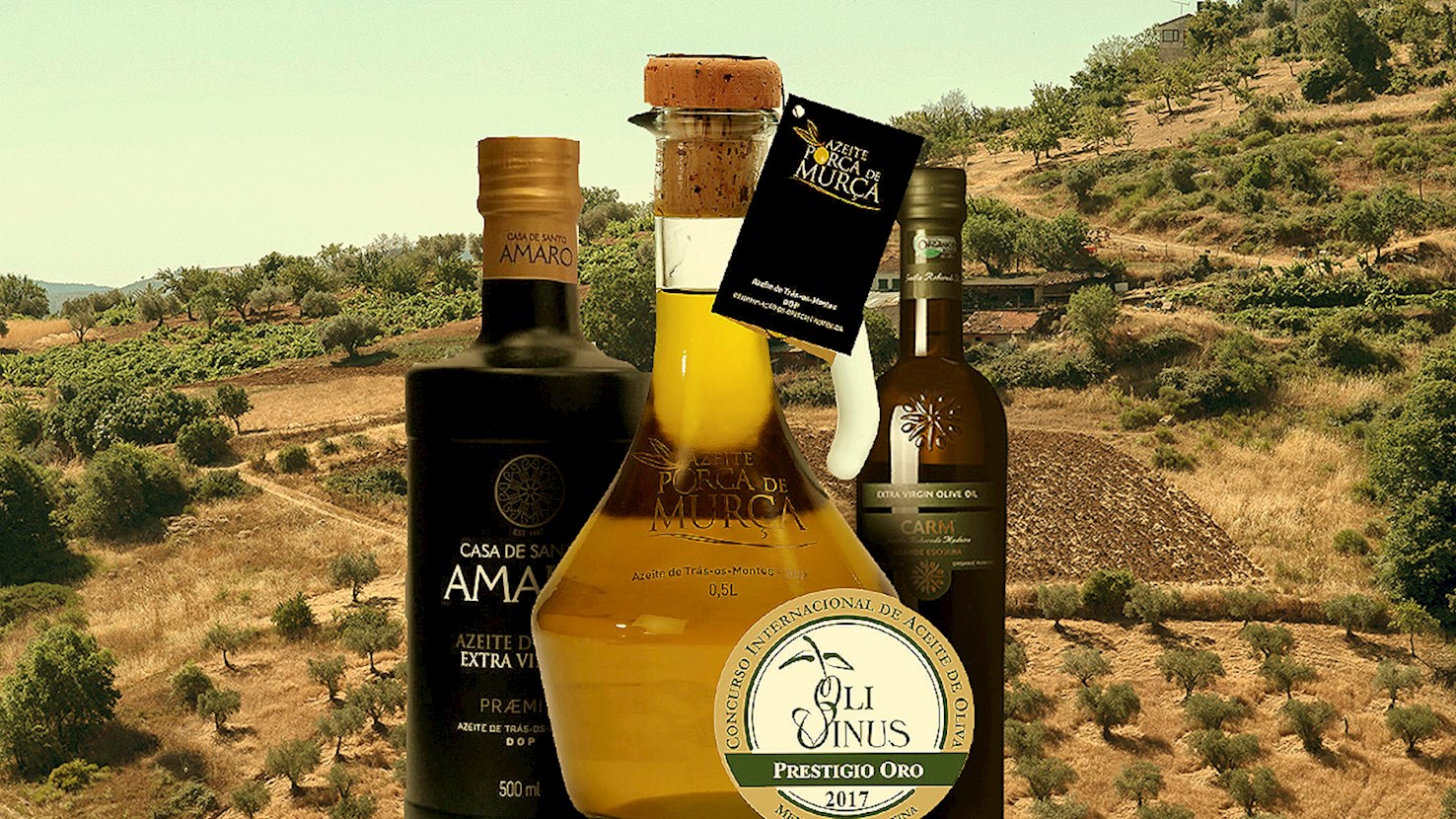
This extra virgin olive oil is obtained from selected olives of the Verdeal, Madural, Cordovil, Cobrançosa, and Negrinha varieties. It is mostly produced on small family farms in the second-largest olive oil producing region in Portugal. Azeite de Trás-os-Montes is yellowish-green to dark green in color, and it has a mellow flavor with fruity and green notes. It is slightly bitter and pungent, and it has a pleasant peppery aftertaste. This oil is obtained by mechanically crushing the olives and extracting the juice, taking care that the temperature does not exceed 27 degrees Celsius during any stage of the process. Following extraction, the oil is stored, filtered, and bottled.
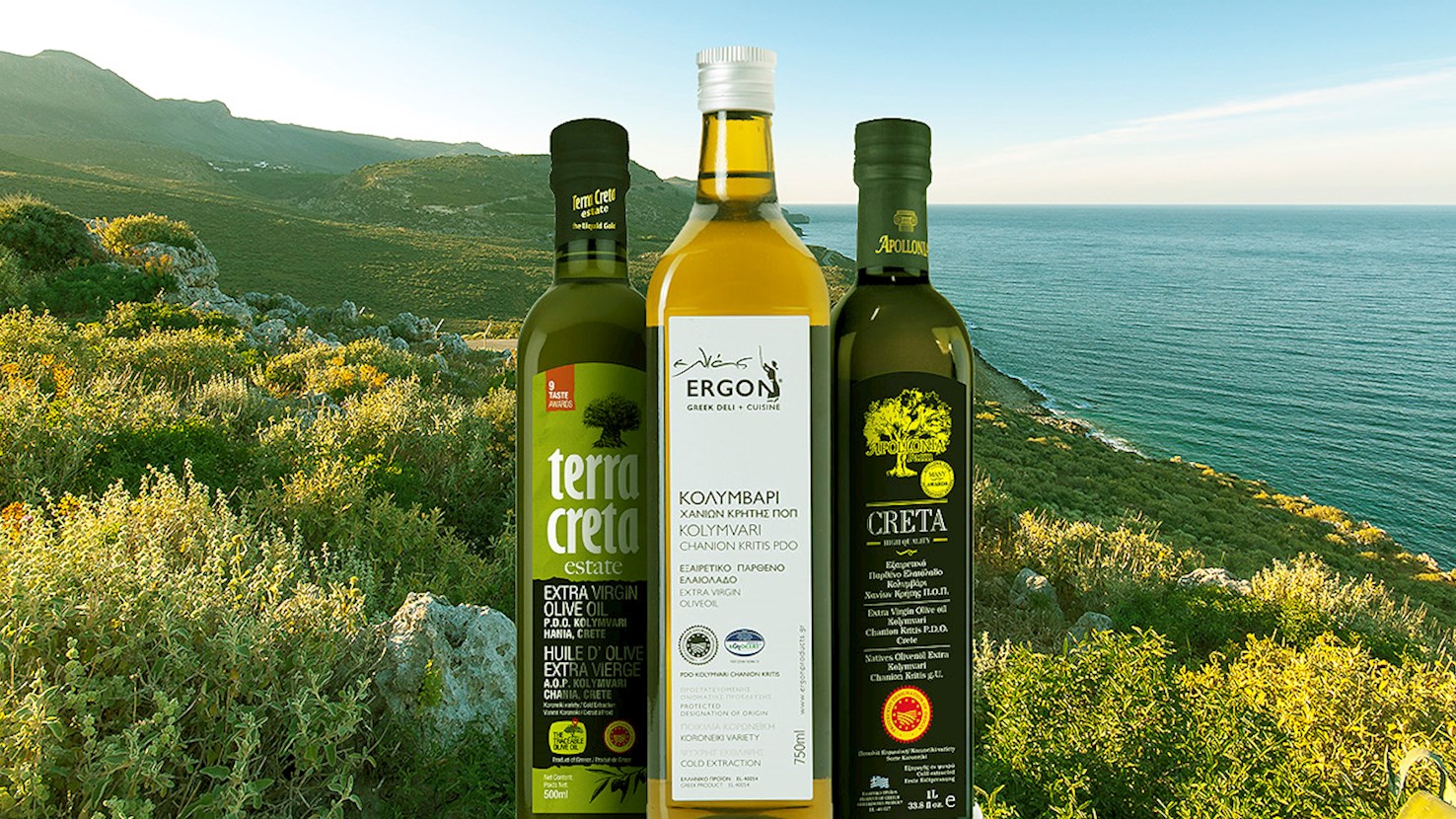
This high-quality extra virgin olive oil is made in the western part of the island of Crete, the largest and sunniest Greek island. This distinctive olive oil is produced exclusively from Koroneiki olives. The olives are gathered by beating the tree branches, but special care is taken not to bruise the fruit in the process. The oil has a beautiful green-gold color, average viscosity, and a fruity aroma with hints of the island's wild herbs. Its taste is a perfect balance between mildly bitter and pleasantly acidic. Since this oil has such an unusual flavor, it can be added to any dish, eaten with bread, or used as a dressing for salads.
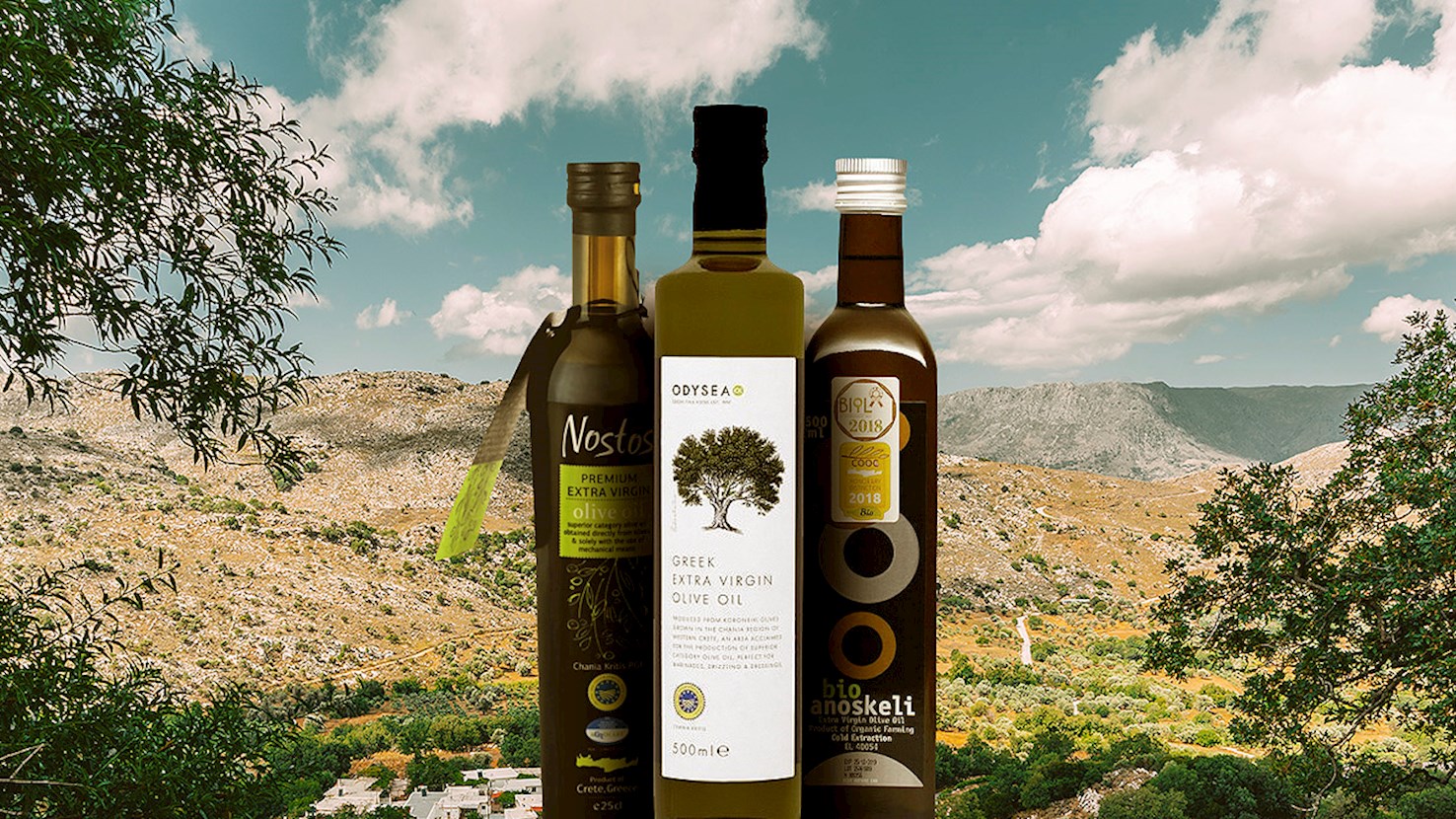
This extra virgin olive oil is made using the Koroneiki and Tsounati olive varieties. It hails from the Chania prefecture, including the provinces of Kydonia, Kissamos, Selino, Sfakia, and Apokoronas on the island of Crete. The climate and soil conditions are ideal for the cultivation of the olives. Chania Kritis has a distinctive bright green-gold color, and is quite a versatile oil. Its flavor can be described as moderately bitter, as well as slightly sweet and sour. It has a mildly fruity aroma and a grassy scent that lessens as it ages. For this reason, the olive oil needs to be kept in a cool and dark place in order to best preserve its flavor. Chania Kritis is an essential ingredient in the Mediterranean diet, and it is used in the preparation of many meat or fish-based meals and a variety of tasty salads.
This high quality extra virgin olive oil is obtained from Koroneiki (70%), Tsounati (25%), and Asprolia (5%) olives cultivated in the Finiki area of Lakonia prefecture. This oil owes its unique organoleptic properties to the special microclimate of the area and its chalky soils. Its aroma is described as reminiscent of fresh cut grass and its taste is quite fruity and peppery. The olives are handpicked or gathered using rakes when the olives are ripe and yellowy green to violet in color. They are immediately transferred to olive mills where the oil is extracted through a mechanical cold pressing method. The final product is a greenish-yellow olive oil with some golden tones that can be consumed raw, used as a dressing for various Greek salads, or used for cooking.
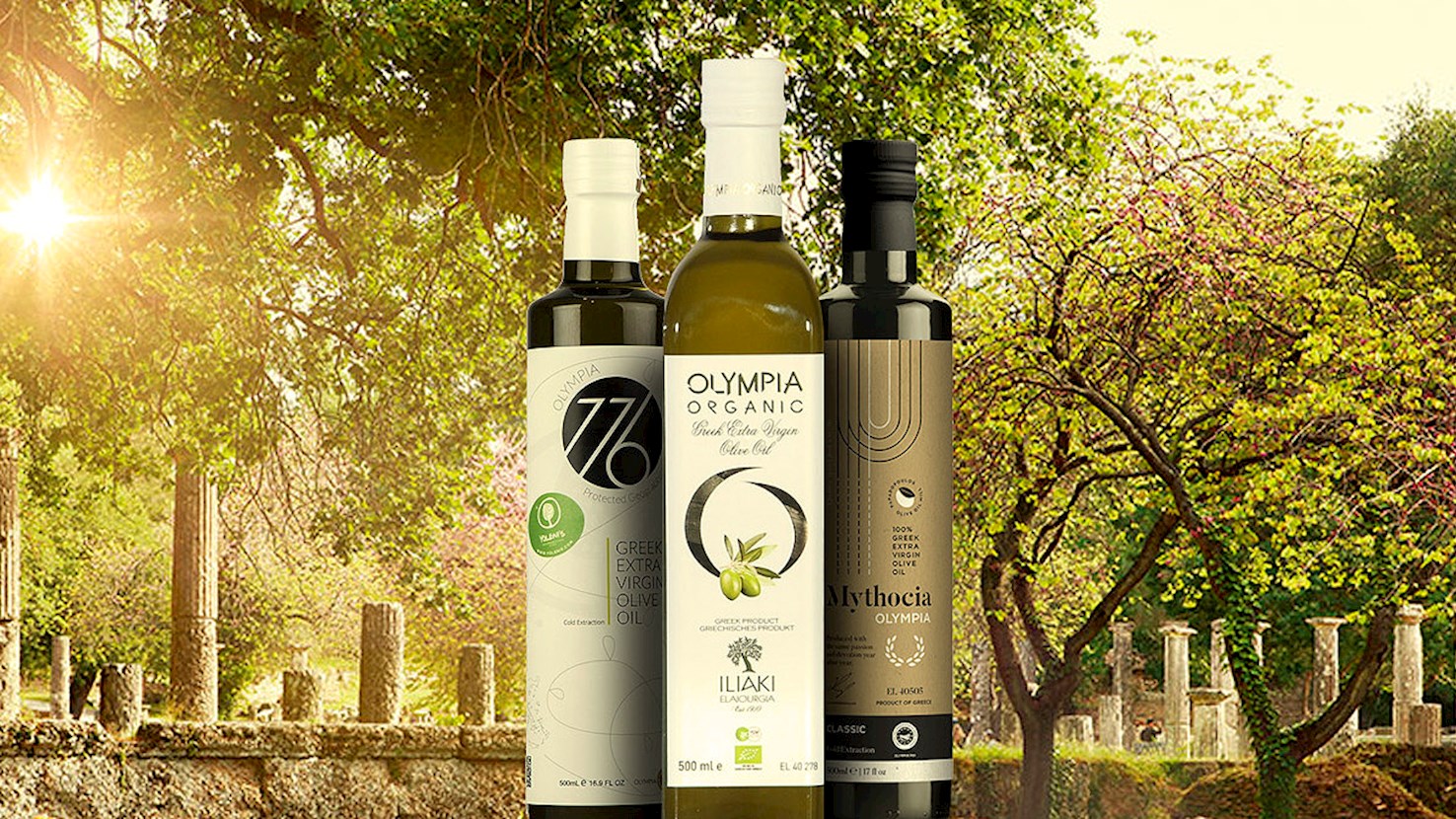
This extra virgin olive oil is made in a small, hilly area in the southern part of mainland Greece in Olympia province. It is produced from two varieties of olives, 90% Koroneiki and 10% Kollyreiki, which are blended into a light yellow-green oil. After the harvest, the best olives are selected and cold pressed in traditional or centrifugal mills in order to keep their flavor intact. This olive oil has the aroma of ripe olives with a fruity flavor and thick viscosity. The spicy and a slightly bitter profile of this oil is well suited to use with meat, seafood, or salads.
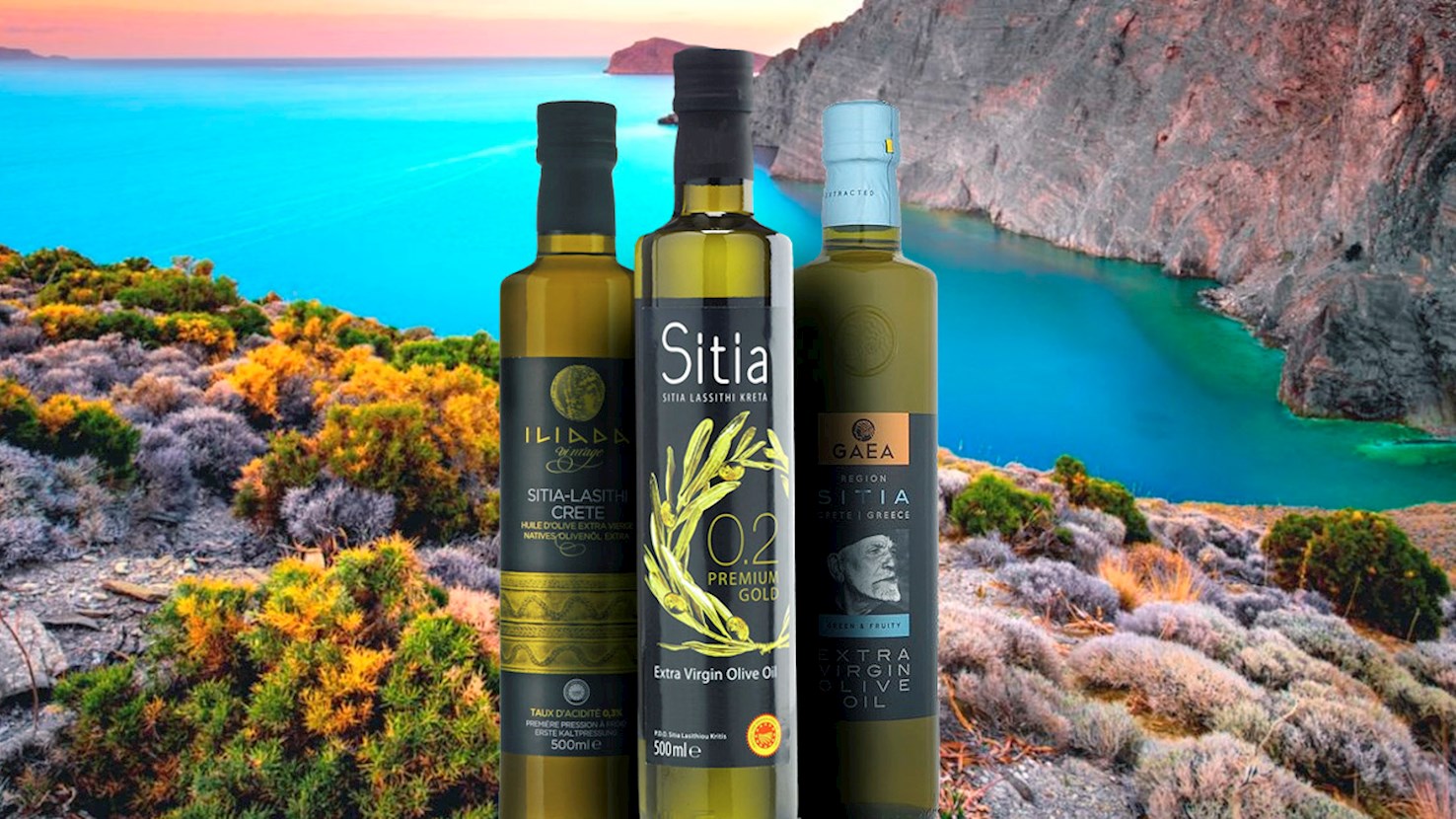
This extra virgin olive oil of exceptional quality is obtained from the Koroneiki olive variety, which is traditionally cultivated in Sitia. These olives are gathered by beating the trees with small wooden sticks in order to avoid bruising the fruit. The best olives from the harvest are selected and cleaned to be processed in traditional or centrifugal olive mills. The processing conditions are monitored to keep the temperature below 30°C in order to preserve the oil's organoleptic characteristics. The final product is yellow-green and highly viscous. The taste and smell of Sitia Lasithiou Kritis is strongly reminiscent of ripe olives.
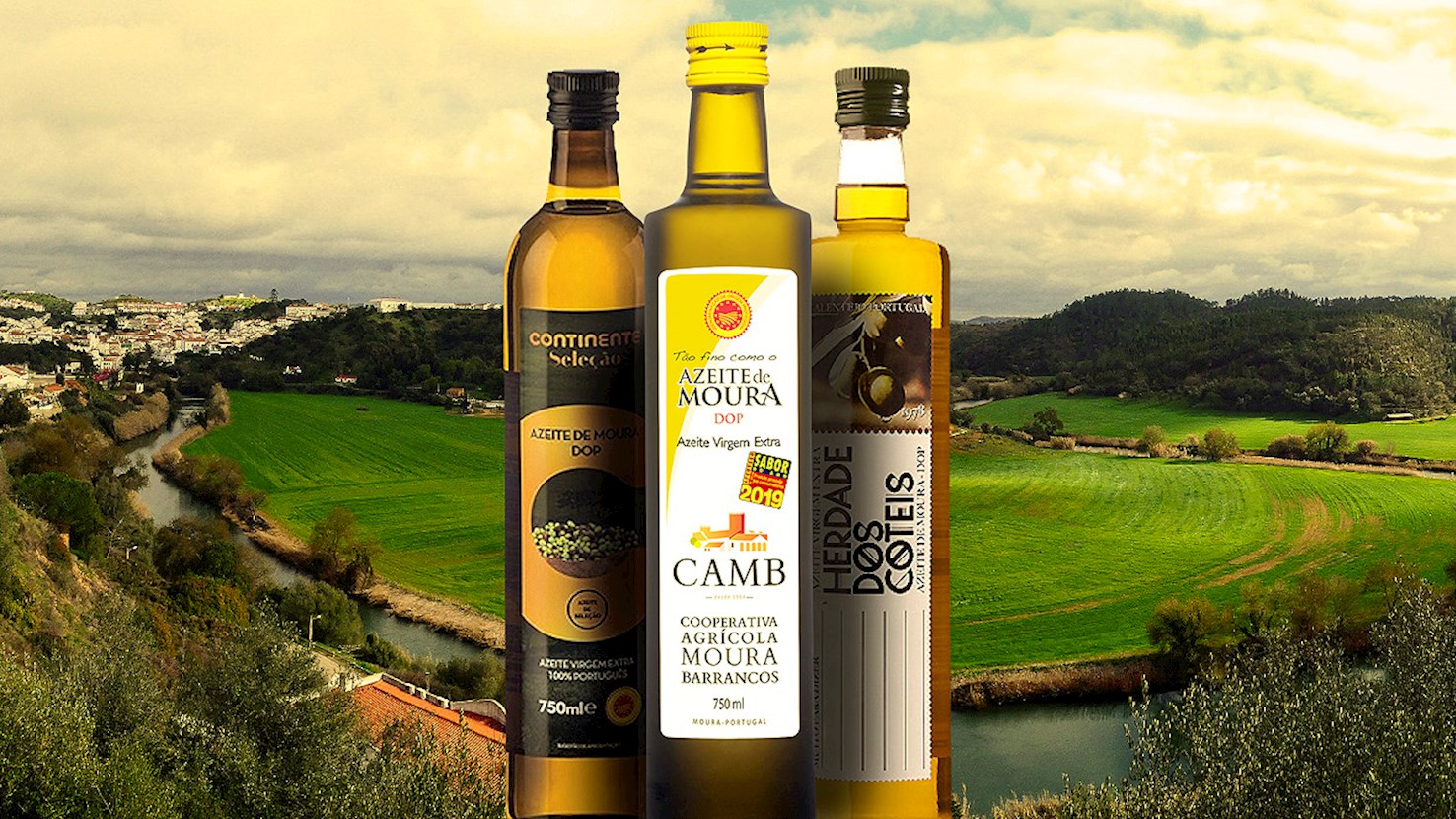
This extra virgin olive oil is produced in the Moura region between October and February. It is yellowish-green in color and has a mellow, fruity flavor that makes it perfect for use in dressings and salads. This light olive oil is characterized by its piquant aftertaste and notes of apple, nuts, tomato, and green herbs. It is made using only the best olives with naturally low levels of acidity and bitterness. The olives are processed using exclusively low-temperature mechanical processes that ensure a final product of exceptional quality.
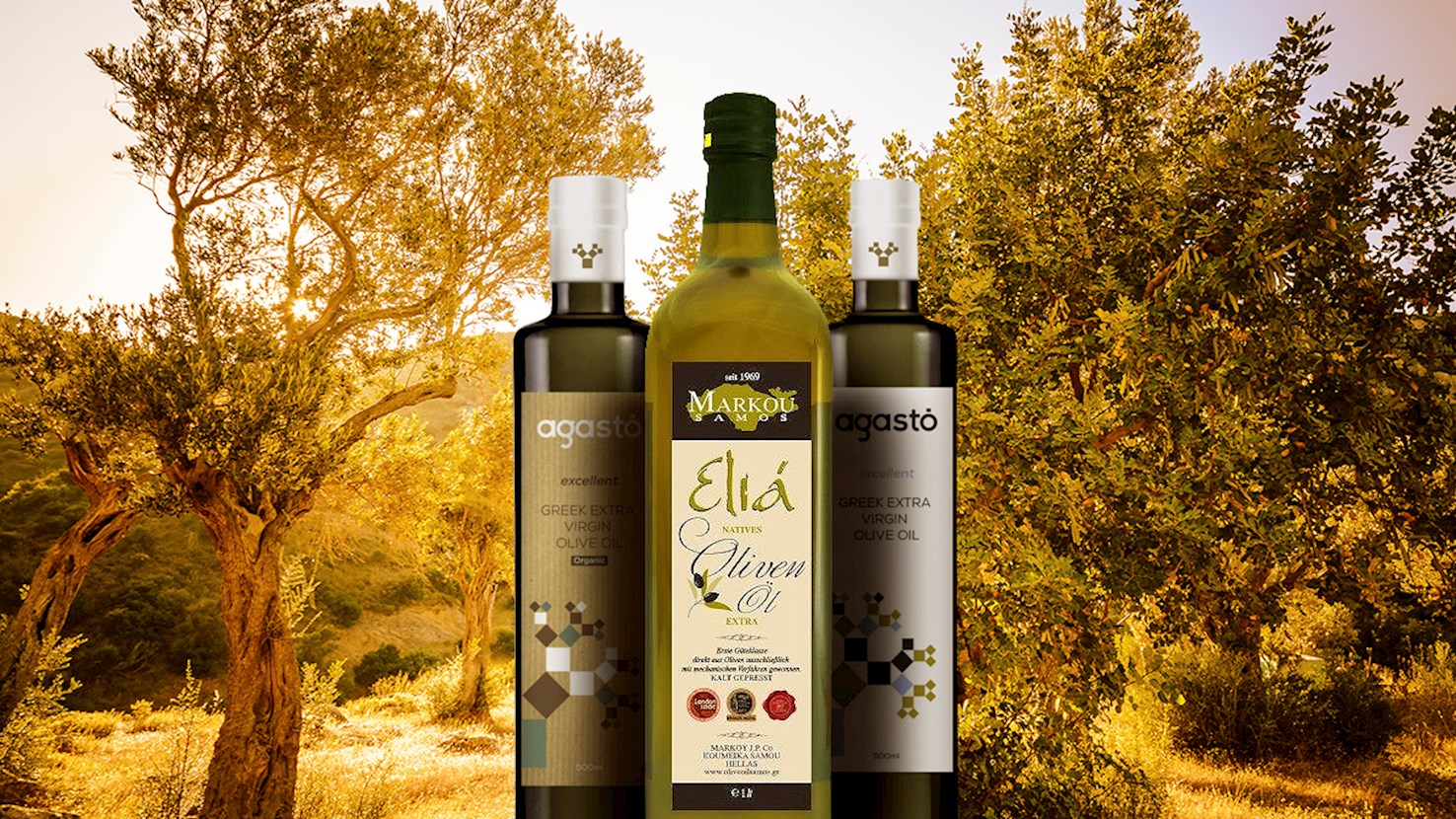
This extra virgin olive oil is produced from the Throumba (90%) and Koroneiki (10%) varieties of olive on the southern Aegean islands of Samos and Ikaria. The olives are left to fully ripen on the tree and are gathered by beating, which makes the olives fall from the tree onto large nets. Within three days of gathering, the olives are cleaned and pressed in traditional or centrifugal olive mills. The processing conditions are monitored in order to preserve the oil's exceptional organoleptic properties. Samos olive oil has a golden color, a sweet taste, and an aroma of ripe olives. Its intense flavor has made it popular among consumers.
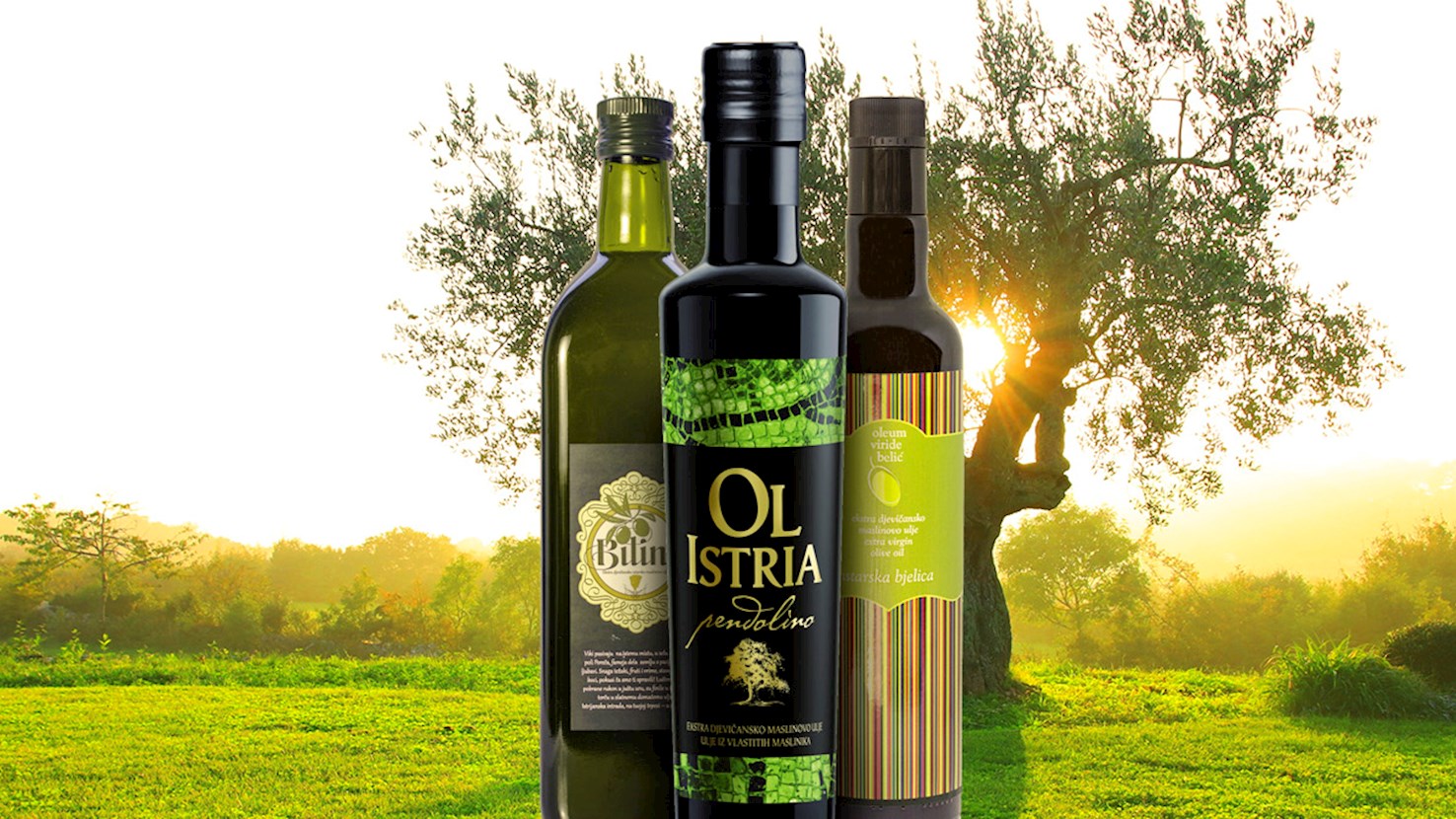
Istra extra virgin olive oil is a premium fat fluid cold-pressed from fresh olives within the Istrian peninsula, a geographic region shared primarily by Croatia and Slovenia at the northernmost edge of the Mediterranean basin. The structural development of this geographical indication materialized formally through a joint application by Croatian and Slovenian olive growers to the European Commission, resulting in the registration of "Istra" as a Protected Designation of Origin (PDO) under European Union law on February 27, 2019, which legally established a unified cross-border protective zone that strictly mandates that every phase of cultivation, harvesting, milling, and bottling occur exclusively within the defined territorial boundaries of the Istrian peninsula to combat imitation and preserve chemical authenticity. The introduction of olive trees to this specific northern latitude occurred during the expansion of Phoenician maritime trade networks and was later highly systematized by the Roman Empire from the first century BCE onward, as evidenced by archaeological excavations of large-scale Roman oil mills and clay amphora manufacturing centers in towns like Brijuni, Fažana, and Loron near Poreč, where physical remnants demonstrate that Istrian oil was specifically designated for imperial consumption throughout central Europe due to its unique chemical durability. The preparation of Istra olive oil depends on an intentionally early harvest schedule beginning in early October when the fruits transition from green to spotted purple, utilizing manual hand-picking or gentle mechanical tree shakers to prevent bruising. The collected olives must be transported to a certified modern mill and processed within twelve hours of detached harvesting via a strictly mechanical, continuous two-phase or three-phase centrifugal extraction system where the temperature of the malaxation paste is strictly regulated below twenty-seven degrees Celsius to prevent the thermal oxidation of volatile aroma compounds and preserve the high concentrations of natural antioxidants. Istra olive oil has an exceptionally high accumulation of polyphenols (often exceeding six hundred milligrams per kilogram) and a low free fatty acid content that regularly registers below zero point two percent, driven entirely by the microclimatic stress of the 45th parallel north where cooler nights and diverse soil compositions of red clay (crvenica) and flysch limestone force varieties like Istarska Bjelica, Buža, Carbonaca, and Rožinjola to synthesize elevated levels of oleocanthal, giving the oil an intensely bitter, pungent, and Peppery throat-catch accompanied by aromatic tasting notes of freshly cut green grass, green tomatoes, and artichoke hearts. The oil is served at an ideal ambient temperature of 18 to 22 degrees Celsius, dispensed through dark glass bottles with integrated non-refillable pourers or specialized professional tasting glasses to prevent light degradation, and is universally used as a raw finishing component poured directly over cold or warm dishes rather than as a heating medium for deep-frying. It is eaten throughout coastal and continental European restaurants, tasting rooms, and domestic households, applied directly onto grilled sea bass, beef carpaccio, wild asparagus salads, Kvarner scampi, and Istrian truffles. For food and beverage pairings, the assertive bitterness and intense peppery finish of monovarietal oils like Istarska Bjelica efficiently cut through heavy proteins and earthy fats, meaning it is eaten alongside roasted venison, grilled ribeye steaks, matured sheep cheese, dark chocolate desserts, and paired with structured, high-acid regional wines such as aged Istrian Malvazija or robust, high-tannin Teran.
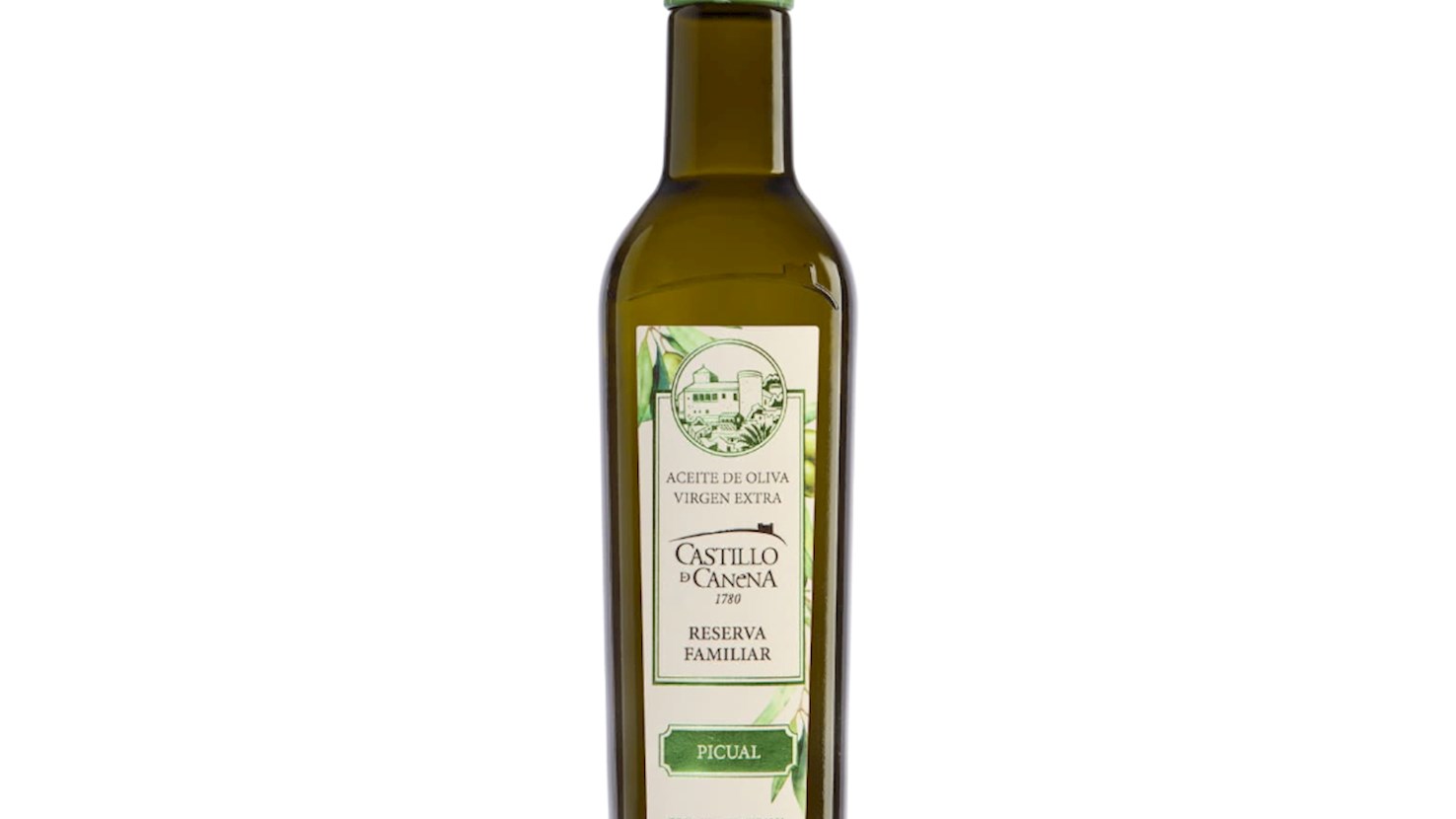
Castillo de Canena is a renowned producer of premium extra virgin olive oil from Spain, specifically from the Andalusian region in the Guadalquivir River Valley. The Vañó family, who stands behind the brand, has been producing olive oil since 1780. The brand is named after a historic castle owned by the family, located in the town of Canena. The company is known for its blend of tradition and innovation, combining centuries-old methods with modern techniques to preserve the quality and unique flavor of its oils.
Their oils are exclusively cold-pressed from olives grown in their own groves, and they specialize in varieties such as Picual, Arbequina, and Royal. Castillo de Canena places a strong emphasis on sustainability—using renewable energy sources and natural methods to care for their olive trees.
Elegant packaging and carefully selected harvest dates reflect the brand’s dedication to detail and superior quality. Castillo de Canena is a true symbol of luxurious, sophisticated olive oil that harmoniously blends nature, tradition, and modern technology.
Almazaras de la Subbética is a renowned olive oil producer from Andalusia, based in the Sierras Subbéticas Natural Park in Córdoba. It was founded in 2007 through the merger of two large cooperatives and today brings together around 7,000 olive growers. The company is known for its organic and sustainable production, with standout oils such as Rincón de la Subbética (a monovarietal Hojiblanca) and Parqueoliva Serie Oro (a coupage of Picuda and Hojiblanca).
Their oils are among the most awarded in the world, and the mill has been named the best in the world multiple times. They combine tradition, innovation, and environmental awareness, along with strong social engagement through humanitarian projects.
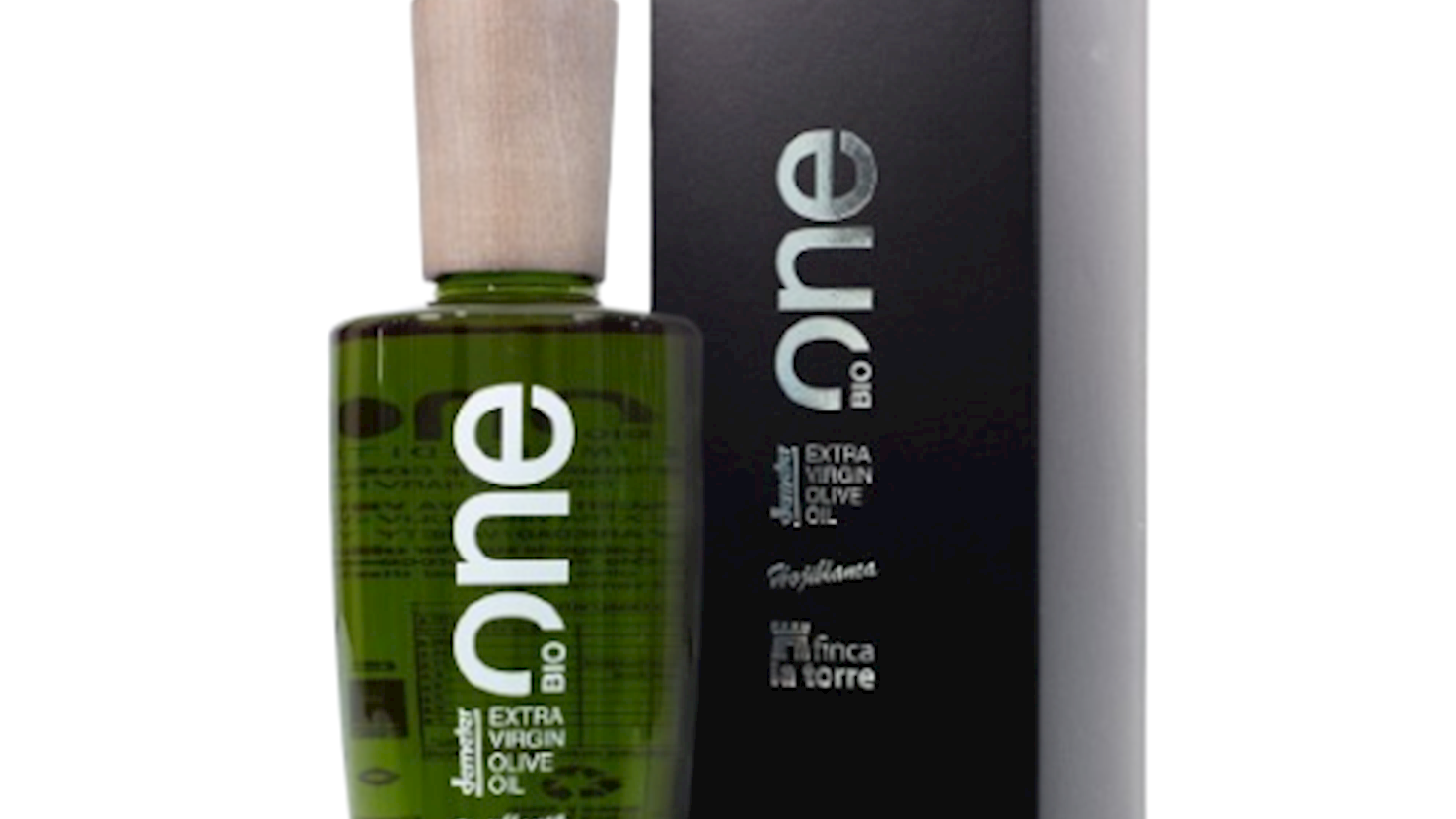
Finca la Torre is a prestigious olive oil producer from Andalusia, located in the town of Bobadilla near Málaga, with a tradition that dates back to Roman times. This organic estate spans over 380 hectares and includes around 33,000 olive trees, primarily of the Hojiblanca variety, along with Arbequina, Cornicabra, and Picudo. Finca la Torre stands out for its strictly controlled biodynamic cultivation, which involves complete dedication to natural cycles and sustainability.
Their oils are produced through cold pressing immediately after harvest, preserving maximum freshness, aroma, and nutritional value. The oils are recognized for their pronounced green notes, fruitiness, spiciness, and overall complexity of flavor.
The company combines tradition and innovation—employing modern processing technology while maintaining deep respect for nature. Their work reflects a commitment to quality, transparency, and environmental care, making them one of the most respected olive oil producers in Spain and beyond.
Awards
Flos Olei - Hall of Fame
(2024, 2023, 2022, 2021)
Biol - International Organic Competition Prize - Extra Gold
(2024, 2023, 2022)
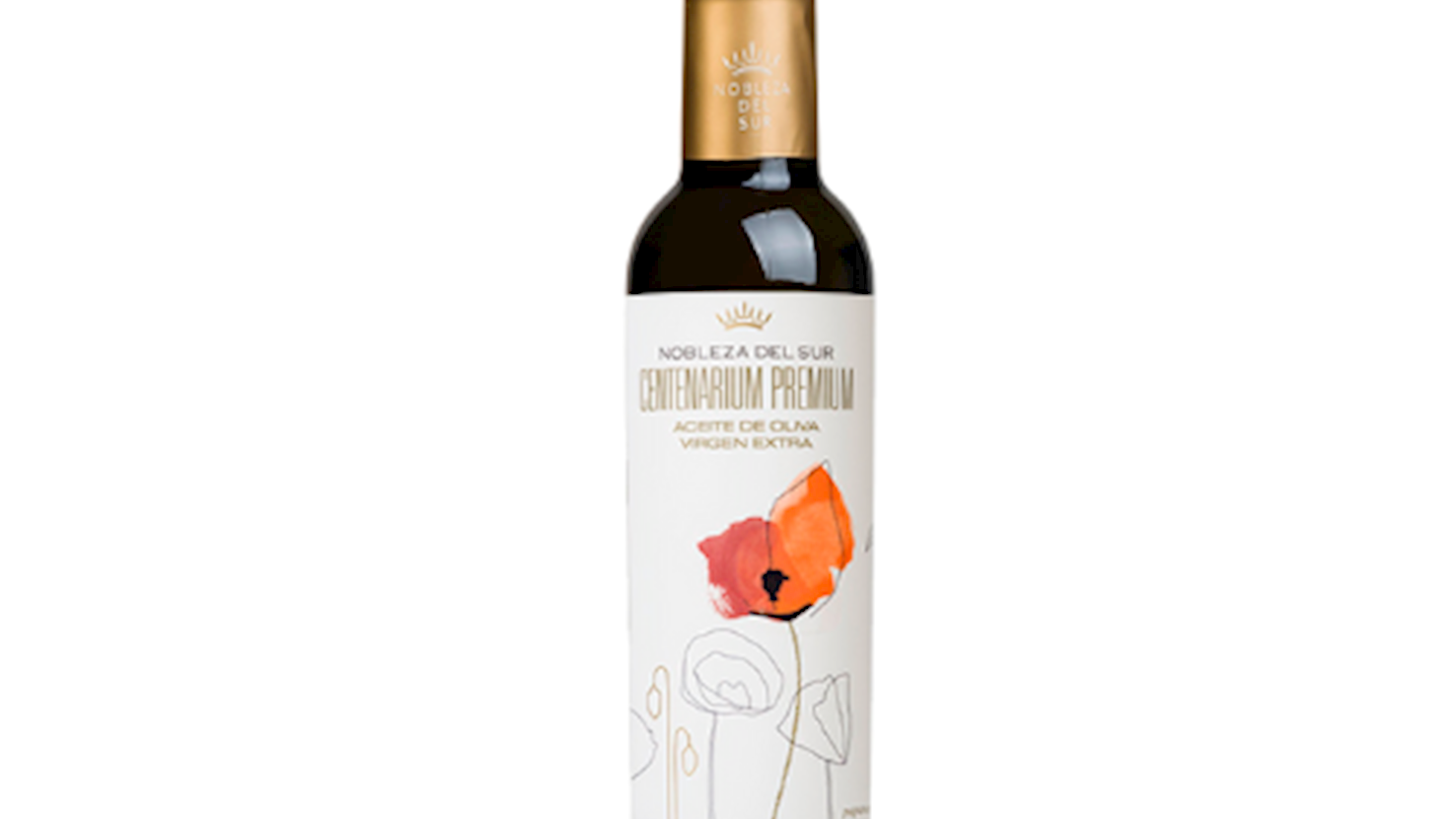
Nobleza del Sur is a family-owned Spanish company from the Jaén region (Andalusia), dedicated to the complete production process of extra virgin olive oil — from cultivation and milling to packaging and distribution. The family's olive-growing tradition dates back to as early as 1640, and today, several generations are involved in managing over 300 hectares of olive groves on family estates near the Guadalimar River.
The company emphasizes sustainable and biodiversity-friendly farming practices — without pesticides, using free-grazing horses among the olive trees as natural fertilizer. Each of their products is characterized by cold extraction shortly after harvest, low acidity, and a rich organoleptic profile — with aromas of green banana, almond, apple, grassy and herbal notes.
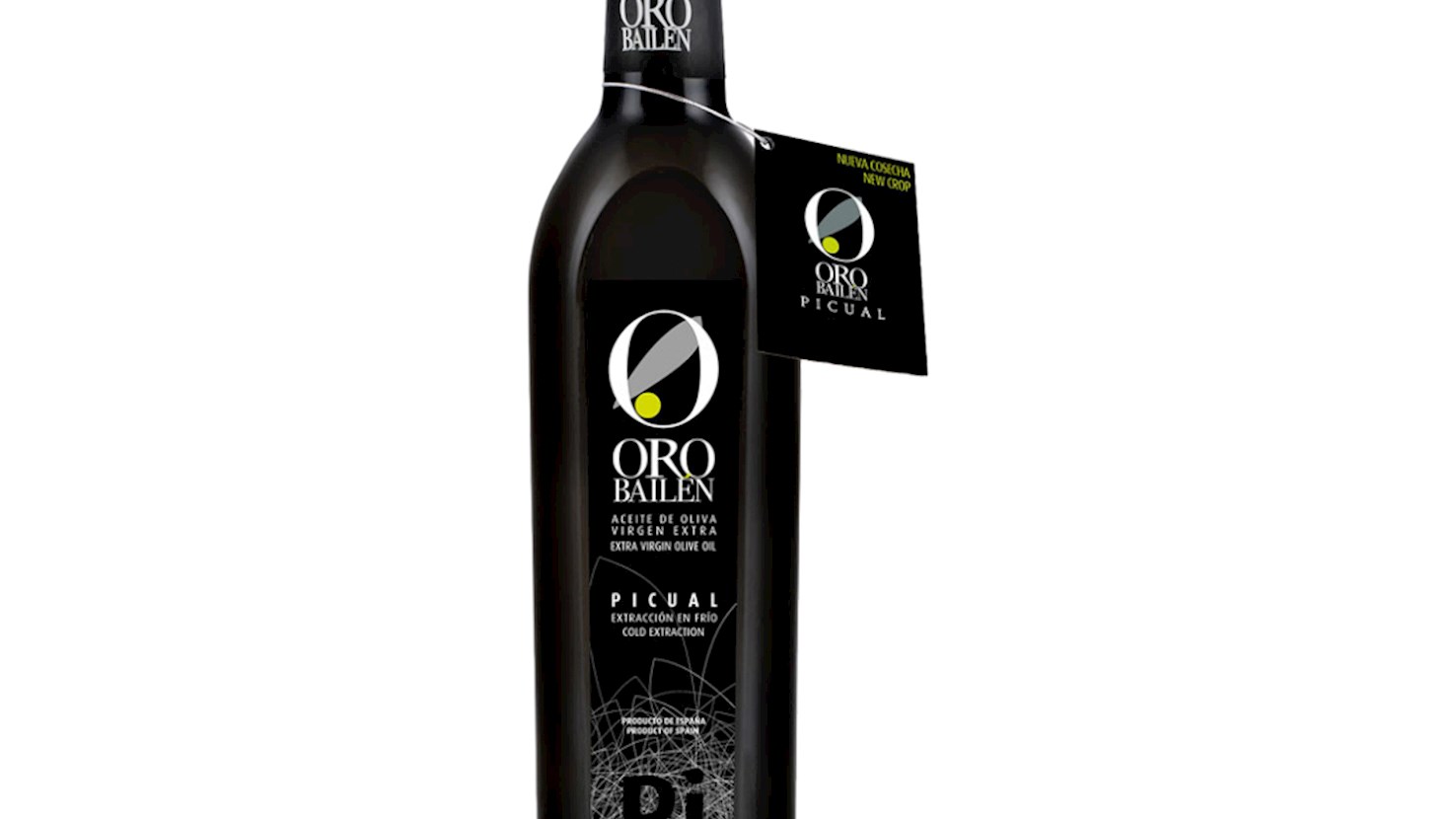
Oro Bailén is a premium Spanish producer of extra virgin olive oil, based in Andalusia, in the province of Jaén. The company, led by the Gálvez-González family under the name Aceites Oro Bailén Galgón 99, is renowned for its exceptional attention to detail. Their process includes early olive harvesting, cold extraction within two hours, and careful filtration to preserve pure flavor and maintain low acidity.
Their monovarietal oils – Picual, Arbequina, Frantoio, Hojiblanca, and organic Picual – are celebrated for their rich, well-balanced aromas, with notes of fresh herbs, green banana, apple, and almond. Located in the so-called "Sea of Olives" at the foothills of the Sierra Morena, their groves naturally support the deep-rooted olive-growing culture of the region. The company is also strongly committed to sustainable agricultural practices.
This is the story of a family vision that grew from a former brick factory into a dedicated, award-winning brand – now recognized worldwide as a symbol of quality, authenticity, and sustainability in olive oil production.
Sakellaropoulos Organic Farms is a family-run estate in Greece, located in the region of Sparta, Laconia, at the foot of Mount Taygetos. Founded in 1992, the farm has been fully dedicated from the beginning to organic olive cultivation and the production of high-quality goods — primarily olive oils and table olives. What sets them apart is their focus on a single estate model, meaning that the entire production takes place on their own land, under their direct supervision, without sourcing or purchasing olives from outside.
Their oils are exclusively organic, often monovarietal, with an emphasis on local olive varieties such as Koroneiki and Kalamon. They are known for their innovative fermentation techniques and for blending science with tradition, working closely with universities and nutritionists to develop functional products with scientifically proven health benefits.
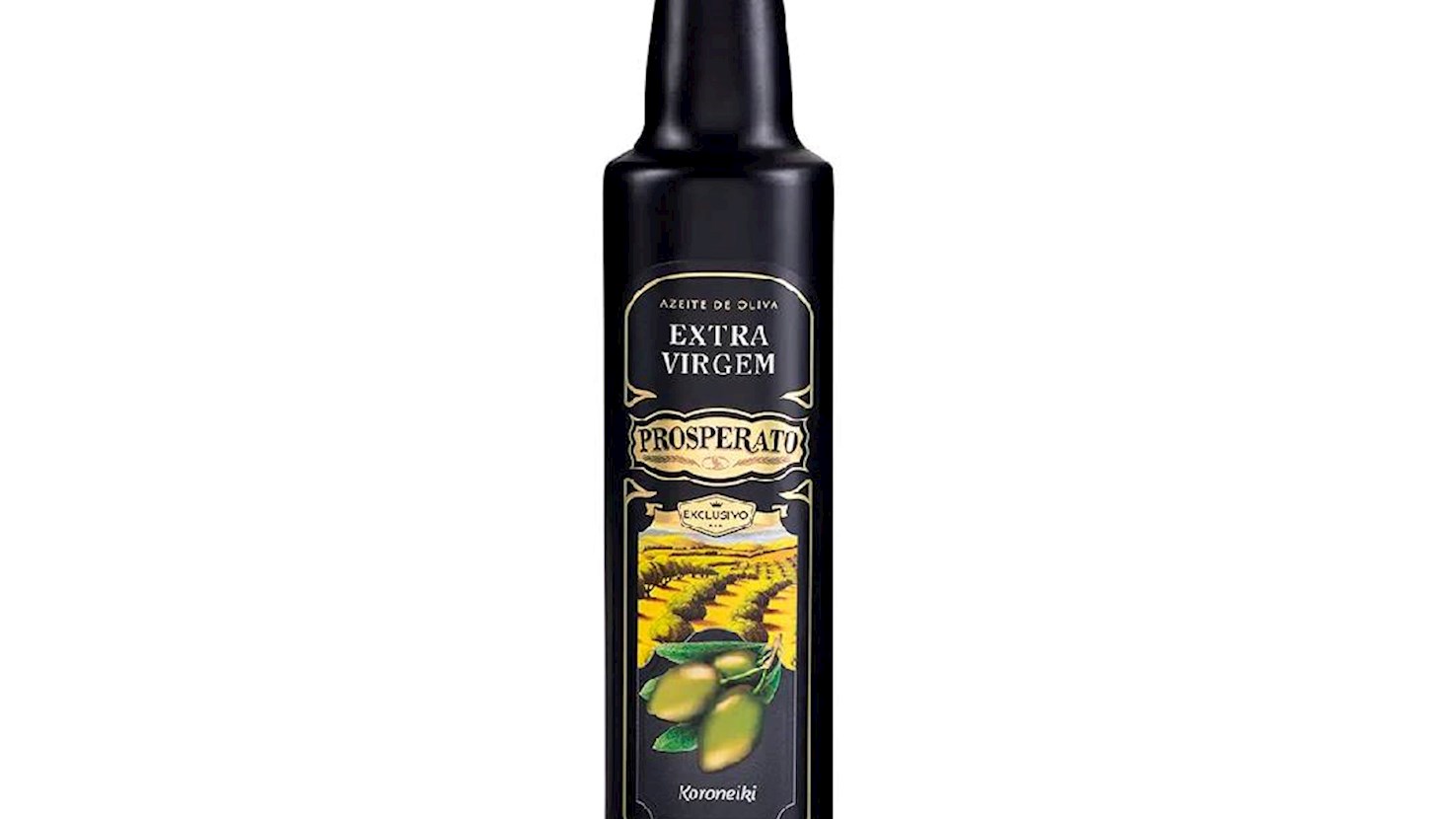
Prosperato is a pioneer and the most awarded producer of extra virgin olive oil in Brazil, born from the vision of creating world-class oils in the southern lands of Rio Grande do Sul. From the first seedlings to the final bottle, every stage of production is carefully overseen, ensuring absolute freshness, low acidity, and a rich spectrum of natural aromas.
The olives are harvested at the perfect point of ripeness and processed within just one hour, preserving valuable polyphenols and the distinctive character of each variety. This blend of passion, expertise, and modern technology has earned Prosperato numerous international awards and positioned it as the producer that elevated Brazilian olive oil to global recognition.
More than a culinary ingredient, Prosperato oils are a true expression of dedication, excellence, and respect for nature.
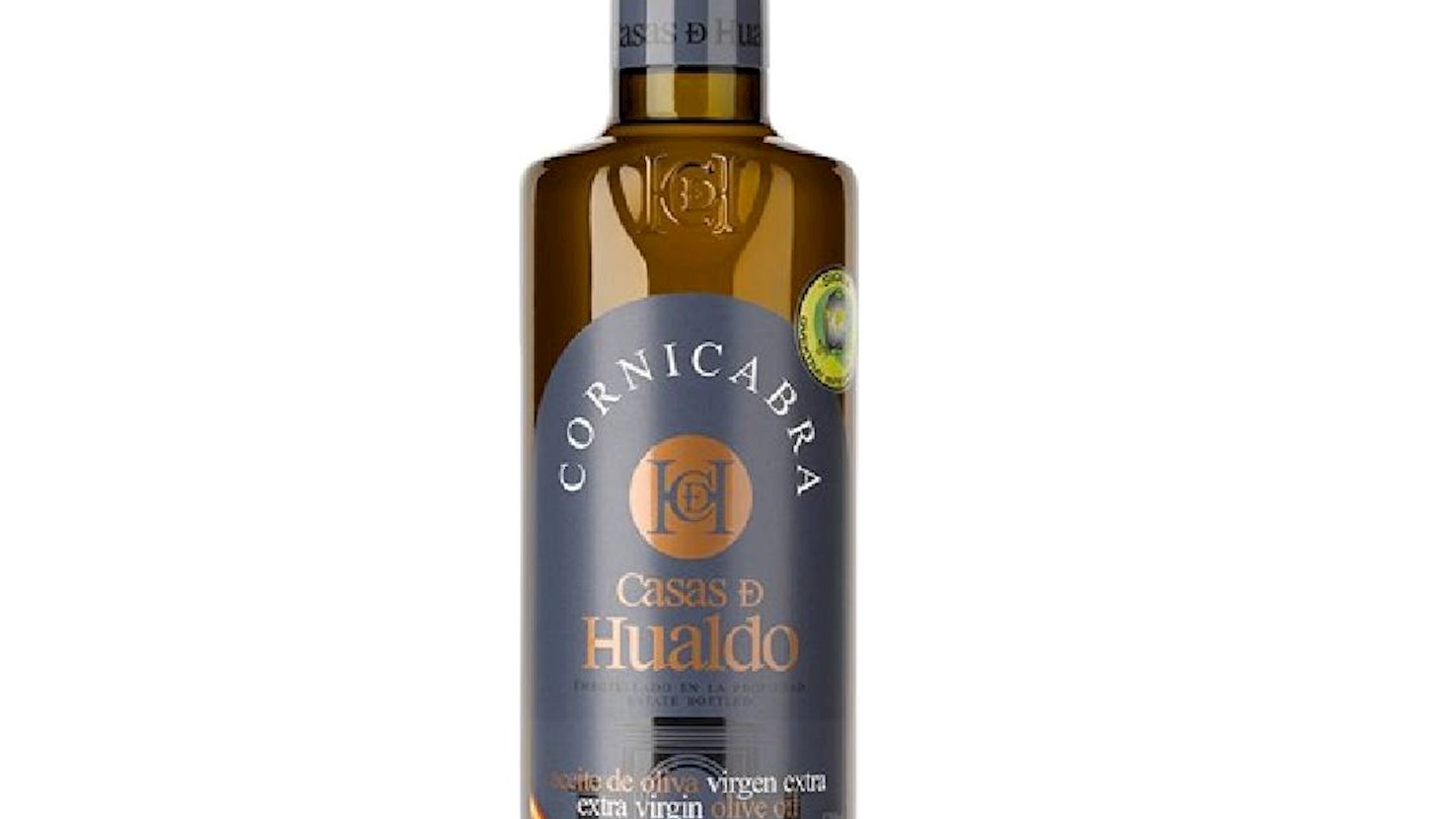
Casas de Hualdo is a prestigious Spanish producer of extra virgin olive oil, located in the heart of the Toledo region, on the banks of the Tajo River. Their estate covers nearly 4,000 hectares and is home to more than 300,000 olive trees. It was founded by Francisco Riberas in 1986 and is now recognized as one of the leaders in olive oil production in Spain.
They offer four single-variety oils: Picual, Cornicabra, Manzanilla, and Arbequina, as well as blends like Reserva de Familia. Their Picual oil is especially valued for its intense fruity aroma and complex flavor.
Casas de Hualdo is also distinguished by its commitment to sustainability. They have installed one of the largest photovoltaic irrigation systems in Spain, covering about 370 hectares of olive groves and other crops. Additionally, they use modern irrigation systems and implement ecological practices to protect plant and animal life.
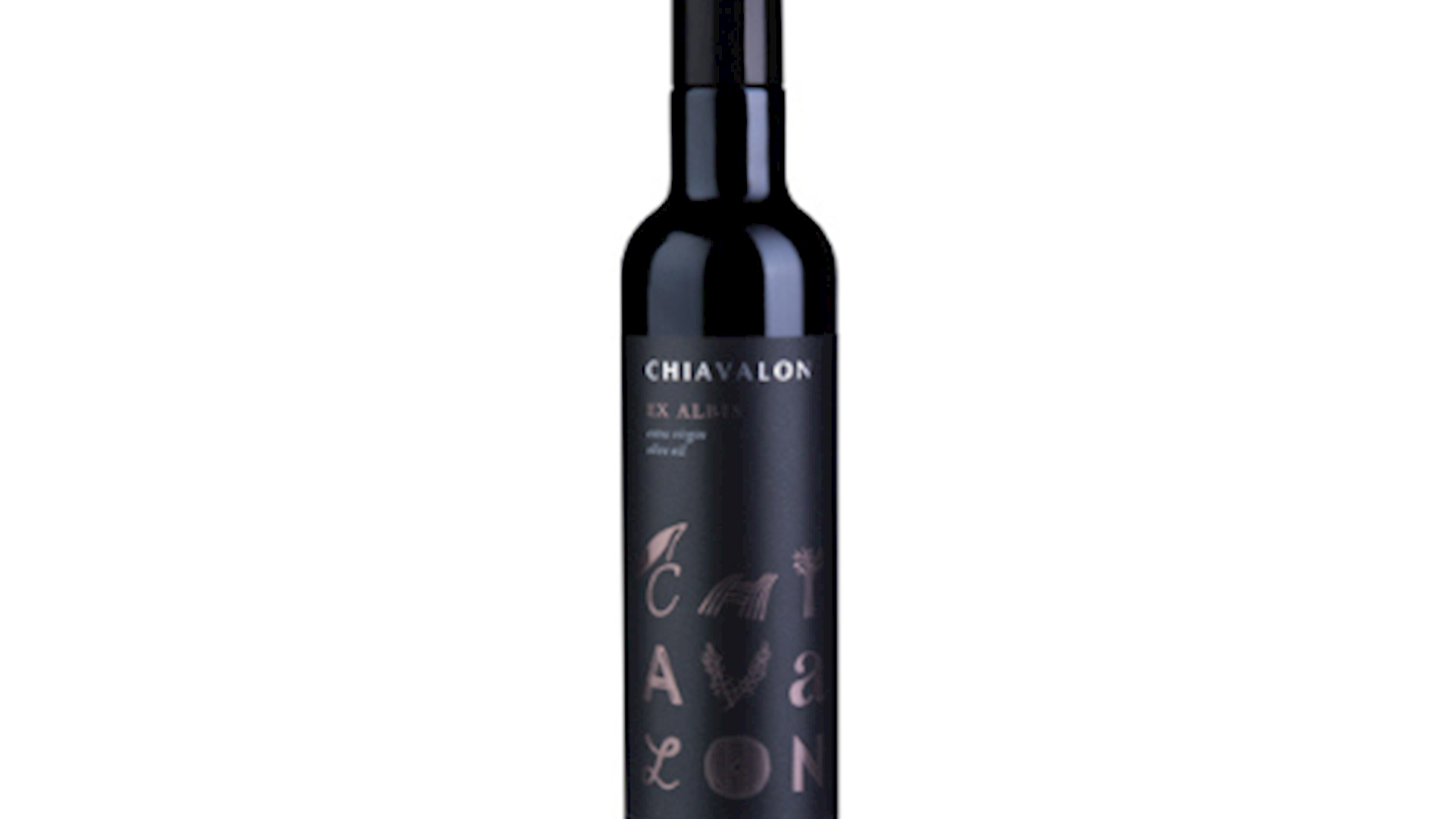
Chiavalon is a renowned Croatian producer of premium extra virgin olive oil based in Istria, a region famous for its long tradition of olive growing and high-quality olive oils. The Chiavalon family has been nurturing olive groves around the town of Vodnjan for generations, combining traditional methods with the latest processing technologies. Their dedication to quality and preserving the natural characteristics of the fruit results in products recognized on the international stage.
Chiavalon’s extra virgin olive oils are distinguished by intense fruity aromas, balanced bitterness, and spiciness, giving them a complex and elegant flavor. The most commonly used varieties include Istarska bjelica, Leccino, and Pendolino, and each bottle is carefully controlled to meet strict quality and authenticity standards.
With numerous prestigious awards and recognitions at global competitions, Chiavalon has become synonymous with top-quality Croatian olive oil, valued by both experts and olive oil enthusiasts worldwide. Their commitment to tradition, innovation, and sustainable development makes Chiavalon one of the most prominent brands in the olive oil industry.
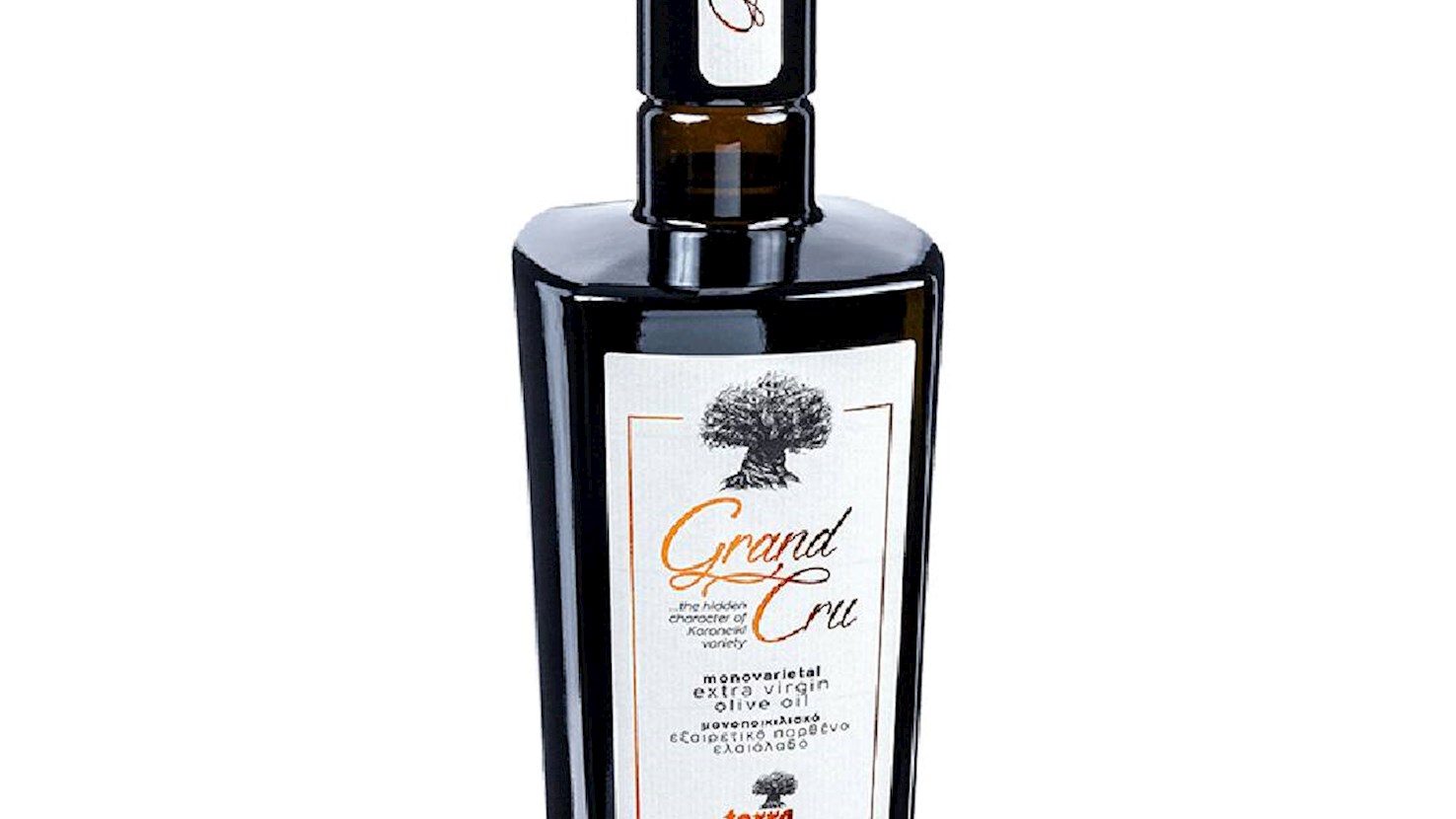
Terra Creta is a renowned Greek producer of extra virgin olive oil with a rich tradition and a clear vision - to combine top quality, innovation, and sustainability. Located on the island of Crete, a region known as the cradle of olive cultivation, Terra Creta leverages the natural Mediterranean conditions and authentic olive varieties like Koroneiki to create oils with distinct, complex aromas and outstanding sensory qualities. Their production approach blends modern technology with traditional methods, with a special emphasis on preserving the nutritional value and organic properties of the olives.
In addition to top quality, Terra Creta is committed to sustainable development and environmental protection. Their olive groves are maintained with minimal impact on nature, using eco-friendly practices that respect biodiversity and support the local community. Thanks to this philosophy, Terra Creta has won numerous international awards and recognitions, becoming a symbol of Greek excellence in the world of olive oil. Their dedication to quality and nature makes them a trusted choice for anyone seeking authentic and high-quality Greek olive oil.
TasteAtlas food rankings are based on the ratings of the TasteAtlas audience, with a series of mechanisms that recognize real users and that ignore bot,
nationalist or local patriotic ratings, and give additional value to the ratings of users that the system recognizes as knowledgeable.
For the “Top 100 Olive Oils in the World” list until June 04, 2026, 2,245 ratings were recorded, of which 941 were recognized by the system as legitimate.
TasteAtlas Rankings should not be seen as the final global conclusion about food. Their purpose is to promote excellent local foods,
instill pride in traditional dishes, and arouse curiosity about dishes you haven’t tried.
The initial list of top producers was compiled based on available reviews, awards, local recommendations, media and blog coverage, and consumer reviews.
The list will be updated with ratings from TasteAtlas local ambassadors and TasteAtlas users.