Mirzam Chocolate Makers is an artisanal chocolate workshop based in Dubai, founded in 2016. It is known for producing high-quality chocolate using the "bean-to-bar" method, sourcing only the finest cocoa beans.
The production process at Mirzam is transparent and open to visitors. At their workshop, guests can observe the entire chocolate-making process through a glass wall, from roasting the beans to the final packaging.
In addition to the workshop and store, Mirzam also operates a small café, where visitors can enjoy warm beverages and freshly prepared chocolate treats, completing the full chocolate experience.
Awards
Academy of Chocolate - Silver
(2021, 2018, 2017)
Academy of Chocolate - Bronze
(2024, 2021, 2019, 2018, 2017)
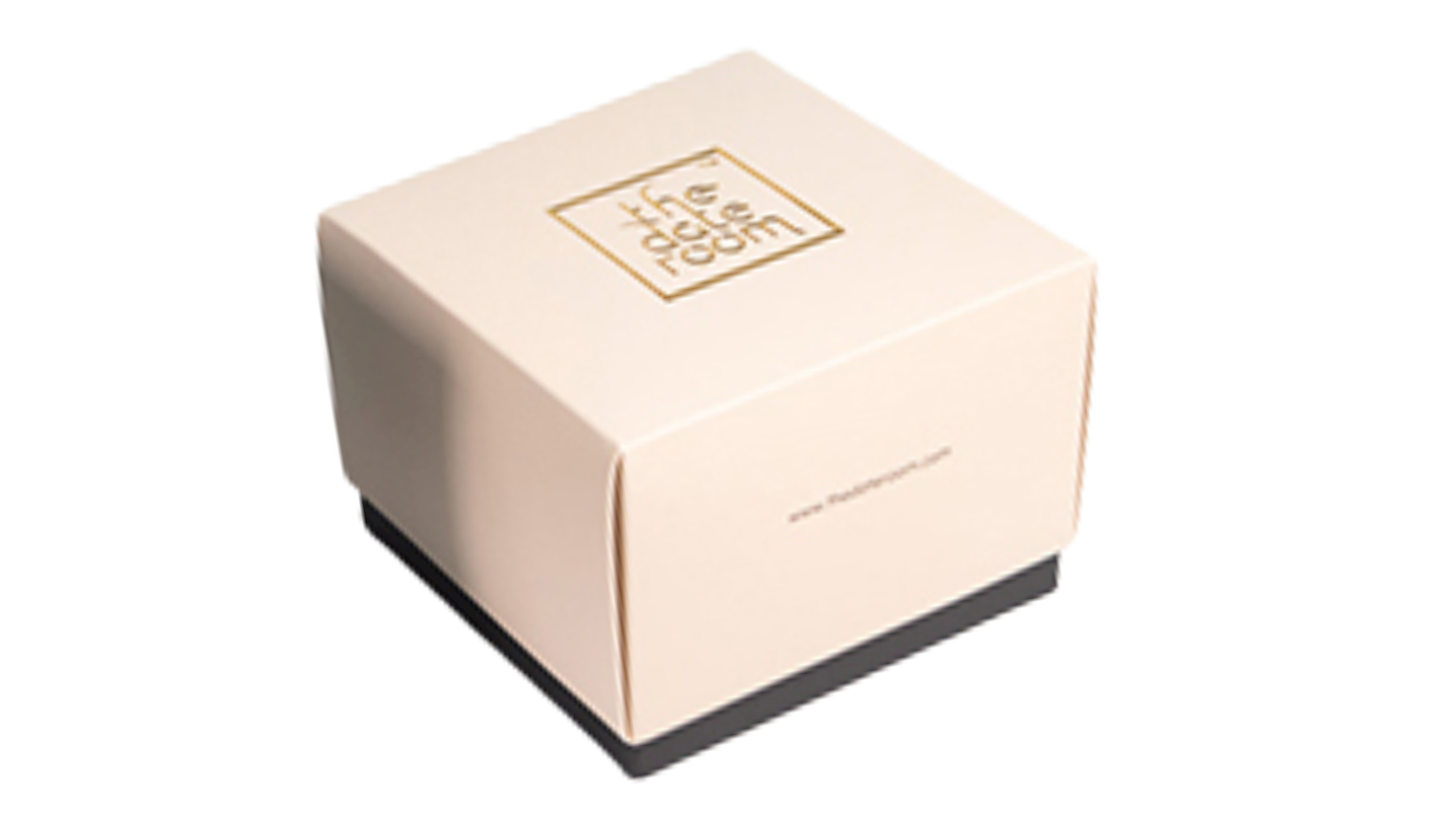
The Date Room is an Emirati family-owned date producer established by the Al Dhaheri family in 2018. The brand draws on the family’s multigenerational tradition of cultivating date palms in Al Ain in the United Arab Emirates. Its dates come from family-owned farms located within the Al Ain oases, which form part of a UNESCO World Heritage Site. The company grows six local varieties: Kholas, Fardh, Lulu, Bumaan, Khadrawi, and Razaiz. They differ in color, firmness, sweetness, and aromas that may resemble caramel, butter, or nuts. The fruits are harvested at an appropriate stage of ripeness and then sorted by hand according to their quality and size. Further processing and packaging take place at the company’s facility in the Jebel Ali area of Dubai. The range includes plain dates, stuffed dates, and varieties coated in chocolate. Fillings include pistachios, almonds, cashews, macadamia nuts, and caramelized pecans. The brand also produces date cakes, maamoul, syrups, oils, and other date-based products.
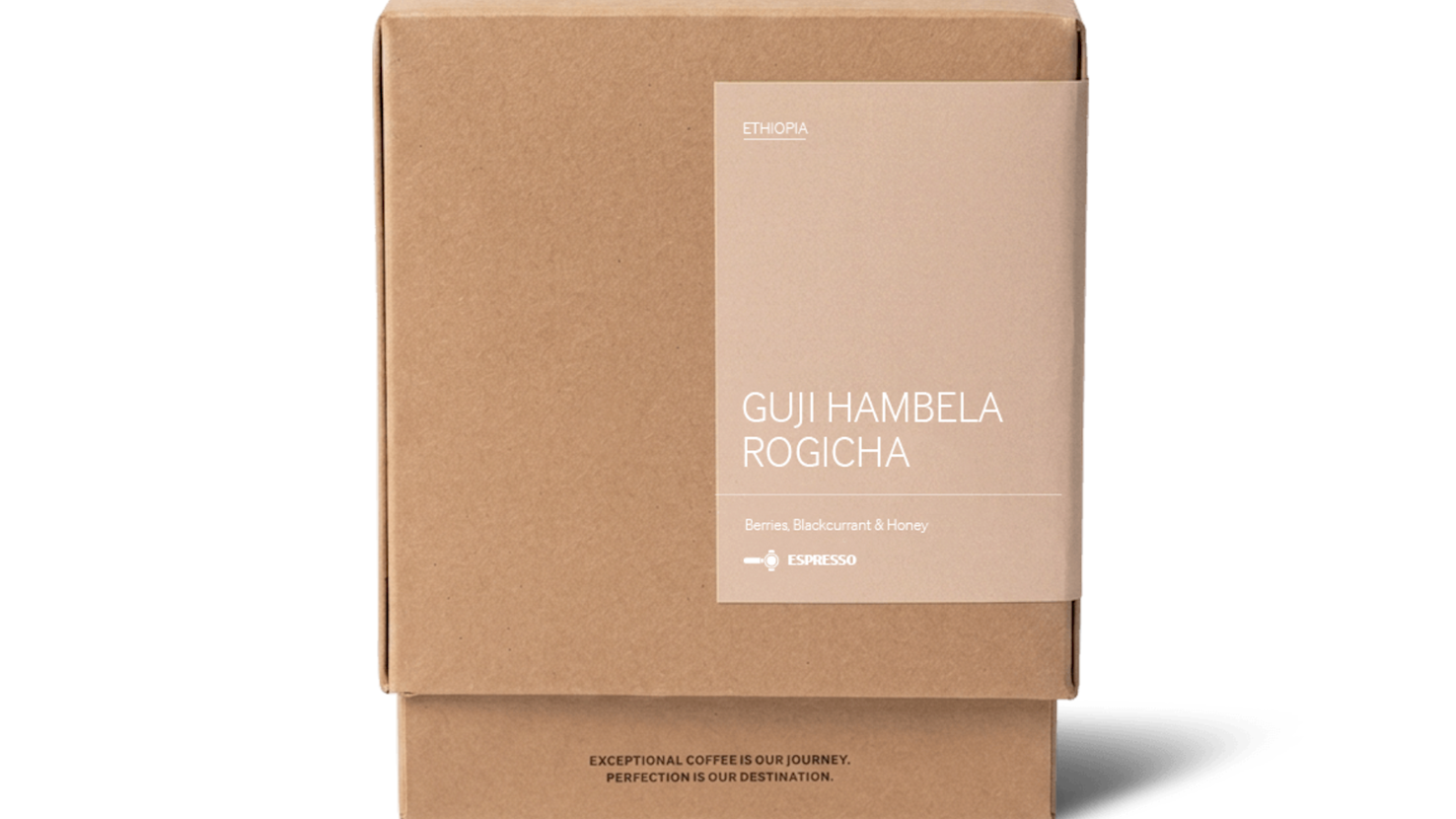
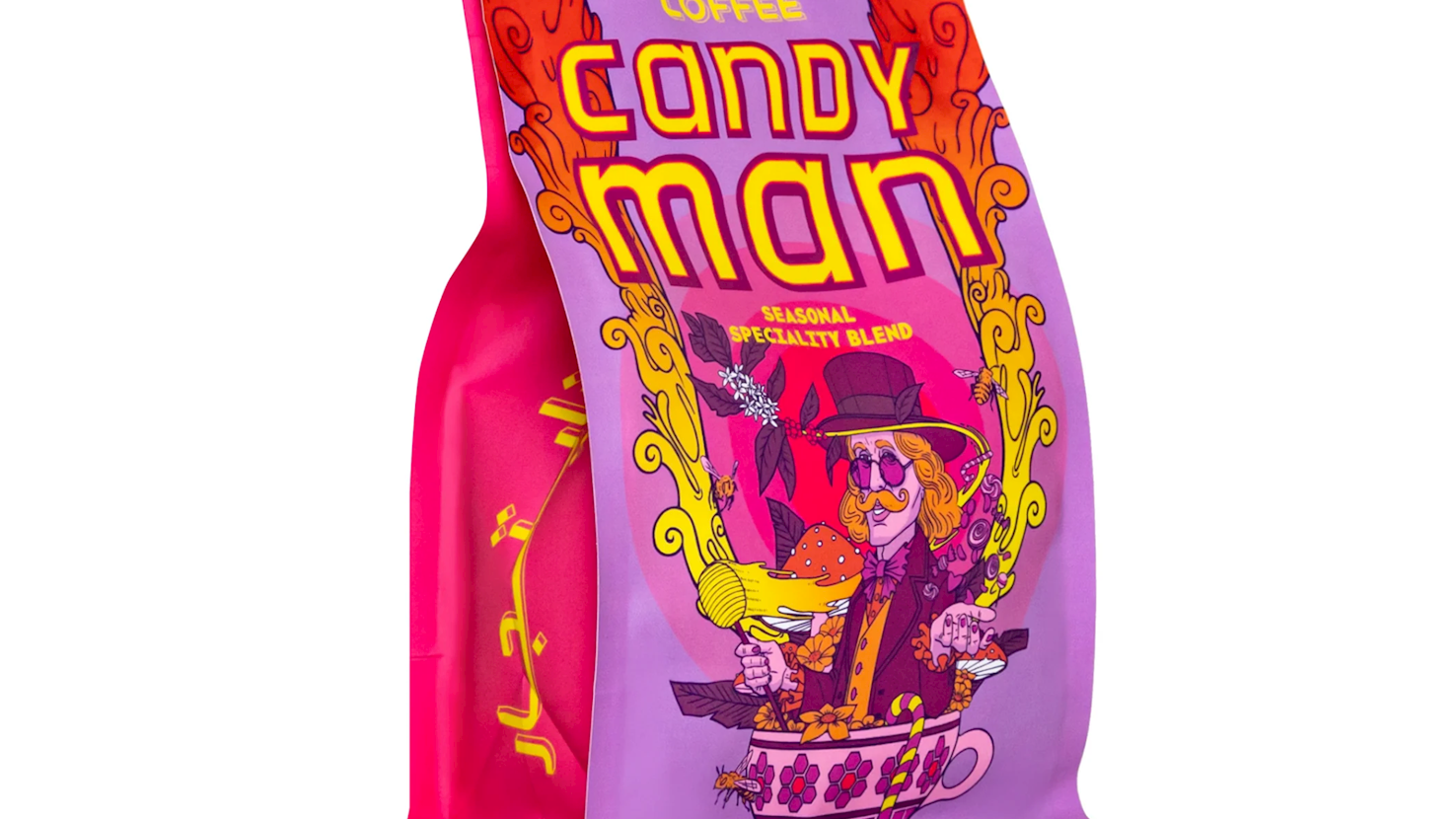
The Espresso Lab is an Emirati specialty coffee roastery and café chain founded by Ibrahim Al Mallouhi in Dubai in 2015. The idea for the company developed after his introduction to contemporary specialty coffee culture and further education in coffee roasting and preparation. The company sources carefully selected beans and microlots from different coffee-producing regions, including Ethiopia, Panama and Brazil. Origin, variety, altitude and processing method play an important role in selecting the beans and determining their roast profiles. The beans are roasted at the company’s production facility in Dubai’s Al Quoz district, with each roasting process adapted to their natural characteristics and intended brewing method. Its range includes coffees developed for espresso, filter brewing and cold beverages, as well as capsules and individually packaged drip bags. The Espresso Lab works with coffee producers and also operates Finca Rasha in Panama’s Chiriquí Province. In addition to selling roasted coffee beans, the company operates cafés in Dubai, Abu Dhabi and Sharjah.
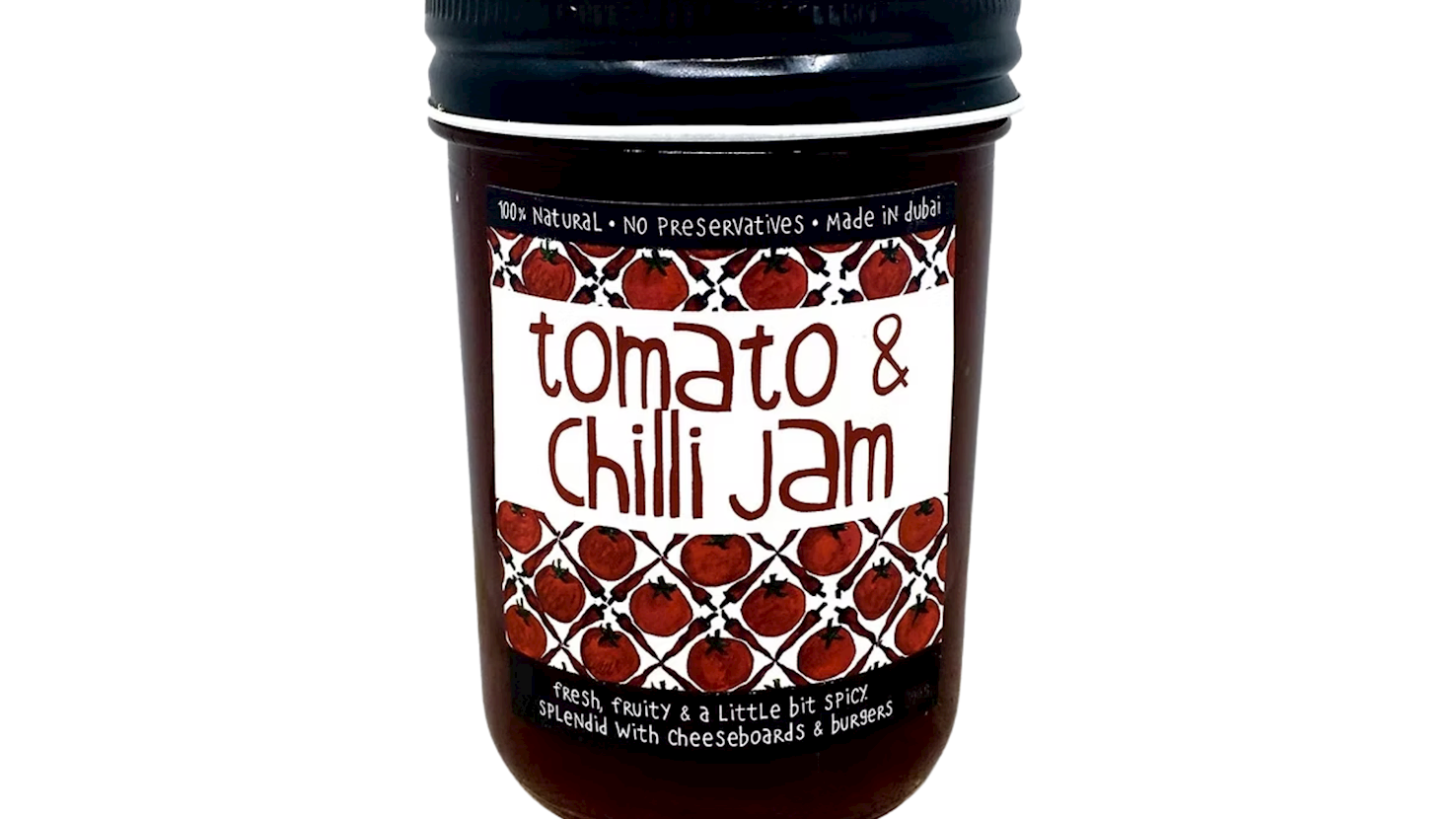
The Lime Tree Cafe & Kitchen is a Dubai-based chain of cafés and bakeries and a producer of packaged food products founded in 2001 by New Zealand sisters Jacqueline and Corinne Bowker. Its first café opened in a converted villa in Jumeirah at a time when Dubai had relatively few independent cafés focused on natural ingredients and freshly prepared food. The company gradually expanded its operations to include multiple locations, an in-house bakery, catering, wholesale distribution, and the production of gift hampers. Its retail range includes jams, marmalades, chutneys, vegetable preserves, cookies, biscuits, crackers, and crisp flatbreads. These products are prepared in small batches in the company’s own kitchen. The producer states that they contain no preservatives or artificial colors and that preference is given to natural, seasonal, and locally sourced ingredients whenever available. The range combines European and New Zealand baking influences with Middle Eastern ingredients such as dates, pistachios, sesame, sumac, and za’atar. Jams, preserves, and chutneys are cooked in small batches, while crackers and cookies are handmade and baked in the company’s own production facilities. Today, The Lime Tree Cafe & Kitchen is an established local brand that combines hospitality with its own artisanal product range.
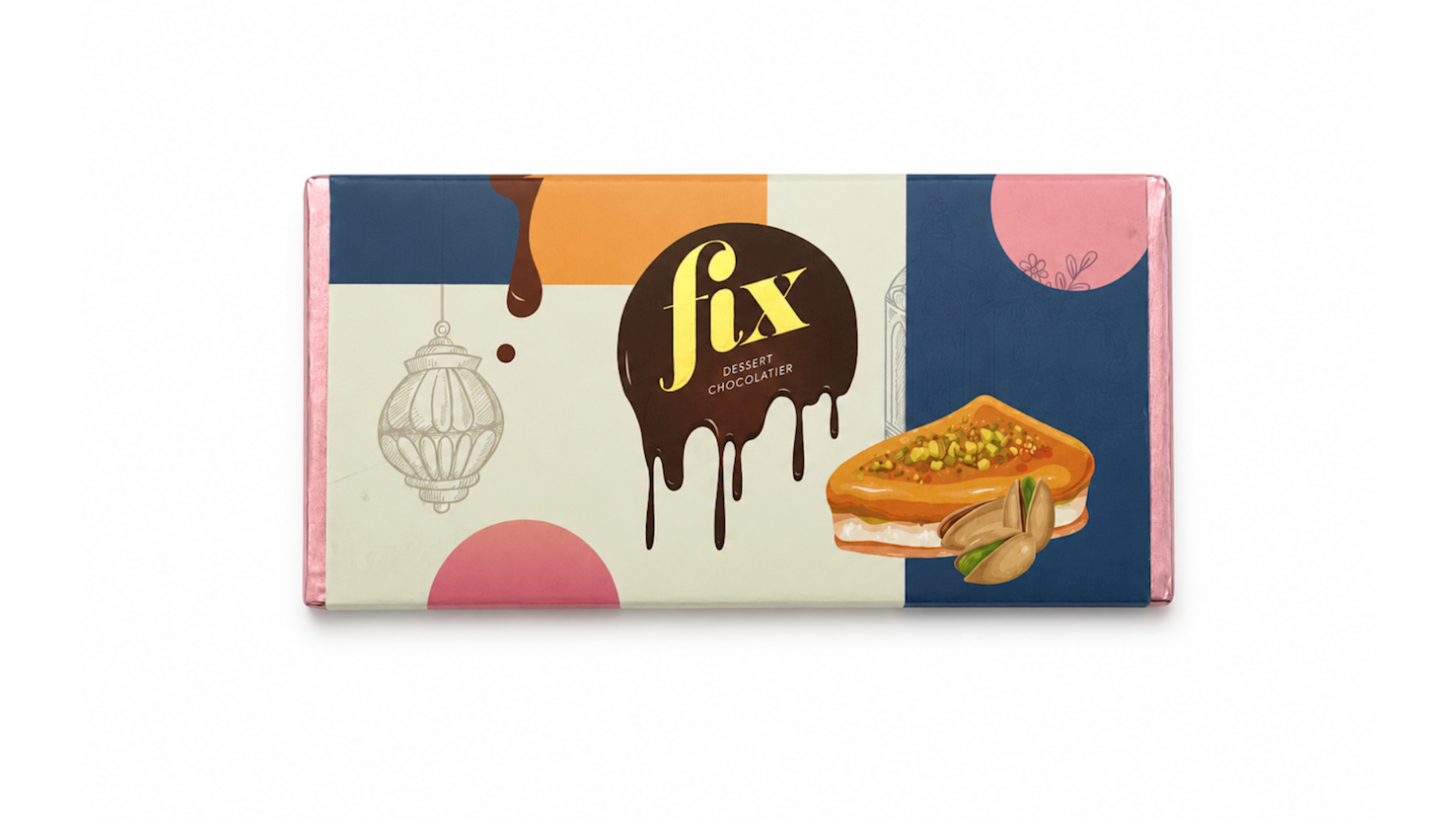
FIX Dessert Chocolatier is an Emirati chocolate confectionery brand established in Dubai in 2021 by Sarah Hamouda and her husband Yezen Alani. The business began in their home kitchen as a side project based on the idea of transforming familiar desserts into filled chocolate bars. The brand officially began selling its products online in 2022. Its best-known product is the „Can’t Get Knafeh of It“ milk chocolate bar filled with pistachio cream, tahini and crispy kataifi pastry. The recipe draws inspiration from knafeh, a traditional Middle Eastern dessert made with thin strands of pastry. Its combination of creamy filling, crunchy kataifi and a chocolate shell became the basis of the product widely known as Dubai chocolate. The bars are also distinguished by their colourful hand-decorated surfaces. The range includes other filled chocolates inspired by cakes, cereals, caramel, pretzels and biscuits. The product names are generally based on wordplay related to their ingredients. FIX has developed from a small Dubai-based producer into an internationally recognised brand and one of the principal drivers of the contemporary Dubai chocolate trend.
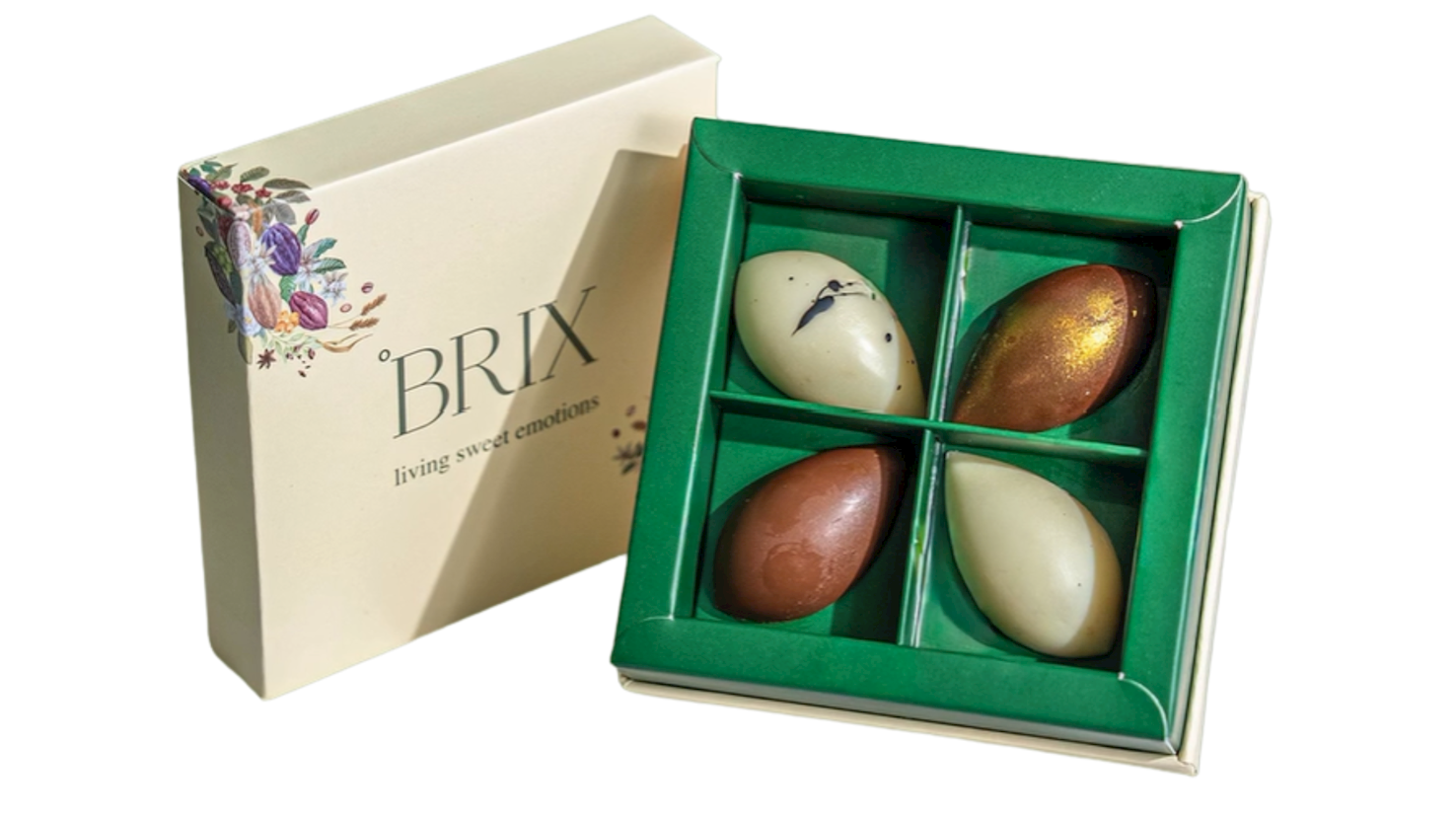
Brix Desserts is a contemporary Dubai restaurant and café specialising in desserts, established at Jumeirah Fishing Harbour in 2020. The concept originated as a sister venue to 3Fils and forms part of The Lab Holding hospitality group. Brix was initially developed as an intimate dessert bar with limited seating and a direct view of the pastry preparation process. Its creative direction is led by Spanish pastry chef and chocolatier Carmen Rueda Hernandez. Her professional background includes experience at El Bulli and The Fat Duck, as well as Singapore’s 2am dessert bar. The menu focuses on contemporary creations that combine advanced pastry techniques, chocolate and ingredients from different culinary traditions. Particular attention is given to balance, with sweet components frequently paired with acidic, salty, bitter or aromatic elements. Brix Journey offers an intimate tasting experience through multi-course menus composed entirely of desserts. The dishes are prepared in front of guests and presented through stories, aromas, sounds and contrasting temperatures to engage several senses. Brix Café follows a more casual format and serves individual desserts, handcrafted chocolates, pastries, cakes, specialty coffee and all-day breakfast.
Nightjar Coffee Roasters is an independent Emirati specialty coffee roastery established in Dubai in 2017 by Leon Surynt and Matthew Wade. Its flagship roastery and café opened in 2018 in Alserkal Avenue within the Al Quoz district. The venue combines a working roastery, coffee bar, kitchen and retail area for packaged coffee. The company sources green coffee from individual farms and small production lots across several coffee-growing regions. Its sourcing approach emphasises traceability, transparency and direct-trade principles. The range includes single-origin coffees, espresso blends and limited microlots whose characteristics vary according to each harvest. The beans are roasted at the company’s own facility using profiles adapted to their origin, variety and intended brewing method. Alongside espresso-based and filter coffee, Nightjar is known for cold brew and nitrogen-infused drinks served on tap. The company also produces cold-brewed teas, kombucha and alcohol-free mixed beverages. Its wholesale division supplies hospitality businesses with roasted coffee, equipment and systems for dispensing cold beverages. Nightjar belongs to the contemporary craft specialty coffee movement and is distinguished by its combination of in-house roasting, experimental beverages and close involvement with the hospitality sector.
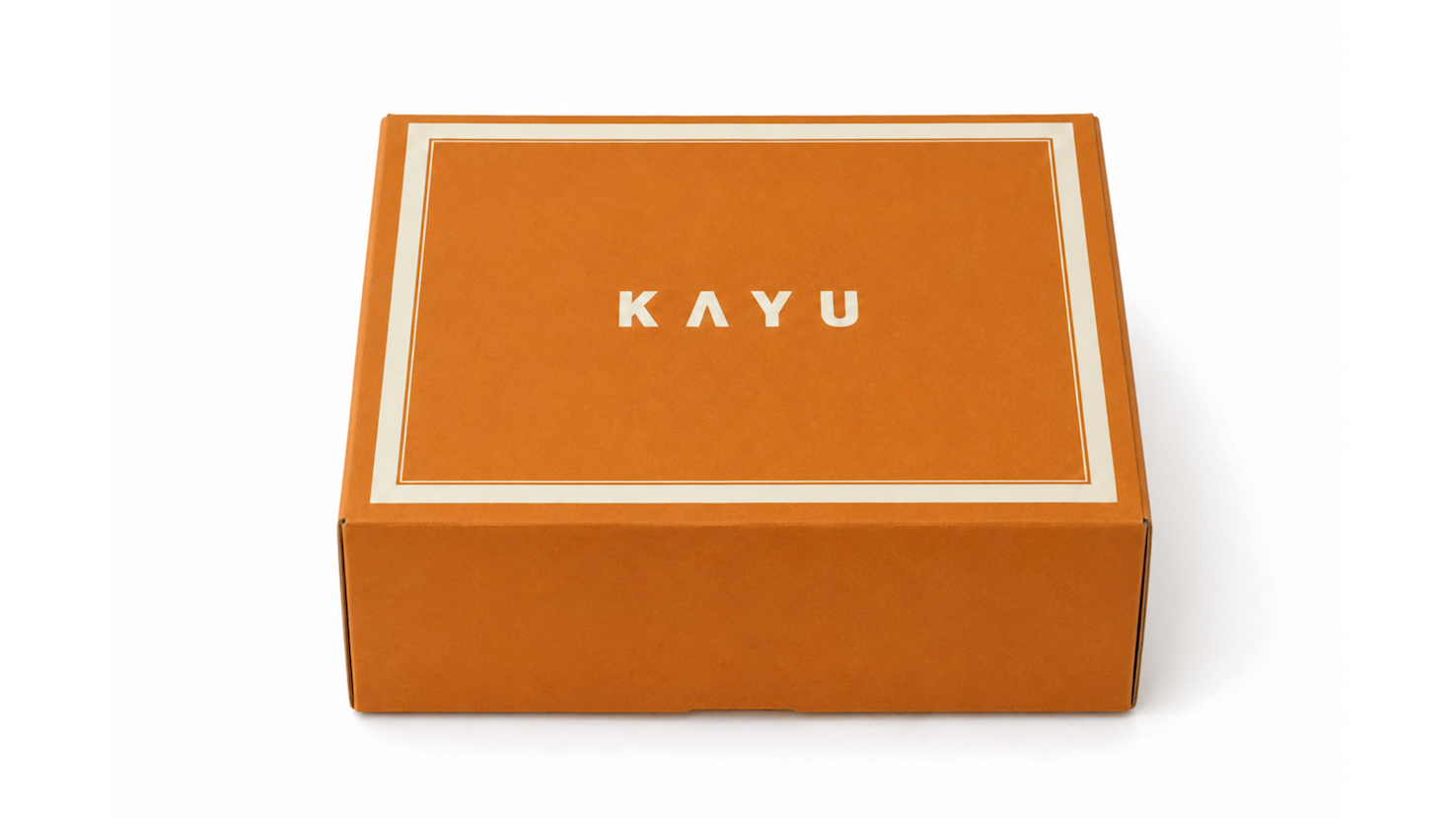
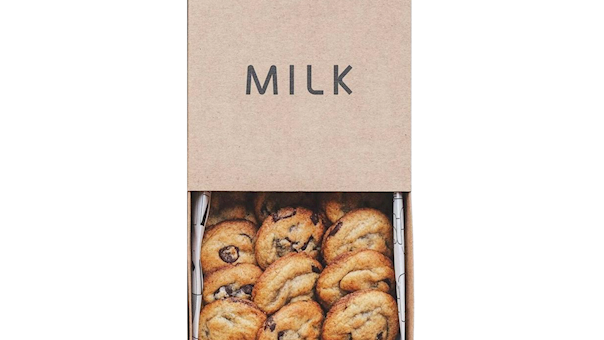
KAYU Bakehouse is a contemporary artisanal pastry shop founded in Dubai by pastry chef Karim Bourgi. The concept was developed in 2020 while its first location opened in 2021. Bourgi graduated from Le Cordon Bleu in Paris and gained professional experience with the French pastry house Fauchon in the Middle East. Its selection combines classical French pastry techniques with contemporary forms and flavors associated with the Middle East. Particular attention is given to ingredient quality, precise craftsmanship, contrasting textures, and balanced sweetness. The assortment includes individual pastries, croissants, brioches, tarts, éclairs, macarons, cookies, and whole cakes. The products are prepared as fresh artisanal pastries with visual presentation and complex construction forming an important part of their identity. Following the opening of its first Dubai location, the brand expanded to Abu Dhabi, Riyadh, and London’s Mayfair district.
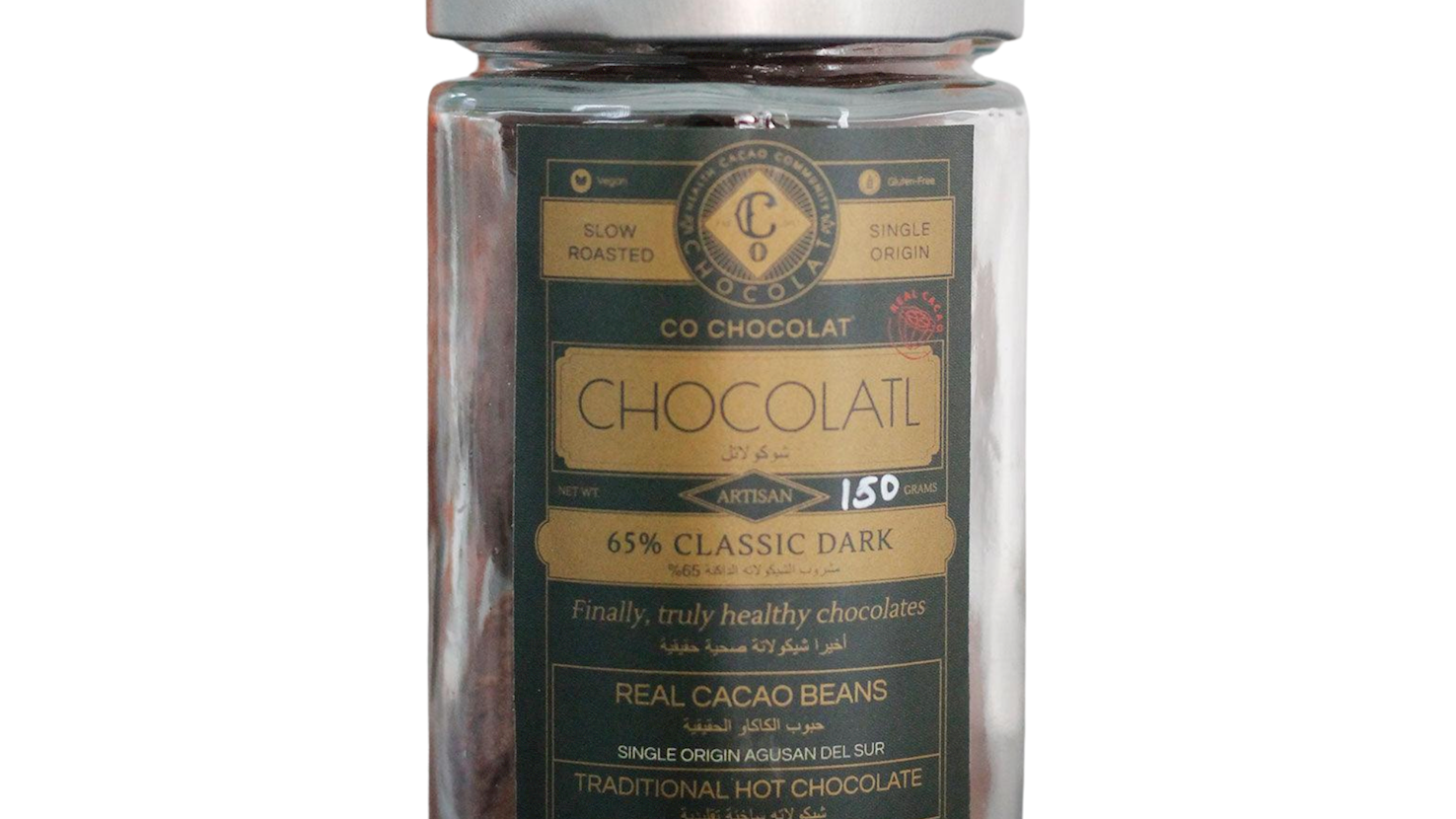
Co Chocolat is a Dubai-based chocolate producer founded by sisters Luchie and Iman Suguitan. The idea for the brand emerged after they travelled to Mindanao in the Philippines to study cacao cultivation, harvesting, and bean fermentation. In 2017, they established a social agricultural enterprise that works with small-scale cacao farmers. Its farms, post-harvest processing facility, and microfactory are located in Agusan del Sur in northeastern Mindanao. The company specifies the growing area and harvest period for individual cacao batches, ensuring traceability from the farming community to the finished chocolate. Fermentation, drying, and roasting are supervised by Luchie Suguitan, who completed professional training in bean-to-bar chocolate production. The range includes dark and vegan chocolate bars, bonbons, chocolate spreads, hot chocolate, baking products, and gift selections. Co Chocolat combines Philippine-grown cacao and cooperation with local farmers with final production and distribution in the United Arab Emirates.
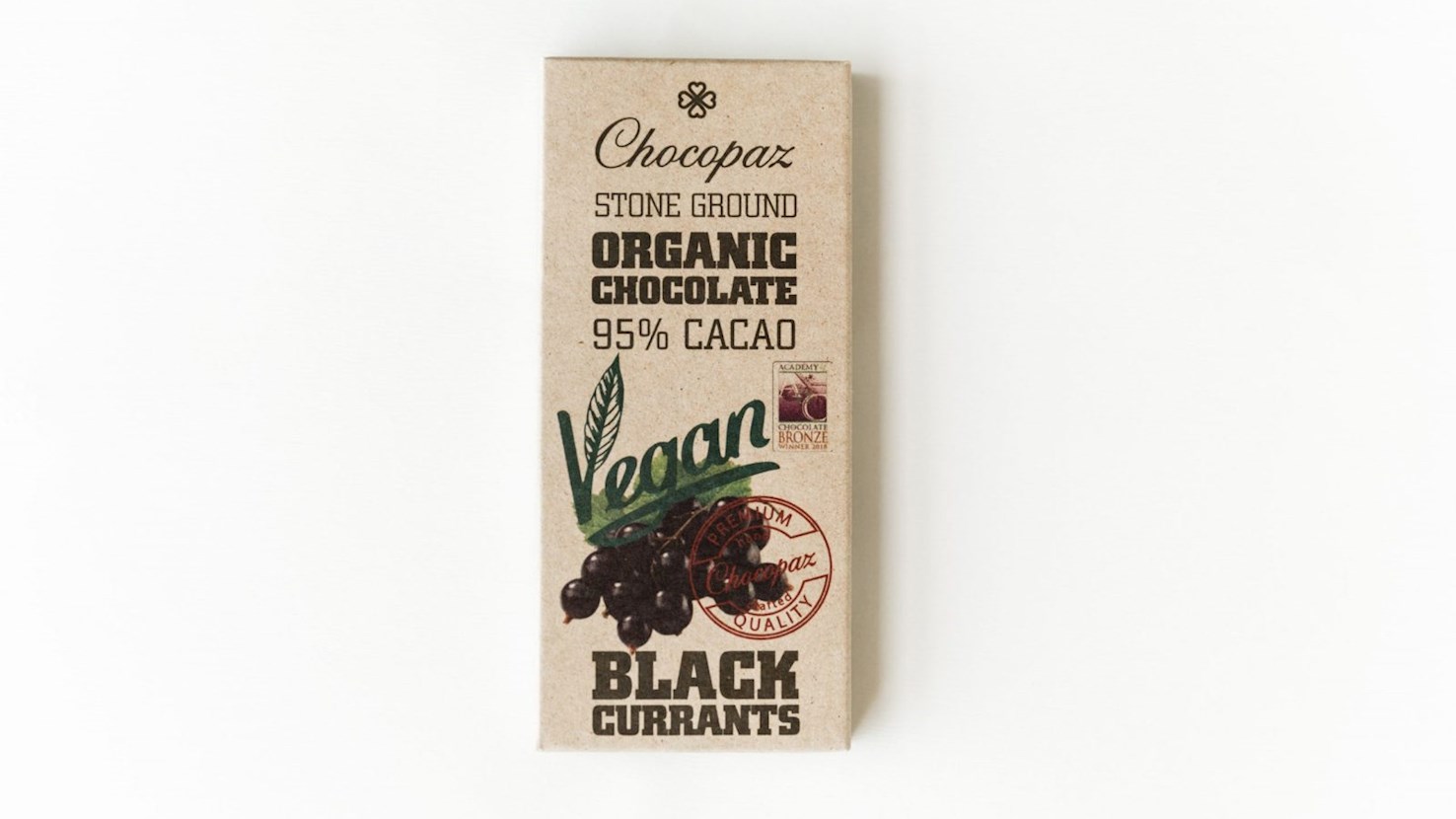
Chocopaz is a chocolate producer and distributor based in Dubai, established in 2016. The brand was originally developed for the United Arab Emirates market as a line of handcrafted chocolates and pralines. Its early collection was based on original recipes created by Belgian chocolatiers and included products made from carefully selected cacao beans. Particular attention was given to handcrafting, praline design, and product packaging. The company later developed a range of organic dark chocolates produced through traditional stone grinding. Its selection included bars with different cacao percentages, including varieties containing 70%, 80%, and 95% cacao. The chocolate was combined with ingredients such as pistachios, oranges, hazelnuts, raisins, and blackcurrants. The 80% cacao chocolate with pistachios and orange became one of the brand’s more recognizable products. In addition to its own products, Chocopaz distributes selected international chocolate brands in the United Arab Emirates.
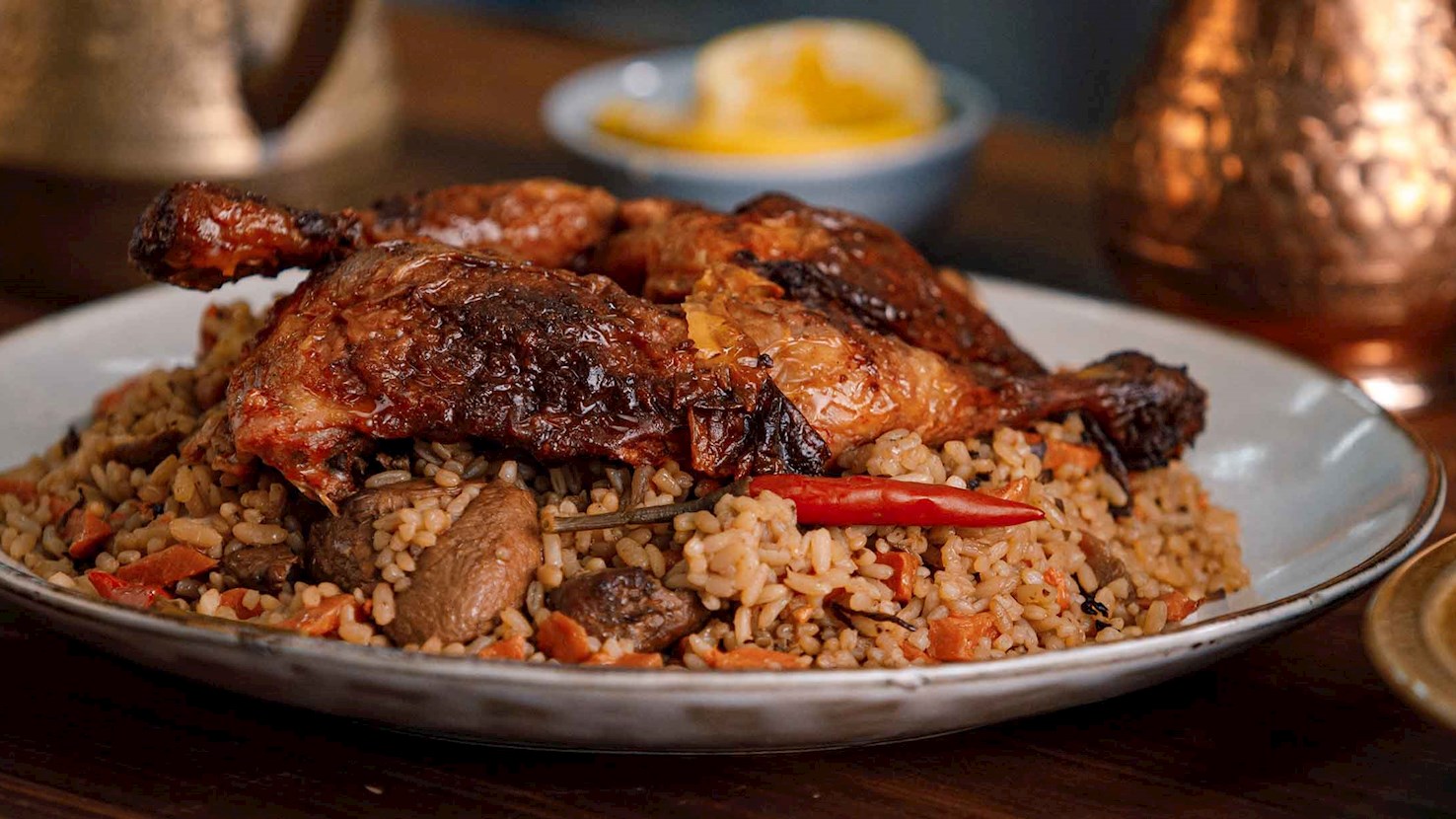
Kabsa is a rice dish that is enjoyed throughout the Gulf States of the Arabian Peninsula. Heavily influenced by Persian and Indian biryanis, kabsa makes use of the water that was used for cooking fish or meat and re-using it to cook the spiced, long-grain rice in it, perfectly blending all the flavors and spices. The dish can be made with chicken, lamb, camel meat, fish, or even shrimps, truffles, or duck meat. The meat or fish is usually placed on top of the rice, and the whole dish is served on a large platter, meant to be shared and eaten by hands. Although it originated in Yemen, this traditional combination of rice and meat is incredibly popular in Qatar and Saudi Arabia, where it is considered a national dish. Across the Arabian Peninsula, kabsa is also known as machboos.
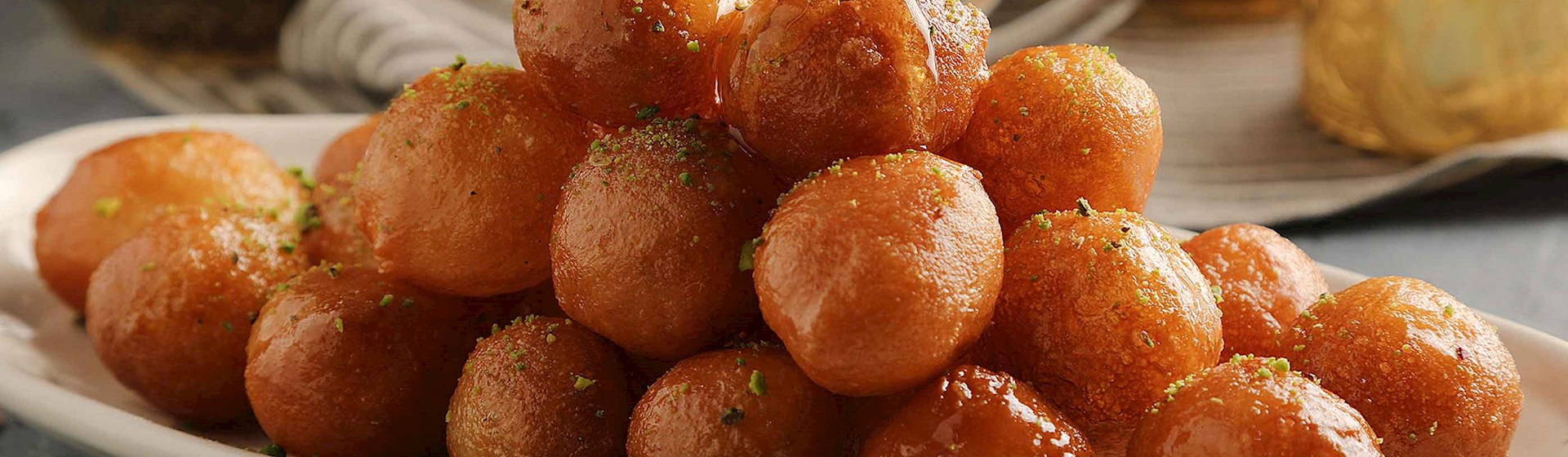
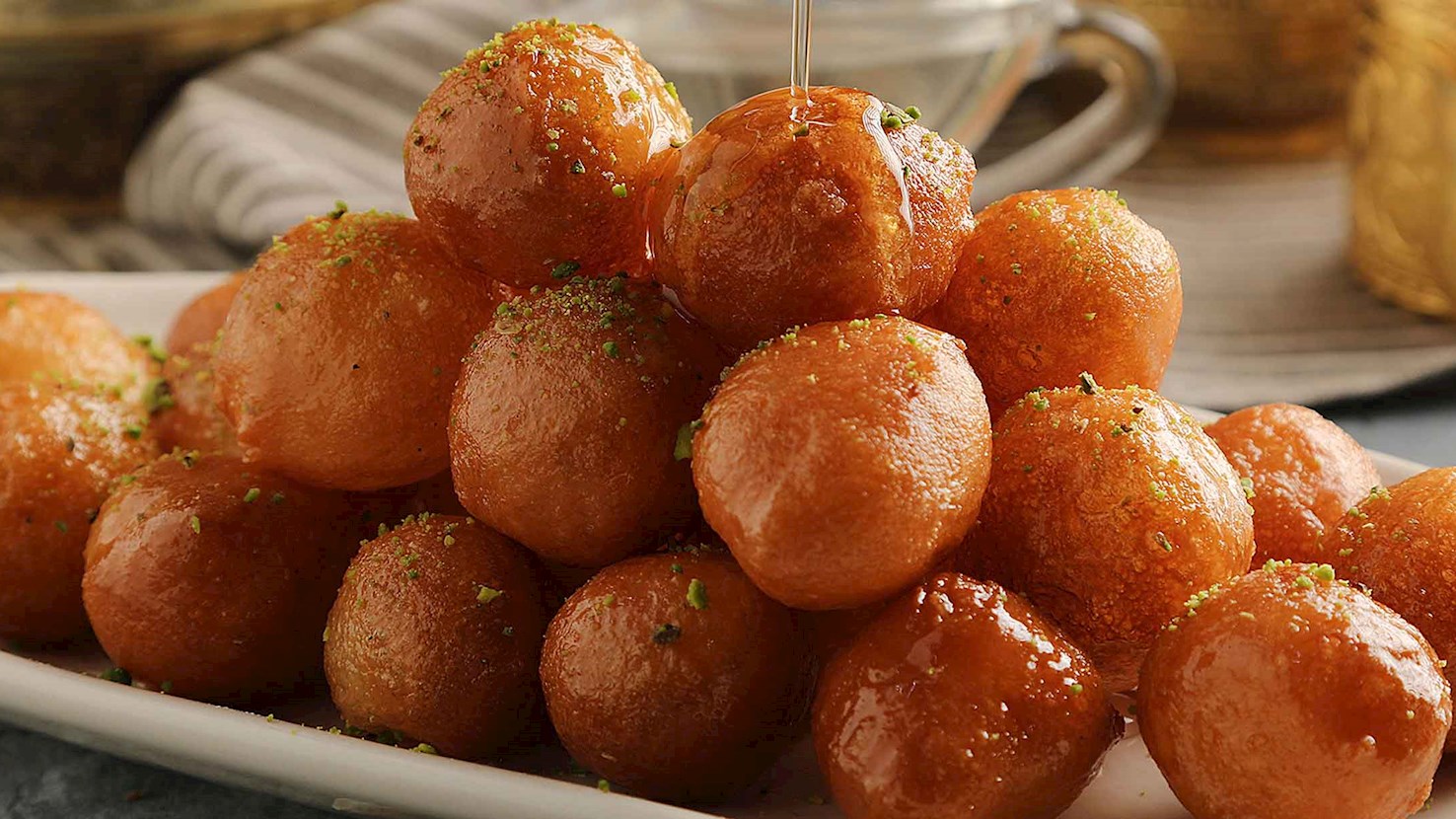
This internationally known, decadent, and sugar-packed dessert is usually made with a mixture of flour, sugar, yeast, and salt, which is deep-fried and then bathed in syrup or honey. The origin of lokma fritters is ancient but often debated. It is presumed that they first appeared in Greece or Turkey, though some suggest Arabic origin. The dish is considered to be one of the oldest recorded desserts in Greek history. It is said that the pastries were even given to winning Olympians as a treat and were called honey tokens. Loukoumades, or loukmades in Cyprus, can be found throughout the streets of Greece, in shops selling nothing else but this caloric dessert. Alternatively, loukoumades can be topped with Greek cheese, chocolate, sesame seeds, or walnuts. In Turkey, lokma fritters are best enjoyed while still warm. They are drizzled with honey or syrup and can occasionally be sprinkled with either ground cinnamon, walnuts, or pistachios. The name probably stems from from Arabic luqma, meaning bite or mouthful, and it is said that lokmas were first prepared in Turkey by the sultans' cooks in palaces of the Ottoman Empire, though the oldest documentation of a similar dish was even found in the tomb of Ramses IV. In some Middle Eastern and Levant countries, this dessert is known as luqaimat or luqmat al-qadi, which roughly translates as judge's mouthful. The deep-fried balls are usually covered with date syrup, honey, or flavored syrups, while some prefer them sprinkled with various seeds. They are also often flavored with saffron or cardamom. The dessert is traditionally made in the month of Ramadan, and consumed after iftar, or breaking the fast. The dish is also found in some African countries, where it appears under various names.
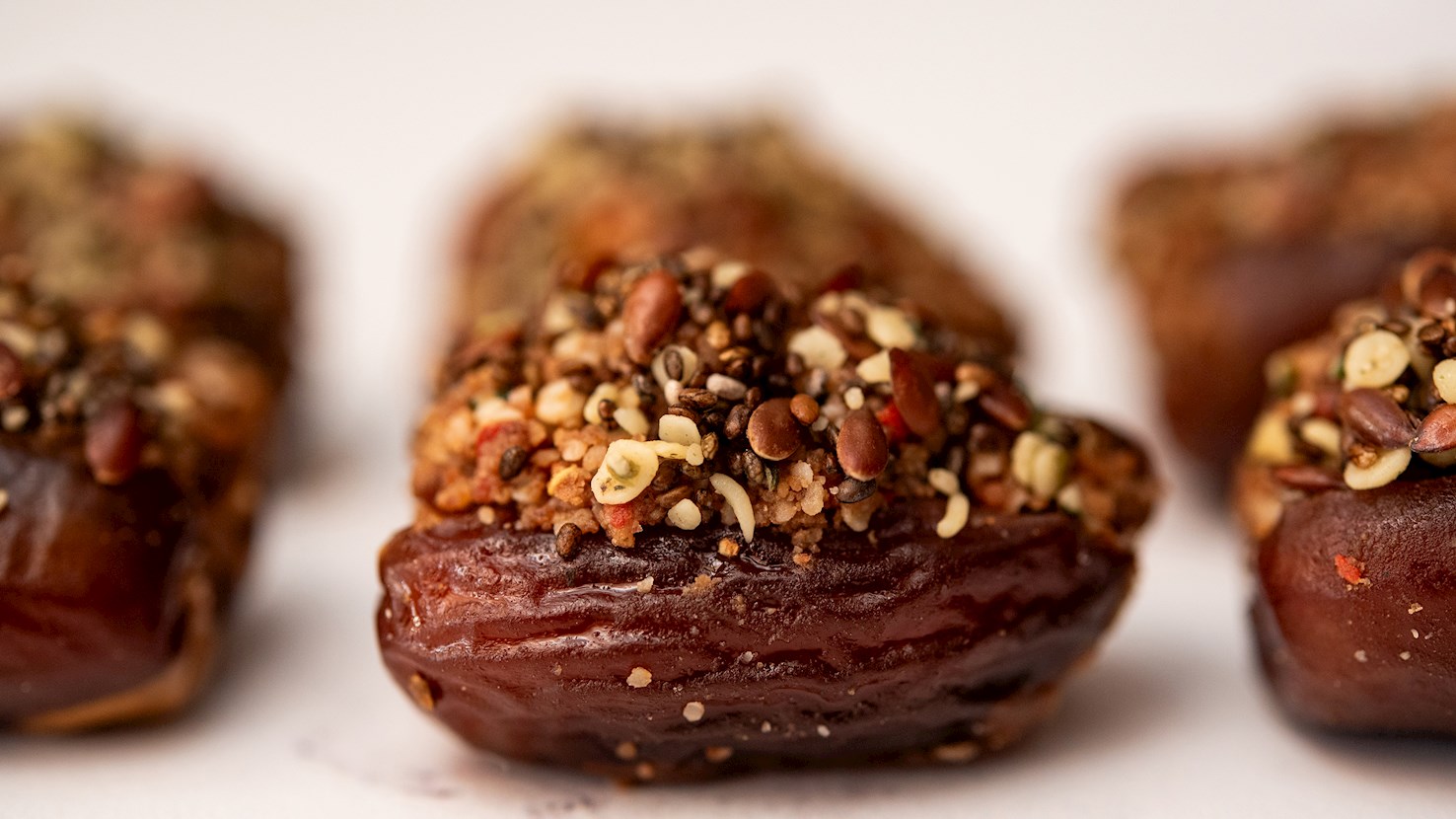
Tamr mahshi is a Middle Eastern sweet made of dates that are pitted and stuffed with nuts or other fillings, often served as a festive treat or alongside tea and coffee. It comes from regions where date palms flourish, such as Iraq, Saudi Arabia, and the Levant, and reflects the long-standing role of dates in both daily life and celebration. The practice of enhancing dates with fillings has roots in ancient Mesopotamia and the Arabian Peninsula, where dates were not only a staple source of energy but also a fruit associated with hospitality and abundance. Adding nuts like almonds, pistachios, or walnuts transformed them from a simple snack into a refined confection often prepared for gatherings, weddings, and religious observances. To prepare tamr mahshi, the process begins with selecting plump, high-quality dates, which are carefully slit to remove the pit. A nut or other filling is then inserted, with the most common choices being almonds, walnuts, or pistachios. In some variations, spiced nuts, candied citrus peel, or marzipan-like pastes are used, while the exterior may be rolled in sesame seeds, shredded coconut, or powdered sugar. The dish requires no cooking, relying instead on the natural sweetness and sticky texture of the dates to hold the filling in place. Tamr mahshi is eaten throughout the Middle East and by diaspora communities worldwide. It is most often served during Ramadan to break the fast, as dates are traditionally the first food consumed after sunset. Beyond that, it appears at festive gatherings, weddings, and as a gesture of hospitality when guests are welcomed. It pairs beautifully with strong Arabic coffee or mint tea, as the bitterness of the drink balances the richness of the stuffed dates.
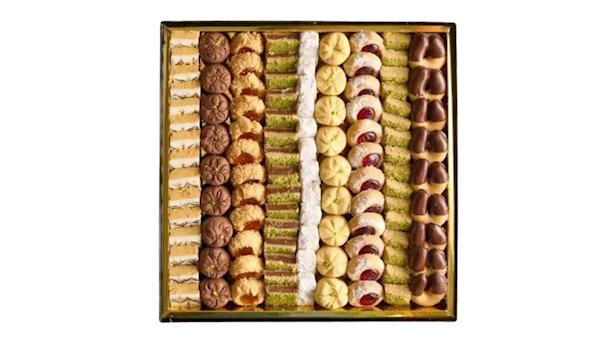
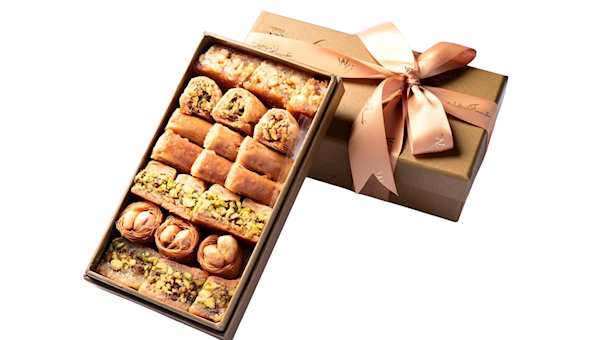
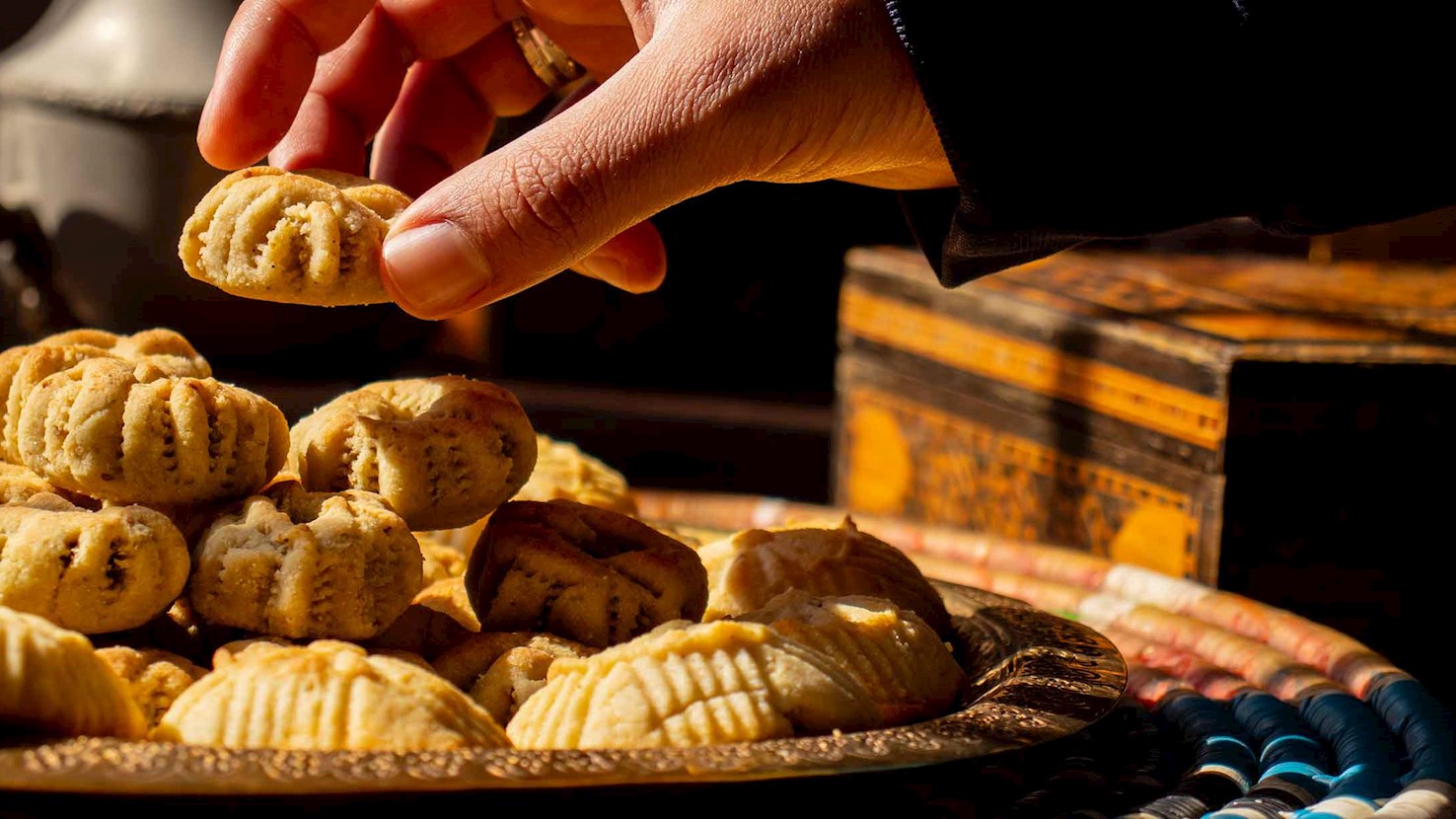
Ma’amoul is a filled baked pastry made from a short dough of semolina or flour and fat, shaped into small rounds or domes and filled with dates, walnuts, or pistachios, widely prepared across the eastern Mediterranean and the Levant, particularly in Lebanon, Syria, Palestine, Jordan, and parts of Iraq, where it is closely associated with religious holidays and communal baking. Its development is tied to the long cultivation of wheat, dates, and nuts in these regions and to festive baking practices that required pastries capable of being prepared in advance, stored briefly, and shared widely, with molded decoration emerging as a way to distinguish fillings and standardize appearance when large quantities were produced at home or in neighborhood bakeries. Preparation begins with a dough made from semolina or a semolina-flour mixture combined with clarified butter or oil, lightly sweetened and often scented with rose water or orange blossom water, rested to allow the grains to absorb fat, then portioned and filled with date paste or finely chopped nuts mixed with sugar and aromatic water, after which each piece is pressed into a carved wooden mold to imprint a pattern before being unmolded and baked until set but not deeply browned. Serving usually involves allowing the pastries to cool fully so the structure firms, with some versions dusted lightly with powdered sugar while others, especially date-filled ones, are left plain, and they are presented in assortments where shape and surface design indicate the filling inside rather than labeling. A defining feature of ma’amoul is the use of molded decoration as an integral part of the pastry rather than a garnish, creating a visual code that is widely understood within the region and allowing different fillings to coexist on the same plate without confusion. It is eaten primarily during major holidays and family gatherings, offered to guests in homes and served in cafés during festive periods, typically consumed by hand alongside plain coffee, Arabic coffee, or unsweetened tea, with the bitterness of the beverage balancing the richness of the dough and the sweetness of the filling.
Stuffed camel is a traditional Bedouin dish and a wedding tradition in the United Arab Emirates. In order to prepare it, the camel is skinned, trimmed, and cleaned. A few chickens, a lamb, and eggs are boiled, and the rice is cooked. The boiled eggs and rice are stuffed inside the chickens, the chickens are stuffed inside the lamb, and the stuffed lamb is stuffed inside the camel, which is cooked on a spit over an open flame. Fish can also be used in the stuffing, if desired. Once done, the stuffed camel is garnished with rice, nuts, and eggs. The dish is sometimes prepared by affluent Arab families and served to Sheikhs. It is also the record holder in the Guinness Book of Records as the largest dish on any menu.
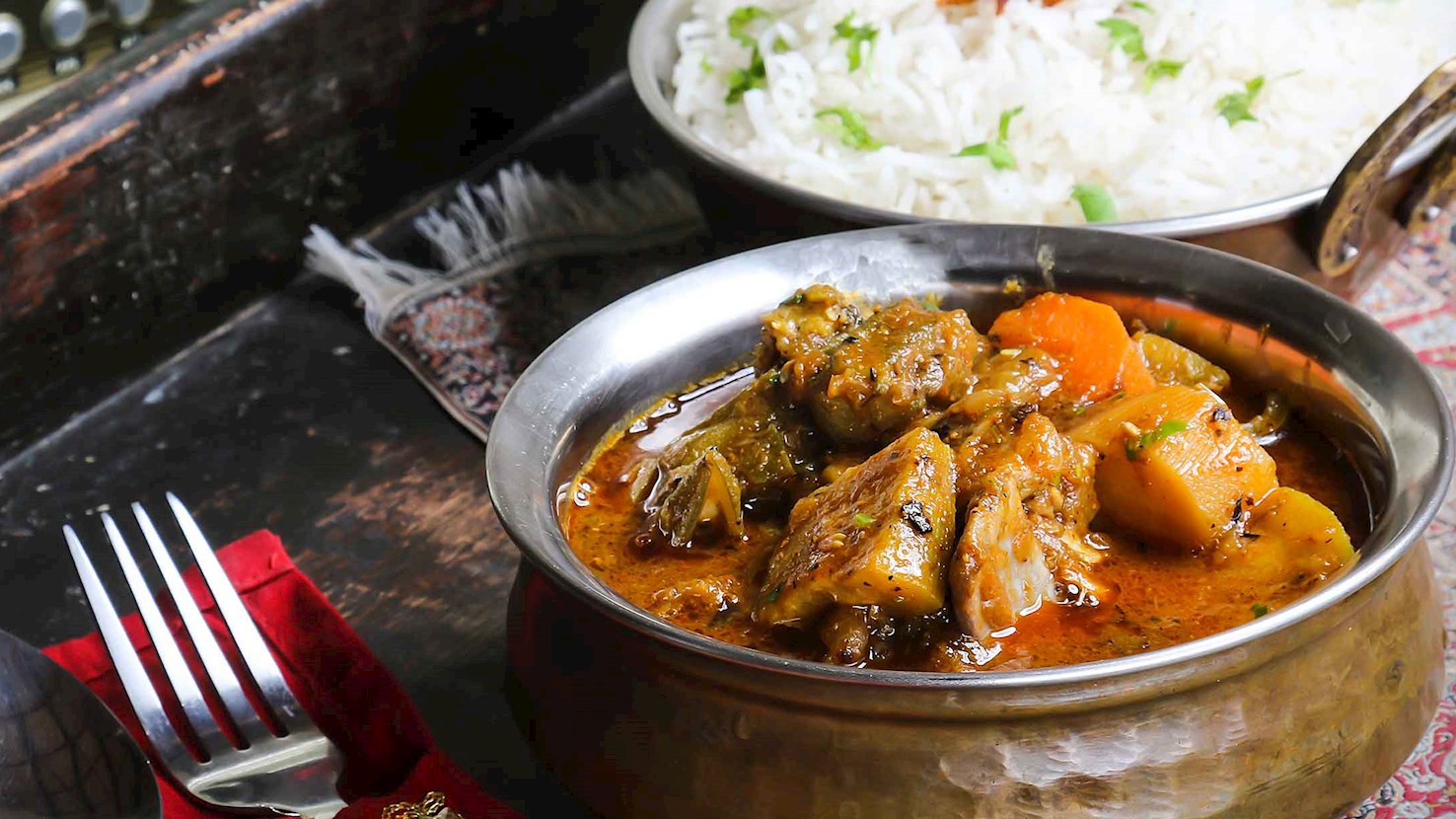
Saloona or salona is a classic Arabian stew that is usually enjoyed as an everyday, home cooked meal. The most common variety is prepared with chicken (dejaj), but vegetables, other types of meat such as beef or lamb, and fish can also be used as the main ingredient. Although it is quite versatile, saloona usually combines generously-seasoned, tomato-based broth with sautéed onions, garlic, ginger, vegetables, and the optional choice of the main ingredient. This hearty dish is believed to have Bedouin origins, and it is often prepared during the month of Ramadan. It is usually accompanied by rice or bread.
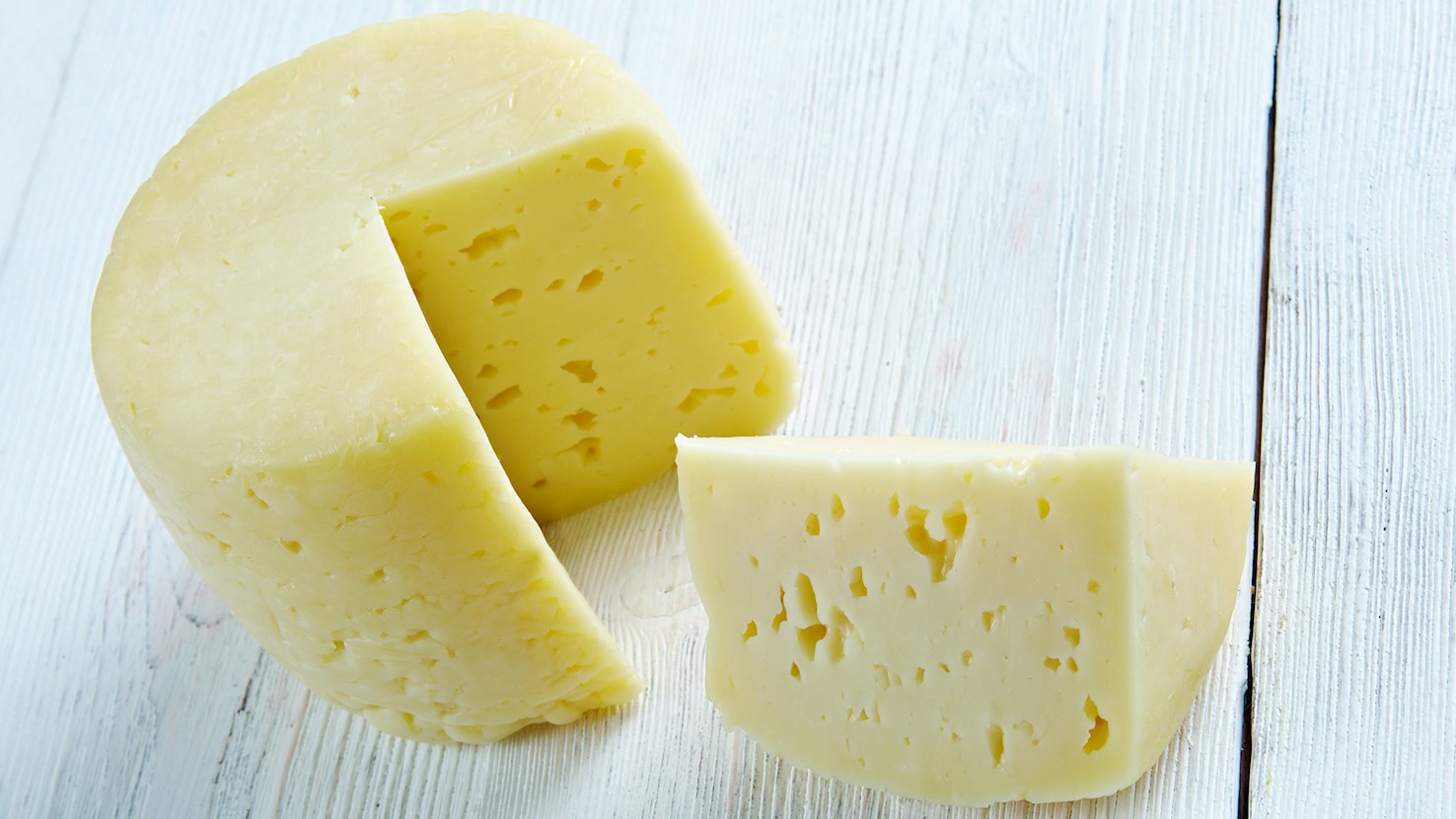
Jibneh Arabieh is a semi-hard cheese made from cow's milk, although it has originally been made from goat's or sheep's milk. It has origins in Israel and the Middle East. The cheese has a firm, open texture, and its flavor is very mild. It can be consumed on its own or paired with various vegetables and pickled olives. Jibneh Arabieh is also often fried in the pan, when it is usually combined with a few eggs.
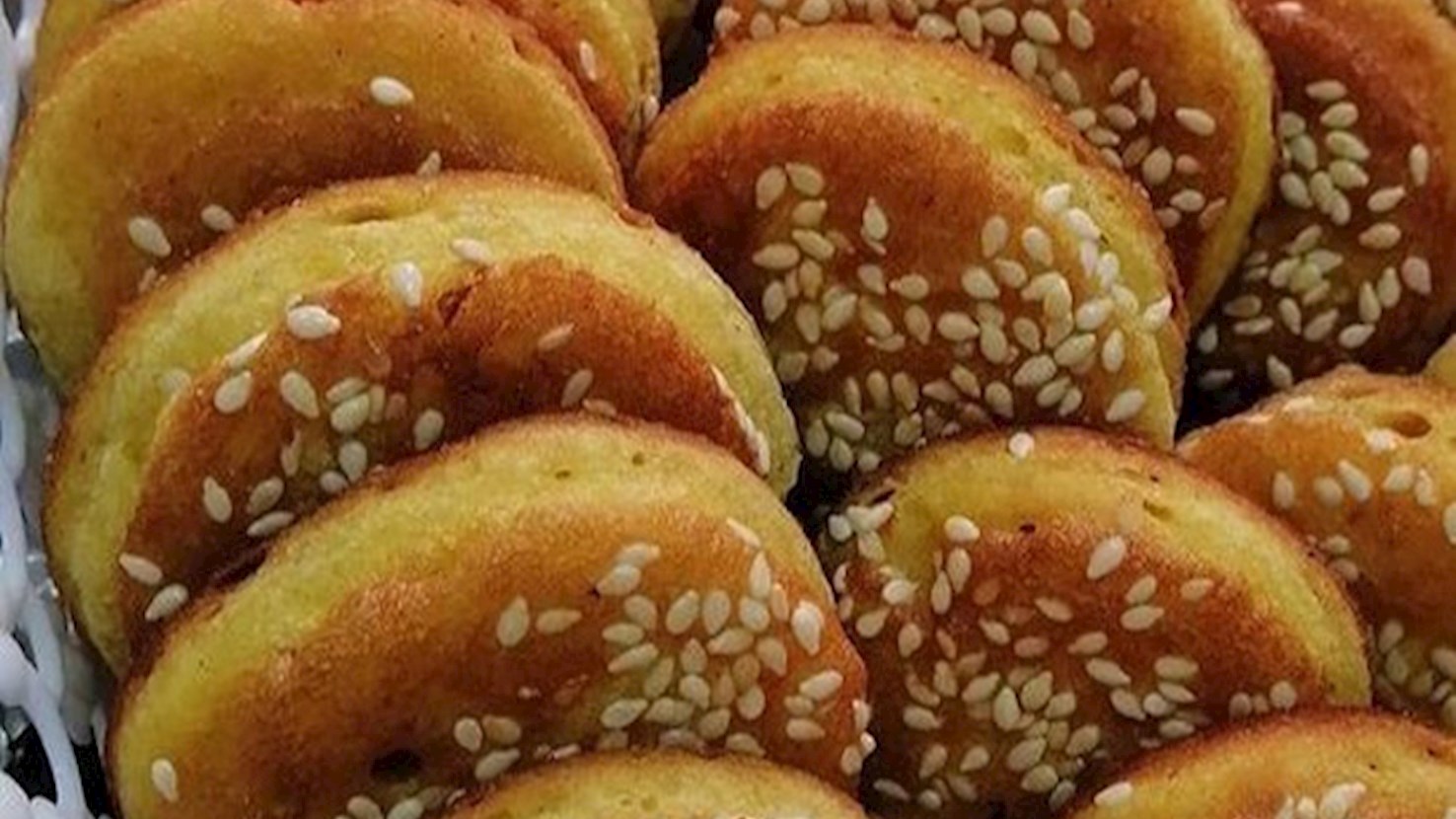
Khanfaroosh is a fried saffron and cardamom miniature cake originating from Bahrain and Qatar and prepared extensively throughout the coastal Arabian Gulf states including the United Arab Emirates, Kuwait, and Oman. The development of the pastry stemmed from Gulf port interactions with Indian Ocean maritime routes, combining imported Persian saffron, Sri Lankan cardamom, and rose water with rice flour or refined wheat flour and local date syrup or sugar. The name khanfaroosh traces linguistically to the Persian terms khan (table) and faroosh (spread), referencing its role as a core item laid out for social hospitality. Preparation begins by whisking eggs with sugar until aerated, then integrating a mixture of rice flour or all-purpose flour, ground cardamom, baking powder, and crushed saffron threads steeped in rose water into a thick pourable batter. Portions of the batter are shallow-fried in shallow pans or specialized multi-cavity molds containing hot oil or clarified butter (ghee) until both sides puff, brown, and form a crisp outer edge while maintaining a dense, sponge-like interior crumb. What distinguishes khanfaroosh from standard baked sponge cakes is the immediate shallow-frying process that caramelizes the exterior sugars rapidly without dehydrating the aromatic rose water and saffron oils held within the moisture of the crumb. Khanfaroosh is served warm or at room temperature on communal platters during morning breakfasts, afternoon family gatherings, holiday celebrations like Eid, and wedding receptions. Diners consume the cakes by hand, pairing them with cardamom-infused Arabic coffee (gahwa), spiced Karak milk tea, or hot black tea.
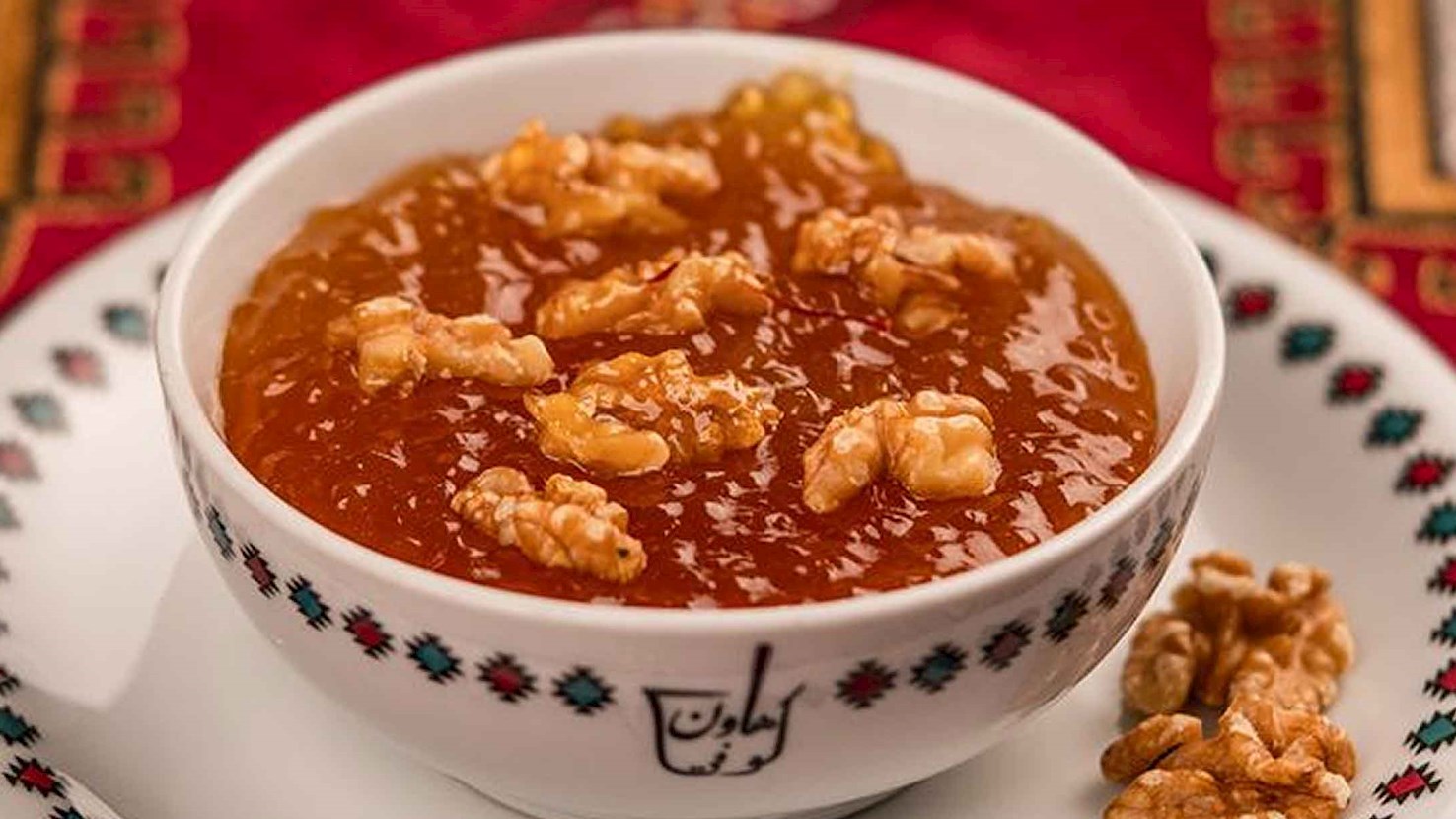
Sago halawa is a Qatari sweet pudding made with sago pearls, sugar, water, and butter (or ghee). It is flavored with cardamom, saffron, and rosewater and often garnished with walnuts or other nuts. The sago pearls are soaked in water for a few hours, then strained and added to the pot with sugar that's been previously caramelized. Next, the aromatics and the butter are added, and the mixture is stirred briefly over heat. The finished pudding is divided between bowls, garnished with walnuts or pistachios, and served chilled. Besides Qatar, sago halawa can also be found in other Gulf countries.
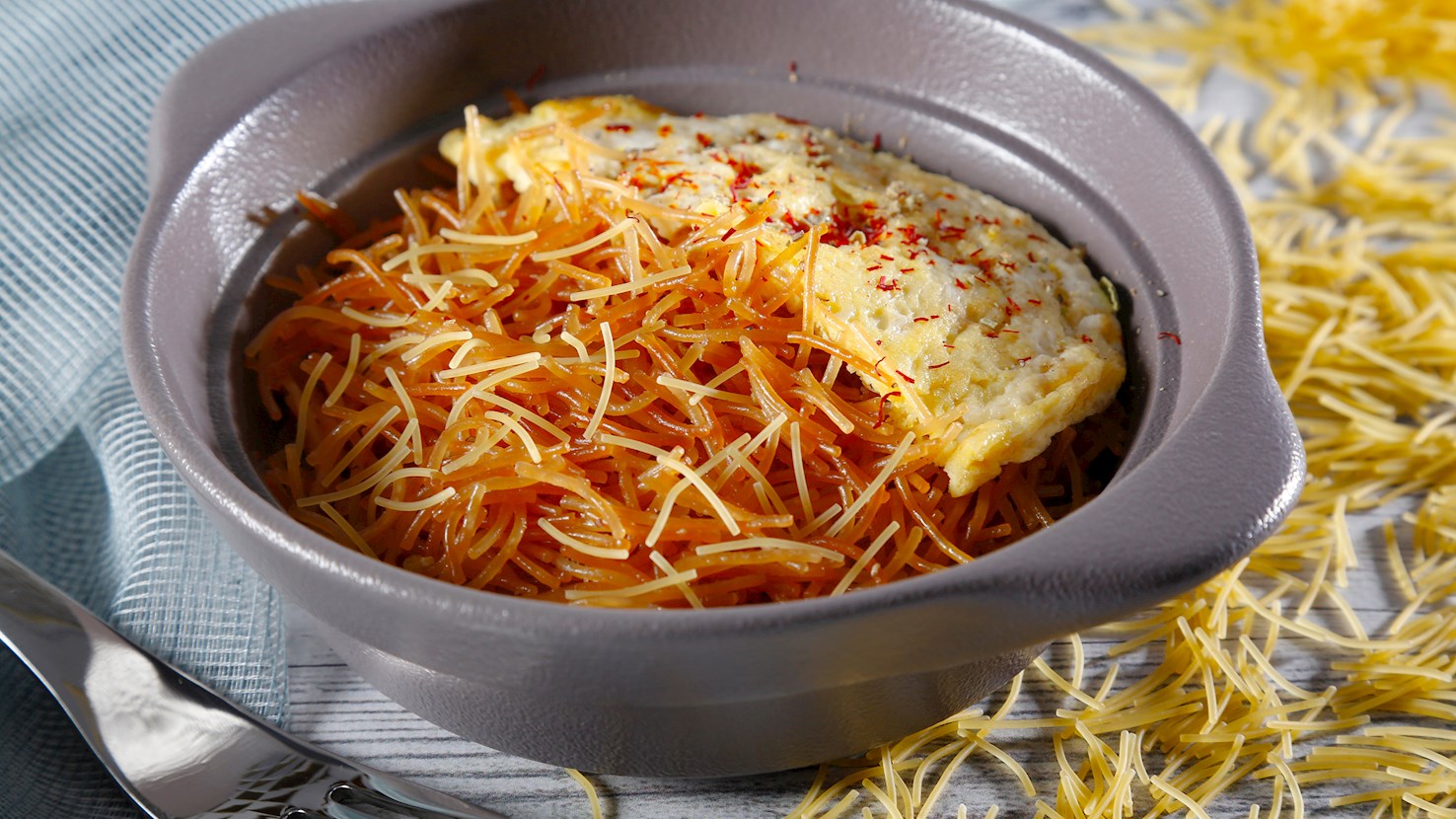
The sweet and savory balaleet is a breakfast dish that can be found in the Arab states of the Persian Gulf. It is typically made with vermicelli, eggs, cardamom, saffron, butter, and water, but it can also include rosewater, nuts, dried fruits, and honey. The aromatic mixture is topped with an omelet and served hot or cold, usually for breakfast. During the month of Ramadan, however, it is also served for dinner.
TasteAtlas food rankings are based on the ratings of the TasteAtlas audience, with a series of mechanisms that recognize real users and that ignore bot,
nationalist or local patriotic ratings, and give additional value to the ratings of users that the system recognizes as knowledgeable.
For the “Top 22 Emirati Foods” list until September 16, 2026, 1,295 ratings were recorded, of which 601 were recognized by the system as legitimate.
TasteAtlas Rankings should not be seen as the final global conclusion about food. Their purpose is to promote excellent local foods,
instill pride in traditional dishes, and arouse curiosity about dishes you haven’t tried.
The initial list of top producers was compiled based on available reviews, awards, local recommendations, media and blog coverage, and consumer reviews.
The list will be updated with ratings from TasteAtlas local ambassadors and TasteAtlas users.














What People Say