Top 38 Local Wines
in Alentejo

Last updated on September 02, 2026

Best Wines in the World
01

Cartuxa

5.0 ·

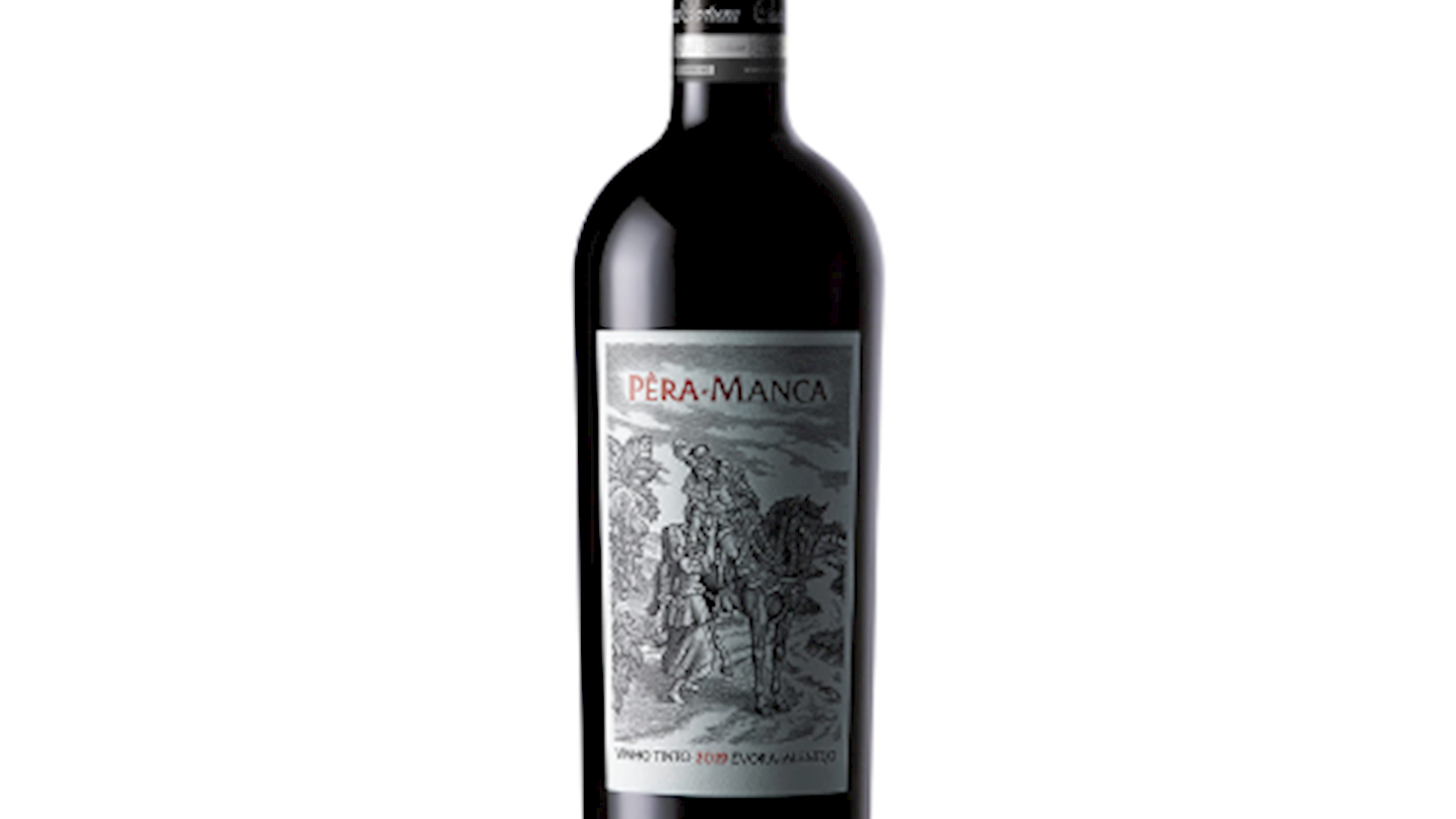
Cartuxa is a Portuguese wine producer based in the Alentejo region, closely associated with the Fundação Eugénio de Almeida, a foundation that manages the vineyards and winery near the historic city of Évora. The name Cartuxa derives from the nearby Santa Maria Scala Coeli Carthusian monastery, founded in the 16th century, which has long been part of the cultural and historical identity of the area.

Wine production takes place at Adega Cartuxa, located on the Quinta de Valbom estate, where grapes from surrounding vineyards are vinified and aged. The vineyards are planted on typical Alentejo soils and benefit from the region’s warm climate, which is well suited to varieties such as Aragonez, Trincadeira, Alicante Bouschet, Antão Vaz, Roupeiro, and Arinto.

The portfolio includes several wine ranges, notably EA, Cartuxa, Scala Coeli, and Pêra-Manca, the latter widely regarded as one of Portugal’s most prestigious wines. In addition to wine, the estate also produces extra virgin olive oil from its groves.

Revenue generated by these activities supports the cultural, educational, and social initiatives developed by the Fundação Eugénio de Almeida in the Alentejo region.

Awards
Vivino - 4.7
Vivino - 4.5
02

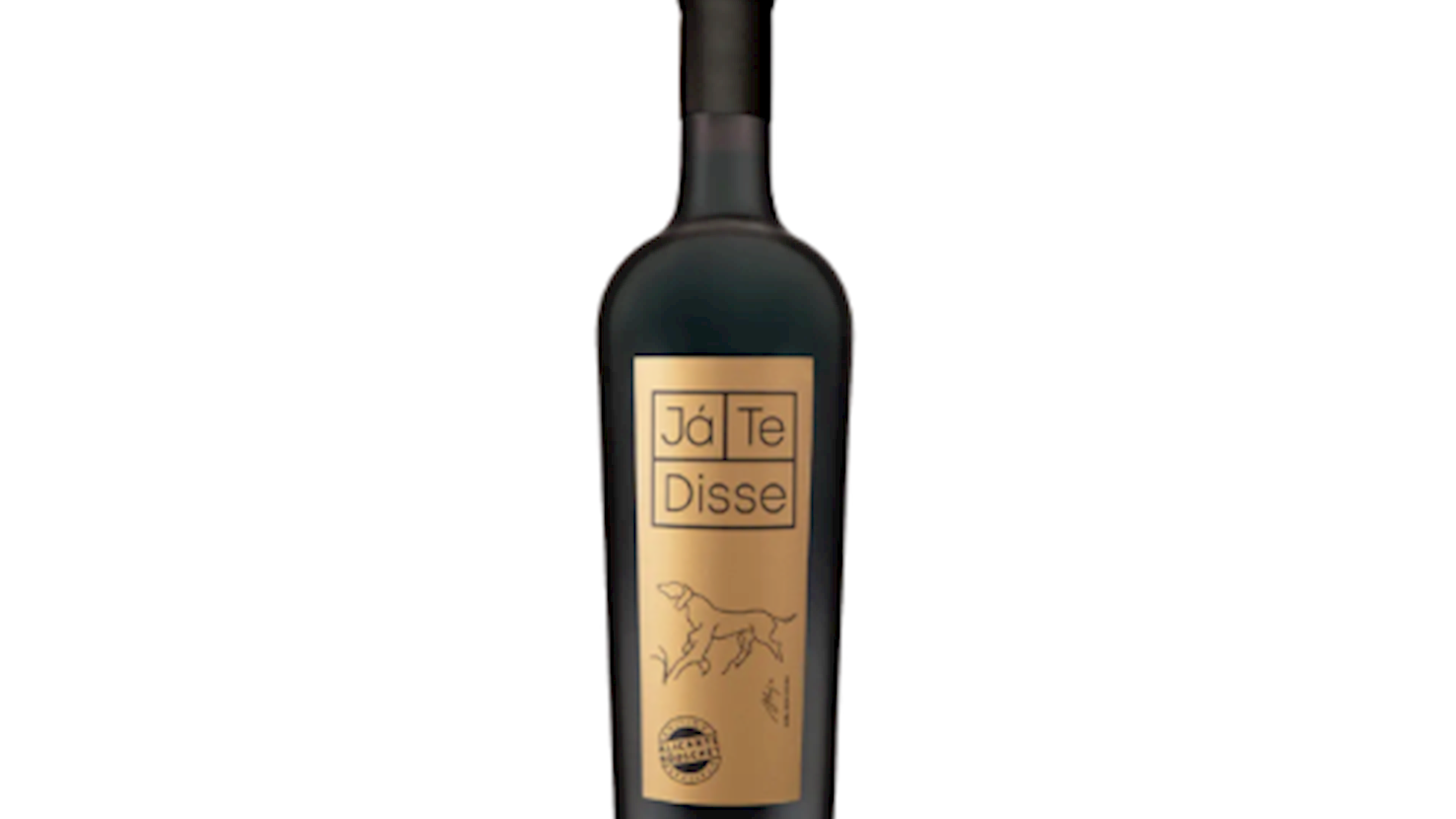
Já Te Disse

5.0 ·

Já Te Disse is an independent Portuguese wine project based in the Alentejo region, known for its modern and creative approach to winemaking. The winery focuses on producing wines in limited quantities, emphasizing the quality of the grapes and the authentic expression of the vineyards from southern Portugal.

The vineyards are located in the typical Alentejo landscape, where a warm and dry climate allows the grapes to reach full ripeness and develop concentrated aromas. Winemaking practices aim to preserve the natural fruit character and balance of the wines while maintaining a contemporary style.

The brand also stands out for its distinctive visual identity and playful name - “Já Te Disse” which in Portuguese translates to “I already told you”. This informal tone reflects the project’s intention to present Alentejo wines in a fresh and accessible way.

The wines are generally produced in small batches and target consumers interested in authentic and modern interpretations of Portuguese terroir. By combining traditional vineyard practices with a contemporary aesthetic and focused enological work, Já Te Disse represents a new generation of boutique wine initiatives emerging in Portugal.

03

Herdade Papa Leite

5.0 ·

Herdade Papa Leite is an estate and winery located in Alter do Chão, in the northern part of Portugal’s Alentejo wine region. The estate has a history that dates back to the 17th century and was traditionally dedicated to agriculture, including the cultivation of cereals, olive groves, and livestock farming, activities that remain part of its identity today.

Its modern development began when the property was acquired by Filipe Barreiros Cardoso, who set out to establish a wine project reflecting the character of this part of Alentejo. The vineyards are planted on clay-rich and mineral soils, while the combination of warm days and cooler nights allows the grapes to ripen fully while preserving natural freshness.

Both local and international grape varieties are used in production, including Cabernet Sauvignon, Cabernet Franc, and Merlot for red wines, as well as Viognier, Chenin Blanc, Semillon, and Moscatel for white wines. Grapes are often harvested at night to maintain their aromatic purity and quality before arriving at the winery.

The portfolio includes several wine lines that explore different styles and interpretations of the Alentejo terroir. A distinctive element of the brand identity is the artistic design of the labels, which illustrate stories and moments connected to life on the estate.

By combining the heritage of a historic property with a contemporary approach to viticulture and winemaking, Herdade Papa Leite aims to express the landscape, climate, and culture of northern Alentejo through its wines.

Awards
Vivino - 4.6
04

Herdade da Maroteira

5.0 ·

Herdade da Maroteira is a family-owned wine estate located in the Alentejo region of Portugal, on the slopes of the Serra d’Ossa mountains near the town of Redondo. The estate has been linked to the Anglo-Portuguese Reynolds family since the mid-19th century, when Robert Reynolds began managing cork oak forests that supplied cork for the port wine industry.

For many decades the property was primarily dedicated to cork production, livestock farming and olive cultivation, reflecting the traditional agricultural landscape of Alentejo. A significant transformation began in the early 2000s when Philip Mollet introduced vineyards and established a modern winemaking project on the estate.

The first plantings focused on Syrah, which proved particularly well suited to the local conditions and led to the creation of the winery’s flagship wine, Cem Reis. Over time the vineyards expanded to include varieties such as Alicante Bouschet, Aragonez and Touriga Nacional, planted on clay-limestone soils typical of the region.

Grapes are harvested by hand, often during the night to preserve freshness and aromatic intensity. Today the estate combines vineyards, cork oak forests and traditional Alentejo landscapes, while the winery produces wines that balance ripe fruit, structure and the distinctive character of the local terroir.

The portfolio includes labels such as Mil Reis, Cem Reis and Dez Tostões, reflecting both modern winemaking and the agricultural heritage of the property.

Awards
Vivino - 4.6
Vivino - 4.7
05

Mainova

4.9 ·
Awards
Decanter World Wine Awards - Platinum (2021)
Concours Mondial de Bruxelles - Grande Médaille d'or (2021)
06

Monge e Filhas Vinhos de Serpa

4.9 ·

Monge e Filhas Vinhos de Serpa is a family-owned winery located in the town of Serpa in the Portuguese wine region of Alentejo, an area known for its long-standing winemaking tradition and distinctive southern terroir. The project was founded by Matias and Maria Antonia Monge, who returned to Portugal from the United States in 2002 with the intention of developing a winery on land connected to their family heritage.

Their venture began with the acquisition of the Vale do Chafariz estate, a property of around 45 hectares where the first vineyards were planted in 2005 with grape varieties such as Shiraz, Touriga Nacional, and Cabernet Sauvignon. In the following years the vineyards were expanded with additional varieties including Alicante Bouschet, Chardonnay, Viognier, and Arinto, creating a diverse range of grapes suited to the Alentejo climate.

The winery itself was officially established in 2013, allowing the family to begin producing wines under their own label. The company later expanded its holdings with the Santa Maria do Guadiana estate, located on hills overlooking the Guadiana River near the border between Portugal and Spain.

The warm climate, combined with varied soils and careful vineyard management, contributes to wines that reflect the character of the Serpa subregion. Monge e Filhas produces several wine ranges, including Encostas de Serpa, varietal wines, reserves, and limited editions.

Through its work the Monge family seeks to combine modern winemaking practices with regional tradition, expressing the landscape and identity of southern Alentejo in their wines.

Awards
Vivino - 4.5
07

Bacalhôa

4.9 ·

Bacalhôa is one of the most important and innovative wine producers in Portugal, with roots dating back to 1922 and vineyards and cellars spread across several key regions, including Alentejo, Setúbal, Dão and Douro. The group manages around 1,200 hectares of vineyards and works with a wide range of native and international grape varieties, which enables a diverse and comprehensive portfolio.

At the core of its identity is the historic Quinta da Bacalhôa estate in Azeitão, renowned for its Renaissance palace, gardens and cultural heritage that reflects the company’s philosophy of “Art, Wine & Passion”. Bacalhôa played a central role in modernizing Portugal’s wine industry in the late 20th century, shifting from bulk production toward premium, technologically refined winemaking.

Its wines are characterized by balance, clarity of expression and strong regional identity, while visits to its estates offer a distinctive enotourism experience that blends wine, architecture and art.

Awards
Decanter World Wine Awards - Best in Show (2024, 2016)
Decanter World Wine Awards - Platinum (2024, 2021, 2016)
08

Tiago Cabaço

4.9 ·

Tiago Cabaço Winery is a Portuguese winery located in the town of Estremoz in the Alentejo wine region, an area known for its warm climate and long winemaking tradition. The winery was founded in 2004 by winemaker Tiago Cabaço, who grew up in a family of wine producers and was involved in vineyard and cellar work from an early age.

His project was created with the aim of presenting a modern expression of Alentejo wines while combining traditional vineyard knowledge with contemporary winemaking techniques. The vineyards are located around Estremoz on soils that favor concentration and structure in the grapes.

The winery works with several indigenous Portuguese varieties typical of the region, including Aragonez, Alicante Bouschet, Trincadeira, and Touriga Nacional. Tiago Cabaço’s wines are characterized by pronounced fruit expression, balanced structure, and a modern approach to vinification.

Today the winery is considered part of a new generation of Alentejo producers focused on maintaining regional identity while creating wines with a contemporary style.

Awards
Decanter World Wine Awards - Platinum (2020)
Decanter World Wine Awards - Best in Show (2017)
09

Adega Mayor

4.9 ·

Adega Mayor is a Portuguese winery located in Campo Maior in the Alto Alentejo region, established as a project by Rui Nabeiro, founder of the Nabeiro Group known for the Delta Cafés brand. The first vineyards were planted in 1997, while the modern winery building was inaugurated in 2007 and designed by renowned Portuguese architect Álvaro Siza Vieira.

The estate is surrounded by the typical Alentejo landscape of vineyards, olive groves, and cork oak forests, contributing to the distinct character of the local terroir. The vineyards are planted with regional grape varieties such as Aragonez, Alicante Bouschet, Touriga Nacional, and Trincadeira, along with some international varieties.

In the cellar the winery combines modern winemaking techniques with traditional practices to preserve the authentic expression of the grapes. The portfolio includes several wine ranges, from more approachable labels such as Caiado to more complex wines like Reserva do Comendador and Pai Chão Grande Reserva.

Today Adega Mayor is recognized as one of the contemporary producers of Alentejo, combining modern architecture, family vision, and regional winemaking tradition.

Awards
Vivino - 4.5
Vivino - 4.2
10

Pêra-Grave

4.8 ·

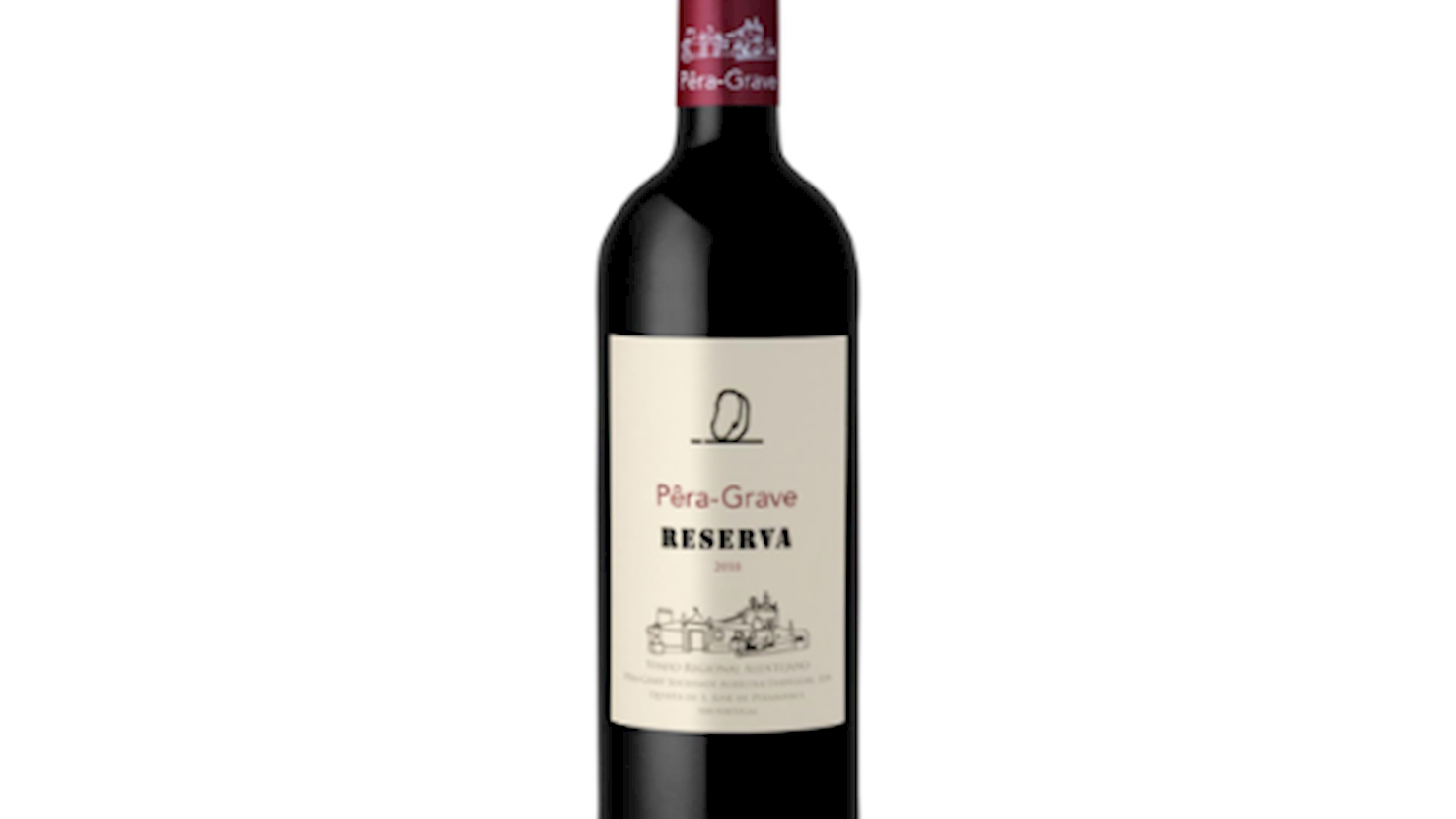
Pêra-Grave is a family winery located at the Quinta de São José de Peramanca estate, about five kilometers from the city of Évora in Portugal’s Alentejo wine region. The estate has been connected to the Grave family since 1913, when the great-grandfather of the current owner João Grave acquired the property and established the foundations of the family’s agricultural activity.

The vineyards lie in the historic area of Peramanca, a terroir known for its long winemaking tradition, where wines have been produced and valued since the 16th century. The soils are predominantly granitic, which helps retain moisture and contributes to the structure and mineral character of the wines.

In the early 2000s the estate planted modern vineyards with grape varieties such as Touriga Nacional, Syrah, Petit Syrah, Alicante Bouschet, Cabernet Sauvignon, and Touriga Franca, along with white varieties including Arinto, Verdelho, and Alvarinho. The winery produces several wine labels, including Pêra-Grave Tinto, Pêra-Grave Branco, Reserva, and Pêra Velha Grande Reserva.

Through the work of the Grave family, the project combines the historical heritage of the Peramanca terroir with contemporary viticulture and winemaking practices, creating wines that reflect the identity and tradition of the Évora area in Alentejo.

Awards
Decanter World Wine Awards - Platinum (2016)
Vivino - 4.3

Best Wine Types in the World
01

Moscatel de Setúbal

4.1 ·

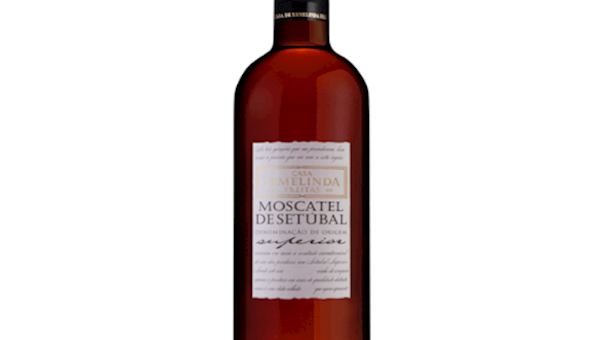
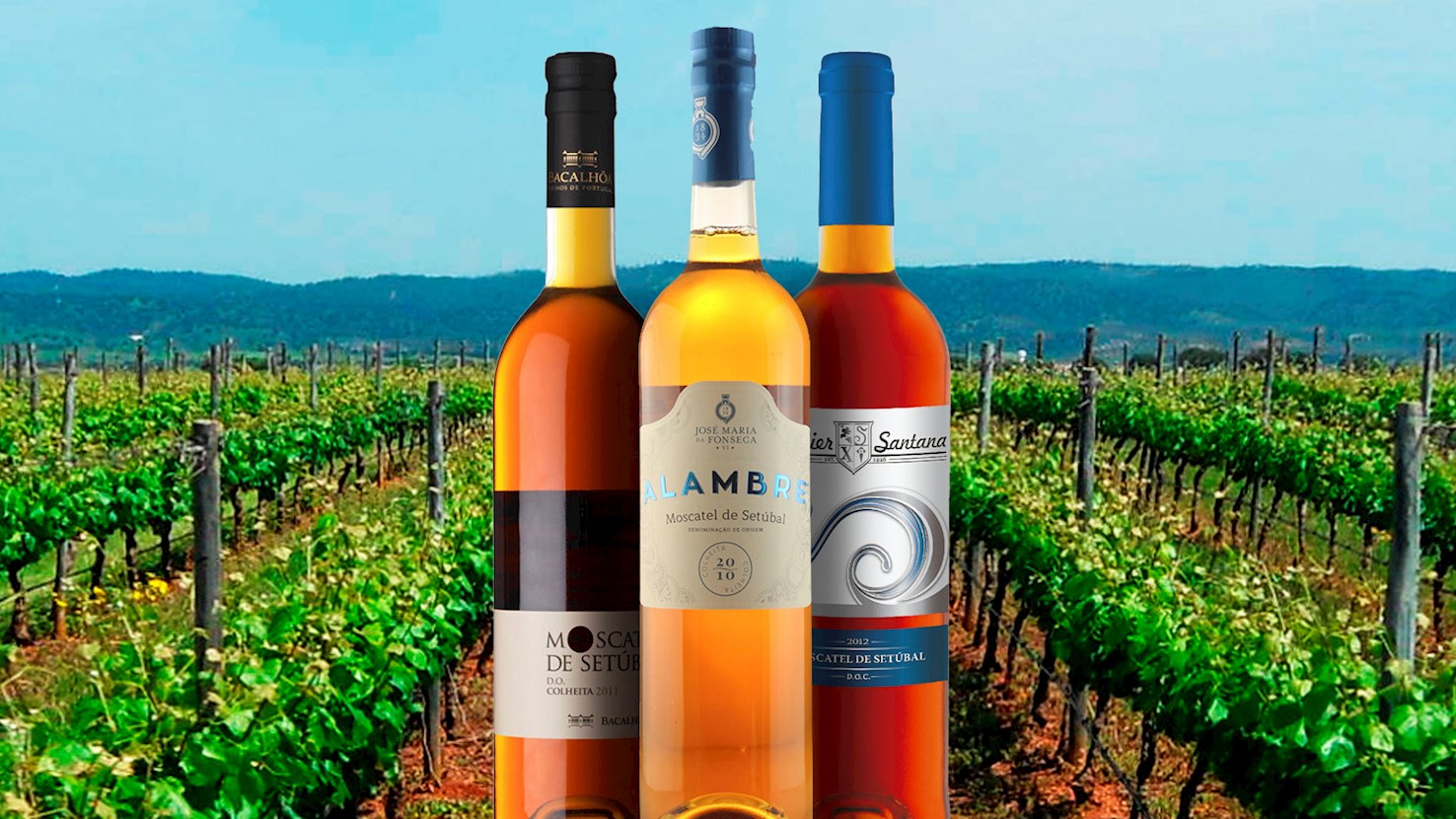
Moscatel de Setúbal is a fortified dessert wine produced on the Portuguese Setúbal peninsula. Primarily made from Moscatel de Setúbal, internationally known as Muscat of Alexandria, the wines are fortified with grape brandy and are then aged for a minimum of eighteen months. The color of these sweet wines ranges from golden to amber, and their main aromas include a complex combination of honey, caramel, orange blossom, spices, and acacia notes. These luscious wines are great enjoyed on their own, but they also naturally pair with caramel-based or dry desserts and soft-centered cheese.

02

Fernão Pires

3.6 ·

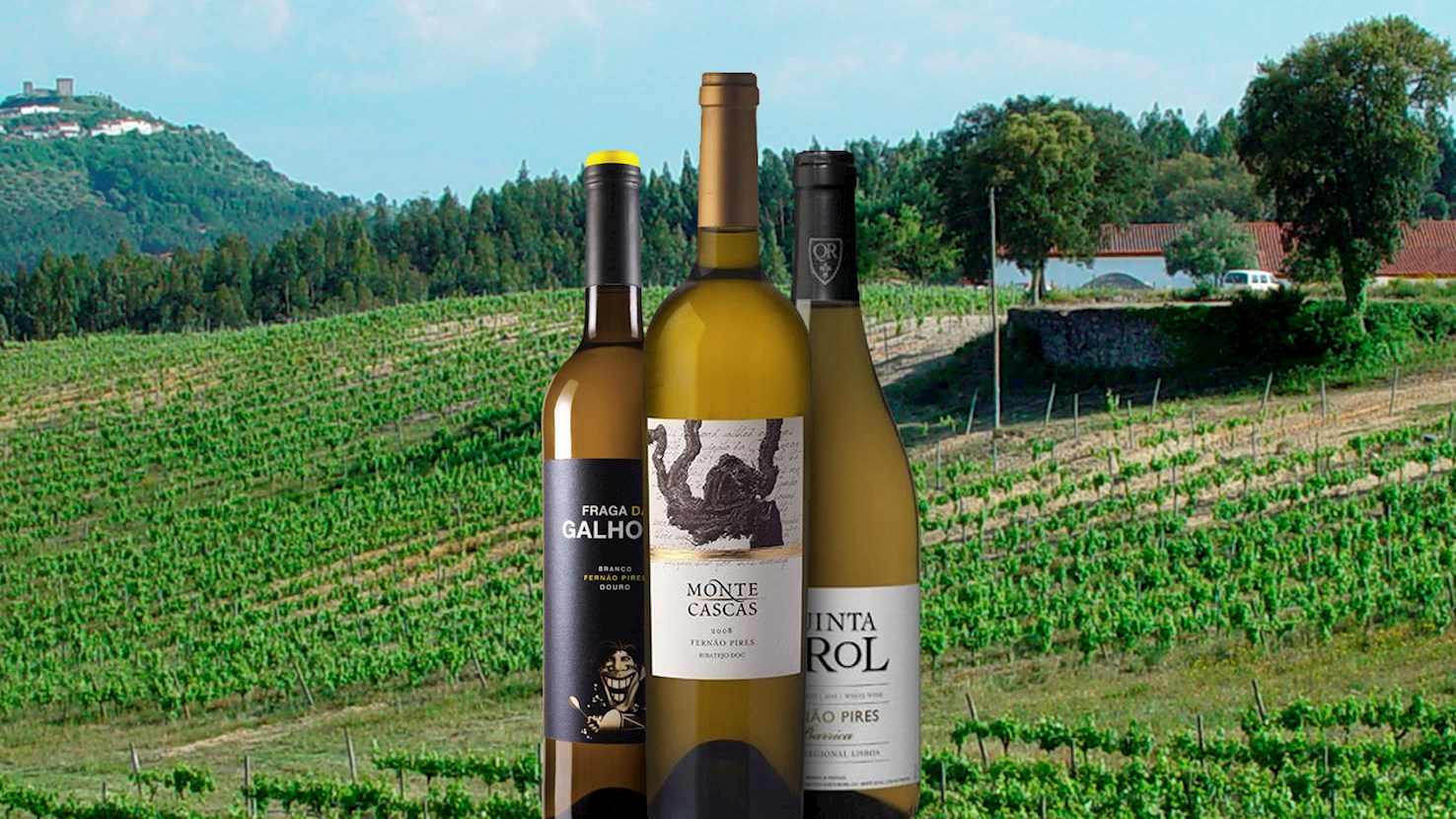
Fernão Pires is a white grape native to Portugal that is mostly associated with the wine regions of Tejo (Ribatejo) and Bairrada (where it is known as Maria Gomes). The grape is used in either varietals or blends, and it is also suitable for the production of sparkling and dessert wines. The best expressions of the grape produce highly aromatic dry wines that will usually display floral and fruity aromas reminiscent of roses and citrus fruit such as lime, lemon, orange, and mandarins. These wines are best enjoyed young, and they are best paired with fish, poultry, or pork. They can also be a good match to fresh, lightly spiced Asian dishes.

03

Castelão

3.3 ·

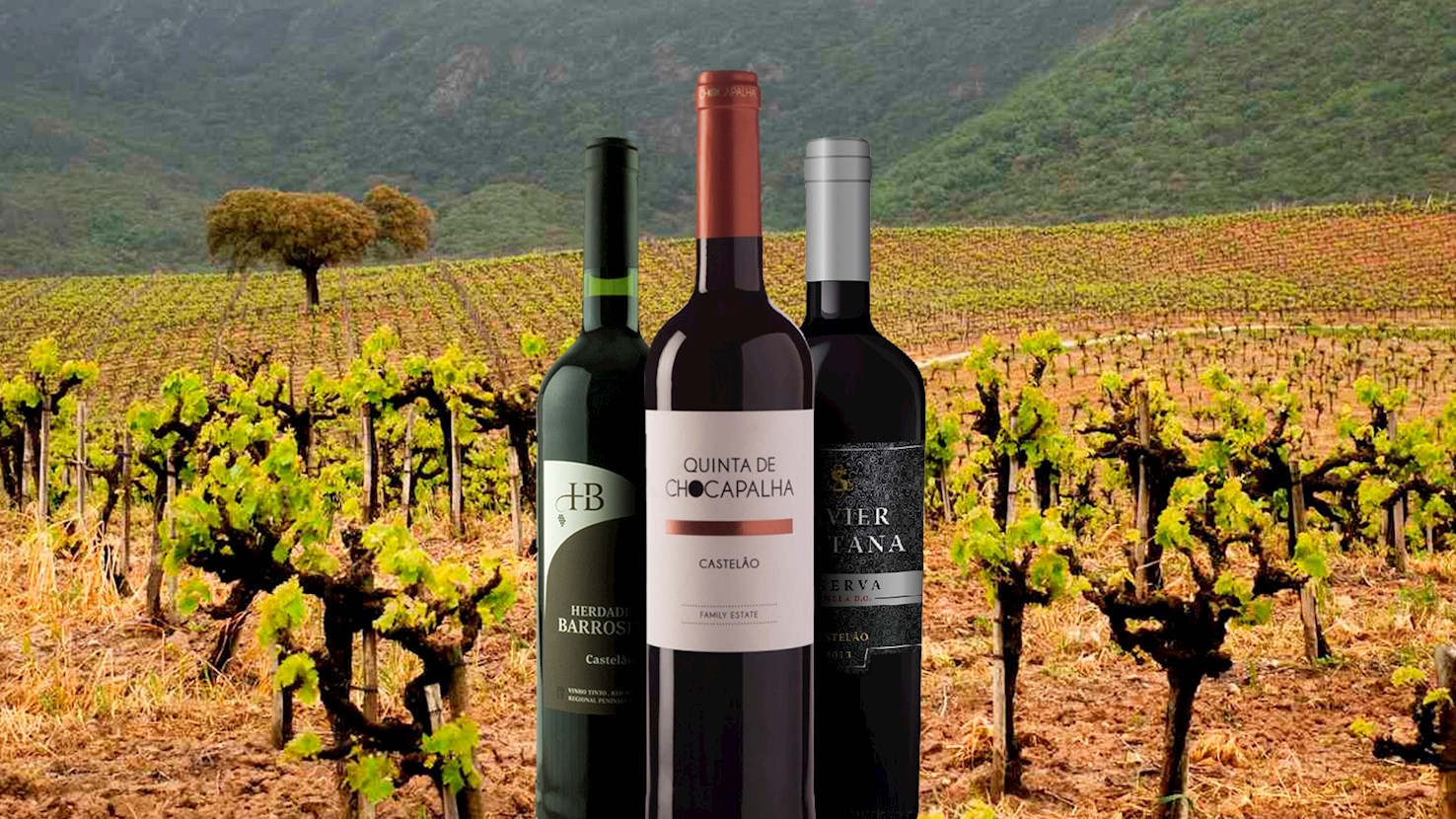
Castelão is a native Portuguese red-skinned grape that is mostly associated with sandy soils of Setúbal, but it is also grown in Tejo and Alentejo. It is one of the most commonly planted Portuguese grapes that is known under various synonyms and is used for both varietals and blends. Although the character of these wines can slightly differ depending on soil and the region, the best expressions of Castelão will result in somewhat rustic, well-structured wines with bright acidity and firm tannins. With age, the tannins tend to become more mellow and softer. These fruity wines will usually display aromas and flavors of red currant, plum jam, and berries. They are typically food-friendly and can be an excellent match to various red meat, poultry, or seafood dishes and charcuterie.

04

Antão Vaz

n/a ·

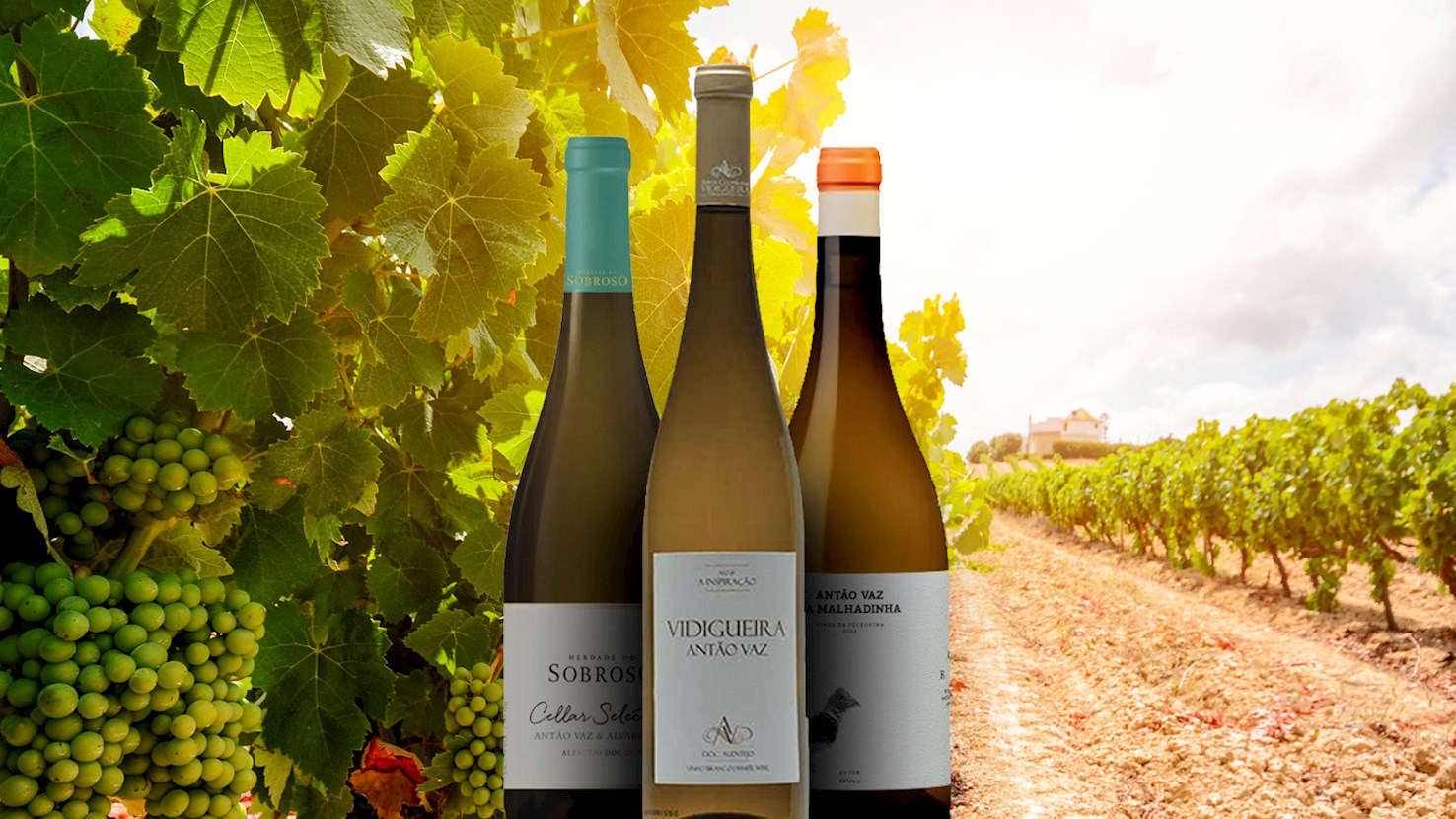
Antão Vaz is a native Portuguese grape that can produce versatile white wines of excellent quality. It is a tough and resilient white grape that is considered a signature variety in Alentejo, where it prospers in a dry and warm climate. The grape is used in varietals and blends. It is usually combined with varieties that provide higher acidity. Depending on the vinification and the terroir, it can produce wine of different characters. When harvested earlier, the wines will be vibrant, low in alcohol, and have better acidity. Fully ripen grape produce wines with more complex aromas and a full body that are suitable for barrel aging. Typical aromas found in these wines include tropical fruit and citruses, with some toasty and nutty notes present in ripe examples. Antão Vaz perfectly pairs with fish, poultry, and vegetables. It is an ideal pairing with different cod (bacalhau) dishes.

Best producers
05

Sercialinho

n/a ·

Sercialinho is a Portuguese grape variety created in the 1950s at the Alcobaça research center in Bairrada. For some time, it was believed to be a cross of Sercial and Alvarinho, but ti was most likely created as a cross of Uva Cão and Vital. The grape is rare and mostly used in blends, providing freshness and a bright, fruity aroma. It is rarely used as a varietal, but some producers have created interesting varietal examples, proving that the grape could have more potential. The wines are crisp and aromatic, usually high in acidity and alcohol, while the aroma is reminiscent of green apples and pears, sometimes with a touch of honey. The grape should not be confused with Sercial, Cerceal, and Cercial—which are all native Portuguese grapes. Sercialinho is still mainly grown in Bairrada. The wines would pair with fish, poultry, salads, and Asian fare.

06

Península de Setúbal

n/a ·

Península de Setúbal is a Portuguese wine region located south of Lisbon, extending across the district of Setúbal between the estuaries of the Tagus and Sado rivers. It is defined by two distinct topographical zones: the mountainous Serra da Arrábida, which features clay-limestone soils and a cooler maritime climate, and the vast sandy plains of Palmela and Pegões, which experience higher thermal amplitudes. The region produces a diverse range of items, including the red wines of the Palmela DOC, the fortified Moscatel de Setúbal DOC, and various regional wines under the Península de Setúbal IG (Geographical Indication) status. Viticulture in this territory was established by the Phoenicians around 600 BC, who introduced grapevines and olive trees to the Sado estuary. The region's modern regulatory framework was initiated in 1907 with the official demarcation of the Setúbal region, making it the second oldest demarcated wine region in Portugal. Preparation of the region's wines varies by style but is centered on specific varietal requirements. Red wines from the Palmela DOC must contain at least 67% of the Castelão grape, which thrives in the deep sandy soils to produce structured wines with cherry and raspberry notes. The fortified Moscatel de Setúbal is produced by adding grape brandy (aguardente) to halt fermentation, followed by a unique post-fortification maceration where the wine remains in contact with the grape skins for three to six months to extract intense floral and citrus aromatics. Serving standards for the red wines suggest a temperature of 16°C to 18°C, while the fortified Moscatel is served chilled at 10°C to 12°C as an aperitif, or slightly warmer at 14°C to 16°C when aged. A specific technical phenomenon historically associated with this region is the torna-viagem (return trip); in the 19th century, barrels of Moscatel were transported on long sea voyages to Brazil or India, where the heat and motion of the ship accelerated the aging process and increased the wine's concentration. The wine is consumed in conjunction with the robust gastronomy of the Setúbal district and is a standard offering in Portuguese garrafeiras and restaurants. It is paired with grilled sardines or black pork (Porco Preto), as the acidity of the regional reds and whites balances the oils and fats of these proteins. In terms of beverage pairings, the fortified Moscatel de Setúbal is served with Azeitão cheese, a local sheep's milk cheese with a characteristic salty and creamy profile, or with citrus-based desserts and dark chocolate, which echo the wine's orange peel and honey notes. For non-alcoholic alternatives, the palate is often refreshed with chilled sparkling water with a slice of orange or earl grey tea, which provides a similar tannic and citrus backbone to the experience.

07

Alentejano

n/a ·

Alentejano is a geographical indication used for wines produced in the southern-central region of Portugal, an expansive territory that covers nearly one-third of the country's landmass. The term refers specifically to the Vinho Regional Alentejano (IGP) classification, which encompasses the entire Alentejo province. This classification is distinct from the more restrictive Alentejo DOC (Denominação de Origem Controlada), which is limited to eight specific sub-regions: Portalegre, Borba, Redondo, Reguengos, Vidigueira, Évora, Granja-Amareleja, and Moura. The region is characterized by vast, undulating plains of cork oak and olive trees, with a Mediterranean-continental climate featuring high thermal amplitude and low annual rainfall. Viticulture in this area was established during the Roman occupation of the Iberian Peninsula, with archaeological evidence of clay fermentation vessels and carbonized seeds dating back to the 1st century BC. Following a period of decline during the 20th century, when the region was primarily utilized for cereal production as the "granary of Portugal," the wine industry underwent a technological restructuring after Portugal joined the European Union in 1986. Preparation of Alentejano wine involves the fermentation of both indigenous and international grape varieties, a flexibility permitted by the Vinho Regional status. Red wines are typically composed of blends including Aragonez (Tempranillo), Trincadeira, and Alicante Bouschet, often supplemented with Syrah or Cabernet Sauvignon to enhance structure and color. White wines are produced from varieties such as Antão Vaz, Arinto, and Roupeiro. The winemaking process generally utilizes temperature-controlled stainless steel vats to preserve primary fruit aromatics, although premium tiers are aged in French or American oak barrels to develop secondary notes of cocoa and spice. A specific technical feature of the region is the use of talhas, which are large clay amphorae used for fermentation and maceration; in this process, the wine remains in contact with the skins and stems until mid-November. Serving standards for red Alentejano wines dictate a temperature between 16°C and 18°C, while whites are served at 10°C to 12°C. The wine is consumed as a standard accompaniment to the gastronomy of southern Portugal and is widely available in international markets. It is eaten alongside heavy, savory dishes such as ensopado de borrego (lamb stew) or roasted pork with migas (a dish of fried breadcrumbs and garlic), where the wine's fruit intensity and tannin structure balance the richness of the meat. In terms of beverage pairings, the robust reds are served with aged sheep cheeses like Queijo de Évora, while the full-bodied whites are paired with grilled Atlantic fish or seafood rice. For non-alcoholic alternatives, the flavor profile is mirrored by dark berry infusions or herbal teas such as rosemary or thyme, which align with the earthy and vegetal notes often found in the region's red blends.

08

Évora

n/a ·

Wine originating from the Évora sub-region of the Alentejo Protected Designation of Origin (PDO) represent a distinct viticultural zone in south-central Portugal. This specific viticultural zone surrounds the city of Évora and is characterized by a landscape of gently undulating plains and a climate defined by high solar radiation and low annual precipitation. Archaeological evidence within the Évora city limits, including Roman-era stone lagares used for treading grapes, indicates that viticultural activity has been continuous in this specific location since at least the 1st century AD. The geological foundation of the sub-region is predominantly composed of brown and red Mediterranean soils derived from granite and diorite, which provide a high mineral content and allow for deep root systems in the vines. Preparation of Évora wine relies on specific varieties adapted to high heat, including Trincadeira, Aragonez, and Alicante Bouschet for red wines, and Arinto and Roupeiro for white wines. During the winemaking process, grapes are harvested early in the morning to preserve natural acidity before being subjected to temperature-controlled fermentation in stainless steel or, in specific regional instances, within clay talhas that utilize the thermal inertia of the vessel to manage yeast activity. A technical attribute of the Évora sub-region is the presence of older, low-yielding vineyards that produce fruit with a high concentration of extract and tannins compared to the more expansive southern sub-regions. Red wines from Évora are served at 16°C to 18°C, while whites are served at 10°C to 12°C to emphasize their aromatic complexity. The wine is consumed primarily as a mealtime beverage and is a standard component of the regional diet across the Alentejo province. It is frequently paired with local high-protein dishes such as Alentejo-style pork with clams (carne de porco à alentejana), grilled lamb chops seasoned with wild herbs, or cured sheep's milk cheeses, and the white varieties are often served with salt-cod (bacalhau) preparations or roasted poultry.

Best producers
09

Alentejo

n/a ·

Alentejo constitute the diverse range of wines produced within the south-central territory of Portugal, an expansive viticultural area that spans nearly one-third of the nation’s landmass. The region is divided into eight distinct sub-regions: Portalegre, Borba, Redondo, Reguengos, Vidigueira, Évora, Granja-Amareleja, and Moura. Viticulture in this area dates back to the Roman presence in the Iberian Peninsula, with archaeological findings of clay vessels and carbonized grape seeds indicating organized wine production as early as the 1st century BC. The geological landscape is diverse, featuring soils of granite, schist, and limestone, while the climate is predominantly Mediterranean with continental influences, characterized by high thermal amplitude and low annual rainfall. Preparation of Alentejo wine involves a blend of indigenous varieties such as Trincadeira, Aragonez, and Alicante Bouschet for reds, and Antão Vaz, Arinto, and Roupeiro for whites. Winemaking techniques range from modern temperature-controlled stainless steel fermentation to a specific regional practice using large clay amphorae, known as talhas. In the talha process, the crushed grapes and stalks are placed inside the vessels, and a layer of olive oil is often used to seal the top and prevent oxidation during the fermentation and maceration stages. Red wines from Alentejo are served at 16°C to 18°C, while whites are typically served at 10°C to 12°C. A unique technical aspect of the region is the widespread use of cork for sealing, as Alentejo is the global center of cork oak production. Alentejo wine is consumed as a staple accompaniment to regional Portuguese cuisine and is found in both local taverns and international fine dining establishments. It is frequently paired with heavy, savory dishes such as ensopado de borrego (lamb stew), roasted pork with migas (bread crumbs), or aged sheep cheeses like Queijo de Azeitao, while the crisp whites are served alongside grilled Atlantic fish or shellfish.

About this Ranking

TasteAtlas food rankings are based on the ratings of the TasteAtlas audience, with a series of mechanisms that recognize real users and that ignore bot, nationalist or local patriotic ratings, and give additional value to the ratings of users that the system recognizes as knowledgeable.

TasteAtlas Rankings should not be seen as the final global conclusion about food. Their purpose is to promote excellent local foods, instill pride in traditional dishes, and arouse curiosity about dishes you haven’t tried.

The initial list of top producers was compiled based on available reviews, awards, local recommendations, media and blog coverage, and consumer reviews. The list will be updated with ratings from TasteAtlas local ambassadors and TasteAtlas users.

What People Say

Similar Lists