shutterstock

Top 100 Greek Foods

Last updated on June 24, 2026

Best Greek foods

01
Cheese

Graviera Naxou

4.6 ·

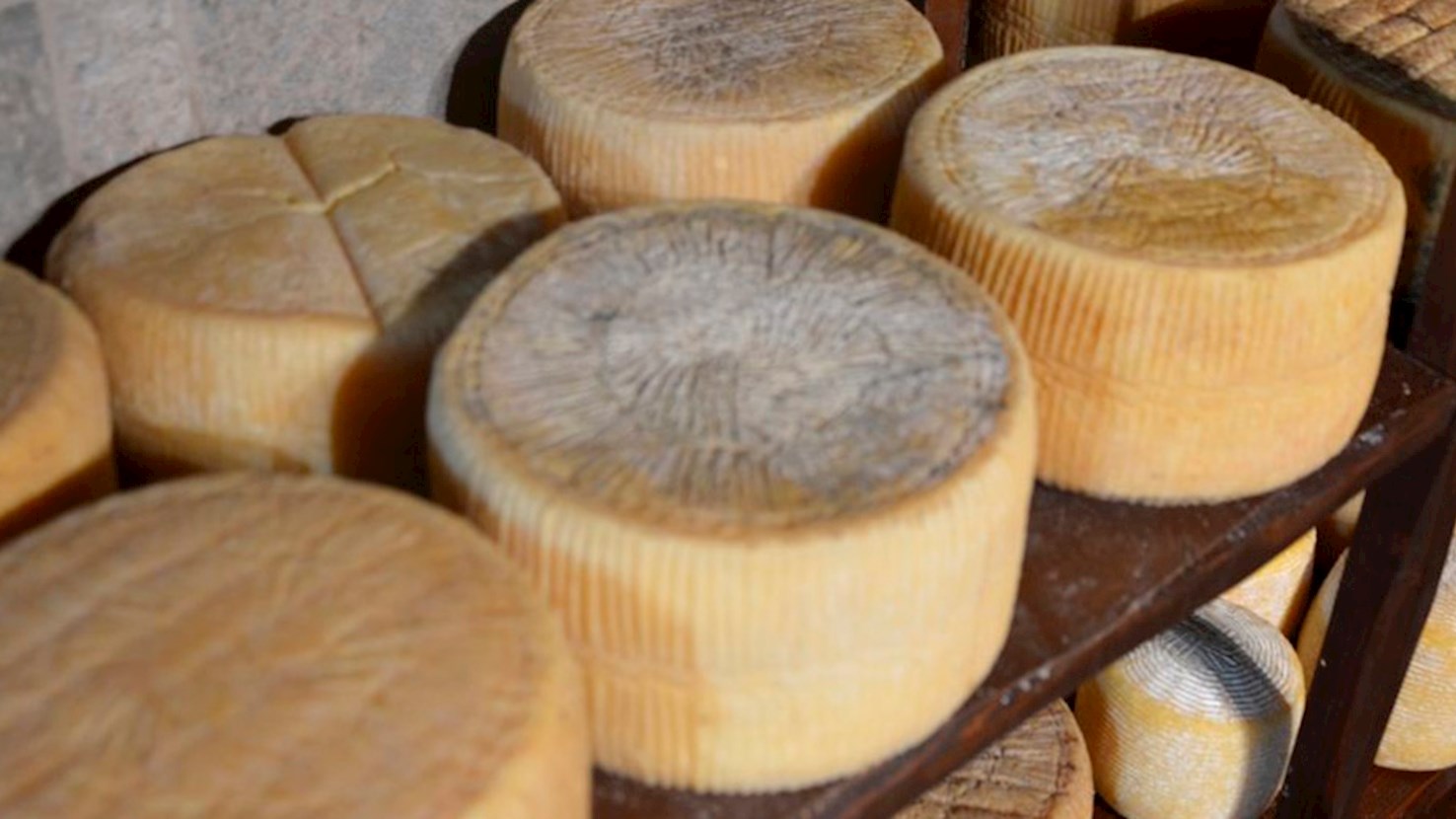
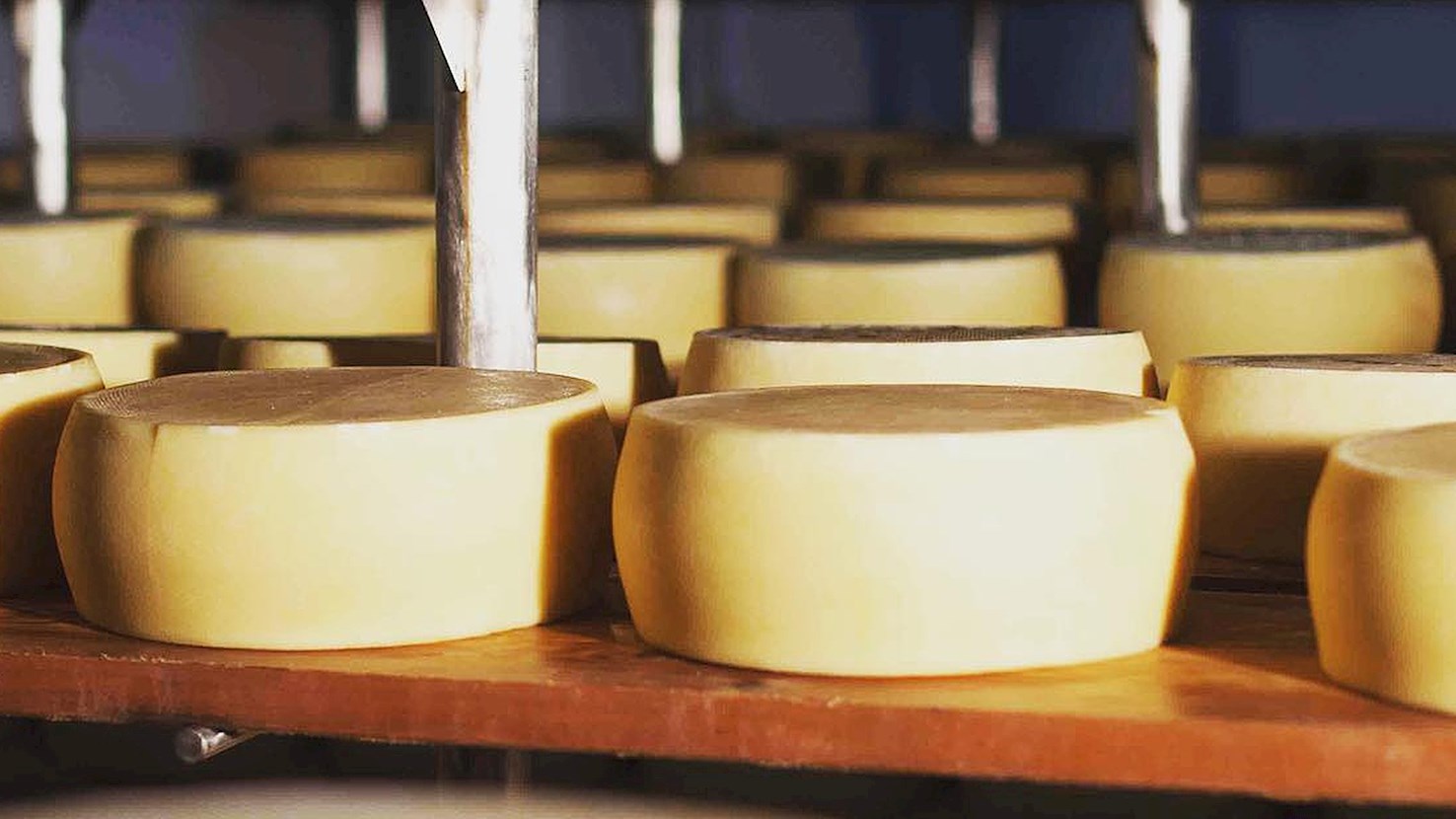
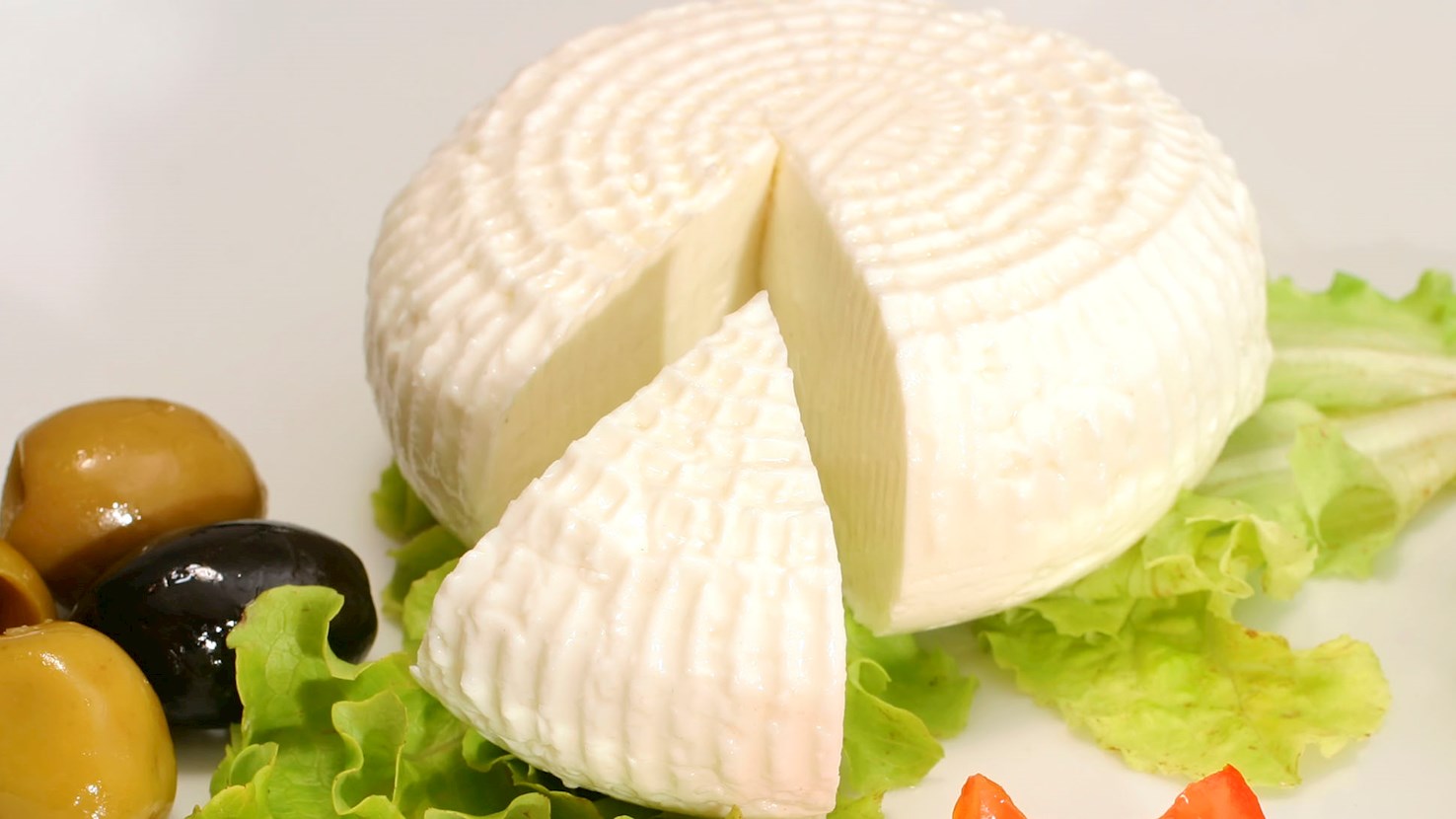
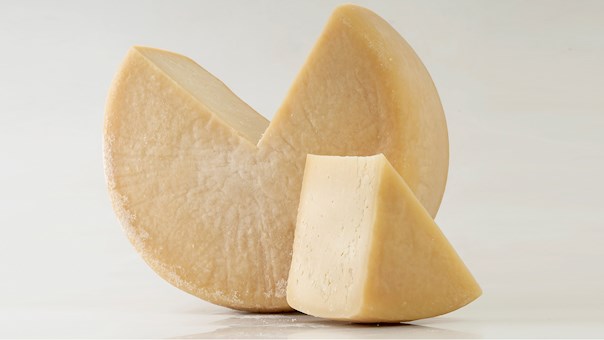
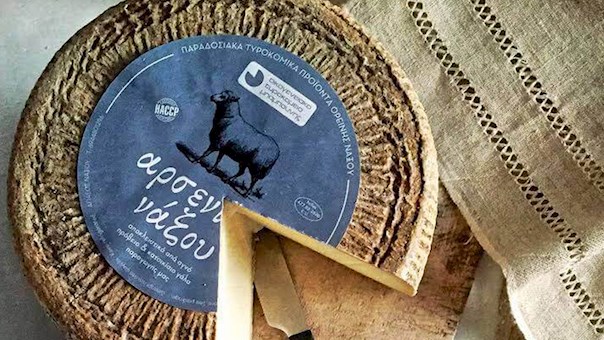
This cheese has been produced on the island of Naxos in the Cyclades for at least a century. Graviera Naxou is made from pasteurised cow milk or a mixture of sheep milk and a maximum of 20% goat milk. It has a thin rind and a light yellow, compact interior filled with small holes. Graviera Naxou is a hard table cheese with a refreshing taste and light aroma. It has a maximum moisture content of 38% and at least 40% fat content. The milk used for its production comes from breeds that are traditionally raised on the island, which feed on a diet of local plants and herbs that give their milk a unique flavor. It can be sliced and served as an appetizer, fried and eaten as a snack, or grated over pasta.

02
Sweet Pastry

Trigona panoramatos

4.6 ·

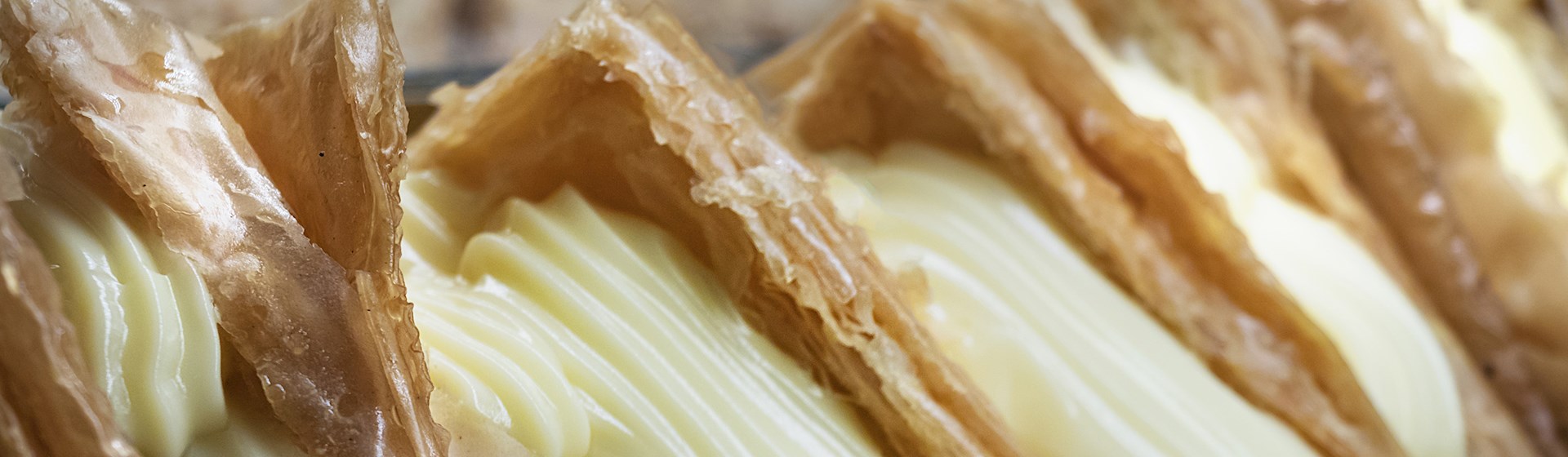
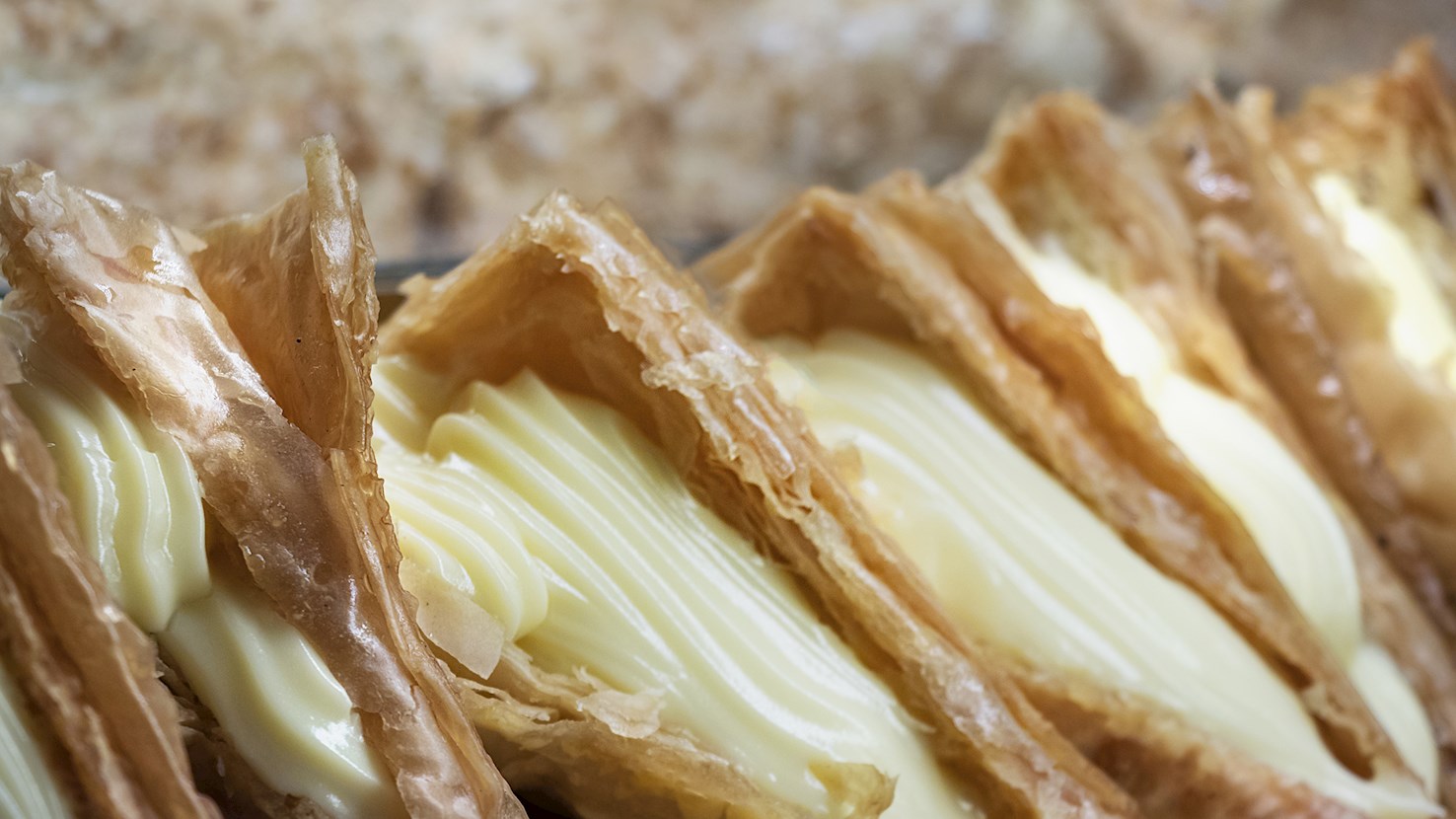
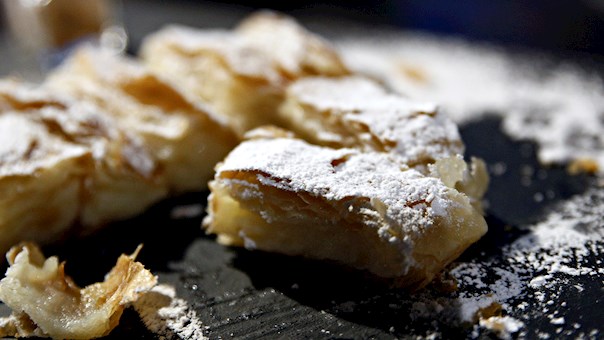
Trigona panoramatos is a traditional sweet pastry originating from the outskirts of Thessaloniki. These crispy and buttery triangular (cone-shaped) phyllo pastries are typically soaked in syrup and filled with creamy custard. The custard is usually made with a combination of egg yolks, flour, butter, milk, sugar, vanilla, and heavy cream. The phyllo triangles are baked until golden brown, dipped in cold syrup consisting of sugar and water, and then filled with the chilled custard. Trigona is often garnished with chopped nuts before consumption.

03
Pork Dish

Kontosouvli

4.6 ·

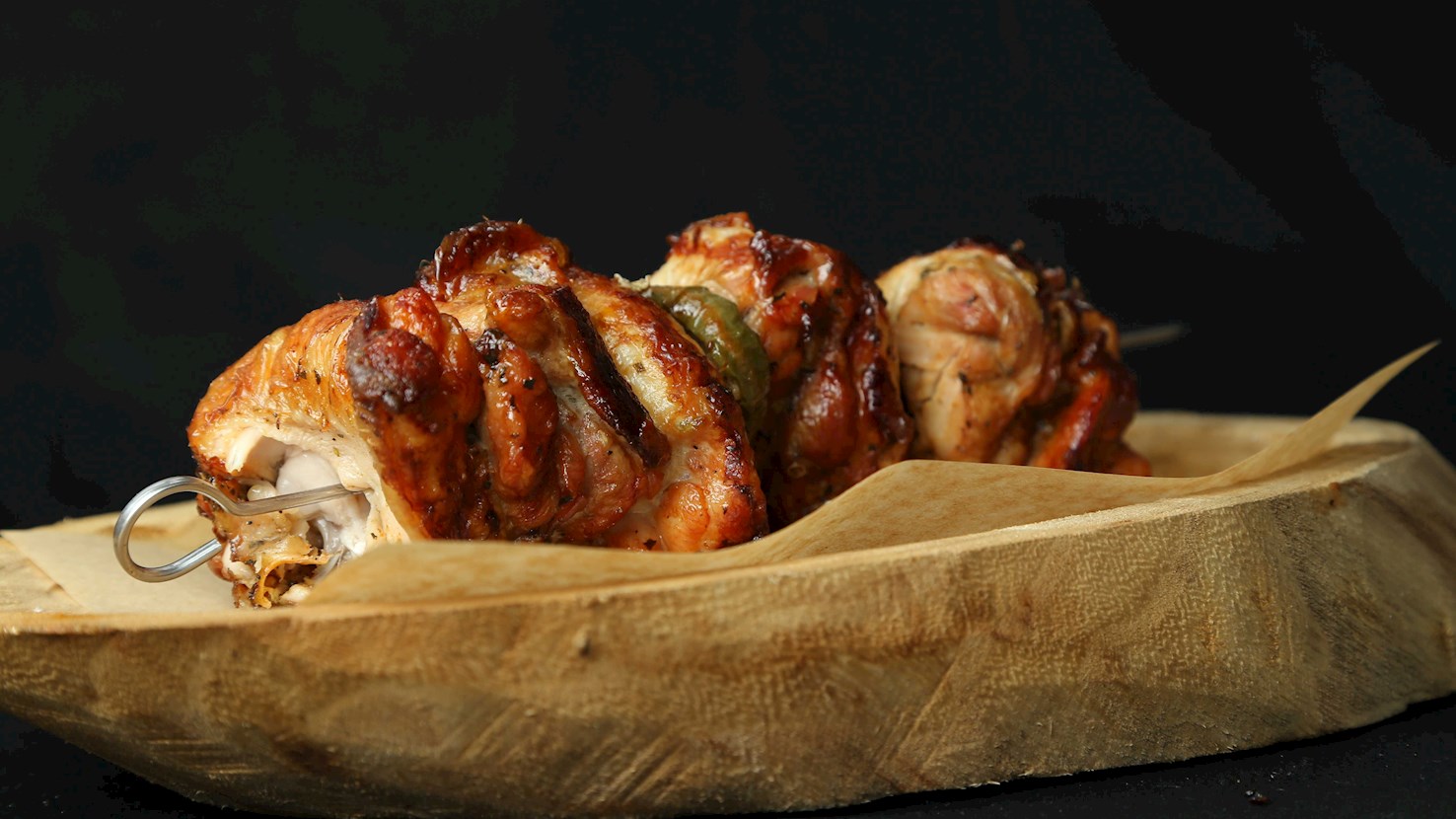
Kontosouvli is a traditional dish consisting of large pieces of pork marinated in a mixture of herbs and spices, then skewered and slowly cooked on a rotisserie, much like a gyro or souvlaki. The marinade often contains ingredients such as garlic, oregano, thyme, rosemary, paprika, olive oil, lemon juice, and red wine. After marinating, the meat is threaded onto a large skewer and roasted over an open flame, which results in a rich and flavorful outer crust with a juicy, tender interior. The cooked meat is typically served in thick slices, often accompanied by pita bread, tzatziki sauce, and horiatiki salad, among other possible accompaniments. It was traditionally prepared for Easter, but today it can be found on the menus of Greek tavernas throughout the year.

Best restaurants
04
Cheese

Graviera Kritis

4.5 ·

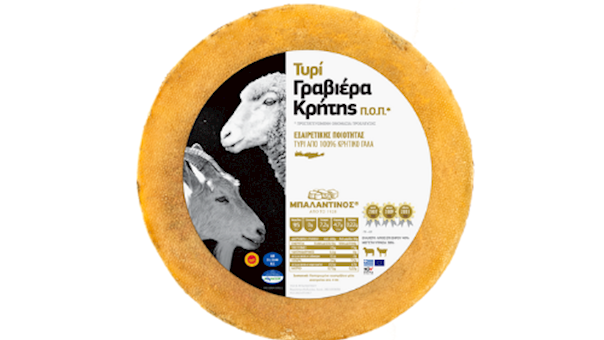
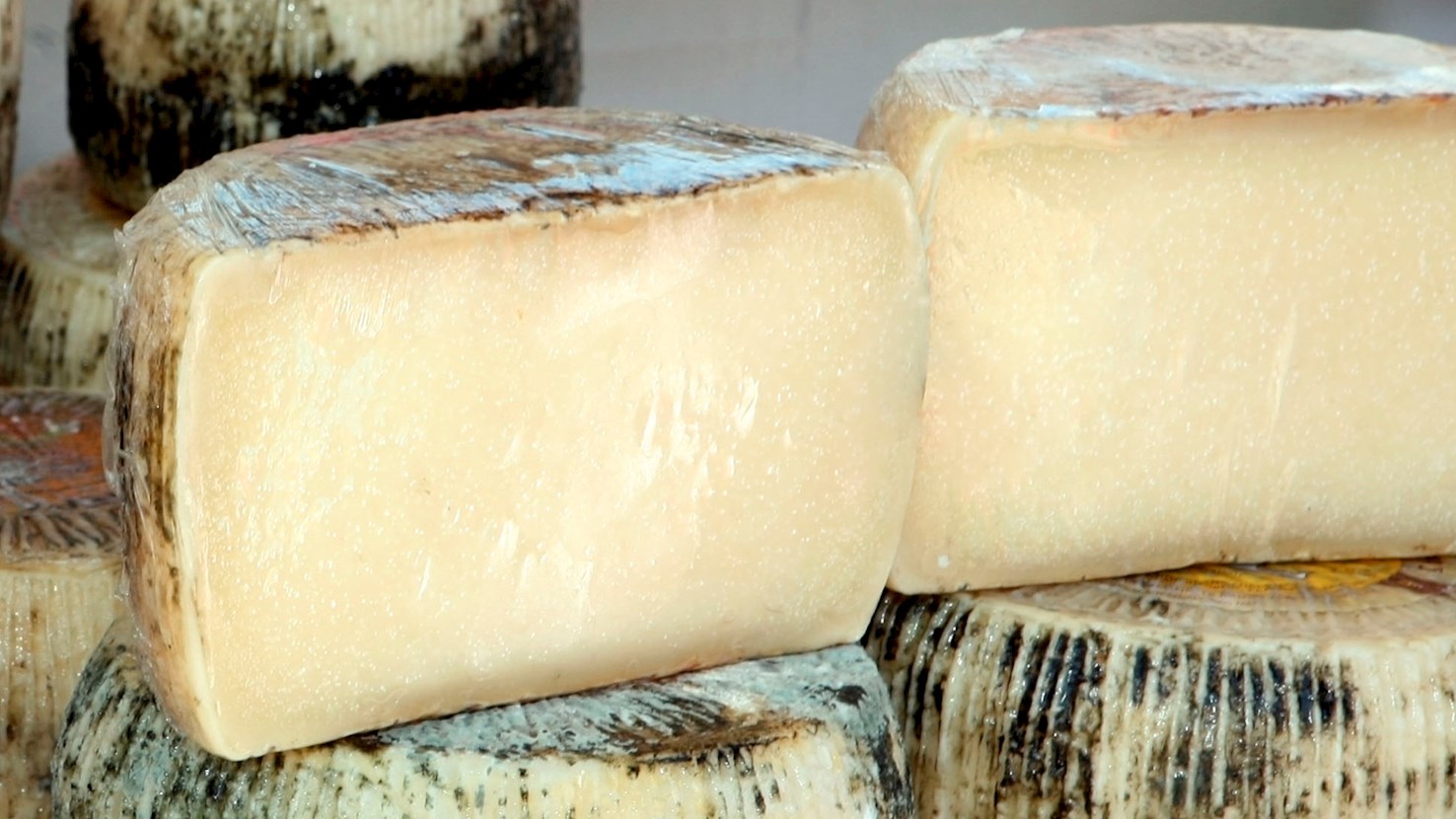
This cheese has a long history, and it is the best-known Greek graviera cheese. It is produced using traditional methods and ripened in facilities in Hania, Rethymnos, Iraklion, and Lasithio prefectures on the island of Crete. It is traditionally produced from sheep milk or from a mixture of sheep milk and a maximum of 20% goat milk. These goats and sheep wander freely on the green pastures of the island, and their diet is based on local plants, which give their milk a special quality that is expressed in this exceptional cheese. It is a hard table cheese with a light yellow color and firm texture. Its taste is slightly sweet and nutty. This cheese matures for 3 to 5 months before being put on the market. It is the most popular Greek cheese next to feta, and it can be found almost anywhere outside of Greece's borders. It can be served as an appetizer or grated and used in salads or soups.

05
Cheese

Kefalograviera

4.4 ·

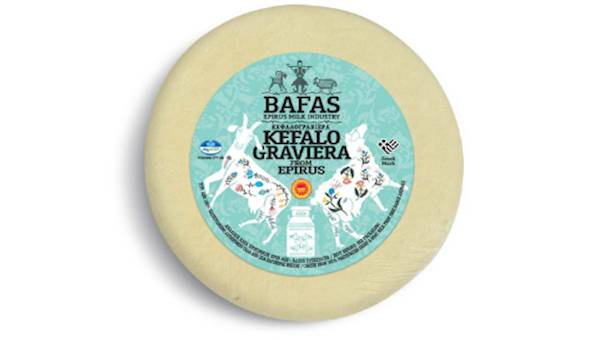
This is one of the most famous Greek cheeses. It has been made in Western Macedonia, Epirus, Aitoloakarnanina, Evrytania, and in western mainland Greece since the 1960s, which makes it one of the newest cheeses on the Greek market. It is a hard table cheese usually made from sheep's milk or a mixture of sheep's and goat's milk. Kefalograviera got its name after two cheeses because it's a cross between Kefalotyri, a salty, intensely flavored cheese, and the mellow Graviera cheese. It is sold in wheels or wedges, and is easily identified by its firm texture and light brown rind. Statistics show that it is becoming one of the most widespread cheeses in Greece, with annual production of around 3,000 tons. Kefalograviera is a hard table cheese that is often used to prepare a popular Greek fried cheese dish called saganaki.

06
Cheese

Metsovone

4.4 ·

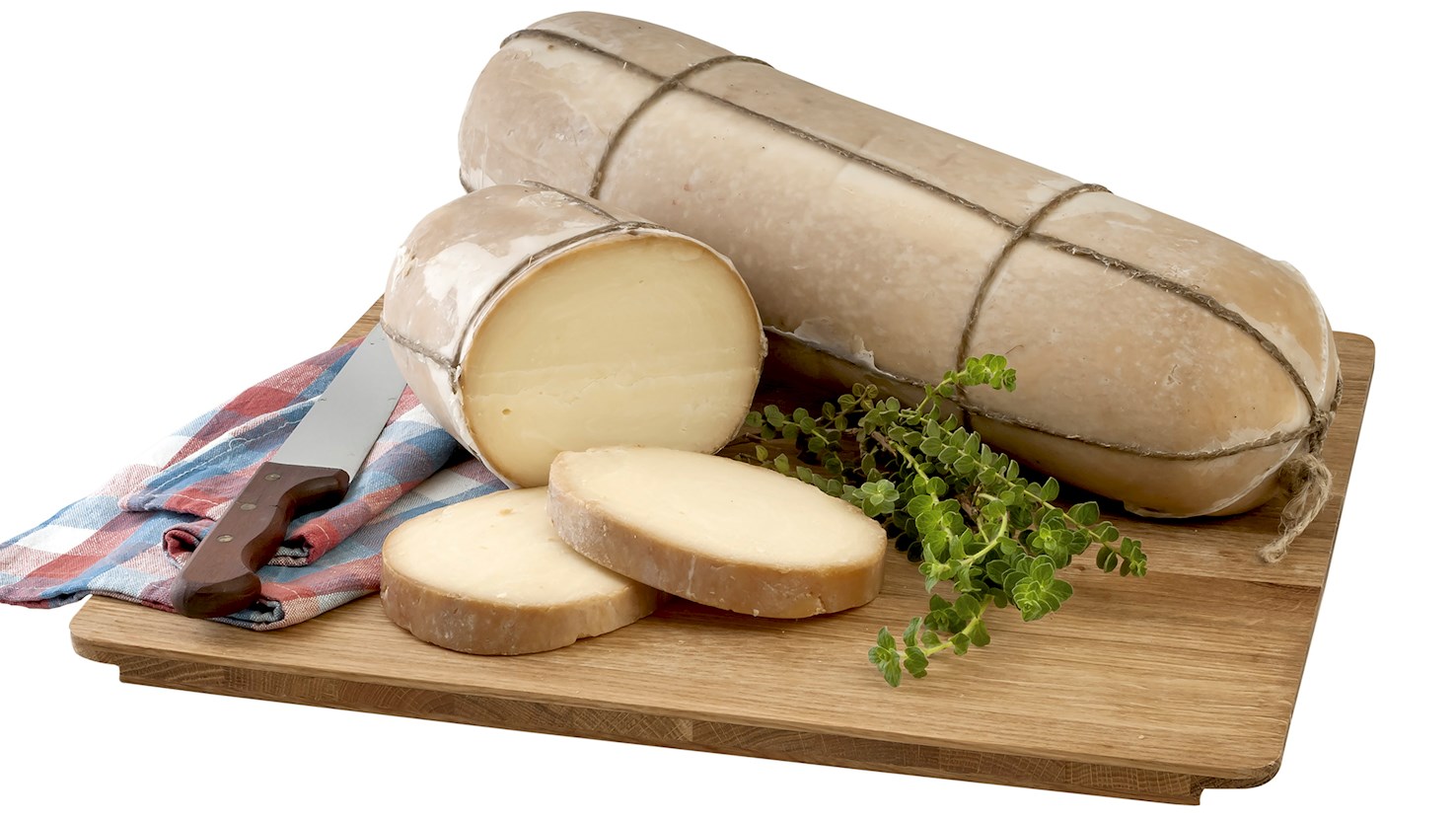
Metsovone is a hard or semi-hard smoked table cheese, produced from cow's milk or alternatively with a mixture of cow's milk with up to 20% sheep’s or goat’s milk. It has been made in the Metsovo mountain region for more than 50 years from locally reared animals' milk. During the manufacturing, it is put in cylindrical molds that are placed in cold water to make the cheese more compact and afterwards placed in pickle. After the drying, the maturation lasts, at least, three months. Finally, it is smoked for a couple of days. It has a textured paste and a slightly yellow rind. The taste is rich, slightly salty and spicy, with a dried fruit aftertaste. It can be enjoyed both raw and cooked and is a regular ingredient in quiches or pizzas. It is an excellent appetizer to serve with a glass of ouzo or wine.

07
Cheese Dish

Saganaki

4.4 ·

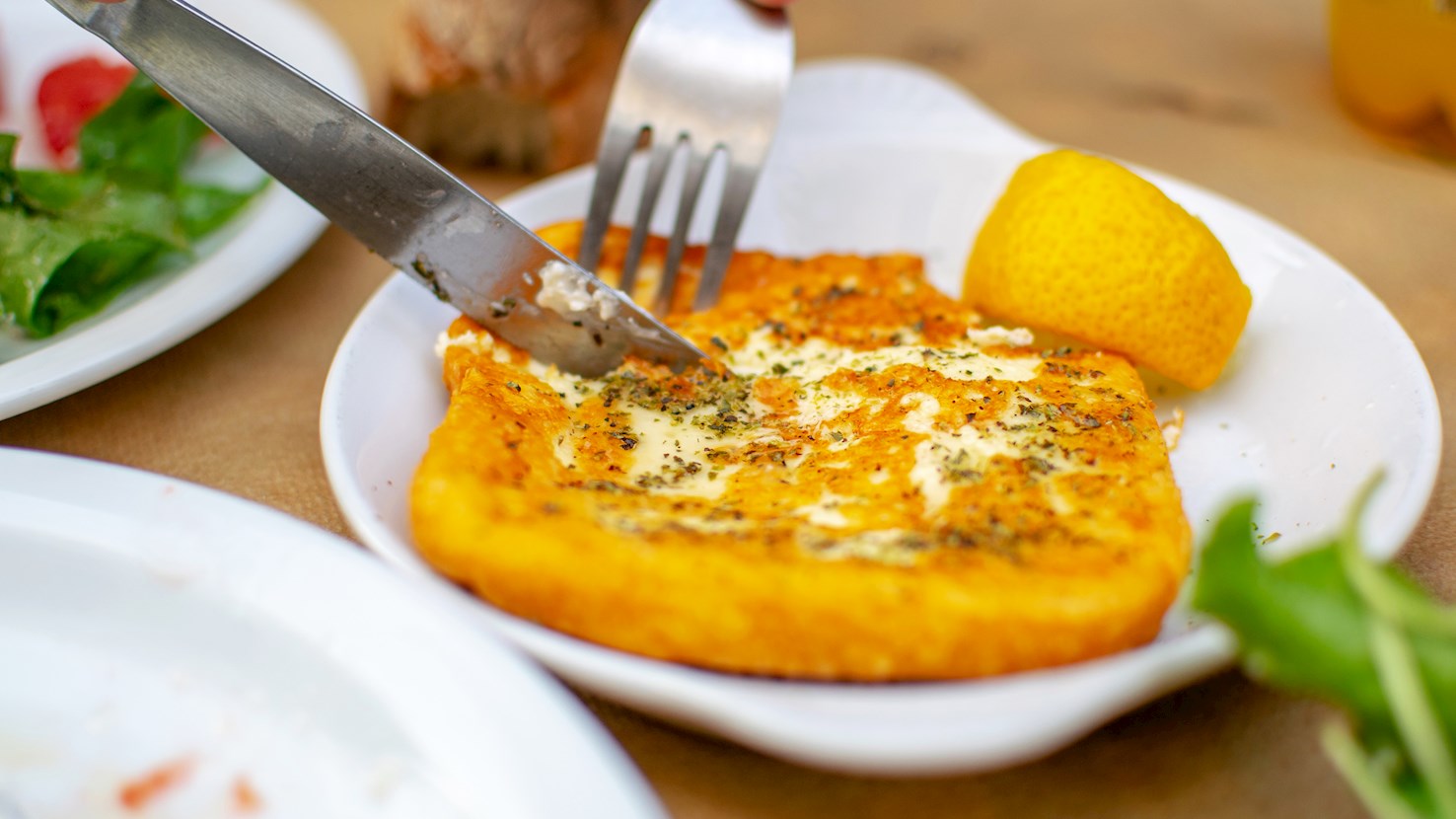
Saganaki is a highly popular Greek appetizer where various vegetables, meats, or seafood such as shrimp or mussels are wrapped in cheese, then pan-fried or seared. The cheese can also be prepared on its own, without any accompaniments. It is then pan-seared until it develops its distinctive golden crust, and served in the so-called sagani, a small, two-handled pan in which it was fried. In the past, the word saganaki referred to a method of spicing up the local cheese by Greek peasants, who would pan-fry different varieties of cheese such as feta, kashkaval or manori. While regional variations of the dish include the use of formaela cheese in Arachova and halloumi in Cyprus, the cheese used in a typical Greek saganaki is usually graviera, kefalograviera, kasseri, kefalotyri, sheep's milk feta or any other firm cheese that melts well without losing its shape. Saganaki is sometimes enlivened by a splash of traditional Greek spirits like Metaxa brandy or Ouzo, an anise-flavored aperitif. Outside of Greece, particularly in the US, saganaki is typically flambéed at the table, and this flaming culinary showmanship is a tradition which reportedly first started in Chicago's Greektown. When the lighter comes out to ignite the pan, one can often hear "Opa!", the Greek expression for joy. After cheering, the diners usually cut off chunks of cheese that are crispy on the outside and soft and runny on the inside, and then sprinkle their saganaki with lemon juice, savoring it with some freshly baked pita bread.

08
Lamb Dish

Païdakia

4.4 ·

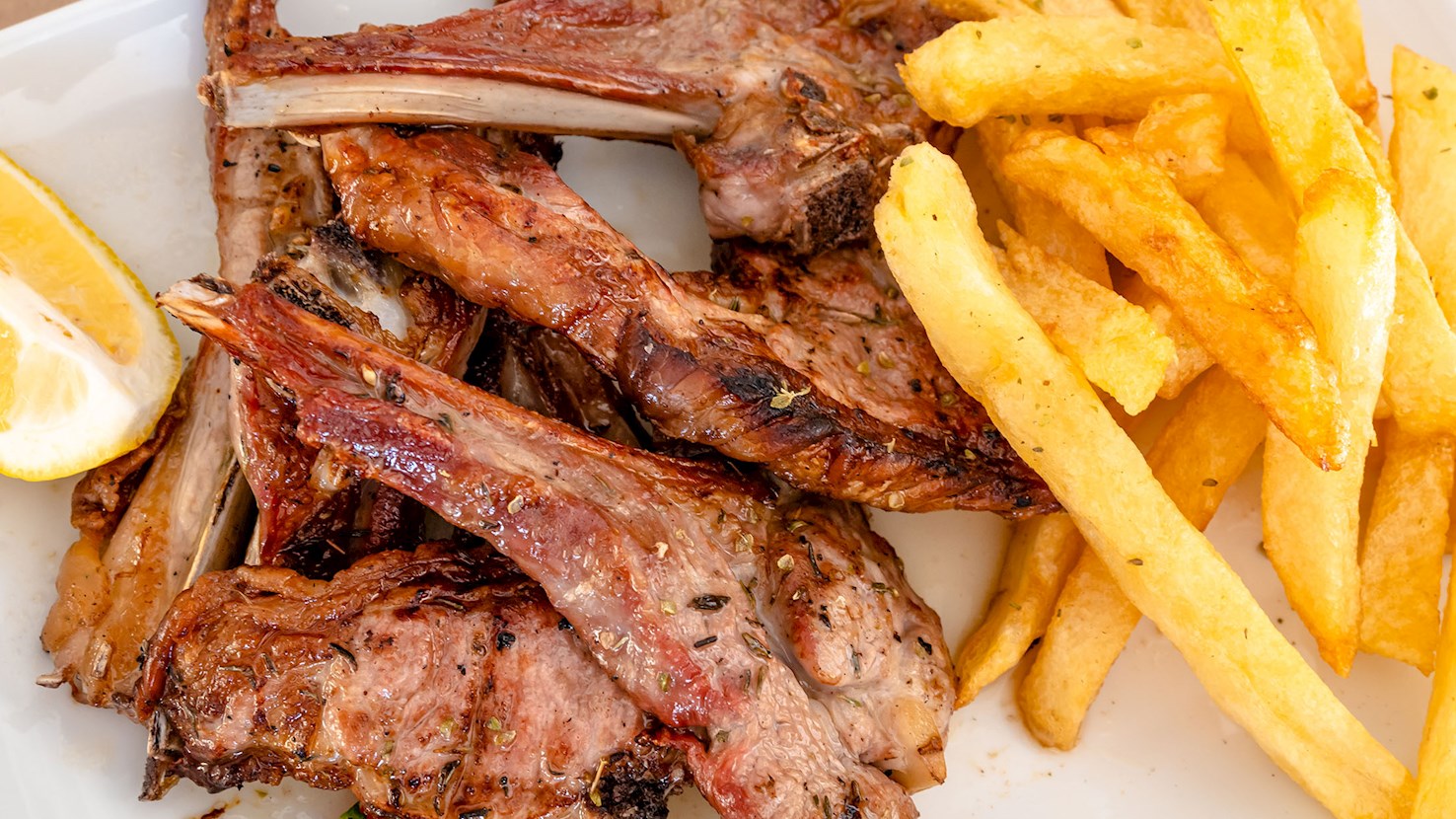
Grilled lamb chops are a traditional Greek dish that is popular throughout the country and usually enjoyed as the main course. Lamb chops are usually marinated in various combinations of olive oil, lemon juice, and a variety of fresh herbs before they are grilled on traditional charcoal barbecues. They are commonly paired with potatoes, salads, or the creamy and refreshing tzatziki sauce.

09
Cheese

Kalathaki Limnou

4.4 ·

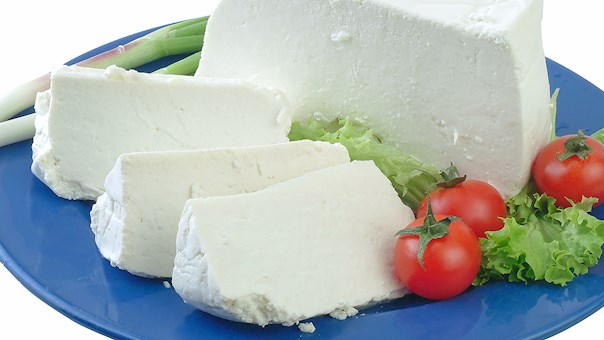
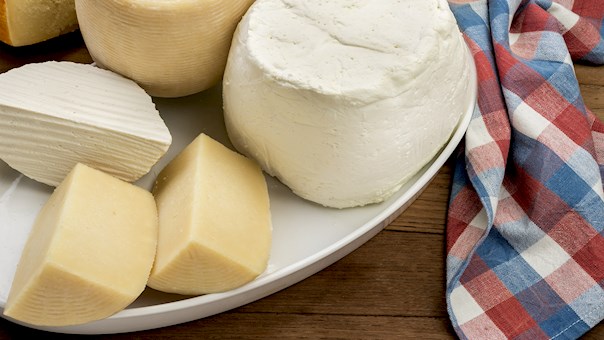
This white, soft, brined cheese is made from fresh sheep milk or a combination of sheep and goat milk taken from breeds that graze freely on wild grasses on the island of Lemnos in the northern Aegean Sea. The method of production is quite similar to that of traditional feta cheese, with one significant difference that also gave this cheese its name. According to the traditional method, the curd is put in a kalathaki ("small basket") for draining and organic acidification, during which time the cheese acquires its characteristic cylindrical shape. Later, the baskets are submerged in brine to mature for at least two months. While it is similar to feta in texture, Kalathaki Limnou has a milder, pleasant flavor. Its taste can be described as salty and slightly acidic. It is usually consumed as a table cheese served with fruit, but it can also be used in a variety of traditional Greek dishes, Greek salad, or as a substitute cheese for saganaki.

10
Barbecue

Antikristo

4.4 ·

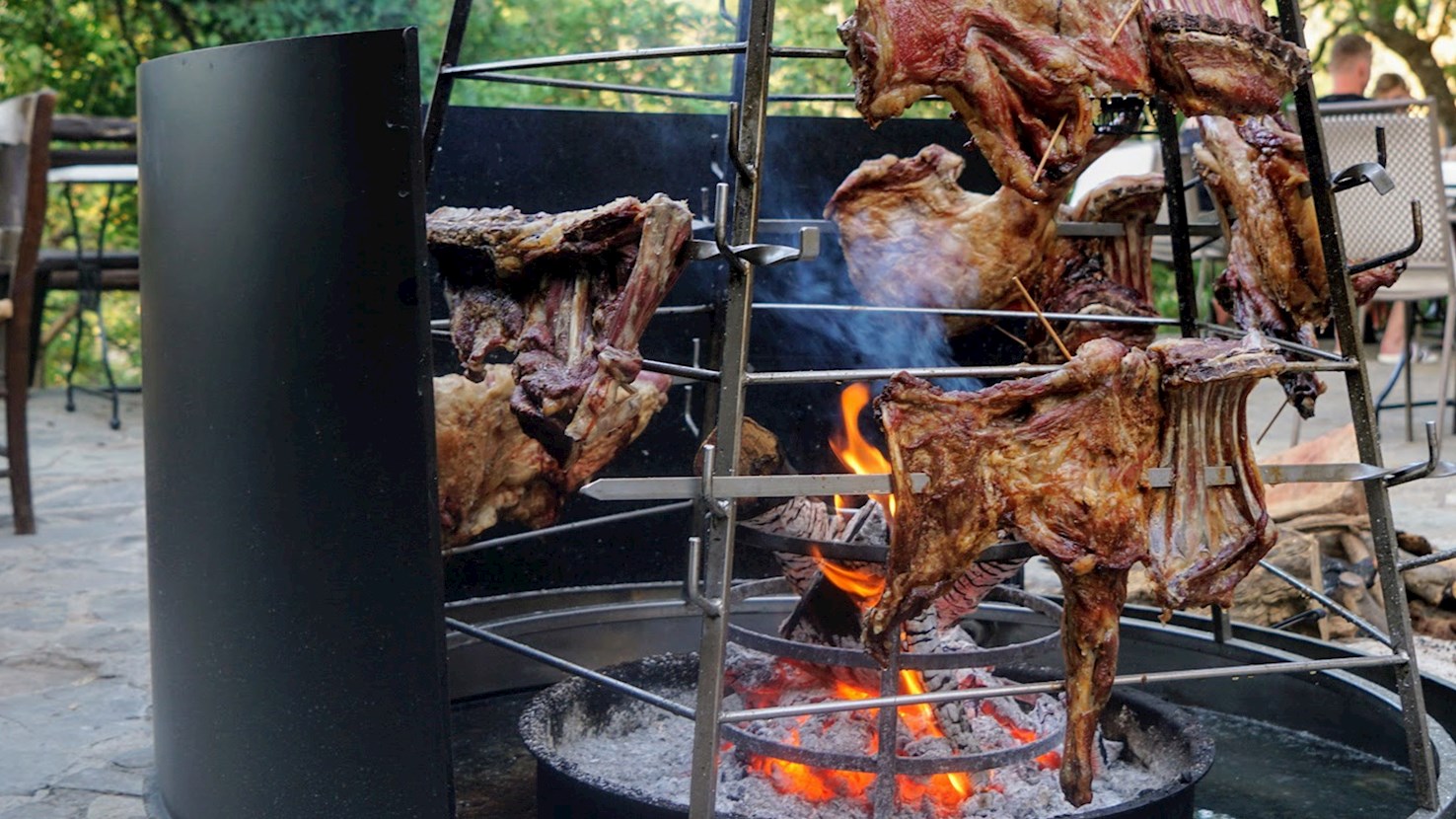
Antikristo is a traditional technique of cooking meat on Crete. A young lamb (or a goat, on rare occasions) is cut into four pieces (called goulidia), salted, then placed on big wooden skewers that are arranged around the fire in a circular formation, taking into consideration the direction of the wind, the intensity of the fire, and the distance between the fire and the meat. This process lets the meat cook in its own fat and salt with the heat coming from the flames instead of coals. The name antikristo means across the fire, describing this unique technique. The meat is slowly cooked, sometimes up to 6 hours, and it develops different flavors in the process. In the past, antikristo was common in the villages of Psiloritis mountain, but nowadays it can be found anywhere in Crete. Traditionally, it's prepared and cooked exclusively by men, most often shepherds.

Best Greek food products

01
Olive Oil

Sakellaropoulos Organic Farms

5 ·
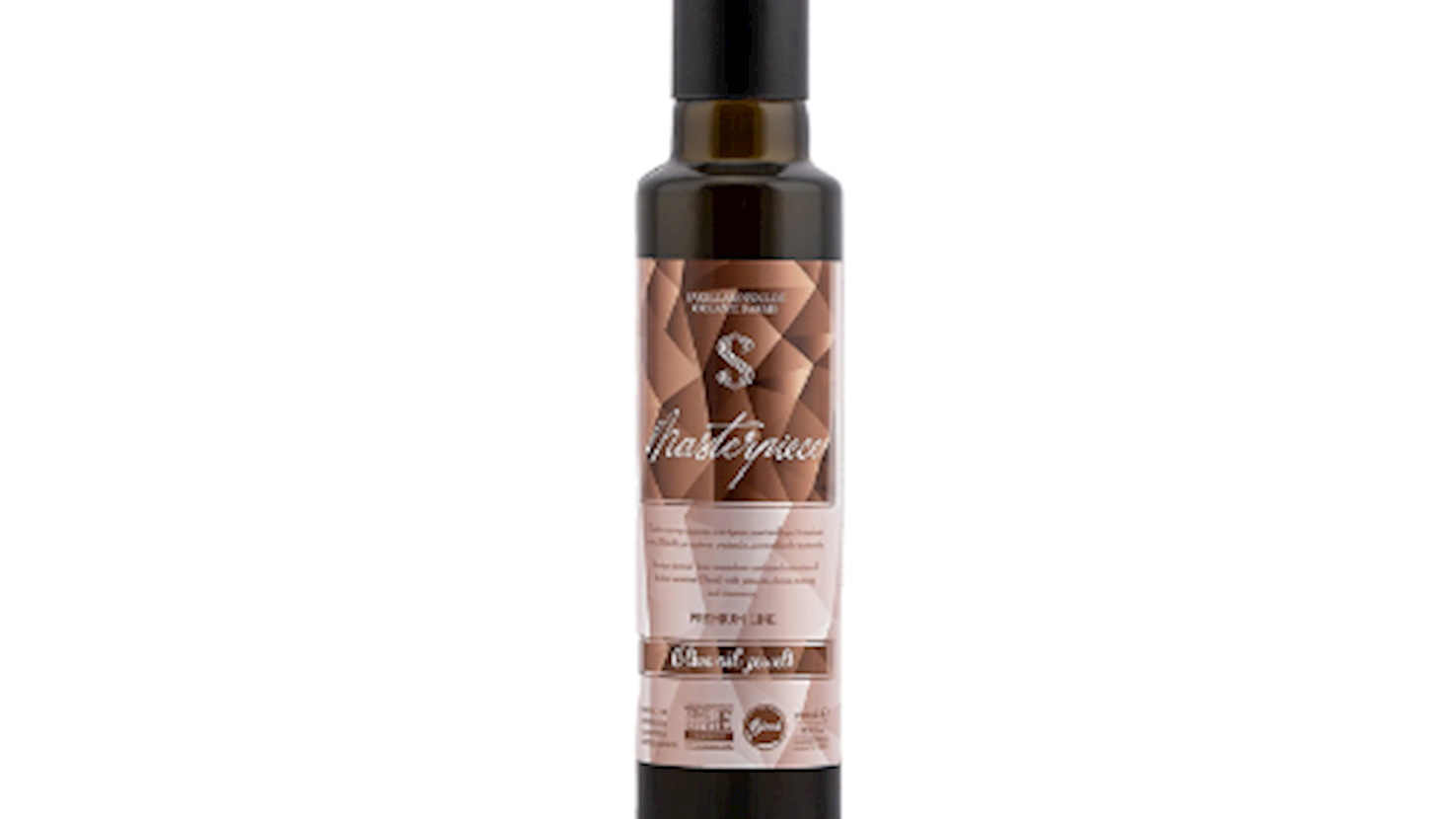
Sakellaropoulos Organic Farms is a family-run estate in Greece, located in the region of Sparta, Laconia, at the foot of Mount Taygetos. Founded in 1992, the farm has been fully dedicated from the beginning to organic olive cultivation and the production of high-quality goods — primarily olive oils and table olives. What sets them apart is their focus on a single estate model, meaning that the entire production takes place on their own land, under their direct supervision, without sourcing or purchasing olives from outside. Their oils are exclusively organic, often monovarietal, with an emphasis on local olive varieties such as Koroneiki and Kalamon. They are known for their innovative fermentation techniques and for blending science with tradition, working closely with universities and nutritionists to develop functional products with scientifically proven health benefits.
Awards
London IOOC - Platinum (2023, 2022, 2021)
London IOOC - Gold (2023, 2022, 2021)
02
Olive Oil

Terra Creta

5 ·
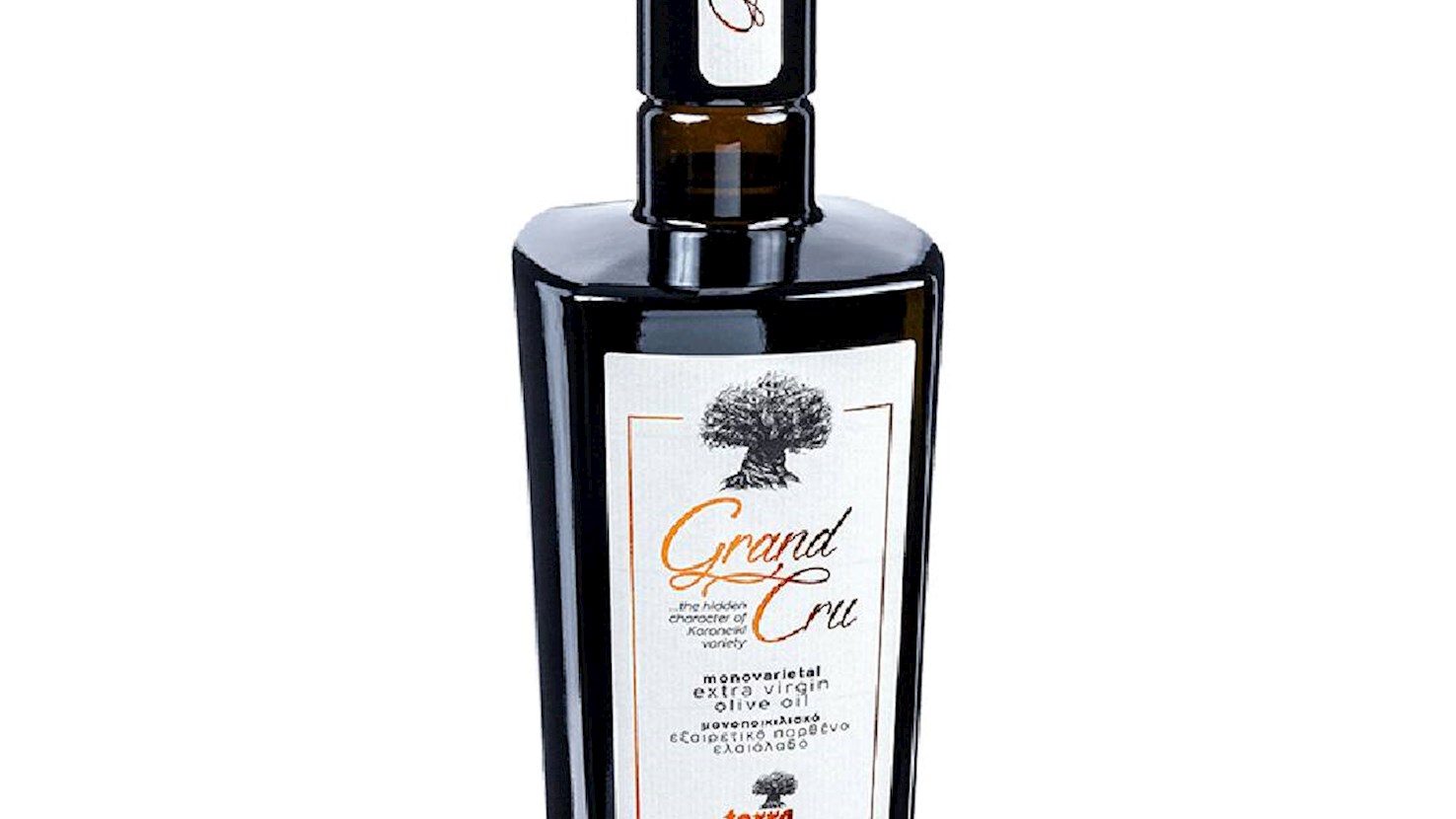
Terra Creta is a renowned Greek producer of extra virgin olive oil with a rich tradition and a clear vision - to combine top quality, innovation, and sustainability. Located on the island of Crete, a region known as the cradle of olive cultivation, Terra Creta leverages the natural Mediterranean conditions and authentic olive varieties like Koroneiki to create oils with distinct, complex aromas and outstanding sensory qualities. Their production approach blends modern technology with traditional methods, with a special emphasis on preserving the nutritional value and organic properties of the olives. In addition to top quality, Terra Creta is committed to sustainable development and environmental protection. Their olive groves are maintained with minimal impact on nature, using eco-friendly practices that respect biodiversity and support the local community. Thanks to this philosophy, Terra Creta has won numerous international awards and recognitions, becoming a symbol of Greek excellence in the world of olive oil. Their dedication to quality and nature makes them a trusted choice for anyone seeking authentic and high-quality Greek olive oil.
Awards
London IOOC - Platinum (2023, 2022, 2021)
ATHENA IOOC - Double Gold (2022, 2021)
03
Wine

Estate Argyros

5 ·
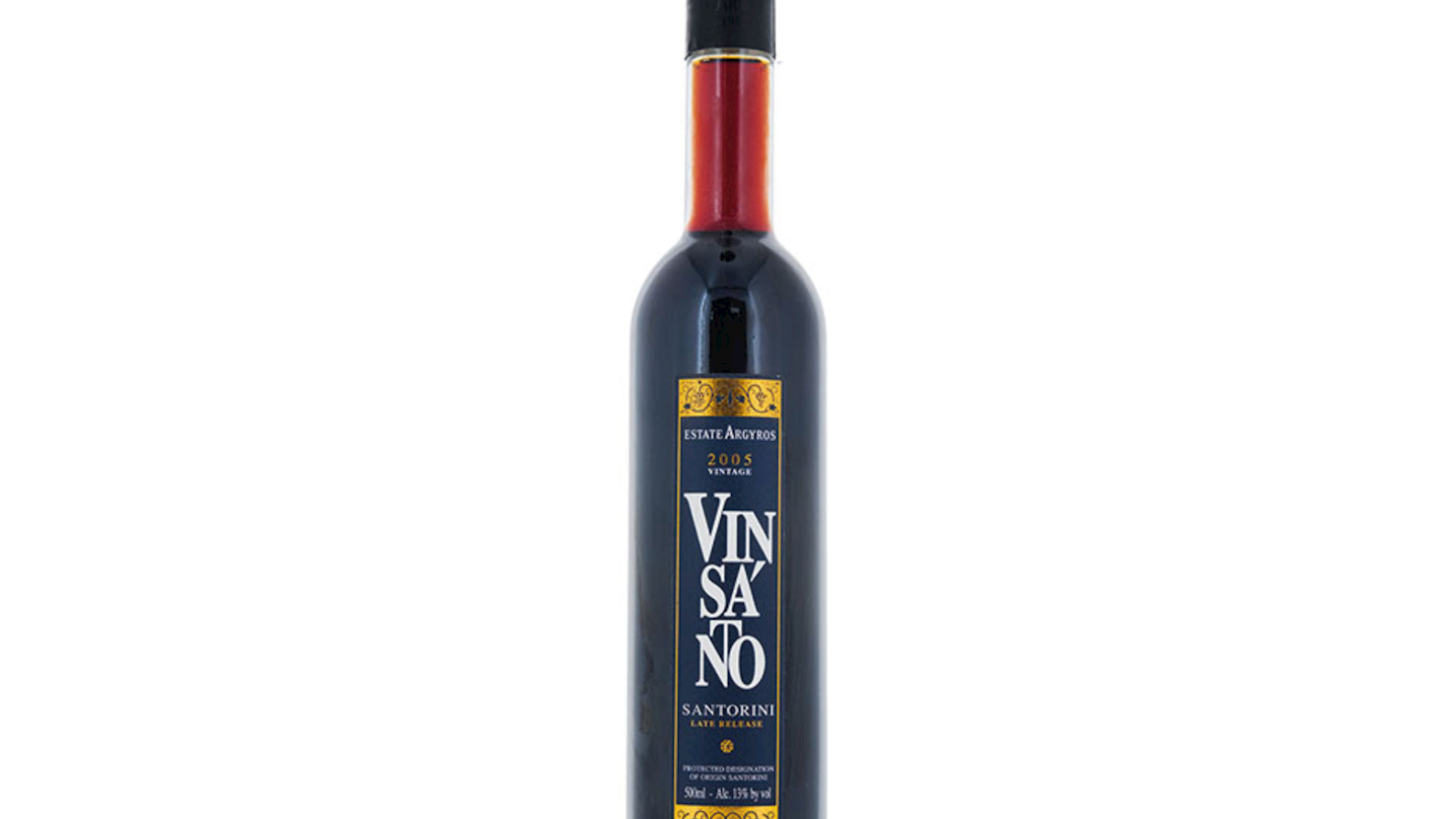
Estate Argyros is a family-owned winery on the island of Santorini, founded in 1903 in the village of Episkopi Gonia, in the heart of the island’s volcanic wine-growing zone. The estate covers more than 120 hectares of vineyards, making Argyros one of the largest private vineyard owners on Santorini. Most vines are 70-100 years old, while some parcels of Assyrtiko exceed 150-200 years, resulting in extremely low yields but grapes of remarkable concentration and purity. The terroir is harsh and distinctive - volcanic, rocky and sandy soil with almost no organic material, naturally protecting the vines from disease and allowing them to remain ungrafted on their original rootstock. The traditional training method known as kouloura, where the vine is shaped into a basket, protects the grapes from strong winds and intense sun. The winery is especially devoted to the native variety Assyrtiko, which here expresses a unique combination of salinity, minerality and sharp linear structure. Argyros combines minimal intervention in the vineyard with precise winemaking, preserving both varietal character and terroir expression. Their dry Assyrtiko wines are known for high acidity, tension and exceptional aging potential. The estate also produces other indigenous varieties such as Aidani and Mavrotragano. A signature of the winery is Vinsanto, a traditional dessert wine made from sun-dried grapes and aged for years in oak barrels, resulting in deep complexity and richness.
Awards
Decanter World Wine Awards - Best in Show (2023, 2020)
Decanter World Wine Awards - Platinum (2022, 2021, 2020, 2017, 2016)
04
Olive Oil

Kyklopas

5 ·
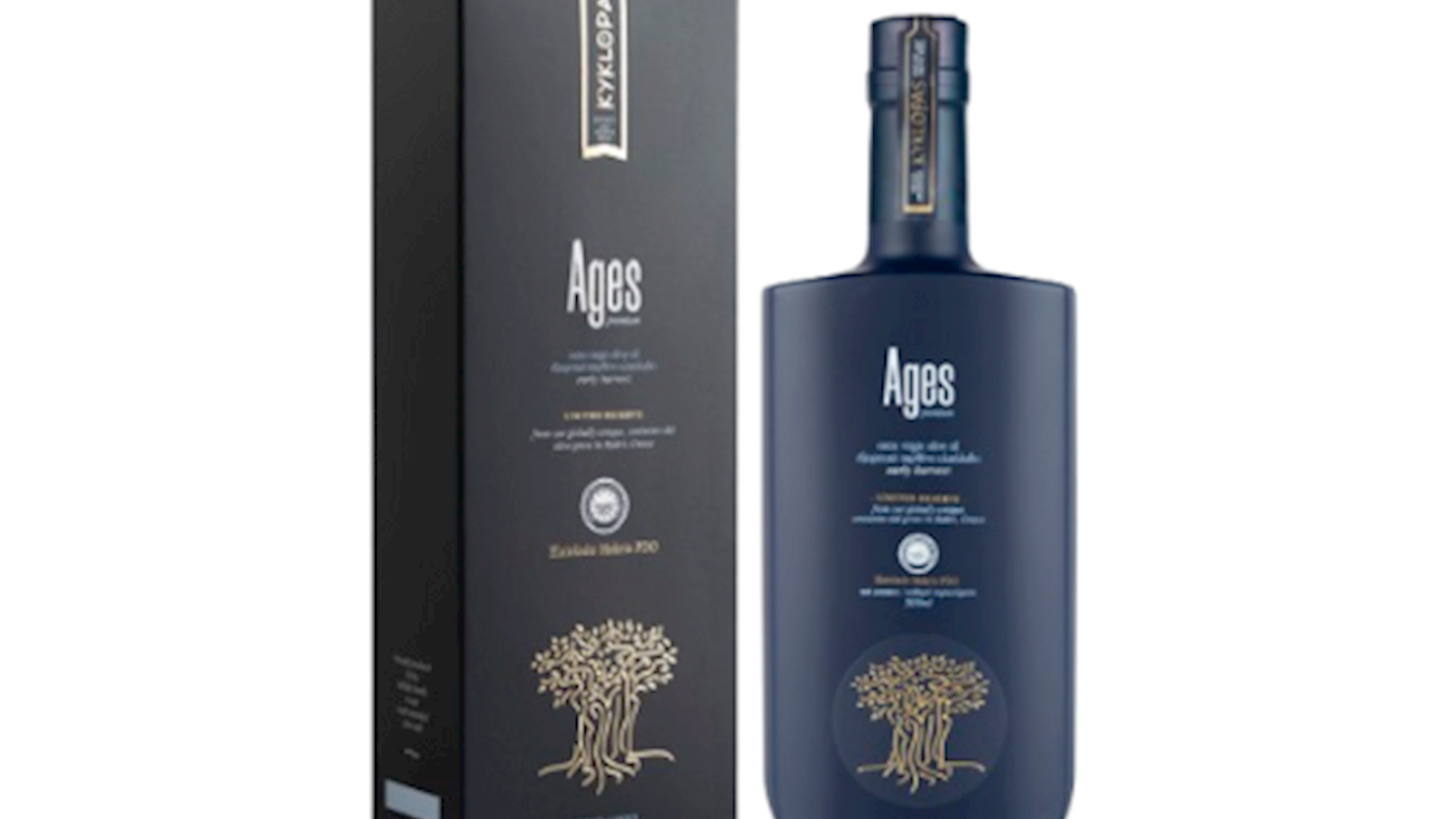
Kyklopas is a family-owned olive mill located in northern Greece, specifically in the region of Makri in Thrace, an area known for its unique agroclimatic conditions and exceptionally high-quality olives. This region has a long-standing tradition of olive cultivation, and that knowledge and experience have been passed down through generations of the Kelidis family. The mill was established in the early 1980s and has since grown into one of the most respected producers of premium extra virgin olive oil in Greece. Kyklopas combines traditional methods with modern technology to extract the maximum flavor, freshness, and nutritional value from the olives. Special emphasis is placed on early harvest and fast cold extraction, which help preserve a high level of polyphenols and complex aromas—often characterized by notes of artichoke, almond, green tomato, and wild herbs. Sustainability, full control over the production process, and meticulous attention to detail make Kyklopas a recognized name in the world of premium olive oil.
Awards
ATHENA IOOC - Double Gold (2021, 2020)
ATHENA IOOC - Gold (2023, 2018)
05
Olive Oil

Kidonakis Bros

5 ·
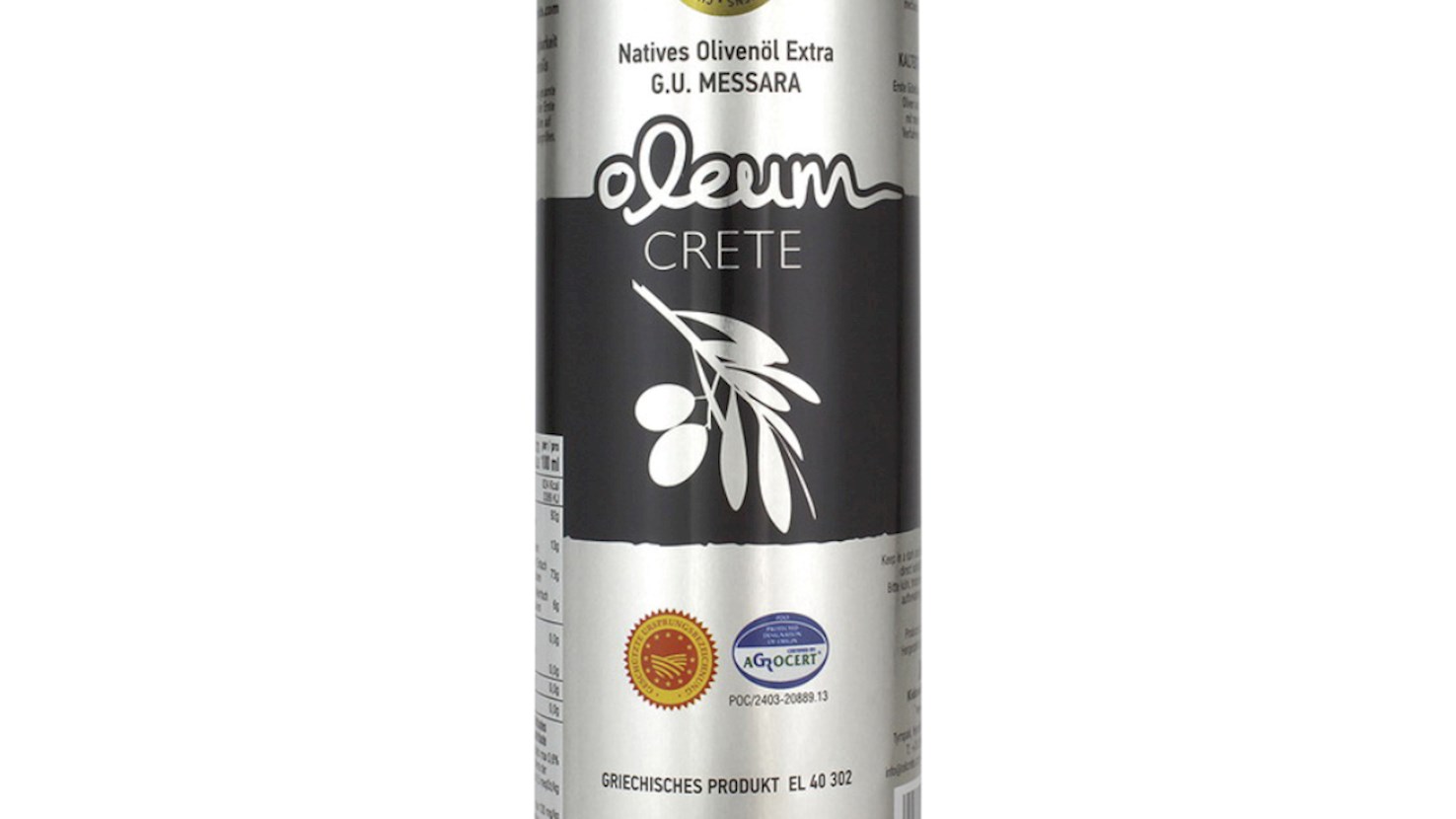
Kidonakis Bros, operating under the Oleum Crete brand, is a family-owned producer based in southern Crete, with roots in the Messara region. Established in 1983 in Tympaki, the company focuses on the cultivation and processing of the Koroneiki olive variety, which is well adapted to the island’s climate and soil conditions. Their production is centered on extra virgin olive oil, combining traditional harvesting practices with modern extraction technology to preserve the integrity of the fruit. The process is closely monitored from grove to bottling, ensuring consistency in quality and traceability. Their oils are typically characterized by low acidity and a notable concentration of polyphenols, resulting in a balanced profile with fresh, fruity notes and a mild bitterness. In addition to standard lines, the company produces limited batches such as early harvest and organic oils sourced from selected groves in the Messara plain. Kidonakis Bros operates certified facilities aligned with international food safety standards, reflecting a structured production approach. Over time, their oils have gained presence in export markets and have been recognized in various international quality competitions. The overall identity of the company is built on linking regional origin, controlled production, and a consistent sensory profile typical of Cretan olive oil.
Awards
Terraolivo IOOC - Grand Prestige Gold (2022, 2021, 2018)
Terraolivo IOOC - Prestige Gold (2022, 2021, 2016)
06
Olive Oil

Elli's Farm

5 ·
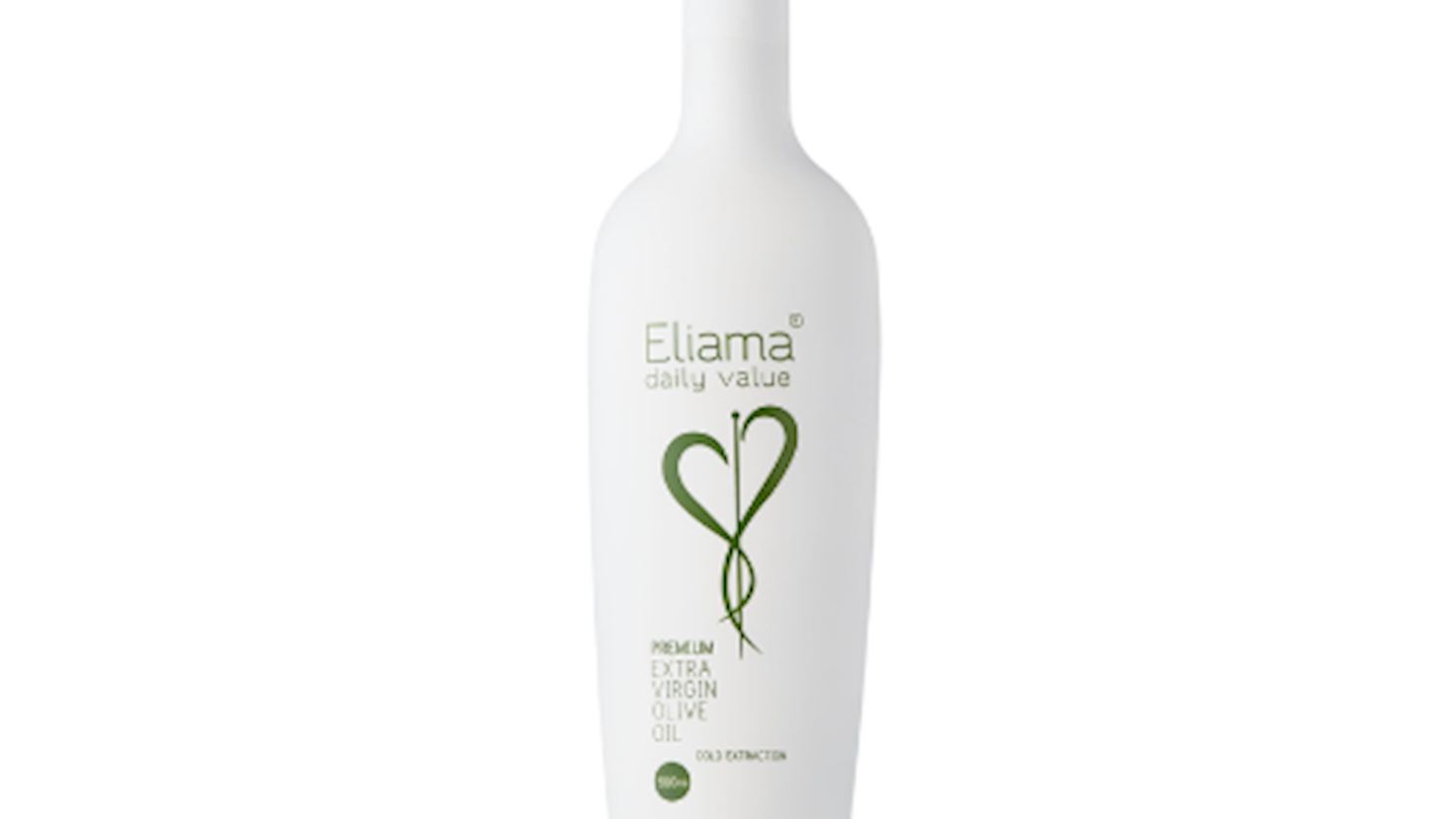
Elli's Farm is a family-run producer based in Agia Varvara in the Heraklion region of Crete, focused on olive oil production rooted in local agricultural tradition. The farm is operated by Elli and Myron, who manage their own olive groves in central Crete, where the Koroneiki variety thrives under favorable climatic and soil conditions. Their core product is extra virgin olive oil produced in limited quantities, with an emphasis on quality control throughout the entire process from harvest to bottling. Olives are typically hand-picked and processed shortly after harvest to preserve freshness and maintain low acidity and stable chemical composition. The portfolio includes the Eliama line, featuring both standard premium oils and versions with elevated polyphenol content, offering a balanced sensory profile with notes of fresh fruit, moderate bitterness, and a mild peppery finish. Production is based on sustainable practices, often aligned with organic farming principles, and relies on mechanical extraction at controlled temperatures to protect the oil’s natural characteristics. The company also applies modern storage methods, such as keeping the oil in inert conditions, to maintain its stability and shelf life.
Awards
London IOOC - Platinum (2022)
ATHENA IOOC - Gold (2023, 2022)
07
Olive Oil

Castellia Olive Oil

5 ·
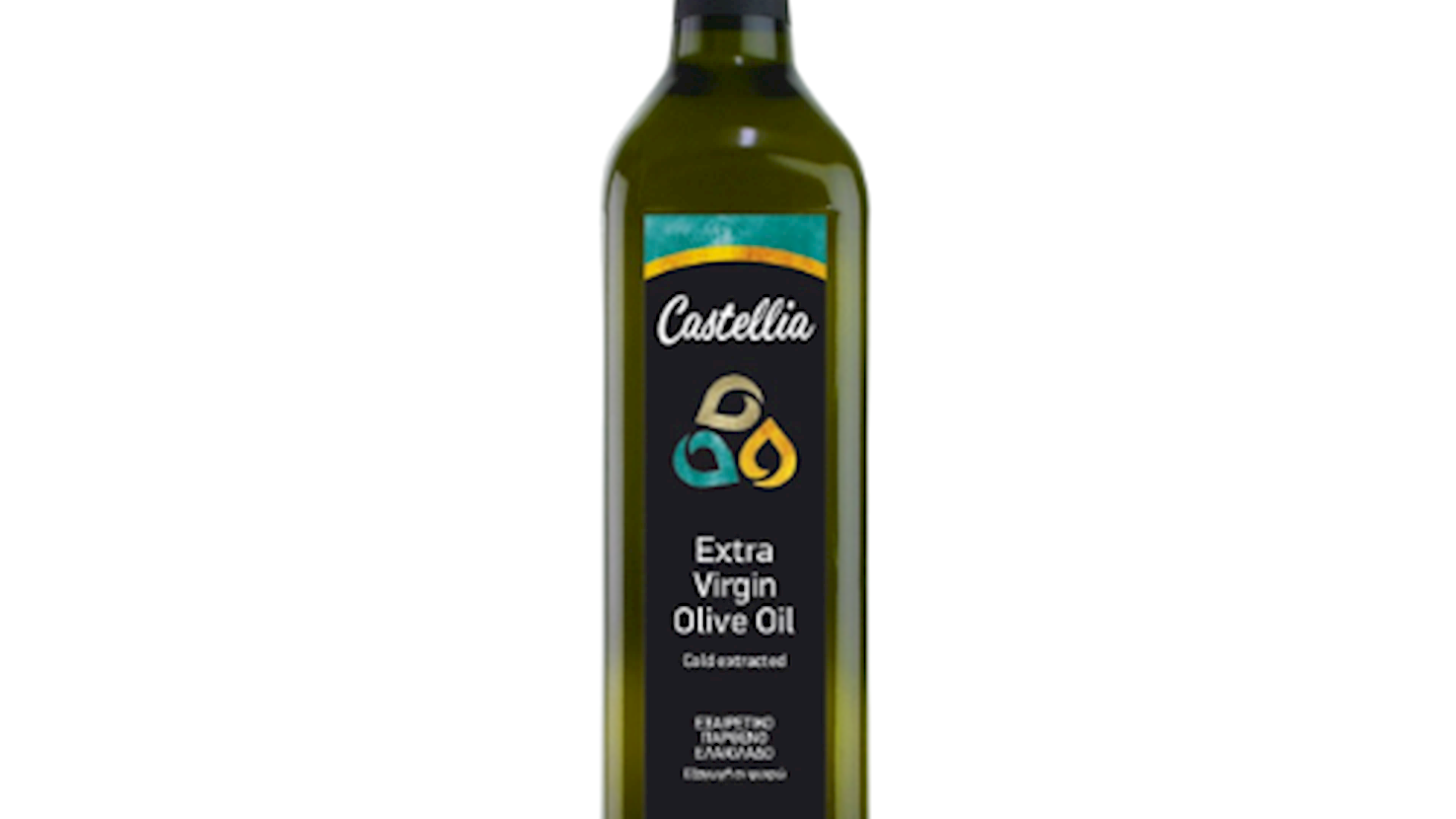
Castellia Olive Oil is a small-scale olive oil producer based in the Heraklion region of Crete, operating within a family-run model rooted in local olive-growing traditions. The brand focuses on the production of extra virgin olive oil, primarily using local varieties such as Koroneiki, which is well adapted to the island’s conditions and known for its consistent quality and defined aromatic profile. Production combines traditional cultivation practices with controlled processing techniques to maintain both authenticity and product stability. The oil is obtained through mechanical extraction, with careful handling of the olives to preserve freshness and minimize oxidation. This approach results in oils with low acidity and a clean, structured profile typical of high-quality extra virgin olive oils. In sensory terms, Castellia olive oil generally shows pronounced fruitiness, accompanied by green and herbal notes, along with balanced bitterness and a moderate pungency. These characteristics reflect both the variety used and the specific terroir of the Heraklion area.
Awards
Terraolivo IOOC - Grand Prestige Gold (2022, 2021)
08
Spirit

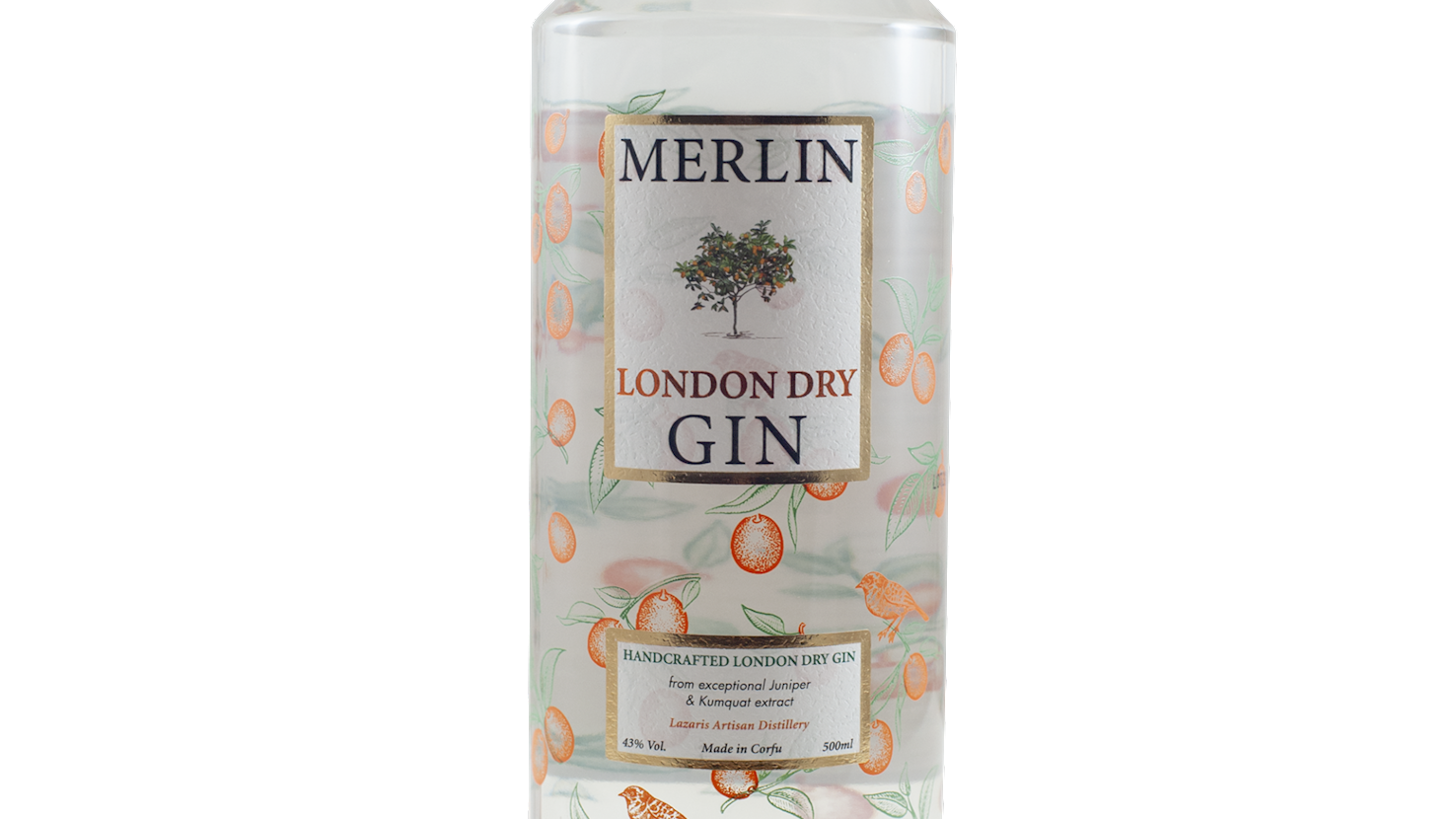
Lazaris Distillery & Artisan Sweets
5 ·
Awards
SFWSC - San Francisco World Spirits Competition - Double Gold (2023)
09
Olive Oil

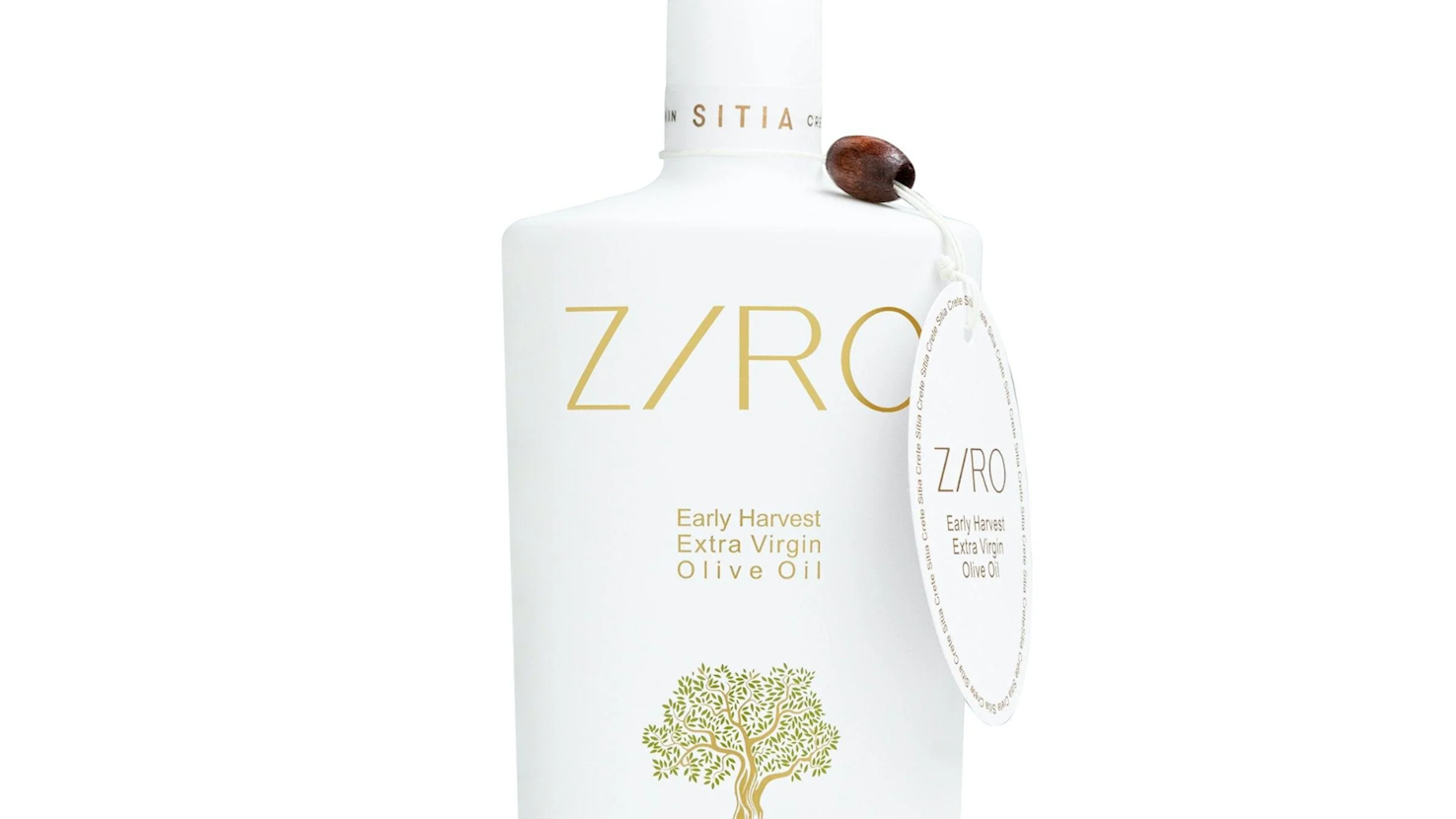
Ziro Sitia

5 ·
Ziro Sitia is an olive oil producer based in the Sitia region on the eastern part of Crete, an area known for its Protected Designation of Origin status for olive oil. Established in 2014, the company focuses on the production, processing, and distribution of extra virgin olive oil with a strong emphasis on quality and regional identity. Its oils are primarily made from the Koroneiki variety, which is well adapted to the local environment and known for its stable composition and aromatic potential. The olives are cultivated in the Ziros area, within the Sitia Geopark, where specific climatic and geological conditions influence the character of the oil. Production is carried out in limited quantities, with careful harvesting practices often taking place early in the season to preserve both aromatic intensity and nutritional value. The olives are processed shortly after harvest through cold extraction, reducing oxidation and maintaining freshness. In sensory terms, Ziro olive oils typically show pronounced fruitiness, balanced bitterness, and a clear pungency, with aromatic notes that may include fresh grass, artichoke, and green fruit.
Awards
ATHENA IOOC - Gold (2020)
Terraolivo IOOC - Grand Prestige Gold (2019)
10
Olive Oil

Agricultural Cooperative Kritsa

5 ·
Agricultural Cooperative Kritsa is one of the most established olive oil producers in Crete, founded in 1927 in the village of Kritsa in the Lasithi region. It was created as a collective of local olive growers to centralize production and improve market access, and today it brings together hundreds of members cultivating olive groves across the Mirabello area. The cooperative operates a modernized mill, originally established in 1937, where olives are processed shortly after harvest to preserve freshness and maintain low acidity levels. The groves extend from coastal zones to higher altitudes, creating diverse microclimatic conditions that influence the character of the oil, which is primarily based on the Koroneiki variety. Their extra virgin olive oils are typically defined by low acidity and a balanced fruity profile, reflecting both the raw material quality and controlled processing. The cooperative produces large volumes annually while maintaining consistent standards through centralized production and storage systems. One of their most recognized products is Kritsa PDO extra virgin olive oil, which represents the specific terroir of the region. Over time, the cooperative has received multiple awards, reinforcing its reputation both in Greece and internationally. Overall, Agricultural Cooperative Kritsa represents a model of collective production that combines scale, tradition, and quality control, with a strong connection to the local agricultural community.
Awards
ATHENA IOOC - Silver (2022)
London IOOC - Bronze (2017)
Read more
View all
View map
About this ranking

TasteAtlas food rankings are based on the ratings of the TasteAtlas audience, with a series of mechanisms that recognize real users and that ignore bot, nationalist or local patriotic ratings, and give additional value to the ratings of users that the system recognizes as knowledgeable. For the “Top 100 Greek Foods” list until June 24, 2026, 31,060 ratings were recorded, of which 17,557 were recognized by the system as legitimate. TasteAtlas Rankings should not be seen as the final global conclusion about food. Their purpose is to promote excellent local foods, instill pride in traditional dishes, and arouse curiosity about dishes you haven’t tried.

The initial list of top producers was compiled based on available reviews, awards, local recommendations, media and blog coverage, and consumer reviews. The list will be updated with ratings from TasteAtlas local ambassadors and TasteAtlas users.

Similar lists