shutterstock

Top 31 Tomatoes
in the World

Last updated on July 15, 2026

Best Tomato Types in the World

01

Pomodoro S. Marzano dell'Agro Sarnese-Nocerino

4.6 ·

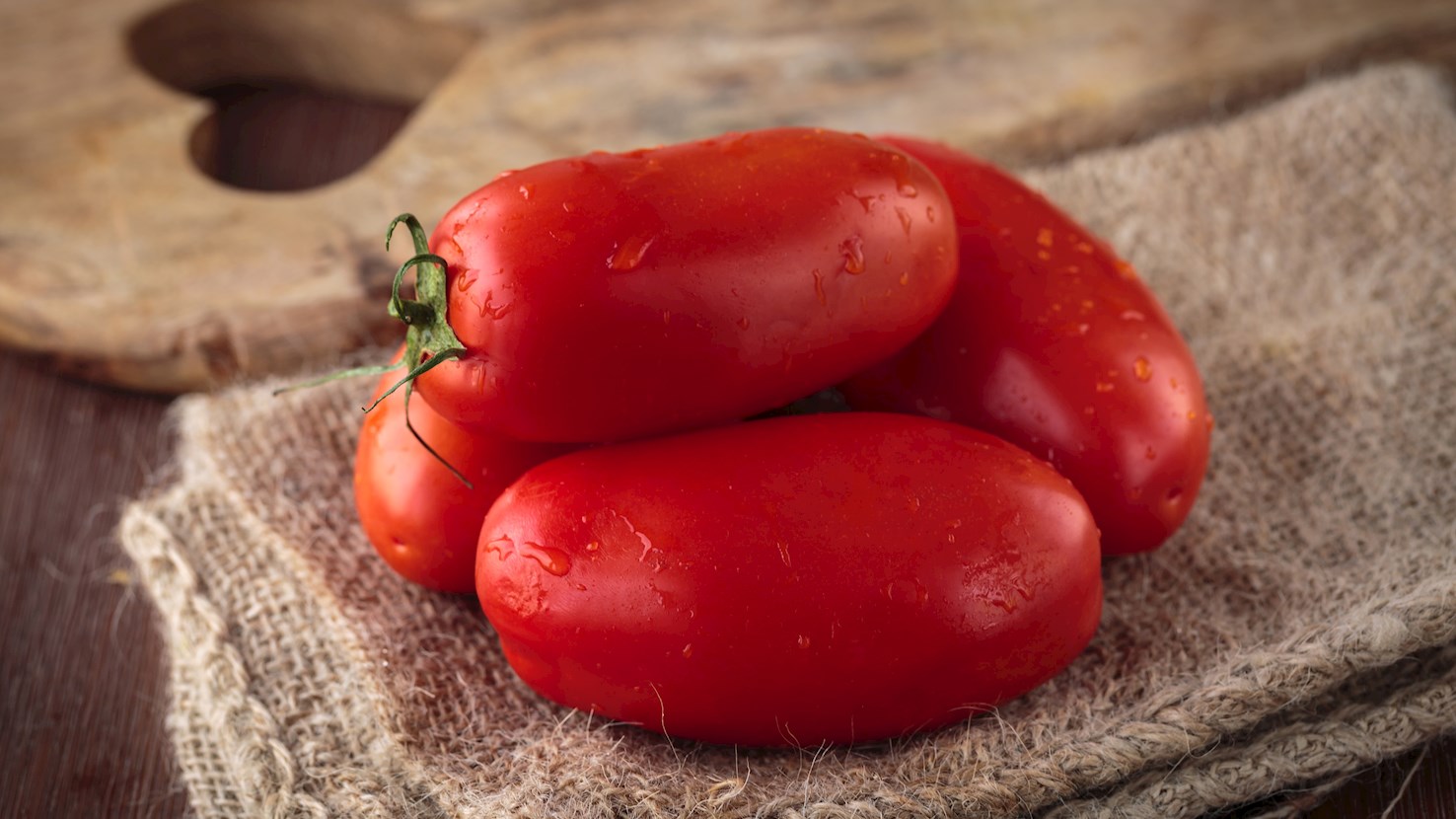
Prized by many chefs as the best of its kind, Pomodoro S. Marzano dell’Agro Sarnese-Nocerino is a variety of plum tomato grown along the banks of Sarno River in the fertile volcanic plains south of Mount Vesuvius, namely within the provinces of Naples, Salerno and Avellino. Locally known as 'the king of tomatoes', San Marzano peels quite easily and is characterized by an almost seedless flesh, bright red color and a delicate, bittersweet flavor. Even though San Marzano tomatoes are commonly used in a wide variety of Italian dishes, they have been designated as the only tomato variety that can be used for Vera Pizza Napoletana, the genuine Neapolitan pizza.

02

Pomodoro di Pachino

4.5 ·

Named after its town of origin, pomodoro di Pachino refers to various varieties of fresh tomatoes grown within the Sicilian province of Syracuse. The sweet flavored Pachino tomatoes are characterized by a particularly succulent flesh and prized for their long shelf life. They are best enjoyed fresh, and typically used as an ingredient for mixed salads, cold pasta dishes or for pizza toppings. Also, according to old Sicilian culinary traditions, Pachino tomatoes are often sun-dried and preserved in olive oil in which way they can be used for making pâtés and tapenades, various flans and a seemingly limitless number of pasta dishes.

03

Tomataki Santorinis

4.5 ·

These small tomatoes come from a local variety produced on the islands of Santorini, Thirasia, Palea Kameni, Nea Kameni, Aspro, Christiani, and Askania in the Cyclades in the southern Aegean Sea. The production, treatment, and processing of these tomatos must be carried out exclusively within this area in order to avoid deterioration in the quality of this fragile fruit. Tomataki Santorinis is a deep red color and has a firm, not particularly moist flesh with a high seed content. These tomatoes owe their distinctive characteristics to the climatic conditions and the limey, alkaline soils of the area. It has high levels of acidity and, due to the alkaline soil, a high sugar level when ripe. It has been recorded that tomato cultivation began on the island of Santorini in the 1870s. Today, Santorini tomatos are widely recognized as a product of exceptional quality and are used in a range of recipes.

04

Datterino

4.4 ·

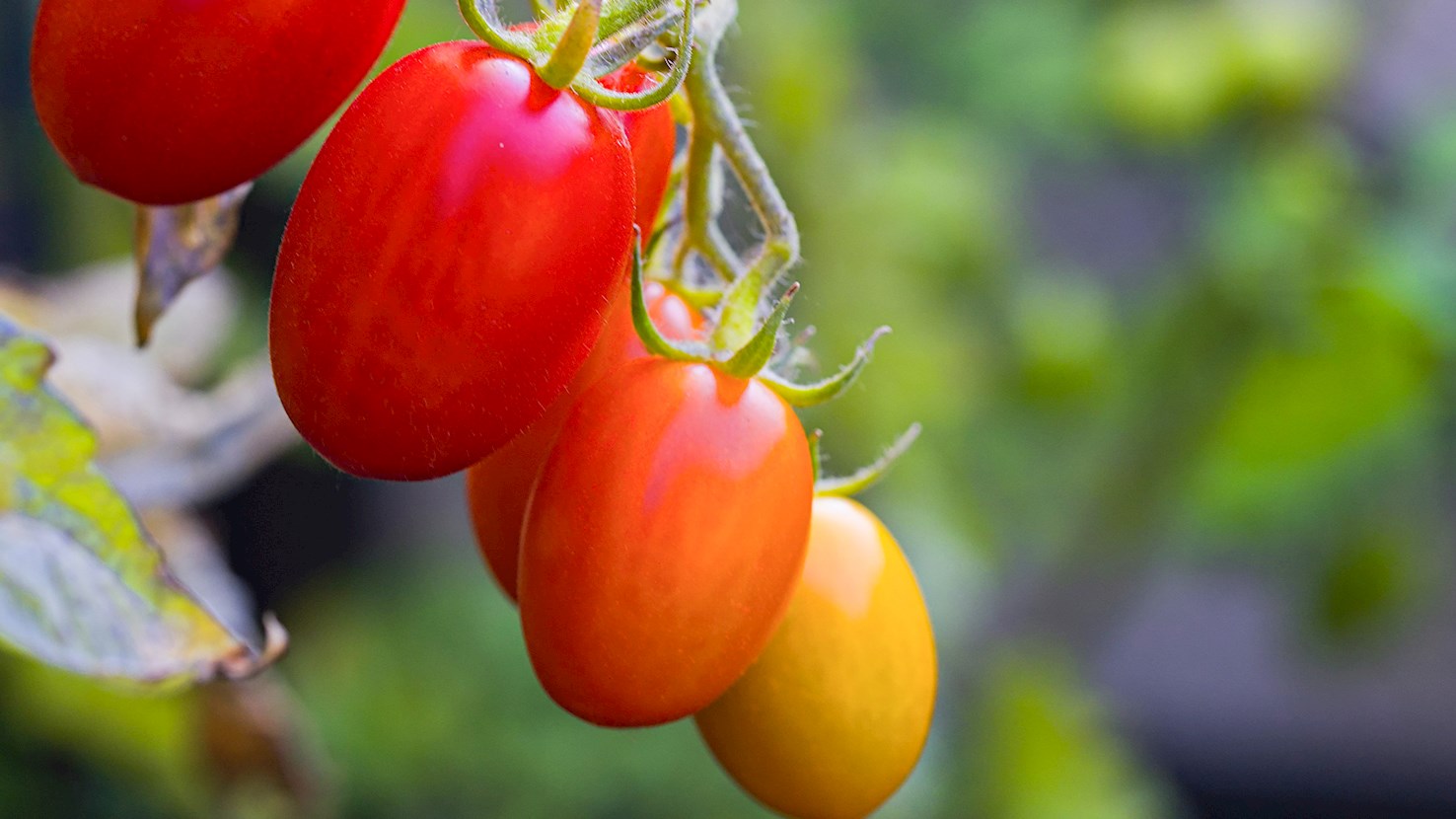
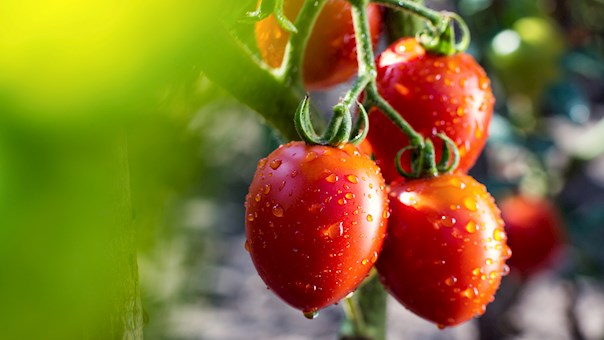
Datterino is a variety of tomato originating from Sicily, known for its sweet and intense flavor. It is small and oval-shaped, resembling a date, with a weight ranging from 15 to 40 grams (0.5 - 1.3 oz). The pulp is firm with low water content, a thin skin, and few seeds, making it ideal for fresh consumption in salads or for preparing sauces and preserves. The plant is vigorous, producing abundant clusters of tomatoes that have a long shelf life after harvesting.

05

Passata di pomodoro

4.2 ·

Passata di pomodoro (tomato passata) is an uncooked Italian sauce made from ripe, juicy tomatoes. It is believed it originated in southern Italy (Sicily or Campania are the most likely place of origin) as a way to preserve the abundance of tomatoes during the summer months. To make passata di pomodoro, tomatoes are first blanched to remove the skin and seeds. The flesh is then pureed into a chunky sauce that boasts a natural sweetness and tanginess. Finally, the sauce is strained to achieve a smooth consistency, and can be used immediately or preserved in jars or cans. This versatile product is a base ingredient in numerous Italian dishes, including pasta sauces, soups, stews, and pizzas. It can also be used as a topping or a dip, adding a burst of freshness to snacks like bruschetta or crostini.

06

Costoluto fiorentino

4.1 ·

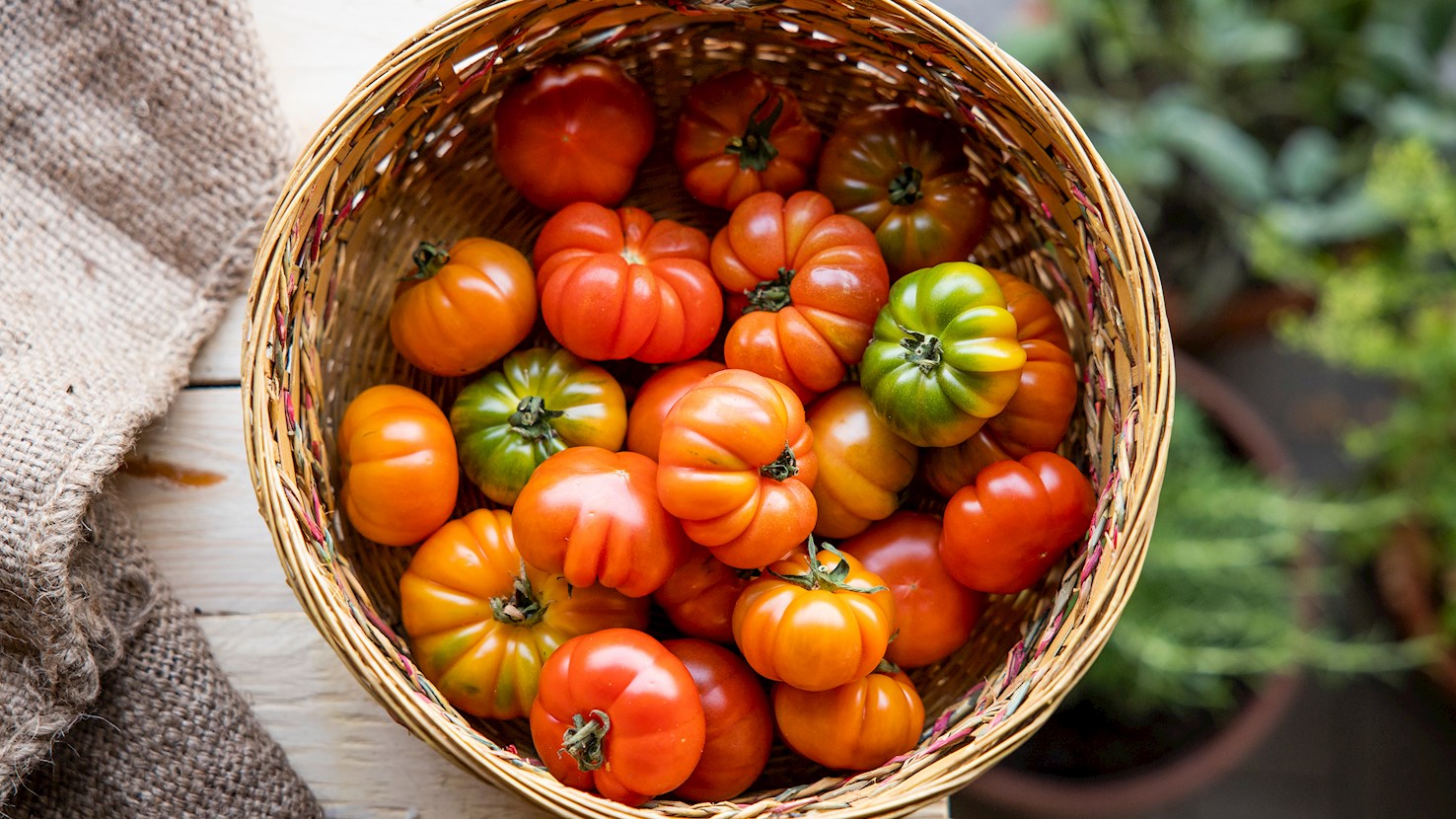
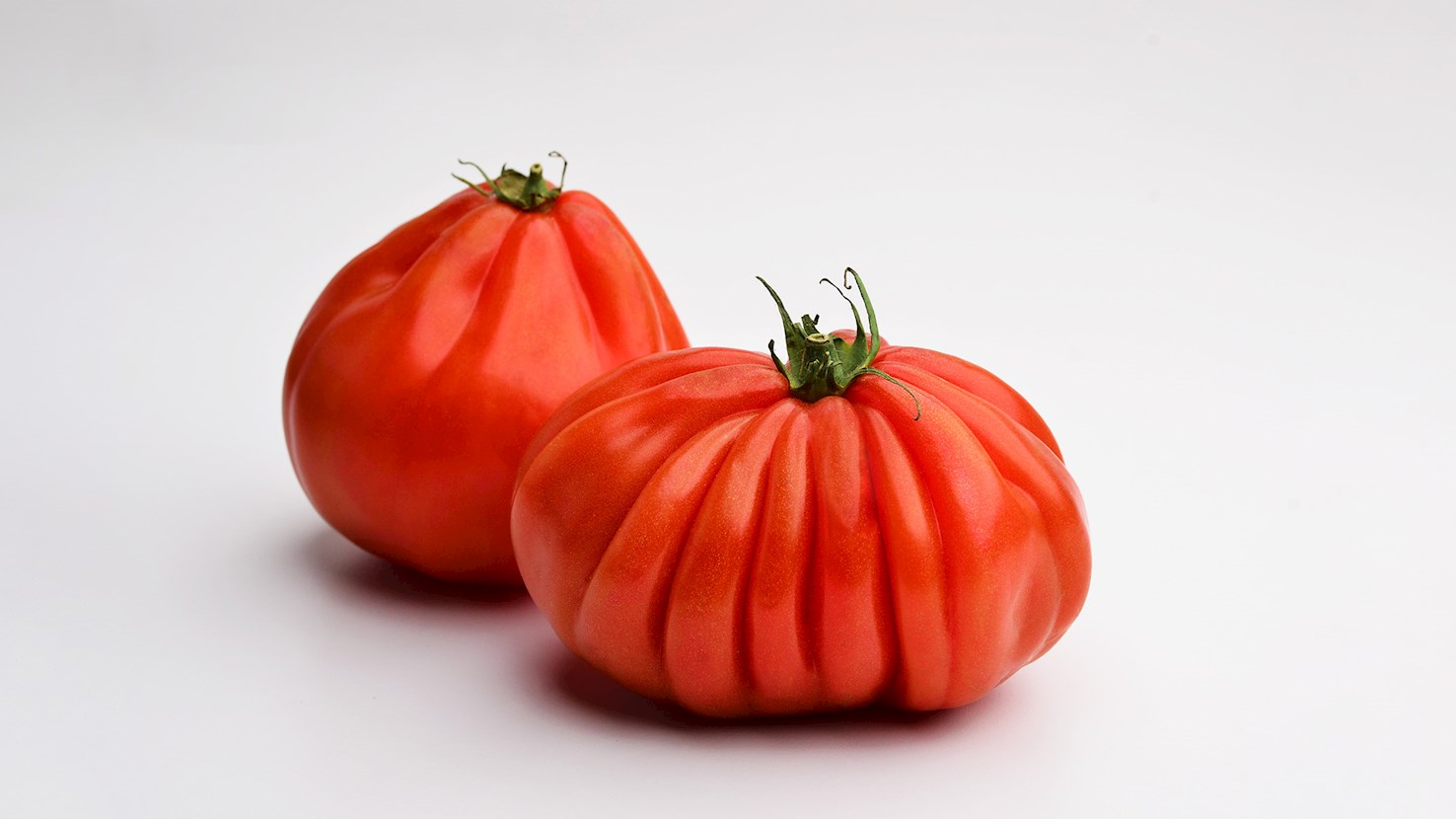
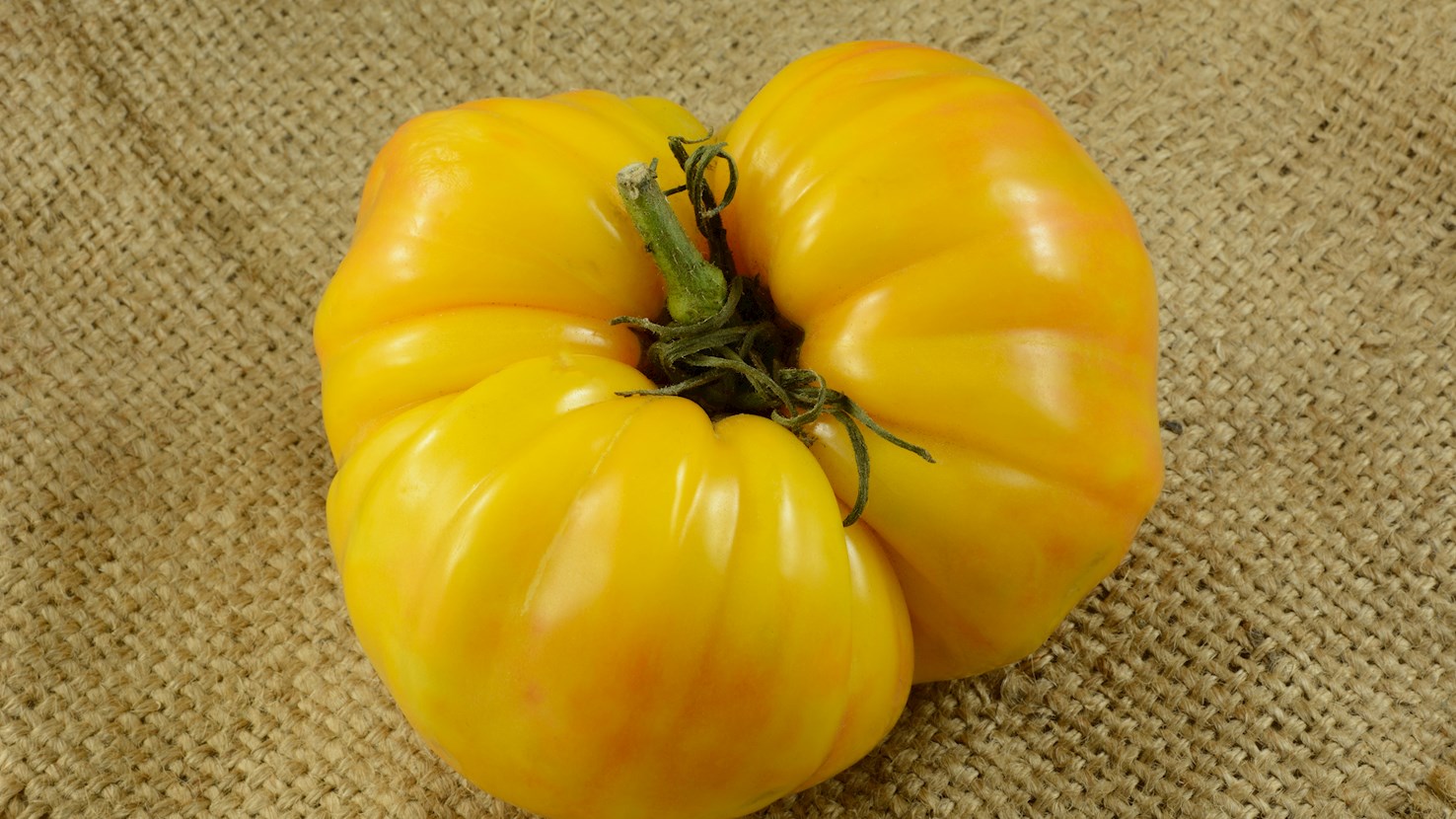
Costoluto fiorentino is a tomato variety originating from Florence. This heirloom has a distinct flattened and heavily ribbed shape. When mature, the color of the tomato is a brilliant deep red. These tomatoes have a meaty and juicy texture that is high in sugar and acid, making them one of the best varieties for cooking and making rich sauces or soups such as pappa al pomodoro. They are also used fresh, sliced and added to sandwiches or salads.

07

Pomodorino del Piennolo del Vesuvio

4.1 ·

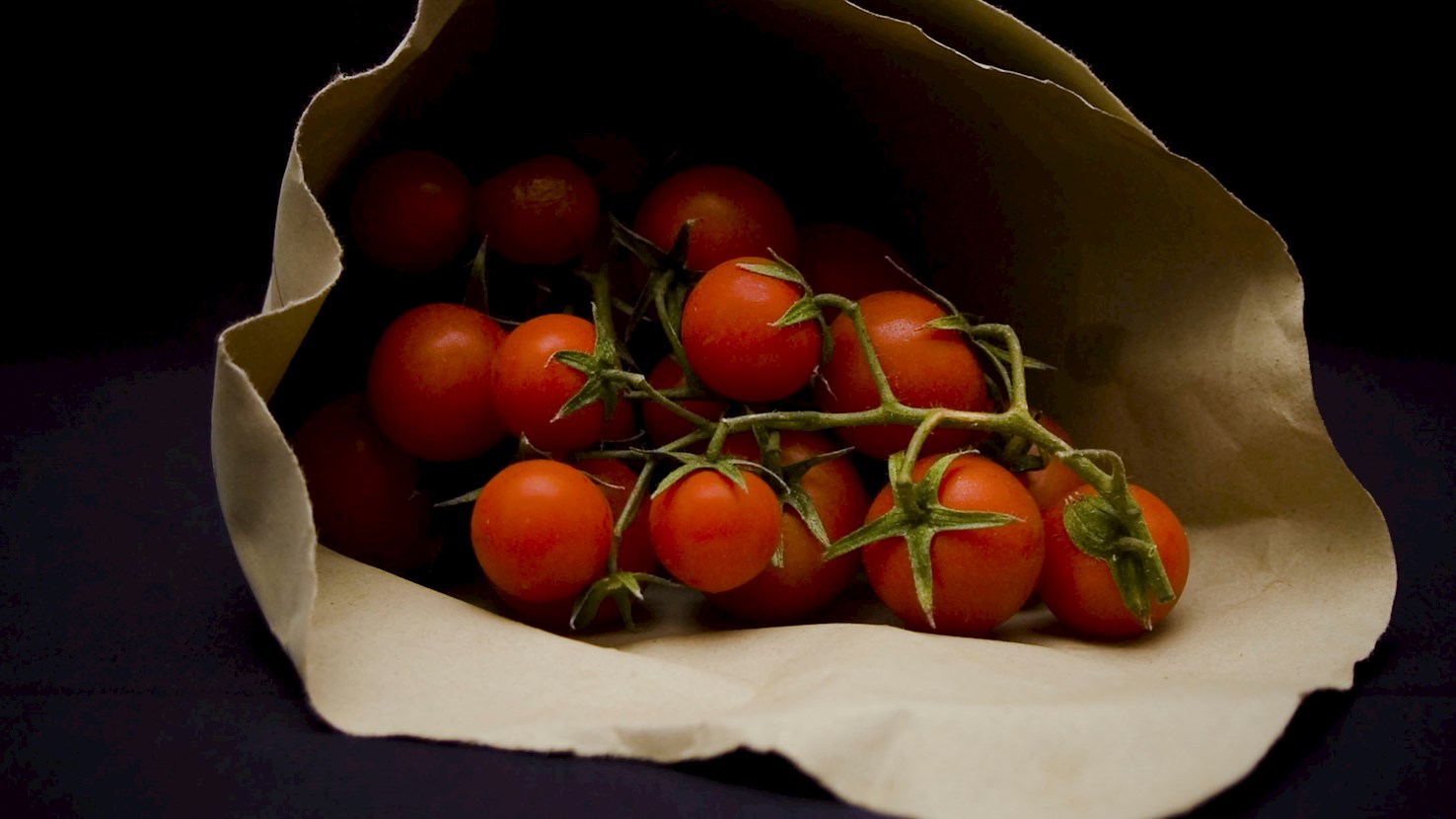
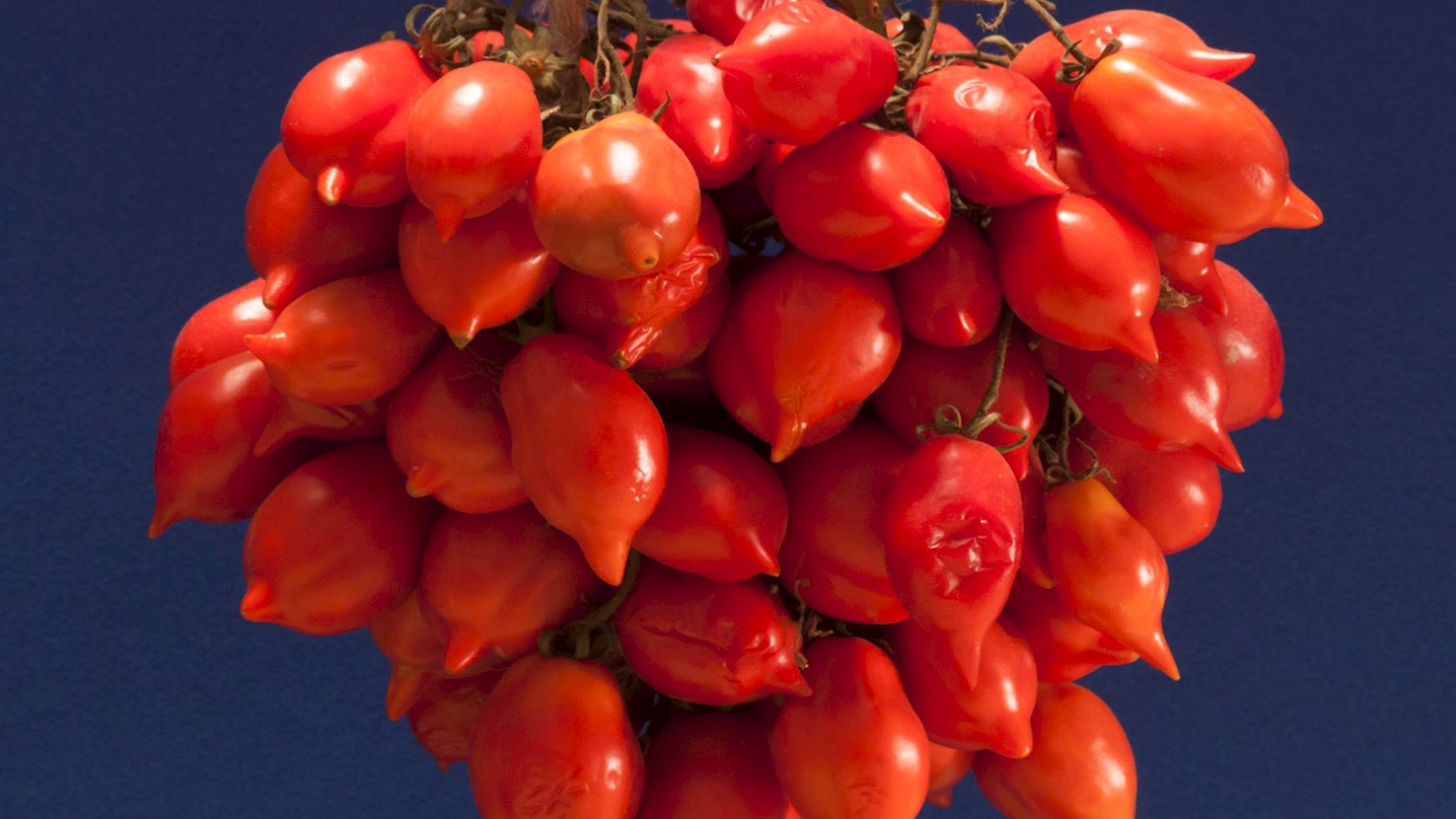
Grown and produced in the province of Naples, namely within the Vesuvio National Park, Pomodorino del Piennolo del Vesuvio refers to cherry tomatoes which are marketed al piennolo, braided in bunches and sun-dried. As the tomatoes slowly dry out, their sweet flavor and aroma become more intense and concentrated. Thanks to this old Vesuvian method of preserving, these fragrant cherry tomatoes can be enjoyed year round. Piennolo tomatoes are amazingly versatile and typically used as pizza topping or for preparing a wide variety of traditional Neapolitan pasta dishes like Scialatielli con salsiccia and Tagliatelle alle vongole or even desserts such as Millefoglie del Vesuvio.

08

Cuore di bue

3.8 ·

Cuore di bue (which means "oxheart" in Italian) is a traditional heirloom tomato variety known for its large, piriform shape, thin skin, and meaty, juicy flesh. It is a beefsteak-type tomato, prized for its sweet, delicate flavor and low acidity, making it ideal for raw consumption. This variety is particularly popular in northern Italy, especially in Liguria and Piedmont, where it is a key ingredient in fresh summer salads. Unlike many modern tomatoes, cuore di bue has few seeds and little water content, which makes it perfect for caprese salads, sandwiches, and bruschetta, as well as for slicing and enjoying with a drizzle of olive oil. It comes in various sizes, often weighing between 300 and 500 grams (10.5-17.5 oz), and its shape can be slightly irregular, with prominent lobes. The skin is very thin, so it is delicate and should be handled with care. Because of its high pulp-to-seed ratio, it is also used in sauces and cooking, though its best qualities shine when eaten raw. This variety is still cultivated using traditional methods, often in small-scale farms, and is highly sought after in Italian and Mediterranean cuisine.

09

Creole Tomato

3.4 ·

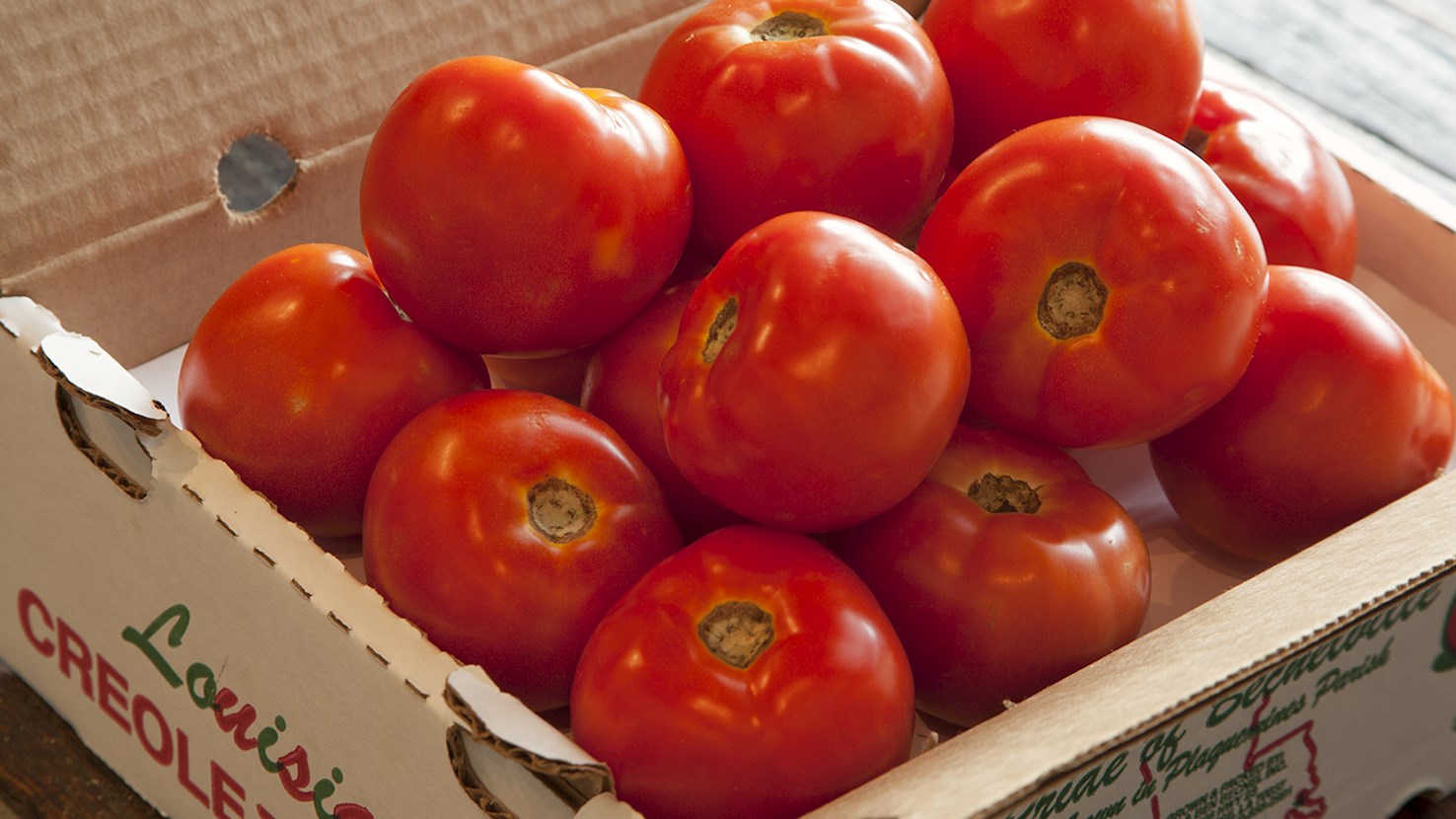
Creole tomato is a tomato cultivar originating from Louisiana. It's characterized by its very thin skin, high juice content, and low levels of acidity. The tomato also has an intensely sweet aroma and characteristic flavors which are a result of fertile local soil and humid air. Creole tomatoes are in season from June through August. It's important not to refrigerate them, as the process will diminish its naturally sweet flavors.

10

Ayaş domatesi

3.7 ·

Ayaş domatesi refers to a variety of tomato that is grown in the Ayaş district, located near Ankara in Turkey. This tomato variety is known for its distinctive taste and quality, and it has gained a reputation in Turkey and beyond for its superior characteristics. Ayaş domatesi is prized for its rich flavor, which is often described as sweet and robust. The taste profile of these tomatoes is typically more intense compared to standard varieties, making them a favorite among chefs and food enthusiasts. These tomatoes are traditionally cultivated with particular care to ensure the highest quality. Ayaş domatesi is versatile in culinary use. It can be enjoyed fresh in salads, as well as in cooked dishes where the tomato's flavor can significantly enhance the taste of the meal. It is also used in making sauces and pastes.

Best Tomatoes in the World

01

Orominerva

4.9 ·

Orominerva is an Italian producer of extra virgin olive oil and artisanal specialty foods based in the Molise region. Founded in 2011 as a family-owned olive mill specializing in olive processing and preserved vegetables, the company has gradually expanded its portfolio to include flavored olive oils, pesto, vegetable spreads, vegetable creams, and tomato products. Its production is based on traditional recipes and carefully selected ingredients, with most raw materials sourced from Molise and neighboring Italian regions. The brand name is inspired by Minerva, the Roman goddess traditionally associated with the olive tree and its enduring role in Mediterranean culture. Orominerva gained national recognition in 2017 when its artisanal tomato passata was named the best in Italy by Gambero Rosso. Today, the company is regarded as one of the notable producers of premium Italian specialty foods, combining regional traditions with a strong focus on quality and craftsmanship.

02

Casa Marrazzo

4.9 ·

Casa Marrazzo is an Italian family-owned producer of artisanal preserved food products based in the town of Pagani in the Campania region, with a heritage dating back to 1934. The company originated from a family farm established by Pasquale Marrazzo in the early 20th century, while in the 1970s his son Carmine expanded the business by developing the production of preserved fruits and vegetables using traditional processing methods. Today, the third generation of the Marrazzo family continues to lead the company, preserving its commitment to authentic Campanian flavors through artisanal production. The product range includes tomatoes and tomato-based products, vegetables preserved in oil and brine, legumes, ready-made sauces, organic products, and other traditional specialties from southern Italy. Casa Marrazzo combines traditional preservation techniques with modern food safety standards, while much of the production process still relies on careful manual handling and meticulous selection of raw ingredients. The brand is particularly recognized for products that reflect the gastronomic heritage of the Agro Sarnese-Nocerino area and the foothills of Mount Vesuvius, with a strong emphasis on authenticity and the origin of its ingredients.

03

Agricola Paglione

4.8 ·

Agricola Paglione is an Italian family-owned producer of organic food products based in Lucera, in the Apulia region, with roots in the long-standing agricultural traditions of the Faccilongo and Albano families. Founded in 1994, the company is now led by Nicola Faccilongo, who continues the family heritage with a strong focus on preserving the agricultural and gastronomic traditions of Daunia in northern Apulia. On its own organic farms, the company cultivates tomatoes, olives, and grapes, with particular emphasis on native local varieties. The raw ingredients are processed shortly after harvest in the company's artisanal facilities to preserve their natural flavors, aromas, and nutritional qualities. Its product range includes tomato passata, peeled tomatoes, ready-made sauces, tomato specialties, extra virgin olive oil, wines, spreads, vegetable pâtés, and other Mediterranean specialties. The company places great importance on artisanal production methods, and the quality of its products has led to collaborations with restaurants and chefs who incorporate them into Italian cuisine.

04

Masseria Mirogallo

4.8 ·

Masseria Mirogallo is an Italian family-owned agricultural company based in Matera in the Basilicata region, specializing in the cultivation of native fruit and vegetables and the production of traditional artisanal preserves. Founded in 1998, the company was established with the aim of preserving Basilicata's agricultural and culinary heritage through the processing of local raw ingredients using traditional recipes and production methods. Its production facility is located within the Park of the Rupestrian Churches of Matera, where fruit and vegetables are grown on the company's own fields, often from old local varieties characteristic of southern Italy. Thanks to the proximity of the fields to the processing facility, the harvested produce is processed shortly after harvest, helping preserve its freshness, aroma, and nutritional value. Production relies exclusively on natural preservatives such as salt, vinegar, and extra virgin olive oil, while all products are prepared according to traditional artisanal methods. Masseria Mirogallo is recognized as one of the notable producers of traditional preserved specialties from the Basilicata region.

05

Paolo Petrilli

4.8 ·

Paolo Petrilli is an Italian family-owned farm and producer of organic specialty foods based in Lucera, in the Apulia region. The company was founded in 1988 when Paolo Petrilli began transitioning to organic farming at a time when this production method was still uncommon in Italy. The farm is located on the historic Motta della Regina estate, where it cultivates tomatoes, durum wheat, and indigenous grape varieties, with all raw materials used exclusively for its own production. Particular emphasis is placed on preserving local plant varieties, maintaining low yields per hectare, and harvesting by hand to ensure the highest quality of the raw ingredients. The company's strong connection to the local community is reflected in the fact that much of the processing is carried out manually by workers from Lucera and the surrounding area, helping preserve traditional knowledge passed down through generations. Today, Paolo Petrilli is regarded as one of Italy's best-known producers of artisanal specialty foods, recognized for maintaining complete control over the production process and for its consistent commitment to quality and authenticity.

06

Maida Azienda Agricola Vastola

4.8 ·

Maida Azienda Agricola Vastola is an Italian family-owned farm and producer of artisanal specialty foods based near the archaeological site of Paestum in the Campania region. The company was founded in 1996 by Francesco Vastola with the aim of preserving and promoting the traditional agricultural products of Cilento through the processing of fruit and vegetables according to old family recipes. Production is based on carefully selected ingredients sourced from the company's own fields and from local growers, while processing is carried out using traditional artisanal methods. The product range includes tomato products, ready-made sauces, vegetables preserved in olive oil, spreads, jams, marmalades, legumes, and other specialties typical of the Cilento area. The company places particular emphasis on preserving the gastronomic heritage of Magna Graecia and promoting local biodiversity, with many of its products made from traditional fruit and vegetable varieties native to Campania.

07

Duca Carlo Guarini

4.7 ·

Duca Carlo Guarini is an Italian family-owned agricultural company based in Scorrano in the Apulia region, with origins dating back to the 11th century, when the Guarini family settled in the Salento area. Over the course of more than nine centuries, the family has developed its expertise in viticulture, olive growing, and agriculture, and today the estate covers approximately 700 hectares of vineyards, olive groves, and cultivated farmland. In addition to producing organic wines and extra virgin olive oil, the company offers a range of traditional food products under the Le Masserie del Duca label, including tomato passatas, ready-made sauces, peeled tomatoes, sun-dried tomatoes, vegetables preserved in oil, vegetable spreads, jams, and legumes. Its selection includes traditional tomato passata as well as passatas made from Ciliegino, Datterino, and organic yellow tomatoes, all prepared through simple pasteurization with a minimal number of ingredients. The vegetables used for the company's preserves are harvested at seasonal peak ripeness and processed while still fresh, while many specialties are prepared with extra virgin olive oil produced in the estate's own olive mill. Duca Carlo Guarini follows a fully integrated production model, overseeing every stage from cultivation to the finished product in order to preserve the authentic flavors and culinary heritage of Salento.

08

San Nicola dei Miri

4.7 ·

San Nicola dei Miri is an Italian brand of preserved foods from the Campania region, specializing in organic tomato products made from tomatoes grown in the fertile volcanic soils at the foot of Mount Vesuvius. The brand is part of Pastificio Gentile, based in Gragnano, and was developed to complement the company's artisanal pasta with authentic ingredients rooted in the traditions of Italian and Mediterranean cuisine. Its product range includes organic San Marzano and Piennolo tomatoes, tomato passata, and tomato sauces prepared according to traditional family recipes. The tomatoes are cultivated in mineral-rich volcanic soil, which contributes to their natural sweetness, rich flavor, and distinctive aroma. Carefully selected ingredients and traditional processing methods help preserve the products' authentic character and quality. The brand places particular emphasis on simple, high-quality ingredients and the preservation of Campania's culinary heritage. Combining carefully sourced raw materials with artisanal production, San Nicola dei Miri offers products designed for those who appreciate authentic Campanian and Italian cuisine.

09

La Catedral de Navarra

4.6 ·

La Catedral de Navarra is a Spanish company specializing in premium vegetable preserves, based in Mendavia in the Navarra region of northern Spain. The origins of the brand date back to the early 20th century, when Petra López began preserving locally grown vegetables in small glass jars using traditional methods.

Over time, this family initiative developed into a company dedicated to producing high-quality preserves that reflect the agricultural heritage of the fertile Ebro valley. The company focuses on vegetables such as white asparagus, piquillo peppers, artichokes and other seasonal crops cultivated in Navarra.

These products benefit from the region’s fertile soils and favorable climate, which contribute to their distinctive flavor and quality. La Catedral de Navarra works closely with local farmers and processes the vegetables shortly after harvest to maintain freshness and natural taste.

Several of its products are linked to protected quality schemes such as Espárrago de Navarra PGI, Pimiento del Piquillo de Lodosa DO and Alcachofa de Tudela PGI. By combining traditional preserving techniques with modern quality control, the company has become recognized for producing gourmet vegetable preserves rooted in the culinary traditions of Navarra.

10

Agrigenus

4.5 ·

Agrigenus is an Italian producer of traditional preserved food products from the Campania region, established through the initiative of agronomist Francesco Pirone with the aim of preserving and promoting the region's agricultural heritage by processing locally sourced ingredients. The company operates under Bioagriworld, with its production facility located in Acerra near Naples, one of Campania's most historic tomato-growing areas. In addition to tomato-based products, its portfolio includes legumes, preserved vegetables, and other traditional specialties representative of Campanian cuisine. Agrigenus applies strict quality control throughout the entire production process, from the selection of raw ingredients to the final packaging, with a strong emphasis on artisanal methods and the preservation of traditional processing techniques. The brand's mission is to showcase the authentic flavors of Campania through products that highlight local origin, high-quality ingredients, and the region's rich culinary heritage.

About this ranking

TasteAtlas food rankings are based on the ratings of the TasteAtlas audience, with a series of mechanisms that recognize real users and that ignore bot, nationalist or local patriotic ratings, and give additional value to the ratings of users that the system recognizes as knowledgeable. For the “Top 31 Tomatoes in the World” list until July 15, 2026, 481 ratings were recorded, of which 290 were recognized by the system as legitimate. TasteAtlas Rankings should not be seen as the final global conclusion about food. Their purpose is to promote excellent local foods, instill pride in traditional dishes, and arouse curiosity about dishes you haven’t tried.

The initial list of top producers was compiled based on available reviews, awards, local recommendations, media and blog coverage, and consumer reviews. The list will be updated with ratings from TasteAtlas local ambassadors and TasteAtlas users.

Similar lists